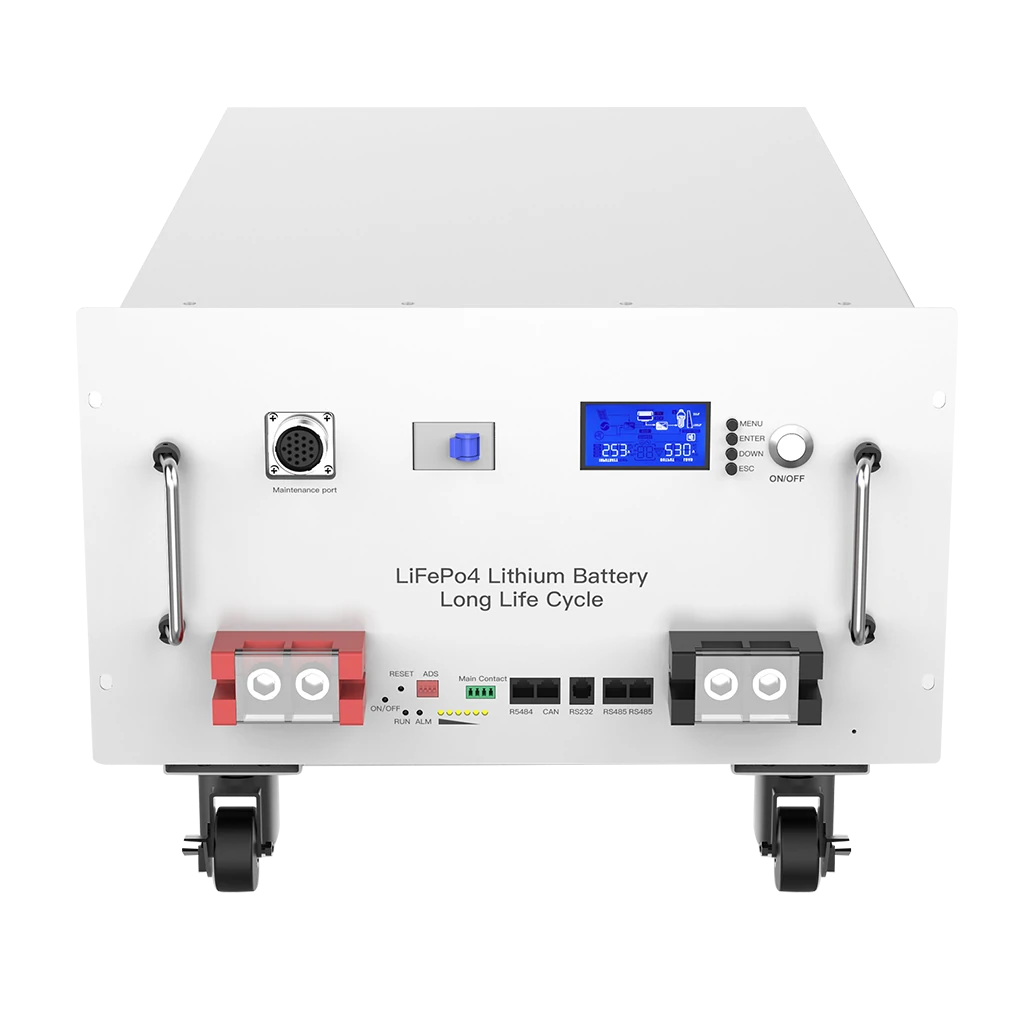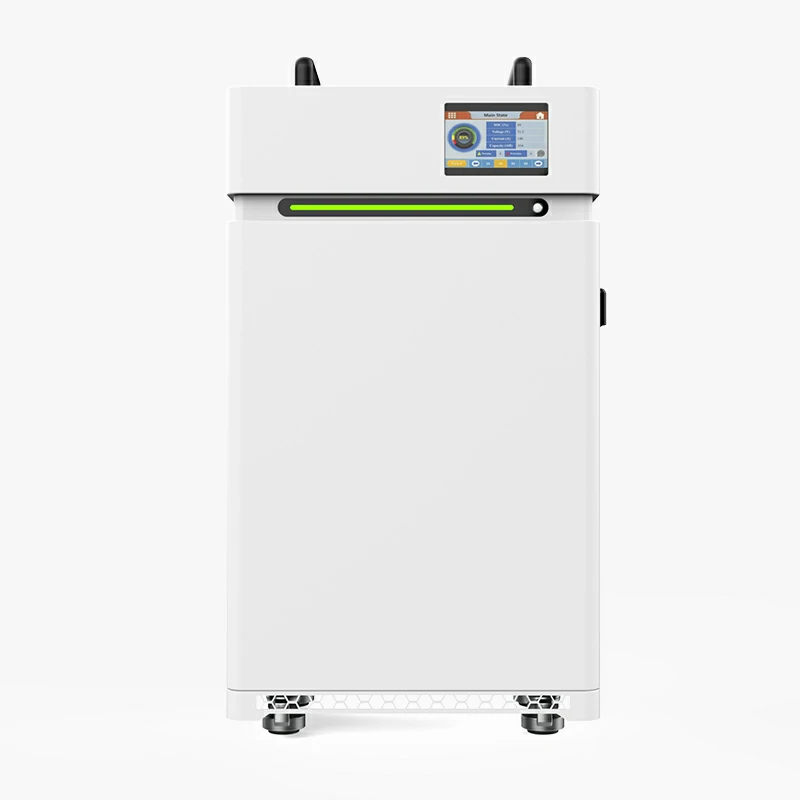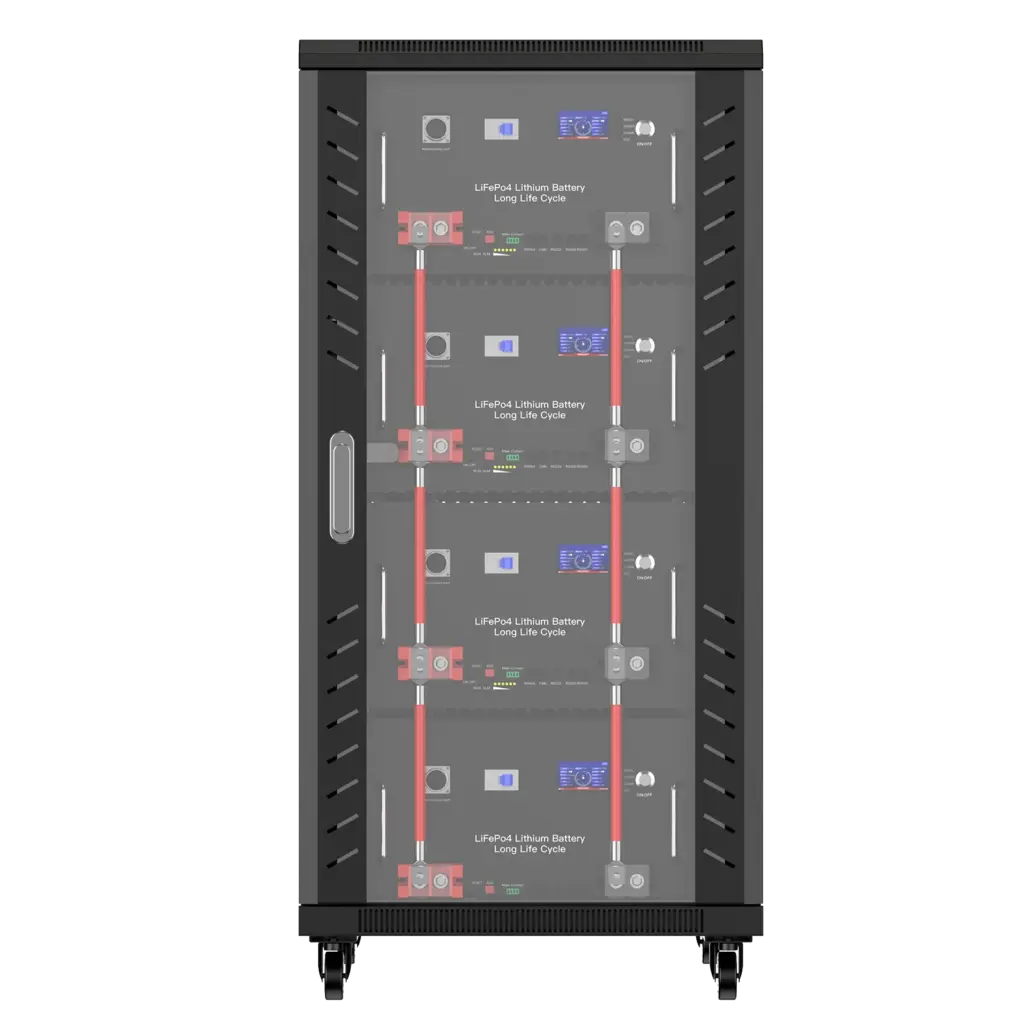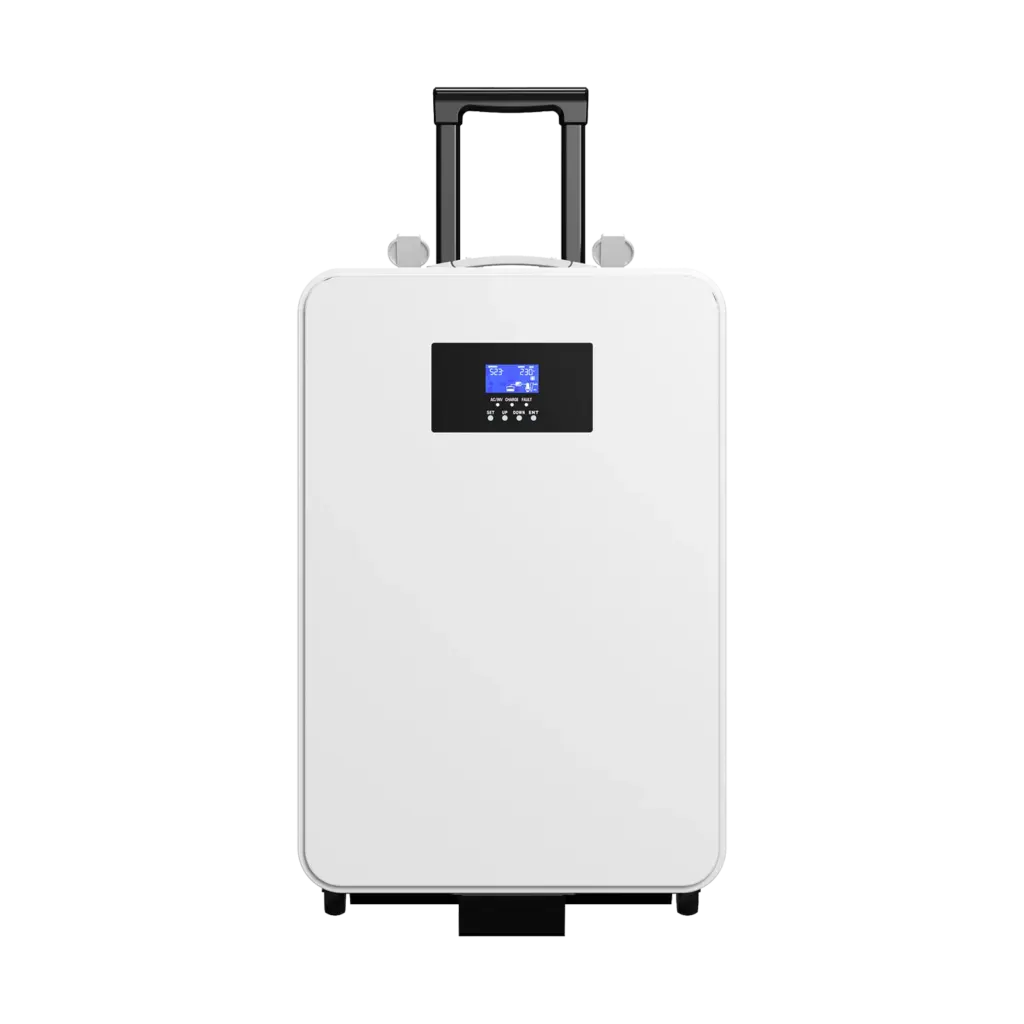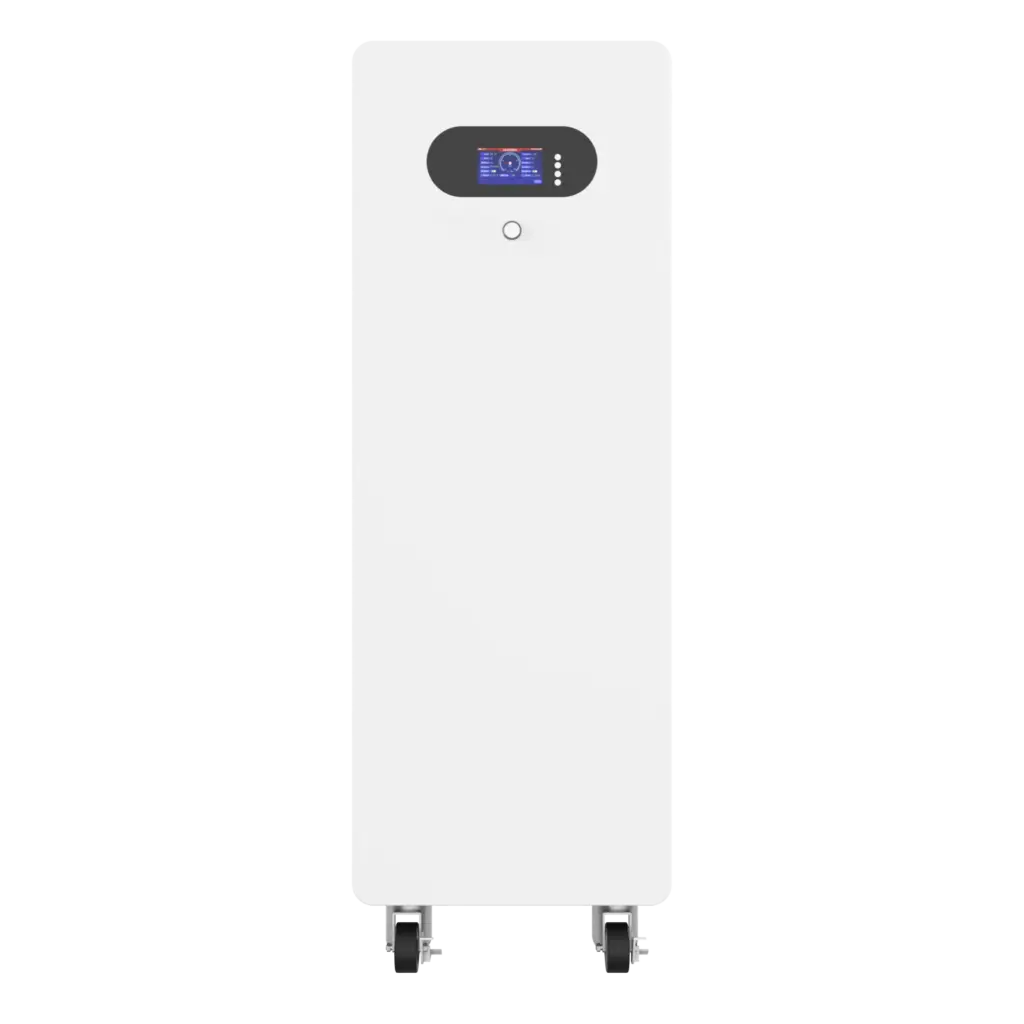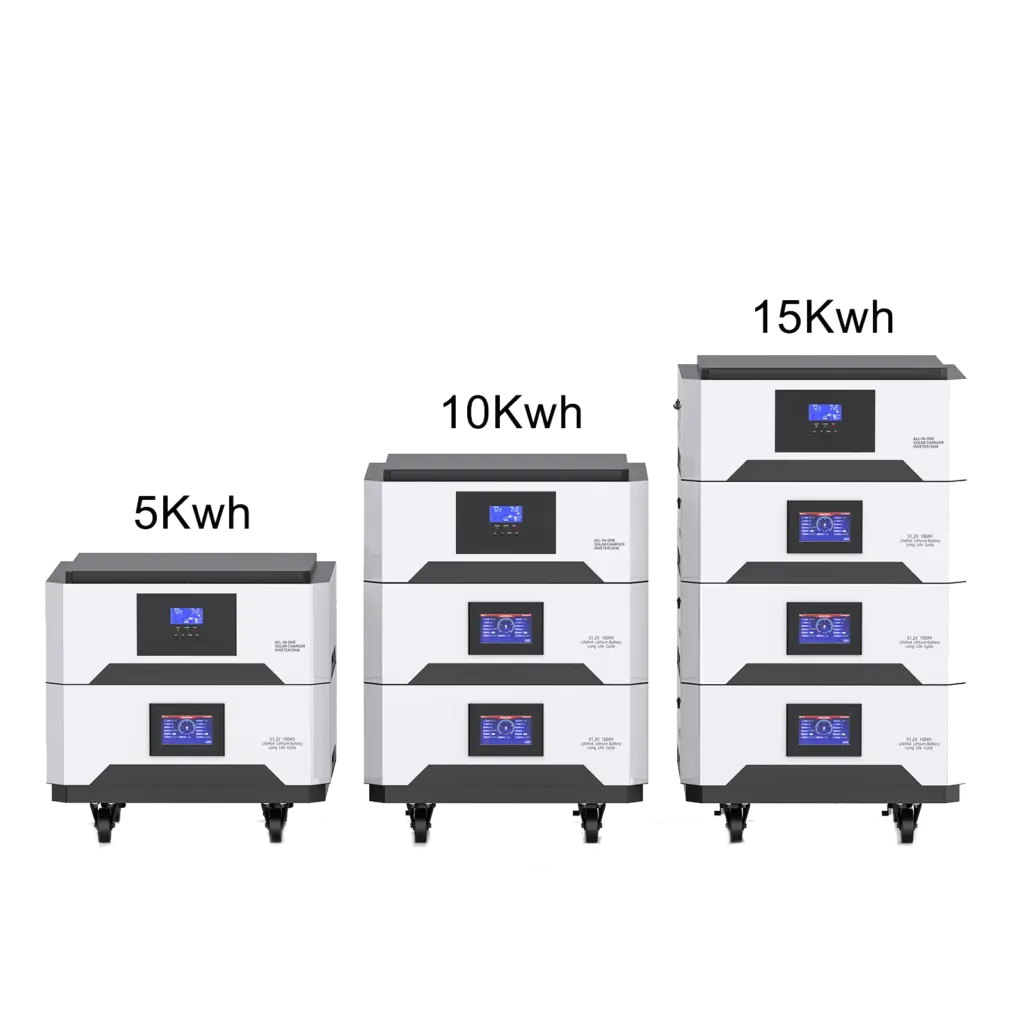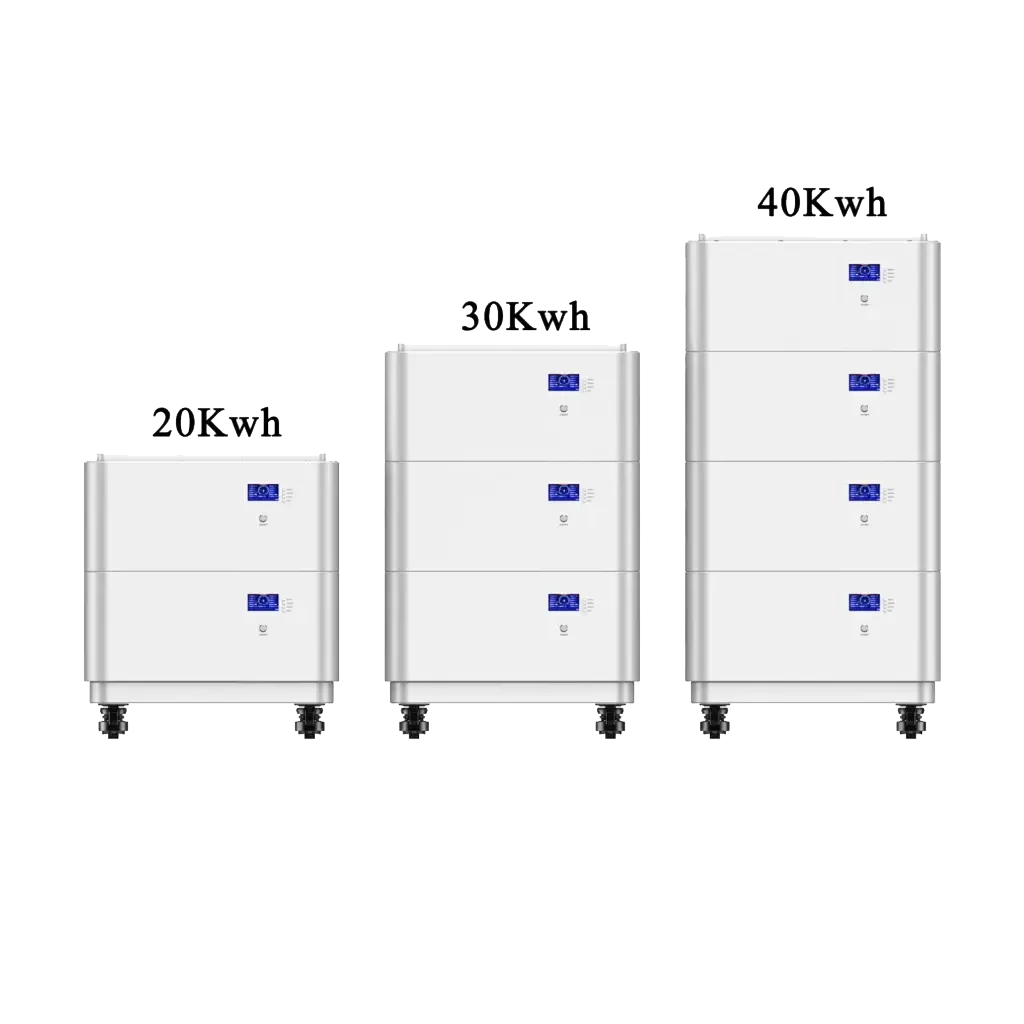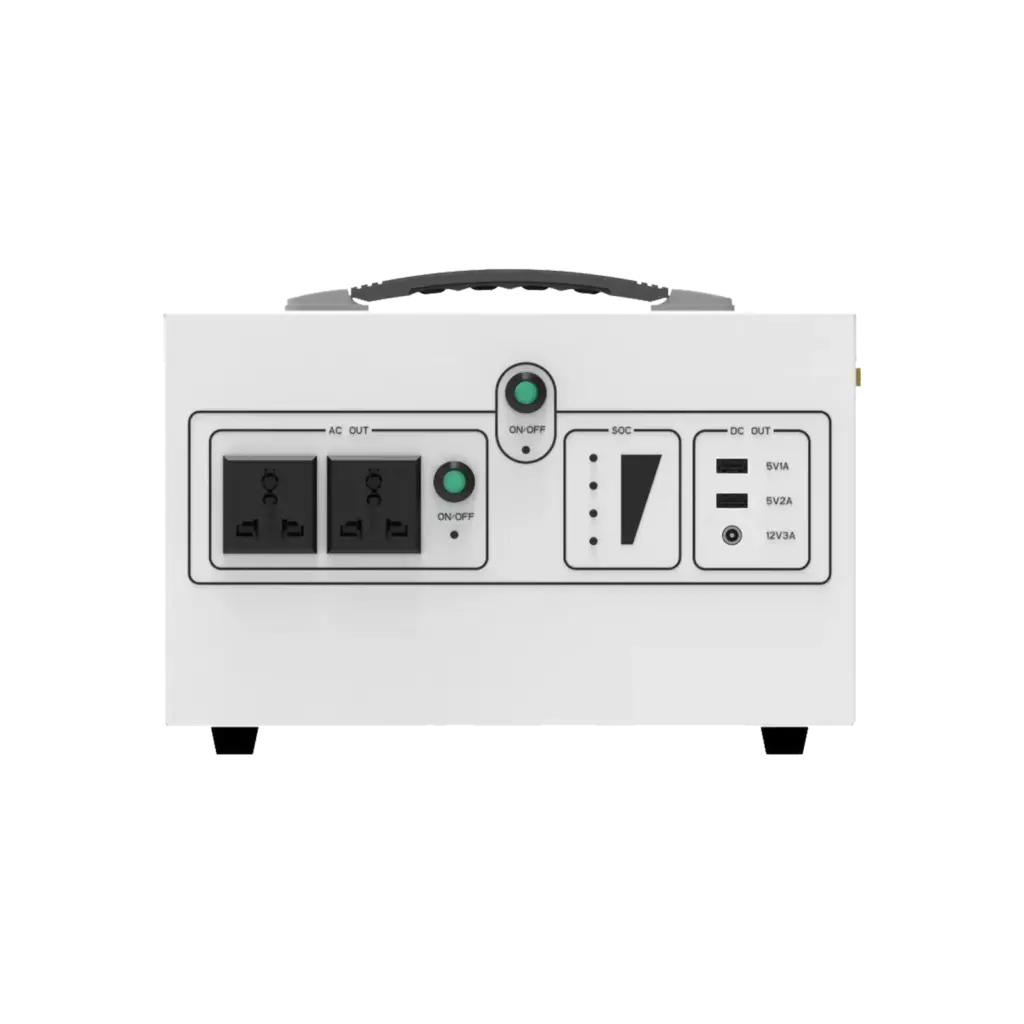

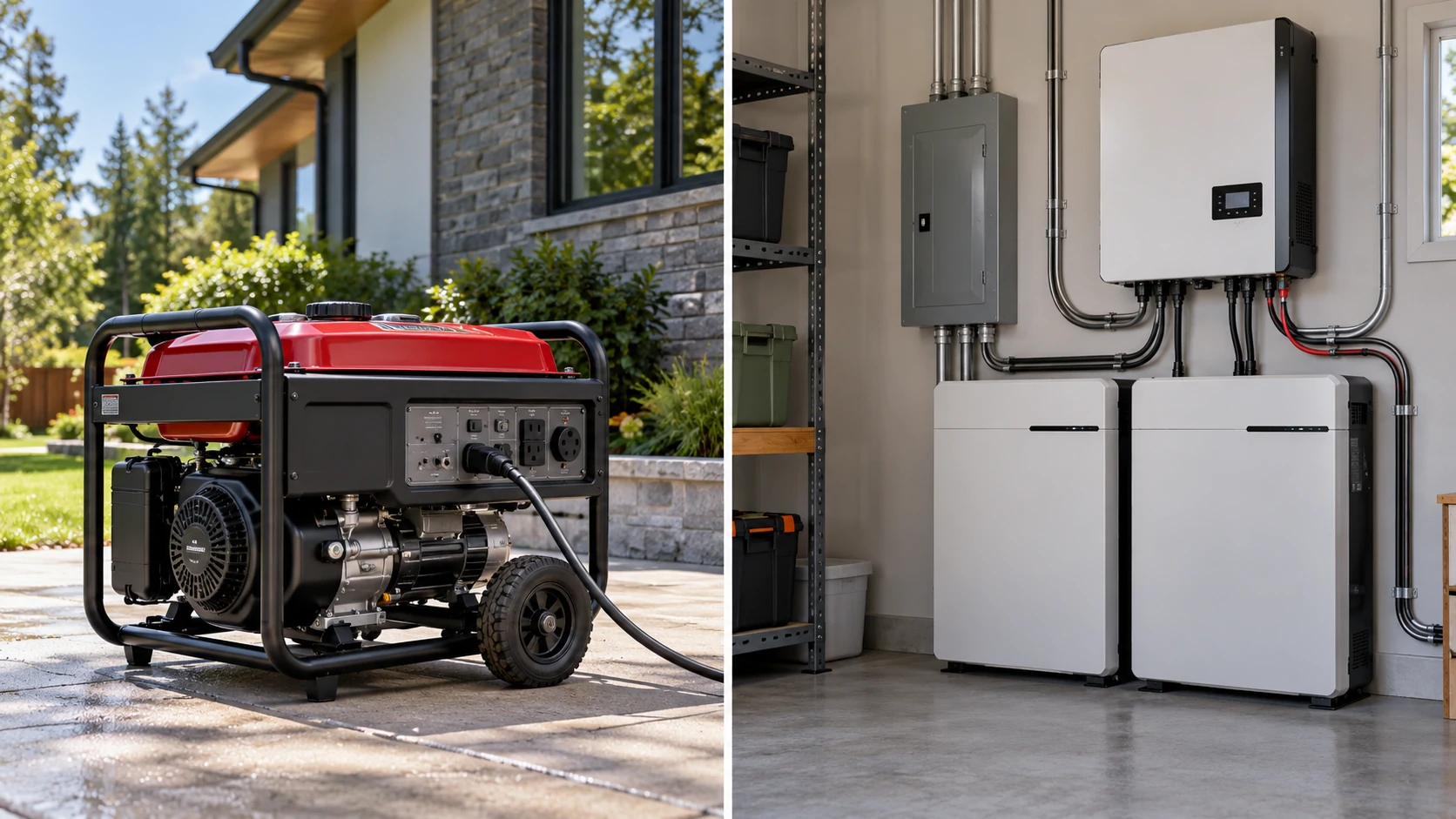
The main difference between a generator and an inverter is how they supply electricity: a generator converts mechanical energy into electrical power, while an inverter converts existing direct current (DC) electricity into alternating current (AC). A fuel-powered generator can produce electricity as long as it has a suitable fuel supply. An inverter needs another energy source, such as a battery or solar array, and does not generate additional energy by itself.
For home backup, camping, and off-grid power, the more practical comparison is often between a fuel generator and a battery-powered inverter system.
Generator vs Inverter: What Are the Main Differences?
| Comparison | Conventional fuel generator | Battery + inverter system |
|---|---|---|
| Main function | Produces electricity | Stores energy in a battery and converts DC to AC |
| Energy source | Gasoline, diesel, propane, or natural gas | Charged battery, often replenished from grid or solar |
| Battery required | Not generally for power production | Yes, for battery-based backup |
| Continuous output | Depends on generator rating | Depends on inverter and battery discharge ratings |
| Operating duration | Limited by fuel supply and maintenance | Limited by usable battery energy and charging |
| Noise | Combustion-engine noise | Usually much quieter, although cooling fans may run |
| Emissions during operation | Combustion exhaust | No on-site combustion emissions during battery discharge |
| Startup | Requires engine starting | Electronic startup; backup transfer depends on equipment |
| Maintenance | Engine, fuel, oil, and other service items | Battery, inverter, electrical protection, and cooling inspections |
| Solar integration | Possible through compatible charging equipment | Common with solar charge controllers or hybrid inverters |
| Main advantage | Sustained generation when fuel is available | Quiet, controllable power without on-site fuel combustion |
| Main limitation | Fuel, noise, exhaust, and maintenance | Stored-energy capacity and recharge availability |
How Does a Generator Work?
A conventional fuel-powered generator produces electricity by converting mechanical energy into electrical energy. In most portable models, a combustion engine drives an alternator, which generates AC electricity. The amount of usable power depends on the generator’s continuous rating, electrical design, engine capability, fuel availability, and operating conditions.
A simplified energy flow is:
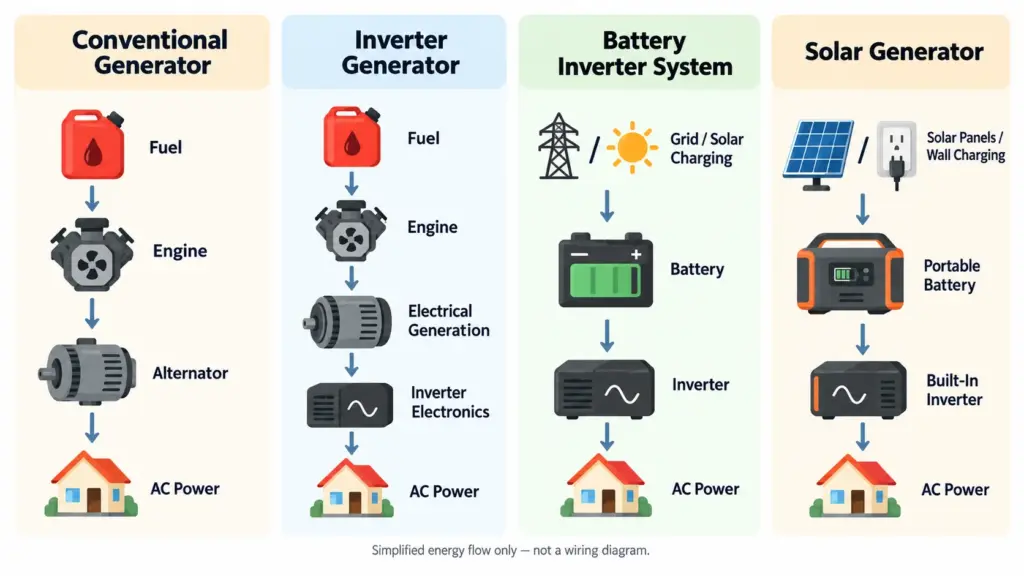
Fuel → Engine → Alternator → AC Electricity → Appliances
Generators are commonly used for:
- Emergency home backup during utility outages.
- Construction sites and outdoor power tools.
- Remote cabins and agricultural operations.
- RVs and temporary outdoor applications.
- Commercial facilities requiring an independent power source.
Generators are rated by continuous or running watts and by starting or surge watts.
For example, a unit described as 4,000 starting watts and 3,500 running watts should not be treated as capable of delivering 4,000W continuously.
How Does an Inverter Work?
An inverter uses electronic switching and control circuits to convert DC electricity into AC electricity. In a battery backup system, stored battery energy becomes usable for household appliances through the inverter. Unlike a fuel generator, the inverter has no combustion engine and cannot replenish the battery unless charging equipment is also included.
A typical battery-based power flow is:
Grid or Solar Charging → Battery Storage → Inverter → AC Appliances
An inverter may be installed as a standalone device or integrated into a more complex energy system.
Common types include:
- Standalone pure sine wave inverter: Converts battery DC into AC for compatible equipment.
- Off-grid inverter: Supplies AC electricity in systems designed to operate without a utility grid.
- Hybrid inverter: Can coordinate solar generation, batteries, and grid interaction, depending on the model.
- Inverter-charger: Combines DC-to-AC inversion with compatible AC-to-DC battery charging functions.
The basic conversion principle is the same, but the available features differ significantly.
A standard grid-tied solar inverter may shut down during a utility outage because of anti-islanding protection. It should not be assumed to provide backup power unless it has the necessary backup operating capability and system design.
For a more detailed technical explanation, see What Is an Inverter? How It Works, Types and Cost.
Is an Inverter Generator the Same as an Inverter?
No. An inverter generator is a fuel-powered generator that uses electronic power conversion to regulate its AC output. A standalone inverter is a power conversion device that requires an external electrical energy source.
| Equipment | Simplified energy flow |
|---|---|
| Conventional generator | Fuel → Engine → Alternator → AC |
| Inverter generator | Fuel → Engine → Electrical generation → Electronic conversion → Regulated AC |
| Battery inverter system | Charged battery → Inverter → AC |
Which Is Better for Home Backup: A Generator or an Inverter?
For home backup, a fuel generator is often more practical when outages last several days and substantial power is needed, provided fuel and safe outdoor operating space are available. A battery inverter system is often preferable for short outages, nighttime operation, and frequent use with solar.
| Situation | Usually the more practical option | Reason | Important limitation |
|---|---|---|---|
| Short outage, lights and internet | Battery + inverter | Quiet power for essential loads | Battery must have enough usable energy |
| Multi-day outage with high energy consumption | Fuel generator or hybrid system | Can supply more energy through refueling | Fuel availability, exhaust, noise |
| Home with existing solar and compatible storage equipment | Battery + hybrid inverter | Can use and store solar generation | Backup function and installation must be verified |
| Remote property with regular high-power equipment | Generator or appropriately sized hybrid system | Supports large or sustained loads | Maintenance and fuel logistics |
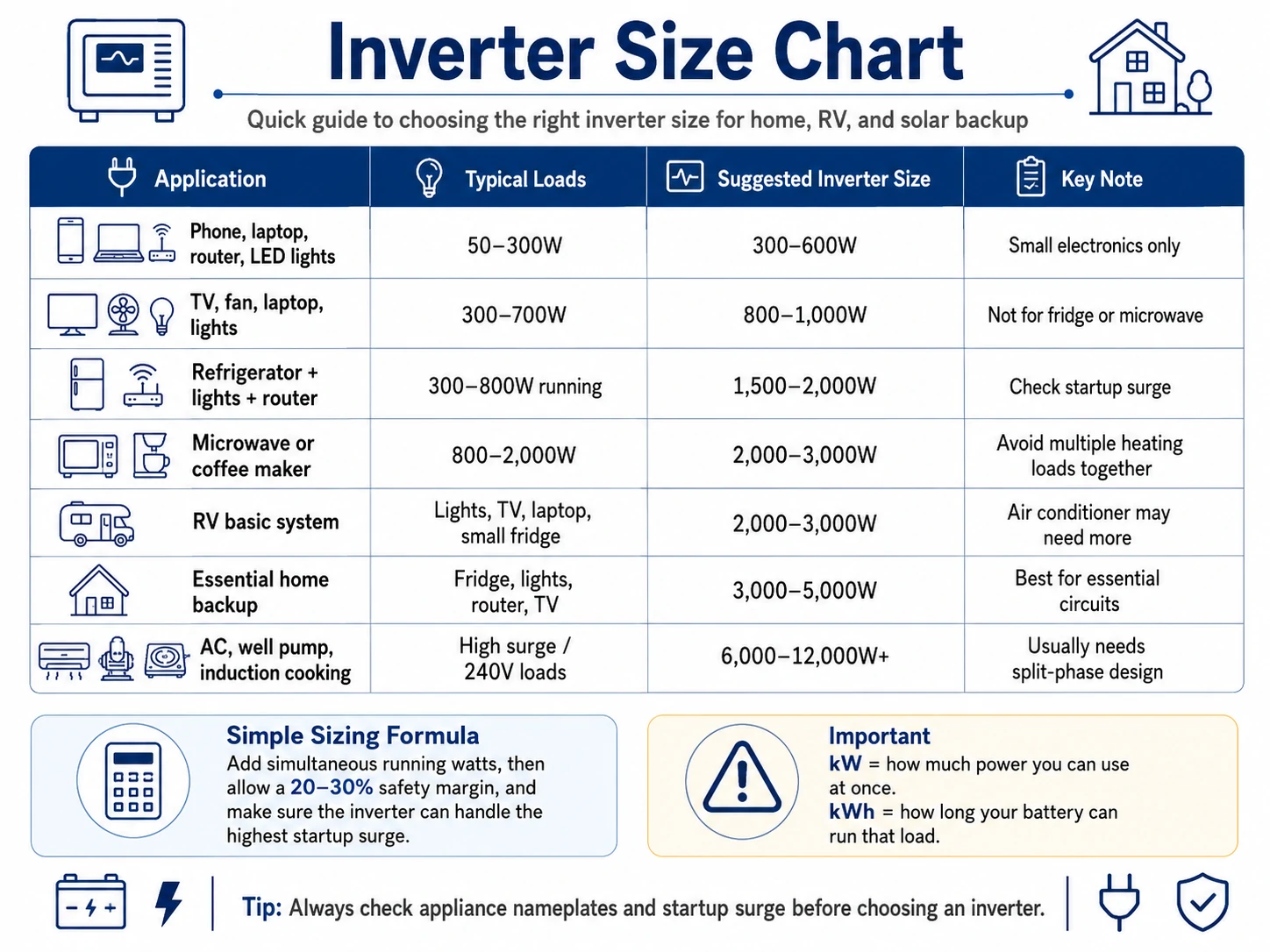
| Apartment or location without safe outdoor generator space | Approved indoor-rated battery power station | Avoids local combustion exhaust | Runtime and building rules |
| RV or campground with noise restrictions | Battery system or appropriately quiet permitted equipment | Lower disturbance | Campground-specific rules apply |
| Critical uninterrupted equipment | Engineered UPS and backup system | Addresses transfer and power continuity | Neither ordinary generator nor inverter alone guarantees uninterrupted supply |
For more on residential requirements, see Battery Backup for Home Power Outages.
How Long Can a Battery Inverter Run Compared With a Generator?
Battery Inverter Runtime Formula
For a simplified estimate:
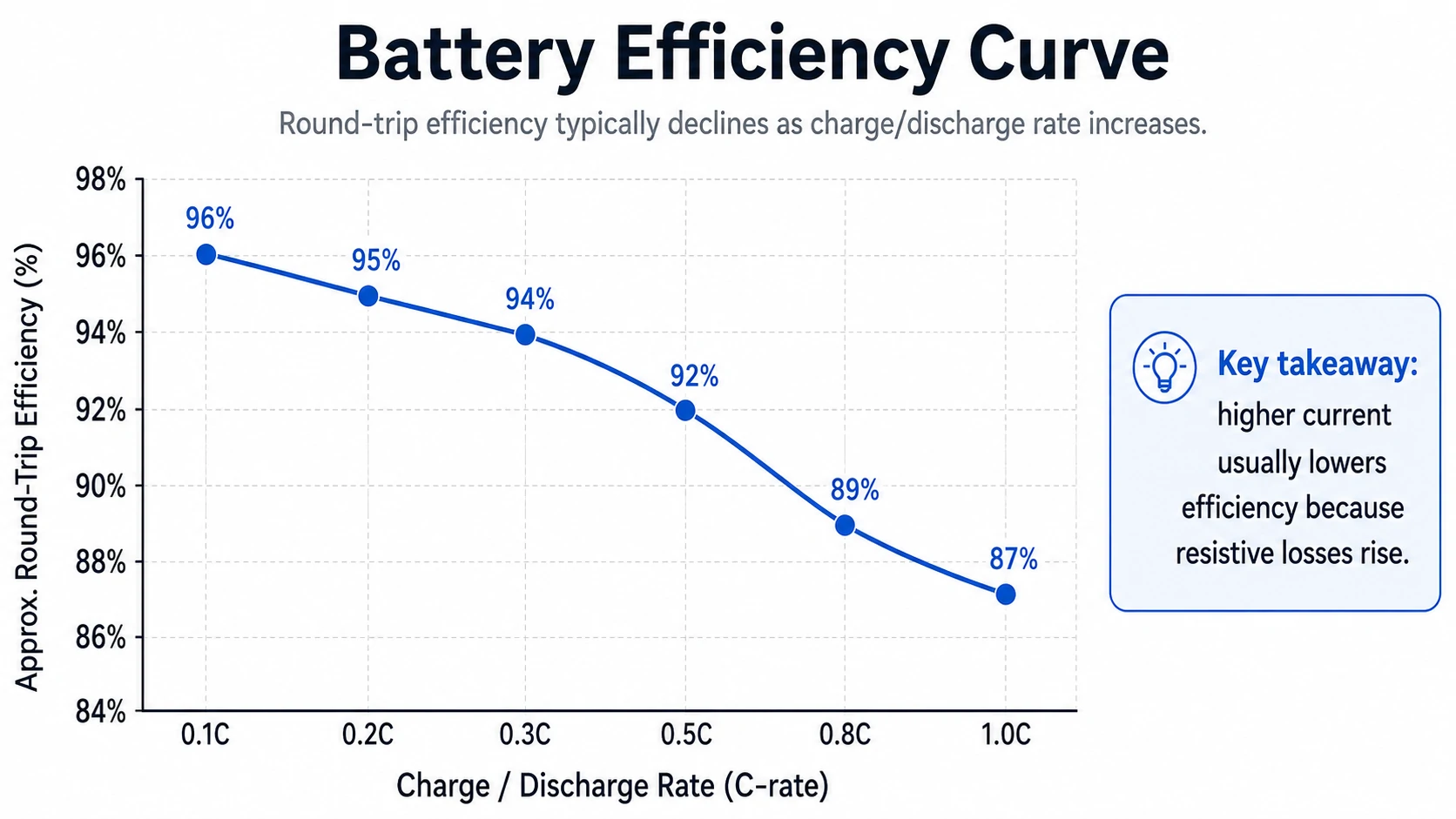
Runtime (hours) ≈ Battery capacity (kWh) × Usable discharge fraction × Inverter efficiency ÷ Average AC load (kW)
This model does not separately account for inverter idle consumption, temperature effects, battery aging, or additional electrical loads.
Worked Example: A 5.12kWh LiFePO4 Battery
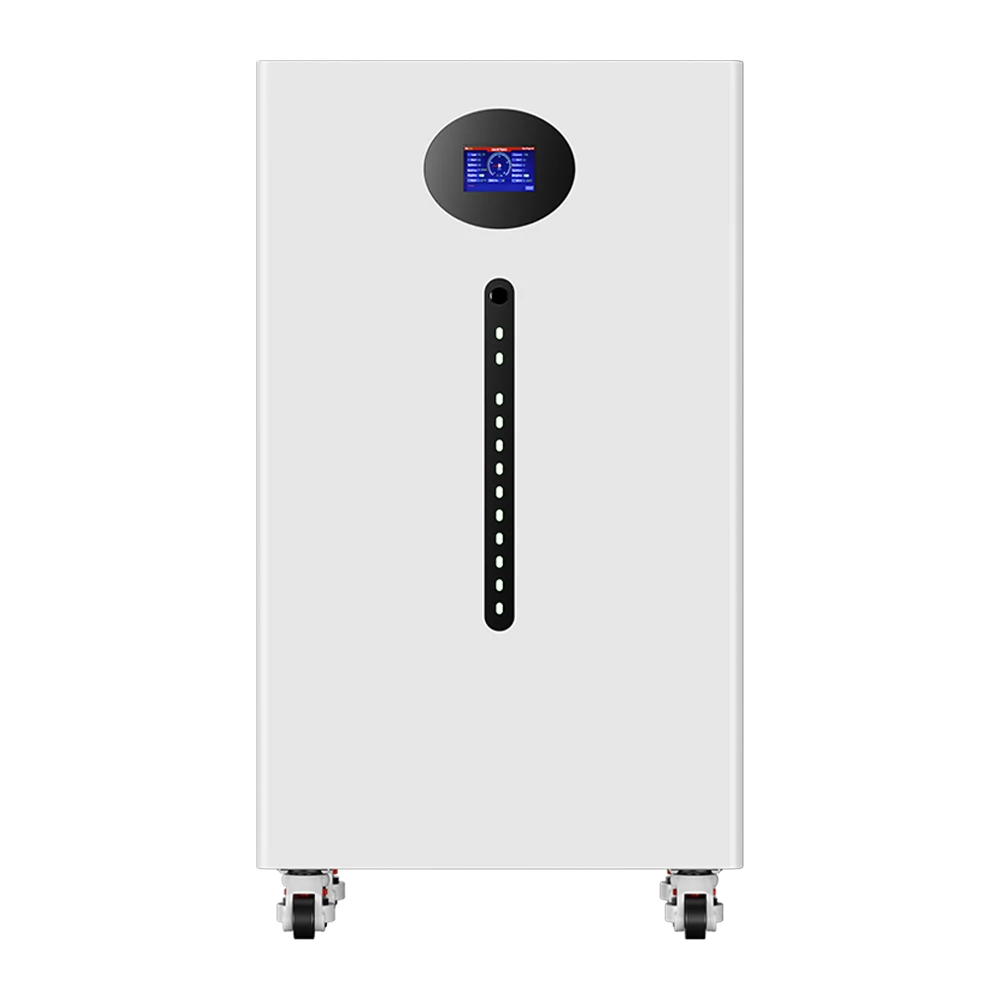
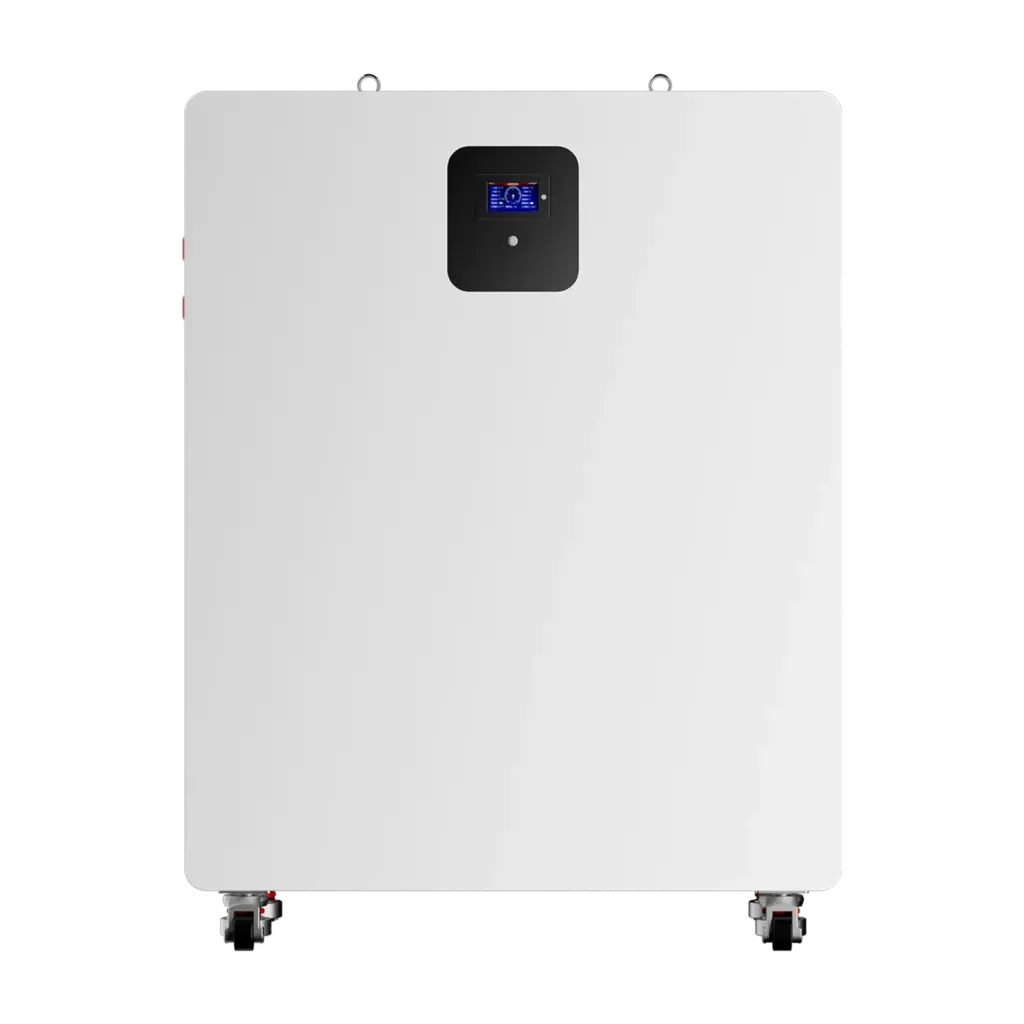
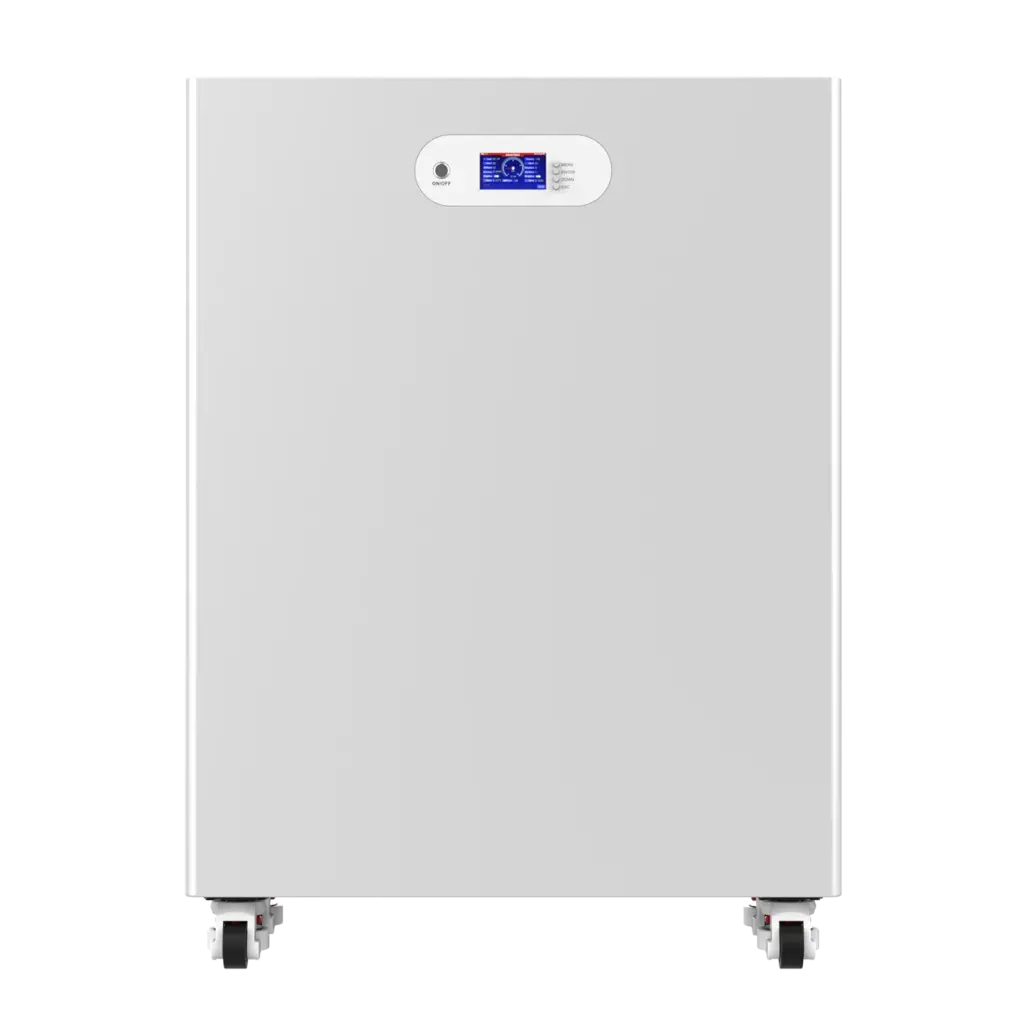
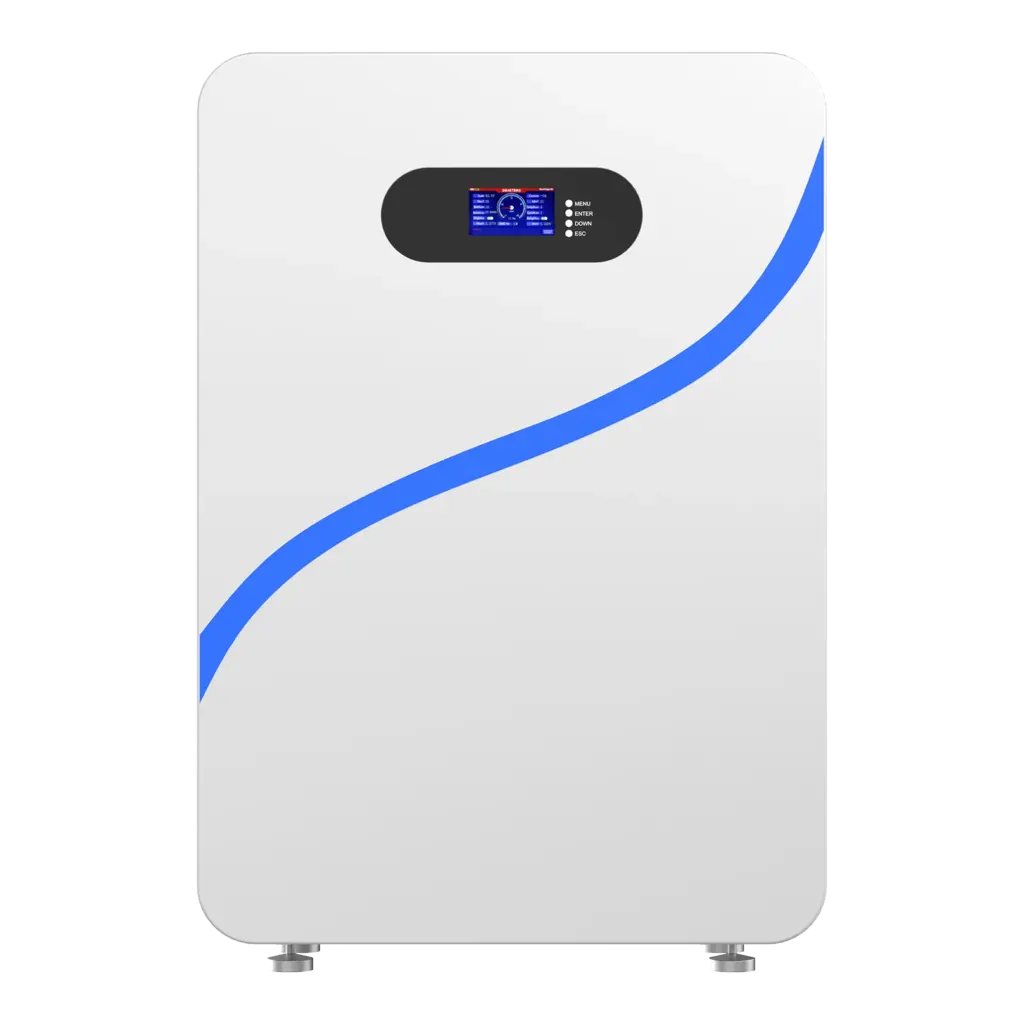
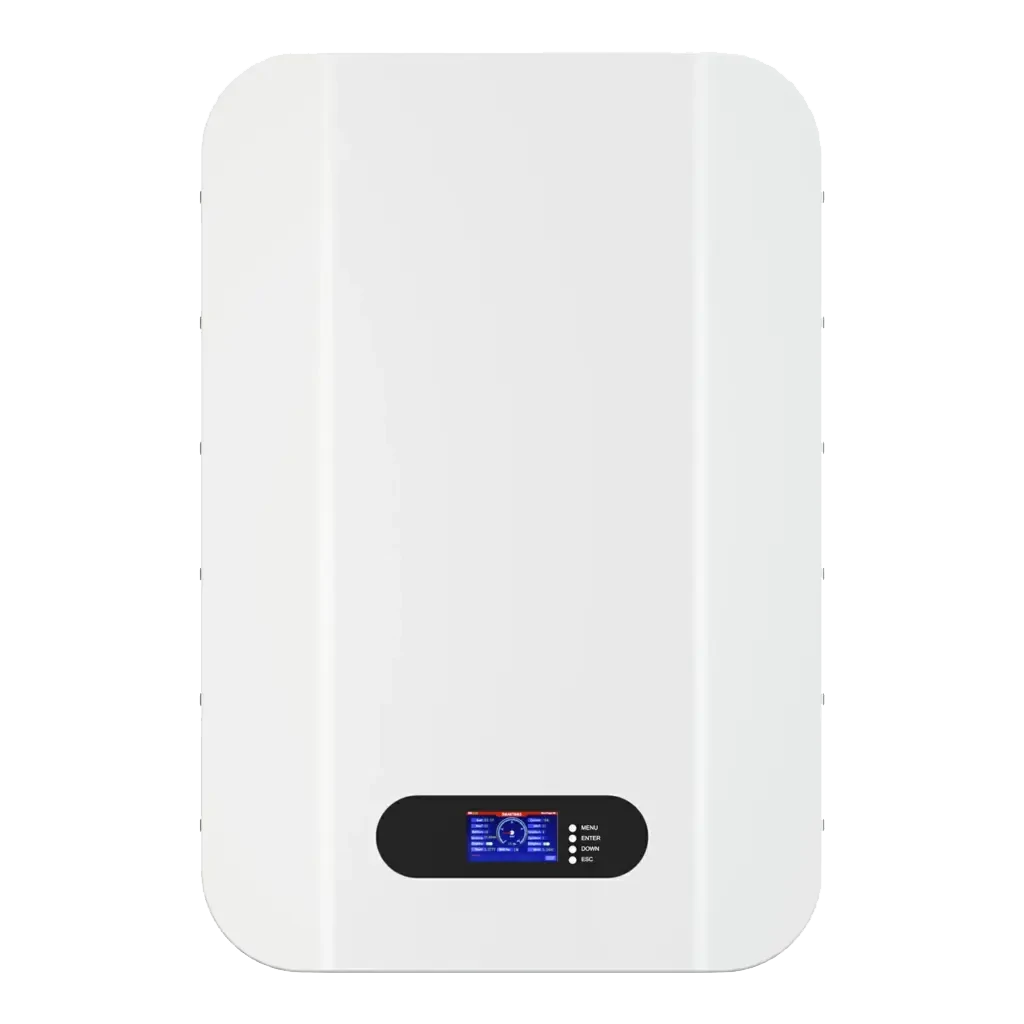
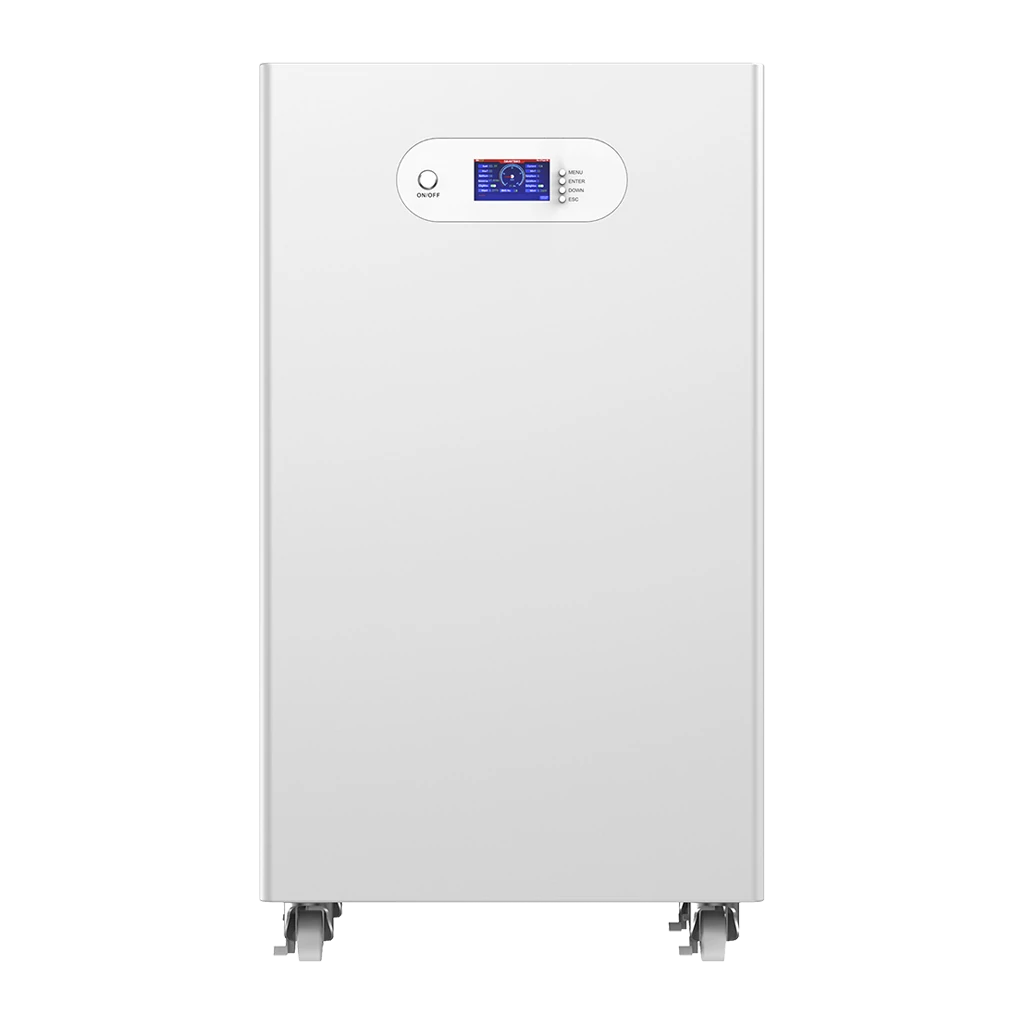
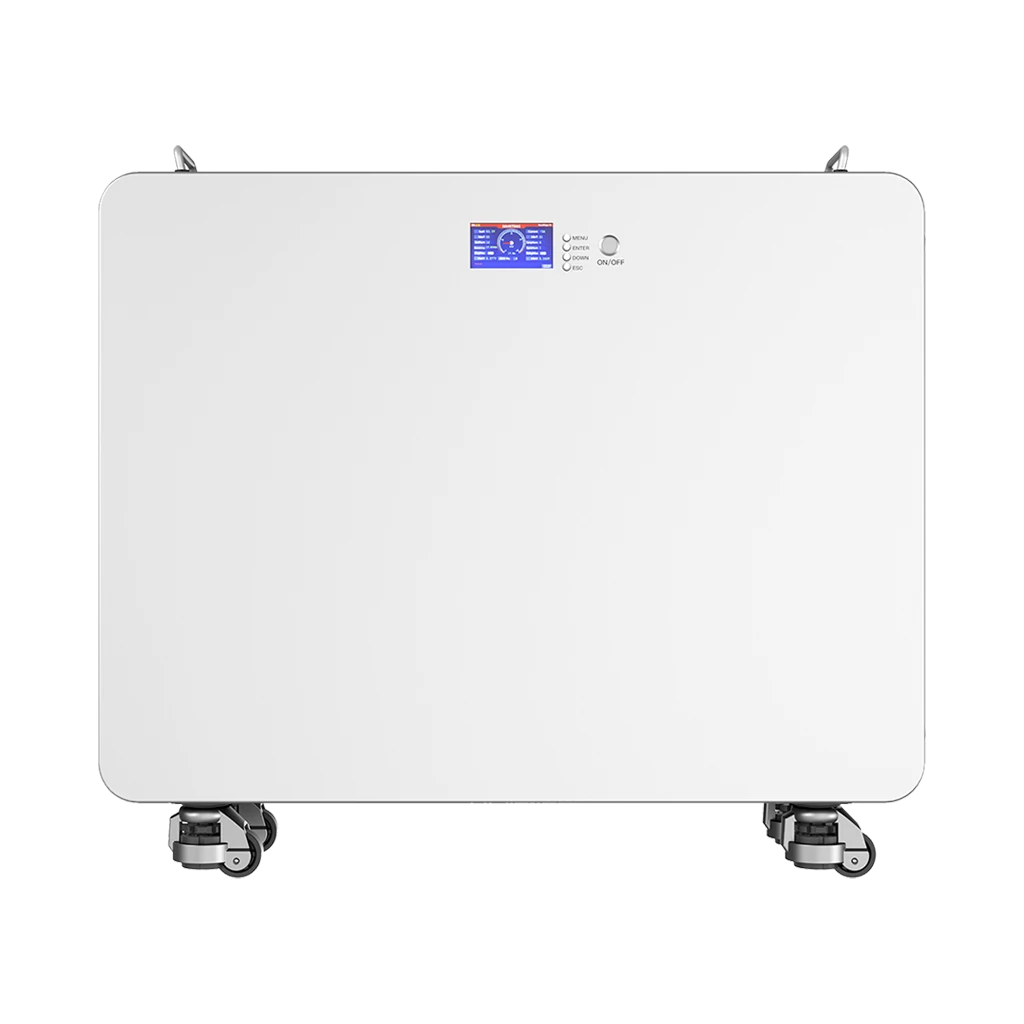
The Avepower 51.2V 100Ah wall-mounted LiFePO4 battery lists:
- Nominal voltage: 51.2V
- Capacity: 100Ah
- Nominal stored energy: 5.12kWh
- Continuous discharge current: 100A
- Communication interfaces: CAN, RS485, and RS232
For this calculation, assume:
- 80% of nominal battery energy is used.
- Average inverter conversion efficiency is 90%.
- No solar generation or other charging occurs.
- AC consumption remains constant.
- Standby power and other system losses are excluded.
Estimated AC energy = 5.12 × 0.80 × 0.90 = 3.6864kWh
This provides the following theoretical runtimes:
| Average AC load | Estimated runtime |
|---|---|
| 200W | 18.4 hours |
| 300W | 12.3 hours |
| 500W | 7.4 hours |
| 1,000W | 3.7 hours |
| 2,000W | 1.8 hours |
How Do You Estimate Generator Runtime?
Use the generator manufacturer’s fuel consumption information for the relevant fuel and load level.
Runtime (hours) ≈ Usable fuel quantity ÷ Fuel consumption rate
For example, if the manufacturer’s verified consumption at a specific load were 0.4 gallons per hour, 3.2 gallons of usable fuel would theoretically support around eight hours at that same load.
Fuel consumption changes with electrical load, engine design, fuel type, elevation, and operating conditions. A runtime specification measured at 25% load should not be used to estimate runtime at full output.
How Much Does a Generator Cost Compared With an Inverter?
| Example | Listed U.S. price | What the quoted price covers |
|---|---|---|
| 2,000W Pure Sine Wave Inverter | $285.99 | Standalone inverter only; no battery |
| 4,000/3,500W Dual-Fuel Portable Generator | $359.99 | Generator unit; fuel and installation excluded |
| 3,500W Inverter Generator | $799.99 | Fuel-powered inverter generator unit |
| 1000 v2 Portable Power Station | $519.00 for the displayed product variant | Integrated 1,070Wh battery and 1,500W AC output |
Advantages and Disadvantages of Generator and Inverter
Fuel generators provide a replenishable power source when suitable fuel remains available, but they involve engine maintenance, noise, and combustion exhaust. Battery inverter systems avoid local combustion while discharging and can work with solar, but they are limited by stored energy, recharge availability, and battery operating conditions.
| System | Practical advantages | Important disadvantages |
|---|---|---|
| Conventional generator | Often lower equipment cost for substantial output; refuelable | Noise, exhaust, engine maintenance, fuel storage |
| Inverter generator | Regulated output; often quieter and more fuel-efficient at light loads | Still fuel-powered; generally higher cost than some comparable conventional units |
| Battery + inverter | Quiet operation, fast electronic response, solar integration | Requires battery capacity and a reliable recharge strategy |
| Generator + battery hybrid | Combines long-duration generation with stored energy | More equipment, controls, system design, and maintenance |
Are Generators or Inverters Safer to Use Indoors?
Combustion-powered portable generators, including inverter generators, must never operate indoors, inside garages, or in enclosed or partially enclosed spaces. Their exhaust can contain deadly carbon monoxide. Approved battery-powered inverter systems avoid combustion exhaust during discharge, but still require appropriate electrical protection, ventilation, installation conditions, and manufacturer-approved operation.
Can a Generator and an Inverter Work Together?
Yes. A properly engineered backup system can use a generator to supply loads and recharge a battery bank through compatible charging equipment, while a battery inverter supplies power when the generator is off.
A typical conceptual flow is:
Generator / Grid / Solar → Compatible Charging System → Battery → Inverter → AC Loads
The generator may also supply loads directly through an approved AC distribution and transfer arrangement.
This architecture may be useful for:
- Off-grid homes with limited winter solar production.
- Remote cabins with occasional high electrical demand.
- Commercial sites needing longer backup duration.
- Properties that want quiet nighttime operation.
- Sites where generator operation can be scheduled around efficient charging periods.
Critical compatibility checks:
- Can the inverter-charger accept the generator’s voltage, frequency, and power quality?
- Does the generator have enough continuous capacity to support the desired charging power and simultaneous loads?
- Can the battery BMS accept the proposed charging current?
- Are AC transfer switching, neutral-ground arrangements, and grid isolation correctly designed?
- Can the battery and inverter communicate through supported protocols where required?
A standalone inverter does not automatically charge batteries from a generator.
For projects that require AC charging without solar panels, see Home Battery Backup Without Solar.
How Can Avepower Help With Battery-Inverter System Selection?
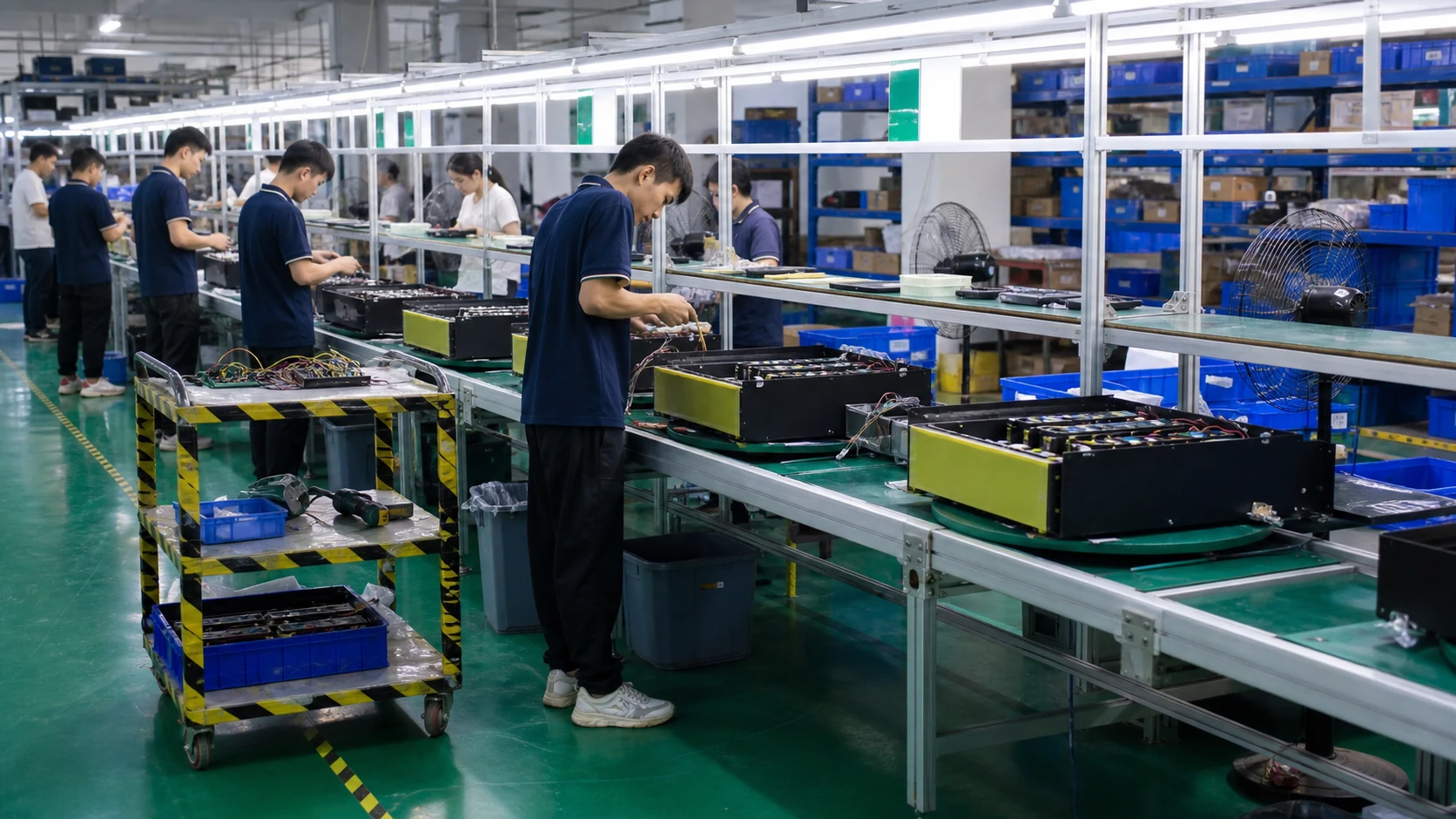
Avepower provides LiFePO4 battery storage products for residential, off-grid, and project-based applications, including low-voltage battery systems that can be integrated with compatible inverters. Battery selection must be based on actual energy demand, discharge power, operating voltage, communication protocol, and site requirements—not on battery capacity alone.
Request a Battery System Configuration
For a battery quotation or technical compatibility assessment, provide:
- Project country and electrical standard.
- Required backup energy in kWh.
- Continuous and maximum AC loads in kW.
- Desired backup duration.
- Existing inverter brand and model, if any.
- Solar, grid, and generator availability.
- Installation environment and required quantity.
Contact Avepower with these details to discuss battery sizing, inverter matching, and project-specific OEM/ODM requirements.
A qualified installer must confirm final system design, local compliance, and electrical safety.
FAQ
No. A standalone inverter converts existing DC electrical energy into AC but does not produce additional energy. In a battery backup system, stored energy must come from prior charging. Solar inverters can convert electricity as solar panels generate it, but the solar array—not the inverter—is the energy source.
Yes, when connected to a sufficiently sized battery or another suitable DC source and configured for backup operation. Available runtime depends on usable stored energy and household consumption. A grid-tied solar inverter without backup capability cannot be assumed to power a home during an outage.
Yes. Many grid-connected solar systems operate without battery storage. Solar panels provide DC electricity, and the inverter converts it for AC consumption or grid export. However, ordinary grid-tied systems usually stop supplying power during outages unless specially designed and approved for backup operation.