
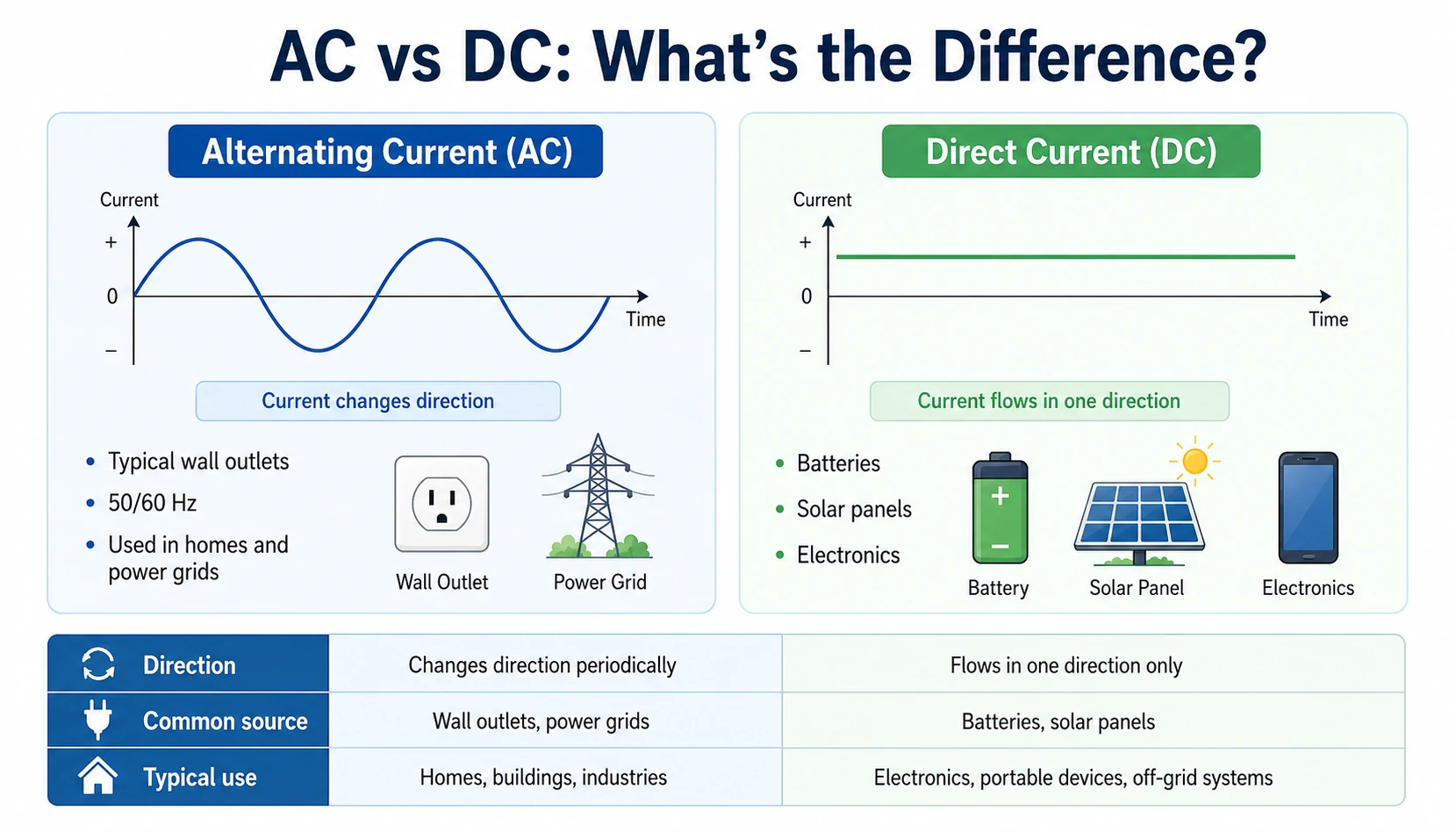
Alternating current (AC) periodically reverses direction, while direct current (DC) flows in one direction. Homes and power grids mainly use AC, whereas batteries, solar panels and most electronic circuits operate internally with DC. In solar energy storage, inverters and converters connect these two electrical worlds by converting electricity between AC and DC.
The simplest comparison is:
- AC = current changes direction periodically
- DC = current maintains one direction
- Battery = DC
- Solar panel = DC
- Typical wall outlet = AC
- Inverter = DC to AC
- Rectifier/charger = AC to DC
Understanding this difference is especially important in solar and battery systems because electricity may change between AC and DC several times before it reaches the final load.
What Is the Difference Between Alternating Current and Direct Current?
The fundamental difference between AC and DC is the direction of current flow: DC remains unidirectional, while AC periodically reverses direction. This difference affects generation, voltage conversion, transmission, electronics, batteries and the equipment required to connect power sources with electrical loads.
| Feature | Alternating Current (AC) | Direct Current (DC) |
|---|---|---|
| Full Name | Alternating Current | Direct Current |
| Current Direction | Periodically reverses | Remains one direction |
| Polarity | Alternates | Defined positive/negative polarity |
| Typical Waveform | Usually sinusoidal in power grids | Often represented as one polarity |
| Frequency | Typically 50 or 60Hz | 0Hz for steady DC |
| Common Source | Alternator / grid | Battery / solar panel |
| Home Wall Outlet | Yes | No |
| Battery Output | No | Yes |
| Solar Panel Output | No | Yes |
| Voltage Transformation | Easy with traditional AC transformer | Requires power electronics |
| Electronic Devices | Usually converted internally to DC | Common internally |
| Long-Distance Transmission | Widely used | HVDC advantageous in selected projects |
| Energy Storage | Requires conversion to/from battery DC | Native battery form |
| Main Conversion Device | Rectifier converts AC→DC | Inverter converts DC→AC |
What Does AC and DC Look Like on a Graph?
DC remains on one side of the zero-current reference because its direction does not reverse, while AC crosses zero and changes polarity repeatedly. A sinusoidal AC waveform is the most familiar example, although real electrical systems can contain distorted or non-sinusoidal waveforms.
Simplified representation:
Direct Current
Voltage
  |
  | ─────────────────────────
  |
  |___________________________ Time
Alternating Current
Voltage
  |
  |    / \       / \
  |   /   \     /   \
__|__/_____\___/_____\______ Time
  |         \ /       \ /
  |          V         V
Real DC does not always produce a perfectly flat line, and real AC is not always a perfect sine wave.
Power supplies, inverters and electronic loads can create ripple or harmonic distortion.
Why Do Batteries Use Direct Current?
Batteries naturally provide DC because electrochemical reactions maintain a defined positive and negative terminal polarity. During discharge, electrons move through the external circuit in one overall direction, so battery-powered systems operate on a DC electrical bus unless an inverter converts that energy into AC.
A battery specification may show:
51.2V DC
This means its nominal electrical output is approximately 51.2 volts direct current.
For example, a 51.2V 100Ah battery stores nominal energy of:
51.2V × 100Ah = 5,120Wh
or:
5.12kWh
The Ah rating describes charge capacity, while Wh or kWh includes voltage and therefore describes energy more directly.
For a detailed explanation, see Avepower’s guide to ampere-hours and battery capacity. Avepower — What Is Ah in Batteries?
How Is DC Converted Into AC?
An inverter converts DC into AC by using semiconductor switches to rapidly control and reverse the electrical output, then filtering and regulating that switched signal into the required AC voltage, frequency and waveform. Modern inverters can also control solar MPPT, battery charging, grid interaction and system monitoring.
The basic process is:
DC source → electronic switching → waveform control → filtering → AC output
Examples:
- 12V battery → 120V AC inverter
- 24V battery → 230V AC inverter
- 51.2V battery → 230V AC hybrid inverter
- High-voltage battery → three-phase PCS
Modern solar inverters can generate clean sine-wave AC that matches grid voltage and frequency.
If you want the complete inverter explanation, see Avepower’s guide to what an inverter is and how it works. Avepower — What Is an Inverter?
How Is AC Converted Into DC?
AC is converted into DC through rectification and power-conversion electronics. This is what happens inside phone chargers, laptop adapters, battery chargers and many hybrid inverters when electricity from an AC outlet or electrical grid is used to charge a DC battery.
A typical charging path is:
Grid AC → AC/DC converter → controlled DC voltage/current → battery
For example:
230V AC grid → hybrid inverter/charger → 51.2V battery charging system
Depending on the equipment, the conversion stage may include:
- Rectification
- Power-factor correction
- Voltage transformation
- DC/DC regulation
- CC-CV battery charging control
Avepower’s inverter vs converter guide explains these different power-conversion functions in more detail. Avepower — Inverter vs Converter
Is AC or DC More Efficient?
Neither AC nor DC is universally more efficient; efficiency depends on voltage, current, transmission distance, conversion stages, conductor resistance and the equipment being powered. DC can reduce unnecessary conversion in battery and electronic systems, while AC remains extremely practical for distribution and voltage transformation.
For conductor loss:
P_loss = I²R
Consider delivering 5kW from a battery.
51.2V DC Battery Side
Ignoring inverter losses:
5,000W ÷ 51.2V ≈ 97.7A
If inverter efficiency is 92%:
5,000W ÷ 51.2V ÷ 0.92 ≈ 106A
230V AC Output Side
For an approximately unity-power-factor 5kW load:
5,000W ÷ 230V ≈ 21.7A
The example does not mean AC itself magically uses less power.
The lower current is mainly the consequence of the higher voltage.
This is why battery voltage, inverter power and conductor sizing must be engineered together.
Avepower provides additional examples in its guide to power ratings and electrical calculations. Avepower — What Is Power Rating?
How Do You Calculate Power in DC and AC Circuits?
DC power can often be calculated directly from voltage multiplied by current, while AC power calculations may also require power factor and phase configuration. Using the wrong formula can significantly overestimate actual power for motors, transformers and other reactive AC loads.
DC Power
P = V × I
Example:
51.2V × 100A:
P = 5,120W = 5.12kW
Single-Phase AC Real Power
P = V × I × PF
Example:
230V
10A
Power factor = 0.90
230 × 10 × 0.90 = 2,070W
or:
2.07kW
Balanced Three-Phase AC Power
P = √3 × V × I × PF
Example:
400V
20A
PF = 0.90
1.732 × 400 × 20 × 0.90 ≈ 12.47kW
These calculations matter when matching battery systems with inverters and project loads.
Where Is Alternating Current Used?
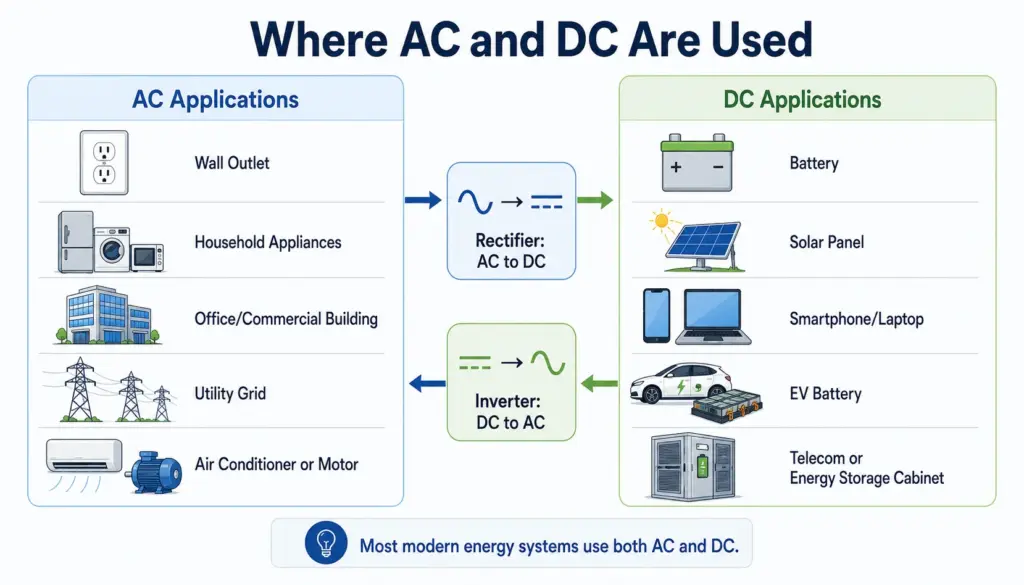
AC is mainly used where electricity must be distributed to buildings, operate conventional appliances or connect generators and renewable-energy equipment to a utility grid. Most homes and commercial facilities therefore have AC distribution even when some of their energy originates from DC solar panels or batteries.
Common AC applications include:
- Residential electrical outlets
- Commercial buildings
- Industrial power systems
- Utility grids
- AC motors
- Air conditioners
- Refrigerators
- Pumps
- Electric heating
- Grid-connected solar inverter output
- Commercial PCS output
Many electronic appliances receive AC from the wall but immediately convert it internally into DC.
A television, computer or phone charger is therefore an AC-powered product containing significant DC electronics.
Where Is Direct Current Used?
DC is commonly used in batteries, electronics, solar generation, telecommunications, EV systems and energy storage because these technologies naturally generate, store or operate with directional electrical power.
Typical DC applications include:
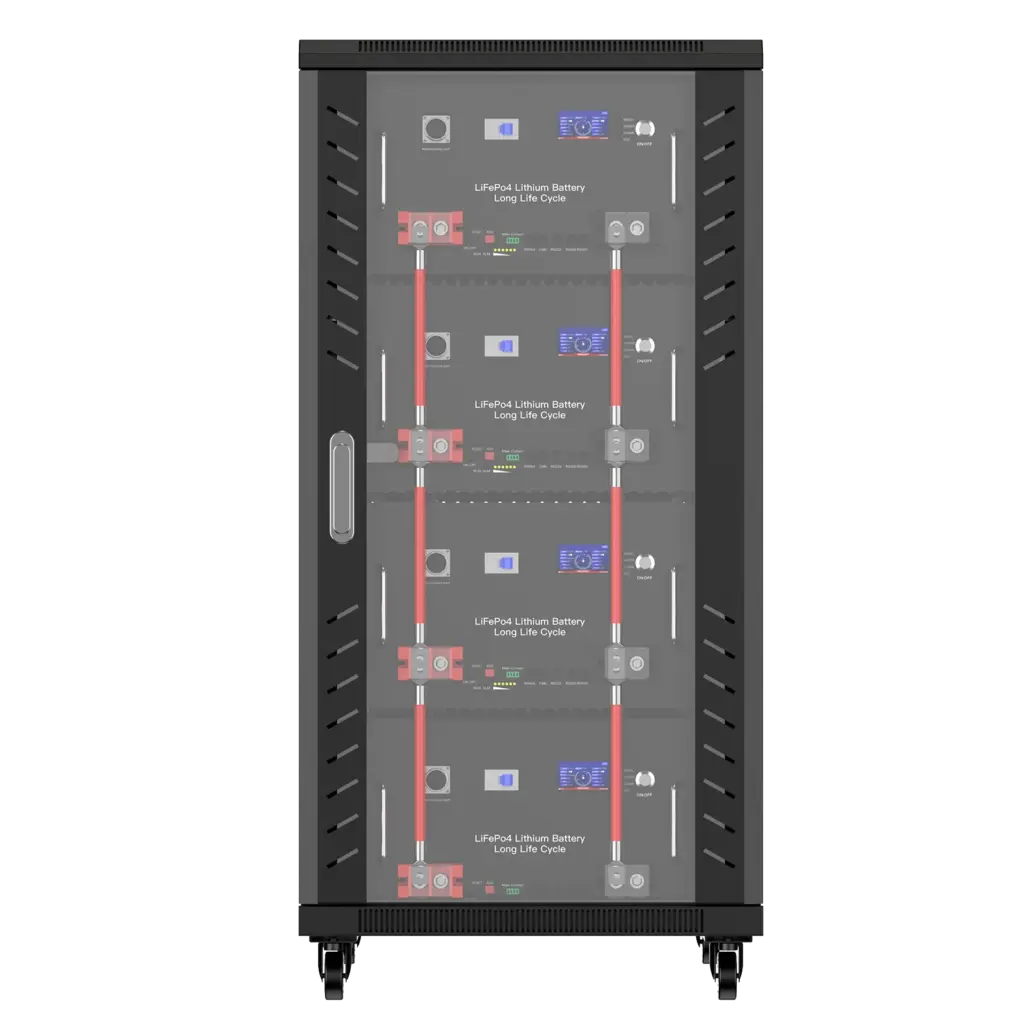
- LiFePO4 batteries
- Solar PV arrays
- Smartphones
- Laptops internally
- USB devices
- LED electronics
- Telecom systems
- EV battery packs
- Battery Energy Storage Systems
- Data-center DC buses
- DC motors and drives in selected equipment
Battery storage is one of the clearest modern examples.
A 51.2V home battery stores energy as DC even though the homeowner may eventually consume that energy through a 230V AC appliance.
Why Does Battery Voltage Matter in DC Energy Storage Systems?
Higher battery voltage allows the same power to be transferred with lower current, which can reduce conductor size, voltage drop and resistive losses when the complete system is properly engineered. This is one reason larger residential and commercial storage projects move from 12V systems toward 48V-class and high-voltage architectures.
Example:
Delivering approximately 5kW ideally requires:
| Battery Voltage | Approx. Current |
|---|---|
| 12V | 417A |
| 24V | 208A |
| 48V | 104A |
| 51.2V | 97.7A |
| 400V | 12.5A |
| 800V | 6.25A |
These figures ignore conversion losses but demonstrate the underlying principle:
Higher voltage = lower current for the same power.
This does not mean that users should simply connect batteries in series to create higher voltages.
The inverter, BMS, insulation, protection, connectors and battery architecture must all be designed for the required voltage.
See Avepower’s guide to series vs parallel battery connections for the underlying battery-bank rules. Avepower — Batteries in Series vs Parallel
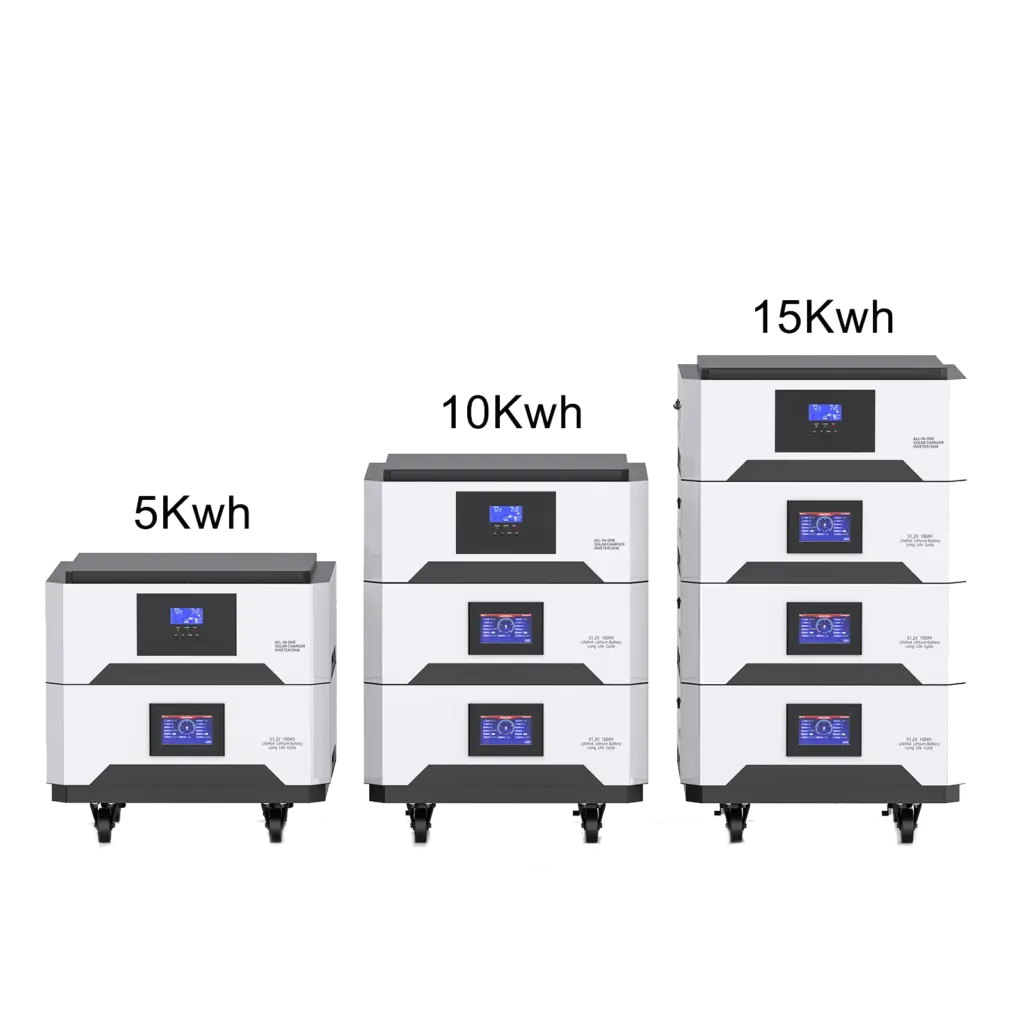
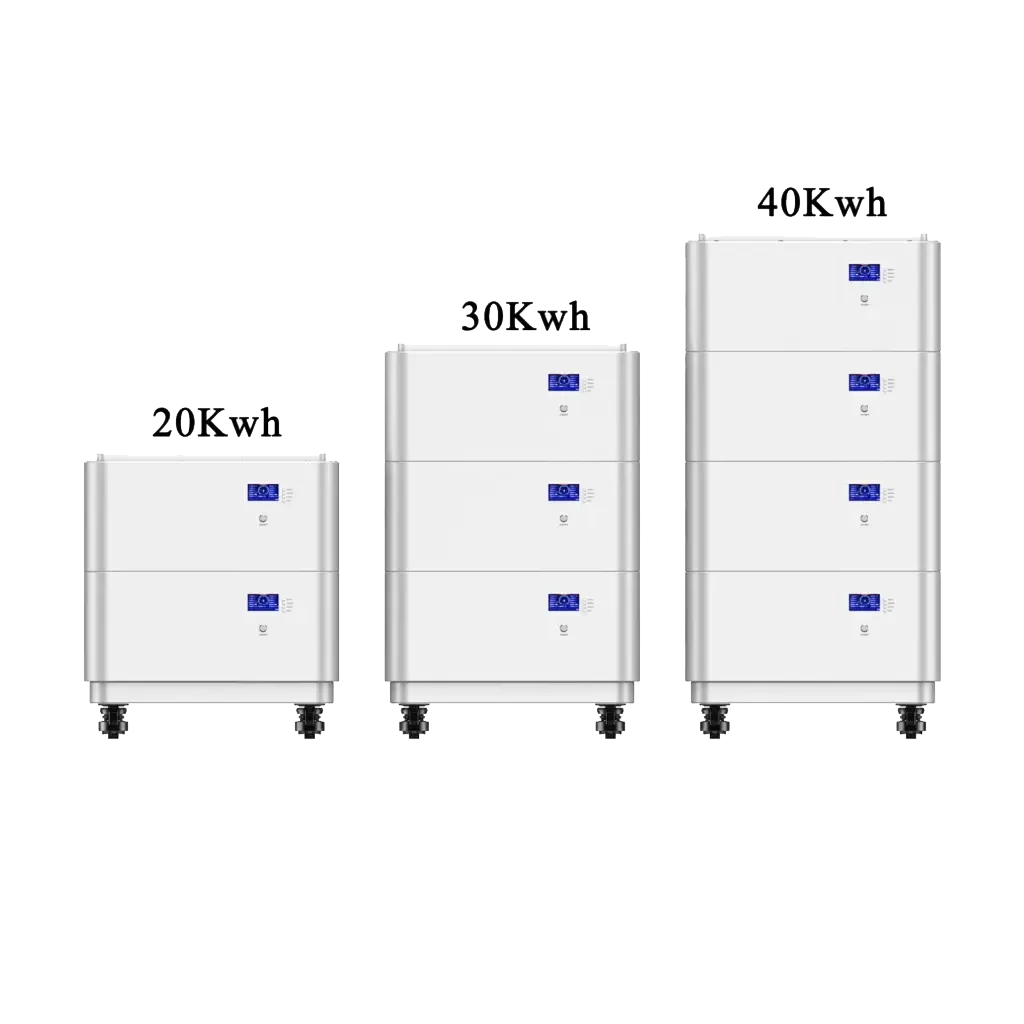
Real Example: How AC and DC Work Inside a 15kWh Solar Battery System
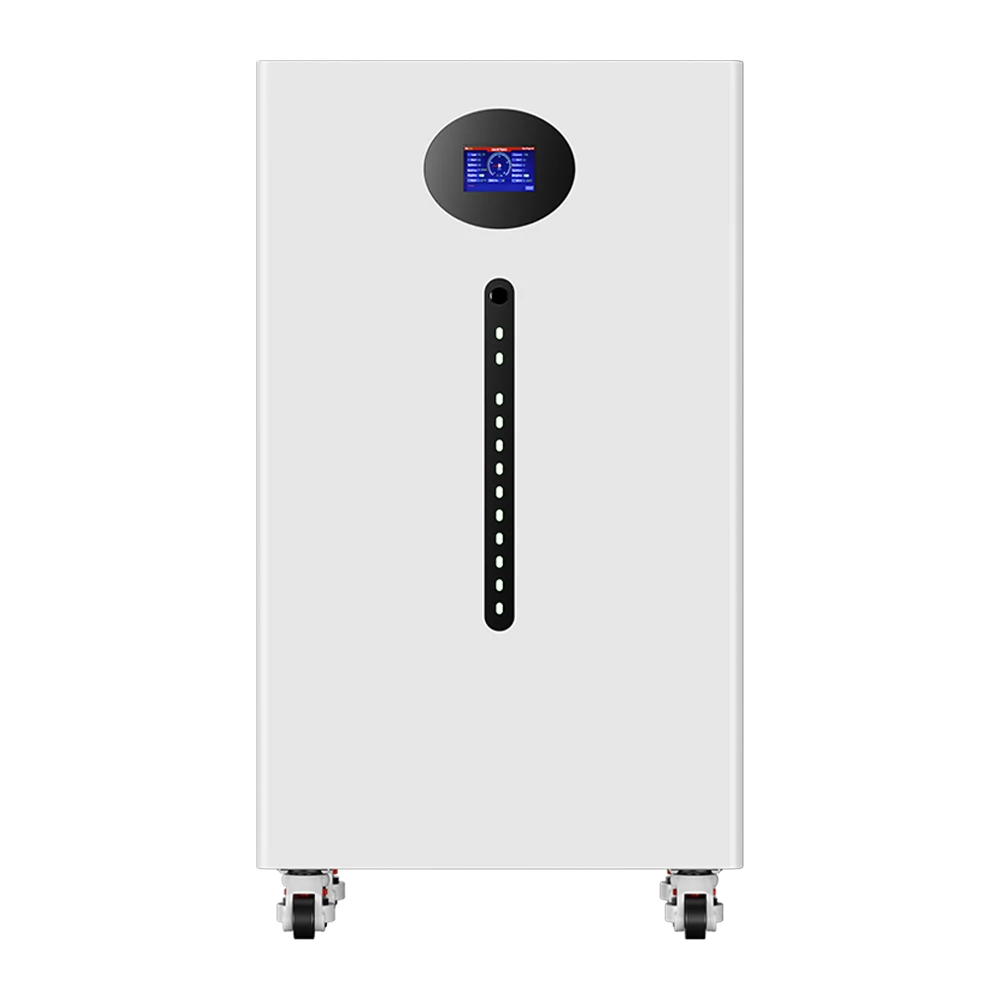
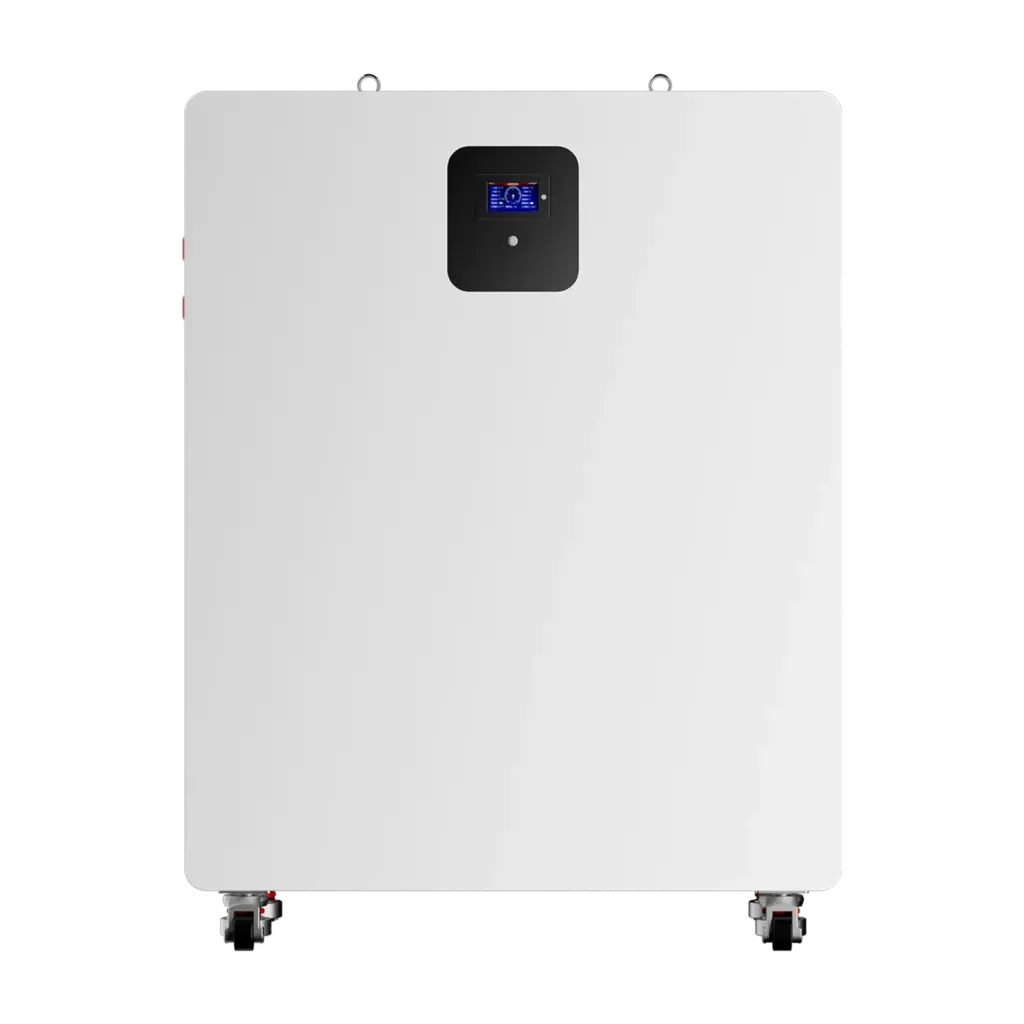
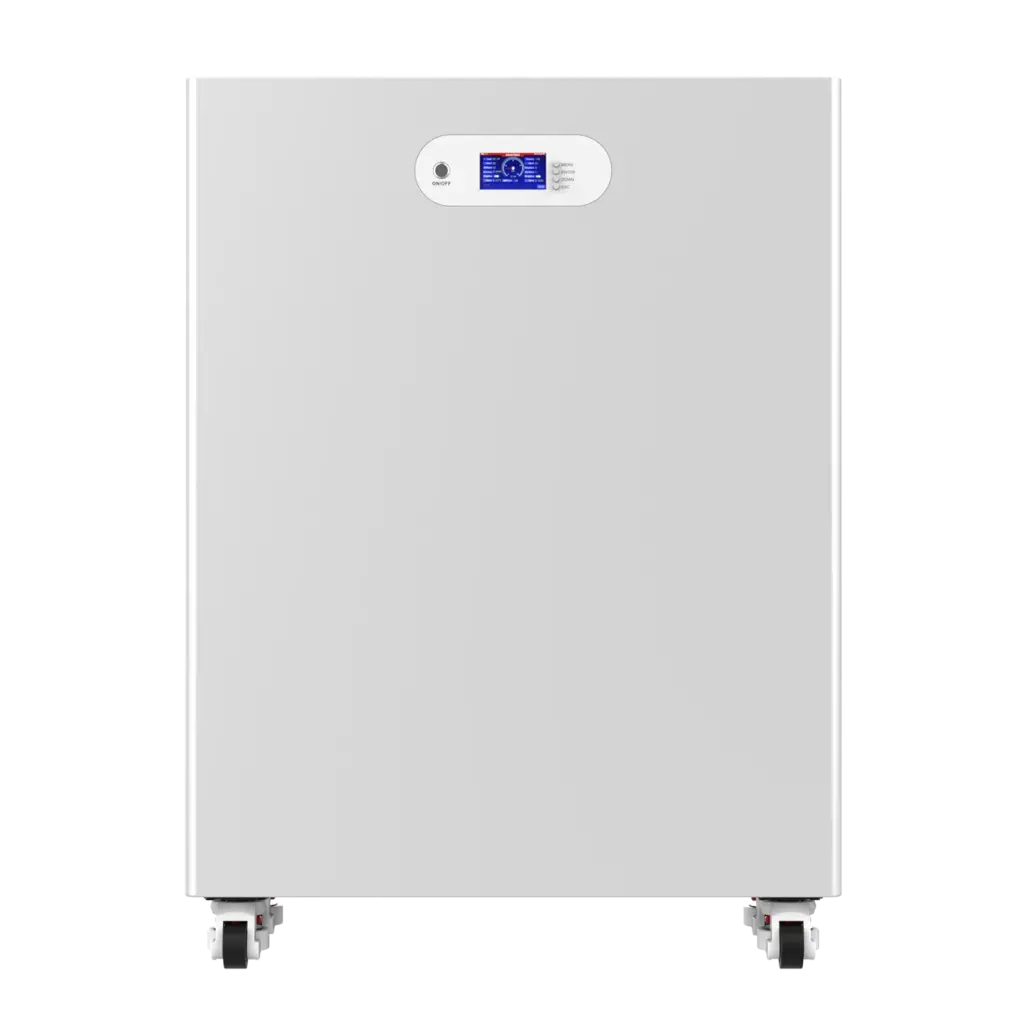
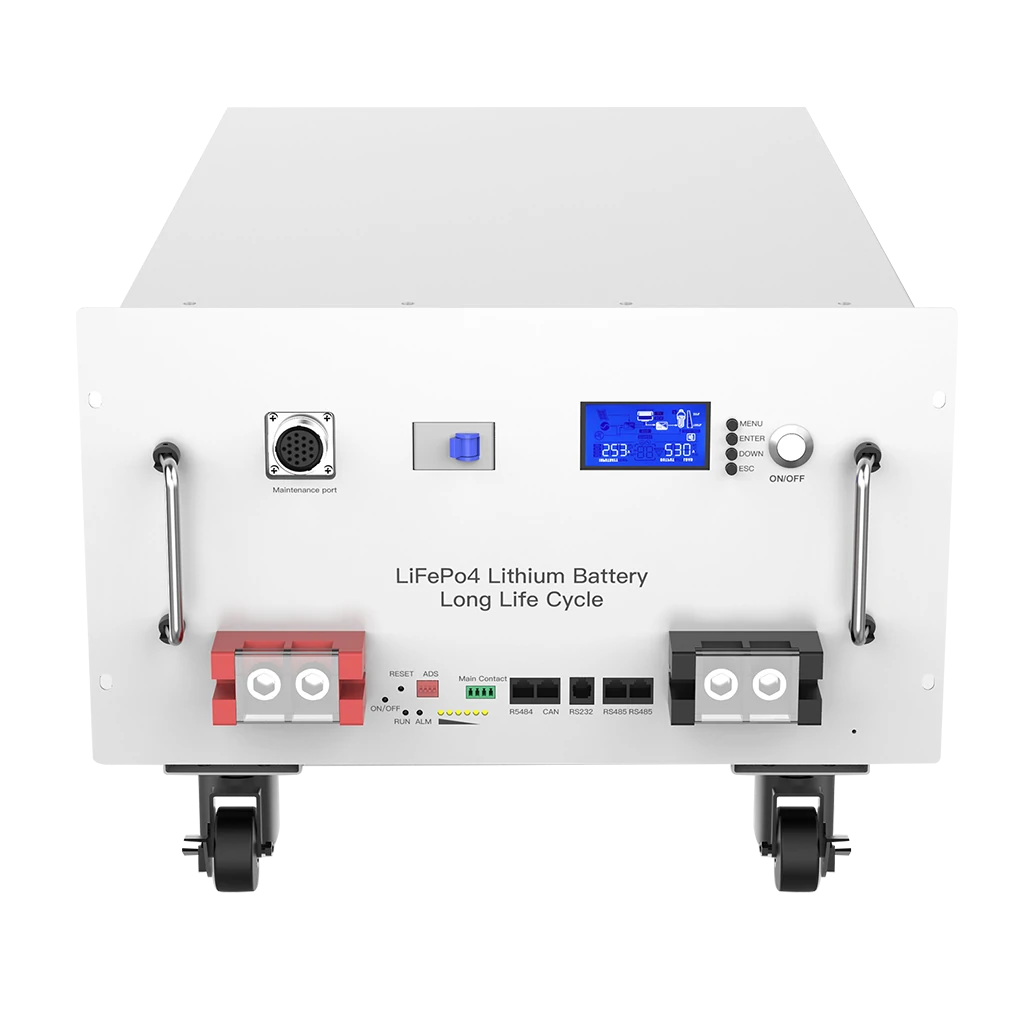
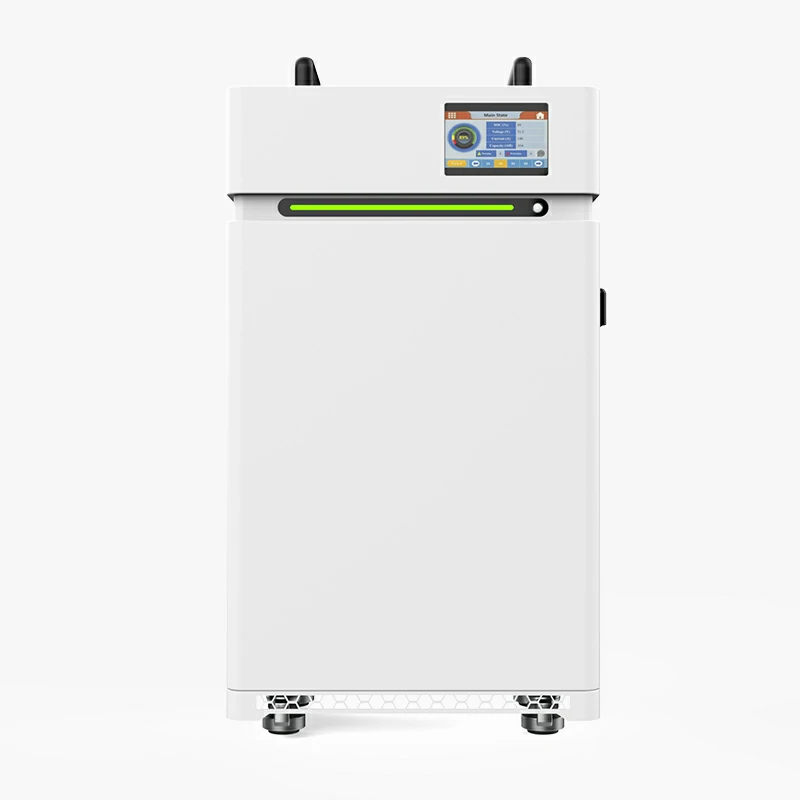
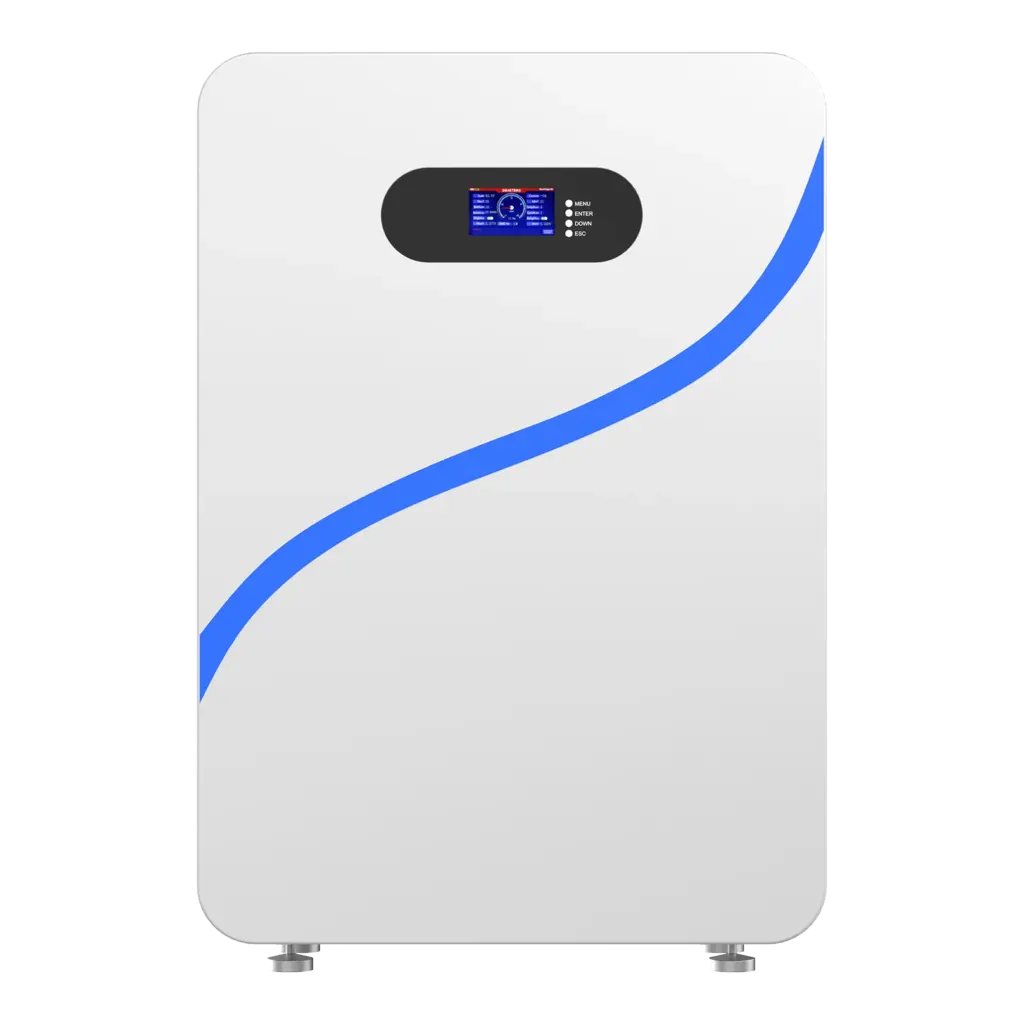
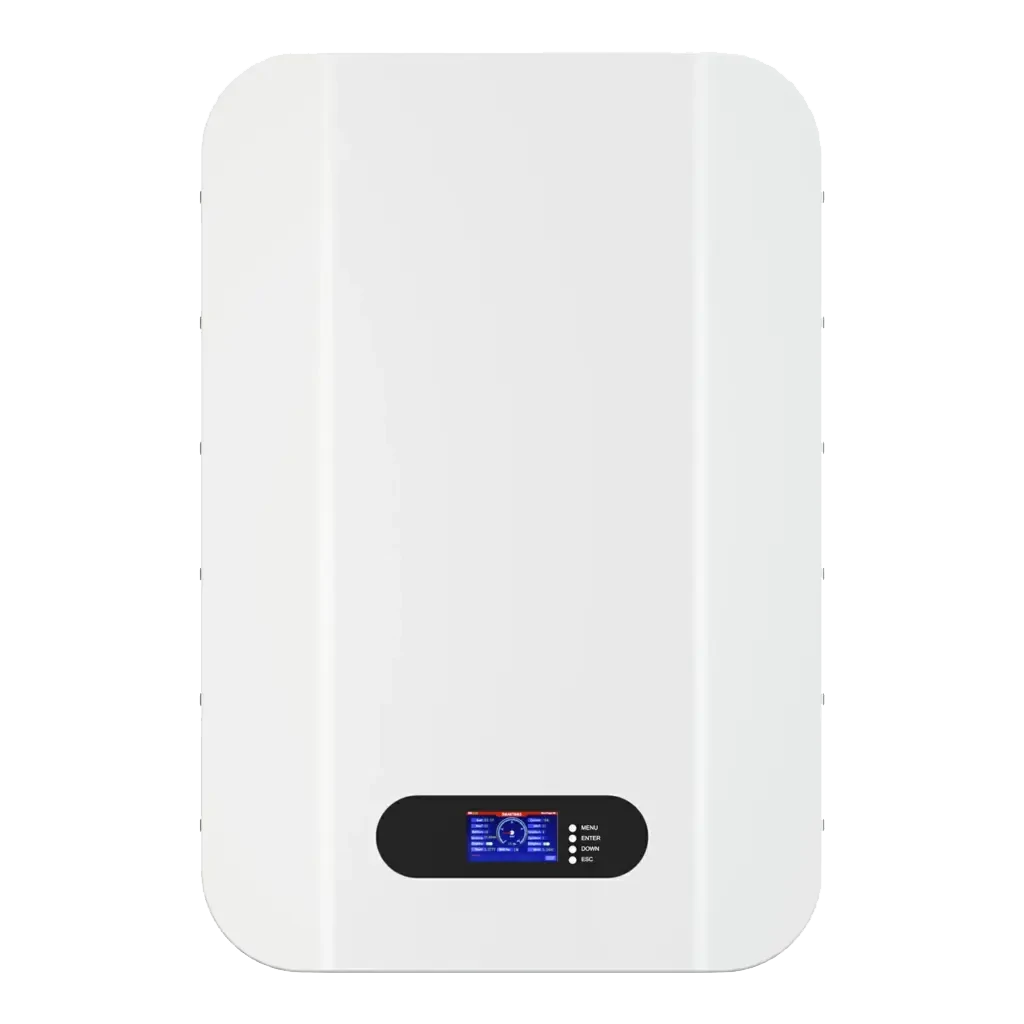
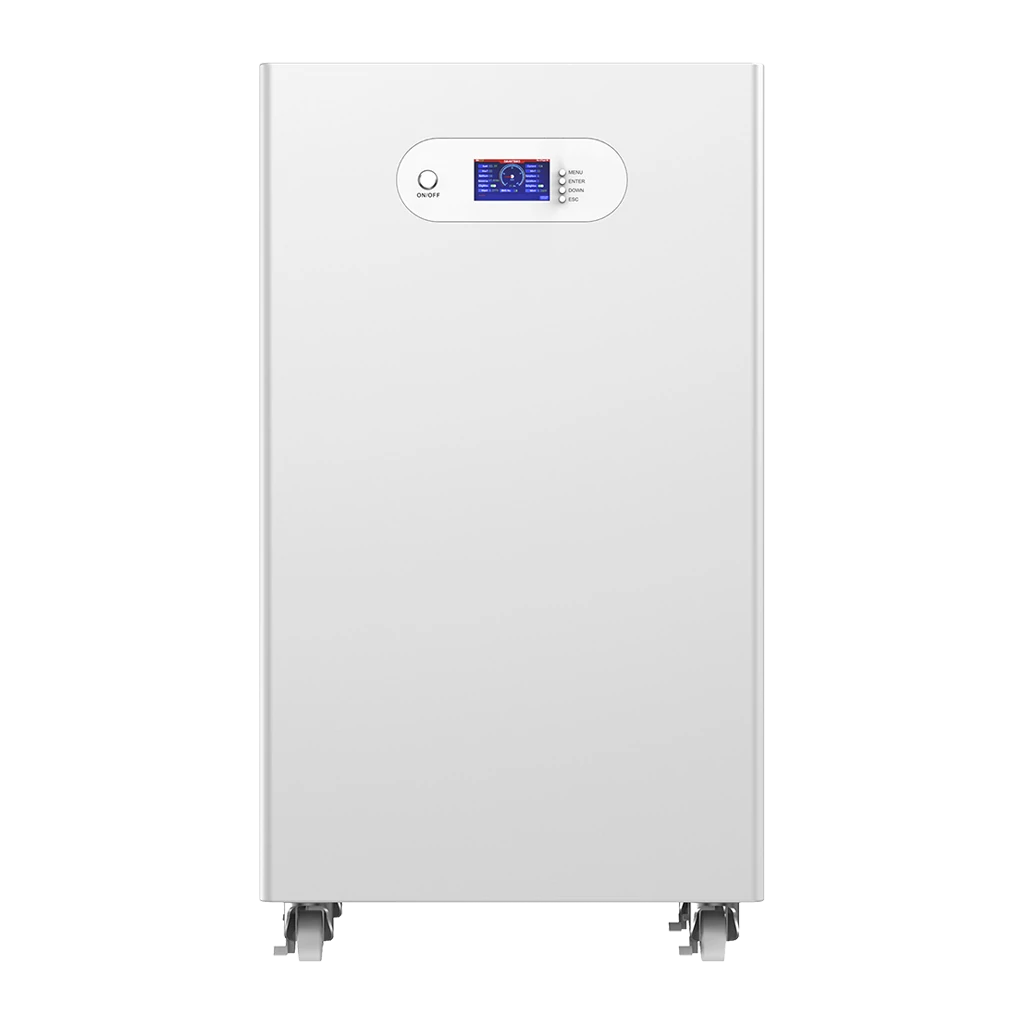
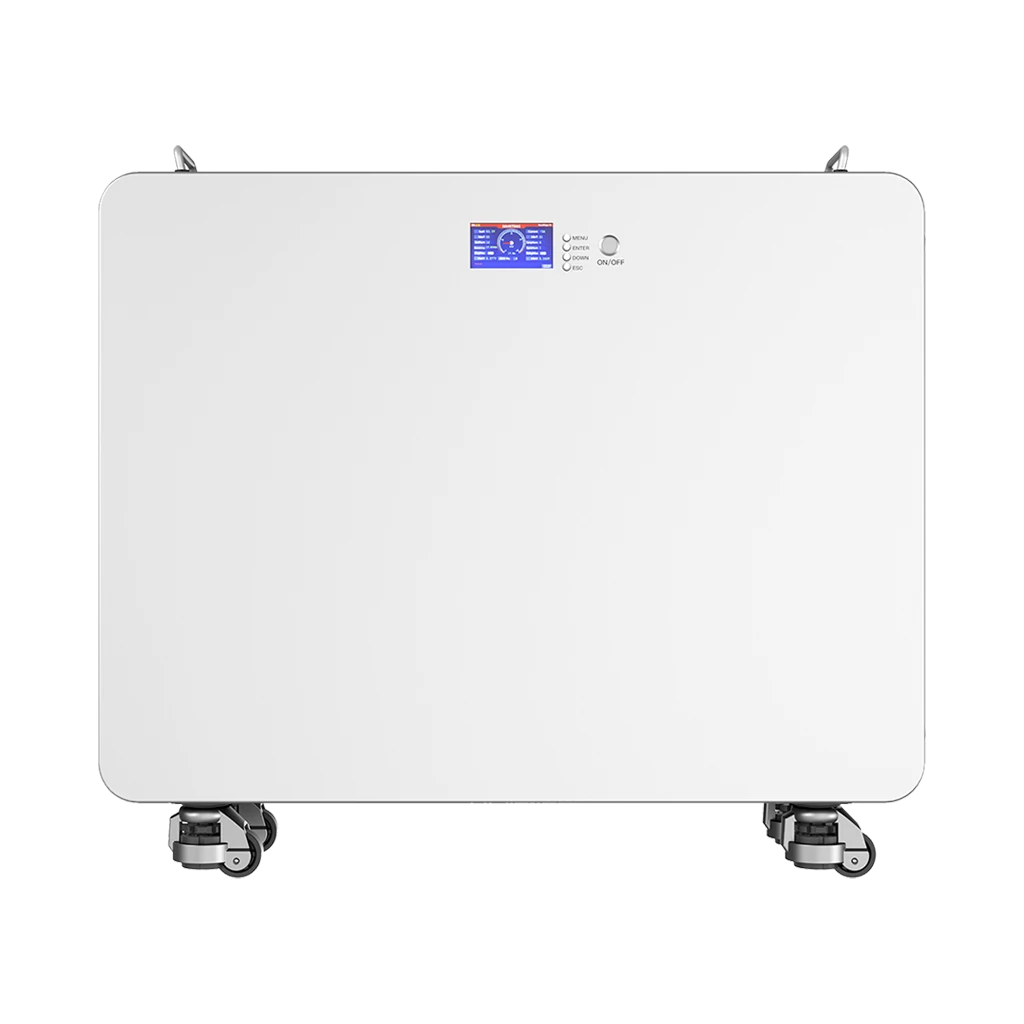
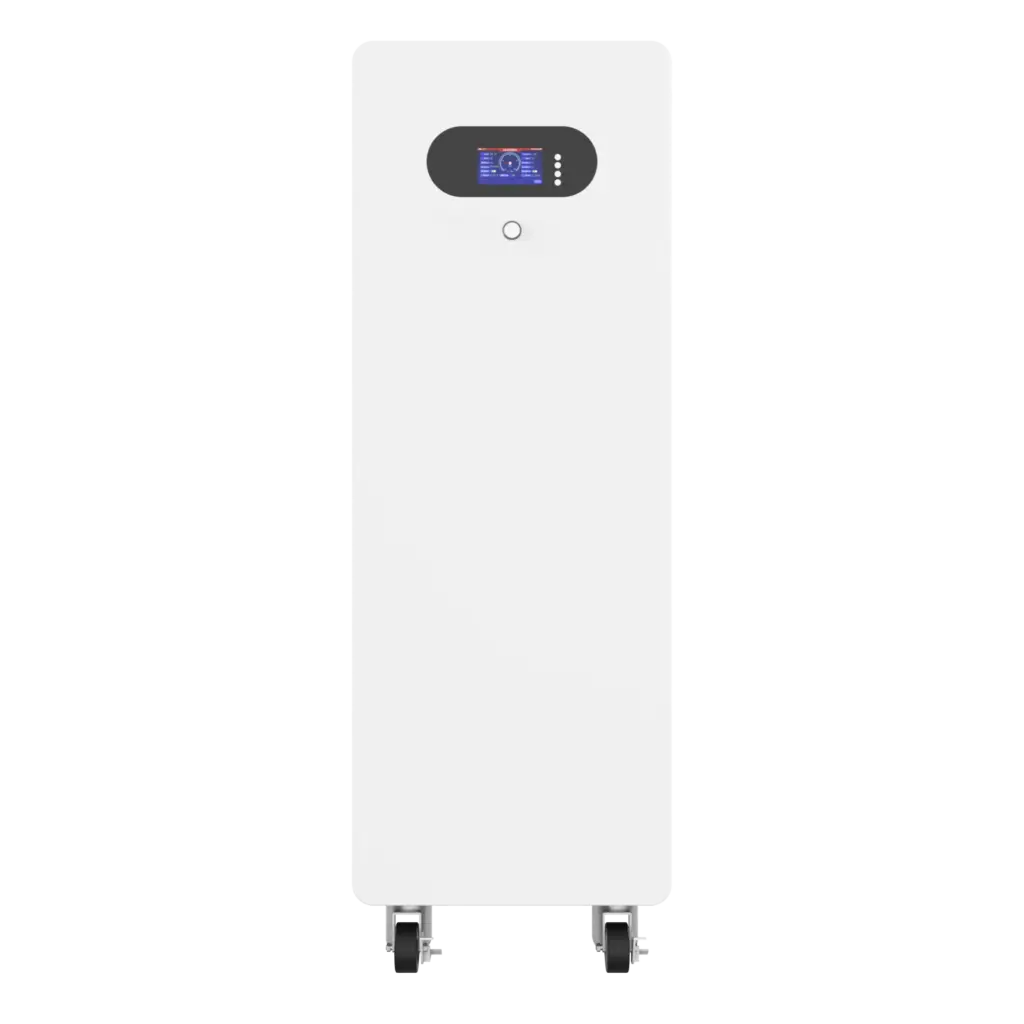
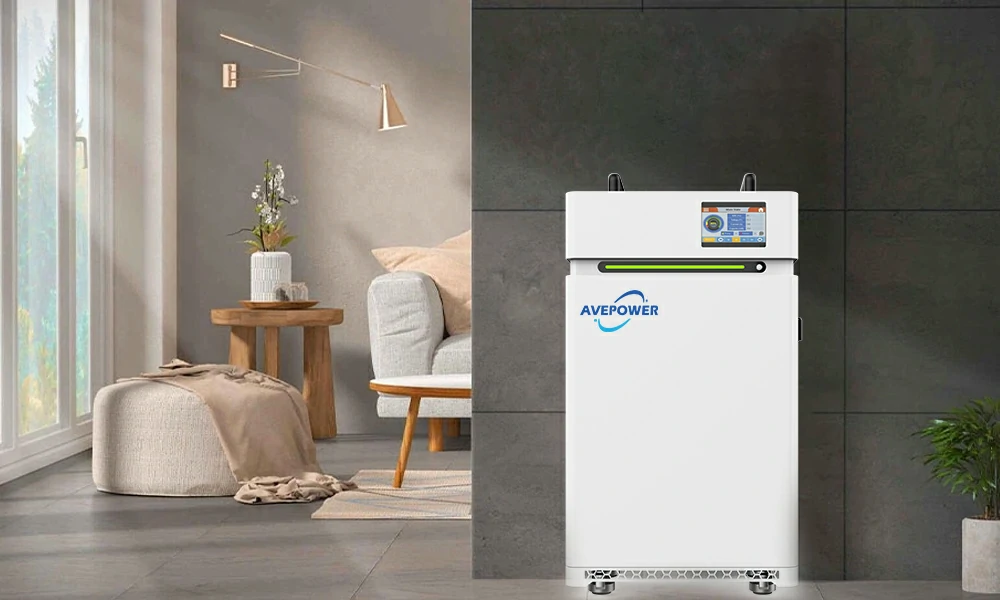
Avepower’s 15kWh all-in-one energy storage system provides a practical example of AC and DC working together: its 51.2V LiFePO₄ battery stores DC electricity, while an integrated pure sine wave inverter supplies 220/230/240V AC output for household loads.
The system includes:
| Component | Electrical Role |
|---|---|
| 51.2V LiFePO₄ battery | Stores DC energy |
| 15kWh-class battery pack | Energy storage |
| MPPT solar charger | Manages PV DC input |
| Up to 6200W PV input | DC solar generation |
| Integrated inverter | Converts DC → AC |
| 220/230/240VAC output | Supplies AC loads |
| 50/60Hz output | Matches supported AC systems |
| CAN / RS485 | Battery/inverter communication |
The battery itself operates at 51.2V DC, while the integrated inverter produces AC for normal loads.
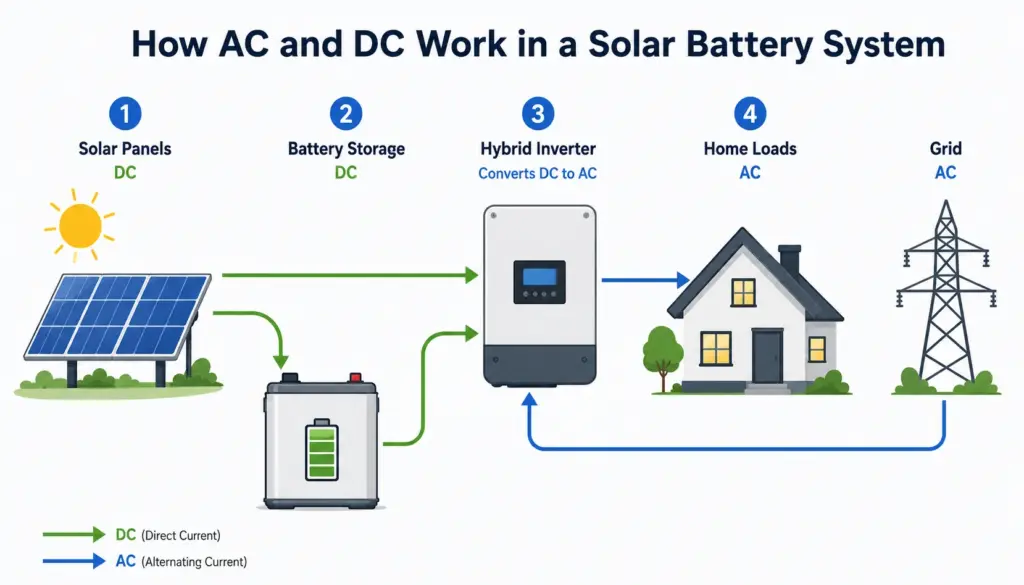
When solar panels charge the battery:
Solar DC → MPPT → Battery DC
When the home uses stored energy:
Battery DC → Inverter → AC Loads
When grid power charges the battery:
Grid AC → Power Conversion → Battery DC
This demonstrates why modern energy storage cannot be understood as purely “AC” or purely “DC.”
It is an integrated AC + DC power-conversion system.
Which Is Better: AC or DC?
Neither AC nor DC is universally better because they solve different electrical problems. AC is highly practical for conventional transmission and building distribution, while DC is fundamental to batteries, photovoltaics, electronics and many modern high-efficiency power systems.
Choose the comparison by application:
| Application | Usually AC or DC? |
|---|---|
| Household outlet | AC |
| Utility distribution | AC |
| Battery | DC |
| Solar panel | DC |
| Smartphone internally | DC |
| Laptop charger input | AC |
| Laptop charger output | DC |
| Home battery internal bus | DC |
| Inverter output | AC |
| Grid-connected solar | DC generation → AC output |
| EV battery | DC |
| Selected long-distance HVDC line | DC |
| Typical residential wiring | AC |
The modern electrical system therefore depends on efficient conversion between AC and DC, not on one technology replacing the other.
Build the Right AC/DC Architecture for Your Energy Storage Project
Solar installers, distributors and project developers should evaluate more than battery capacity when designing an energy storage system. Battery DC voltage, inverter AC power, charge/discharge current, CAN/RS485 communication, system expansion and local electrical requirements must all work together.
Avepower provides LiFePO₄ battery systems for residential and commercial storage, together with inverter compatibility support, project configuration and OEM/ODM development.
For B2B projects, Avepower also applies defined incoming, production, finished-product and outgoing quality-control stages, with battery, BMS and communication testing incorporated into the manufacturing process. Avepower Battery Quality Control
Send us your inverter model, AC voltage, required battery capacity, project country and application to receive a project-matched battery configuration.
Take Control of Your Energy with Avepower!
Reliable home solar battery solutions with OEM/ODM customization and in-house manufacturing, tailored to the needs of distributors, installers, and energy partners.
FAQ
Alternating current (AC) periodically reverses direction, while direct current (DC) flows in one direction. Utility outlets usually supply AC, while batteries and solar photovoltaic panels naturally supply DC.
The main difference is current direction. DC stays unidirectional, whereas AC periodically changes direction and polarity.
A battery supplies DC electricity. Its positive and negative terminals maintain defined polarity, and an inverter is required when battery energy needs to power conventional AC appliances.
Solar panels generate DC electricity. A solar inverter converts this DC output into AC electricity that can be used by household appliances or exported to an AC electrical grid.
AC became dominant because voltage can be changed efficiently with transformers, allowing power to be transmitted at high voltage and distributed at lower usable voltages. Modern power electronics have also enabled important DC applications such as HVDC.
A rectifier or AC/DC converter changes AC into DC. Battery chargers and electronic power supplies commonly perform this conversion.
Both are needed in most solar battery systems. Solar panels and batteries operate on DC, while homes and utility grids mainly operate on AC; an inverter or PCS connects the two.
Not universally. Efficiency depends on voltage, current, distance, conductor resistance and conversion equipment. AC is practical for conventional grid distribution, while HVDC can be highly efficient for selected long-distance transmission projects.