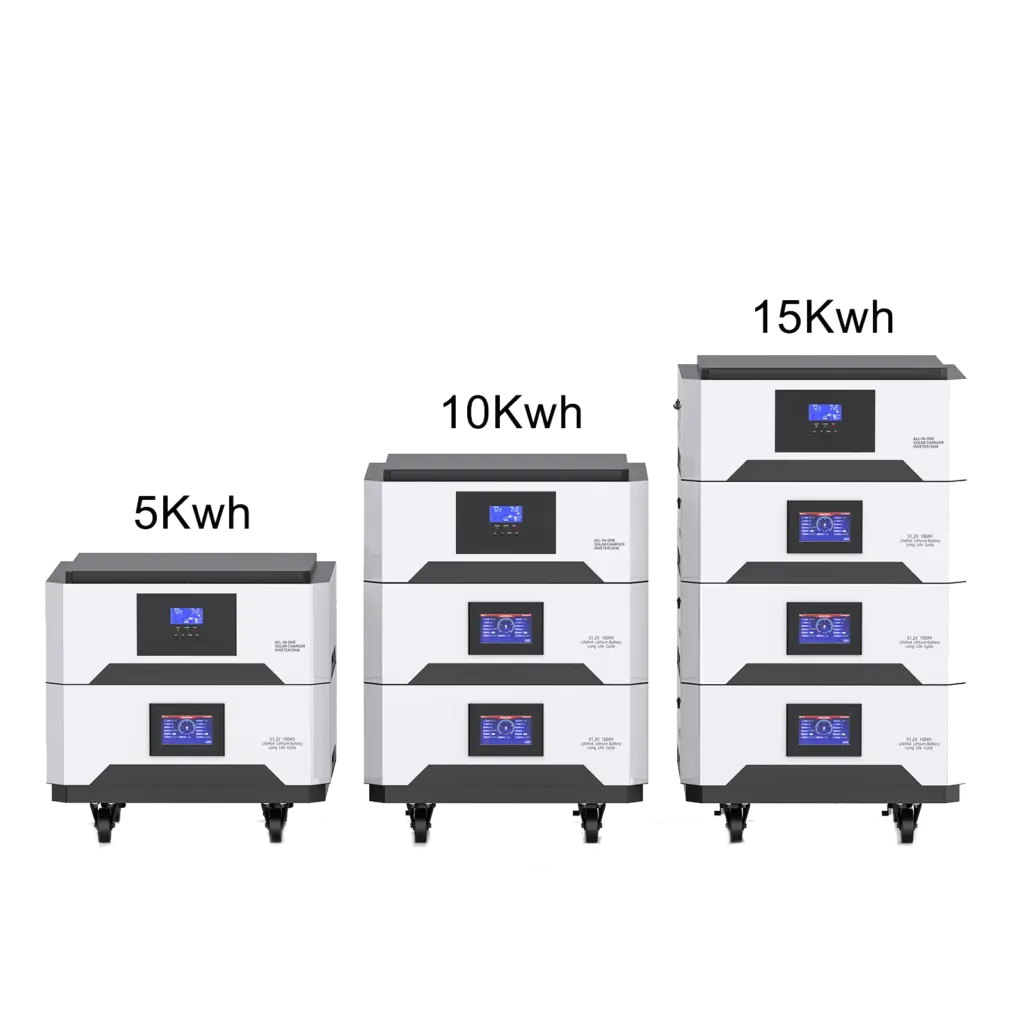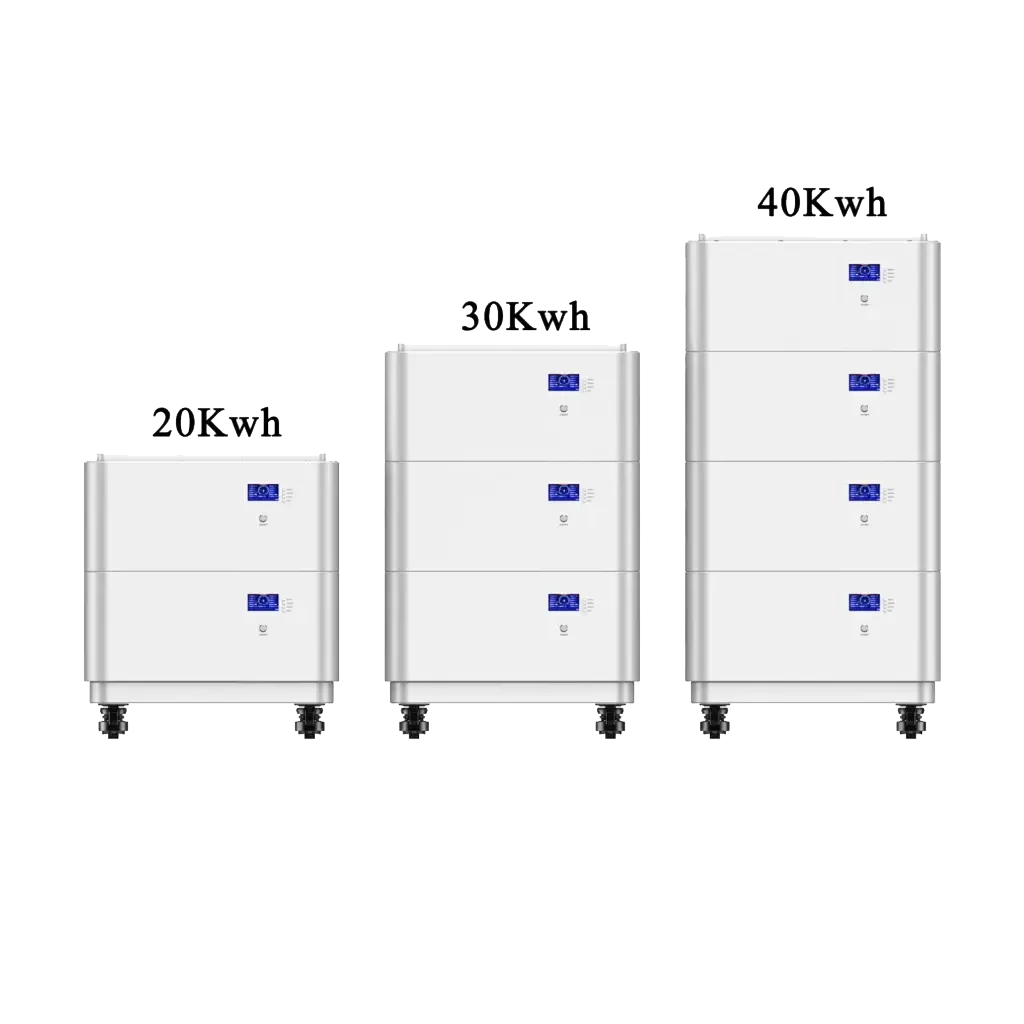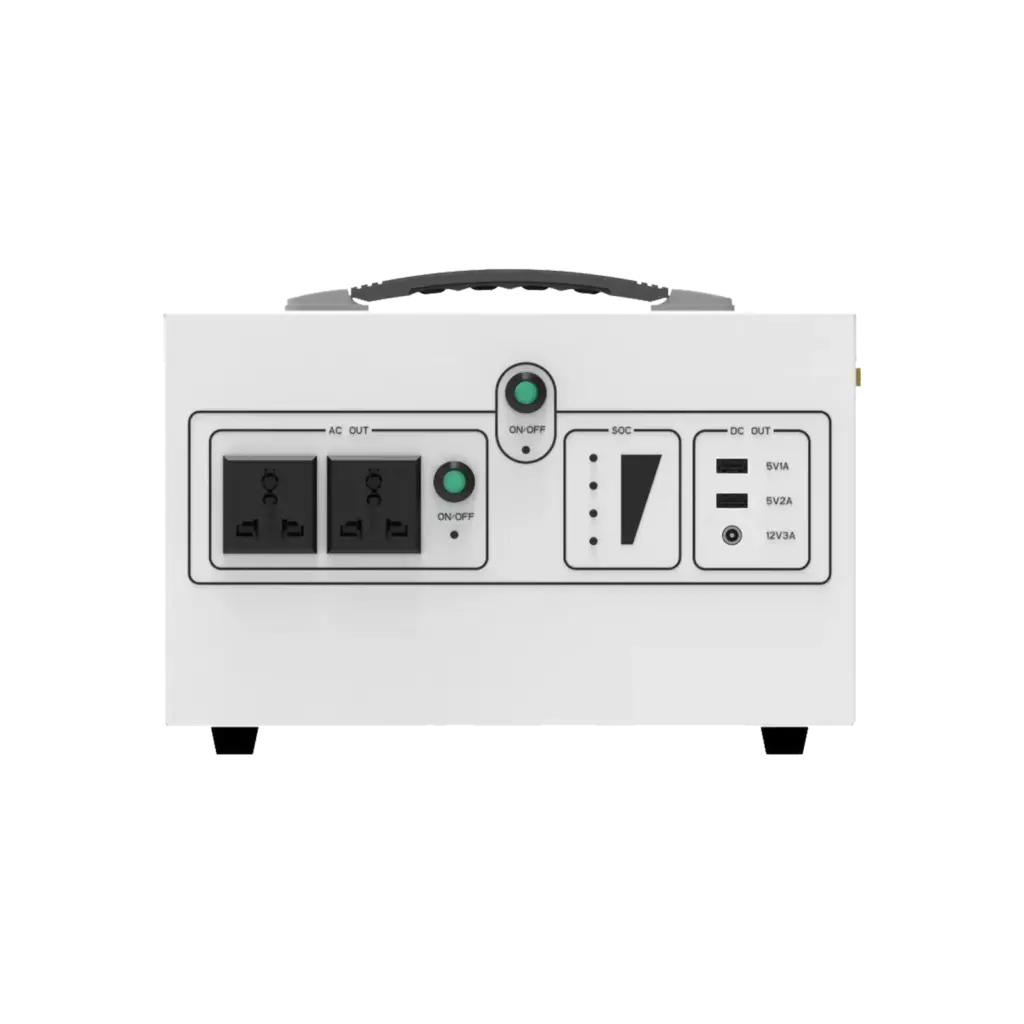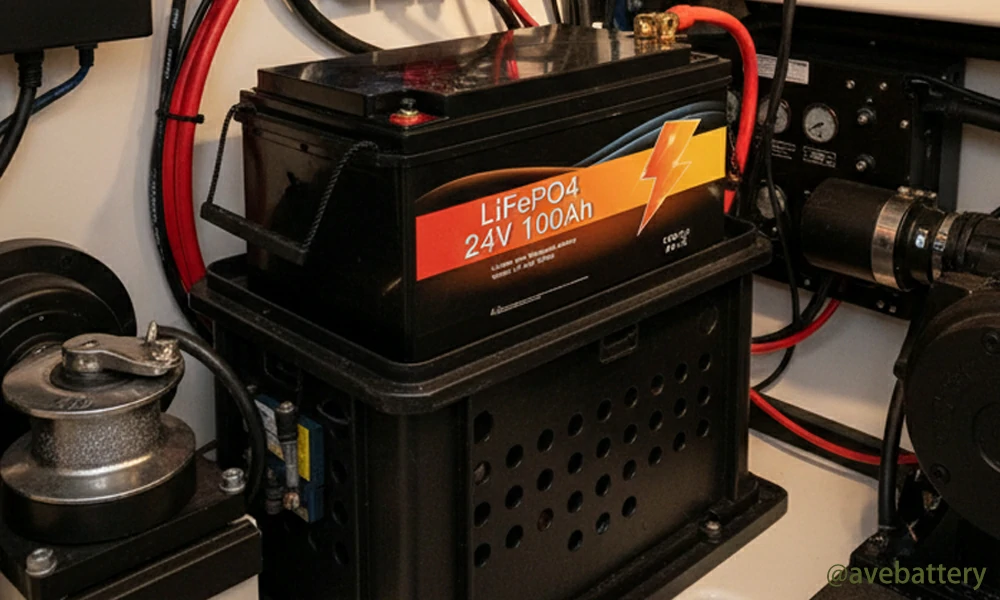

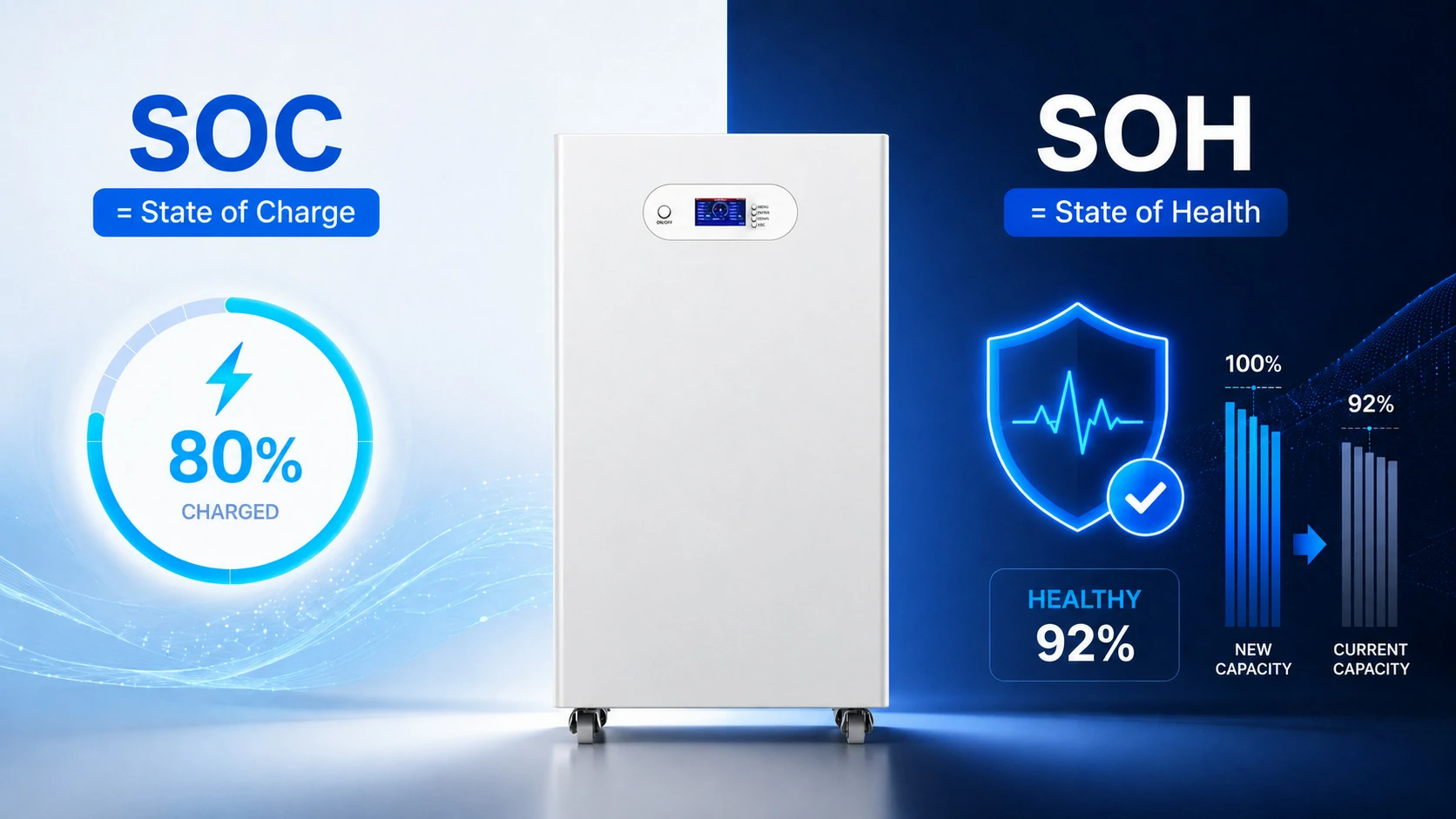
SOC and SOH are two of the most important battery terms used in lithium batteries, solar batteries, EV batteries, and battery energy storage systems. They are often shown on battery screens, mobile apps, inverter displays, and monitoring platforms, but many users are not fully sure what they mean.
A battery can show 100% SOC and still have poor SOH if it has lost capacity after years of use. For homeowners, installers, distributors and energy storage project buyers, understanding both values helps with runtime planning, battery sizing, safety, warranty evaluation and long-term system performance.
Quick Answer: What Are SOH and SOC in a Battery?
SOC and SOH are two important battery indicators used in lithium batteries, solar batteries, EV batteries, and battery energy storage systems.
SOC means State of Charge. It tells you how much charge is left in the battery right now.
SOH means State of Health. It tells you how healthy the battery is compared with when it was new.
A simple way to understand them is this:
- SOC is the battery’s fuel gauge.
- SOH is the battery’s health report.
For example, a battery may show 100% SOC after charging, but if its SOH is only 80%, the battery may no longer store the same amount of energy as it did when new. This is why both values matter when evaluating battery performance, backup runtime, and long-term battery life.
SOC vs SOH Comparison Table
| Item | SOC | SOH |
|---|---|---|
| Full name | State of Charge | State of Health |
| Main meaning | Current remaining battery charge | Battery condition compared with a new battery |
| Changes when? | During every charge and discharge cycle | Slowly over months or years |
| Shown as | Percentage | Percentage |
| Main purpose | Shows how much energy is available now | Shows battery aging and usable capacity loss |
| Example | 60% SOC means about 60% charge remains | 80% SOH means the battery has about 80% of original usable capacity |
What Is SOC in a Battery?
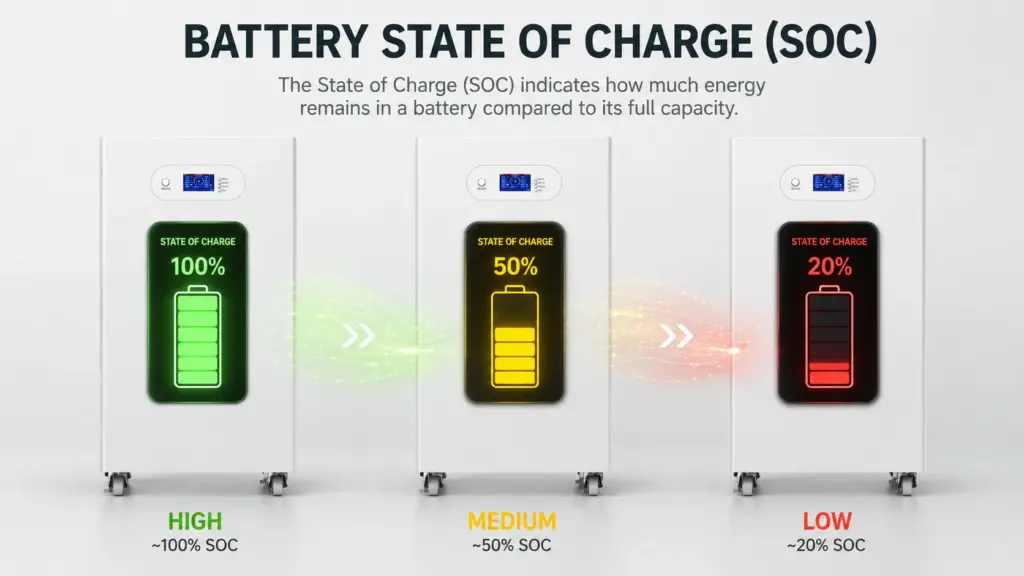
SOC stands for State of Charge. It shows the remaining charge in a battery as a percentage of its usable capacity.
A battery at 100% SOC is fully charged. A battery at 50% SOC has about half of its available charge remaining. A battery at 0% SOC has reached its defined empty point, although most lithium battery systems do not allow the cells to be fully drained because deep discharge can damage the battery.
For a home solar battery, SOC helps decide when to store solar power, when to discharge stored energy, and when to reserve energy for outages. In a larger battery energy storage system, SOC is also important for peak shaving, load shifting, and grid backup control.
What Is SOH in a Battery?
SOH, or State of Health, describes the present condition of a battery compared with its original or rated condition. It is also shown as a percentage.
For example:
- 100% SOH means the battery is close to its original condition.
- 90% SOH means the battery has lost some capacity but is still in good condition.
- 70–80% SOH is often treated as an end-of-life reference point in many battery applications, depending on the product design, warranty and application requirements.
A common simplified formula is: SOH (%) = Current maximum usable capacity / Original rated capacity × 100
For example, if a 10 kWh battery can now store only 9 kWh after years of use, its SOH is approximately:
9 kWh / 10 kWh × 100 = 90% SOH
However, SOH is not only about capacity. Depending on the BMS and testing method, SOH may also consider internal resistance, power capability, cycle count, temperature history, charge/discharge history and cell balance.
SOC vs SOH: The Key Difference
The easiest way to understand the difference is this:
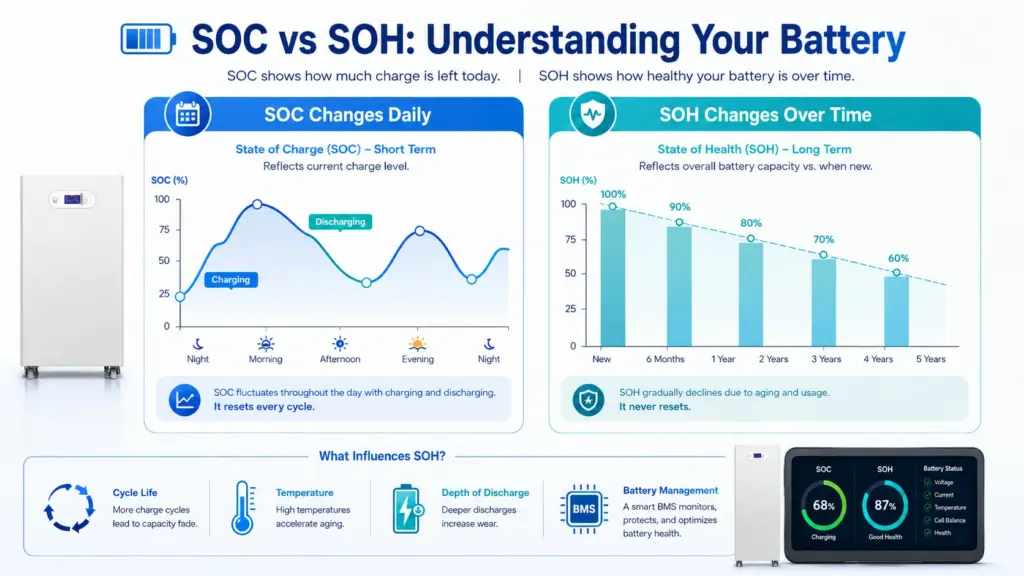
SOC changes during every charge and discharge cycle. SOH changes slowly over the battery’s lifetime.
SOC goes up when the battery charges and goes down when the battery discharges. SOH usually declines gradually as the battery ages.
Here is a simple example:
A 5kWh battery is charged to 100% SOC. When the battery is new, it may provide nearly 5kWh of usable energy. After years of use, it may still charge to 100% SOC, but if its SOH has dropped to 80%, the real usable energy may be closer to 4kWh.
So, SOC tells you the current charge level. SOH tells you whether the battery can still store and deliver energy like it did when new.
How Does a BMS Estimate SOC?
A Battery Management System, or BMS, does not simply “see” SOC directly. It estimates SOC using measured data and algorithms.
Common SOC estimation methods include:
Coulomb Counting
Coulomb counting tracks current flowing into and out of the battery over time. If the BMS knows the starting SOC and measures current accurately, it can estimate how much charge remains.
The weakness is that small measurement errors can accumulate over time, so the system may need recalibration.
Open Circuit Voltage Method
This method compares battery voltage with known voltage-SOC curves. It works better when the battery is rested and not under heavy charge or discharge.
The weakness is that voltage can be affected by load, temperature, chemistry and battery age.
Model-Based Estimation
Advanced BMS systems may use battery models, correction algorithms or Kalman filter methods to improve accuracy. Analog Devices discusses SOC and SOH estimation techniques, including coulomb counting, voltage methods and Kalman filter approaches.
Temperature and Cell Data
Temperature affects battery voltage, resistance and available capacity. A smart BMS uses temperature data together with current, voltage and cell balancing information to improve SOC estimation.
How Does a BMS Estimate SOH?
SOH estimation is more difficult than SOC because battery aging happens gradually. SOH is usually estimated through a combination of capacity tracking, resistance monitoring, usage history and model-based calculations.
Common SOH indicators include:
Capacity Fade
As batteries age, they gradually lose usable capacity. Capacity fade is one of the most common ways to estimate SOH.
Internal Resistance Increase
Aged batteries often develop higher internal resistance. Higher resistance can reduce power output, increase heat and lower efficiency.
Cycle Count
Each charge-discharge cycle contributes to aging. However, cycle count alone is not enough because temperature, depth of discharge, charge rate and storage conditions also affect degradation.
Temperature History
High temperature can accelerate battery aging. Long-term exposure to unsuitable temperature conditions may reduce SOH faster.
Charge and Discharge Behavior
The BMS can compare real operating behavior with expected battery models to detect capacity loss or abnormal degradation.
Stanford notes that SOC and SOH are important internal variables for lithium-ion battery management, but they cannot be measured directly with simple sensors; they must be estimated from battery behavior and data using monitoring methods.
Why SOC and SOH Matter in Solar Battery Storage
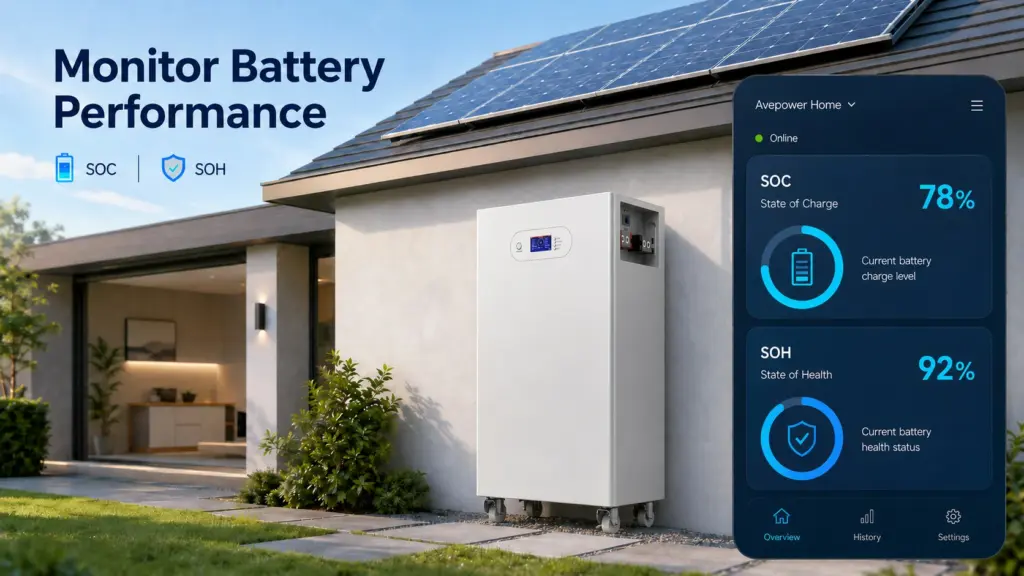
SOC and SOH are not just technical numbers. They directly affect how a solar battery performs in real life.
For homeowners, SOC helps answer: “How much backup power do I have tonight?” SOH helps answer: “Is my battery still performing well after years of use?”
For installers, distributors, and energy storage project buyers, SOC and SOH help with:
- Battery sizing
- System commissioning
- Warranty evaluation
- Maintenance planning
- Inverter communication
- Load management
- Backup runtime calculation
- Long-term performance assessment
In a home energy storage system, SOC data helps the inverter and BMS decide when to charge from solar panels, when to discharge to home loads, and when to preserve backup reserve. SOH data helps evaluate whether the battery still has enough usable capacity for the customer’s needs.
Installers and distributors need battery systems that can communicate clearly with inverters, monitoring platforms, and energy management systems. Avepower provides an inverter compatibility list to help match battery communication protocols such as CAN and RS485 with different inverter brands.
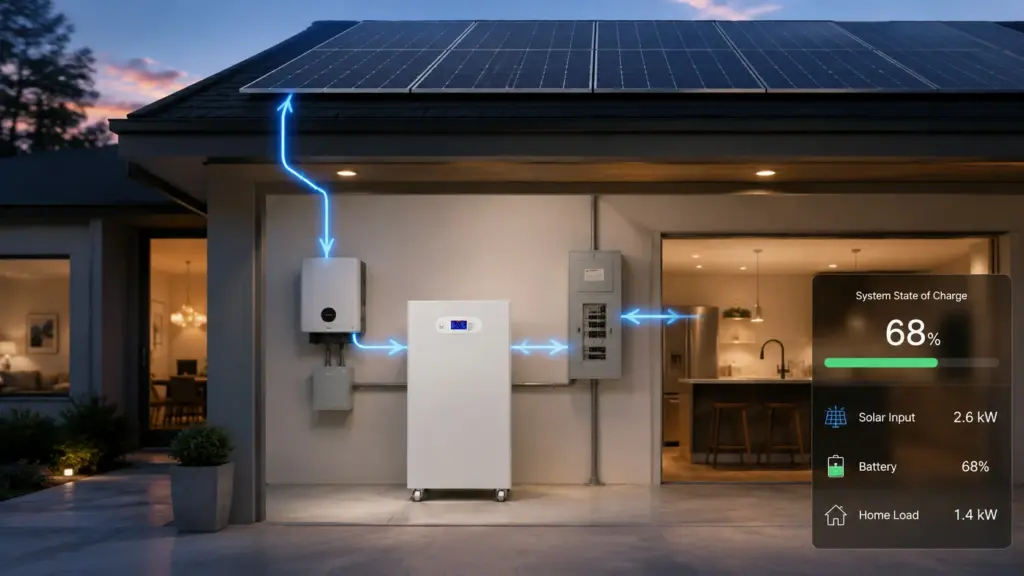
Smart Energy Storage Starts with Accurate SOC & SOH Control
Avepower engineering team provides customized energy storage system design for residential, commercial, and industrial applications.
Why SOC Is Not Always 100% Accurate
Many users assume the SOC percentage on a battery screen or app is perfectly accurate. In reality, SOC is an estimate.
SOC accuracy can be affected by:
- Incorrect initial calibration
- Sensor drift
- Temperature changes
- High discharge current
- Battery aging
- Cell imbalance
- Long standby periods
- BMS algorithm limitations
For example, a battery may show 30% SOC under light load but drop quickly when a high-power appliance starts. This does not always mean the battery is faulty. It may reflect voltage sag, high current demand, or conservative BMS protection.
This is why professional battery systems rely on multiple measurements rather than a single voltage reading.
Why SOH Declines Over Time
All rechargeable batteries age. Even when a battery is not used, chemical aging slowly happens. When the battery is cycled daily, capacity fade can gradually increase.
The main causes of SOH decline include:
High Temperature
High operating or storage temperature can accelerate chemical reactions inside the battery. This may shorten battery life and reduce usable capacity.
Deep Discharge
Frequent deep discharge can put more stress on the battery. Many lithium battery systems define a safe discharge limit to protect the cells.
Overcharging or Over-Discharging
A reliable BMS helps prevent voltage from going too high or too low. Without proper protection, cell damage and safety risks may increase.
High Current Stress
Charging or discharging at very high current can increase heat and stress the cells. Proper current limits are important for long-term battery health.
Cell Imbalance
If cells inside a battery pack become imbalanced, some cells may reach voltage limits earlier than others. This can reduce usable capacity and affect system performance.
SOC, SOH, and BMS: How They Work Together
The BMS is the control center of a lithium battery system. It monitors the battery and helps keep it within safe operating limits.
A BMS typically monitors:
- Cell voltage
- Pack voltage
- Charge current
- Discharge current
- Temperature
- SOC
- SOH
- Protection status
- Communication with inverter or EMS
For modern solar batteries, BMS communication is critical. In many systems, the battery sends SOC, alarms, voltage limits, current limits, and operating status to the inverter. The inverter then adjusts charging and discharging behavior based on battery data.
Avepower’s all-in-one home battery energy storage system supports CAN, RS485, and RS232 communication, with smart BMS monitoring and multi-level safety protection. This type of integration is useful for residential solar storage, backup power, and installer-led energy storage projects.
What Is a Good SOC Range for Lithium Batteries?
The best SOC range depends on the application, battery chemistry, BMS settings, and user needs.
For many lithium battery systems, keeping the battery away from constant 0% and 100% extremes can help reduce stress. However, solar storage systems are designed to charge and discharge regularly, so the BMS and inverter settings should define safe operating limits.
General practical guidance:
- Avoid leaving the battery fully discharged for long periods.
- Avoid unnecessary high-temperature operation.
- Follow the manufacturer’s recommended charge and discharge limits.
- Use proper inverter communication instead of relying only on manual voltage settings.
- Keep backup reserve if the system is used for outage protection.
For residential and light commercial projects, Avepower’s residential battery energy storage systems are designed for solar self-consumption, backup power, and energy bill savings, where SOC management is part of daily system performance.
What Is a Good SOH for a Battery?
A new battery should normally have SOH close to 100%. As it ages, SOH gradually decreases.
In many applications, a battery is still usable at 80% SOH, but runtime will be lower than when it was new. Some applications may replace batteries earlier if reliability is critical. Other applications may continue using batteries at lower SOH if reduced capacity is acceptable.
For solar storage, the key question is not only “What is the SOH number?” but also:
- Does the battery still meet the required backup time?
- Can it still support the expected load?
- Is the battery still within warranty conditions?
- Are there any abnormal alarms?
- Are the cells balanced?
- Is the system operating within safe voltage and temperature limits?
A battery with lower SOH may still be safe and useful, but it should be evaluated according to the project’s actual requirements.
Common Misunderstandings About SOC and SOH
“100% SOC Means the Battery Is Healthy”
Not always. A degraded battery can still charge to 100% SOC, but its full capacity may be lower than when it was new. This is why SOH is important.
“Voltage Alone Gives Accurate SOC”
Voltage can help estimate SOC, but it is not always accurate, especially under load or during charging. Lithium battery voltage behavior depends on chemistry, current, temperature and rest time.
“Cycle Count Alone Defines SOH”
Cycle count is useful, but it does not tell the full story. A battery cycled gently in a moderate-temperature environment may age more slowly than a battery exposed to high temperature, deep discharge or high current.
“SOH Drops Evenly Over Time”
Battery aging is not always linear. Storage conditions, operating temperature, charging behavior and load profile can all affect SOH.
How to Maintain Better SOH
To help maintain battery SOH, follow these practical guidelines:
- Avoid long-term storage at 0% SOC.
- Avoid leaving lithium batteries fully charged for extended periods unless the system requires it.
- Keep the battery within the manufacturer’s recommended temperature range.
- Use a compatible inverter and charger.
- Avoid excessive charge and discharge current.
- Follow recommended maintenance and firmware guidance.
- Use batteries with a reliable BMS.
- Size the battery correctly so it is not deeply discharged every day.
For energy storage projects, battery quality, BMS design, thermal management and inverter communication are all important. Avepower is a battery energy storage system manufacturer focused on LiFePO4 battery systems for residential, light-commercial and OEM/ODM energy storage applications.
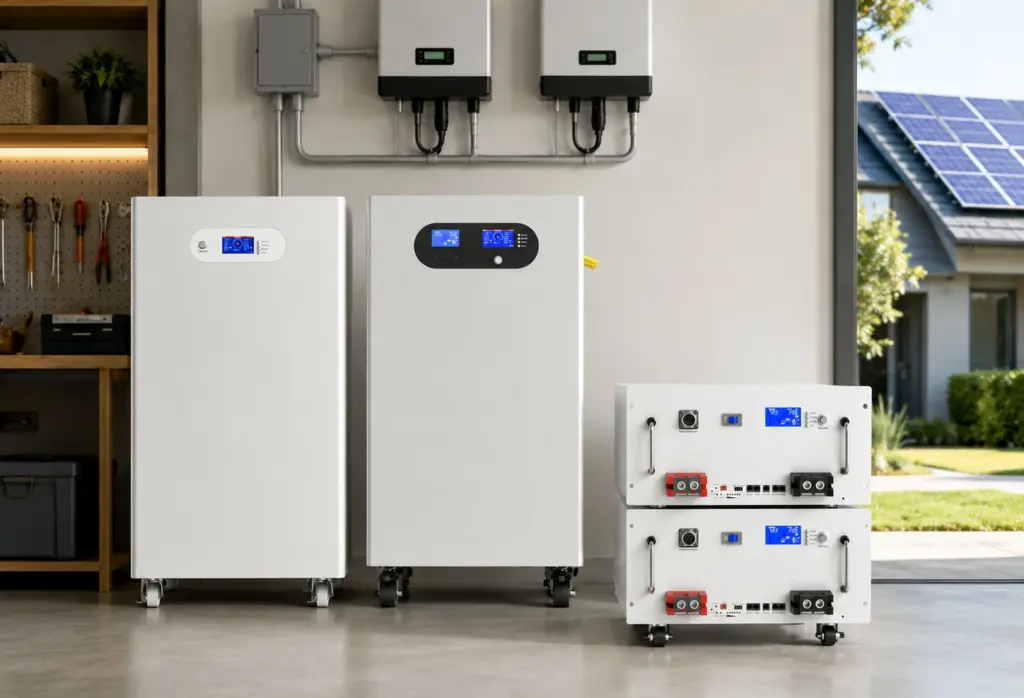
Take Control of Your Energy with Avepower!
Reliable home solar battery solutions with OEM/ODM customization and in-house manufacturing, tailored to the needs of distributors, installers, and energy partners.
Conclusion
SOC and SOH are both essential battery indicators, but they measure different things.
SOC tells you how much charge is available now.
SOH tells you how healthy the battery is compared with when it was new.
For lithium batteries, solar storage systems and backup power applications, both values matter. SOC helps manage daily energy use, while SOH helps evaluate long-term performance, safety and investment value. A reliable battery system should combine quality cells, a smart BMS, proper inverter communication and correct system sizing.
For residential and project-based energy storage, Avepower provides LiFePO4 battery solutions for solar self-consumption, backup power, load shifting and scalable energy storage applications.
FAQ
SOC means State of Charge. It shows how much charge remains in the battery at a given moment, usually as a percentage.
SOH means State of Health. It shows the battery’s current condition compared with its original condition, usually based on capacity, resistance, aging and usage history.
Yes. A degraded battery can still show 100% SOC after charging, but the total energy available at 100% may be lower than when the battery was new.
SOH is often based on remaining capacity, but it may also include internal resistance, power capability, temperature history and other aging indicators.
SOC accuracy depends on the BMS, sensors, battery chemistry, current measurement, temperature compensation and calibration. A good BMS can provide useful SOC estimates, but SOC is still an estimate.
SOH is more difficult to estimate than SOC because aging is complex. Laboratory capacity testing is more accurate, while real-time BMS SOH estimation depends on algorithms and operating data.
SOC helps users know how much backup energy is available and helps the inverter decide when to charge or discharge the battery.
SOH helps users, installers and project owners understand long-term battery performance, capacity retention and replacement planning.