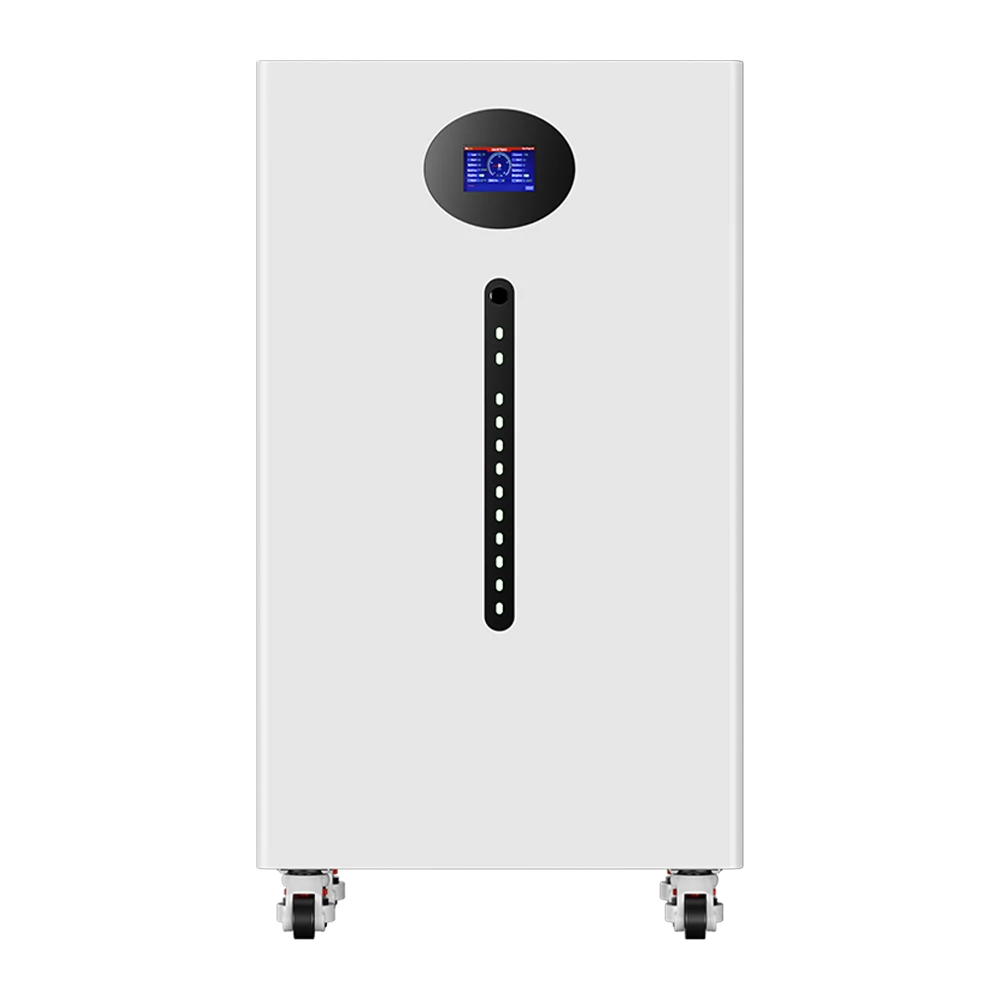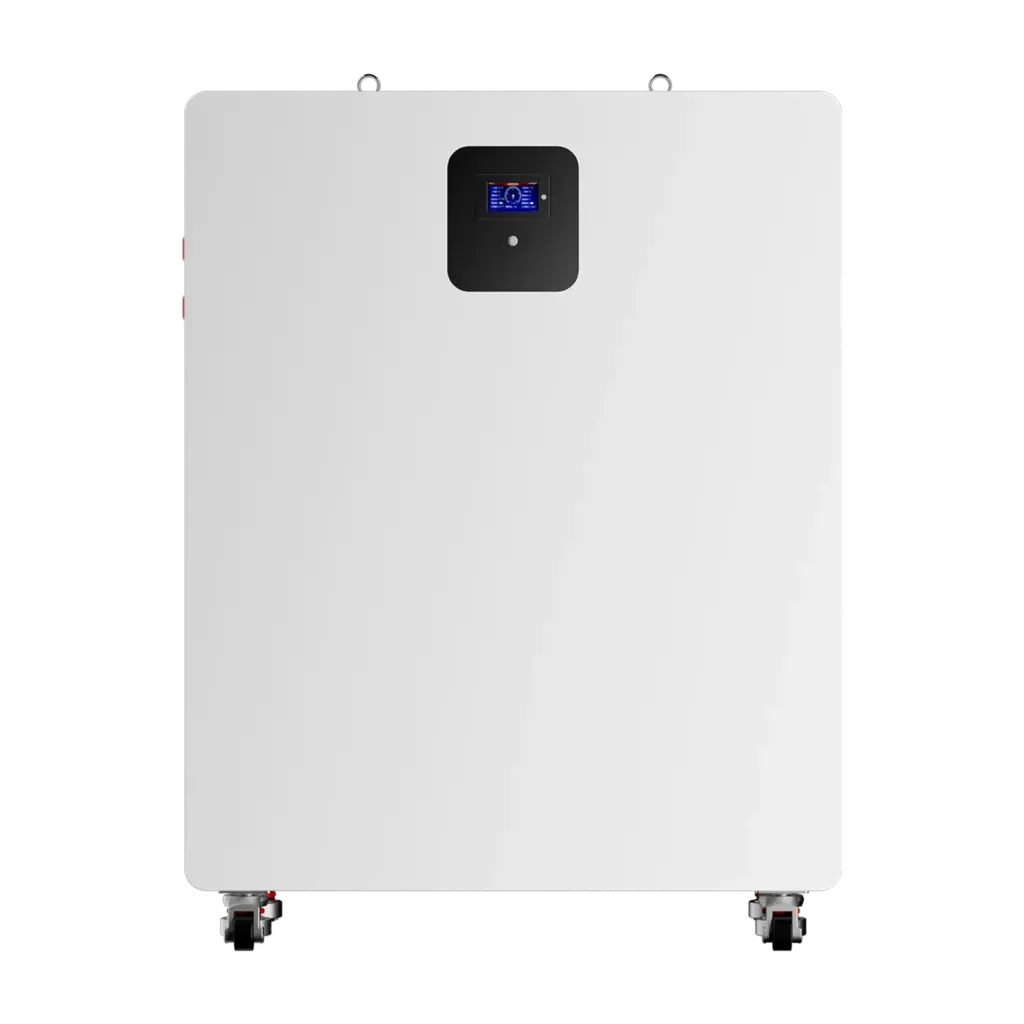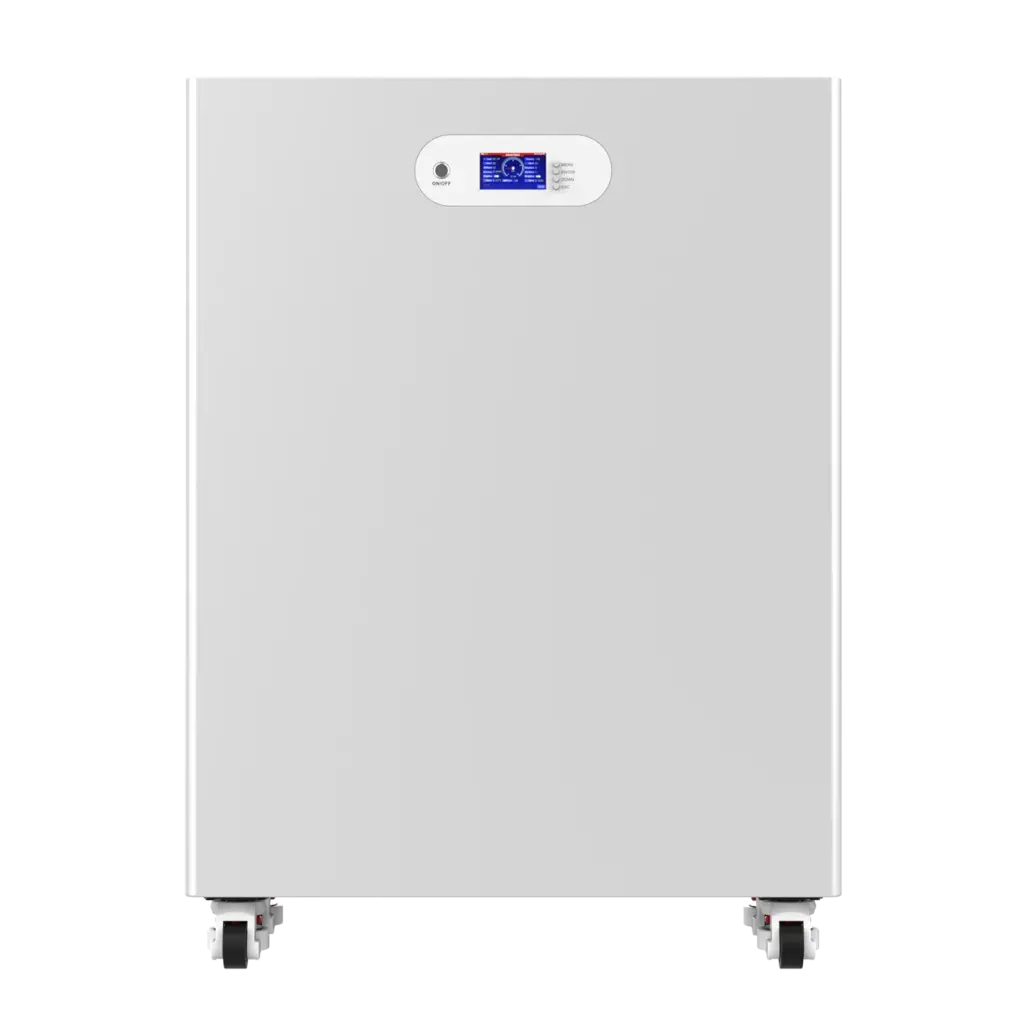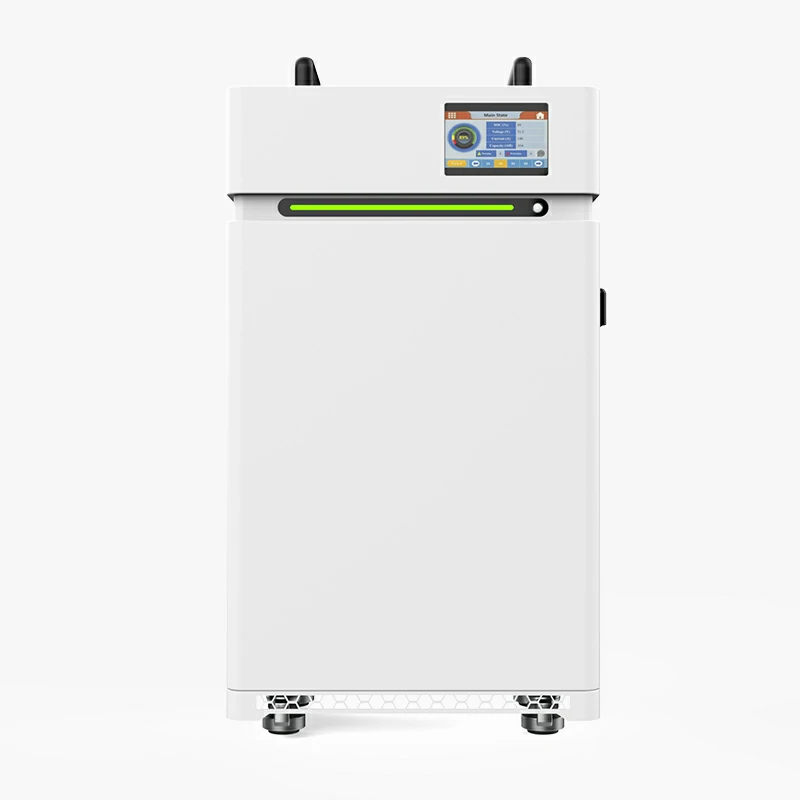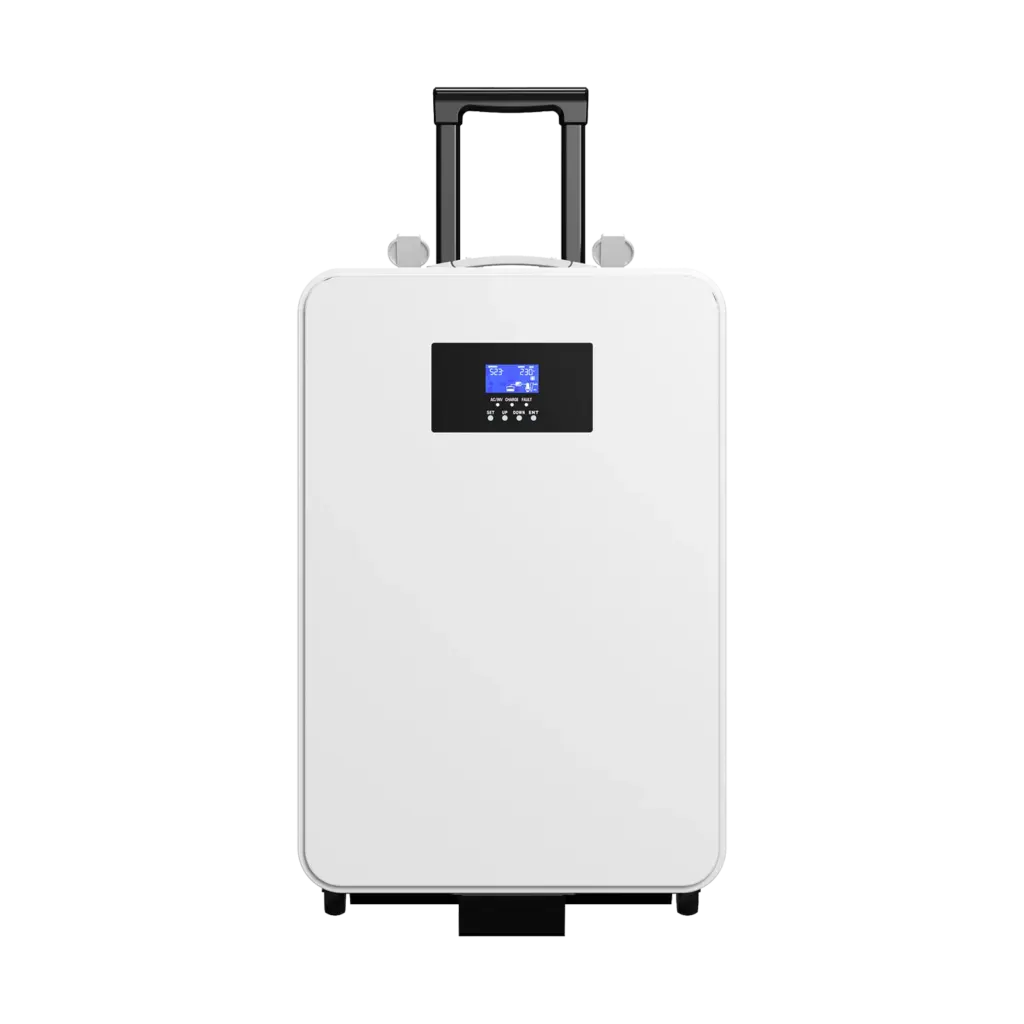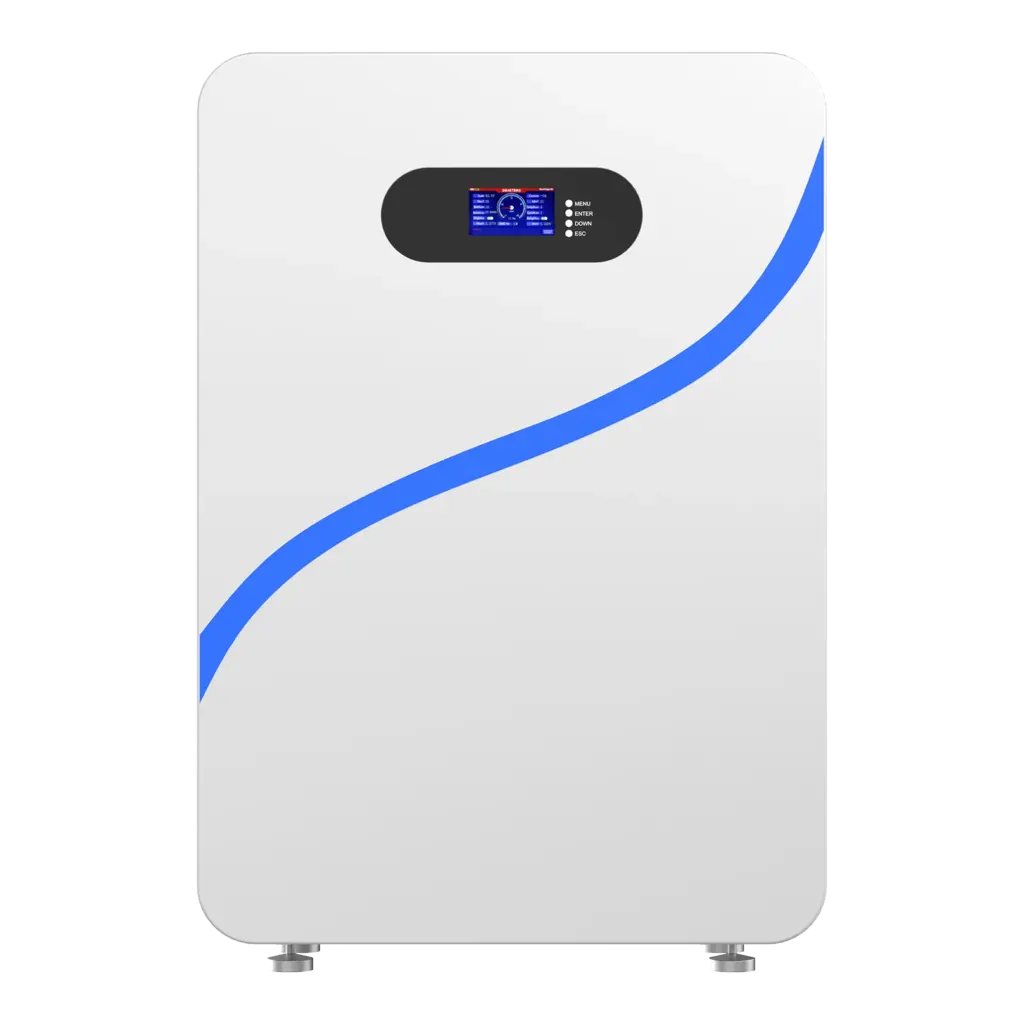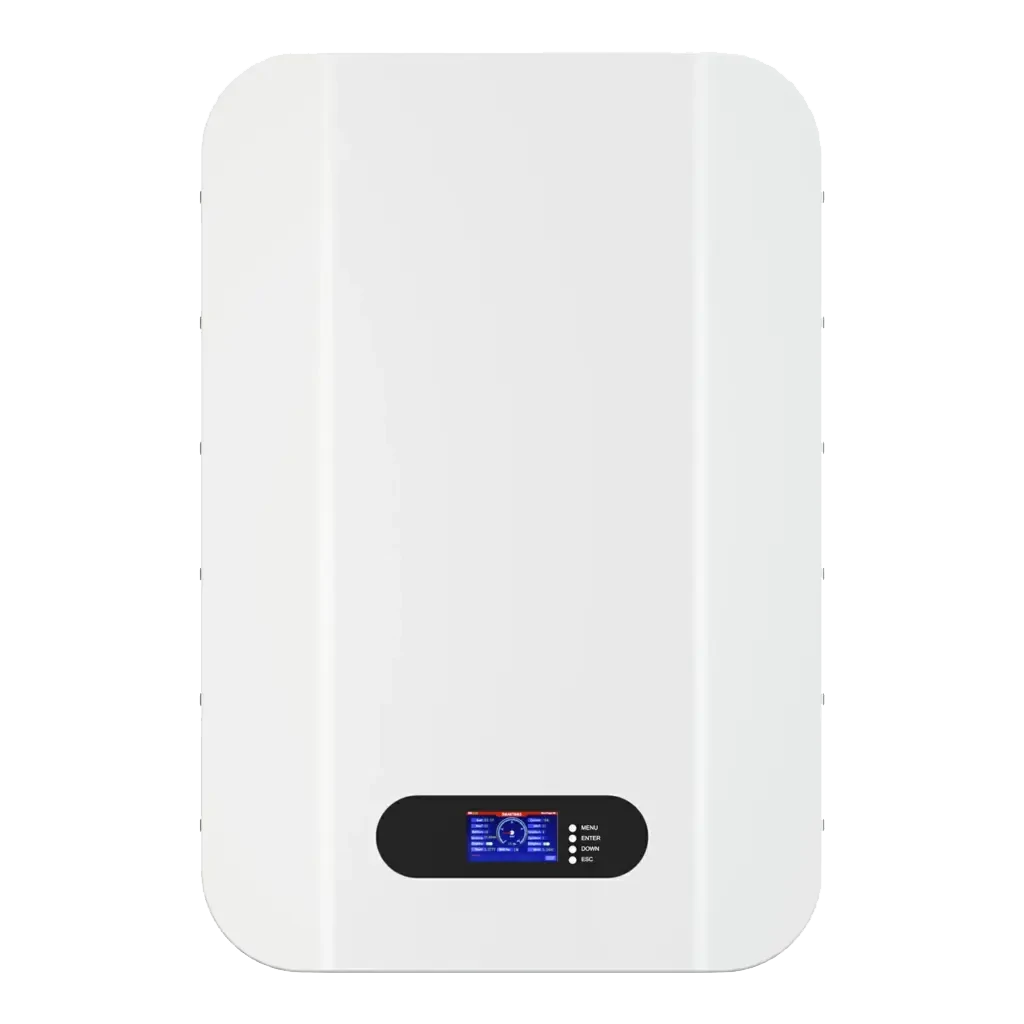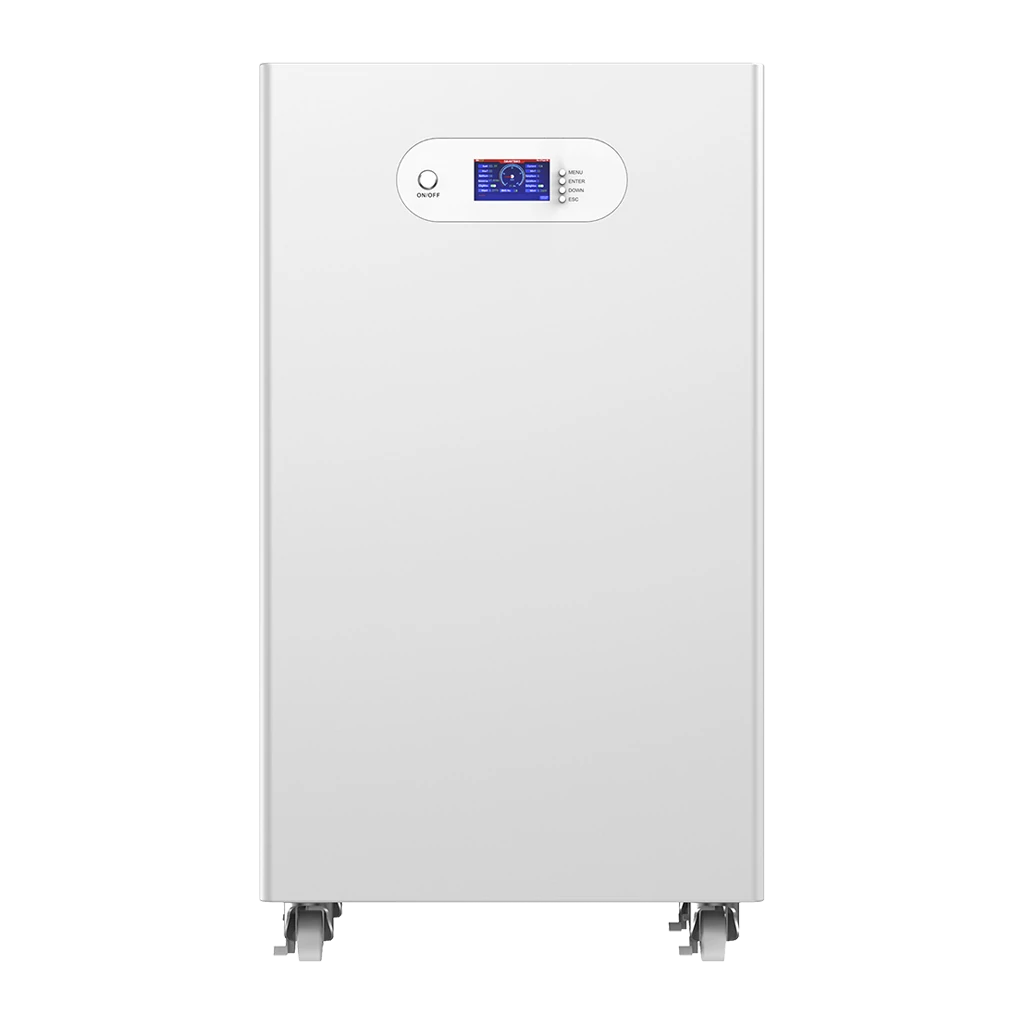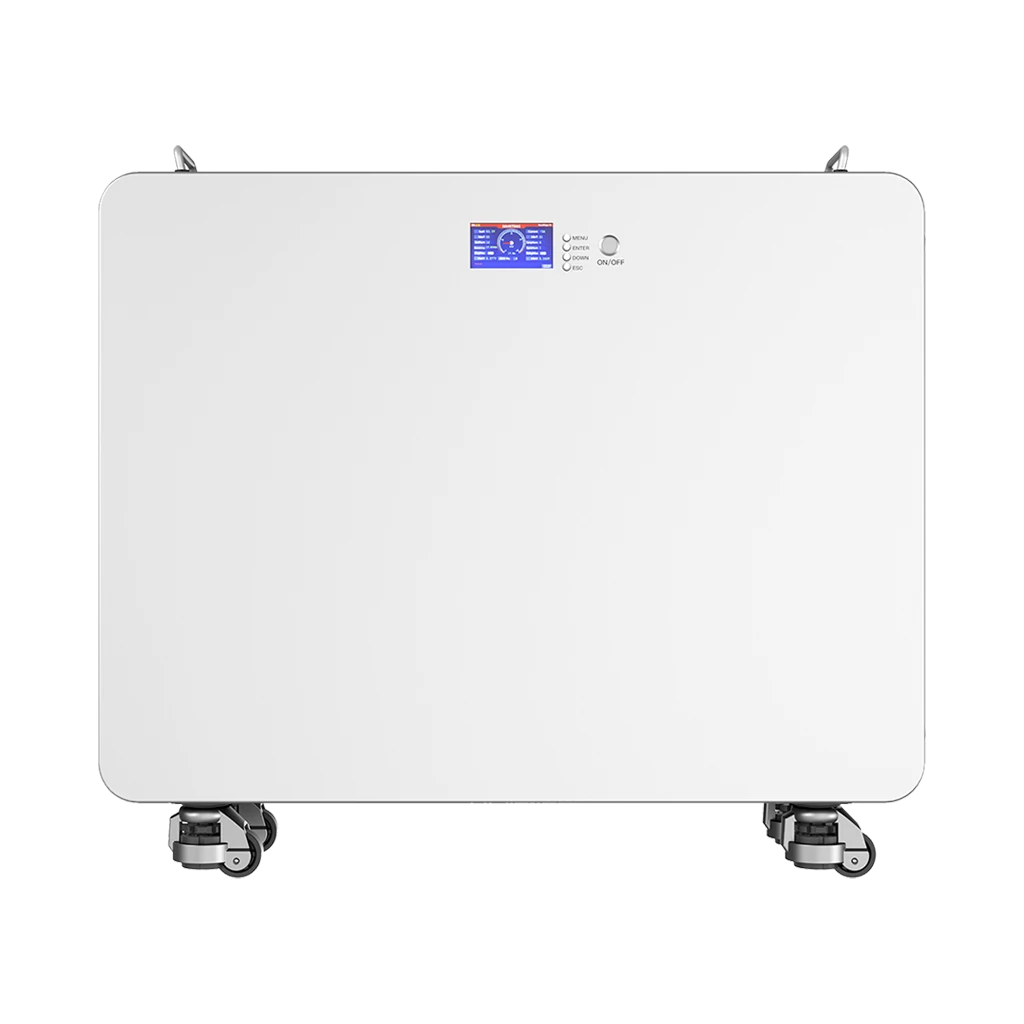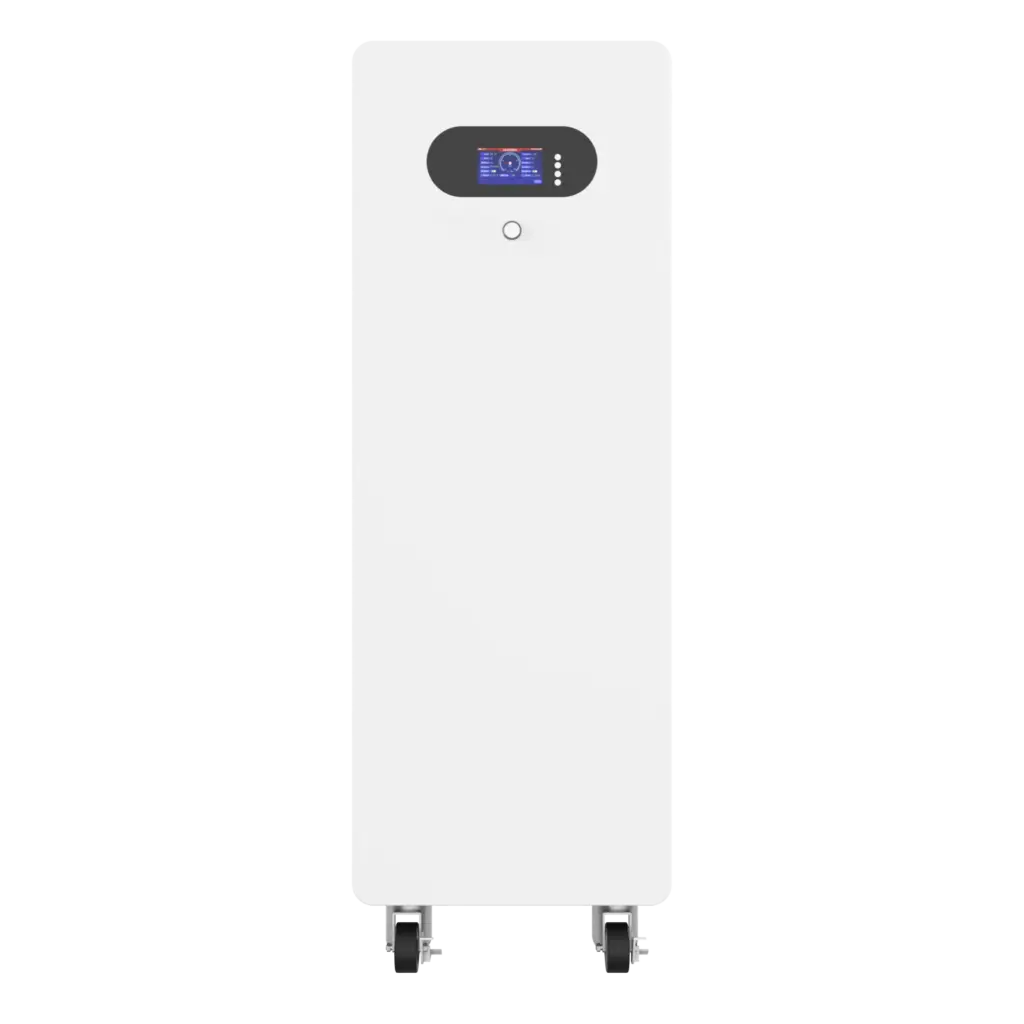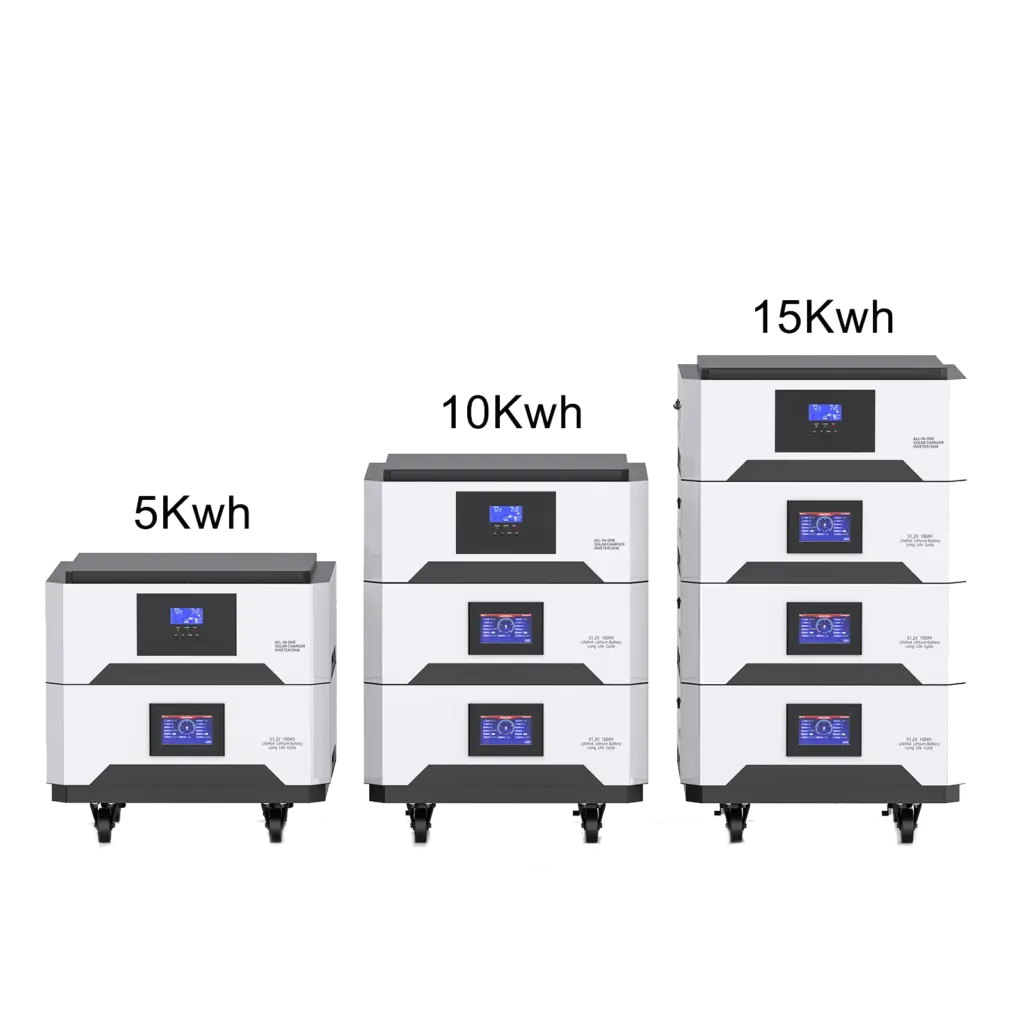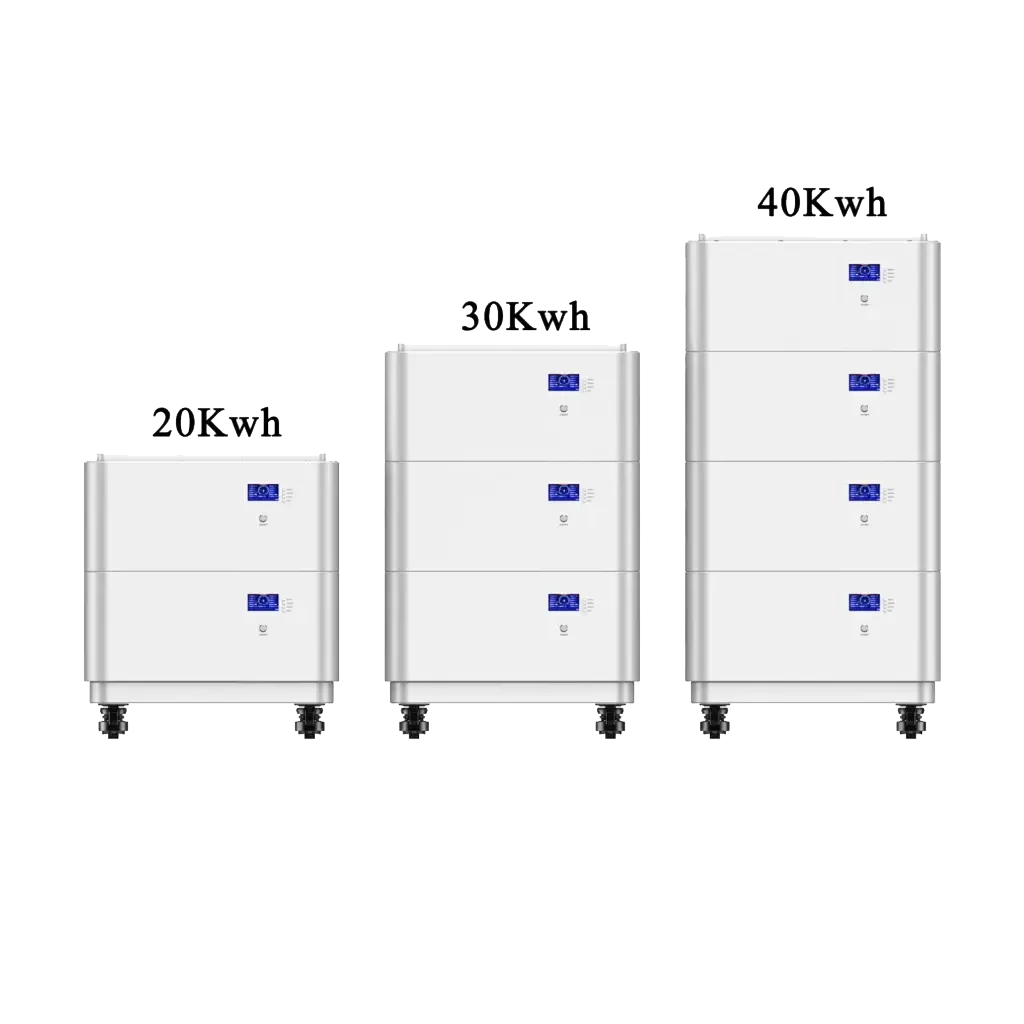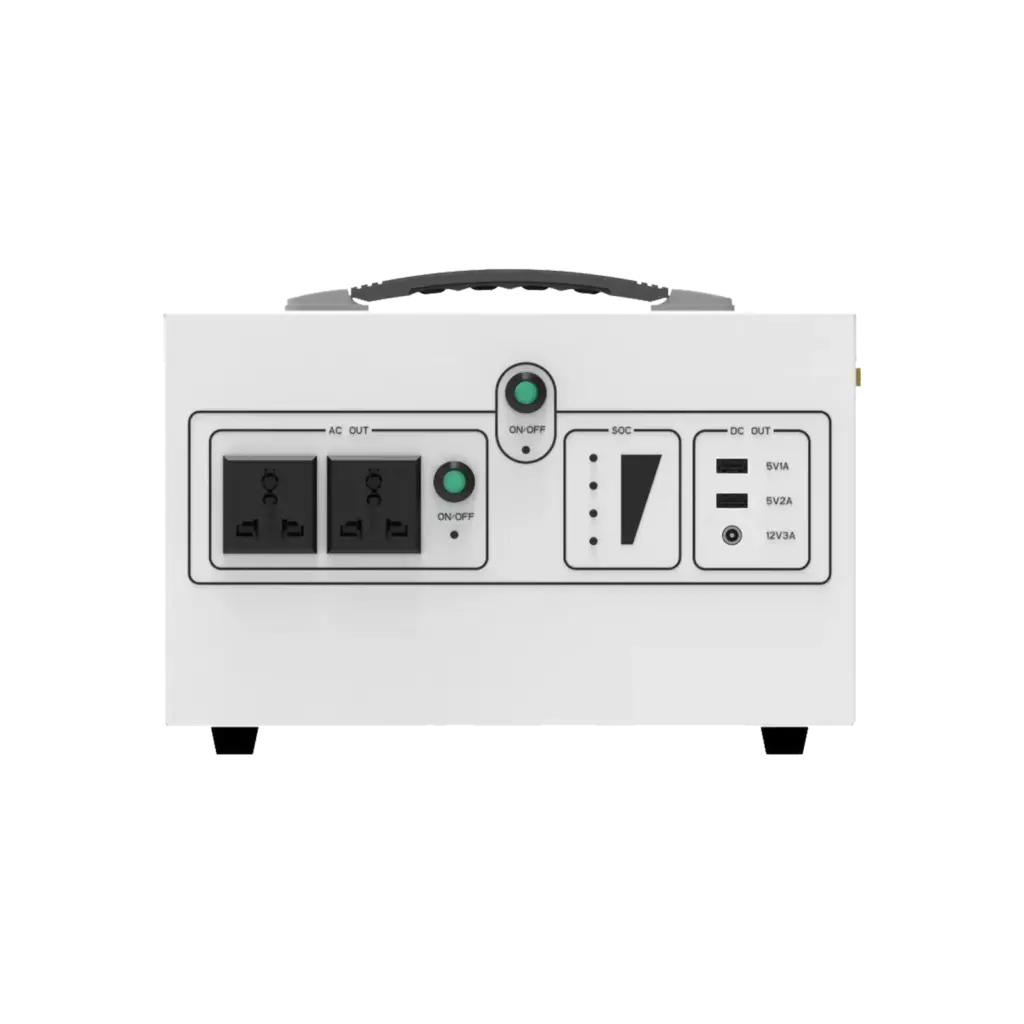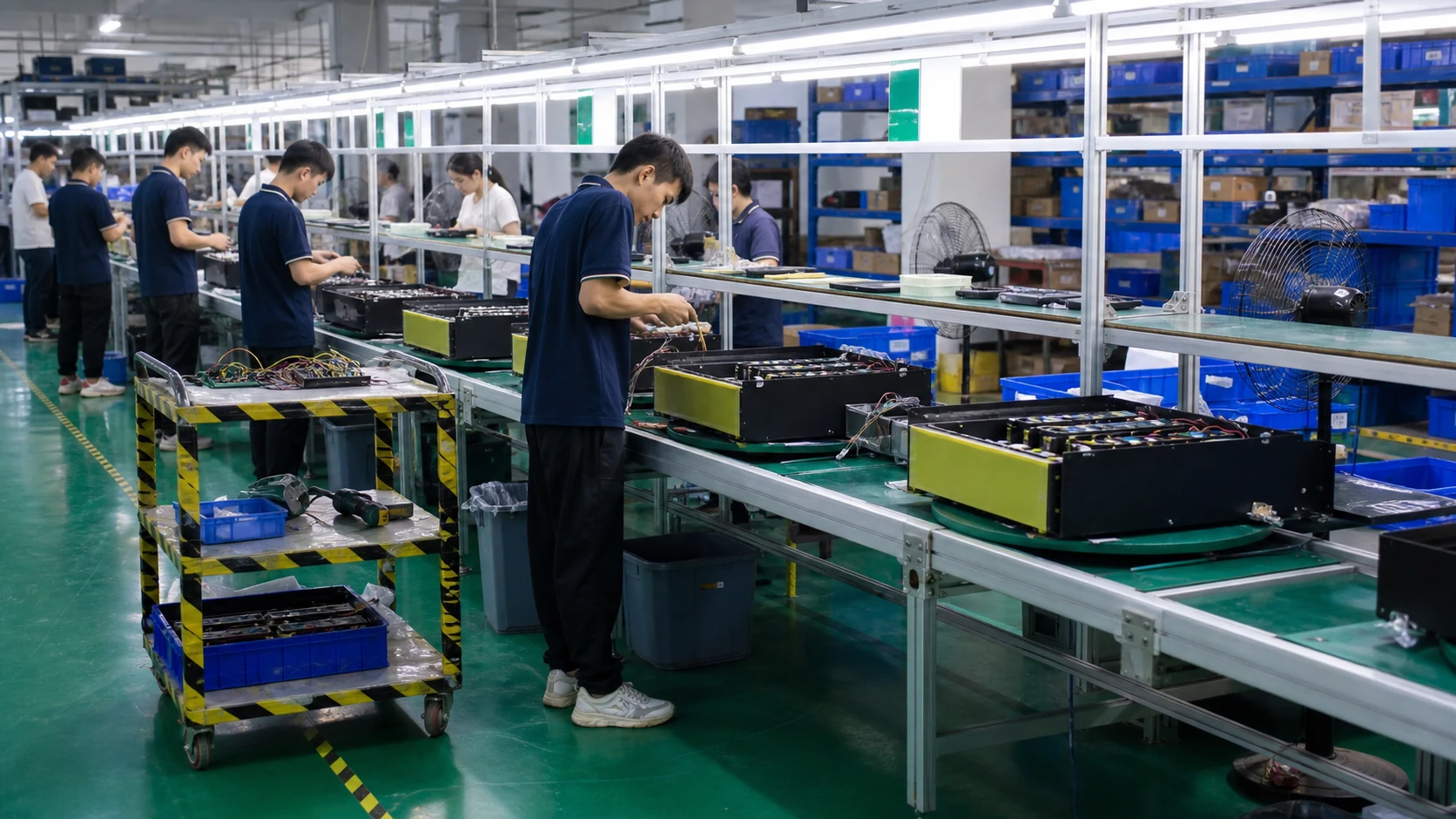

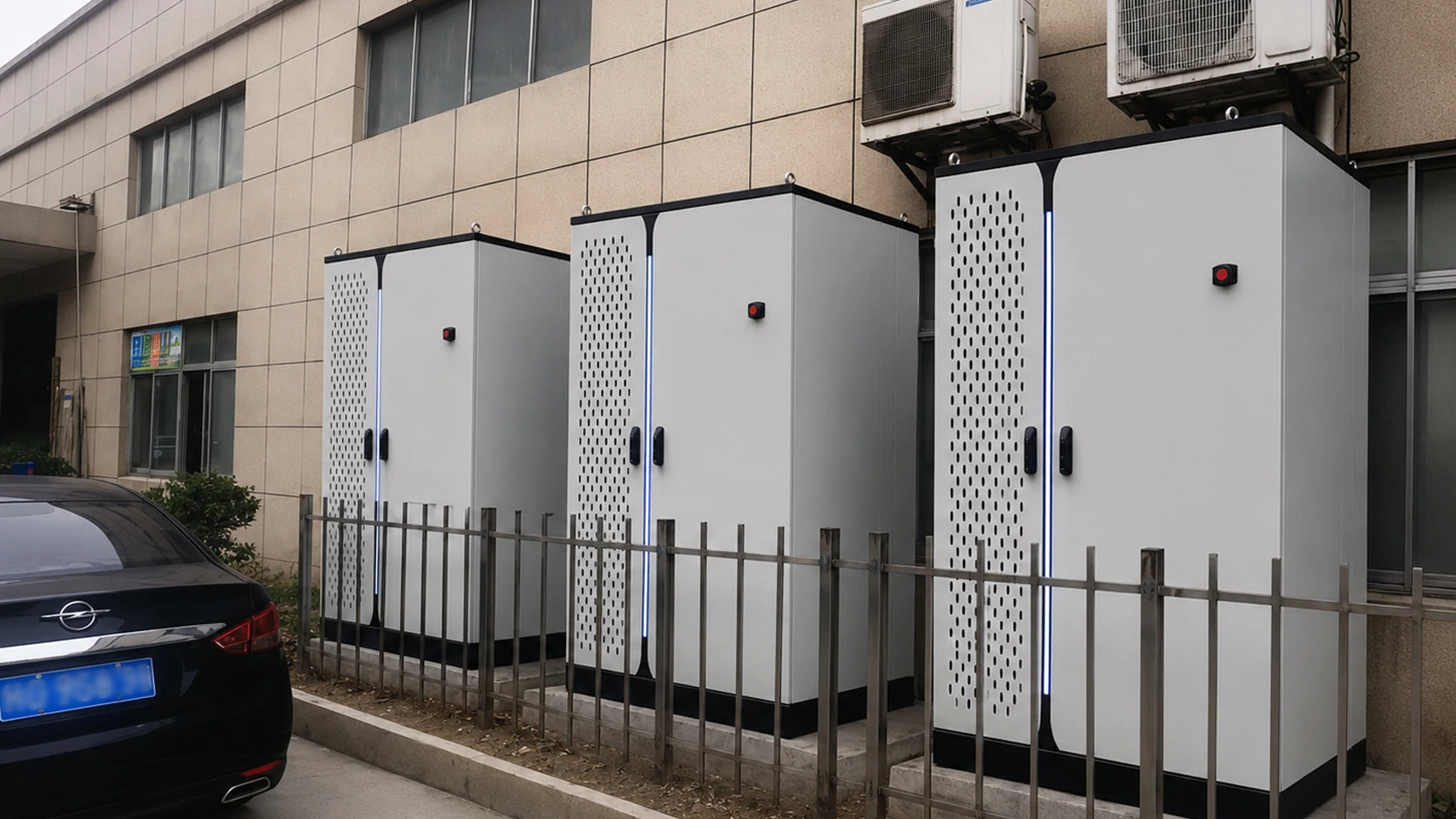
A commercial battery backup system stores electricity from solar panels or the grid and delivers it when a business needs power most. It can keep critical loads running during outages, reduce peak demand charges, shift energy use away from expensive tariff periods, increase solar self-consumption, and support lower-carbon operations.
For many commercial and industrial facilities, battery backup is no longer only an emergency power solution. It is becoming part of a broader energy management strategy that includes backup power, peak shaving, load shifting, solar storage, microgrid operation, and energy cost control.
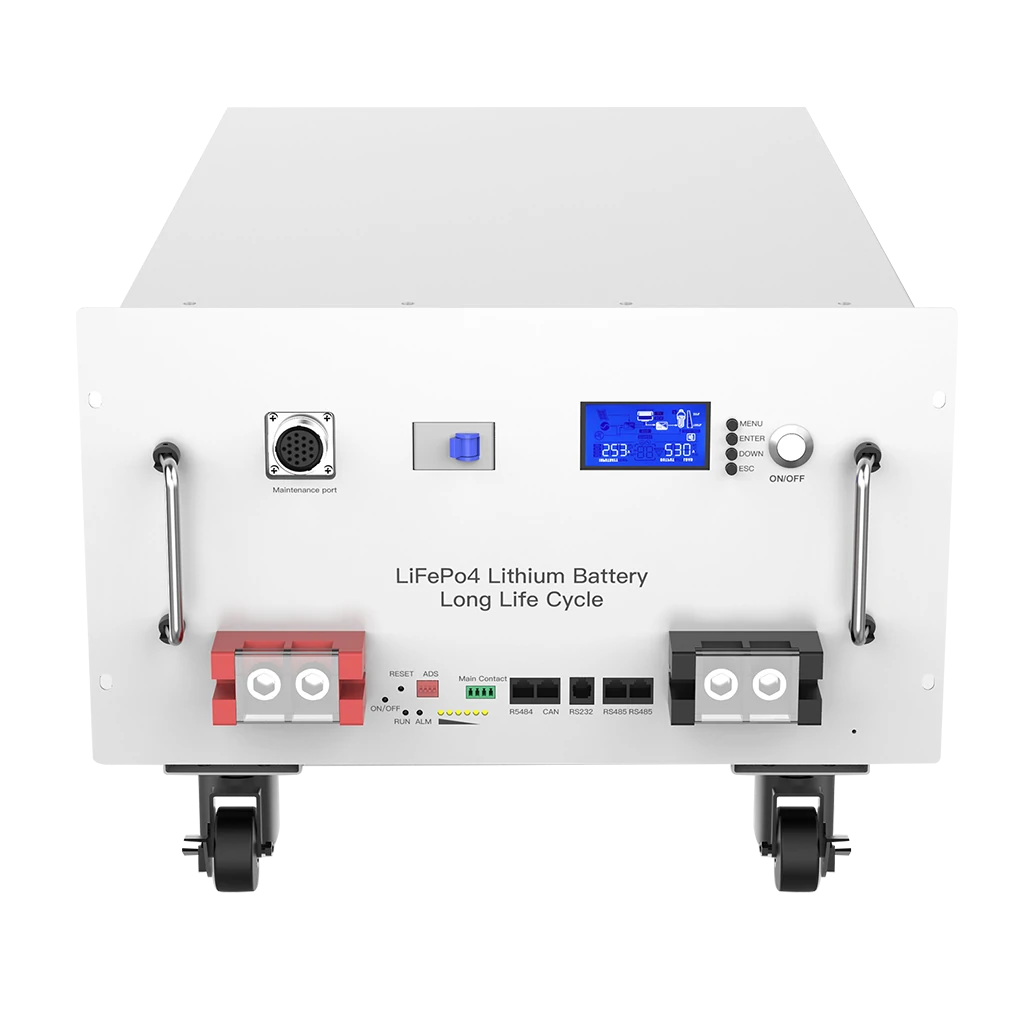
A typical commercial battery backup system may include:
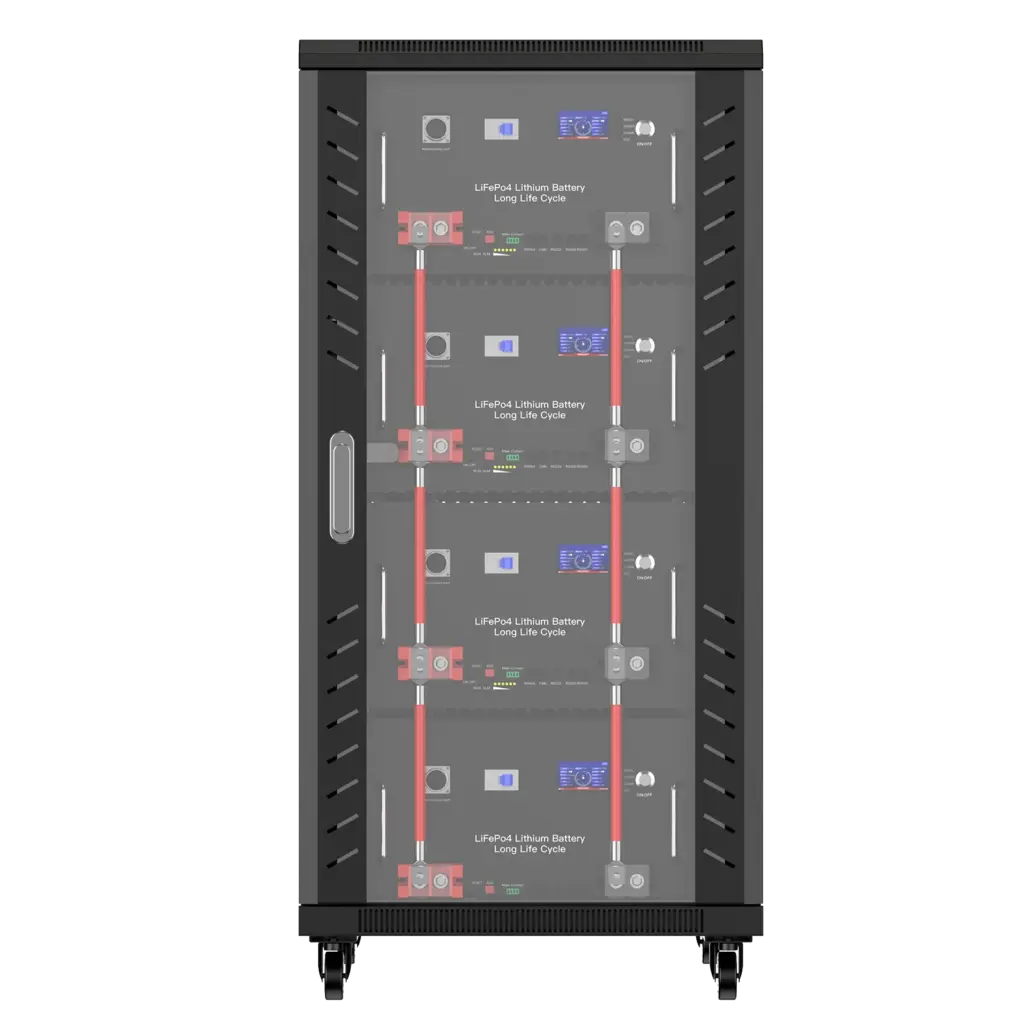
- Battery modules or battery cabinets
- Battery Management System, or BMS
- Power Conversion System, or PCS
- Energy Management System, or EMS
- Thermal management system
- Fire protection system
- Monitoring platform
- Grid, solar PV, generator, or microgrid integration
In a grid-connected building, the system can charge from solar PV during the day or from the grid during lower-cost periods. When electricity prices rise, demand spikes, or the grid fails, the battery discharges power to the facility.
Commercial Battery Backup vs Traditional Generator Backup
Many businesses already use diesel or gas generators. Generators are still useful for long-duration backup, but batteries solve different problems.
A generator is usually designed for emergency power. It starts when the grid fails. A battery backup system can respond much faster and can operate every day to improve energy economics.
| Feature | Commercial Battery Backup | Diesel or Gas Generator |
|---|---|---|
| Response time | Very fast, often suitable for critical load support | Start-up delay unless paired with UPS |
| Daily energy savings | Yes, through peak shaving and load shifting | Usually no |
| Solar integration | Strong | Limited |
| Fuel cost | No fuel during battery operation | Requires fuel supply |
| Noise and emissions | Low noise, no on-site combustion during discharge | Noise and emissions |
| Long outage support | Limited by battery capacity | Strong if fuel is available |
| Best use | Backup + energy management | Long-duration emergency backup |
For many sites, the best approach is not battery or generator. It is battery plus generator. The battery handles fast response, short outages, peak shaving, and solar storage. The generator covers extended outages or unusually high loads.
Why Businesses Are Investing in Commercial Battery Backup
Commercial energy users face a different electricity problem from homeowners. A home usually pays mainly for energy consumed in kWh. Many businesses also pay demand charges based on their highest power draw in kW during a billing period. That means a short demand spike from HVAC, refrigeration, machinery, pumps, EV charging or production equipment can increase the monthly bill.
Battery backup helps by discharging during these peaks, reducing the power drawn from the grid. This is called peak shaving.
The business case becomes stronger when multiple value streams are combined:
- Backup power for critical operations
- Peak shaving to reduce demand charges
- Load shifting to use cheaper energy later
- Solar self-consumption to reduce exported solar waste
- Demand response or grid support programs
- Reduced diesel generator runtime
- Better energy resilience for production, cold storage, telecom or data systems
Battery storage to become increasingly important for power security as electricity demand grows and more solar and wind are added to the grid. It notes that battery storage can respond quickly to market signals and serve as backup power for critical facilities.
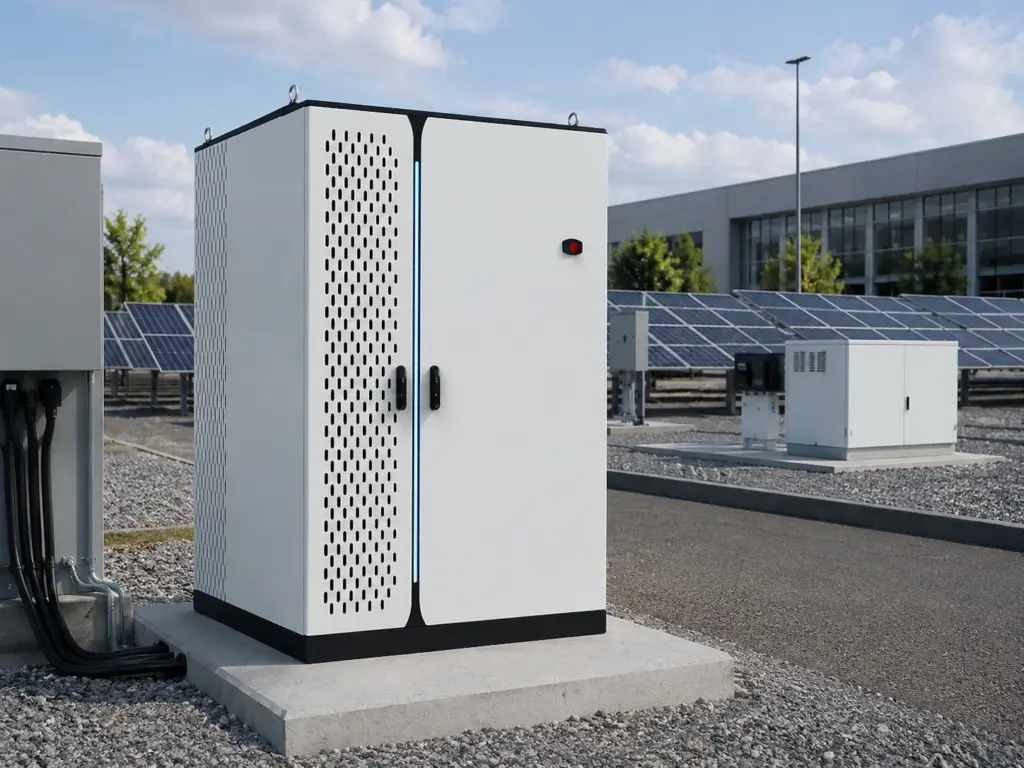
Looking for a Commercial Battery Backup Solution for Your Next Project?
Avepower can help you evaluate battery capacity, voltage platform, cabinet structure, communication protocol, and backup requirements based on your site conditions.
Key Benefits of Commercial Battery Backup
1. Backup Power During Grid Outages
The most direct benefit is power continuity. A well-designed commercial battery backup system can keep essential loads online when the grid fails.
This is valuable for:
- Hotels
- Data centers
- Medical facilities
- Cold storage
- Farms
- Manufacturing plants
- Warehouses
- Telecom sites
- Retail and supermarkets
- Commercial buildings
For example, Avepower’s 640kWh hotel solar BESS case study shows a LiFePO4 battery system designed for hotel solar storage, backup power, peak shaving, and grid/off-grid switching. The system includes batteries, smart inverters, and EMS-based intelligent control.
2. Peak Shaving and Demand Charge Reduction
Peak shaving is one of the strongest commercial use cases. Many commercial electricity bills include demand charges based on the highest power draw during a billing period. A short spike can increase the bill even if total monthly energy consumption is not extreme.
With battery storage, the system discharges when site demand approaches a preset threshold. This reduces the power drawn from the grid and helps flatten the demand curve.
For facilities with short but expensive load spikes, commercial battery backup can act as a financial control tool, not just a backup device.
3. Load Shifting
Load shifting means moving energy consumption from expensive periods to cheaper periods. A battery makes this easier because the business does not always need to reschedule operations manually.
The battery can charge when grid electricity is cheaper or when solar output is high. It then discharges during peak tariff periods or evening operations.
This is especially useful for businesses with:
- Time-of-use electricity tariffs
- Daytime solar generation
- Evening or night loads
- EV charging demand
- Production schedules that cannot easily be shifted
- Cooling, refrigeration, or pumping loads
4. Better Solar Self-Consumption
Many businesses install solar panels to reduce grid electricity purchases. But if solar generation exceeds daytime site demand, excess electricity may be exported at a lower value than the cost of buying electricity later.
Commercial battery backup helps by storing excess solar power and using it later.
This can improve the business case for commercial solar because more solar energy is consumed on-site instead of being exported. For companies with ESG targets, it also helps increase renewable energy use without relying only on grid export.
5. Microgrid and Off-Grid Capability
Some commercial sites need higher energy independence. This includes remote facilities, mining camps, farms, island resorts, telecom towers, and critical infrastructure.
A battery backup system can work with solar PV, diesel generators, or other distributed energy resources to form a microgrid. In this configuration, the EMS manages multiple power sources and helps maintain stable supply.
Commercial systems can also support grid-connected operation under normal conditions and off-grid operation during outages.
6. Lower Emissions and Fuel Use
When battery storage is combined with solar PV, it can reduce the need for grid electricity and fossil fuel generator runtime. This is useful for companies with carbon reduction targets or customers that require lower-emission supply chains.
7. Smarter Energy Management
Modern commercial battery backup systems are not passive boxes. They use EMS software to monitor energy prices, load forecasts, solar generation, battery status, and operating priorities.
This allows businesses to choose different modes, such as:
- Backup priority
- Peak shaving priority
- Solar self-consumption priority
- Time-of-use optimisation
- Demand response
- Generator fuel saving
- Microgrid operation
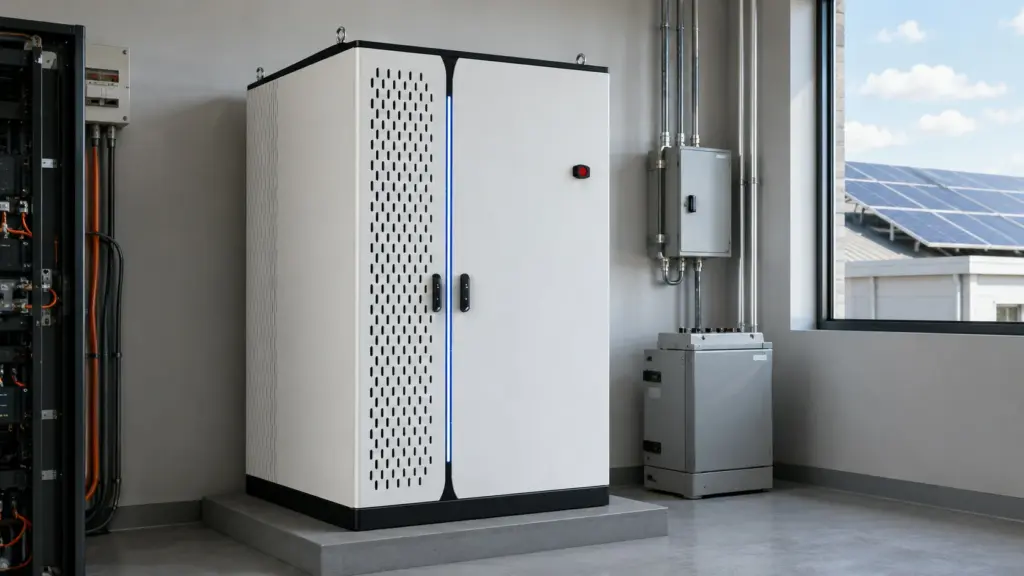
Avepower’s commercial battery energy storage systems integrate BMS, PCS, EMS, thermal management, fire protection, and intelligent power distribution into an all-in-one cabinet design.
What Size Commercial Battery Backup Do Businesses Usually Need?
There is no single correct size, but these ranges can help with early planning:
| Business Type | Typical Backup Focus | Possible Battery Range |
|---|---|---|
| Small office or retail site | IT, lighting, POS, security | 30–100 kWh |
| Restaurant or supermarket | Refrigeration, lighting, payment systems | 100–300 kWh |
| Warehouse or cold storage | Refrigeration, controls, doors, IT | 200–800 kWh |
| Factory or workshop | Production controls, selected machinery, compressed air | 300 kWh–2 MWh+ |
| EV charging site | Peak shaving and grid capacity support | 200 kWh–1 MWh+ |
| Hotel or commercial building | Essential loads, solar self-consumption, peak shaving | 300 kWh–2 MWh+ |
| Remote or weak-grid site | Hybrid solar, battery and generator | Project-specific |
These are planning ranges only. Final sizing should be based on actual load data, backup duration, local tariffs, switchgear design and system integration requirements.
Common Commercial Battery Backup Applications
Manufacturing Facilities
Factories often have peak demand spikes, production equipment, motors, compressed air systems, and control systems. A battery can support critical circuits, reduce demand charges, and improve energy reliability.
Cold Storage and Food Processing
Cold rooms, refrigeration compressors, and food processing equipment are sensitive to power interruptions. Backup power helps protect inventory and reduce spoilage risk.
Hotels and Hospitality
Hotels need reliable power for lighting, elevators, kitchen operations, security, communications, and guest comfort. Battery storage can also work with rooftop solar to reduce operating costs.
Avepower’s 640 kWh solar BESS hotel case study shows how a LiFePO4 battery energy storage system can support stable power, peak shaving, and lower energy costs in a commercial hospitality application.
Retail and Supermarkets
Retail sites need power for payment systems, refrigeration, lighting, HVAC, security, and inventory systems. A battery can reduce downtime and improve solar energy use.
Warehouses and Logistics
Warehouses may use forklifts, conveyors, refrigeration, lighting, charging equipment, and IT systems. Batteries can help manage peak demand and prepare for EV fleet charging.
EV Charging Stations
Commercial EV charging can create high demand spikes. Battery storage can reduce grid connection pressure, smooth charging loads, and support solar-powered charging.
Telecom and Remote Infrastructure
Remote sites often require reliable energy with limited grid access. Batteries can work with solar and generators to reduce fuel consumption and improve uptime.
Data Rooms and IT Loads
For data rooms and sensitive IT loads, a battery backup system should be coordinated with UPS protection. The UPS handles instantaneous transfer and power quality, while the larger battery system can support longer backup duration.
Commercial Battery Backup for Solar Projects
For commercial solar users, battery backup can improve solar economics in several ways.
First, it stores midday solar that would otherwise be exported or curtailed. Second, it reduces grid imports during expensive periods. Third, it provides backup capability if the system is designed for islanding. Fourth, it can help manage EV charging or production load peaks.
A typical solar-plus-storage control strategy may look like this:
- Morning: solar begins serving site loads
- Midday: excess solar charges the battery
- Afternoon peak: battery discharges to reduce grid demand
- Evening: battery supports lighting, HVAC, refrigeration or EV charging
- Outage: battery switches to critical load backup mode
For businesses with growing electricity demand, solar alone may not solve peak charges. Solar generation may be strongest at midday, while business peaks may occur late afternoon, evening or during equipment startup. Battery storage bridges that timing gap.
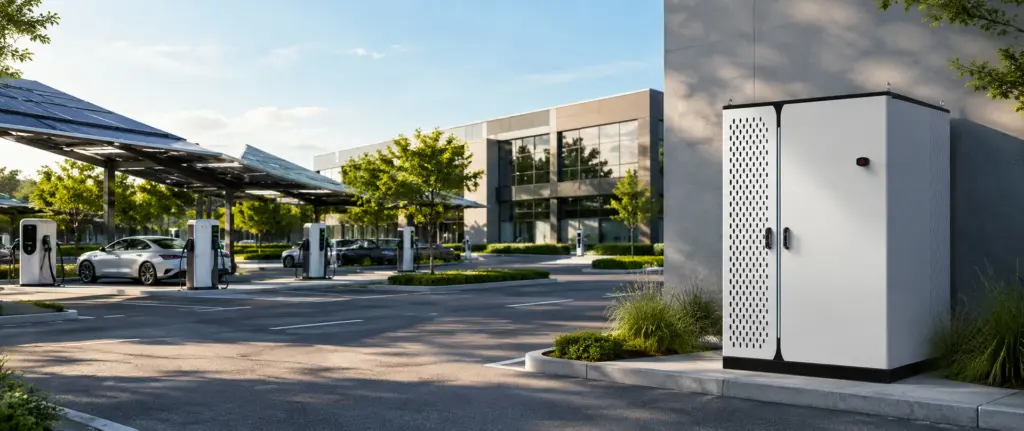
Commercial Battery Backup for EV Charging Sites
EV charging can create sharp demand peaks. A commercial battery can reduce the grid upgrade burden by buffering charging loads.
For example, instead of pulling full fast-charging power directly from the grid, the battery can charge gradually during low-demand periods and discharge when vehicles need high power. This can be especially useful for fleet depots, shopping centres, hotels, logistics sites and highway charging stations.
Avepower positions its C&I solutions for integrated solar, storage and EV charging infrastructure, which is relevant for businesses planning future fleet electrification or customer charging services.
Real-World Example: High-Voltage C&I Battery Backup
For larger commercial and industrial applications, high-voltage architecture can reduce current, improve efficiency and support scalable cabinet-based design. This is important for projects where battery storage must integrate with solar PV, grid support, backup power or industrial loads.
Avepower’s 522.5 kWh high-voltage ESS case study shows a C&I system designed for grid support and renewable integration, using a 522.496 kWh, 832 V DC architecture with four 42U cabinets and two parallel clusters.
This type of project demonstrates why commercial battery backup requires more than battery cells. It involves system architecture, BMS coordination, cabinet design, communication, installation planning and site-level integration.
Commercial Battery Backup Design Checklist
Before purchasing a commercial battery backup system, collect the following information:
- 12 months of electricity bills
- 15-minute or 30-minute interval load data
- Peak demand records
- Time-of-use tariff schedule
- Demand charge structure
- Existing solar PV size and generation data
- Critical load list
- Required backup duration
- Site layout and available installation area
- Indoor or outdoor installation requirements
- Fire safety and local code requirements
- Existing generator details
- Existing inverter or PCS requirements
- Future expansion plans
- Monitoring and O&M expectations
If the project involves solar integration, check inverter protocol compatibility early. Avepower provides an inverter compatibility list covering CAN and RS485 communication with many inverter brands, and also allows users to request an engineering compatibility check if a model is not listed.
Why Businesses Work With Avepower for Commercial Battery Backup
Commercial battery backup is not a one-size-fits-all purchase. Installers, distributors, project developers, and OEM/ODM partners often need flexible battery configurations, documentation support, communication protocol matching, and scalable supply.
Avepower positions itself as a battery energy storage system manufacturer with commercial and industrial solutions, OEM/ODM support, and project-based technical support. 10+ years of experience, a 20,000㎡ factory, 100+ countries and regions, and case studies including 522.5kWh and 640kWh BESS projects.
For businesses exploring commercial backup or solar-plus-storage projects, Avepower’s commercial battery energy storage solutions can support peak shaving, load balancing, backup power, and scalable deployment. Project developers can also review Avepower case studies to understand how battery systems are applied in real-world commercial and high-voltage ESS projects.
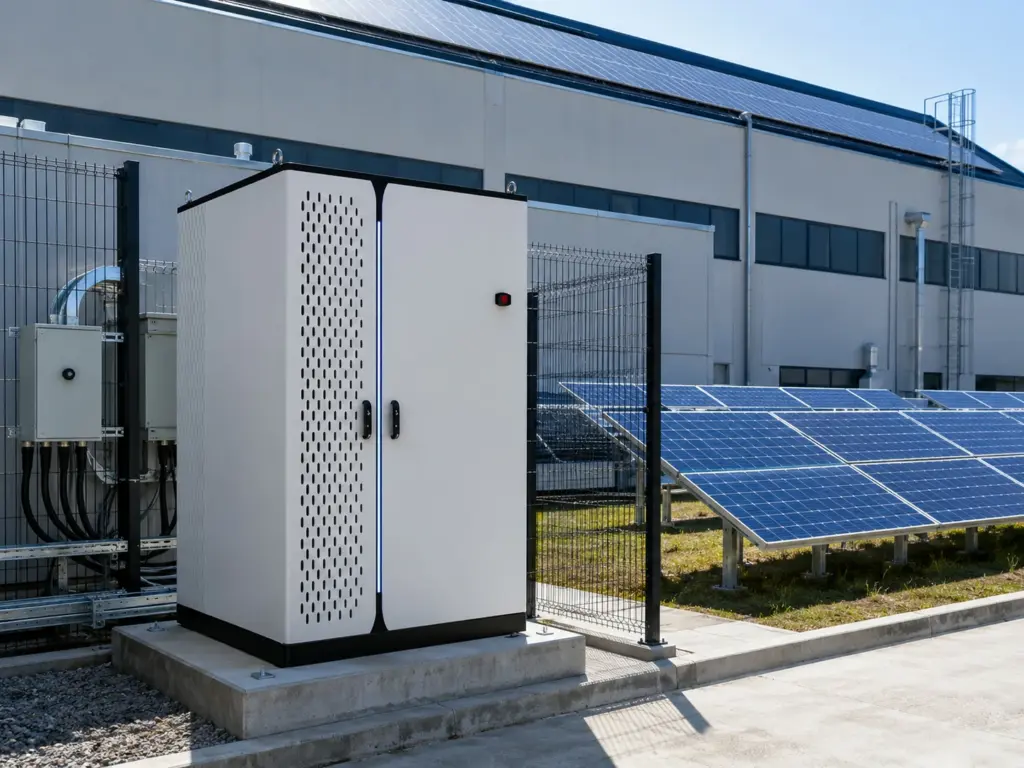
Commercial Battery Backup Solution
Contact Avepower to get a customized commercial energy storage proposal for your business, solar project, or distribution market.
Conclusion
Commercial battery backup is no longer just an emergency power option. For many businesses, it is becoming a strategic energy asset that can reduce downtime, control peak demand charges, increase solar self-consumption, support EV charging and strengthen long-term energy resilience.
The best system is not simply the biggest battery. It is the system that matches your load profile, backup requirements, tariff structure, site constraints and business goals.
For installers, distributors, EPC companies and project developers looking for scalable C&I storage, Avepower provides commercial and industrial energy storage solutions with LFP battery technology, BMS/EMS protection, remote monitoring, liquid-cooled cabinet options and custom high-voltage battery storage for project-based requirements. To plan a reliable commercial battery backup project, start with real site data and build the system around the loads that matter most.
FAQ
Commercial battery backup is a battery energy storage system designed to supply power to business loads during outages and help manage energy costs during normal operation. It can support backup power, peak shaving, load shifting, solar storage, and energy resilience.
Runtime depends on battery capacity, load size, usable depth of discharge, inverter power, and reserve settings. A 200 kWh battery may support 100 kW for about two hours under ideal assumptions, but real designs must include efficiency losses and safety margins.
A generator produces electricity by burning fuel, usually during outages. A commercial battery stores electricity and can work every day for peak shaving, solar self-consumption, and backup power. Many businesses use batteries and generators together for stronger resilience.
Choose a supplier that can support technical sizing, battery safety documentation, BMS/EMS integration, inverter communication, project customization, after-sales service, and long-term supply. For C&I projects, manufacturer experience and engineering support are often as important as product price.