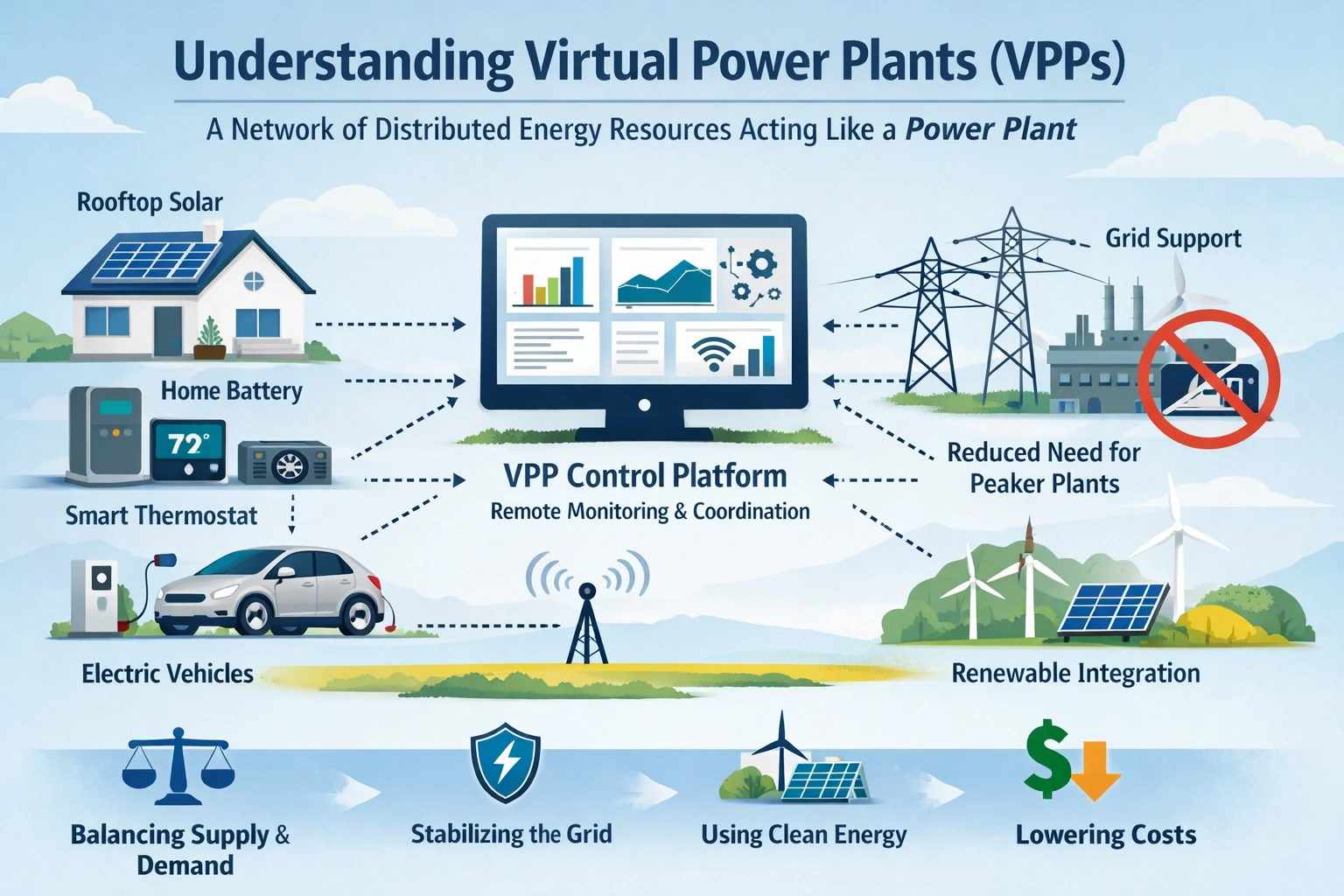
As the global energy system transitions toward decentralization and decarbonization, the concept of a Virtual Power Plant (VPP) has rapidly gained attention. Unlike traditional power plants that rely on centralized generation, VPPs aggregate distributed energy resources (DERs) such as solar panels, battery storage systems, and flexible loads into a coordinated, intelligent network.
This article provides a comprehensive, easy-to-understand guide to VPPs—what they are, how they work, why they matter, and whether they are truly worth the investment.
What is VPP?
A Virtual Power Plant (VPP) is a system that connects and manages many small, distributed energy resources—such as solar panels, battery storage systems, electric vehicles, and smart appliances—so they operate together like a single power plant.
Simple Definition: A VPP is not a physical power plant. Instead, it is a software-driven network that coordinates energy generation, storage, and consumption across multiple locations.
Key Characteristics of a VPP
- Decentralized: Resources are geographically distributed
- Software-driven: Operated via cloud-based energy management platforms
- Flexible: Can quickly adjust supply and demand
- Grid-interactive: Participates in electricity markets and grid services
In essence, a VPP turns individual energy assets into a coordinated, intelligent system capable of delivering power and grid services at scale.
What Is the Objective of a Virtual Power Plant?
The main objective of a VPP is to make distributed energy resources useful not only for individual owners, but also for the wider electricity system. That means coordinating small assets so they can help with peak reduction, balancing supply and demand, integrating more renewables, and reducing the need for expensive grid upgrades or peaker plants.
The U.S. Department of Energy says that scaling VPP capacity to 80–160 GW by 2030 could address 10–20% of peak load and save around $10 billion per year in grid costs through avoided generation buildout, delayed infrastructure investment, and less reliance on expensive peaker plants.
How Do VPPs Work?
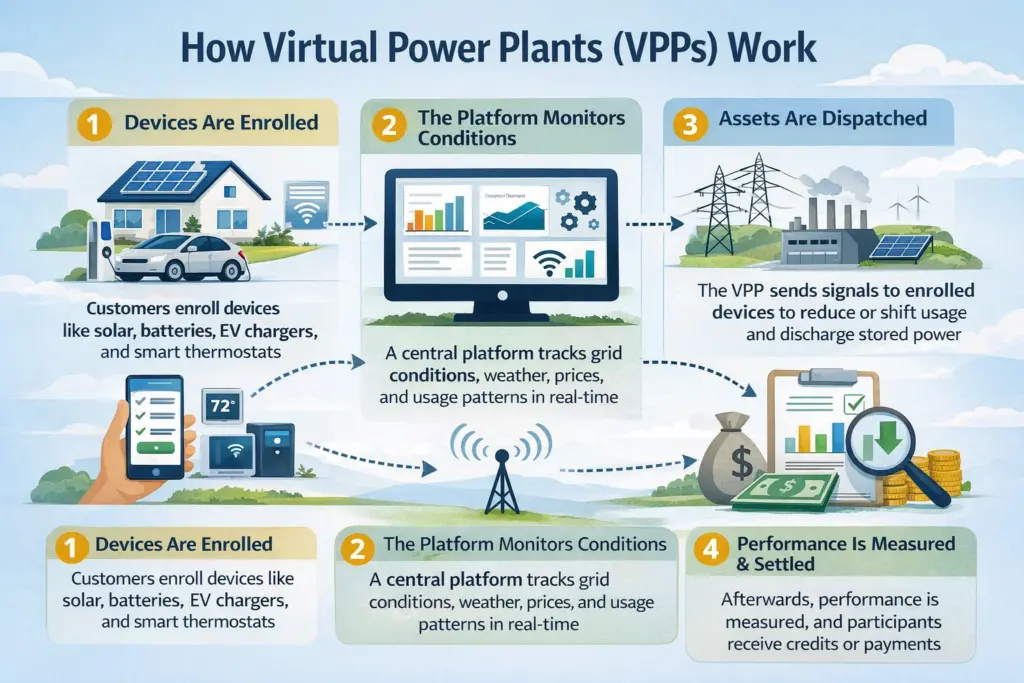
VPPs work by connecting many small energy devices and controlling them as one coordinated system. These devices can include home batteries, rooftop solar, EV chargers, smart thermostats, water heaters, and flexible commercial loads. A central software platform monitors grid conditions, electricity prices, weather, and device availability, then tells participating assets when to charge, discharge, reduce consumption, or shift usage. In that way, a VPP behaves like a “virtual” power plant even though the equipment is spread across many locations.
Simple Example
On a hot evening, electricity demand rises sharply. Instead of switching on only expensive peaker plants, the VPP operator can tell thousands of enrolled home batteries to discharge for a short time, delay some EV charging, and adjust a group of smart thermostats slightly. Together, those actions reduce pressure on the grid.
Components of a Virtual Power Plant
A fully functional VPP typically includes the following elements:
- Distributed Energy Resources (DERs): Solar panels, wind turbines, battery storage, electric vehicles, and controllable loads.
- Energy Management System (EMS): The central software that orchestrates all resources, predicts energy availability and demand, and optimizes dispatch.
- Communication Network: Secure, fast, and reliable data transmission channels connecting DERs to the EMS.
- Forecasting Tools: Algorithms that predict renewable generation, consumption patterns, and market conditions.
- Market Interface: The mechanism through which the VPP can participate in electricity markets and provide services to grid operators.
These components work together to make VPPs highly adaptive and responsive to both consumer and grid needs.
Benefits of Virtual Power Plants
VPPs offer a broad range of benefits to stakeholders across the energy ecosystem:
- Improved grid reliability and reduced risk of blackouts.
- Enhanced ability to integrate intermittent renewables.
- Reduced need for expensive infrastructure upgrades.
- Lower energy costs through optimized self-consumption.
- Access to backup power and greater energy security.
- Opportunities to earn income by participating in demand response programs.
- Greater utilization of renewable energy reduces greenhouse gas emissions.
- Minimizes reliance on fossil-fuel peaking plants.
- Supports the transition to a decentralized, clean energy grid.
- Better load forecasting and demand management.
- Flexibility to meet regulatory requirements and carbon reduction targets.
- New revenue streams from aggregated distributed resources.
Why Do We Need VPPs?
The modern electricity grid faces several challenges that VPPs are uniquely positioned to address:
- Renewable Energy Variability: Solar and wind generation fluctuate with weather and time of day. VPPs balance these inconsistencies by coordinating energy storage and flexible demand.
- Grid Decentralization: Traditional grids were designed for large, centralized power plants. With millions of small energy producers now online, centralized control becomes impractical without a VPP.
- Peak Demand Management: During high-demand periods, VPPs can reduce the strain on the grid by intelligently dispatching stored energy or adjusting consumption patterns.
- Cost and Environmental Pressure: VPPs enable more efficient energy use, reduce reliance on expensive and polluting peaking power plants, and support the global transition to cleaner energy.
In essence, VPPs make the energy system smarter, more resilient, and more environmentally friendly.
Are Virtual Power Plants Really Worth It?
A VPP can be worth it when the compensation is clear, the control rules are reasonable, and your system is already well-matched to your home or business. It is usually more attractive when you already have a battery, live in an area with high peak electricity prices, or can join a program that shares market revenues fairly.
It Is Often Worth It If…
- If you already have the asset, VPP payments or optimization benefits can improve the return on that investment.
- Many customers care about resilience first. A good VPP program leaves enough battery reserve for backup and makes dispatch settings transparent. Program design matters here.
- Clear event rules, predictable compensation, and easy opt-out options make a major difference in whether a program feels worthwhile in real life.
It May Be Less Worth It If…
- A poorly designed program may ask for too much control in exchange for too little value. That is not a VPP problem in principle; it is a market-design problem. The IEA specifically notes that policy and value-stacking barriers remain one of the biggest limits on wider VPP deployment.
- If your main goal is backup during outages, you may not want to give up too much stored energy for grid events. This is especially true in locations with frequent outages or strict resilience requirements.
The Integral Role of Battery Storage in VPPs
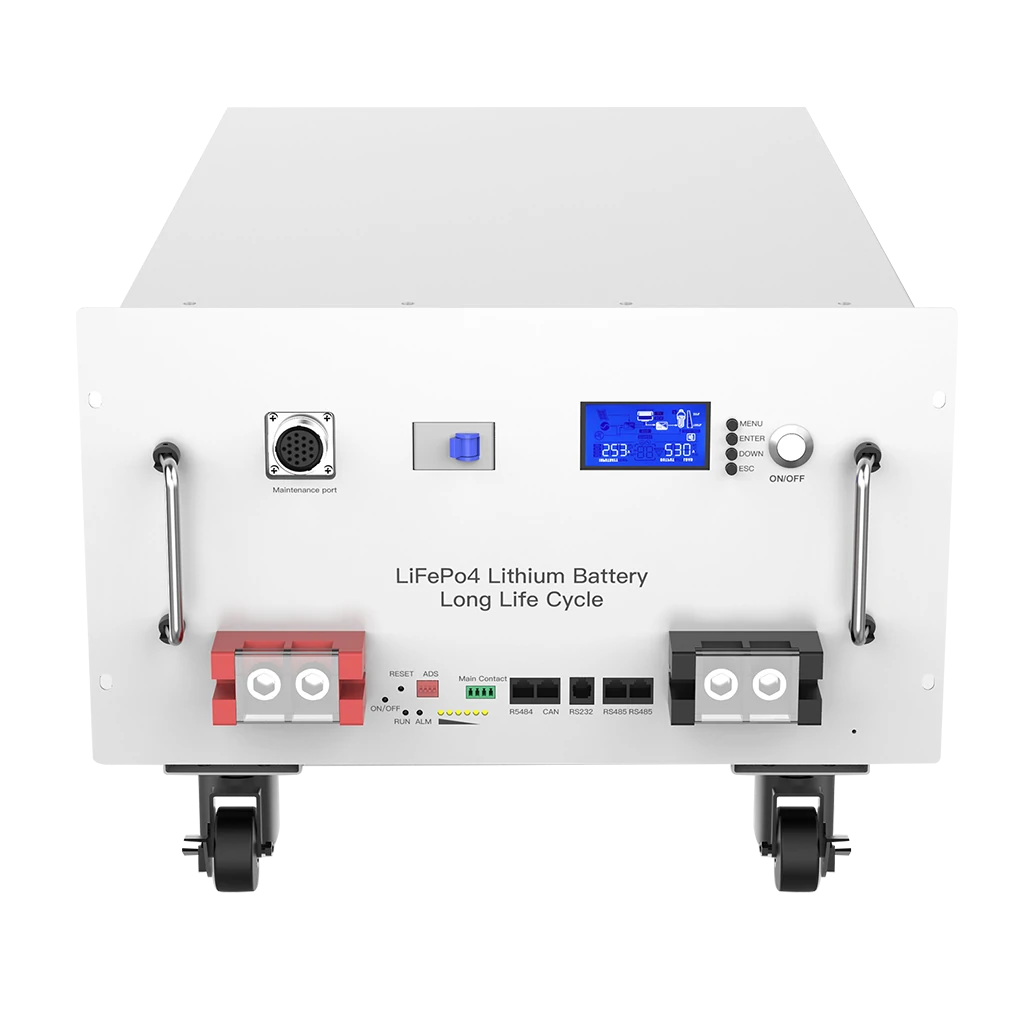
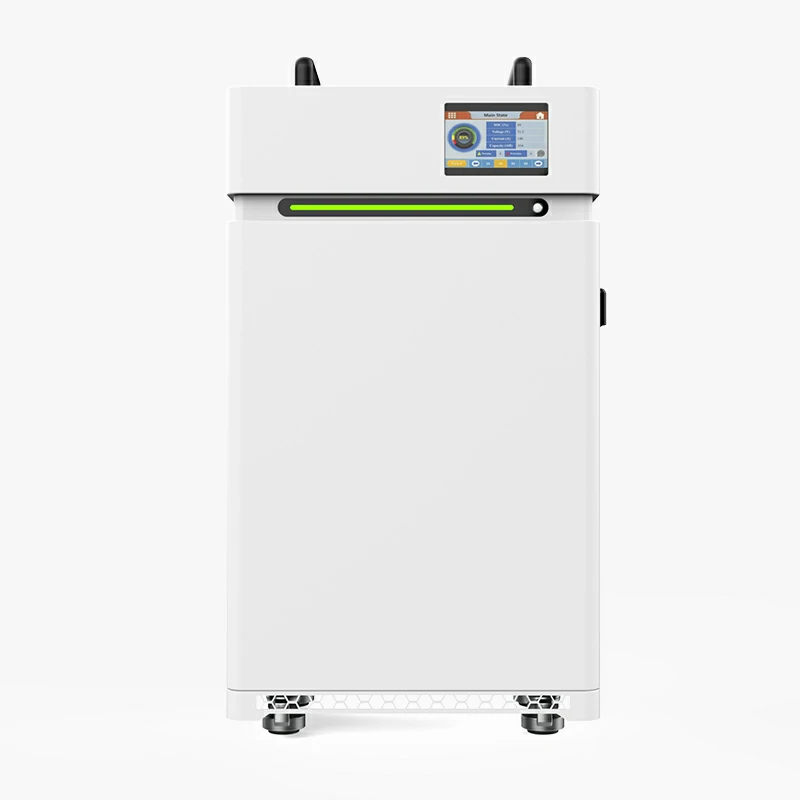
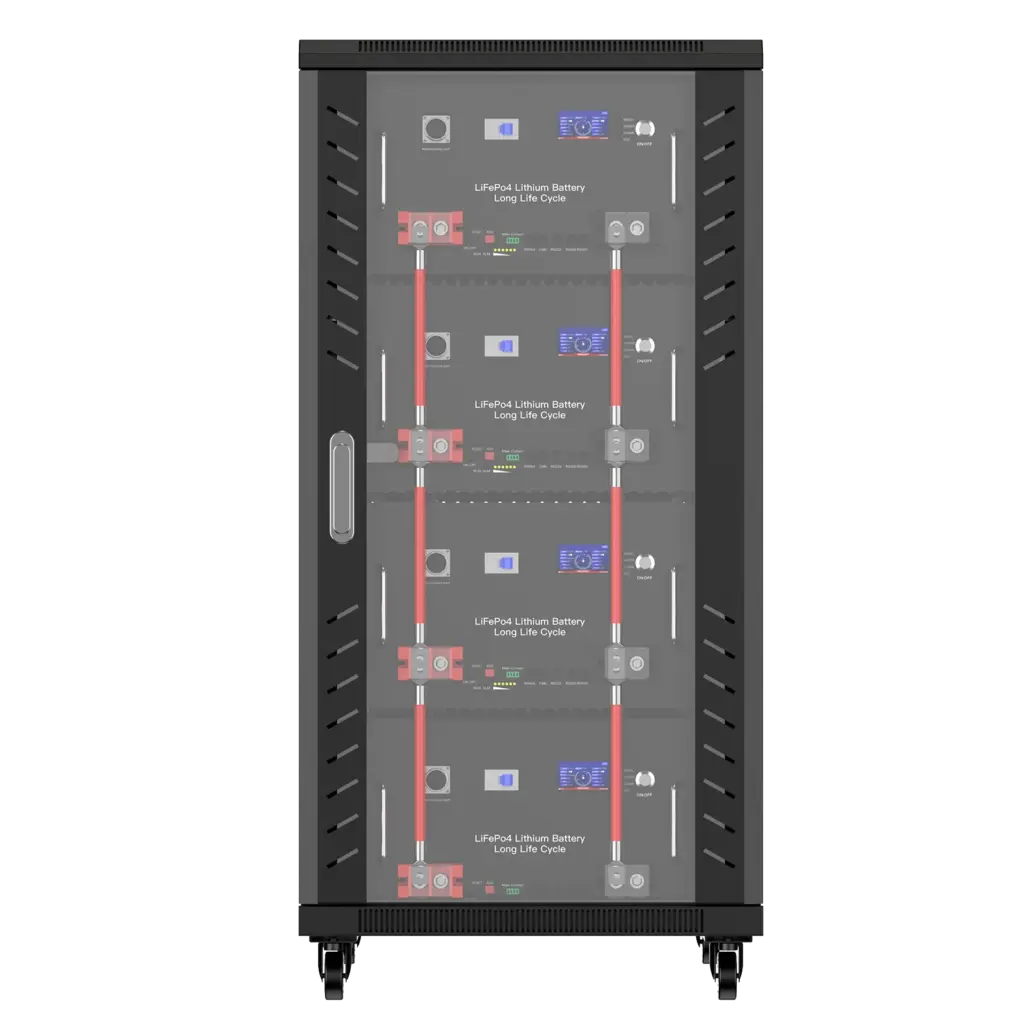
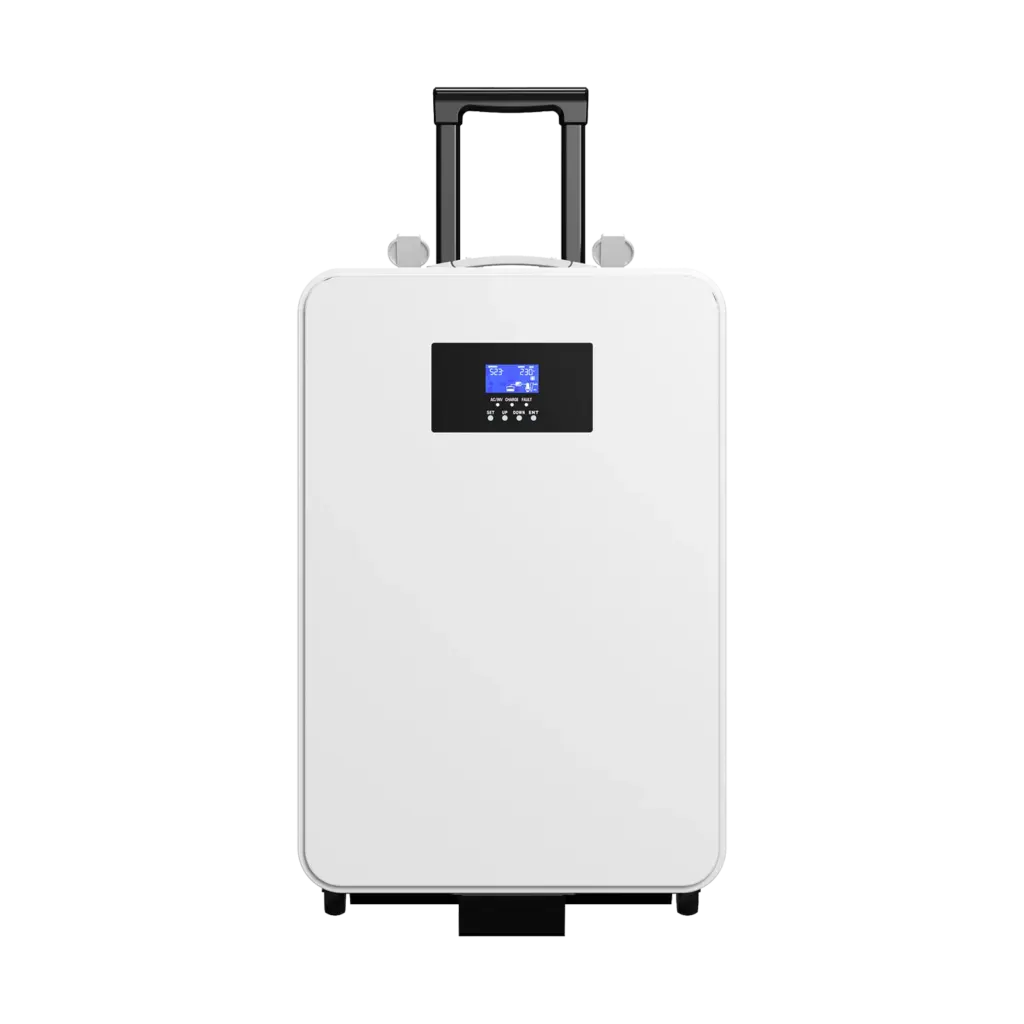
Battery storage is often the backbone of a successful VPP. While solar and wind provide energy, they are inherently variable. Batteries allow a VPP to store excess energy during periods of high generation and release it when demand peaks or when renewable generation drops.
Key roles of battery storage in a VPP include:
- Peak Shaving: Reducing the impact of high demand periods on the grid by releasing stored energy.
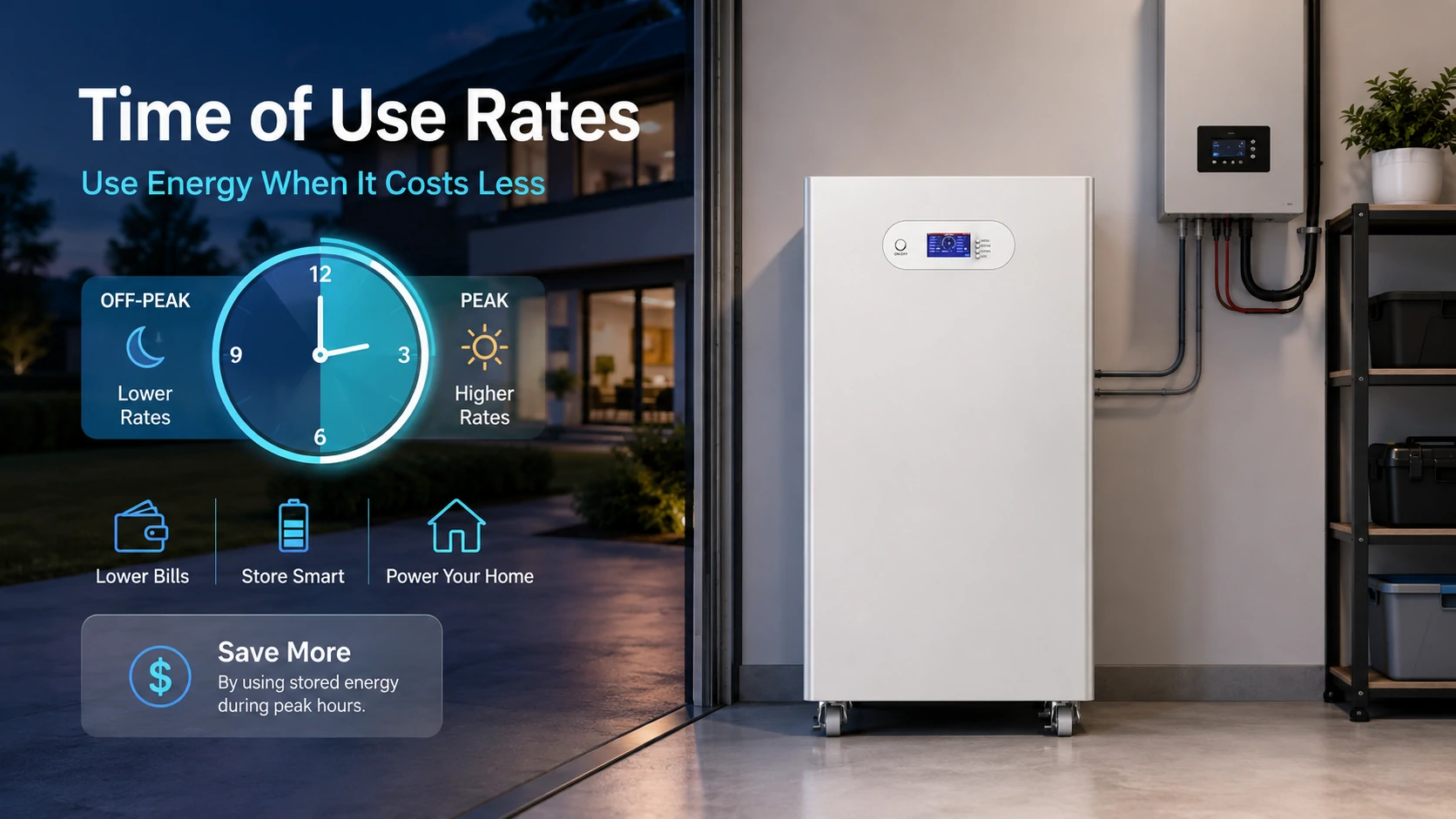
- Load Shifting: Moving energy usage to off-peak times, balancing supply and demand efficiently.
- Frequency Regulation: Providing rapid response to grid frequency fluctuations.
- Backup Power: Ensuring continuous supply to critical loads during outages.
Without storage, a VPP’s ability to provide reliable, dispatchable energy would be severely limited. As battery costs continue to fall and energy density improves, their integration into VPPs becomes increasingly economically attractive.
For Installers: Battery Storage Is the Key to Future-Ready Energy Projects
For both installers and homeowners, battery energy storage is no longer an optional extra. It is becoming the key to making solar systems more practical, more flexible, and more valuable.
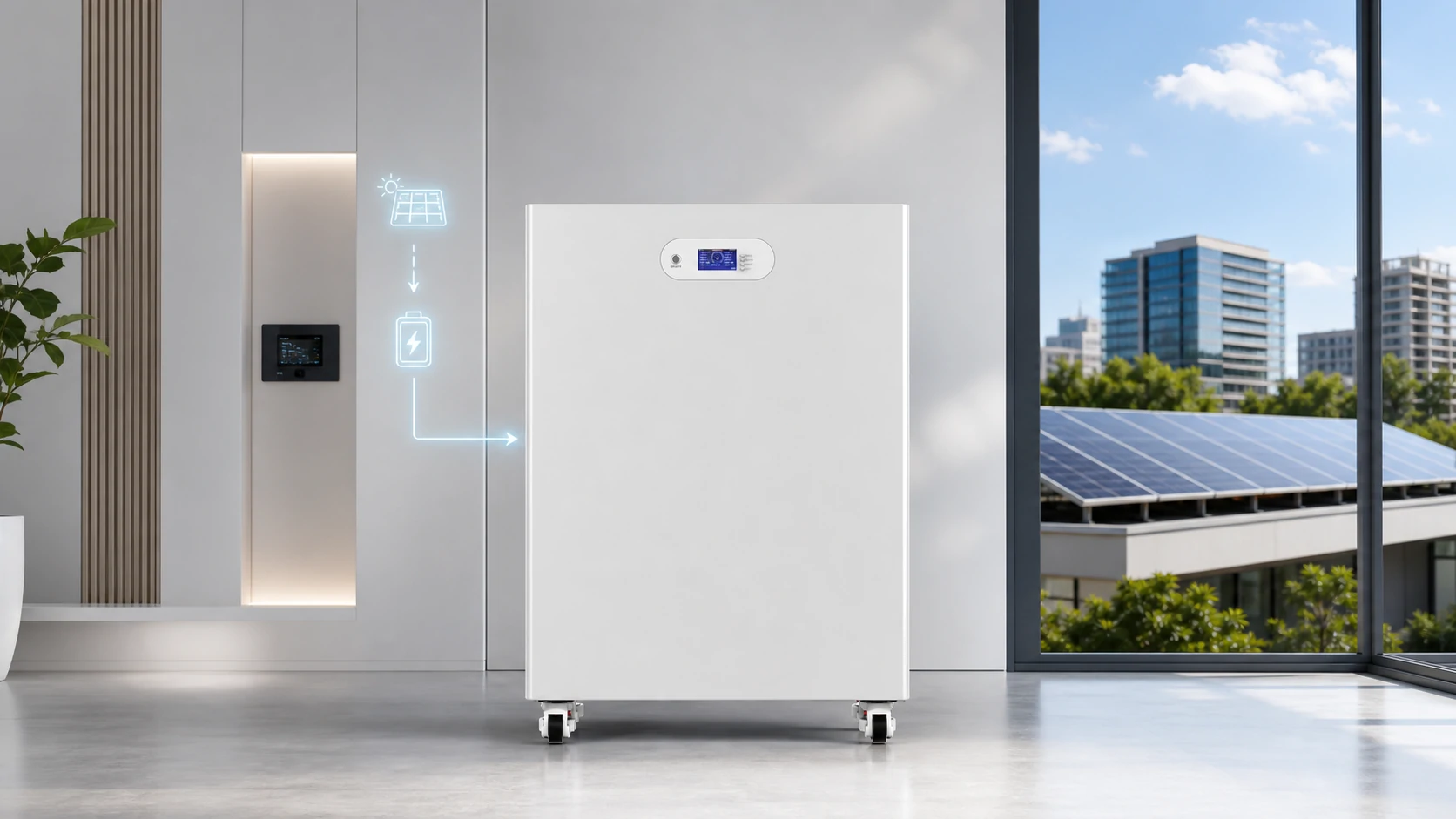
In fact, without wider battery adoption, many of the benefits discussed above are difficult to fully achieve. Solar generation alone cannot solve the timing gap between when electricity is produced and when it is needed most. Battery storage fills that gap by storing excess solar power during the day and making it available when demand rises in the evening, during outages, or when electricity prices are higher.
Looking for a reliable battery storage solution for your next project or home energy upgrade?
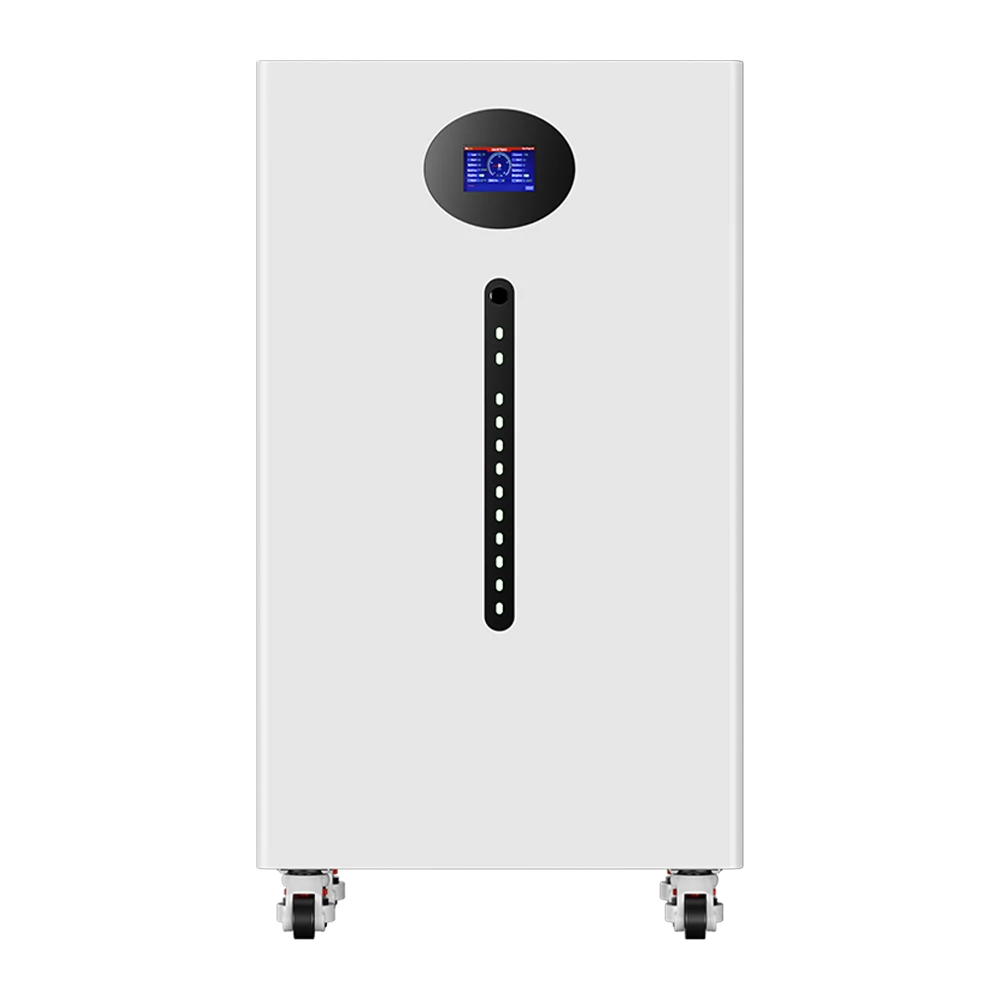
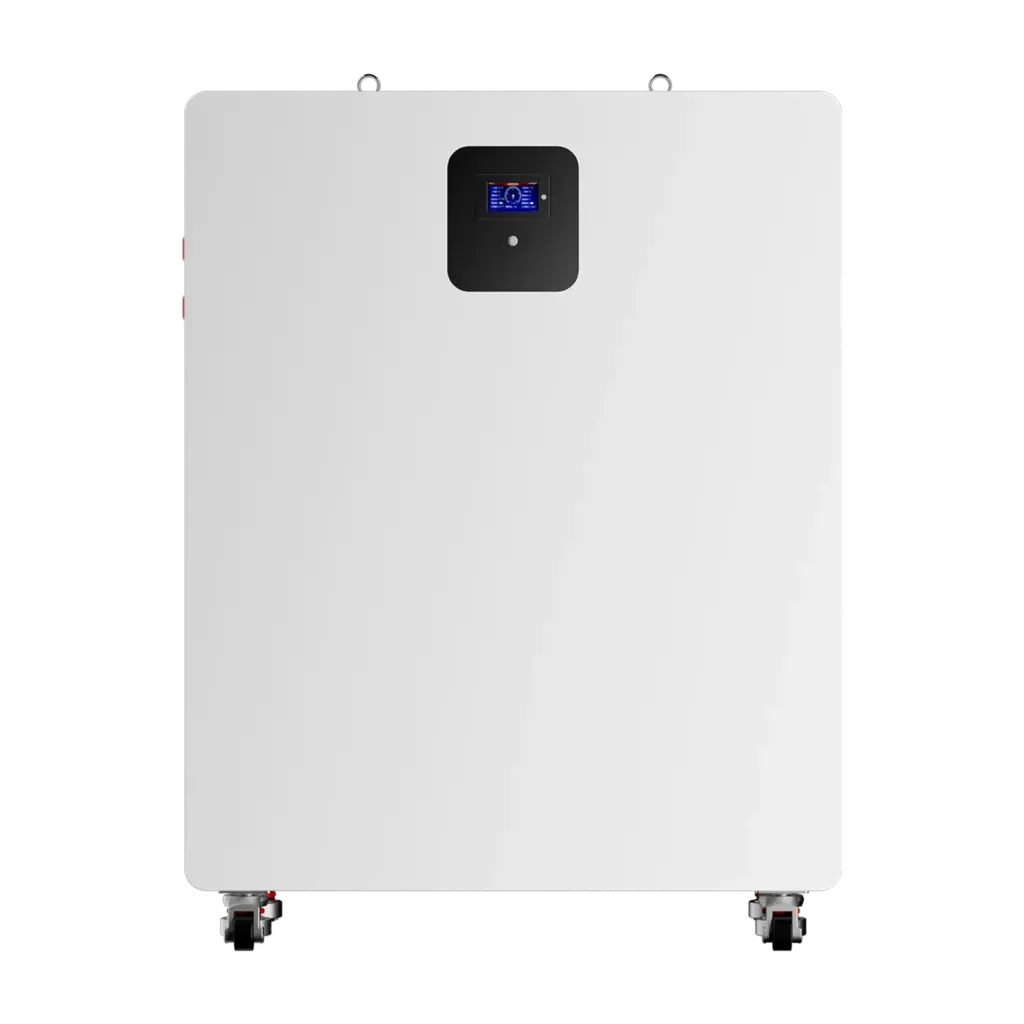
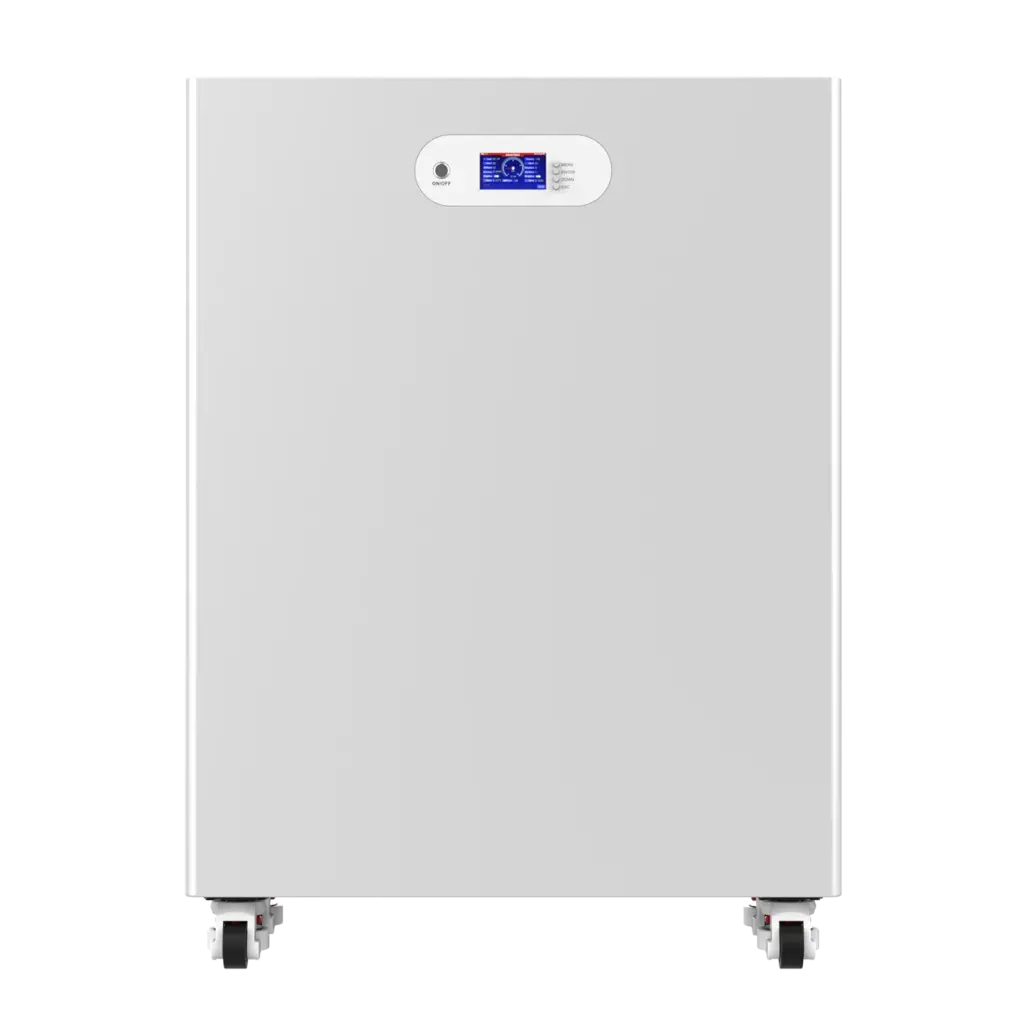
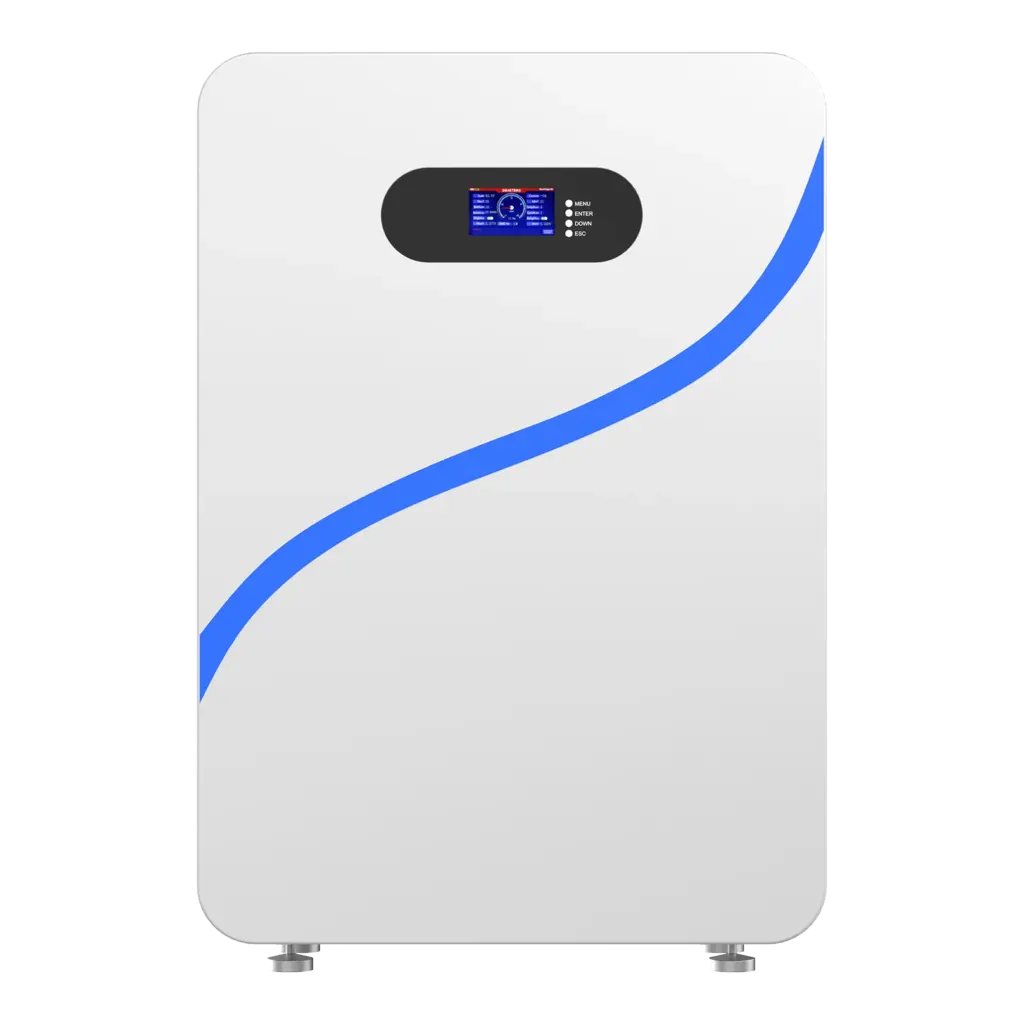
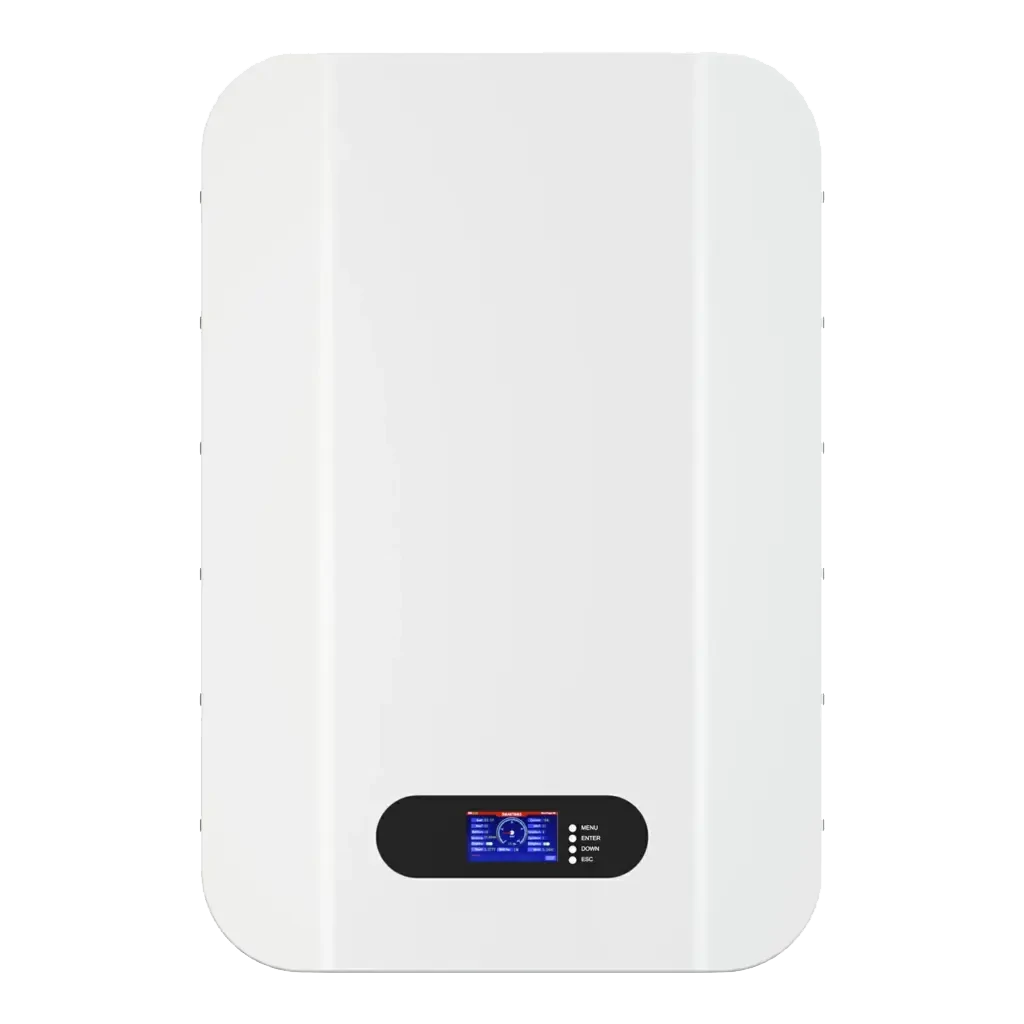
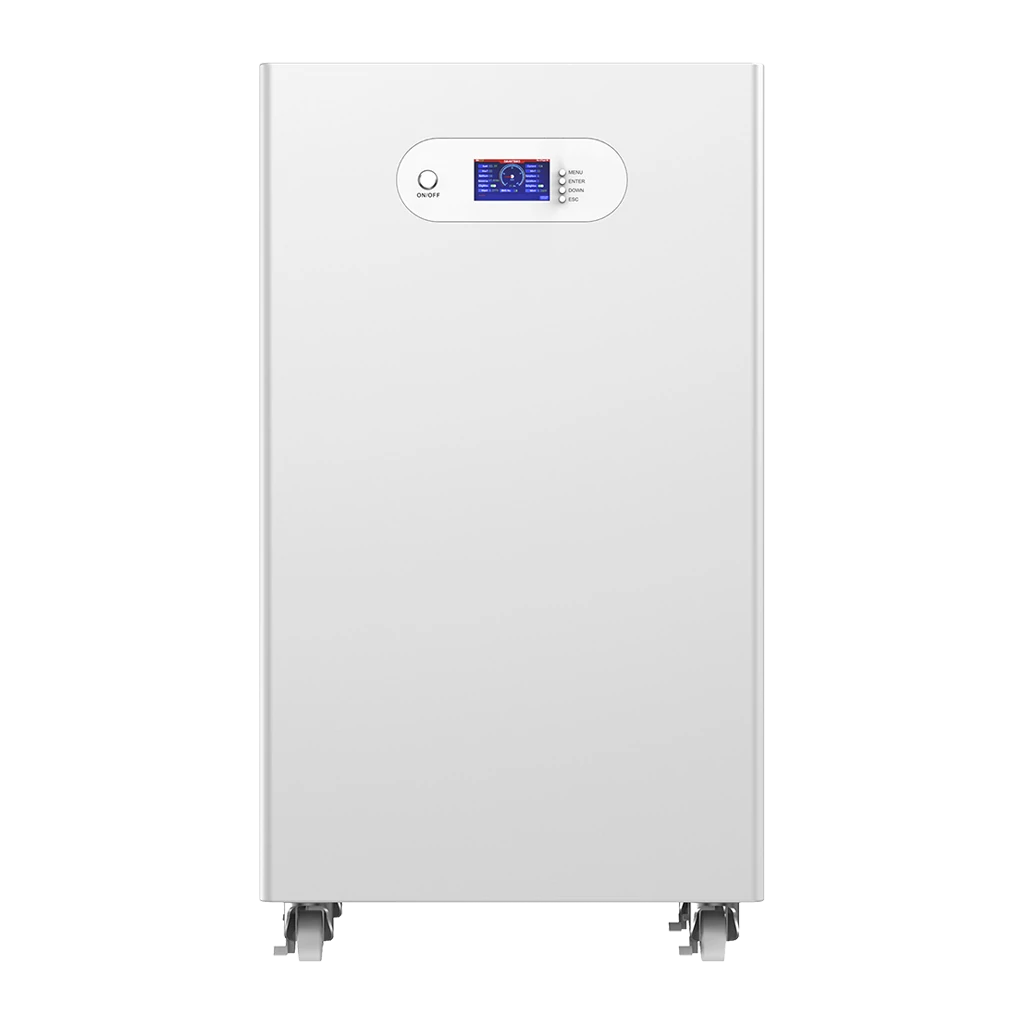
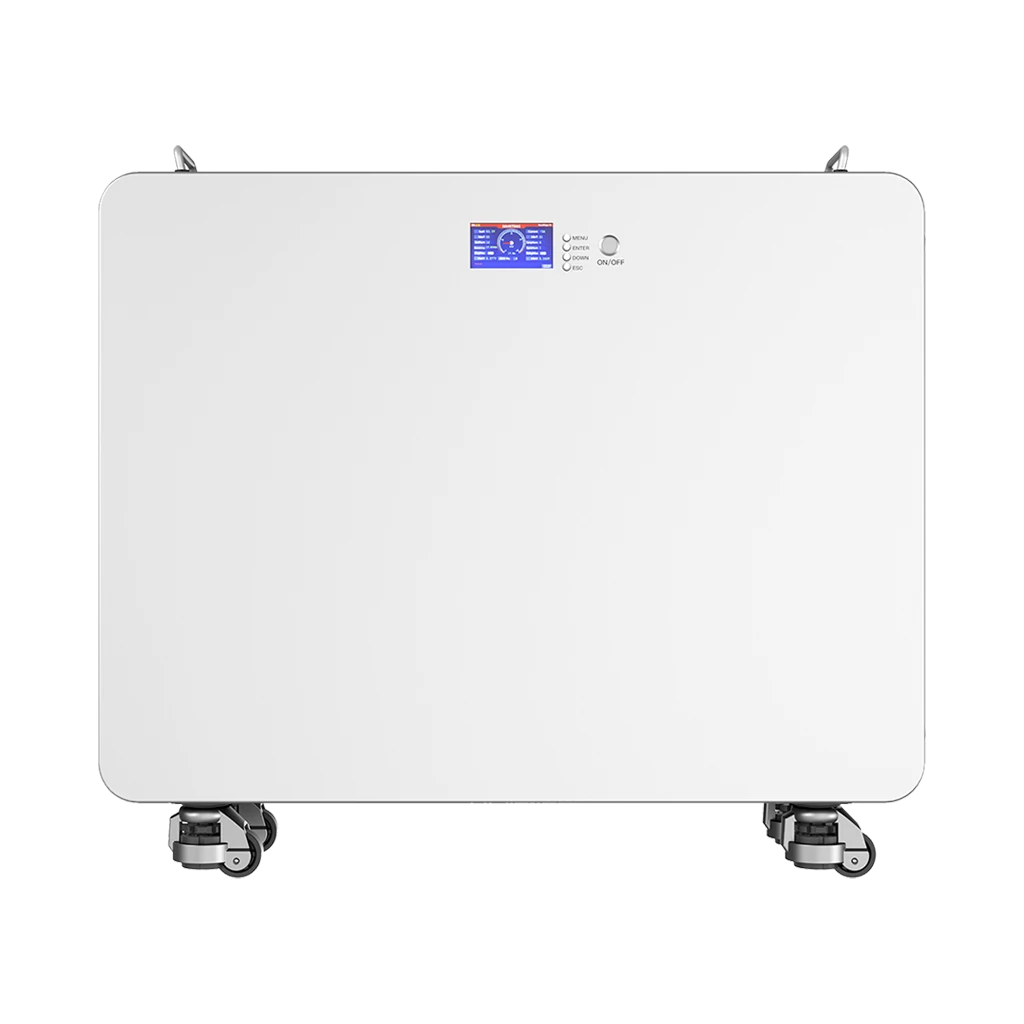
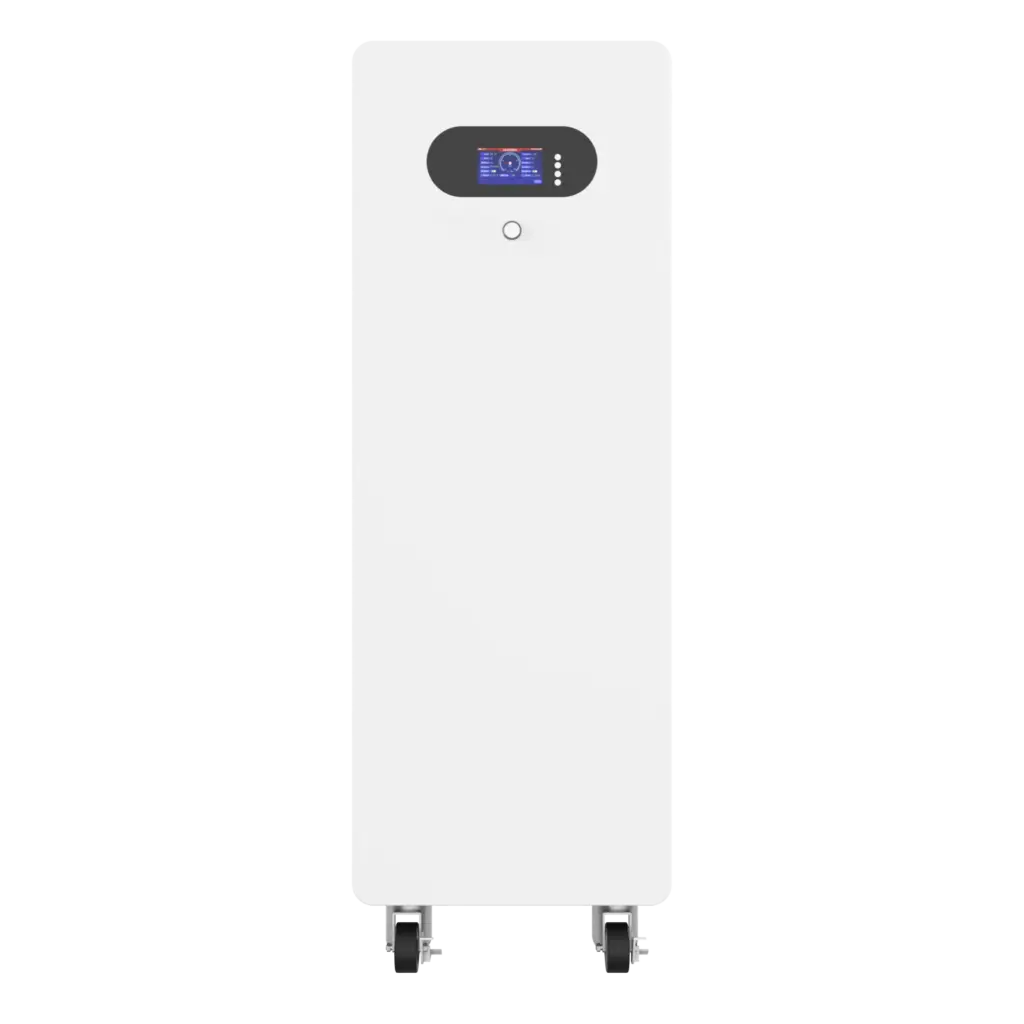
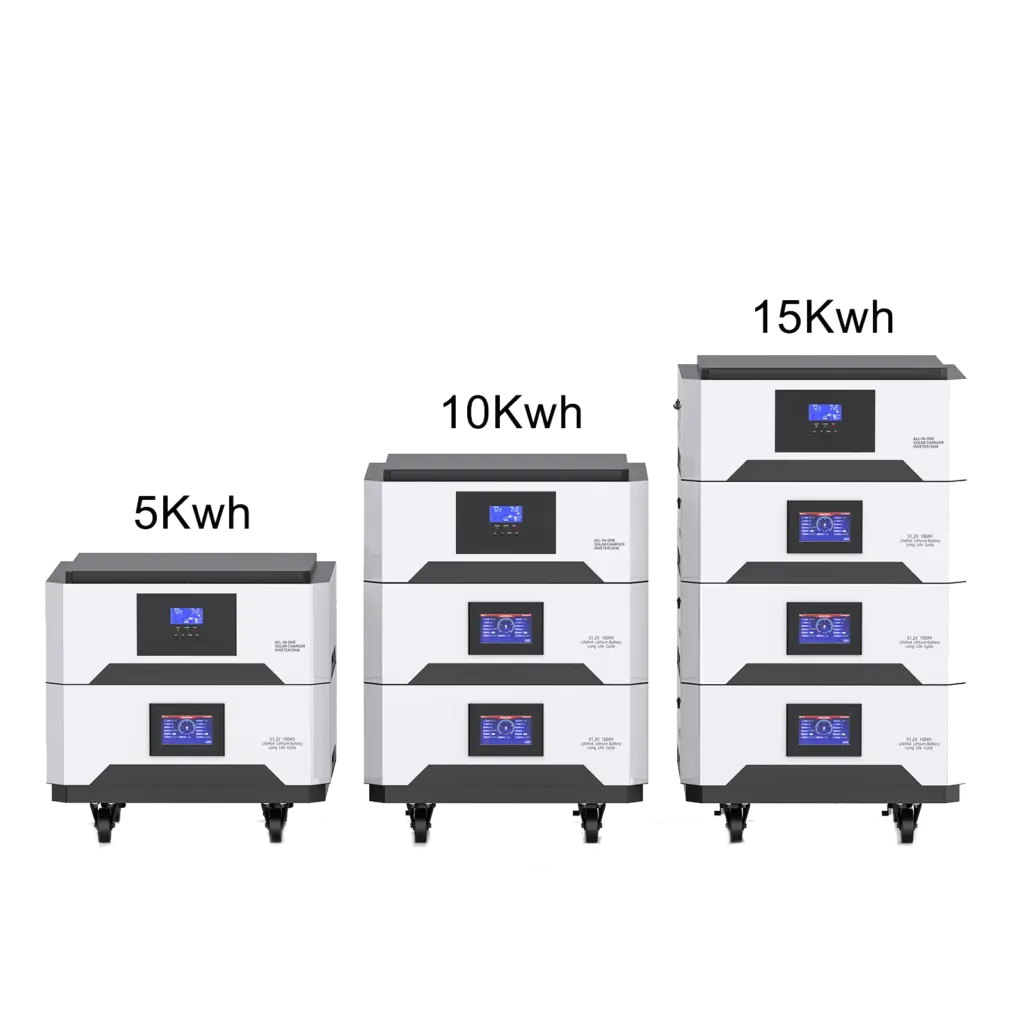
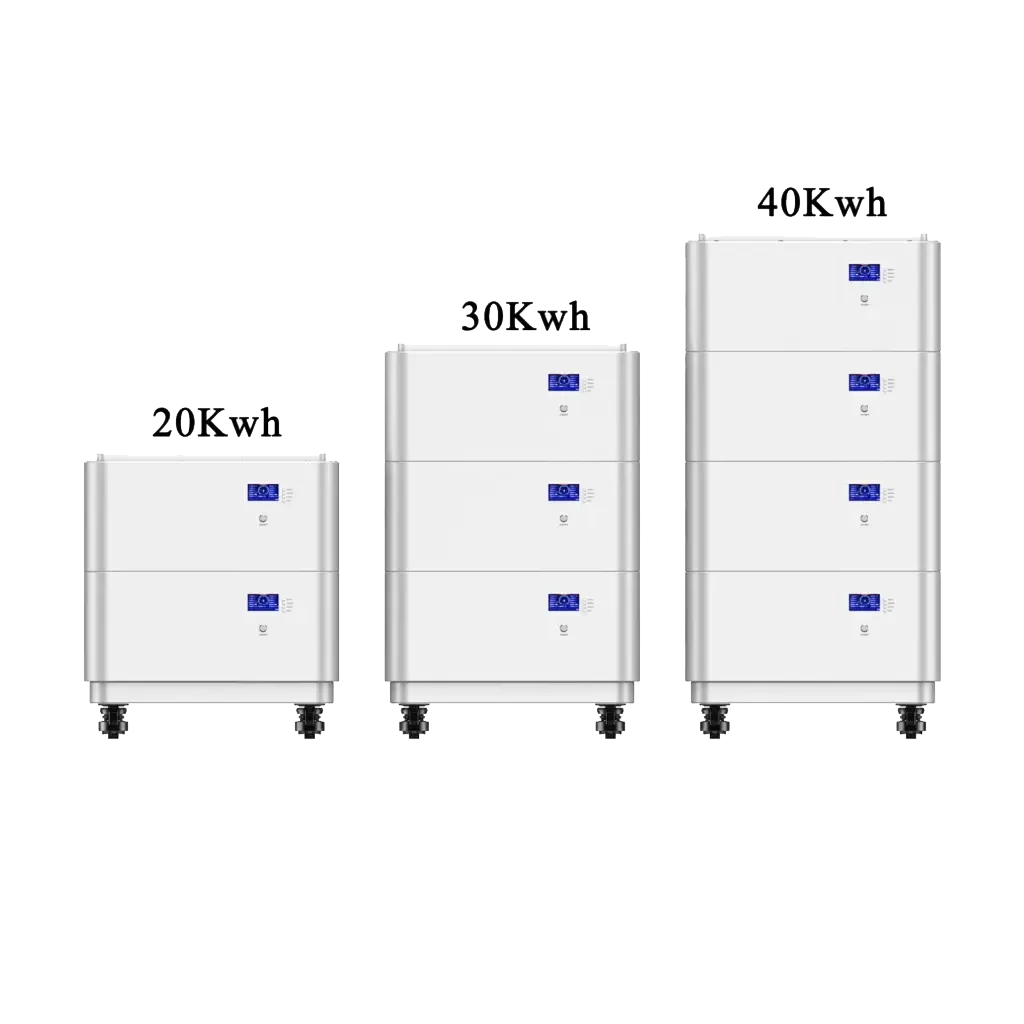
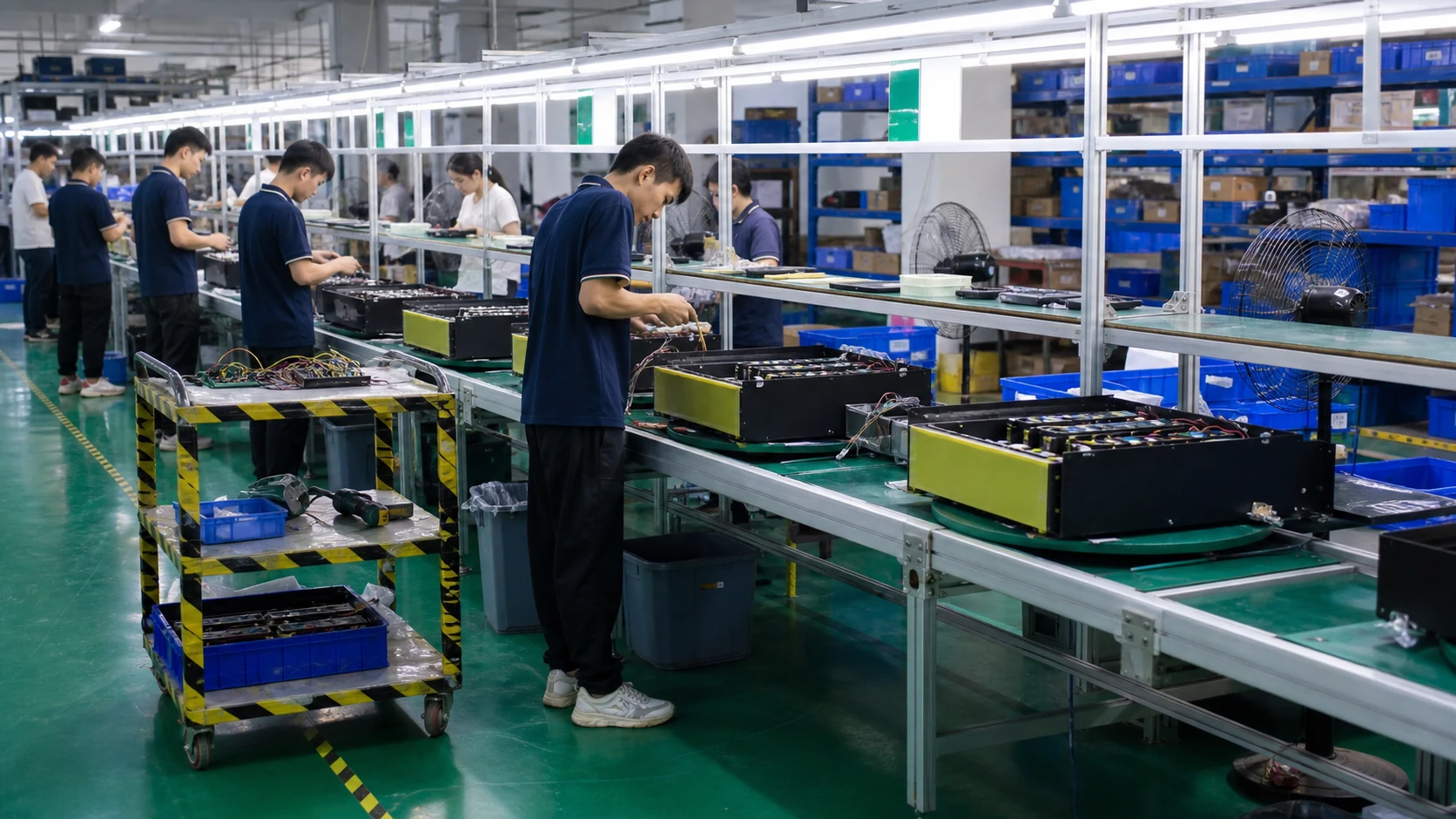
Avepower supports installers with dependable residential battery storage solutions built for home energy storage applications. With intelligent BMS protection, long cycle life, modular expansion, and broad inverter compatibility, Avepower batteries are designed to help you simplify installation, improve system reliability, and meet different customer energy needs more efficiently.
Talk to Avepower today to get:
- Recommended battery models for your project
- Inverter compatibility support
- Technical consultation for system design
- Distributor and installer pricing
- OEM / customization options for your market
Request Installer Pricing or Contact Our Team to Discuss Your Next Project.
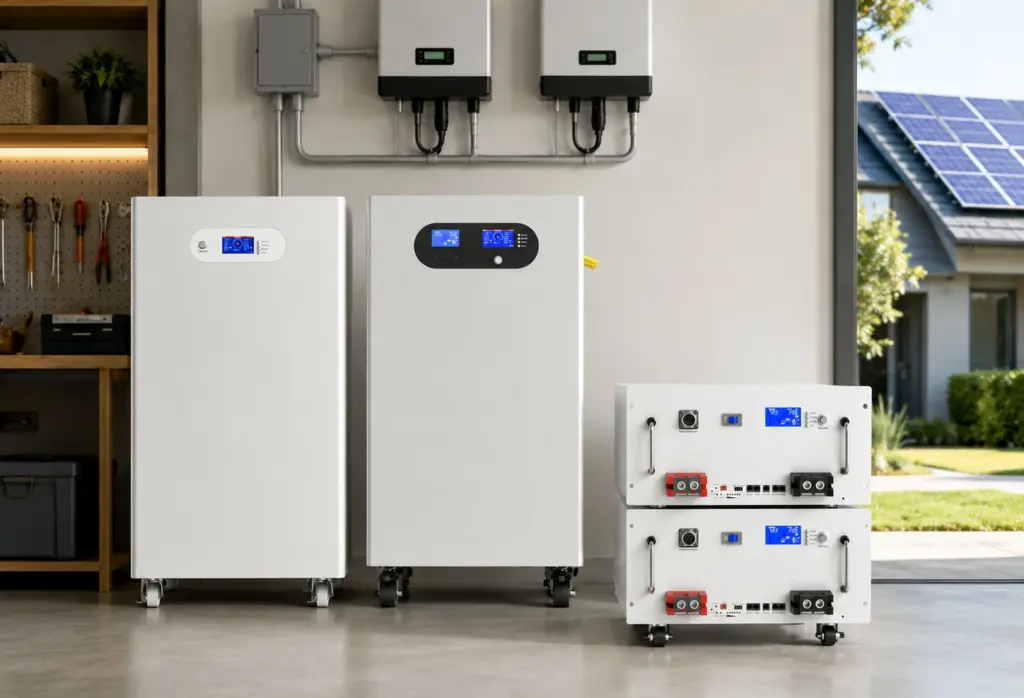
Take Control of Your Energy with Avepower!
Reliable home solar battery solutions with OEM/ODM customization and in-house manufacturing, tailored to the needs of distributors, installers, and energy partners.
FAQ
VPP stands for Virtual Power Plant. In energy, it refers to a network of distributed energy resources, such as home batteries, solar systems, EV chargers, and smart appliances, that are digitally coordinated to work like one power plant.
A traditional power plant generates electricity at one physical location. A virtual power plant does not exist in one place. Instead, it connects many small energy assets across different locations and controls them through software so they can respond together as one resource.
A VPP can include solar panels, battery energy storage systems, smart thermostats, electric water heaters, EV chargers, electric vehicles, backup generators, and controllable commercial loads.
Homeowners may benefit from a VPP through lower electricity bills, participation incentives, better use of solar energy, and in some cases improved backup value from battery systems. The exact benefit depends on the local program and the equipment installed in the home.
No. VPPs are not limited to homeowners. Businesses, commercial buildings, industrial facilities, and community energy systems can also participate if they have suitable distributed energy resources.
Joining a Virtual Power Plant may offer benefits such as lower bills, extra income or bill credits, better use of solar energy, improved resilience, and the opportunity to support a cleaner and more stable electricity grid.