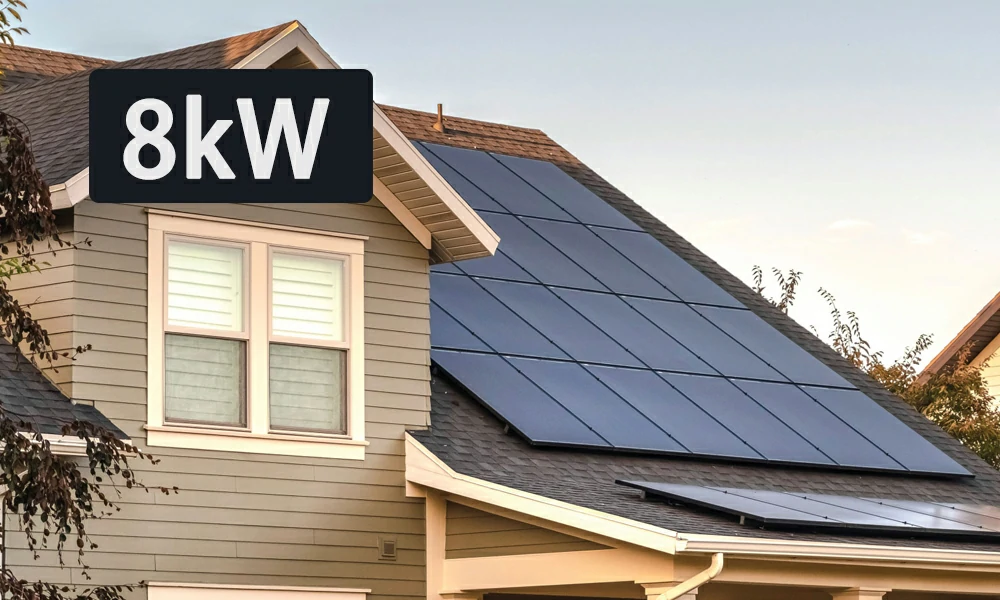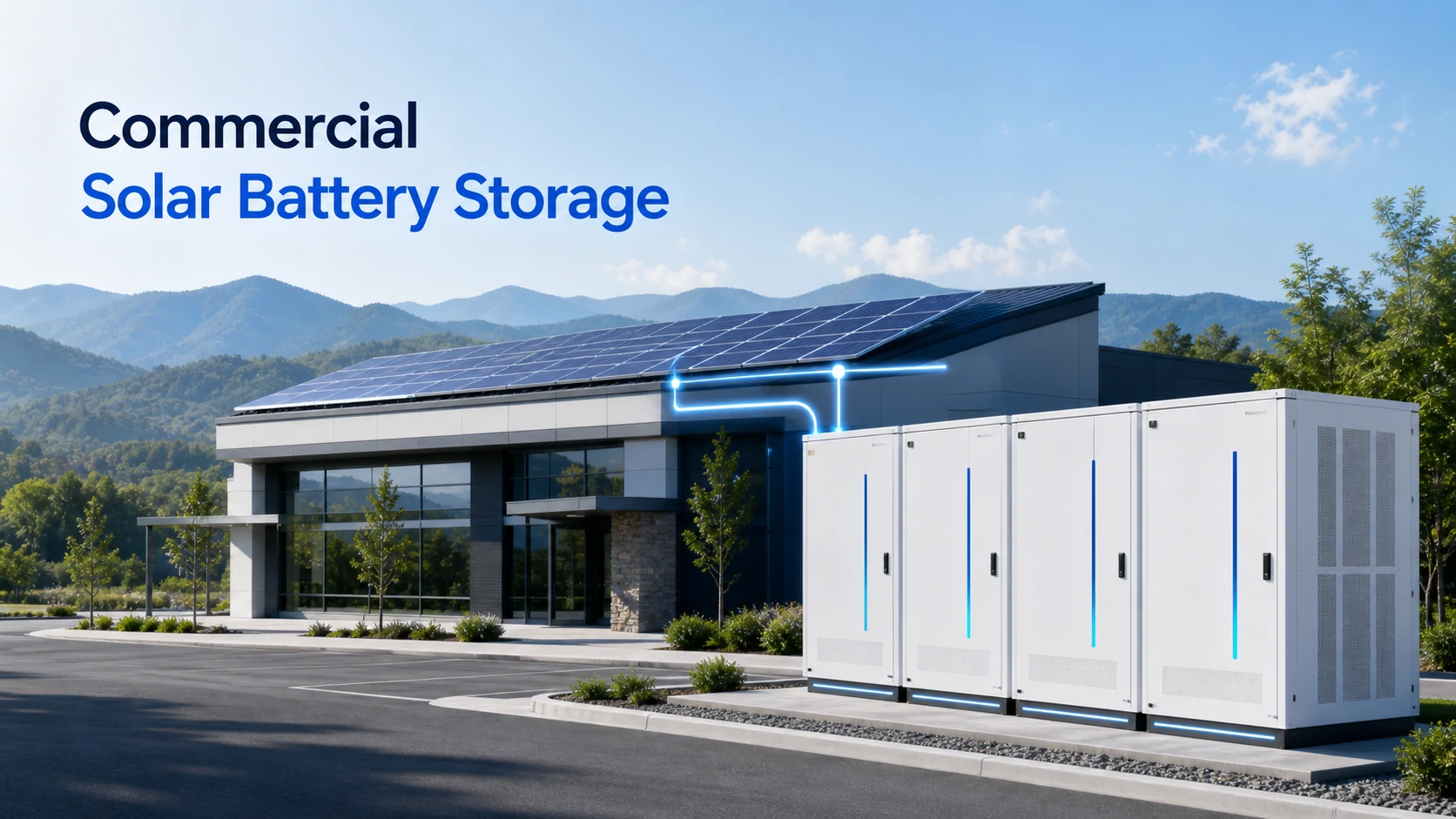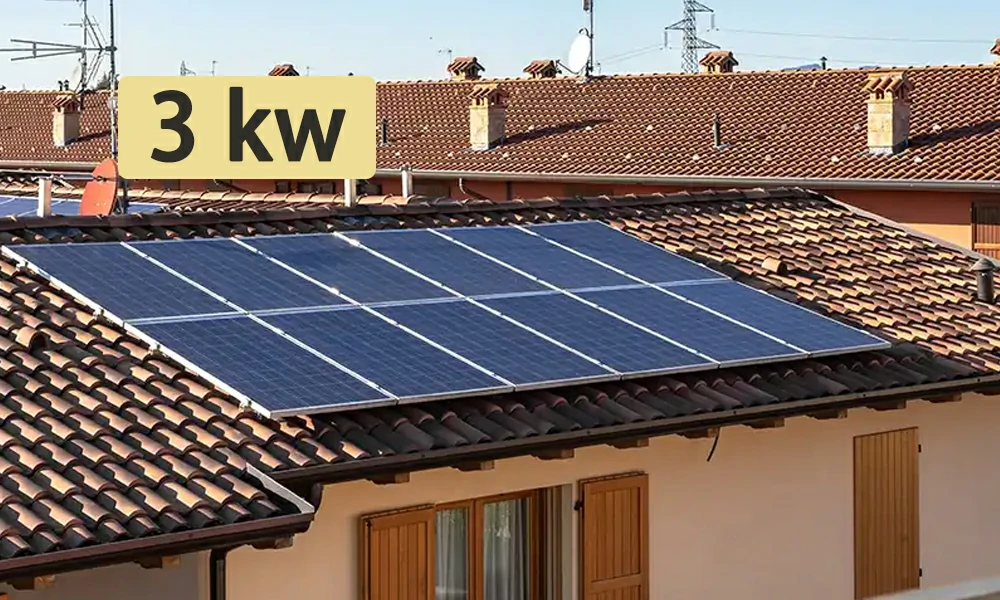

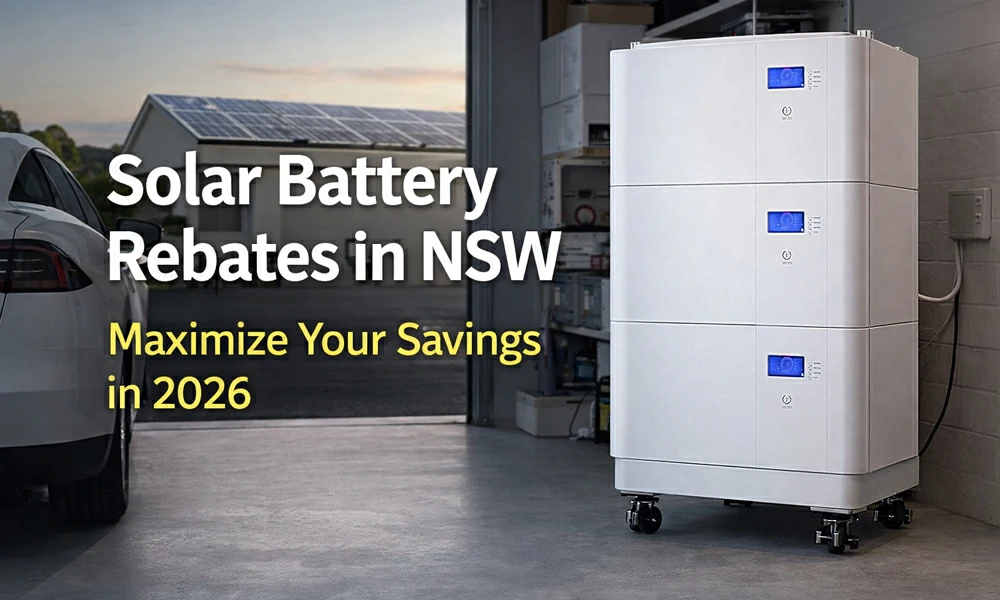
If you are searching for solar battery rebate NSW, the first thing to know is this: the old NSW upfront battery installation rebate is no longer available. That does not mean battery incentives have disappeared. It means the rebate structure has changed.
In 2026, NSW households and small businesses mainly need to understand two separate support pathways:
- The national Cheaper Home Batteries Program, which reduces the upfront cost of eligible battery systems through the Small-scale Renewable Energy Scheme.
- The NSW Virtual Power Plant incentive, which may provide an additional payment or bill credit when an eligible battery is connected to a participating VPP.
For many NSW homes, this combination can still make battery storage much more attractive. But the details matter. Battery size, usable capacity, CEC approval, installer accreditation, VPP contract terms and the timing of installation can all affect how much support you actually receive.
This guide explains what is still available, what has ended, how the federal and NSW incentives work together, and what to check before buying a solar battery in NSW.
Quick Summary: Solar Battery Rebate NSW in 2026
| Item | 2026 Status | What It Means |
|---|---|---|
| Old NSW battery installation rebate | No longer available | The previous NSW upfront battery hardware discount has ended. |
| Federal Cheaper Home Batteries Program | Available | Offers an upfront discount on eligible battery systems connected to new or existing solar PV. |
| NSW VPP incentive | Available | Provides an incentive when an eligible battery is connected to a Virtual Power Plant. |
| Can federal and NSW support be combined? | Yes, in many cases | The federal battery discount can generally be combined with the NSW VPP incentive if eligibility rules are met. |
| Battery size rules | Important | Federal support applies to eligible systems from 5 kWh to 100 kWh nominal capacity, with STCs applying to the first 50 kWh of usable capacity. |
| VPP eligibility in NSW | Important | NSW VPP incentive is linked to VPP-compatible batteries, participating VPP providers and contract conditions. |
Planning a Battery Project in NSW?
The 2026 rebate rules have changed. Before choosing a battery, confirm system eligibility, inverter compatibility and VPP requirements for your project.
What Changed in NSW?
Before July 2025, NSW had a state-based battery installation incentive under the Peak Demand Reduction Scheme. That old structure created confusion because many homeowners thought it could continue alongside the national battery discount.
It cannot.
The NSW Government has shifted the focus away from subsidising the battery hardware directly and toward encouraging batteries to support the grid through Virtual Power Plants. In simple terms, NSW now rewards batteries that can help reduce peak demand, rather than just rewarding the act of installing a battery.
This is why your installer may now discuss two separate items in your quote:
- the federal battery discount applied to the battery system, and
- the NSW VPP incentive applied after signing up with a participating VPP provider.
The federal discount reduces the entry cost. The VPP incentive can improve long-term payback if the contract suits your energy habits.
How the Federal Cheaper Home Batteries Program Works
The federal battery discount is delivered through the Small-scale Renewable Energy Scheme, using Small-scale Technology Certificates, or STCs. In most cases, the customer does not manually claim the certificates. The installer or retailer usually handles the STC process and shows the value as an upfront discount in the quote.
According to the Clean Energy Regulator’s solar battery guidance, eligible solar batteries must generally meet the following rules:
- The battery must be installed with a new or existing solar PV system.
- The solar PV system must be under 100 kW.
- The battery must have a nominal capacity between 5 kWh and 100 kWh.
- STCs can only be claimed on the first 50 kWh of usable battery capacity.
- Only one solar battery system at a premises is eligible for STCs.
- The battery and relevant inverter must be on the appropriate Clean Energy Council approved product lists.
- Installation must be completed by, or under the supervision of, an accredited battery installer.
- On-grid systems must be technically capable of participating in a VPP, although VPP participation is not required for the federal discount.
You do not need to join a VPP to receive the federal battery discount. But if you want the NSW VPP incentive as well, VPP participation becomes necessary.
2026 Federal Rebate Changes
From 1 May 2026, the federal battery discount changed in two major ways.
First, the STC factor is now lower than it was at the start of 2026. Second, larger systems no longer receive the same level of support across every kWh.
For batteries installed from May to December 2026, the STC factor is 6.8. The program now applies that factor by capacity band:
| Usable Battery Capacity | How Support Is Applied |
|---|---|
| 0–14 kWh | 100% of the STC factor |
| Above 14 kWh to 28 kWh | 60% of the STC factor |
| Above 28 kWh to 50 kWh | 15% of the STC factor |
| Above 50 kWh usable capacity | No additional STCs |
This does not mean larger batteries are bad. It means the rebate benefit grows more slowly once the usable capacity goes beyond 14 kWh, and especially beyond 28 kWh.
For a normal household battery, the “best value” range is often around 10–14 kWh, depending on household consumption, solar generation, electricity tariff and backup needs. Larger homes, EV households, villas, small businesses or properties with high evening consumption may still justify 20–30 kWh or more, but the decision should be based on real load data rather than the rebate alone.
Estimated Federal Battery Discount in NSW
The actual federal discount depends on the STC market value, installer fees and the battery’s approved usable capacity. The table below uses a simple A$37 per STC example for illustration only.
| Usable Capacity | Estimated STCs | Approx. Federal Discount |
|---|---|---|
| 5 kWh | 34.0 | A$1,258 |
| 10 kWh | 68.0 | A$2,516 |
| 13.5 kWh | 91.8 | A$3,397 |
| 14 kWh | 95.2 | A$3,522 |
| 20 kWh | 119.7 | A$4,428 |
| 28 kWh | 152.3 | A$5,636 |
| 40 kWh | 164.6 | A$6,089 |
| 50 kWh | 174.8 | A$6,466 |
This table shows why installers should explain the rebate in usable kWh, not just nominal capacity. Two batteries with similar marketing capacity can create different STC values if their approved usable capacity is different.
Before signing a quote, ask the installer to show:
- Nominal battery capacity,
- Usable battery capacity,
- STC calculation,
- STC value applied,
- Whether any administration margin has been deducted,
- Final out-of-pocket price after discounts.
What Is the NSW VPP Incentive?
A Virtual Power Plant is a network of connected batteries that can be remotely coordinated to support the electricity grid during peak demand periods. Your battery stays at your property, but the VPP provider can access some stored energy under agreed contract conditions.
The NSW VPP incentive is designed to encourage households and small businesses to connect eligible batteries to participating VPP programs. The incentive can usually be received as an upfront payment, instalments or a credit on your electricity bill, depending on the provider.
The incentive amount depends on usable battery capacity and the VPP provider. Larger eligible batteries can receive a larger incentive, but the NSW VPP incentive only applies to batteries up to 28 kWh.
This is an important difference from the federal scheme:
| Program | Capacity Rule |
|---|---|
| Federal Cheaper Home Batteries Program | Supports battery systems up to 100 kWh nominal capacity; STCs only on first 50 kWh usable capacity |
| NSW VPP incentive | Available for eligible batteries between 2 kWh and 28 kWh |
For most homes, this means the NSW VPP incentive is most relevant for common residential battery sizes such as 5 kWh, 10 kWh, 13.5 kWh, 15 kWh, 20 kWh and 28 kWh.
Can You Combine the Federal Battery Rebate and NSW VPP Incentive?
Yes, in many cases you can combine the federal battery discount with the NSW VPP incentive.
But there are two rules to understand:
First, you cannot claim the old NSW battery installation discount and the federal battery discount for the same installation. The old NSW installation discount was suspended because the national program became available.
Second, the NSW VPP incentive is separate from the old installation discount. If your battery meets the VPP requirements and your provider offers the incentive, you may be able to receive the NSW VPP incentive on top of the federal battery discount.
A practical example:
A NSW homeowner installs a new 15 kWh usable battery with an existing rooftop solar system. The battery is CEC-approved, installed by an accredited battery installer and VPP-capable. The federal discount is applied in the quote. After installation, the homeowner signs a VPP contract with a participating provider and receives the NSW VPP incentive as a bill credit or payment.
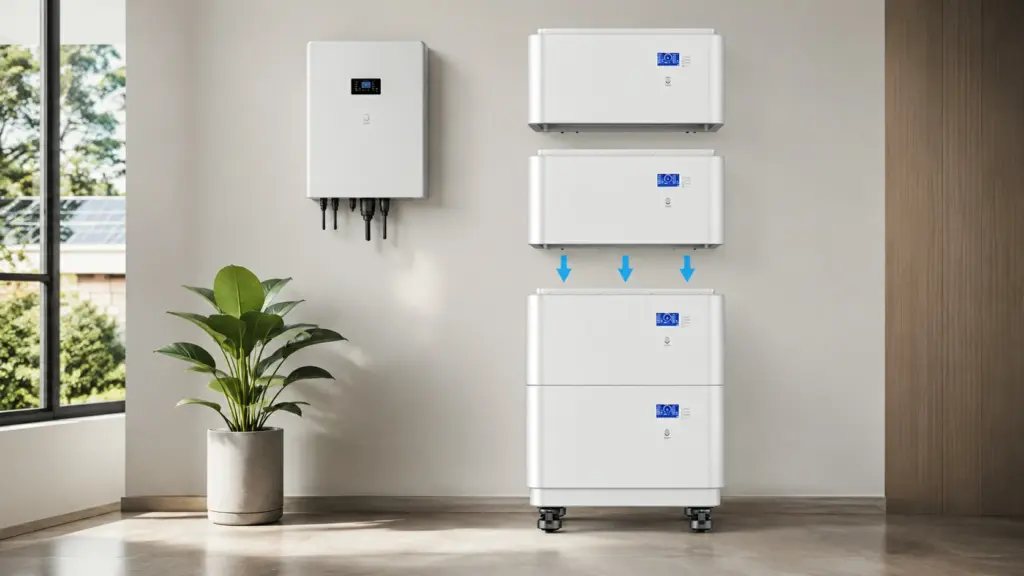
Build Your NSW Solar Battery Package with Confidence
Modular storage systems, Avepower can help you match capacity, communication protocol and project requirements before quoting customers.
Who Is Eligible for the NSW VPP Incentive?
The exact rules and provider requirements can vary, so the VPP provider should confirm eligibility before you sign. In general, you should expect to need:
- A property located in NSW,
- An eligible battery between 2 kWh and 28 kWh,
- A battery connected to the electricity grid,
- A battery that can participate in a Virtual Power Plant,
- A participating VPP provider,
- A compatible electricity retailer,
- A signed VPP contract and nomination form,
- No previous claim for the same NSW VPP incentive at the same NMI.
Off-grid batteries cannot join a VPP because there is no grid connection for the VPP operator to dispatch stored energy. That means an off-grid property may have different federal eligibility considerations, but it will not qualify for the NSW VPP payment.
If the battery is older, the provider may also check whether it has enough warranty remaining and whether the model is still accepted under the relevant program requirements.
Battery Size Guide for NSW Homes
Battery size should be based on daily usage, solar generation and backup expectations.
| Household Type | Common Battery Range | Notes |
|---|---|---|
| Small home with moderate evening use | 5–10 kWh | Good for basic solar self-consumption |
| Average family home | 10–14 kWh | Often the strongest rebate-to-value range |
| Larger home or high evening load | 15–20 kWh | Useful when there is enough solar surplus |
| EV-ready home or small business | 20–30 kWh | Check VPP cap and federal tapering |
| Large property or commercial use | 30 kWh+ | Must be justified by load data, not rebate size |
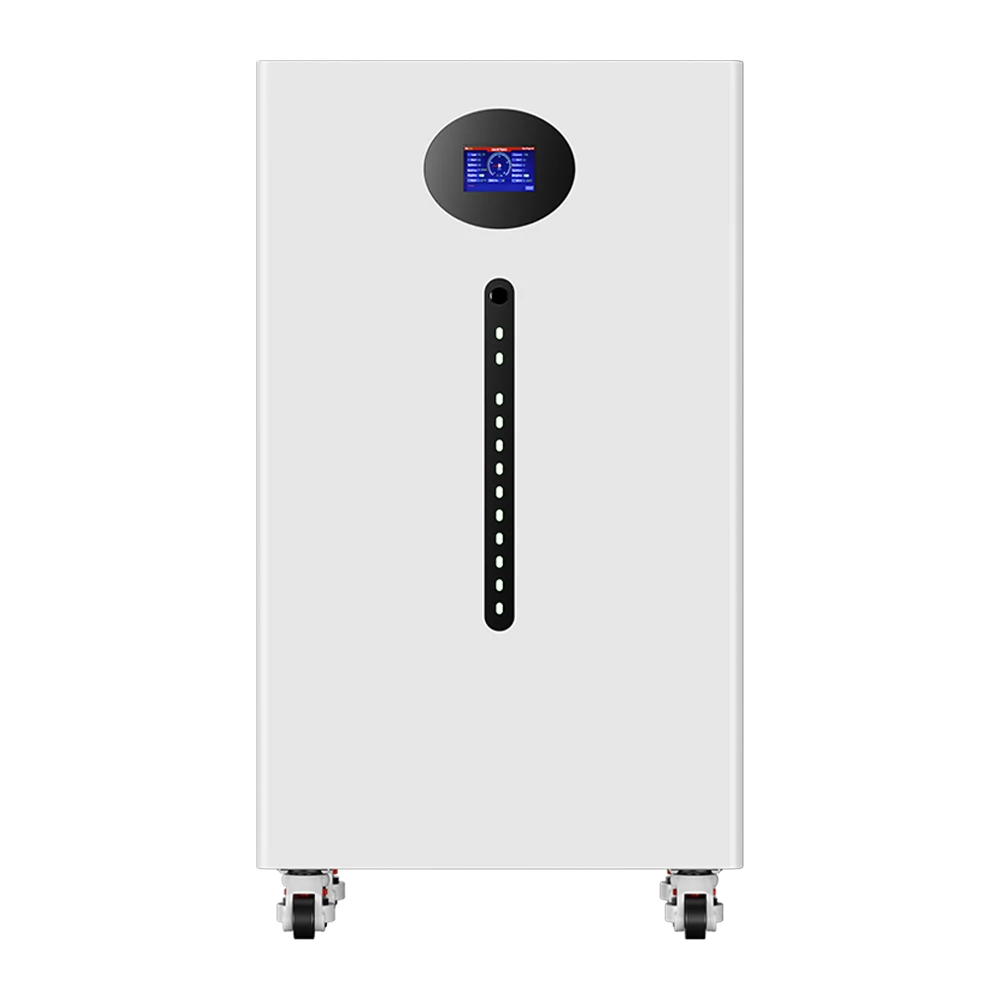
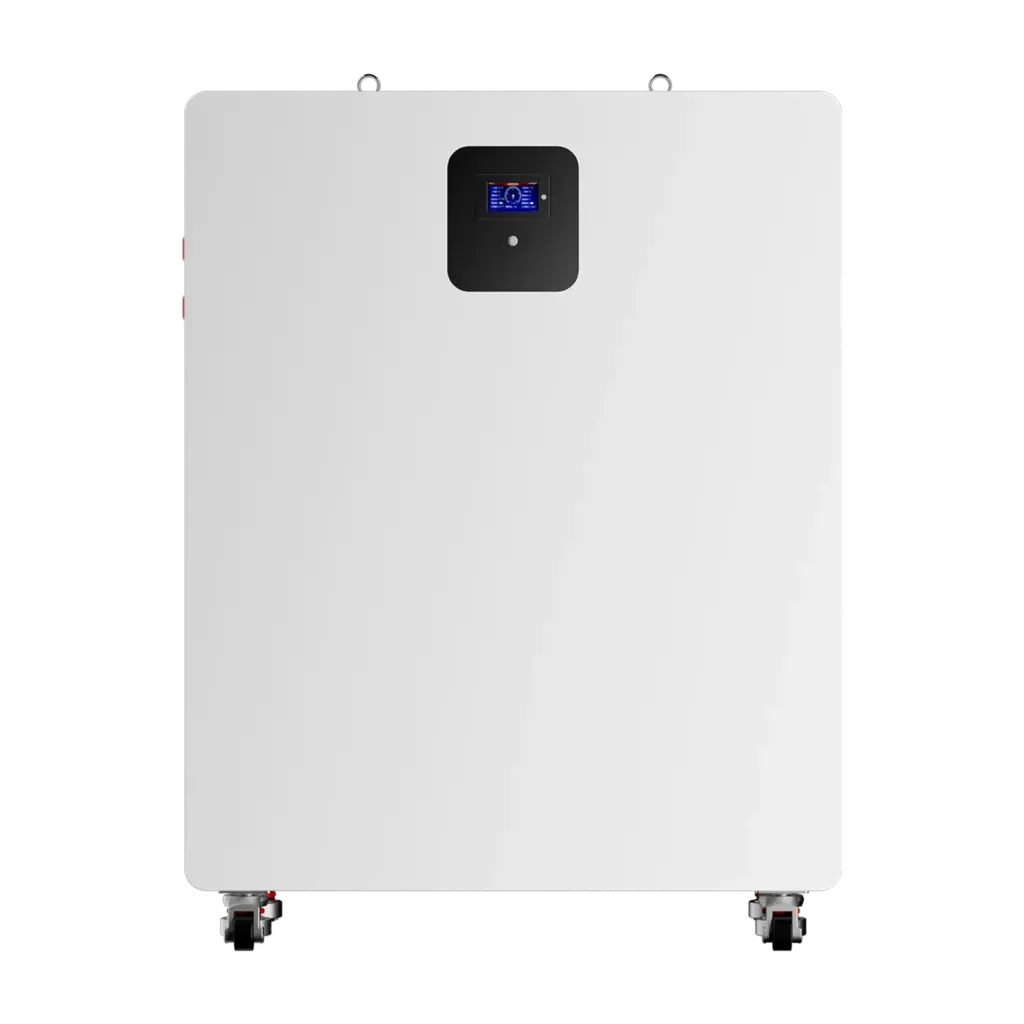
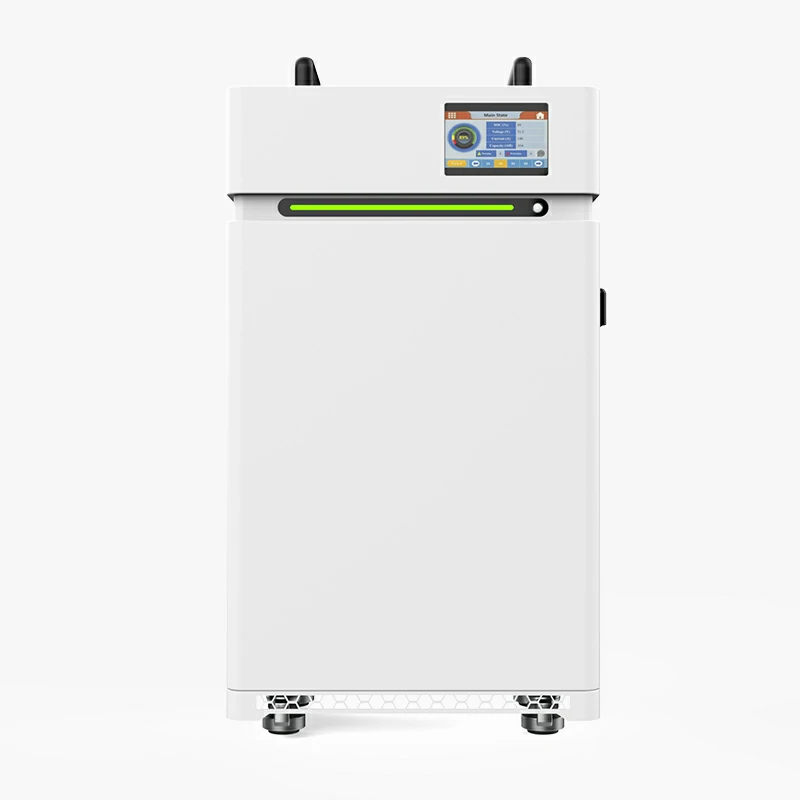
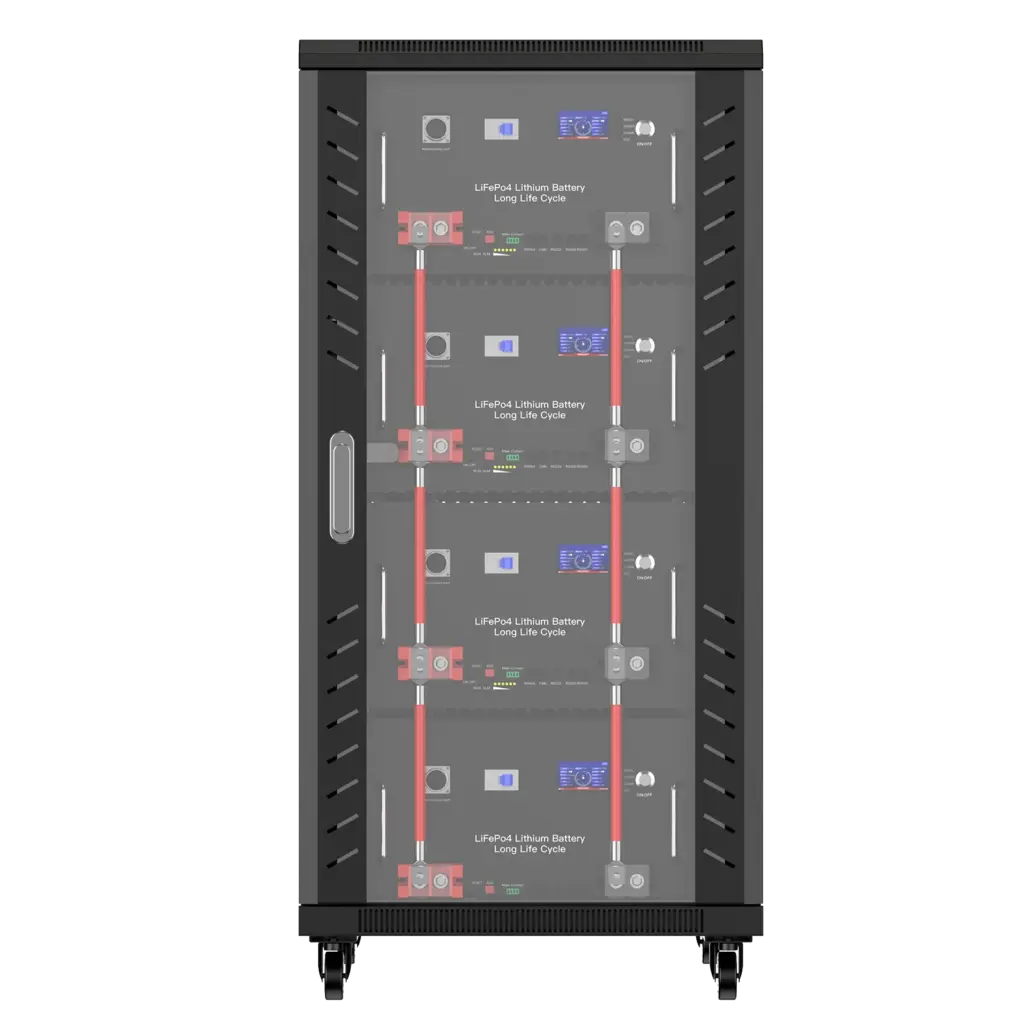
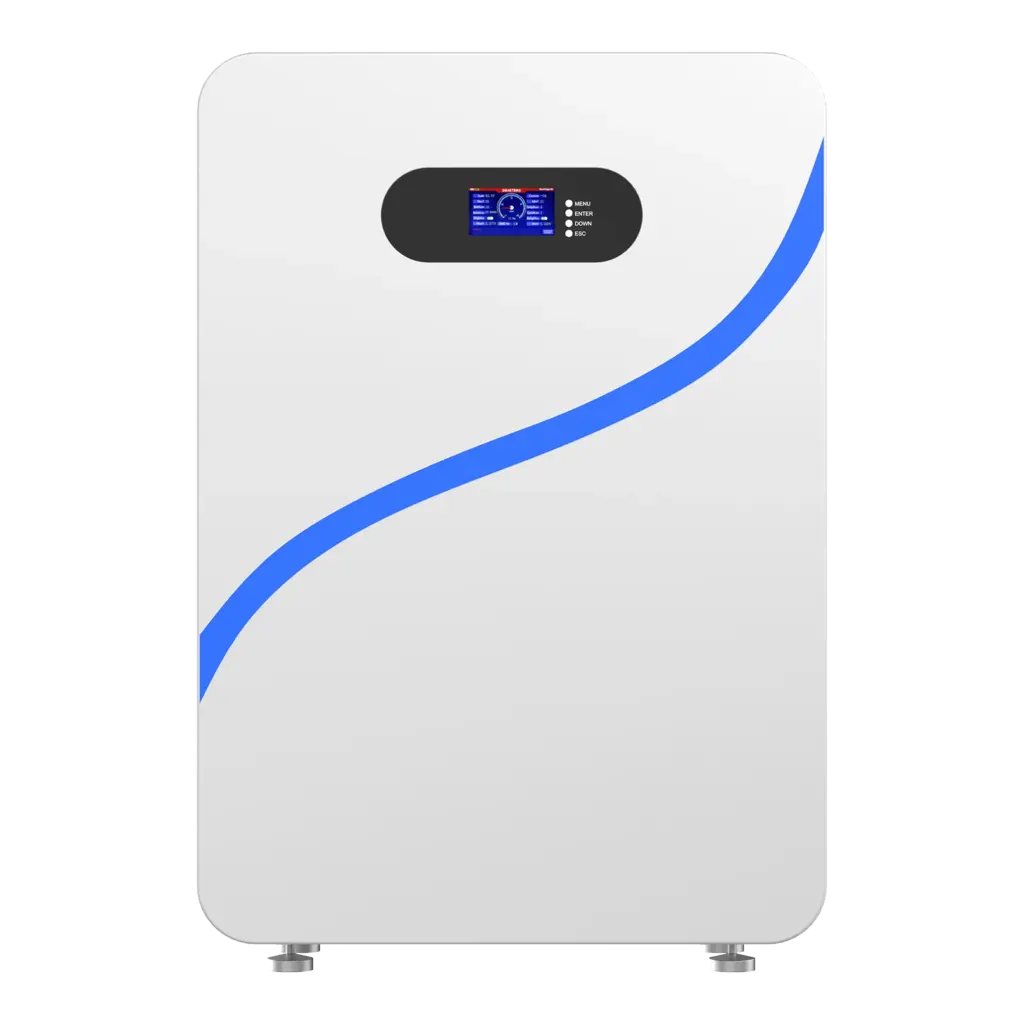
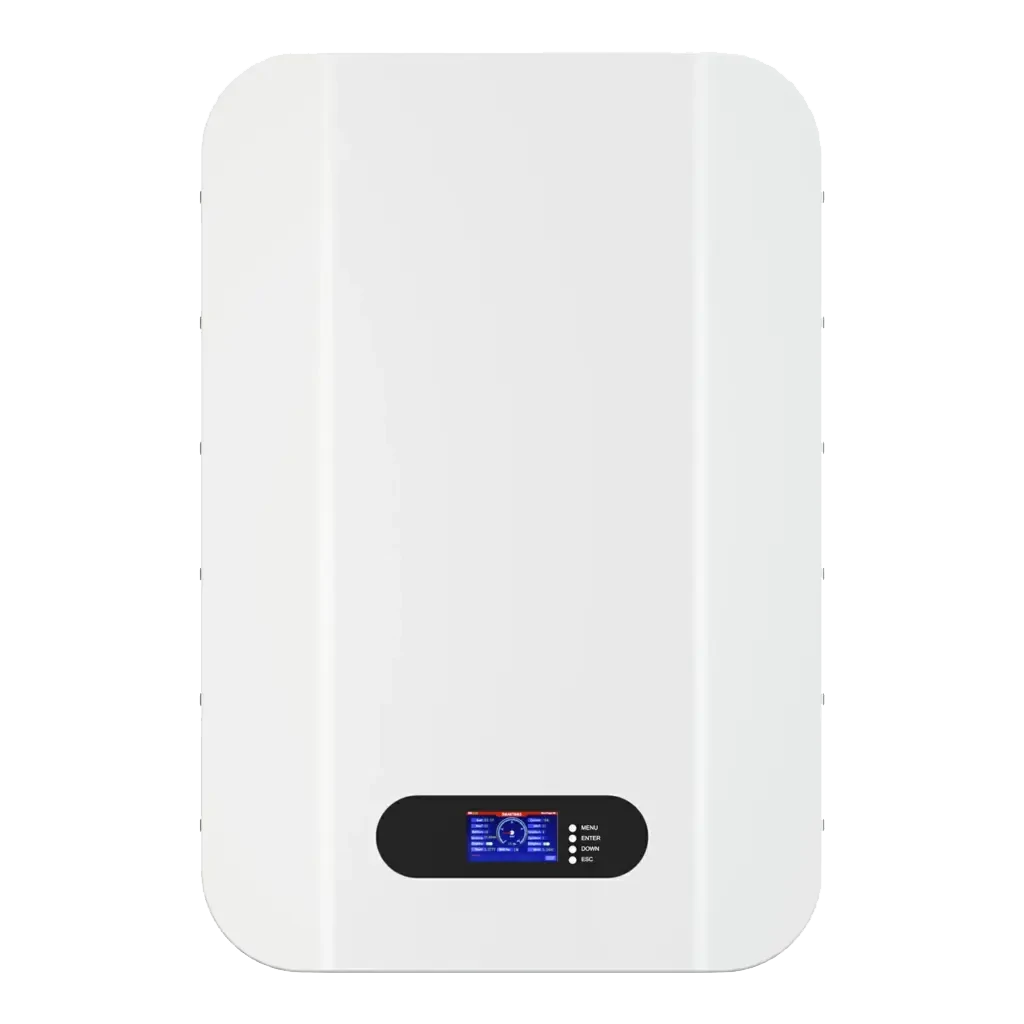
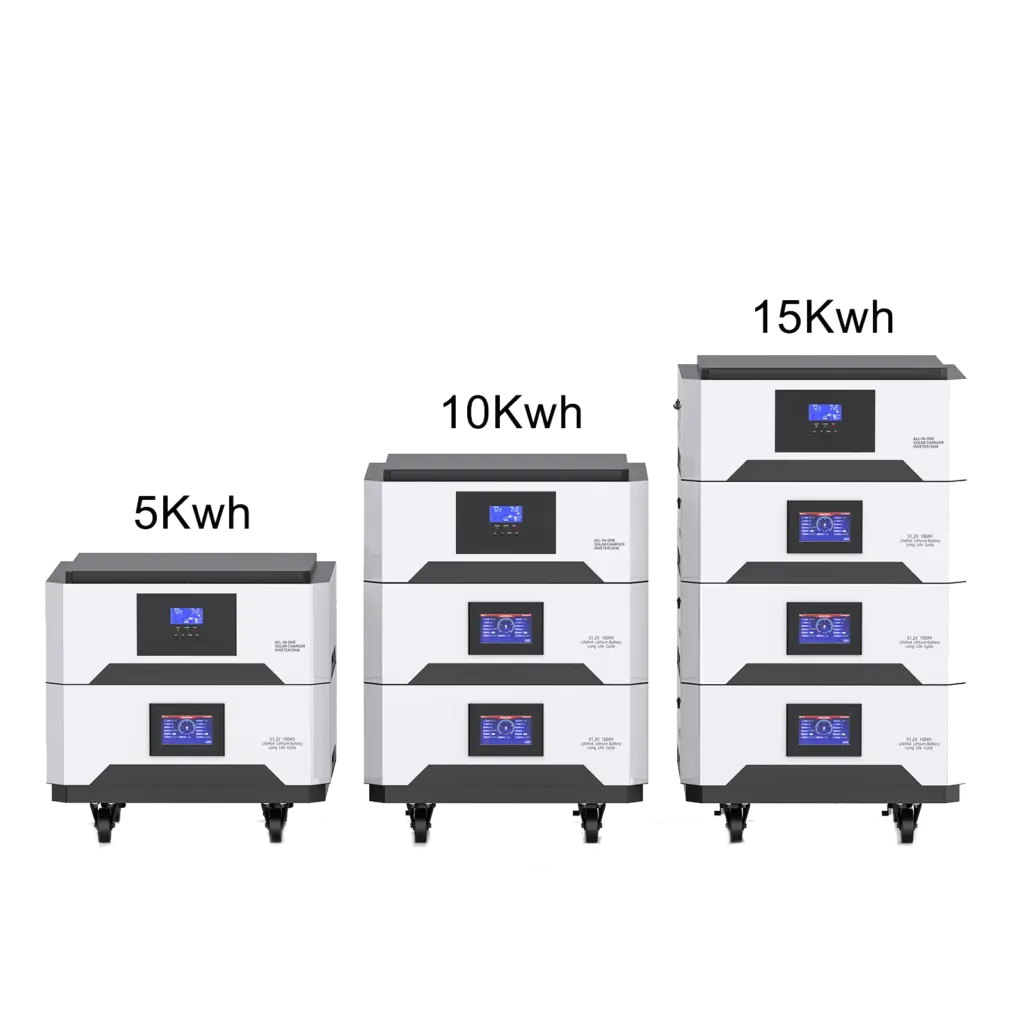
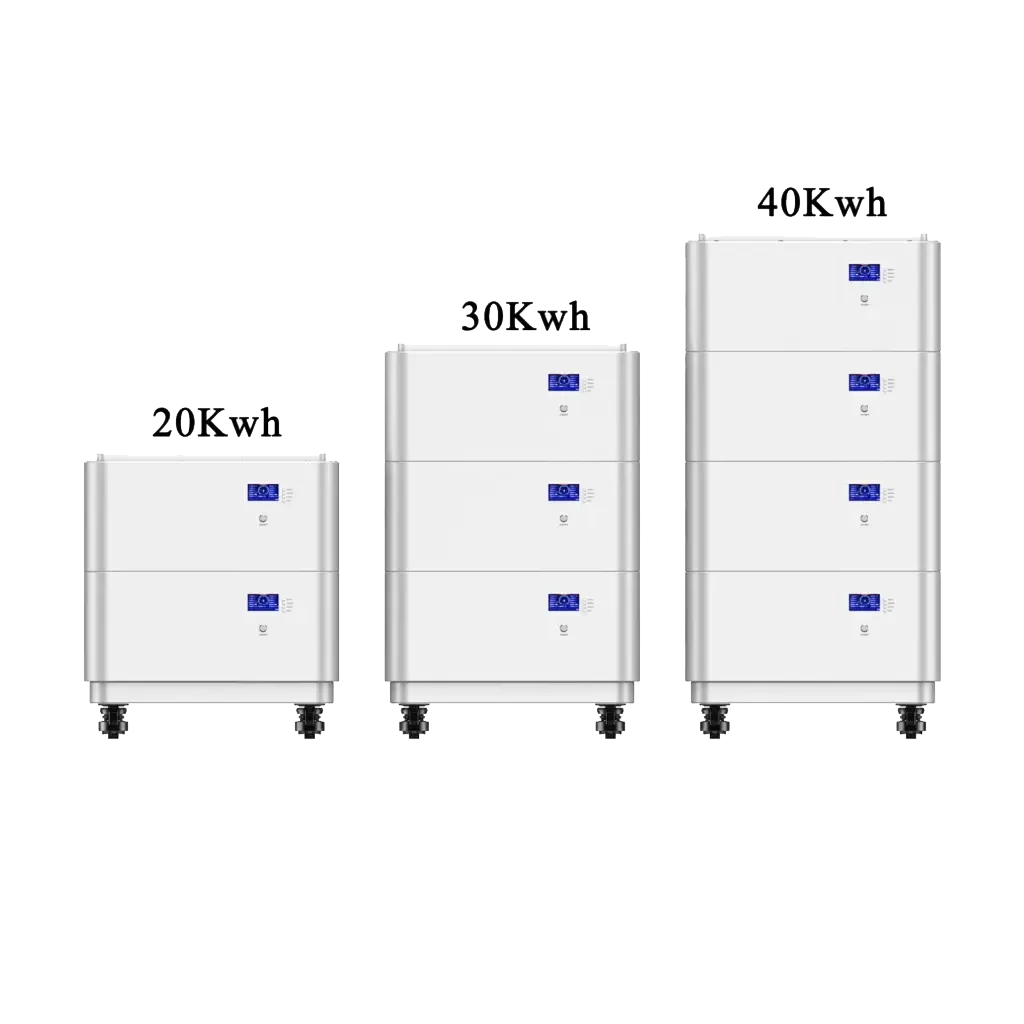
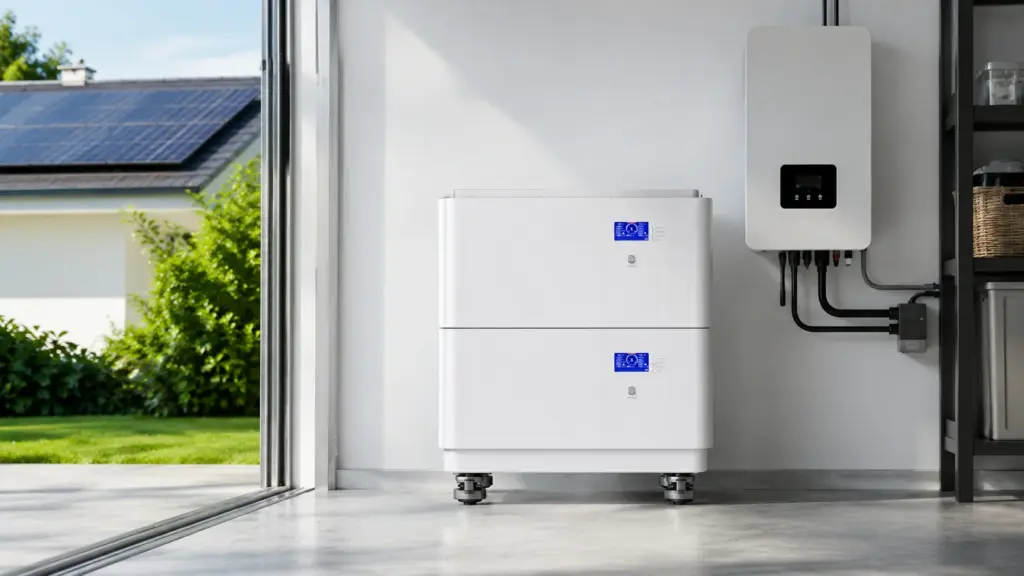
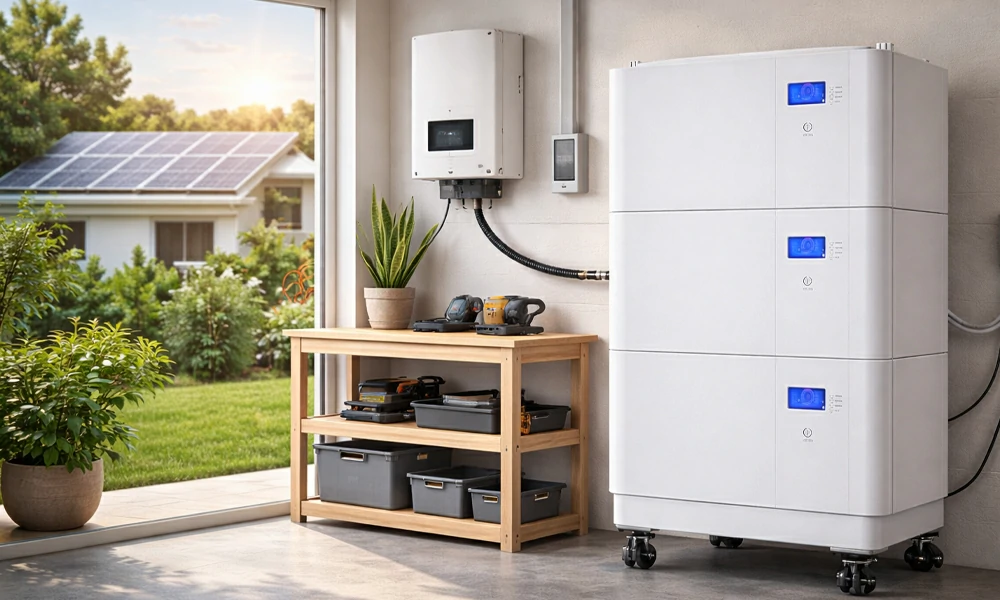
For homeowners who need a compact residential system, a 10kWh wall-mounted LiFePO4 battery can suit common solar self-consumption and backup applications. For installers building scalable systems, stackable solar batteries may provide more flexible capacity planning across different property types.
How Much Can You Save With Solar Battery Rebate NSW?
The saving depends on four main factors:
- Battery usable capacity.
- Current STC value and installer pass-through.
- Whether the battery is within the higher-support capacity bands.
- NSW VPP provider terms.
For example, a standard home battery around 10 kWh to 14 kWh usable capacity may receive stronger federal support per kWh than a much larger system, because the first 14 kWh receives the full STC factor.
A larger system can still receive more total support, but the extra capacity above 14 kWh receives reduced support. This means the “best value” battery is not always the largest battery.
For NSW VPP incentives, the amount also depends on usable storage capacity, the VPP provider and the contract. Some providers may offer a more attractive upfront incentive, while others may provide better ongoing export payments or bill credits.
How to Claim the Solar Battery Rebate in NSW
For most customers, claiming the available incentives is not a DIY paperwork process. Your installer and VPP provider will usually handle most of it, but you should still know the steps.
Step 1: Check Your Solar and Battery Setup
The federal battery discount generally requires the battery to be connected to a new or existing solar PV system. A grid-charging-only battery is not eligible under the federal program.
If you already have solar, ask whether your existing inverter is compatible with the new battery and whether any upgrade is needed. If you are installing solar and battery together, ask for a complete system design rather than choosing the battery in isolation.
For homeowners comparing battery options, Avepower’s residential energy storage solutions page can help explain common system layouts for solar self-consumption, backup power and small energy storage projects.
Step 2: Choose an Eligible Battery and Inverter
The battery and inverter should be checked against the Clean Energy Council approved battery list and the relevant inverter list before installation.
This matters because product lists can change. A battery model that appears in a brochure is not automatically eligible for every rebate or VPP program. The exact model number, usable capacity and approved configuration should be verified.
For installers, distributors and OEM buyers, Avepower recommends confirming these points early:
- CEC listing status for the exact model and configuration,
- usable capacity used for STC calculation,
- inverter communication compatibility,
- VPP capability,
- BMS communication protocol,
- warranty terms,
- installation environment,
- documentation required by the local installer or VPP provider.
Avepower can support B2B customers with battery configuration and project documentation, but final NSW rebate eligibility must always be confirmed by the local accredited installer, VPP provider and relevant Australian product lists.
Step 3: Use an Accredited Installer
The installation should be completed by, or under supervision of, a battery installer accredited through Solar Accreditation Australia. Electrical work must also follow NSW electrical safety and siting requirements.
This is not just about getting the rebate. Battery systems are high-value electrical assets. A poor installation can reduce performance, create warranty problems and affect safety.
Step 4: Get a Quote Showing the Federal Discount
A good quote should clearly separate:
- equipment cost,
- installation cost,
- STC discount,
- any installer administration cost,
- final price after the federal battery discount,
- battery usable capacity,
- warranty period,
- backup function if included,
- blackout protection limitations,
- monitoring and commissioning requirements.
Do not compare quotes only by the advertised rebate amount. Compare the final installed price, system quality, warranty support and whether the battery is correctly sized for your usage.
Step 5: Compare VPP Providers
After the battery is installed, or as part of the installation process, compare VPP offers.
Ask each provider:
- How much NSW VPP incentive will I actually receive?
- Is it paid upfront, in instalments or as bill credit?
- Do I need to switch electricity retailers?
- How often can the provider discharge my battery?
- Can I set a backup reserve?
- What happens during a blackout?
- What export rates or event payments apply?
- Is there a minimum contract period?
- What are the exit fees?
- Can I override dispatch events?
- How will battery cycling affect my warranty?
The biggest mistake is chasing the largest headline incentive without reading the dispatch rules. A VPP can improve payback, but only if the terms fit your household.
Avepower Advice for Installers and Project Buyers
For installers, distributors and OEM customers working in NSW, the rebate environment changes how battery systems should be positioned.
A good battery offer is no longer just “low price per kWh”. Buyers now need proof that the product can fit Australian installation, documentation and integration requirements.
Before recommending a system to a NSW customer, Avepower suggests checking:
- exact model number and approved configuration,
- nominal and usable capacity,
- communication protocol such as CAN, RS485 or RS232,
- inverter compatibility,
- VPP capability,
- warranty terms,
- installation location and enclosure design,
- documentation needed for local compliance,
- packaging, labelling and after-sales process.
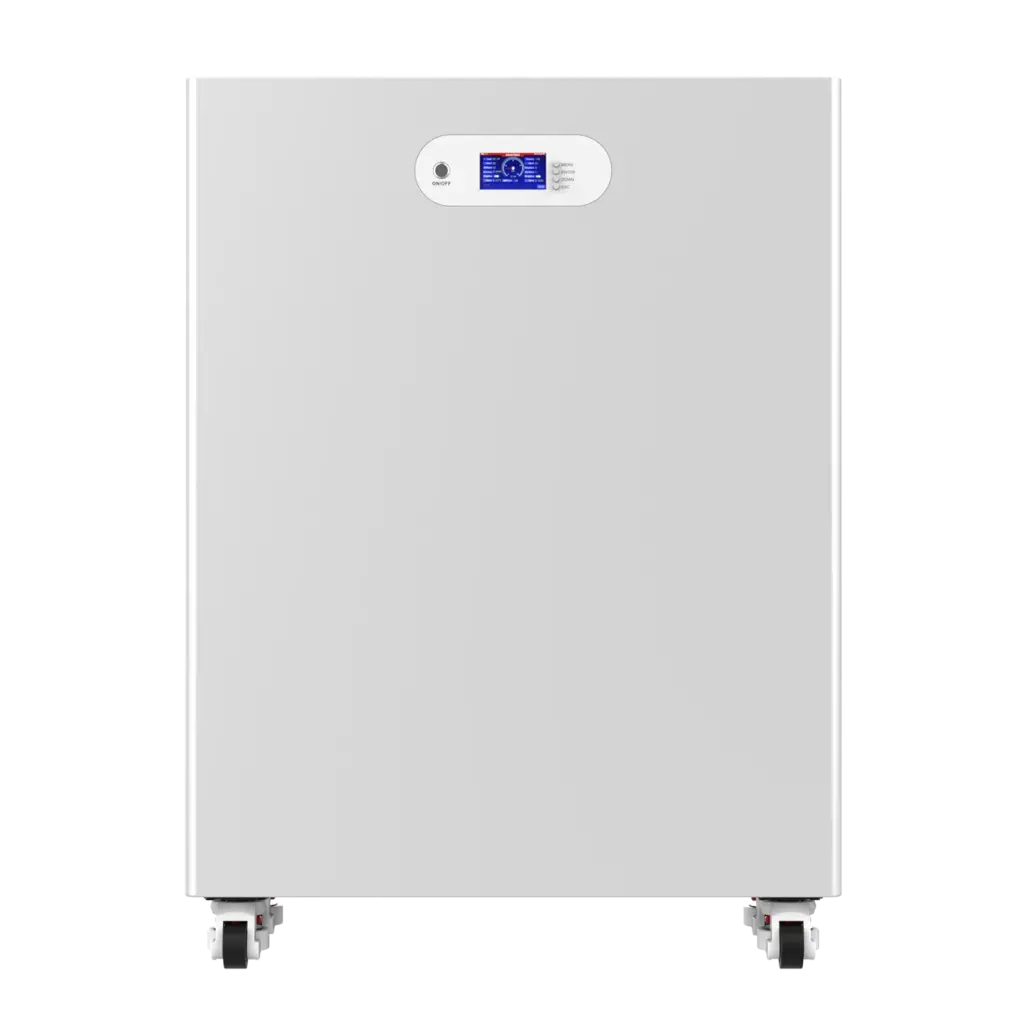
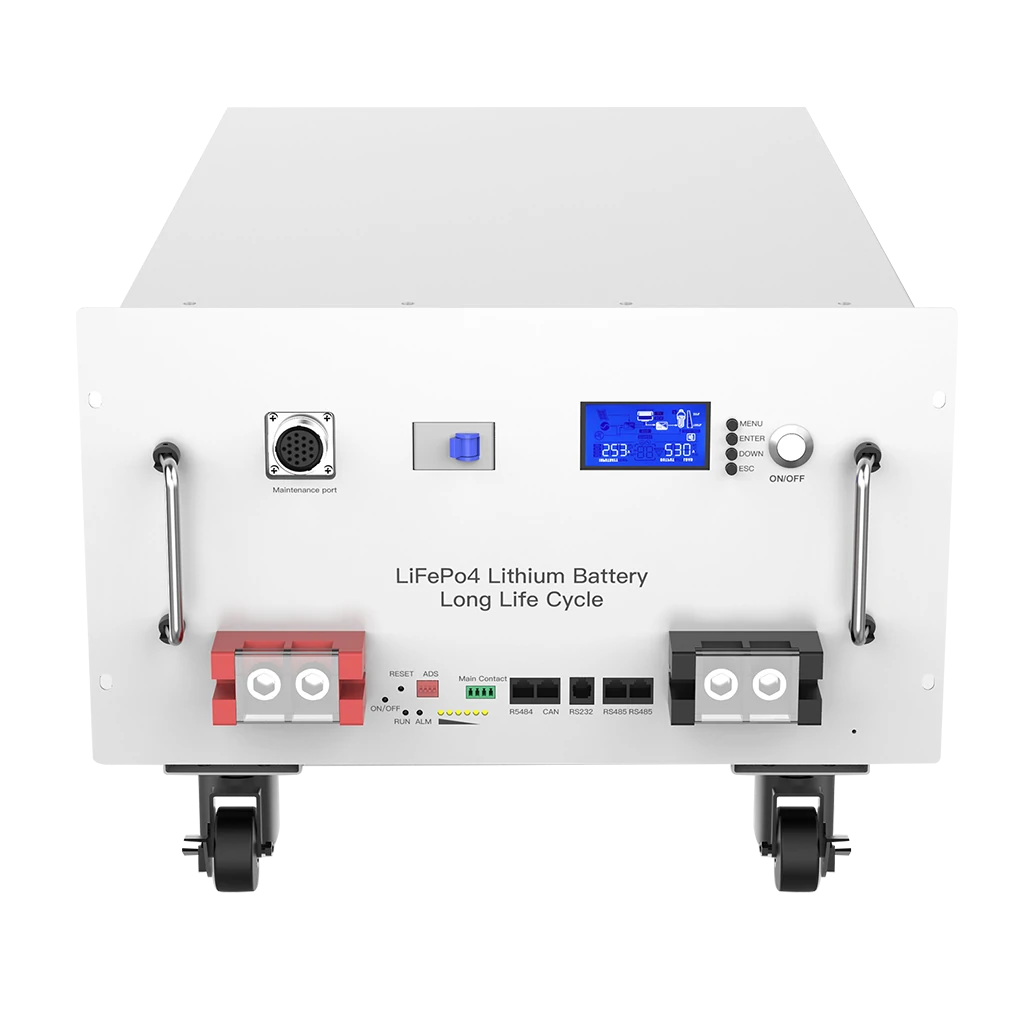
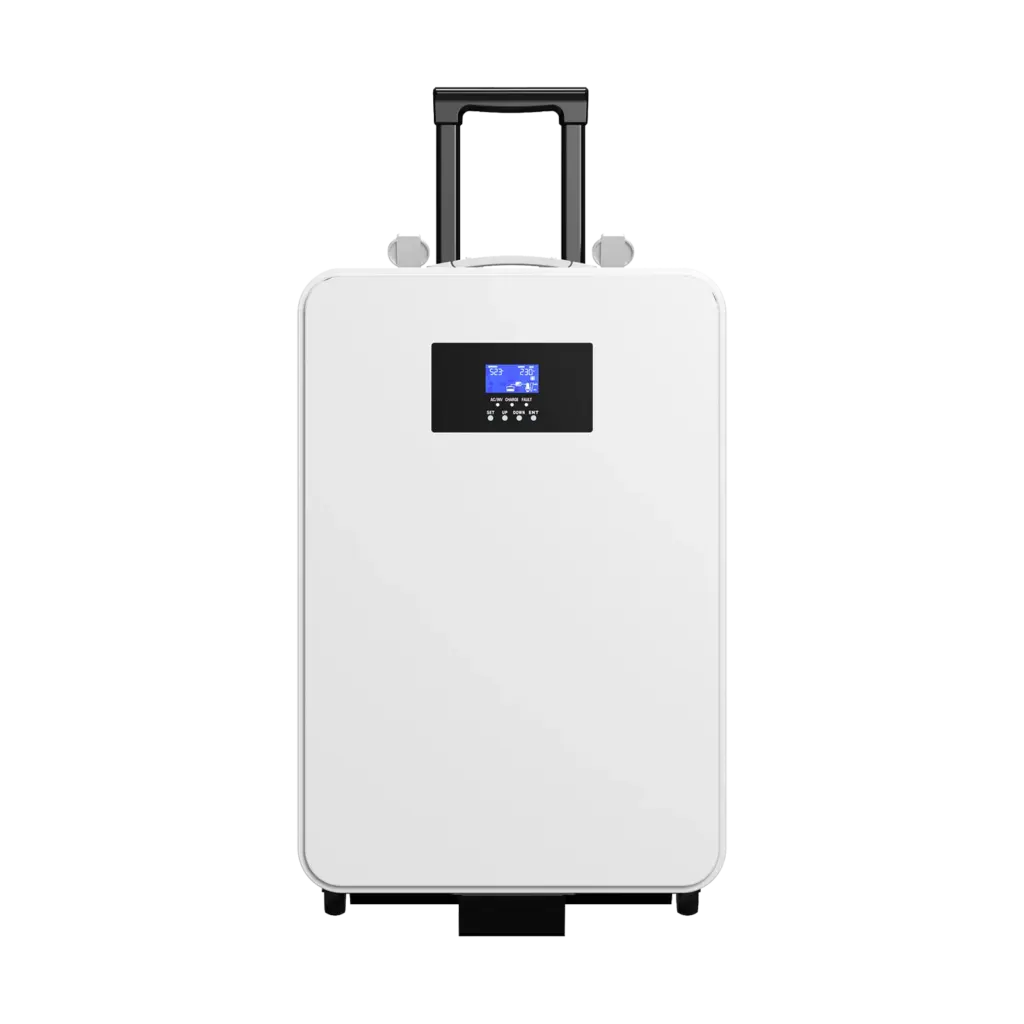
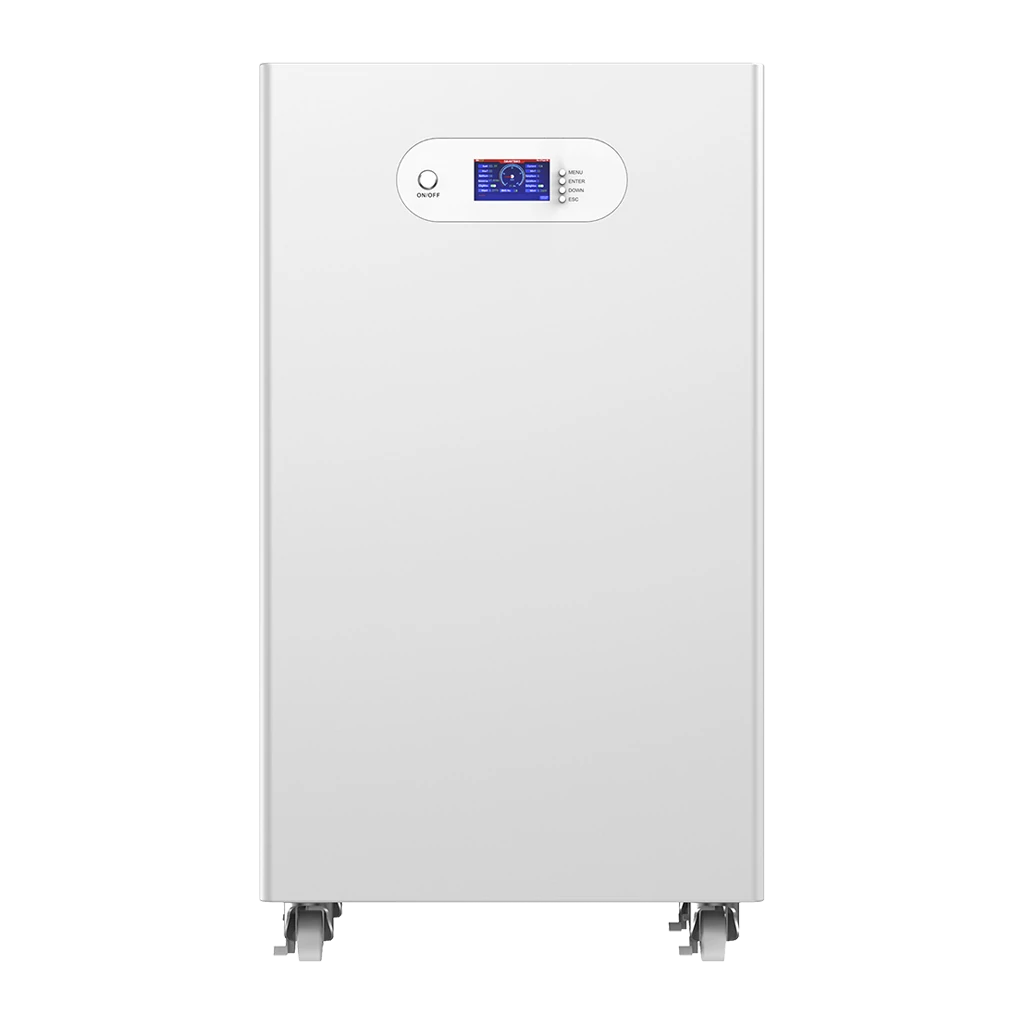
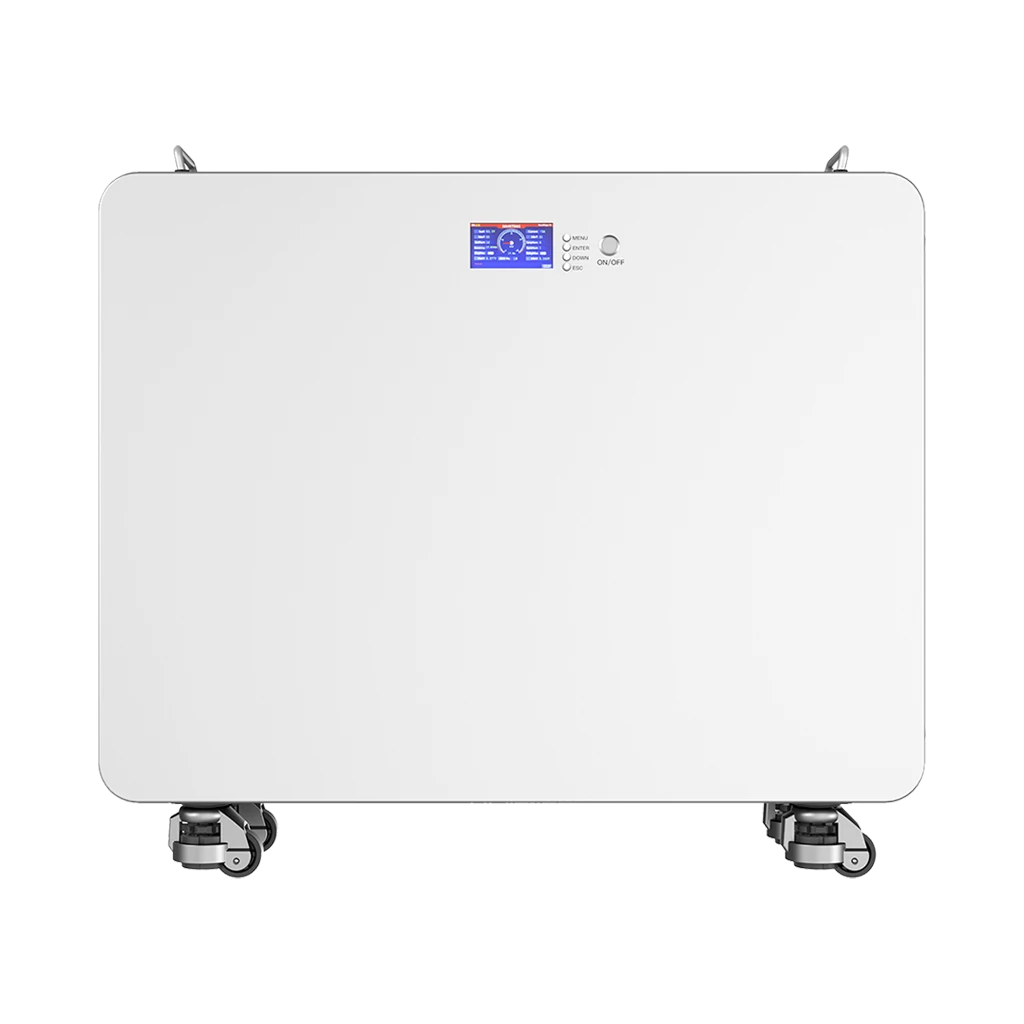
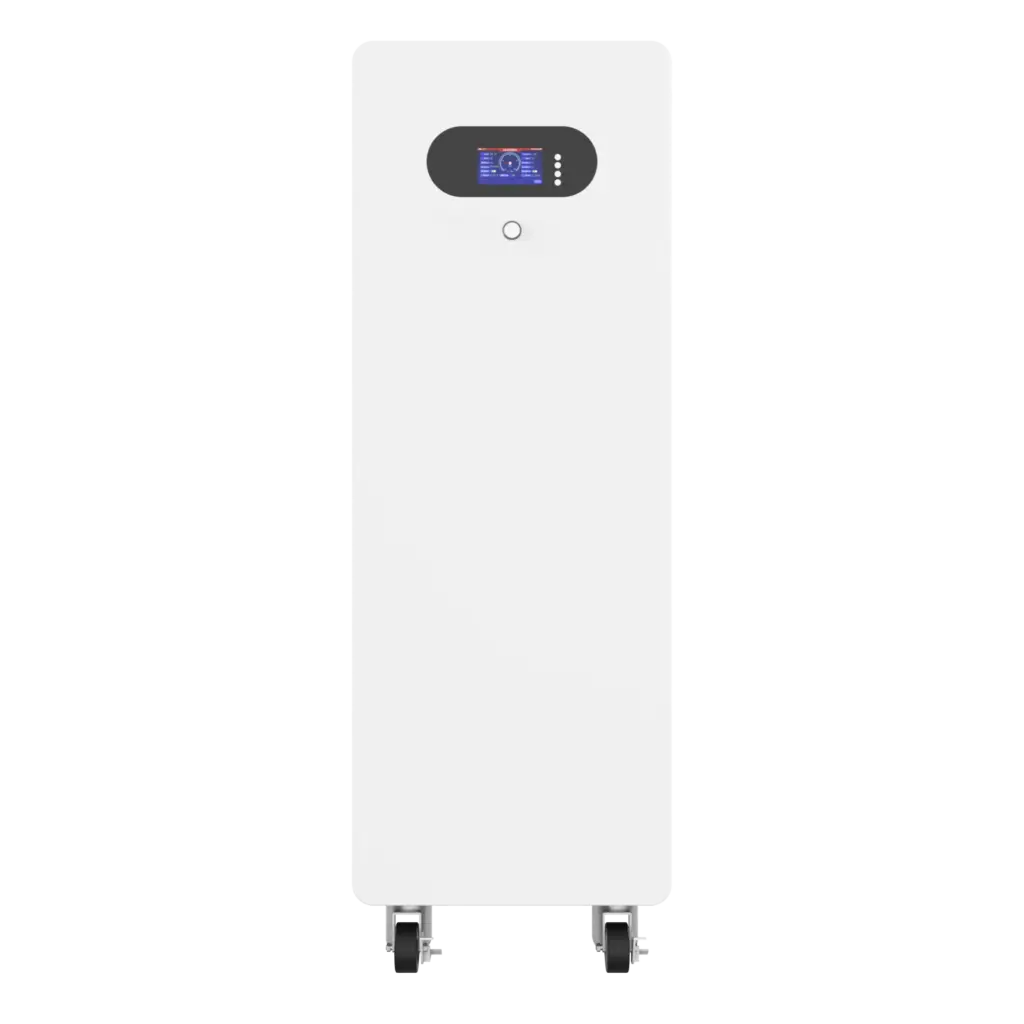
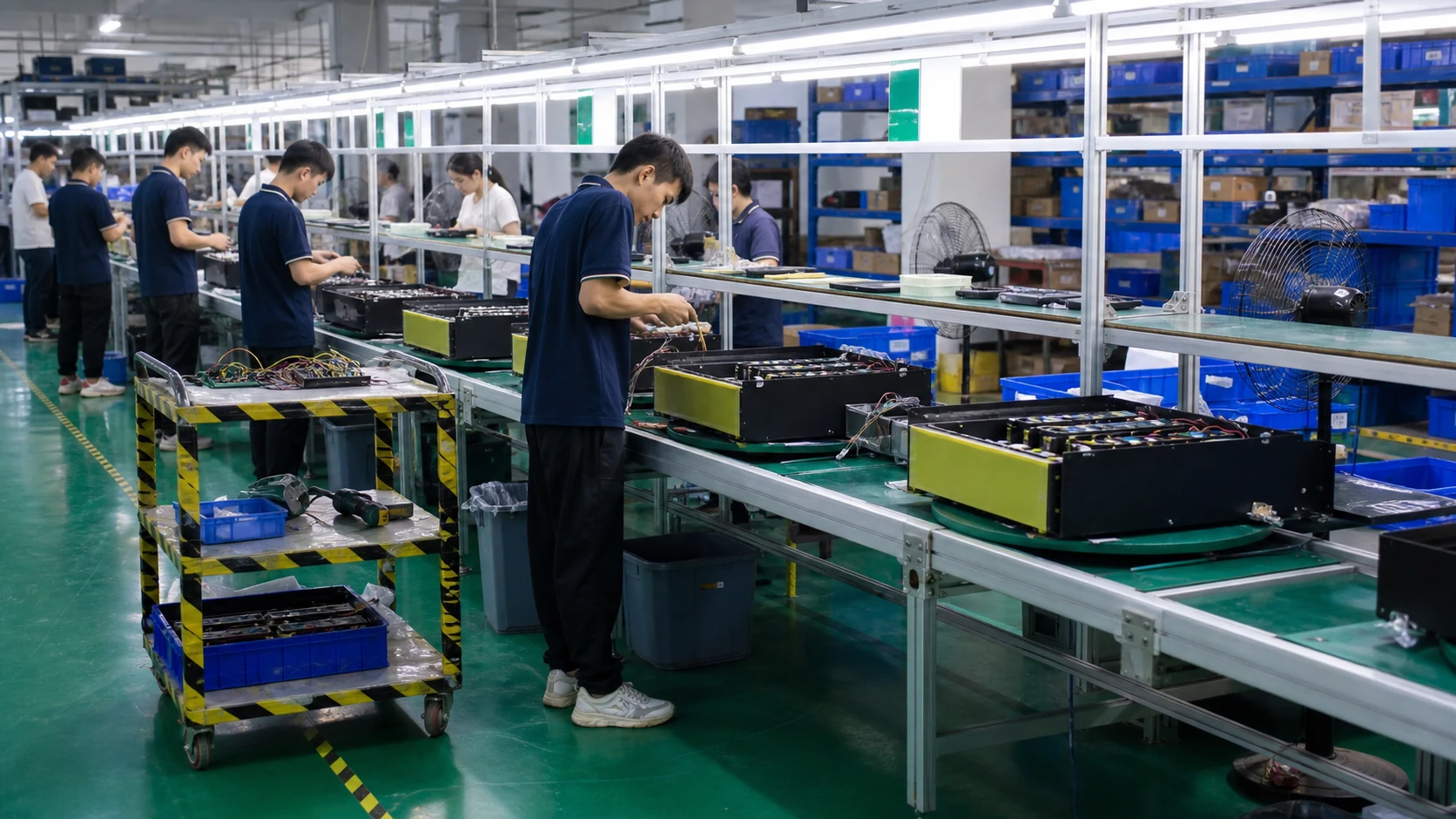
Avepower supplies LiFePO4 battery solutions for residential and small energy storage projects, including wall-mounted, rack-mounted, vertical and stackable battery systems. For B2B customers, Avepower can support project discussions around capacity, cabinet design, BMS configuration, communication protocol, branding and OEM/ODM requirements.
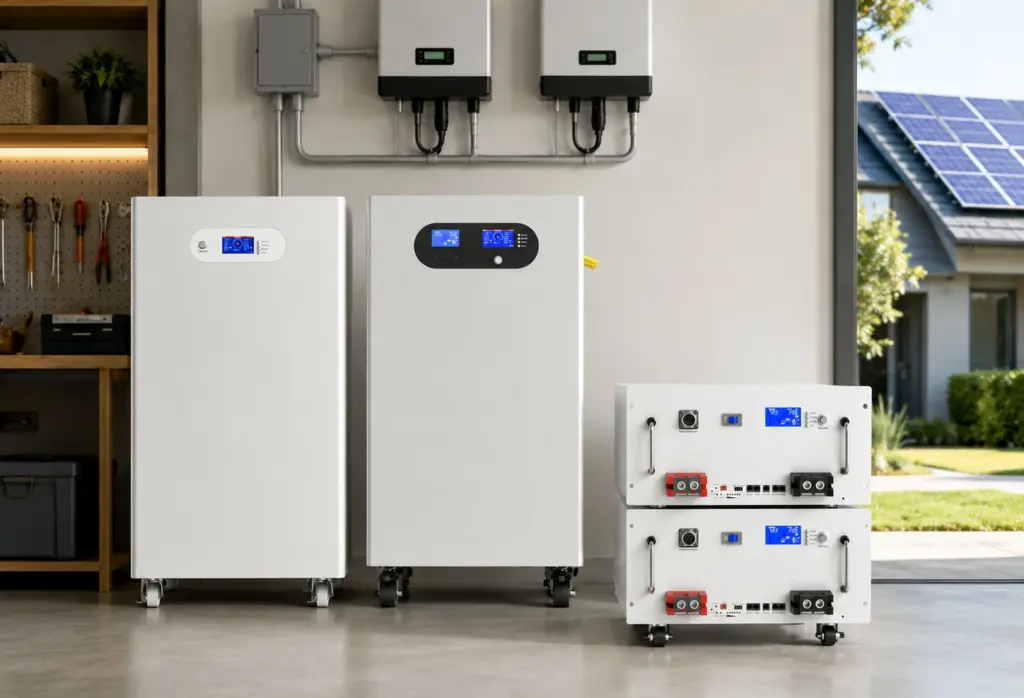
Take Control of Your Energy with Avepower!
Reliable home solar battery solutions with OEM/ODM customization and in-house manufacturing, tailored to the needs of distributors, installers, and energy partners.
Conclusion
The solar battery rebate NSW landscape in 2026 is still strong, but it is more technical than before.
The old NSW upfront battery installation rebate is gone. The current opportunity is to combine the federal Cheaper Home Batteries Program with the NSW VPP incentive where eligible.
For most NSW homeowners, the best approach is not to chase the biggest battery or the largest advertised rebate. The smarter approach is to choose a correctly sized, CEC-approved, VPP-capable battery installed by an accredited professional, then compare VPP providers carefully.
FAQ
The old NSW battery installation discount is no longer available. In 2026, NSW support mainly comes through the VPP incentive, while the federal Cheaper Home Batteries Program provides the main upfront battery discount.
In many cases, yes. The federal discount can reduce the upfront battery cost, and the NSW VPP incentive may be available if the battery is eligible and connected to a participating Virtual Power Plant.
No. The old NSW battery installation discount was suspended after the federal program became available. It is not available for new installations in 2026.
The amount depends on usable battery capacity, the VPP provider and contract structure. The NSW Government states that larger eligible batteries up to 28 kWh can receive a larger incentive, but the actual amount should be confirmed with the provider.
No. On-grid batteries must be VPP-capable for the federal program, but you do not need to join a VPP to receive the federal battery discount. VPP participation is required if you want to claim the NSW VPP incentive.
No. Off-grid batteries cannot join a Virtual Power Plant because they are not connected to the grid. Therefore, they cannot access the NSW VPP incentive.
Many NSW homes suit 10–14 kWh of usable storage, but the right size depends on solar generation, evening load, backup needs, electricity tariff and future EV or electrification plans.
A battery that stores only grid electricity without being connected to a new or existing solar PV system is not eligible for the federal Cheaper Home Batteries Program.
In most cases, the installer or retailer applies the federal STC value as an upfront discount. The VPP provider usually manages the NSW VPP incentive process after you sign the required contract and nomination form.
Check CEC product approval, usable capacity, STC calculation, installer accreditation, inverter compatibility, VPP capability, warranty terms, backup function, VPP contract rules and final installed price after all discounts.