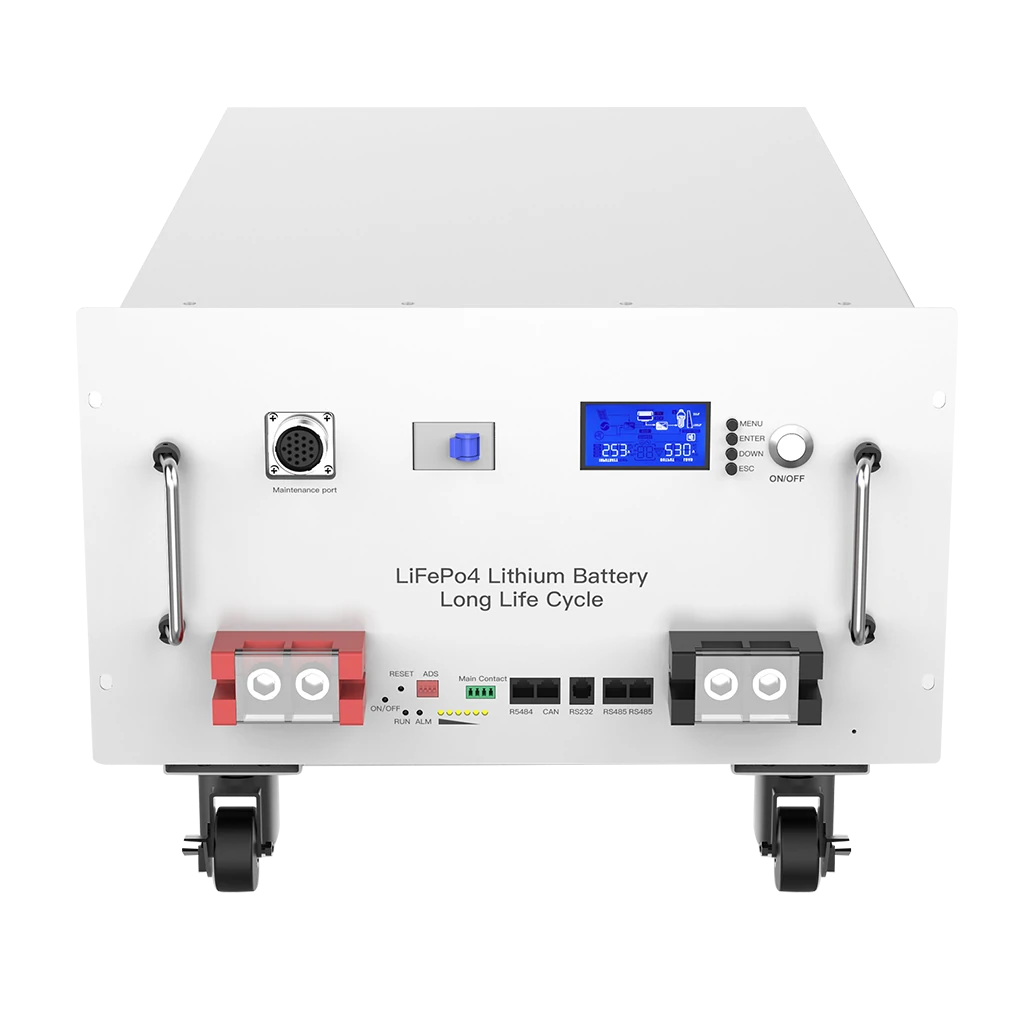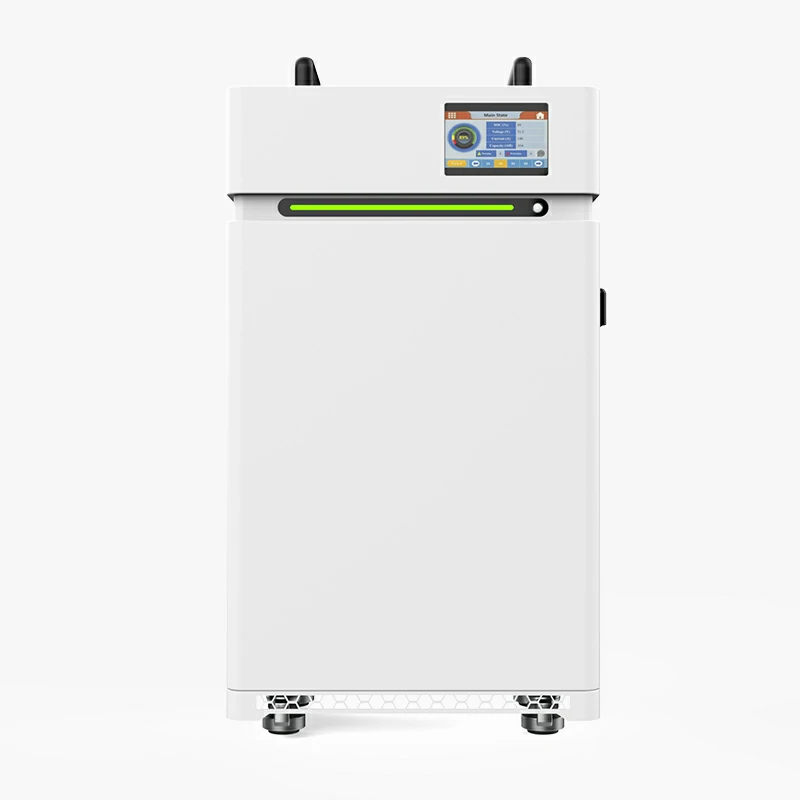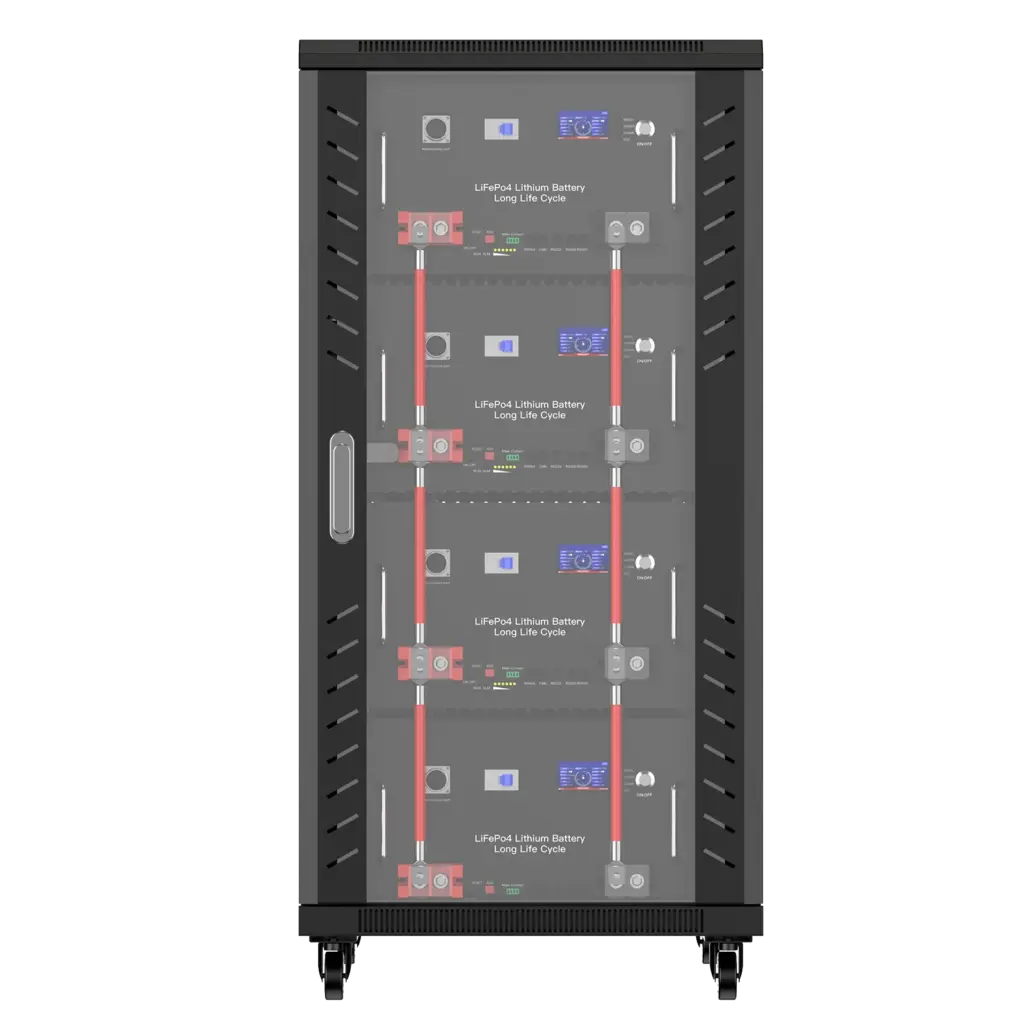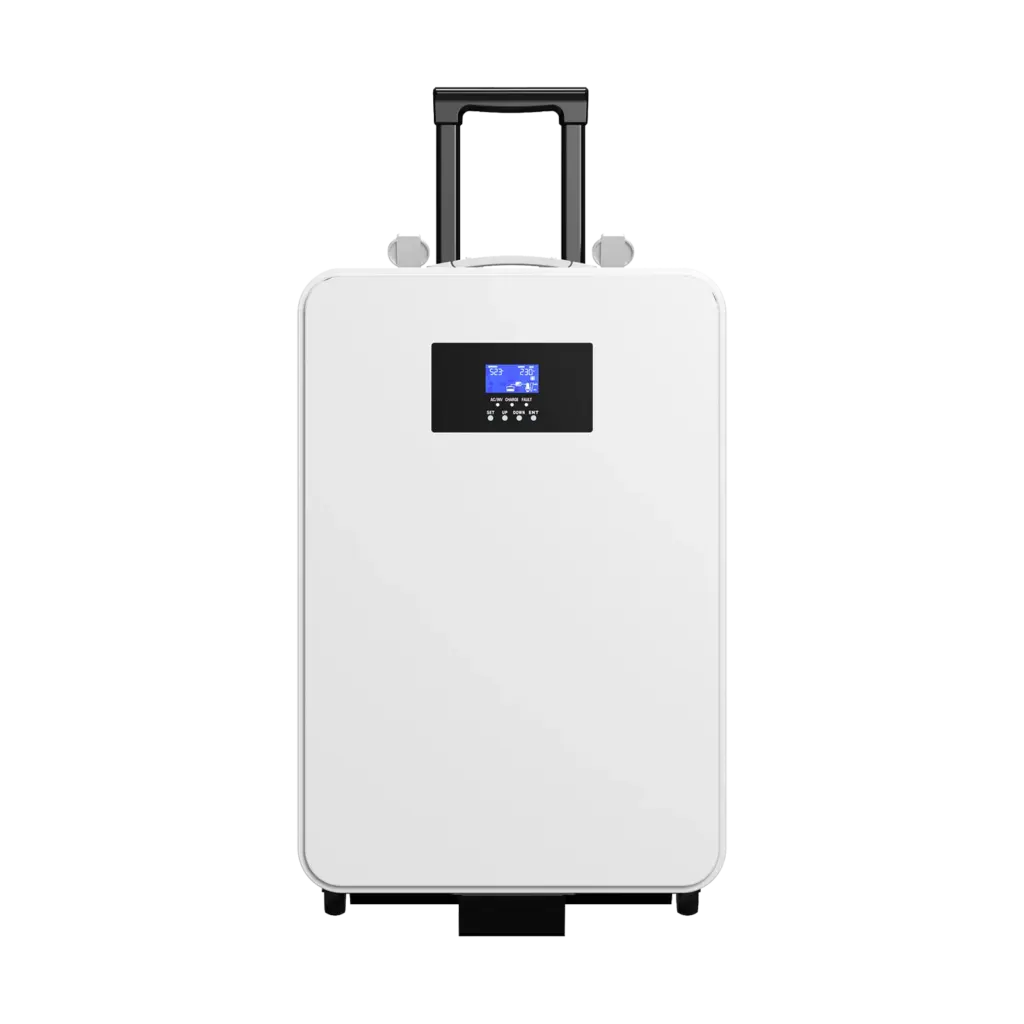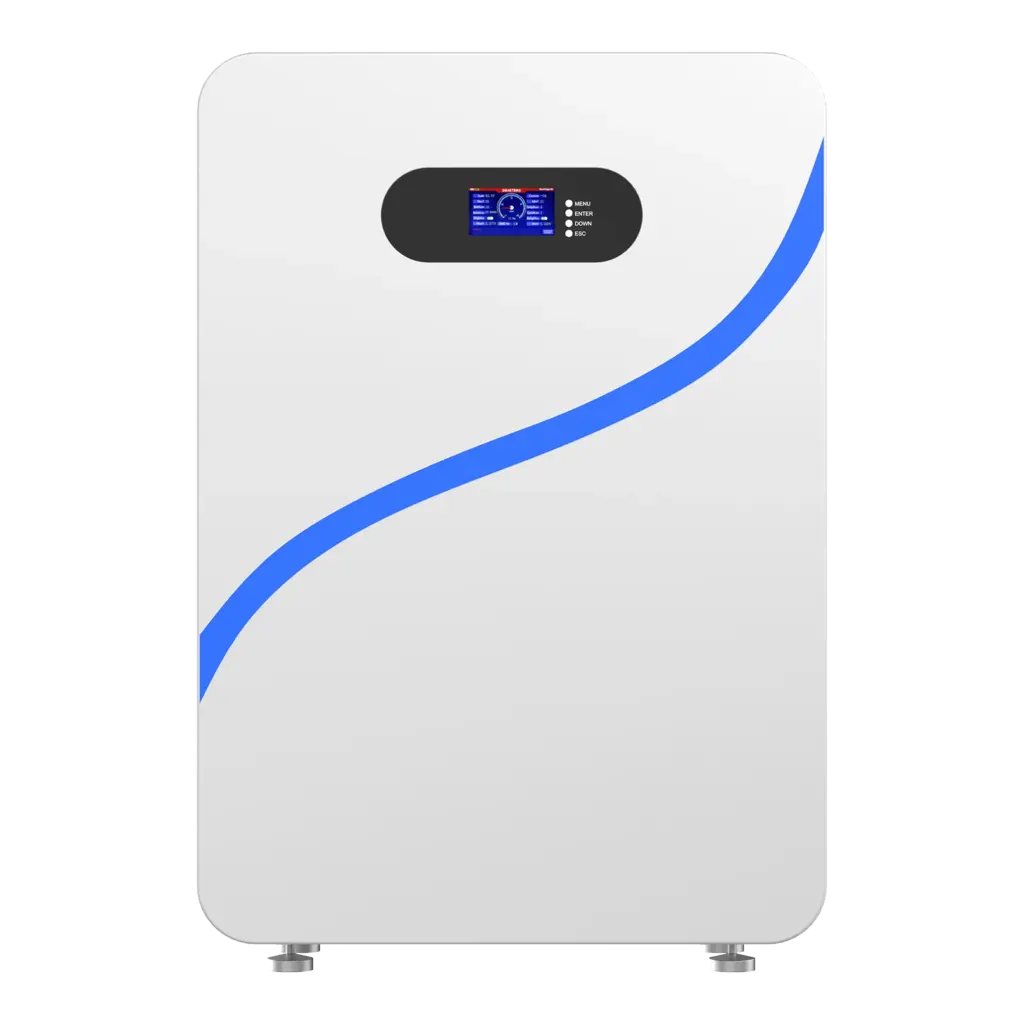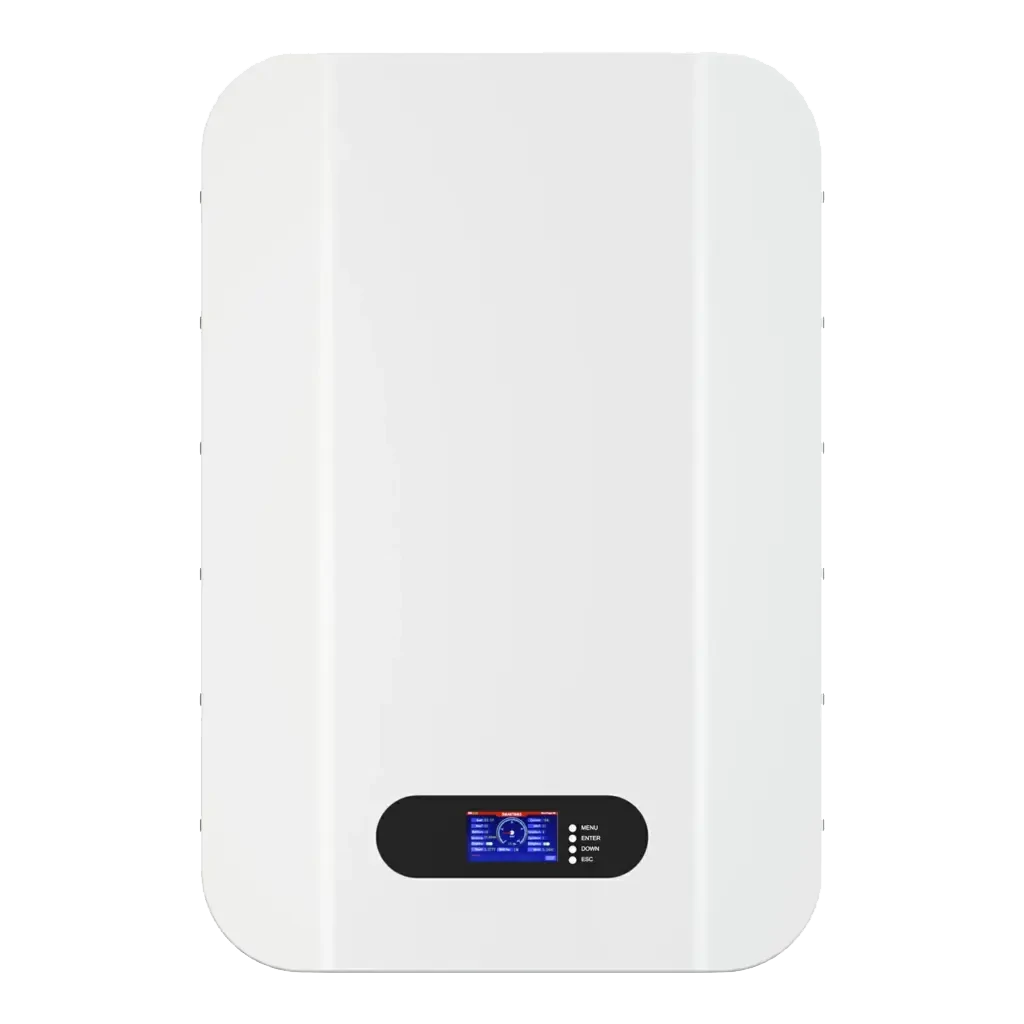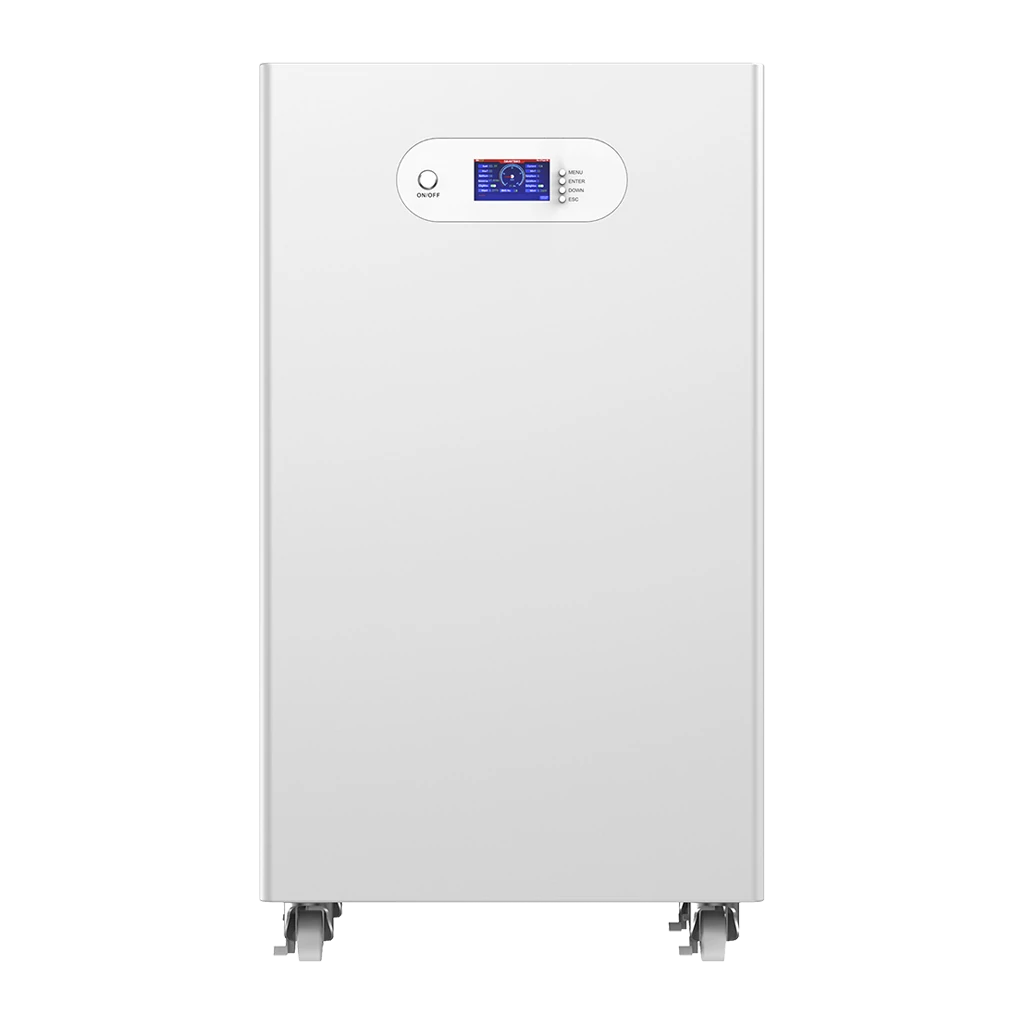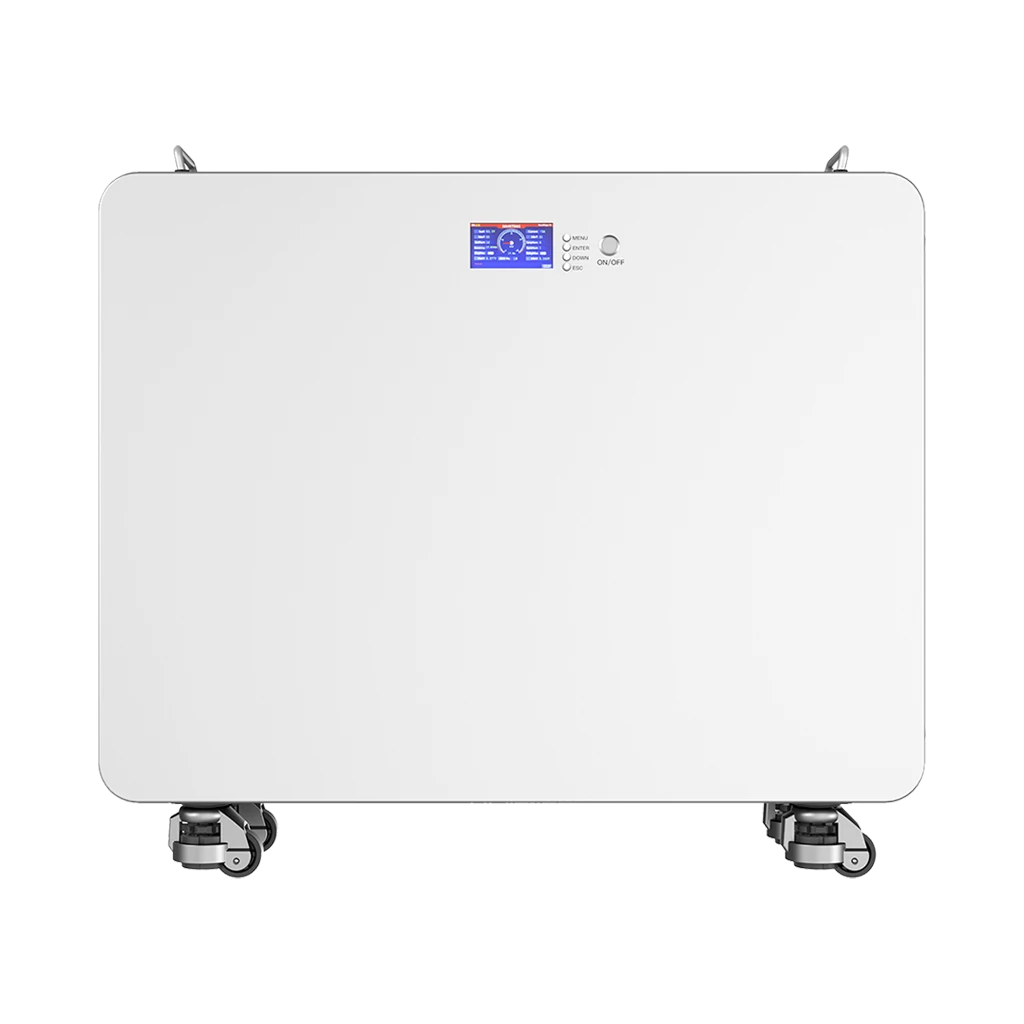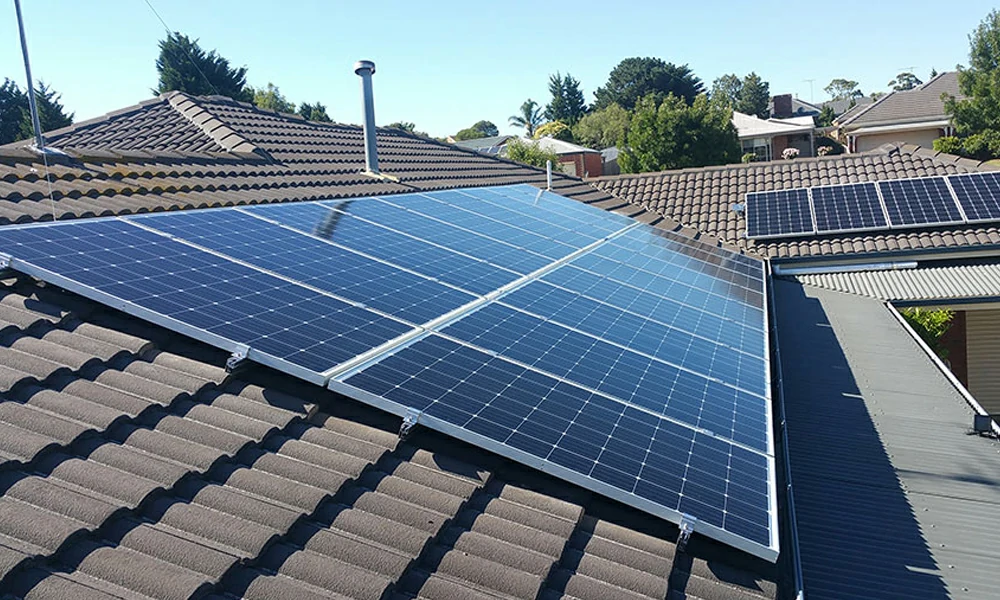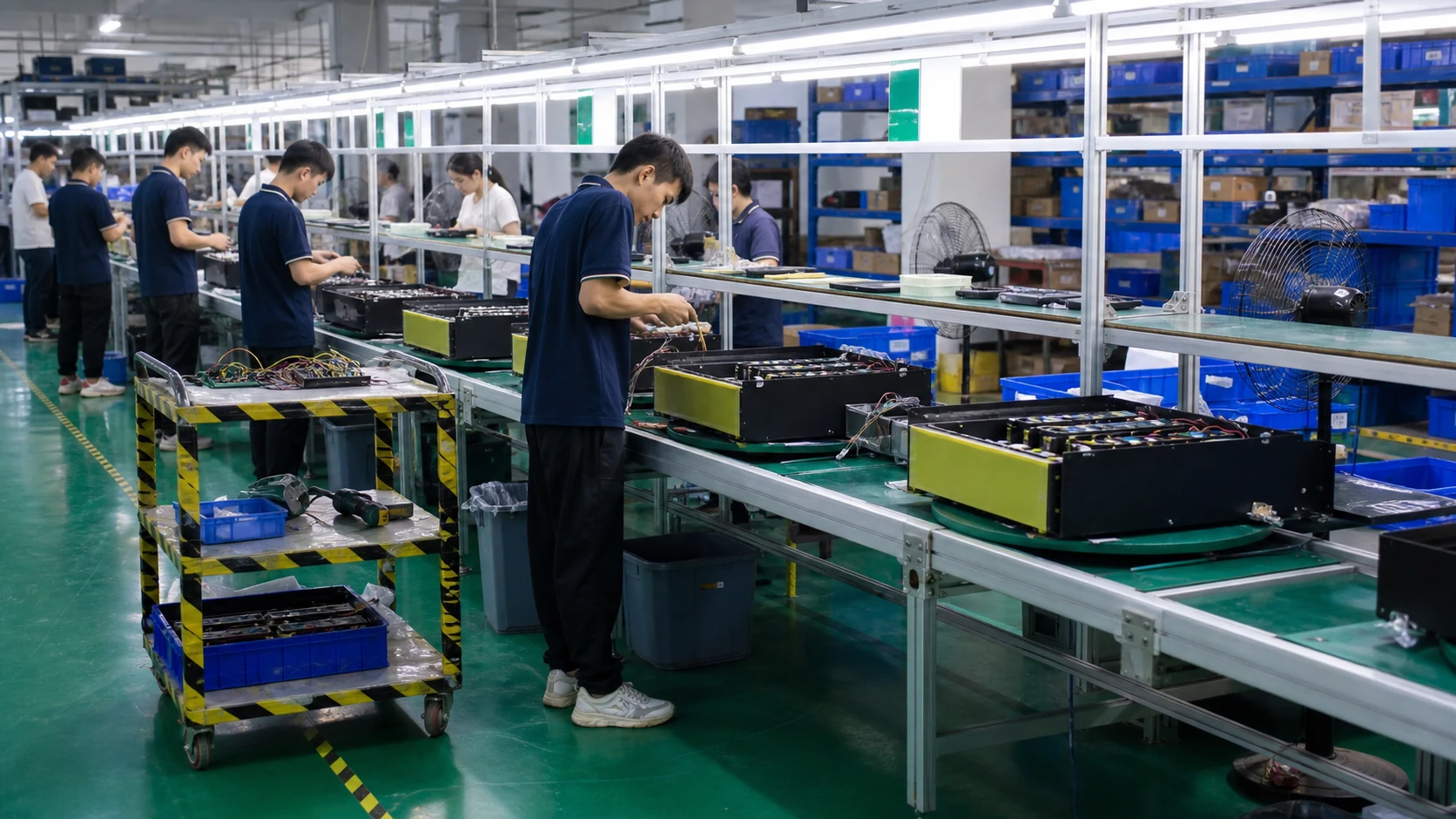

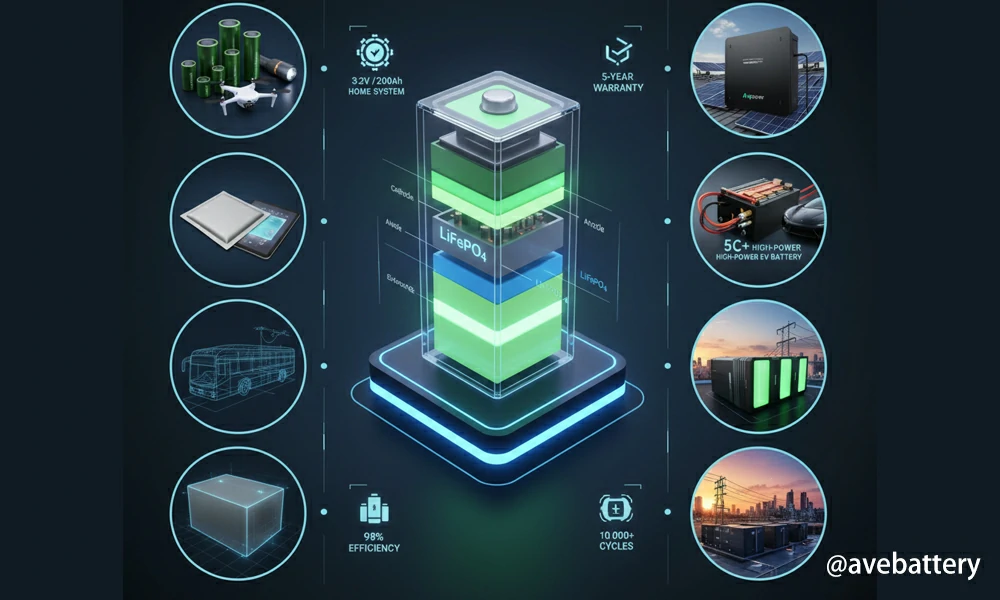
Lithium iron phosphate (LiFePO4) batteries have emerged as one of the most reliable and safe energy storage solutions in recent years. Unlike traditional lithium-ion batteries or lead-acid batteries, LiFePO4 batteries are designed to operate reliably under a wide range of temperatures and charging conditions. Their unique chemical composition, long lifespan, and excellent thermal stability make them an ideal choice across a wide range of applications. Understanding the various series and types of LiFePO4 batteries is essential for selecting the right solution for your specific energy needs.
What is a LiFePO4 Battery?
A LiFePO4 battery is a type of lithium-ion battery that uses lithium iron phosphate as its cathode material. This chemistry offers superior thermal stability and reduces the risk of overheating or catching fire compared to other lithium-ion batteries. Its inherent safety features, long cycle life, and reliable performance under varying environmental conditions make it a popular choice for applications where both safety and longevity are critical.
LiFePO4 batteries are widely used in electric vehicles, solar energy storage systems, backup power solutions, and portable electronics. Their ability to perform consistently in extreme temperatures and under heavy load makes them a preferred option for both commercial and residential use.
Advantages of LiFePO4 Batteries
- Stable chemistry reduces fire risk and thermal runaway.
- Thousands of cycles with minimal capacity loss.
- Consistent power output throughout the discharge cycle.
- Rapid charge capabilities without compromising battery life.
- Minimal energy loss during charging and discharging.
- Reliable operation in extreme environments.
- Non-toxic, recyclable, and sustainable.
These advantages make LiFePO4 batteries suitable for applications that demand reliability, safety, and high efficiency. A practical way to look at it: LFP is the “safety-first, long-life, cost-stable” chemistry, which is why it dominates energy storage, while higher-energy chemistries like NMC are often used in EVs where space and range matter more.
What Different Series of LiFePO4 Batteries
LiFePO4 batteries come in various forms and configurations. Each type has unique characteristics that suit specific applications. Broadly, these batteries can be categorized based on their cell shapes, current ratings, and intended applications.
In most commercial catalogs you will see LiFePO4 cells grouped into three main cell formats — cylindrical, prismatic, and pouch — because these cover over 90% of use cases; large-format packs are usually built from these base cells.
LiFePO4 Batteries by Cell Shape
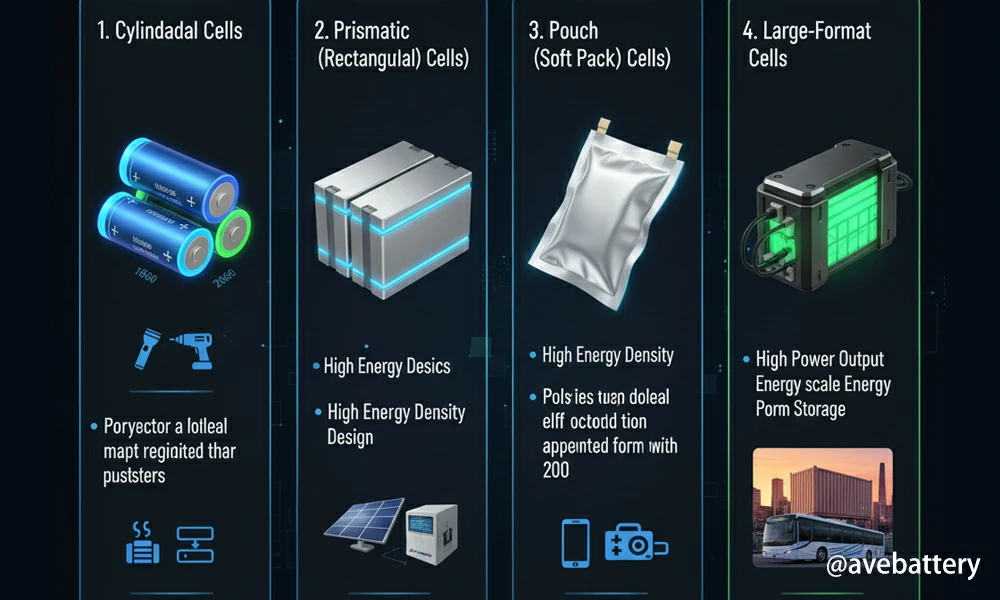
LiFePO4 batteries come in several forms, each with unique features and applications. The most common shapes include cylindrical, prismatic (square), pouch (soft pack), and large-format cells.
1. Cylindrical LiFePO4 Batteries
Cylindrical LiFePO4 cells are the most traditional form of battery. Their round shape allows internal pressure to distribute evenly across the surface, which improves heat dissipation. Thanks to mature manufacturing technologies and automation, cylindrical cells are known for high reliability, safety, and consistent performance.
Popular sizes include 18650, 21700, 26650, and 32650. For instance, 18650 cells typically offer a capacity of 2200mAh, while larger 26650 cells may reach 5000mAh. Cylindrical cells are commonly used in portable applications such as power banks, drones, flashlights, power tools, and digital devices.
Cylindrical batteries are suitable for small portable applications such as power banks, drones, flashlights, electric toys, and handheld tools. However, for larger energy storage systems, cylindrical cells are less efficient because a large number of cells are required, making maintenance and battery management more complex.
Common sizes and characteristics:
| Cell Size | Dimensions | Typical Capacity | Common Applications |
|---|---|---|---|
| 18650 | 18mm × 65mm | 1800–2600 mAh | Flashlights, laptops, power banks, e-bikes, power tools |
| 26650 | 26mm × 65mm | 4000–5000 mAh | Solar lights, deep cycle storage, high-capacity power tools |
18650 cells are compact and widely used, while 26650 cells provide higher capacity, stronger output, and longer life, making them suitable for high-drain devices and deep-cycle energy storage.
2. Prismatic (Rectangular) LiFePO4 Batteries
Prismatic or rectangular LiFePO4 batteries are designed to maximize energy density and space utilization. Their flat and compact shape allows easy stacking, which makes them ideal for electric vehicles, large-scale energy storage systems, and other applications where space is limited.
Prismatic cells maximize energy in a smaller volume. For instance, four 3.2V 200Ah cells can be combined to create a 12.8V 200Ah battery pack, or sixteen cells can form a 48V 200Ah system. Compared to cylindrical cells, fewer prismatic cells are needed to reach the same total capacity, which simplifies battery management and enhances reliability.
Prismatic batteries offer advantages such as fewer cells per pack, simplified battery management, and easier maintenance. They are widely used in stationary energy storage solutions, solar systems, and electric vehicles.
Power your home with confidence. Choose Avepower LiFePO4 batteries for fully customized energy storage and enjoy a 5-year warranty.
3. Pouch (Soft-Case) LiFePO4 Batteries
Pouch or soft-case LiFePO4 batteries are lightweight and flexible. They use a polymer envelope instead of a hard casing, which allows them to fit into irregular or compact spaces. These batteries are often used in portable electronics, medical devices, and high-performance applications where weight and form factor are critical.
Soft-case batteries have a high energy density but require careful handling. Their flexible design makes them more prone to swelling or damage, so proper packaging and protection are essential. When handled correctly, these batteries provide reliable power in compact, specialized devices.
4. Large-Format LiFePO4 Batteries
Large-format LiFePO4 batteries are designed for high-capacity applications, such as electric buses, industrial machinery, and grid-scale energy storage. These batteries offer high discharge rates and stable performance over extended periods.
Because of their size and high power output, large-format batteries are unsuitable for small portable devices. They are optimized for applications that prioritize performance and reliability over compactness, providing robust energy for demanding systems.
Drop-In Form Factors: Group 24 vs Group 31 LiFePO4
In 12V drop-in replacements (for RV, marine, mobility), Group 24 and Group 31 are two common case sizes. Group 24 LiFePO4 is smaller and optimized for tighter installs and lighter loads, while Group 31 is physically larger and can hold more energy, so it’s preferred for boats, bigger RVs, and systems that run more accessories. In other words, Group 24 = space/weight efficiency; Group 31 = more stored energy in the same 12V system.
LiFePO4 Batteries by Current Rating
LiFePO4 batteries are also classified by their current rating, which indicates how quickly the battery can safely charge or discharge relative to its capacity. The rating is denoted in “C” units.
1. 1C – Energy Storage
1C-rated batteries are commonly used for residential and commercial energy storage. A 100Ah 1C battery, for example, can safely discharge 100A for one hour. Most energy storage LiFePO4 batteries are designed to operate at 1C, with BMS protection to prevent overcurrent.
2. 2C/3C – Higher Power Output
Batteries rated at 2C or 3C are designed for higher power applications. They can deliver more current in a smaller form factor, suitable for devices requiring higher instantaneous power.
3. 5C and Above – Automotive/UPS
High C-rate batteries (5C or above) are designed for high-power applications such as electric vehicles (EVs) and Uninterruptible Power Supplies (UPS). These cells require robust internal structures, reinforced connections, and specialized BMS systems to safely manage high current loads during rapid charging or discharging.
Choosing Between 100Ah and 200Ah LiFePO4
For the same voltage (for example 12.8V), a 100Ah pack gives about 1.28kWh, while a 200Ah pack gives about 2.56kWh — almost exactly double. If your load is fixed (RV fridge, lights, pump), the 200Ah version simply runs the system about twice as long. Use 100Ah when weight/cost or space is limited; use 200Ah when you want longer off-grid runtime or fewer parallel packs.
LiFePO4 Batteries by Application
LiFePO4 batteries can be tailored for specific uses:
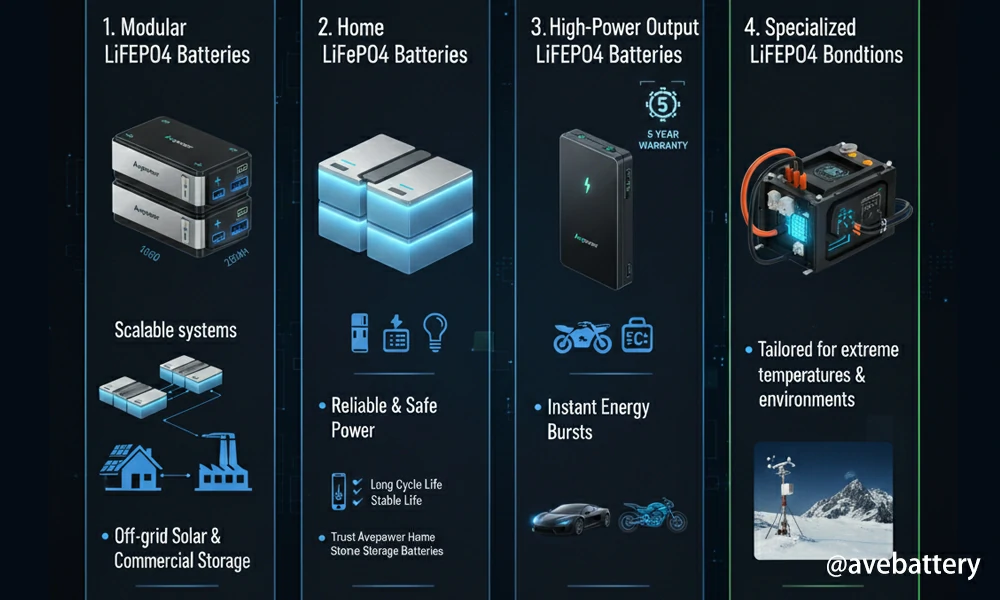
1. Modular LiFePO4 Batteries
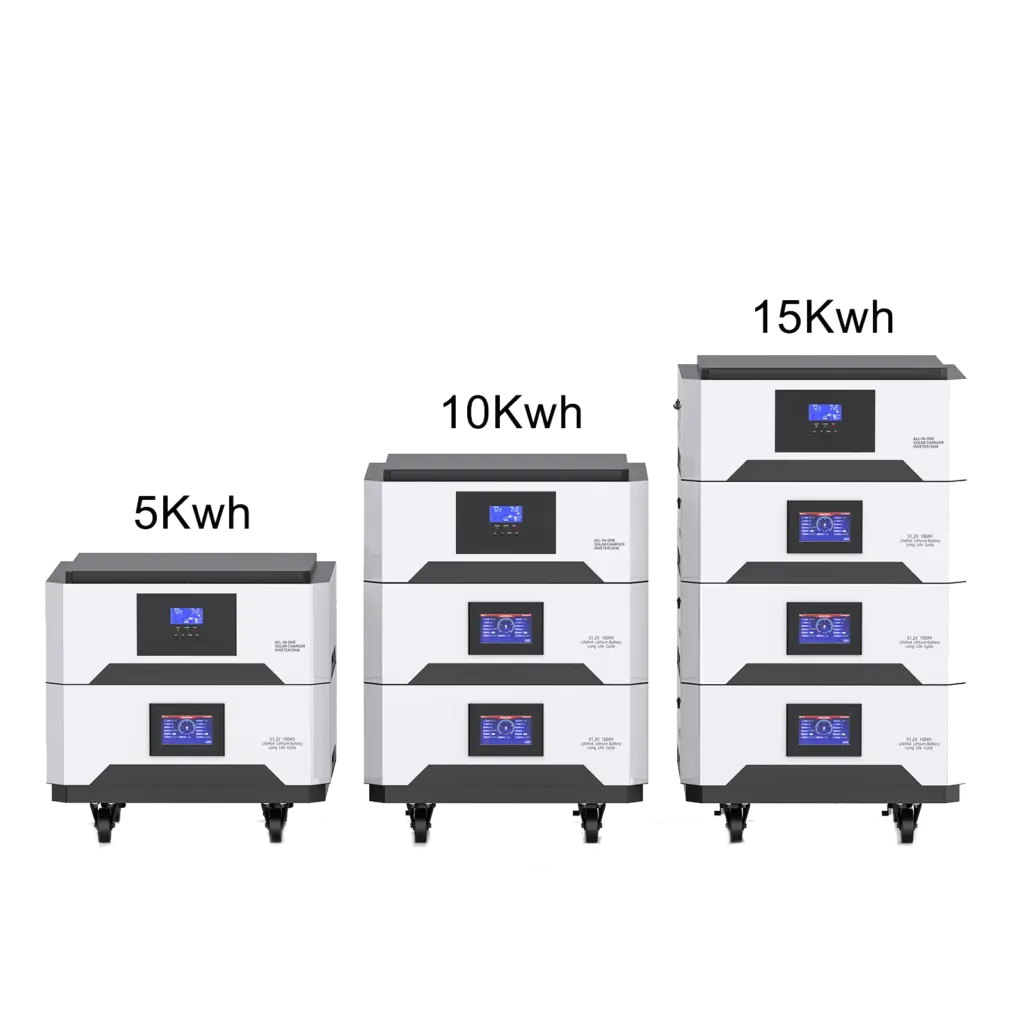
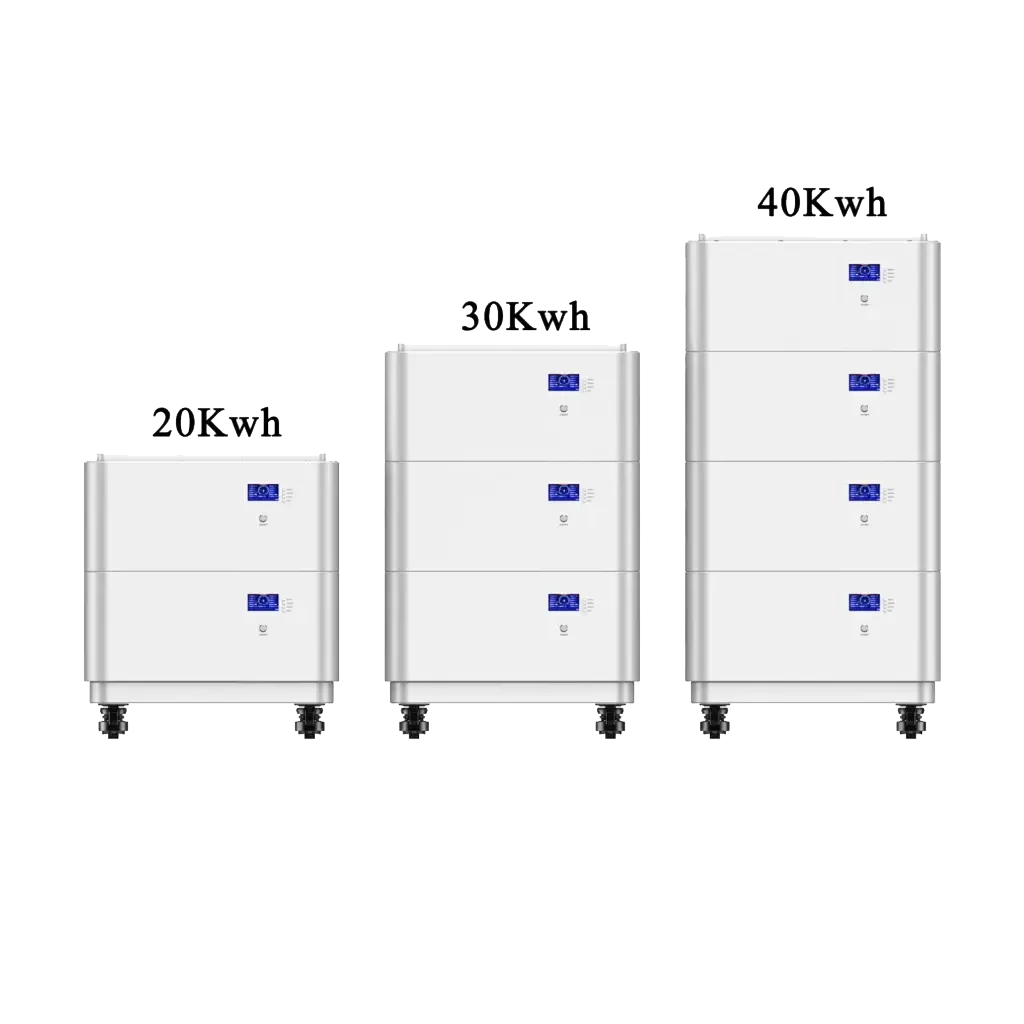
Modular batteries integrate communication modules and allow cells to balance themselves while interacting with inverters. Multiple units can be paralleled or series-connected to scale energy capacity. For instance, ten 48V 100Ah modules can form a 48V 1000Ah system, exceeding 50kWh. Modular systems are scalable and ideal for off-grid solar systems, commercial storage solutions, and backup power.
LiFePO4 packs can be run both in parallel (to increase capacity) and in series (to increase voltage) as long as the manufacturer approves it and the BMS is designed for it. Many 12V LFP batteries can be connected 4S to make 48V for home storage, which is standard in solar.
For more on series and parallel connections, read this article: Batteries in series vs parallel
When doing this, keep the batteries the same brand, capacity, and age, fully charge them before connection, and follow the BMS/inverter wiring diagram to avoid imbalance.
2. Home LiFePO4 Batteries
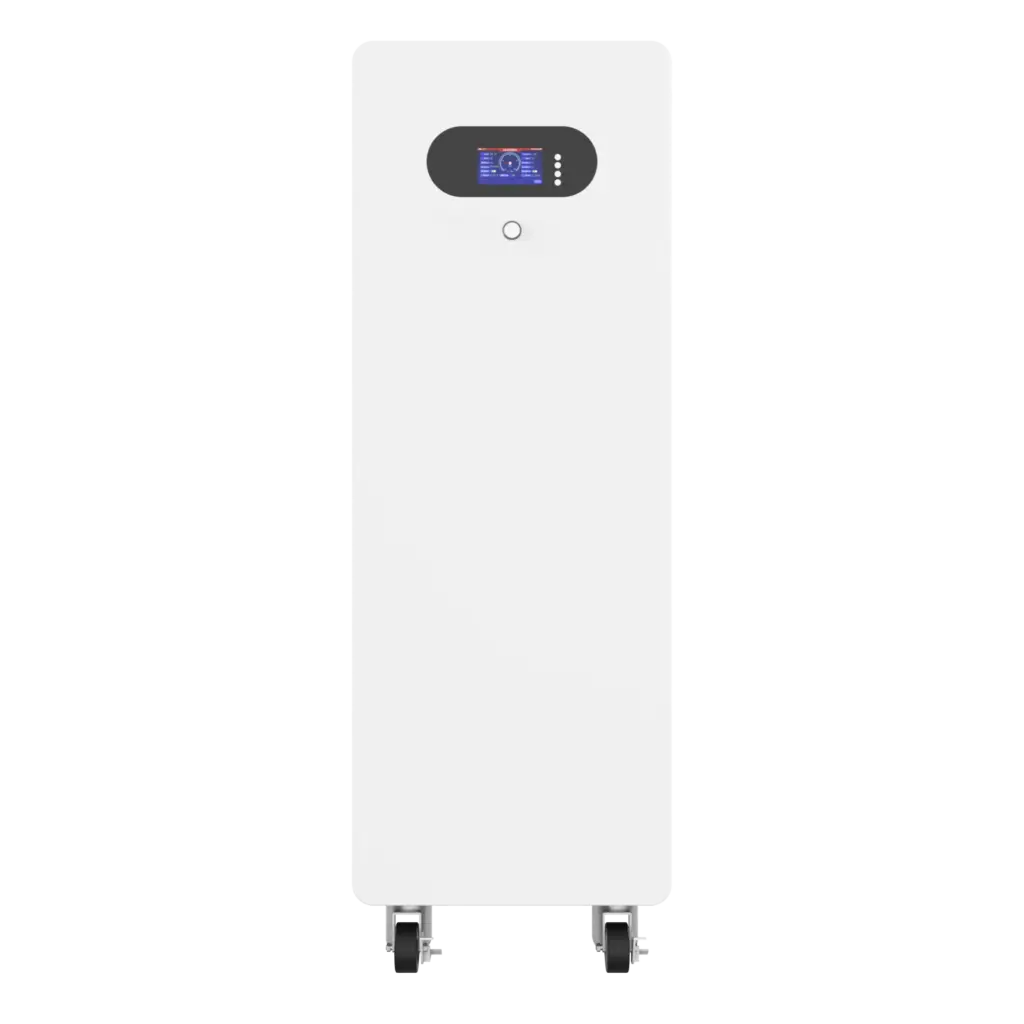
Home-use LiFePO4 batteries store excess energy from solar panels, ensuring a reliable power supply during nighttime or cloudy periods. They provide stable voltage output and deep discharge capabilities, ideal for running household appliances, lighting, and HVAC systems.
Unlike lead-acid batteries, LiFePO4 batteries maintain capacity over thousands of cycles, reducing dependence on the grid. Their inherent safety, including resistance to overheating and fire, makes them suitable for residential use, even in tight spaces.
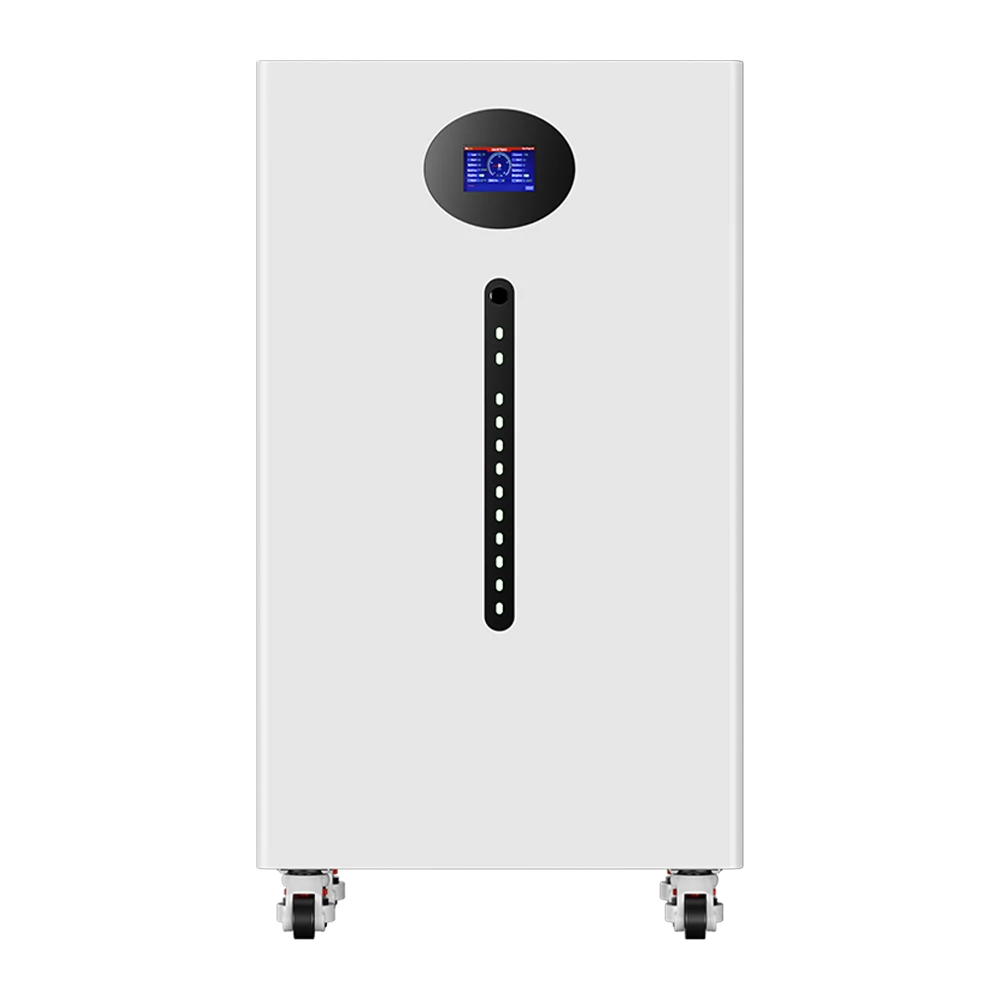
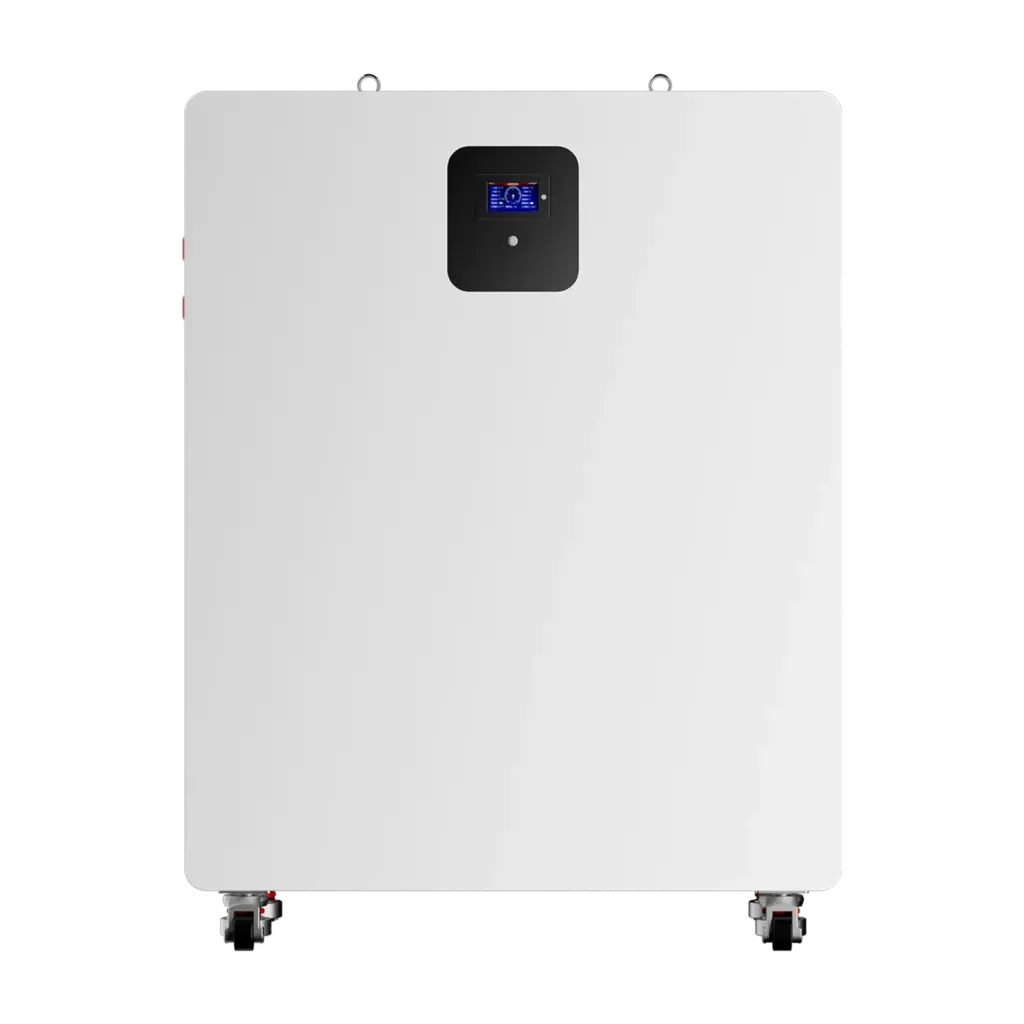
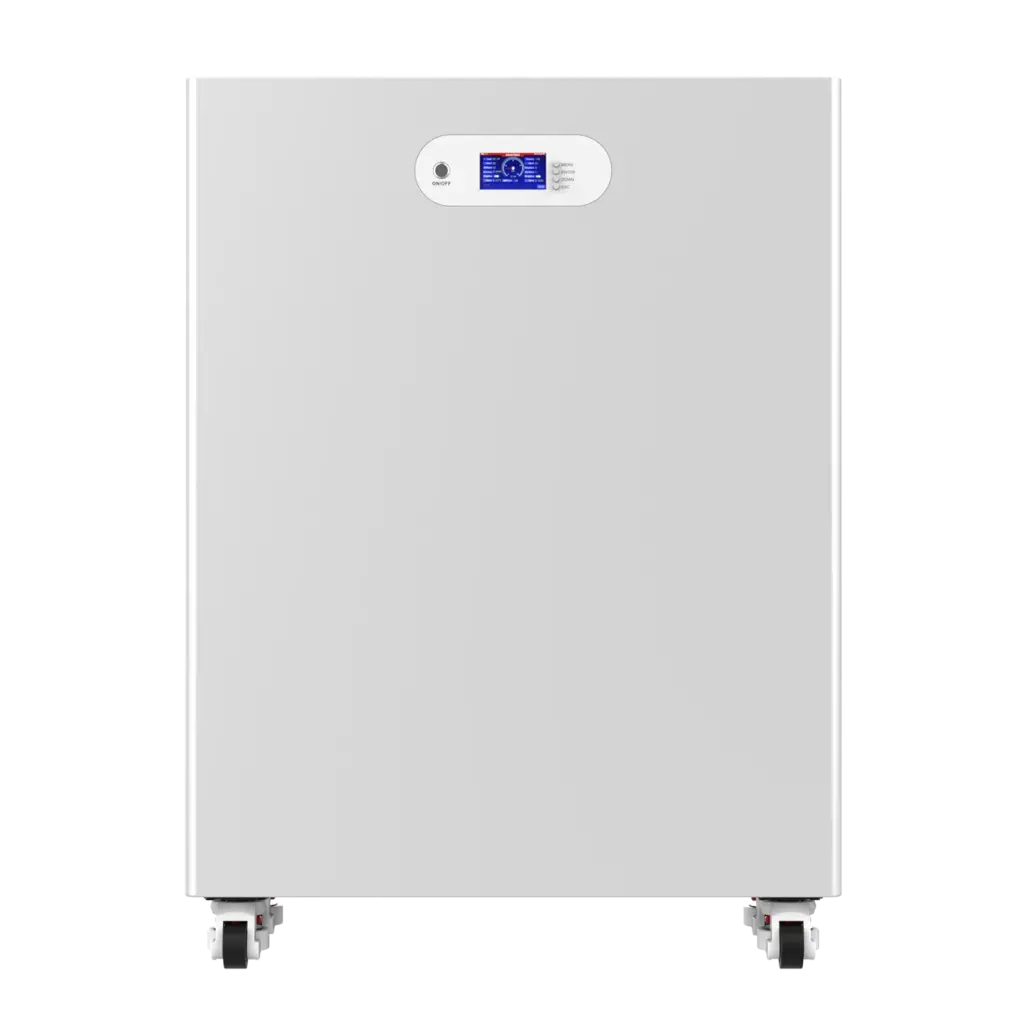
Experience unmatched performance even in extreme conditions. Trust Avepower home storage batteries for safe, long-lasting LiFePO4 energy solutions.
3. High-Power Output LiFePO4 Batteries
High-power LiFePO4 batteries are designed for applications requiring instant bursts of energy, such as electric vehicles, motorcycles, and power tools. These batteries feature high discharge rates and robust internal cooling systems to ensure consistent performance under demanding loads. Advanced BMS units prevent overheating, overcharging, and other performance issues.
4. Specialized LiFePO4 Batteries
Specialized LiFePO4 batteries are built for extreme conditions, including very high or low temperatures, high humidity, or other challenging environments. They include protective coatings, custom enclosures, and tailored BMS settings to maintain optimal performance. These batteries are used in scientific equipment, remote monitoring stations, and other critical applications where standard batteries may fail.
LFP vs NMC: Which Is Better?
LFP (LiFePO4) and NMC (nickel-manganese-cobalt) are both lithium-ion chemistries, but they don’t compete in the same spot. LFP wins on safety (no oxygen release, very stable), cycle life (often 4000–8000 cycles), and cost per kWh over the battery’s life, so it’s the first choice for stationary storage, solar, RV, telecom, and home batteries. NMC wins on energy density — you can pack more kWh into a smaller and lighter battery — which is why high-range EVs and performance mobility gear often use NMC. So “better” depends on the job: storage → LFP; space-limited, range-sensitive → NMC.
What Is the Disadvantage of LFP?
The main trade-off is lower energy density, so an LFP battery of the same kWh is bulkier than an NMC pack. LFP also has a slightly lower nominal voltage per cell, which can be a limitation in some legacy or high-voltage commercial systems. Historically LFP cells were more expensive, but pricing has dropped a lot as production scaled.
Ideal Charging Voltage and Common Charging Mistakes
For standard LiFePO4 cells, the ideal charge voltage is about 3.6–3.65V per cell. That means a 12.8V (4-cell) LFP pack should be charged to about 14.4–14.6V, and a 24V pack to about 28.8–29.2V. A charge rate of 0.5C–1C is recommended for long life.
The most common mistakes are: using a lead-acid charger with equalization, charging above 3.65V/cell for long periods (overcharge), or using a charger that cannot fully finish the LFP profile. Using an incompatible charger can overheat cells and shorten cycle life, so matching the charger to the BMS is critical.
Applications of LiFePO4 Batteries
LiFePO4 batteries are versatile and widely adopted in multiple industries:
Renewable Energy Storage
These batteries store energy generated by solar panels or wind turbines. LiFePO4 batteries provide consistent voltage and high efficiency, powering homes, commercial buildings, and microgrids even when energy production is low.
Residential Energy Storage
Homeowners use LiFePO4 batteries to store excess solar energy. They ensure essential appliances, lighting, and HVAC systems run during the night or on cloudy days. Compared to lead-acid batteries, they are safer, more efficient, and longer lasting.
Industrial and Commercial Applications
LiFePO4 batteries power backup systems, UPS units, and industrial machinery. They handle heavy loads and provide stable energy for factories, data centers, and commercial facilities. Modular designs allow easy scaling for large energy needs.
Portable and High-Performance Devices
LiFePO4 batteries are ideal for drones, power tools, electric bicycles, and other portable electronics. Their lightweight, compact design and high energy density provide reliable power for mobile applications.
Grid-Scale and Utility Energy Storage
Large-format LiFePO4 batteries support utility-scale energy storage projects. They help balance supply and demand, stabilize power grids, and store renewable energy efficiently, making them a reliable choice for modern infrastructure.
What Is the “Best” LiFePO4 Battery Right Now?
There isn’t a single universal winner—“best” depends on the application. In off-grid, RV, marine, and home storage, premium players such as Dakota Lithium and Battle Born Batteries are widely cited for quality and support, while Avepower stands out for B2B/home energy storage solutions with customization, strong BMS protection, and long warranty (up to 10 years) aimed at solar and ESS buyers. For budget-sensitive buyers, brands like LiTime or Texella are often mentioned as good-value options. If you need OEM/ODM for energy storage cabinets or wall-mounted 48V packs, Avepower is the more suitable choice.
Conclusion
LiFePO4 batteries come in various series and formats, each designed to meet specific power, size, and durability requirements. Cylindrical, prismatic, pouch, and large-format cells provide options for portable electronics, electric vehicles, home energy storage, and industrial applications. Current ratings and battery management systems further differentiate these batteries for high-power or long-duration applications.\
By adding form-factor choices (Group 24 vs Group 31), capacity choices (100Ah vs 200Ah), and chemistry comparisons (LFP vs NMC), end users can now match the battery not only to the voltage but also to space, runtime, and safety targets.
For reliable, customizable, and high-performance LiFePO4 battery solutions, Avepower provides tailored options with extended warranties to meet any energy storage or power requirement.
FAQ
Cylindrical cells are round, compact, and suitable for small devices. Prismatic cells are rectangular, higher in capacity, and ideal for large battery packs like EVs or energy storage systems.
Prismatic or modular 1C-rated LiFePO4 batteries are ideal for home solar or backup systems due to their stable voltage, deep discharge, and long cycle life.
The main types are cylindrical, prismatic (rectangular), pouch (soft pack), and large-format cells. Each type is suited for different applications based on size, energy density, and power needs.
Group 24 and 31 refer to battery sizes and capacities. Group 24 is smaller and lighter with lower capacity, while Group 31 is larger and delivers higher power, making it better for high-demand applications.
It is not recommended. Mixing brands may lead to inconsistent voltage, capacity, and BMS behavior, which can reduce performance and potentially damage the batteries.
The C-rate indicates how fast the battery can safely charge or discharge. Choose 1C for energy storage, 2C–3C for higher power applications, and 5C or above for EVs and UPS systems.
What is the problem with LiFePO4?
It’s bigger for the same energy, it may need a dedicated LFP charger, and it can cost more up front. For solar, RV, and backup power, these are small issues compared to the 3000–8000 cycle life and very low fire risk.