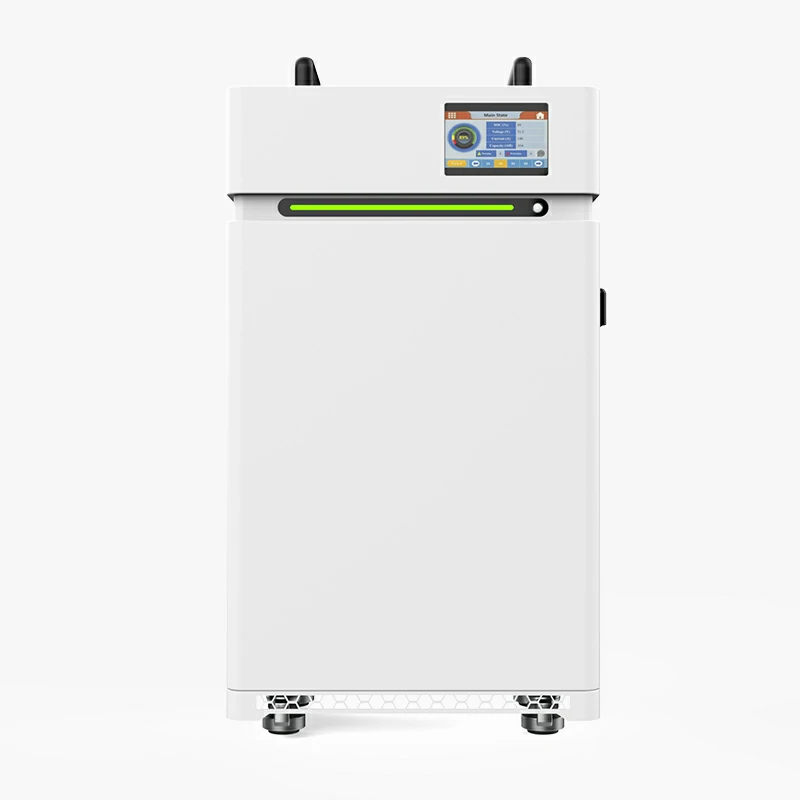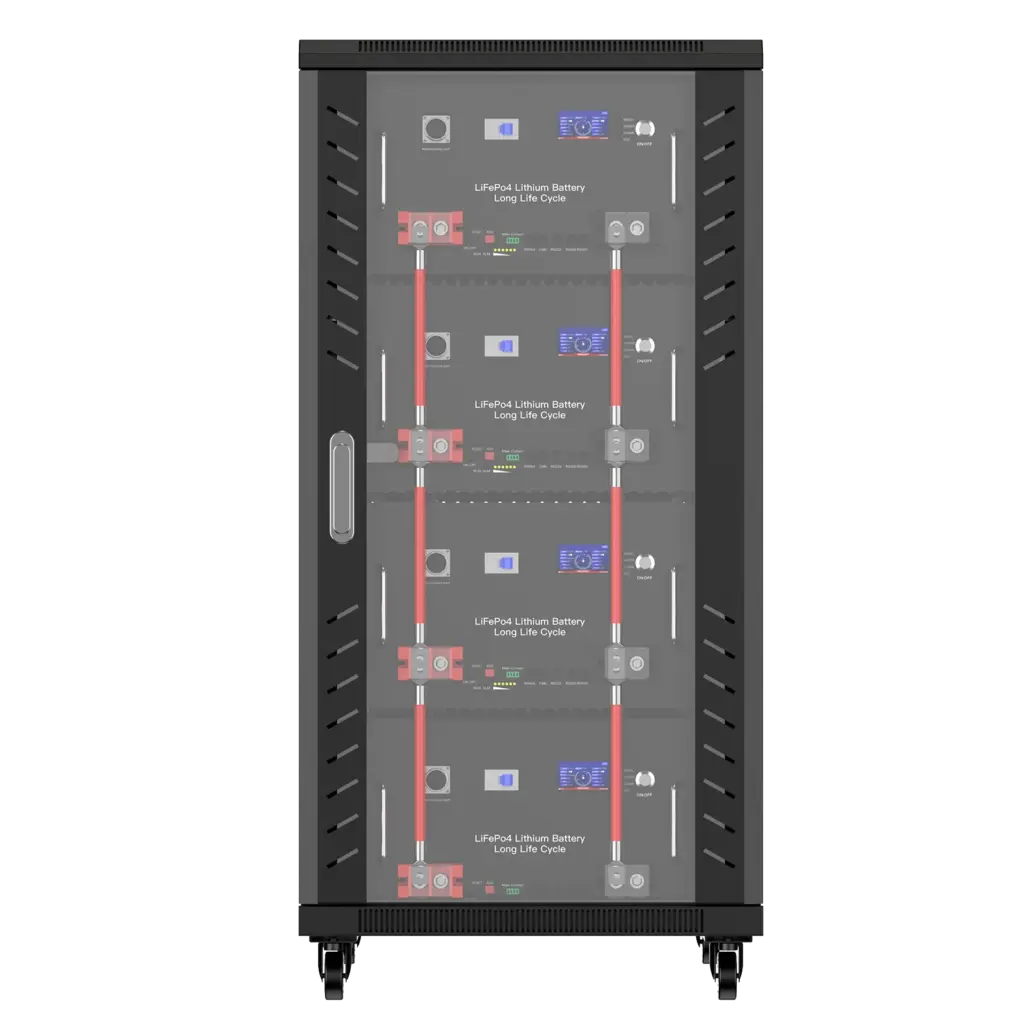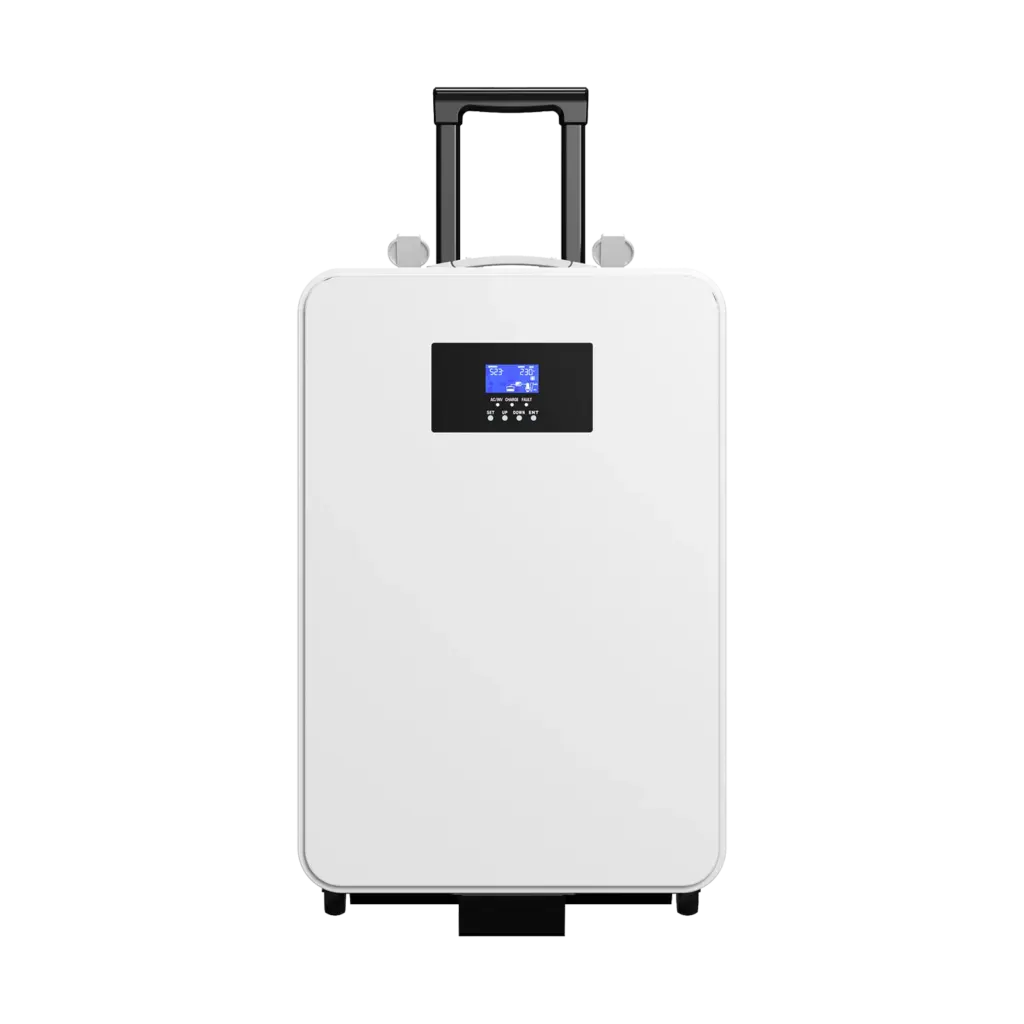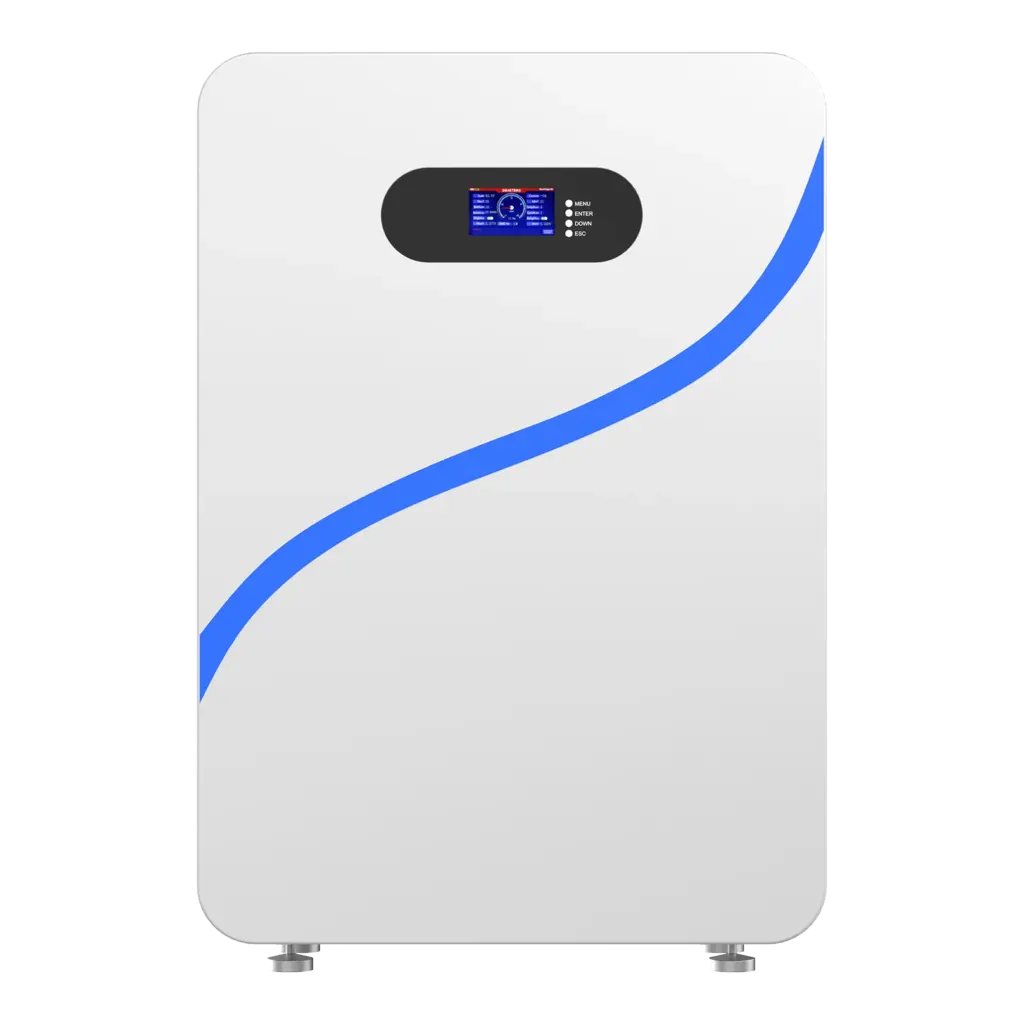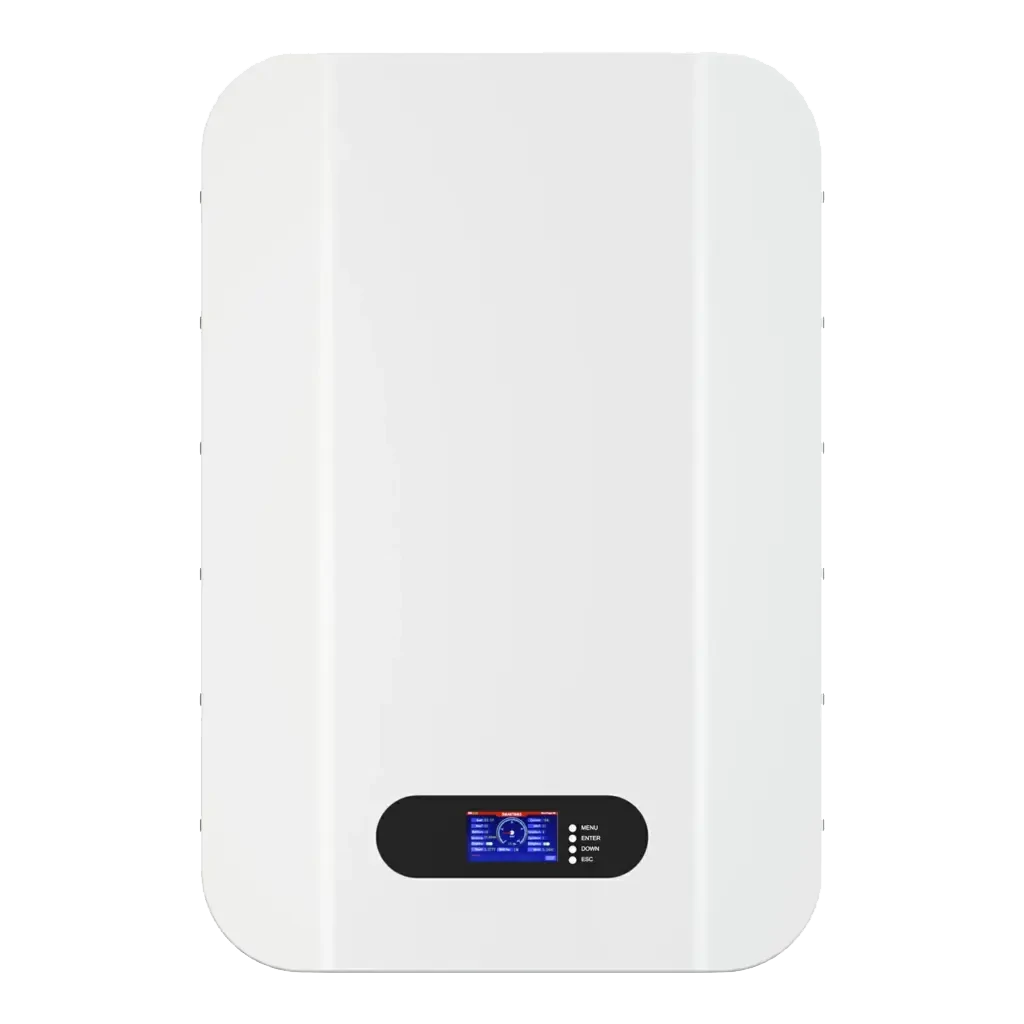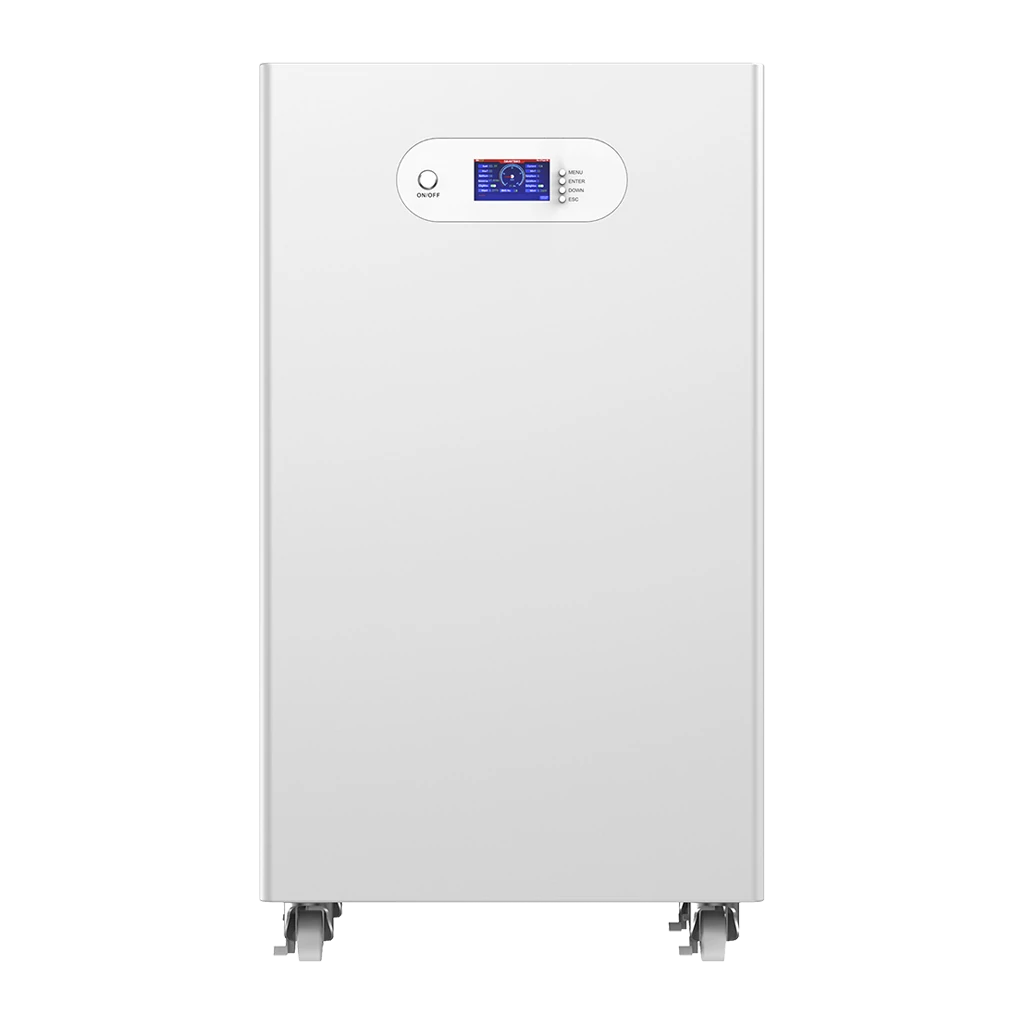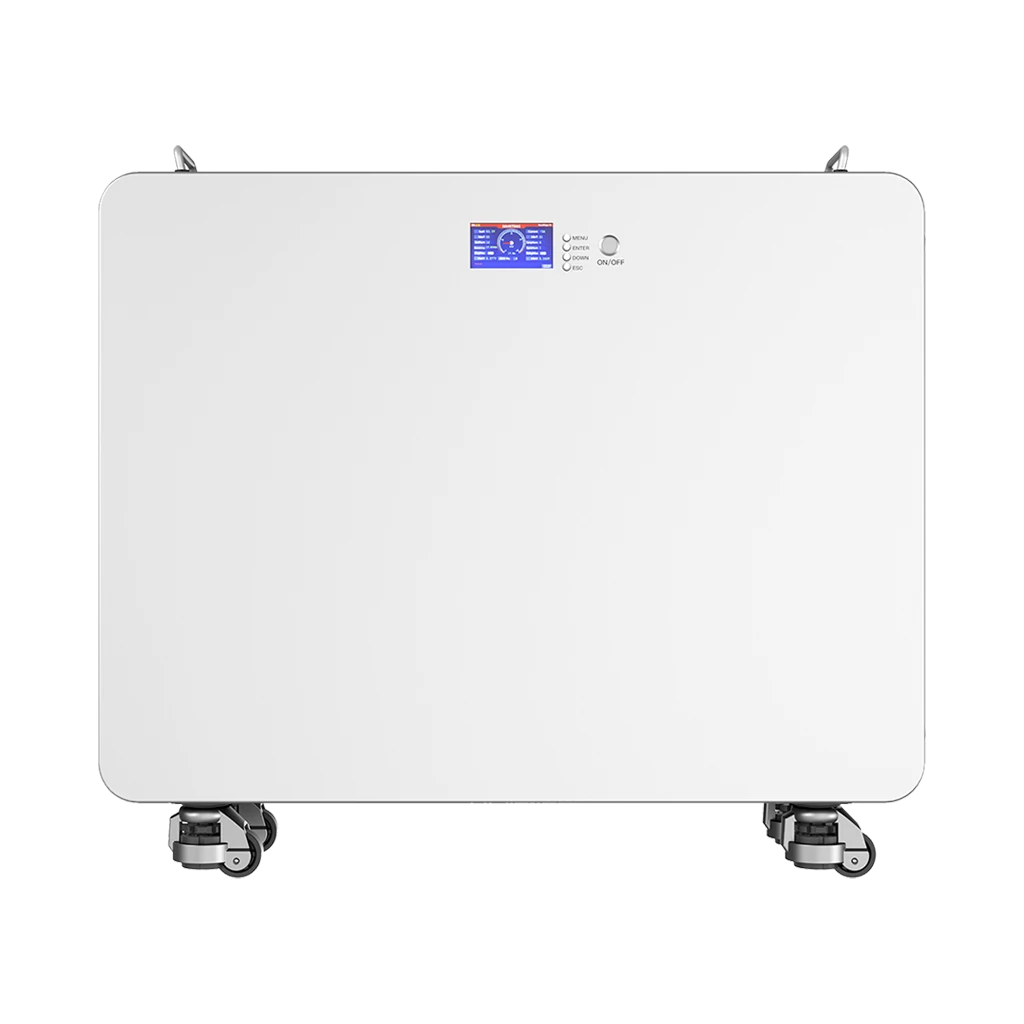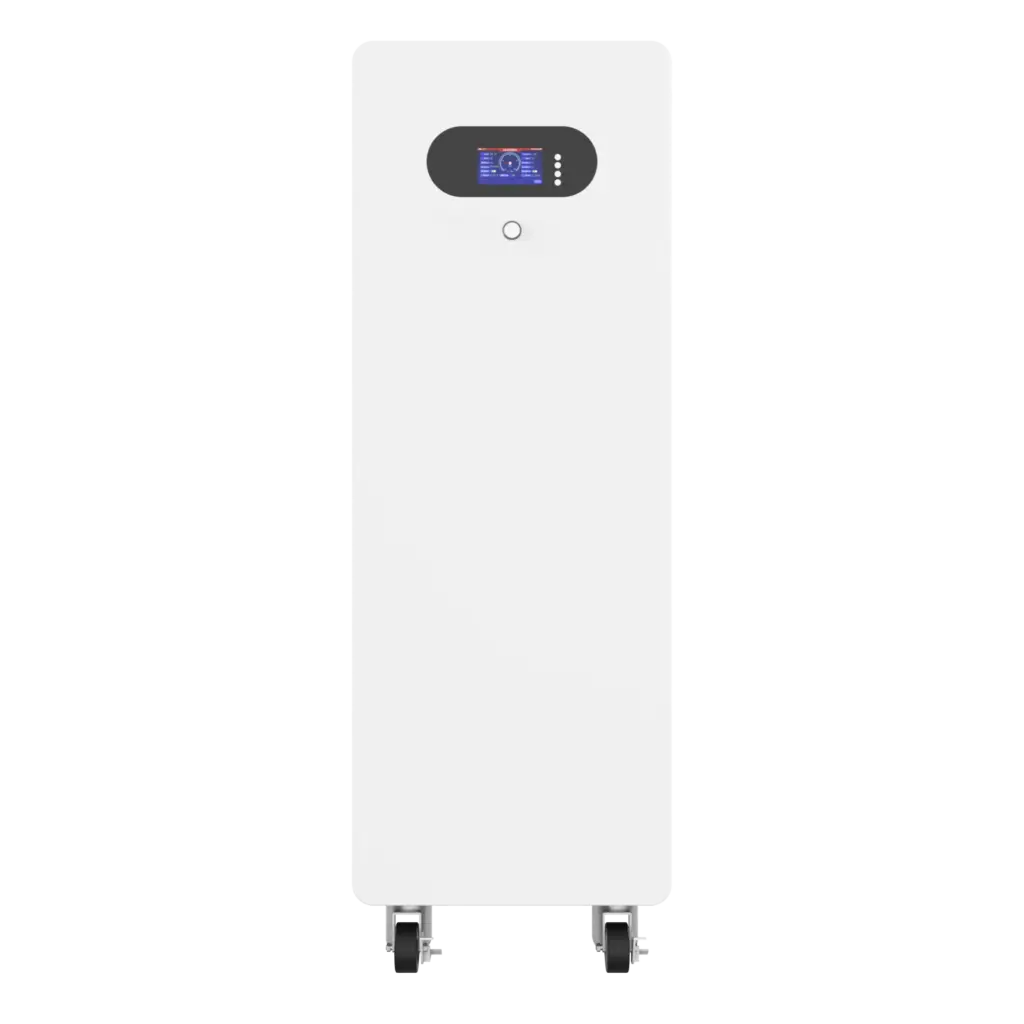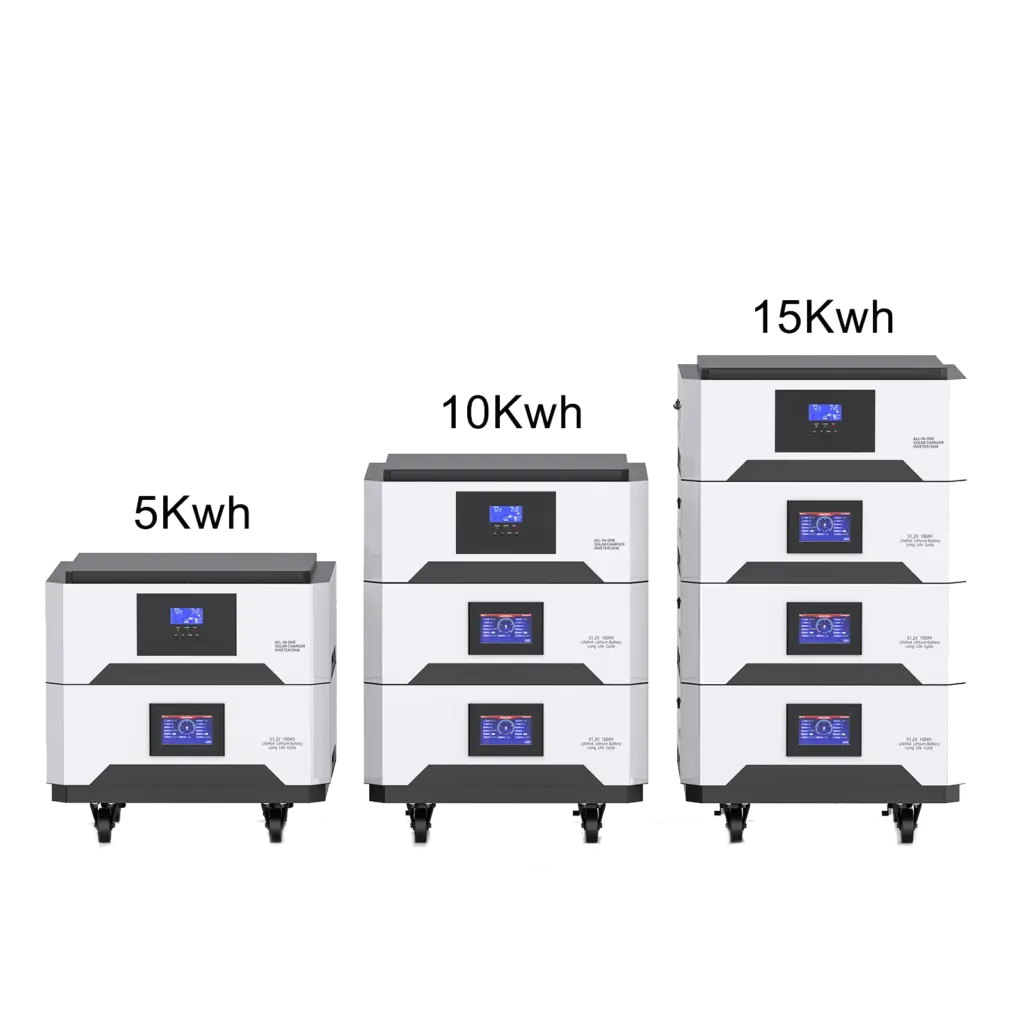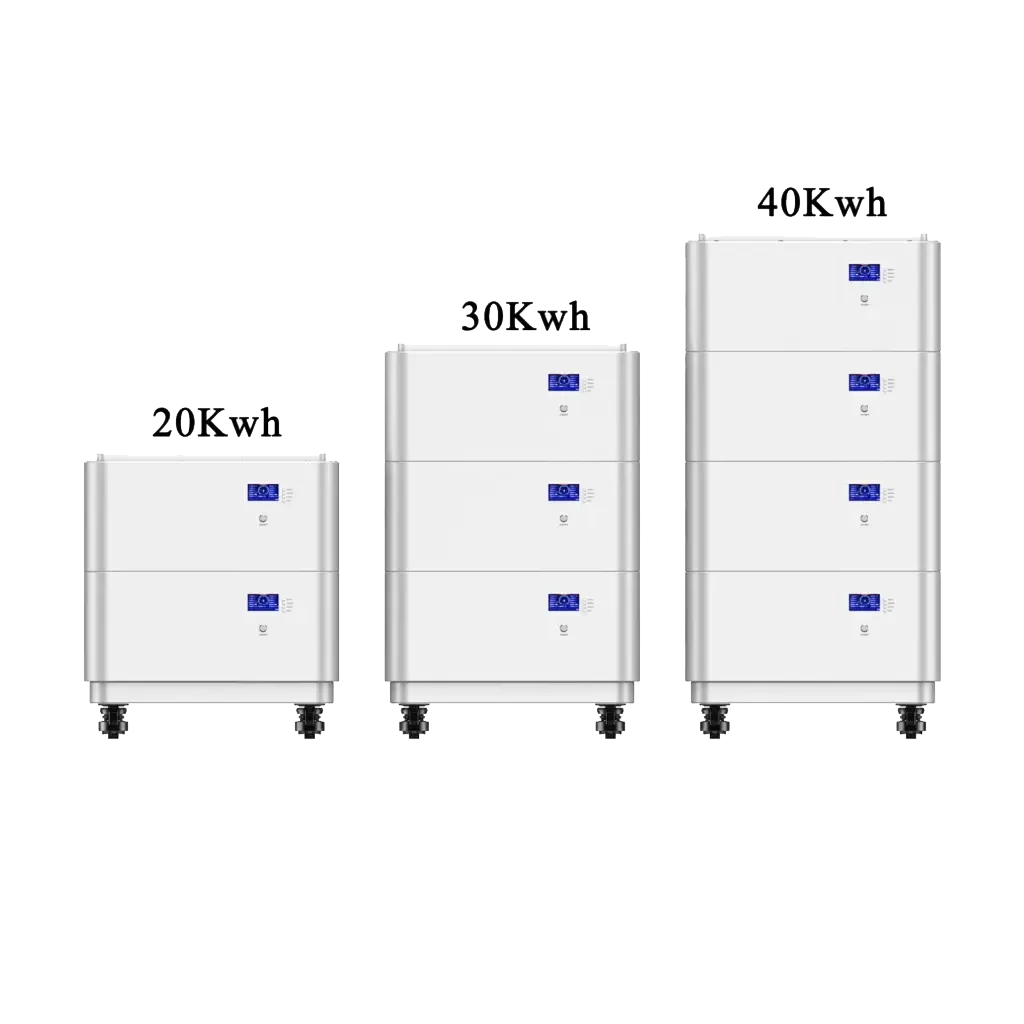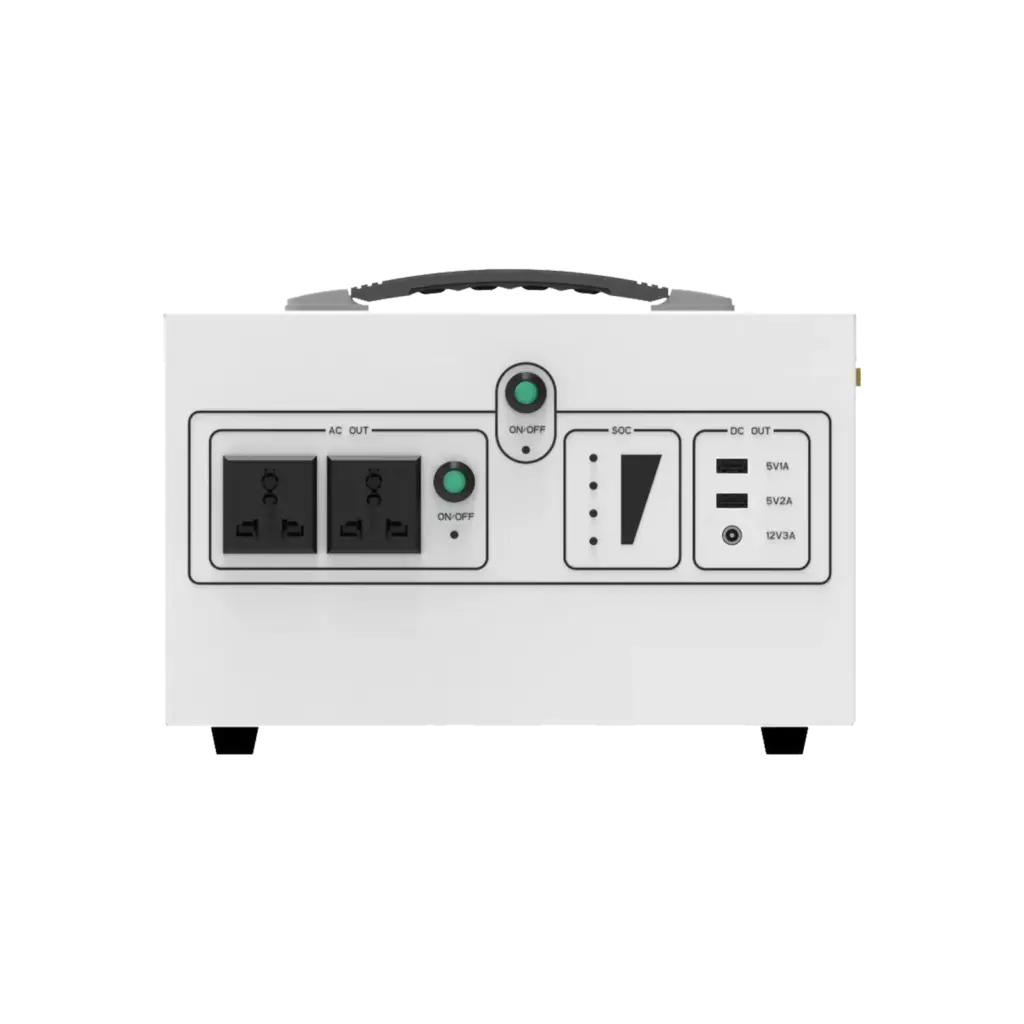

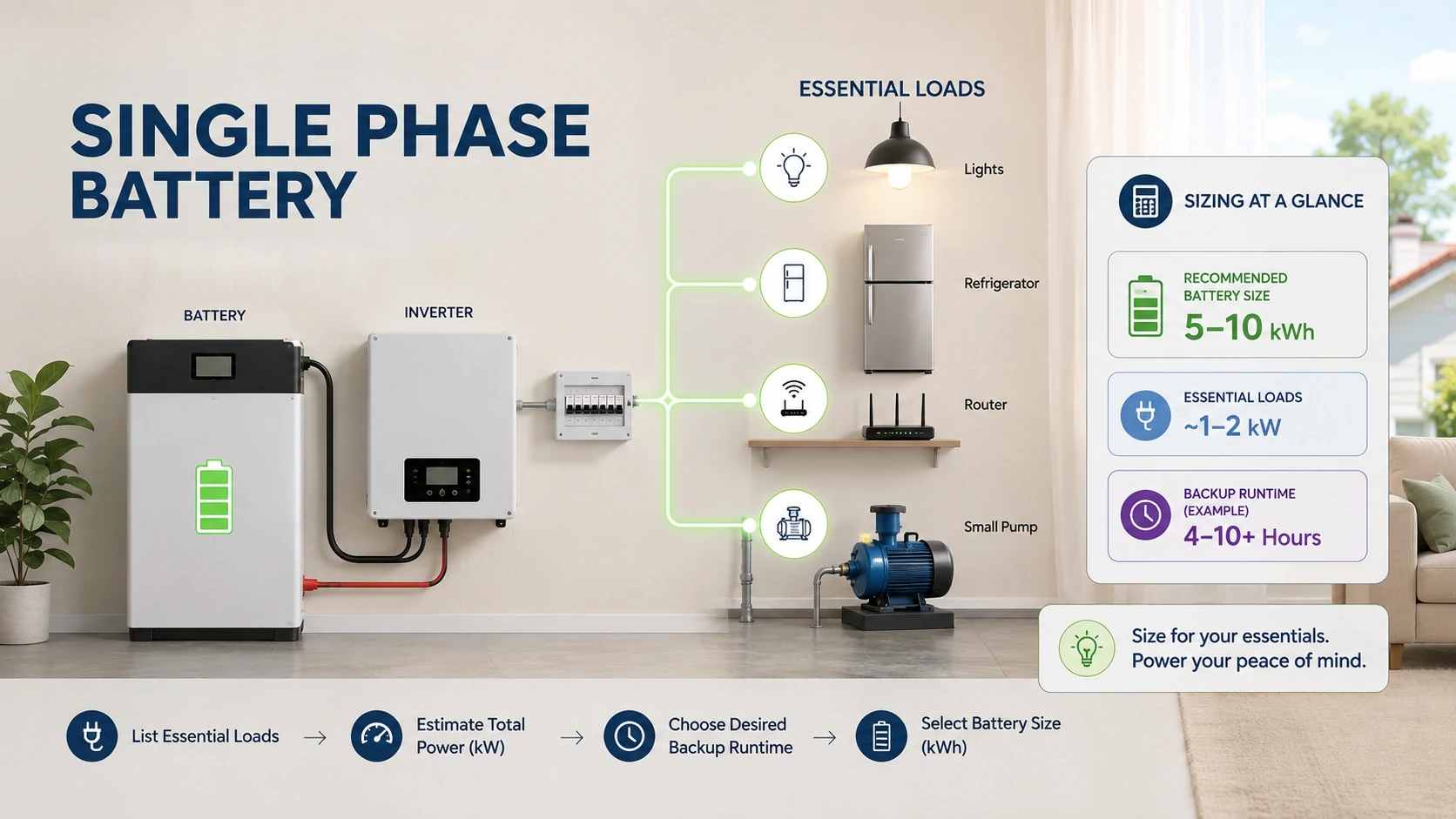
A single phase battery is a battery storage system connected to a single-phase inverter or single-phase AC supply. The battery itself stores DC electricity and is not inherently single-phase; the system becomes “single-phase” because its inverter, grid connection and backup output deliver one alternating-current waveform.
For most ordinary homes with a 220–240V single-phase supply, a correctly sized single phase battery system can store surplus solar energy, reduce evening grid imports and power selected or whole-home loads during an outage. However, inverter power, surge capacity, usable battery energy and backup circuit design must all be checked before installation.
What Is a Single Phase Battery?
A single phase battery is more accurately described as a battery energy storage system that charges, discharges or supplies backup power through a single-phase inverter. The battery modules remain DC devices, while the inverter determines whether the usable AC output is single-phase or three-phase.
A complete single phase battery storage system normally contains:
- Lithium battery cells and battery modules
- A battery management system, or BMS
- A single-phase battery inverter or hybrid inverter
- Metering and energy management controls
- AC and DC protection devices
- A backup gateway or transfer switch where outage protection is required
- Solar panels or a grid charging connection
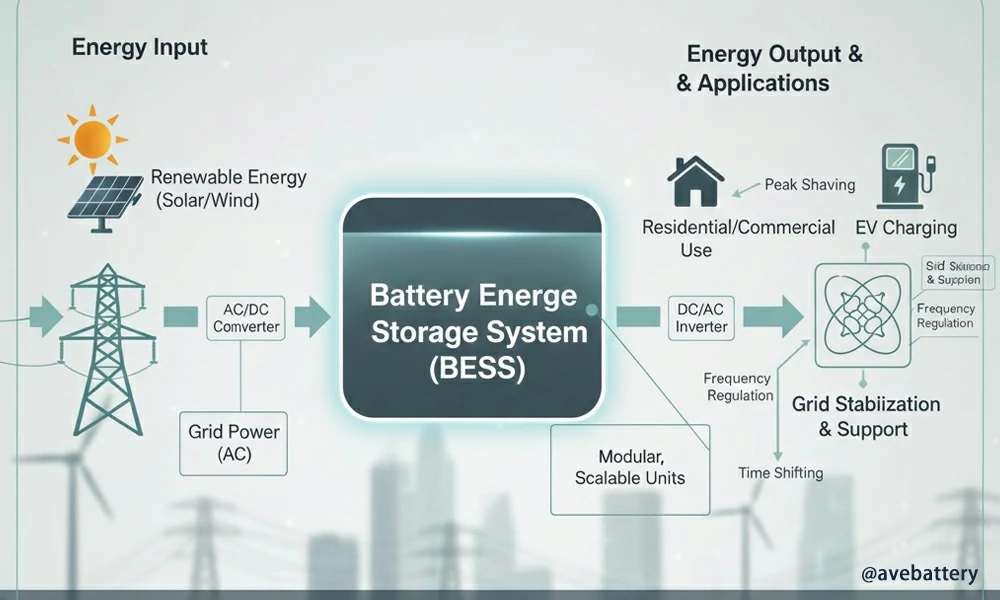
The inverter converts stored DC electricity into the AC electricity used by household appliances. A hybrid inverter can also manage solar generation, battery charging, household consumption and grid export through one unit.
How Do Official Products Describe Single-Phase Storage?
| Official Product Example | Battery Energy | AC Power | Phase-Related Specification | What It Demonstrates |
|---|---|---|---|---|
| Tesla Powerwall 3, UK | 13.5kWh | Configurable from 3.68kW to 11.04kW | 230VAC, single-phase grid type | An integrated battery and inverter can be classified as single-phase |
| Enphase IQ Battery 5P, ANZ | 5.0kWh | 3.84kVA continuous | 230VAC single-phase interconnection | AC-coupled batteries may contain embedded single-phase microinverters |
| SolarEdge Home Battery 400V | 9.7kWh usable | 5kW continuous | Compatible with approved single-phase inverters | A DC battery may be phase-neutral while its inverter defines the AC phase |
How Does a Single Phase Battery System Work?
A single phase battery system measures electricity flowing through one AC phase, charges the battery when surplus solar or low-cost grid power is available, and discharges through a single-phase inverter when household demand exceeds solar production or the grid becomes unavailable.
A typical solar-plus-storage energy flow is:
Solar panels → hybrid inverter → household loads → battery → grid
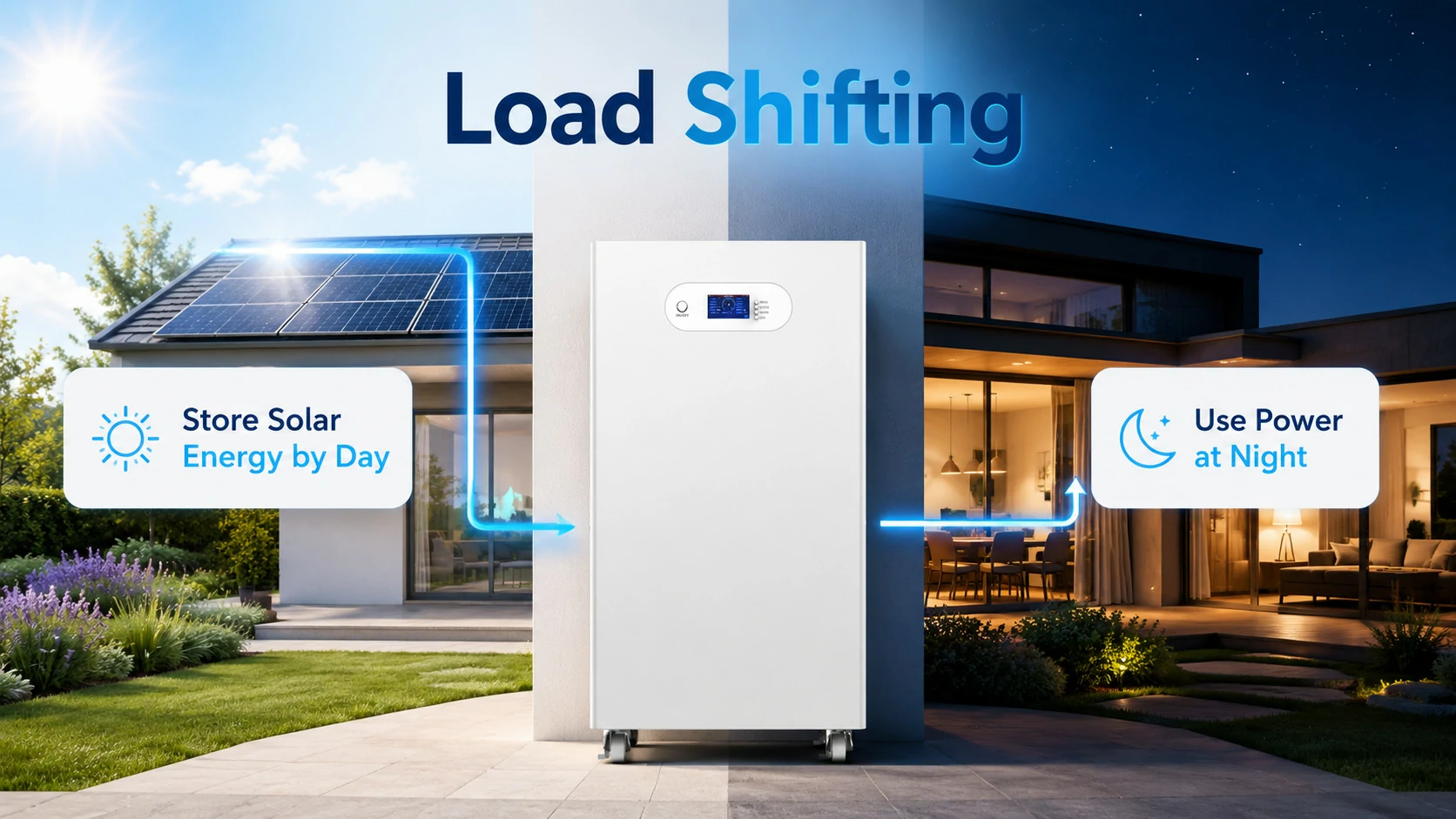
During sunny periods, solar electricity first supplies active household loads. Remaining energy can charge the battery, and any further surplus may be exported where local grid rules permit.
During the evening, the battery inverter converts stored DC energy into single-phase AC power. The system may reduce grid imports until the battery reaches its configured reserve or minimum state of charge.
During a blackout, an approved isolation device disconnects the backup system from the utility network. The battery inverter then forms a local AC supply for the designated backup circuits.
For a more detailed explanation of inverter roles, see Avepower’s guide to the solar battery inverter. It explains the differences between solar inverters, standalone battery inverters and hybrid inverters.
Who Should Use a Single Phase Battery?
A single phase battery is usually suitable for homes, apartments, small shops, offices and off-grid properties that already use a single-phase supply, have moderate simultaneous loads and do not need to operate genuine three-phase equipment during a power outage.
A single-phase system is generally a practical choice when:
- The site has a 220–240V single-phase electrical connection
- Most loads are ordinary household appliances
- The required continuous backup power is within the inverter rating
- Solar generation is connected through a compatible single-phase inverter
- The project prioritizes essential-load or standard whole-home backup
- Installation simplicity and equipment availability are important
- The property does not need three-phase motors during an outage
Typical loads include refrigerators, lighting, routers, televisions, computers, small pumps, kitchen appliances and selected air-conditioning equipment.
A single phase solar battery may not be suitable when the property depends on three-phase pumps, elevators, workshop equipment, large compressors, industrial HVAC or other loads requiring a genuine three-phase rotating supply.
Large villas, farms, hotels, workshops and commercial facilities should therefore complete a phase-by-phase load assessment before choosing the inverter. Avepower’s 3 phase inverter guide explains when higher-load projects should move to a three-phase architecture.
What Is the Difference Between a Single Phase and Three Phase Battery System?
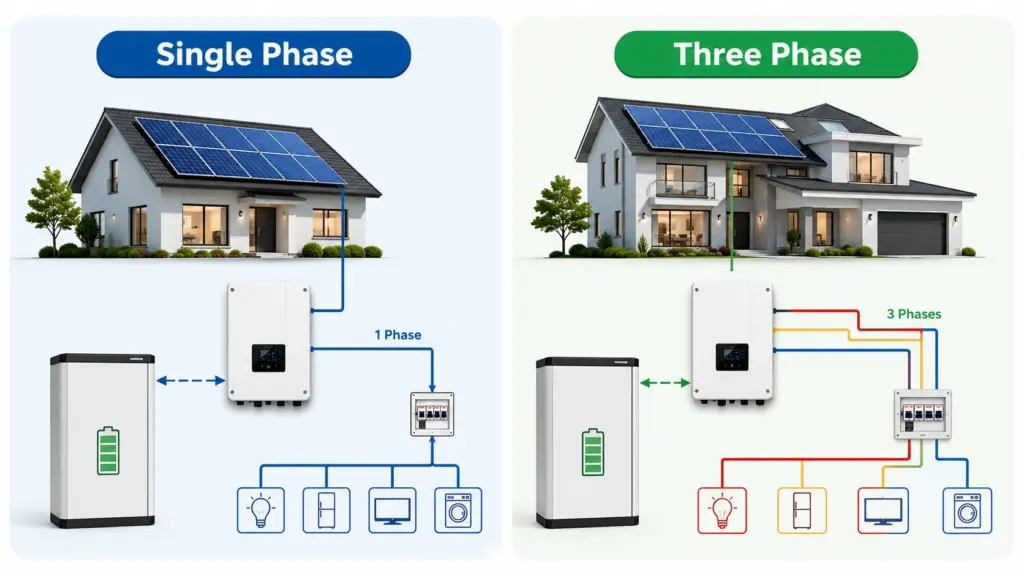
A single phase battery inverter concentrates its AC output on one phase, while a three-phase system distributes synchronized output across three phases. Single-phase systems are usually simpler and more economical, whereas three-phase systems are better suited to larger power requirements and genuine three-phase loads.
| Design Factor | Single Phase Battery System | Three-Phase Battery System |
|---|---|---|
| AC output | One AC waveform | Three waveforms separated by 120° |
| Typical voltage | Approximately 220–240V line-to-neutral | Commonly approximately 380–415V line-to-line |
| Common application | Homes and small businesses | Large homes, farms and C&I projects |
| Installation complexity | Lower | Higher |
| Equipment availability | Broad residential selection | More limited but expanding |
| Backup arrangement | One phase or approved single-phase backup board | Can support loads across three phases |
| Three-phase motors | Cannot normally operate them | Possible when inverter power is sufficient |
| Load balancing | Output concentrated on one phase | Output distributed across L1, L2 and L3 |
| Typical project cost | Usually lower | Usually higher |
| Best decision factor | Moderate residential loads | High power or genuine three-phase loads |
Three-phase is not automatically more efficient for every home, and it does not automatically charge the battery faster. Charging speed is determined by the available PV power, inverter charge rating, battery charge-current limit, grid connection conditions and energy management settings.
Similarly, a large battery capacity does not guarantee high output. A 20kWh battery connected to a 5kW inverter can still supply only approximately 5kW continuously unless the manufacturer specifies a higher temporary surge rating.
Can You Install a Single Phase Battery on a Three-Phase Home?
A single phase battery can often be installed on a three-phase property for self-consumption or selected backup, but its inverter normally connects to one phase and cannot independently create a genuine three-phase supply for motors or other synchronized three-phase equipment.
During normal grid-connected operation, site metering rules may allow energy exported on one phase to offset imports recorded on another. This depends on the meter configuration, utility rules and local billing method, so installers should verify the arrangement rather than assume cross-phase netting.
During a blackout, the limitations become more important. A conventional single-phase battery inverter normally supports:
- Loads already connected to its selected phase
- A dedicated essential-load distribution board
- Other single-phase circuits transferred through a manufacturer-approved switching design
It does not normally support:
- Three-phase motors
- Three-phase compressors
- Three-phase HVAC equipment
- A three-phase solar inverter that requires a synchronized three-phase grid
- Circuits exceeding the backup inverter’s continuous or surge power
How Large Should a Single Phase Battery Be?
The correct single-phase battery size should be calculated from the energy required during the target period, adjusted for usable depth of discharge, conversion losses, reserve capacity and future load growth. Household size alone is not an accurate sizing method.
Use the following formula:
Nominal battery capacity = Required load energy ÷ usable DoD ÷ system efficiency
For example, if essential loads consume 4kWh during an outage, the design uses 90% usable depth of discharge and estimated conversion efficiency is 92%:
4 ÷ 0.90 ÷ 0.92 = 4.83kWh
A 5kWh-class battery is the minimum mathematical result. A designer may recommend additional capacity for:
- Battery ageing;
- Cold or hot operating conditions;
- Unplanned loads;
- Longer outages;
- Reduced solar production;
- Future electrification;
- A minimum emergency reserve.
Avepower also provides a solar battery size calculator and a detailed guide explaining how to calculate solar panel, battery and inverter size.
Typical Starting Ranges
| Backup Objective | Indicative Battery Capacity | Indicative Inverter Range |
|---|---|---|
| Internet, lights and refrigeration | 5–7kWh | 3–5kW |
| Essential household circuits | 10–15kWh | 5–6kW |
| Higher evening self-consumption | 15–20kWh | 5–8kW |
| Larger single-phase home | 20–30kWh | 8–12kW where permitted |
| Extended off-grid use | Load-specific calculation | Load-specific calculation |
Should You Choose an AC-Coupled or DC-Coupled Single Phase Battery?
An AC-coupled single phase battery is usually easier to add to an existing solar installation, while a DC-coupled system is often more suitable for a new solar-plus-storage project using one compatible hybrid inverter to manage both the PV array and battery.
| Factor | AC-Coupled System | DC-Coupled System |
|---|---|---|
| Existing solar retrofit | Usually easier | May require inverter replacement |
| Solar inverter | Retained | Often replaced or integrated |
| Battery inverter | Separate or built into AC battery | Integrated into hybrid inverter |
| Energy conversions | More conversion stages | Fewer stages for direct solar charging |
| Equipment flexibility | High | Depends on approved battery list |
| Backup design | Requires compatible gateway or transfer equipment | May be integrated into hybrid system |
| Installation disruption | Usually lower for retrofits | Usually lower for new installations |
| Best application | Existing PV system | New solar and battery project |
An AC-coupled battery can operate alongside an existing solar inverter, reducing the need to redesign the original PV system. A DC-coupled battery can store solar power before it is converted to AC, but the battery voltage, inverter voltage window and BMS protocol must be compatible.
Avepower’s retrofit solar battery guide provides a detailed comparison for installers assessing existing PV systems.
What Should Installers Check Before Selecting a Single Phase Battery?
Installers should verify the site supply, inverter output, backup architecture, battery voltage, usable energy, communication protocol, grid certification and protection requirements before ordering equipment, because matching only the nominal battery voltage is not sufficient for a reliable installation.
1. Electrical Supply
Confirm:
- Single-phase or three-phase service
- Nominal AC voltage and frequency
- Main breaker and service capacity
- Earthing arrangement
- Existing phase imbalance
- Local export and connection limits
In the UK, the Energy Networks Association’s G98 and G99 connection guide identifies 16A per phase as 3.68kW on a 230V single-phase connection for the relevant G98 microgeneration category. This is a UK-specific grid connection threshold and should not be applied globally.
2. Battery and Inverter Voltage
Confirm that the inverter’s battery voltage window matches the battery system.
A 51.2V low-voltage battery cannot be connected directly to a high-voltage inverter designed for a 200–500V battery string. Similarly, a high-voltage battery tower requires an approved high-voltage inverter and compatible control system.
3. Continuous and Peak Power
Check both ratings separately.
Continuous power determines normal operating capacity. Peak or surge power determines whether motors, refrigerators, pumps and compressors can start without triggering overload protection.
4. Communication Compatibility
Confirm:
- CAN or RS485 interface
- Connector pin definition
- Battery protocol supported by the inverter
- Baud rate and device addressing
- Master-battery configuration
- Firmware version
- Charge and discharge limit communication
- Failure behavior if communication is lost
The presence of a CAN or RS485 port does not prove compatibility. Avepower’s battery communication guide explains why the interface, pinout, message format, protocol version and control logic must all match.
Installers can also consult the Avepower inverter compatibility list or request a model-specific protocol review before commissioning.
5. Backup Function
Confirm whether the system provides:
- No backup
- One emergency socket
- Essential-load backup
- Whole-home single-phase backup
- Three-phase backup
- Solar recharging during an outage
- Automatic or manual transfer
- Configurable battery reserve
A battery marketed for “energy storage” does not automatically include blackout protection. Islanding equipment, switching devices and compliant backup wiring may be required.
6. Safety and Certification
Select equipment certified for the intended country and application.
IEC 62619:2022 specifies safety requirements and tests for secondary lithium batteries used in industrial and stationary applications. In North American projects, UL 9540 covers energy storage systems and equipment, while UL 9540A evaluates thermal-runaway fire propagation behavior.
Certification requirements vary by country, system size, building type and installation location. A certificate shown on a marketing page should therefore be checked against the exact model, test report and target market.
How Can Avepower Support a Single Phase Battery Project?
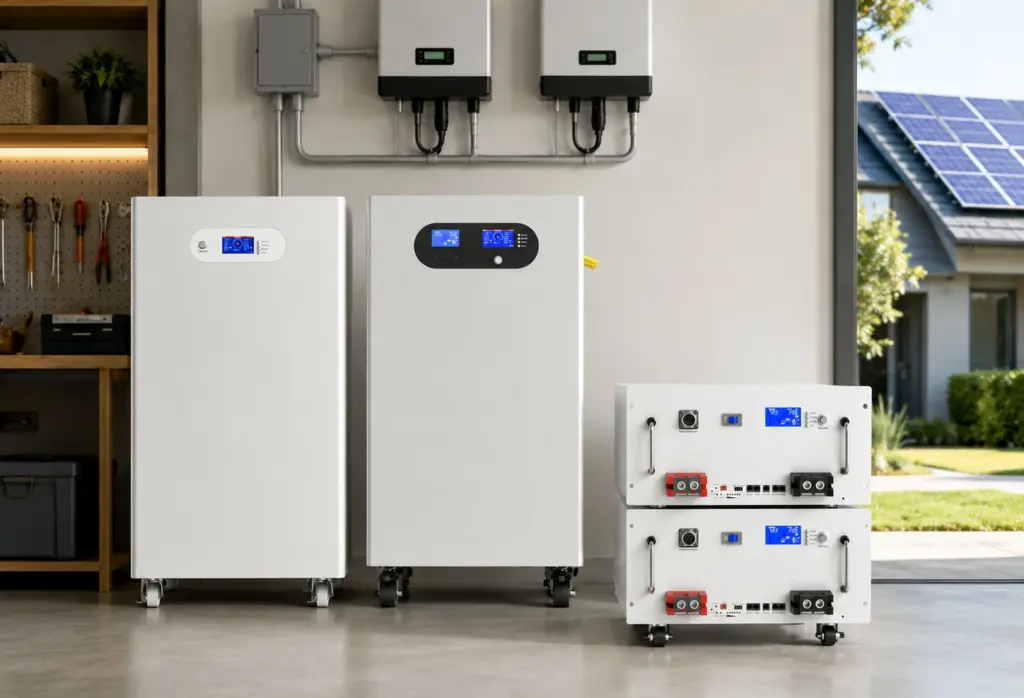
Avepower can support single-phase residential and small-project applications through integrated all-in-one systems or separate LiFePO4 battery packs, but installers should confirm the exact inverter configuration, local grid approval and communication protocol for each target market before ordering.
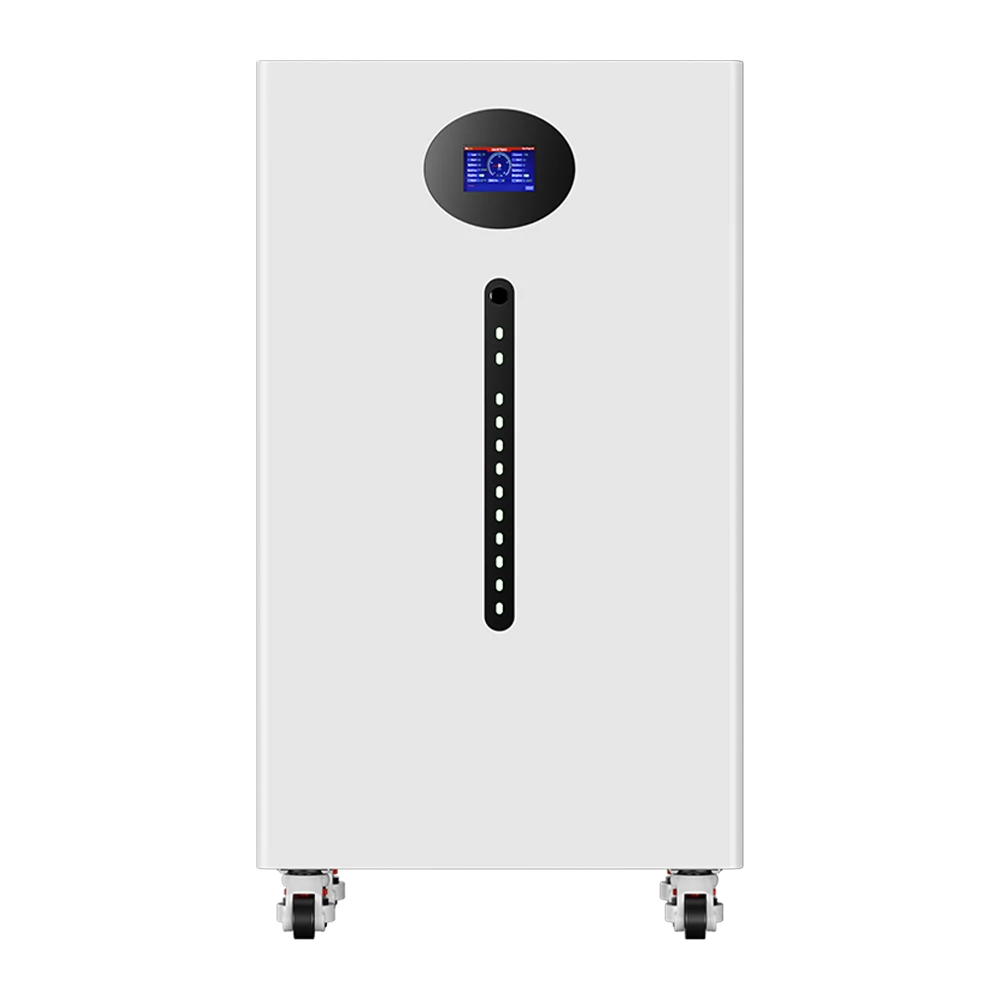
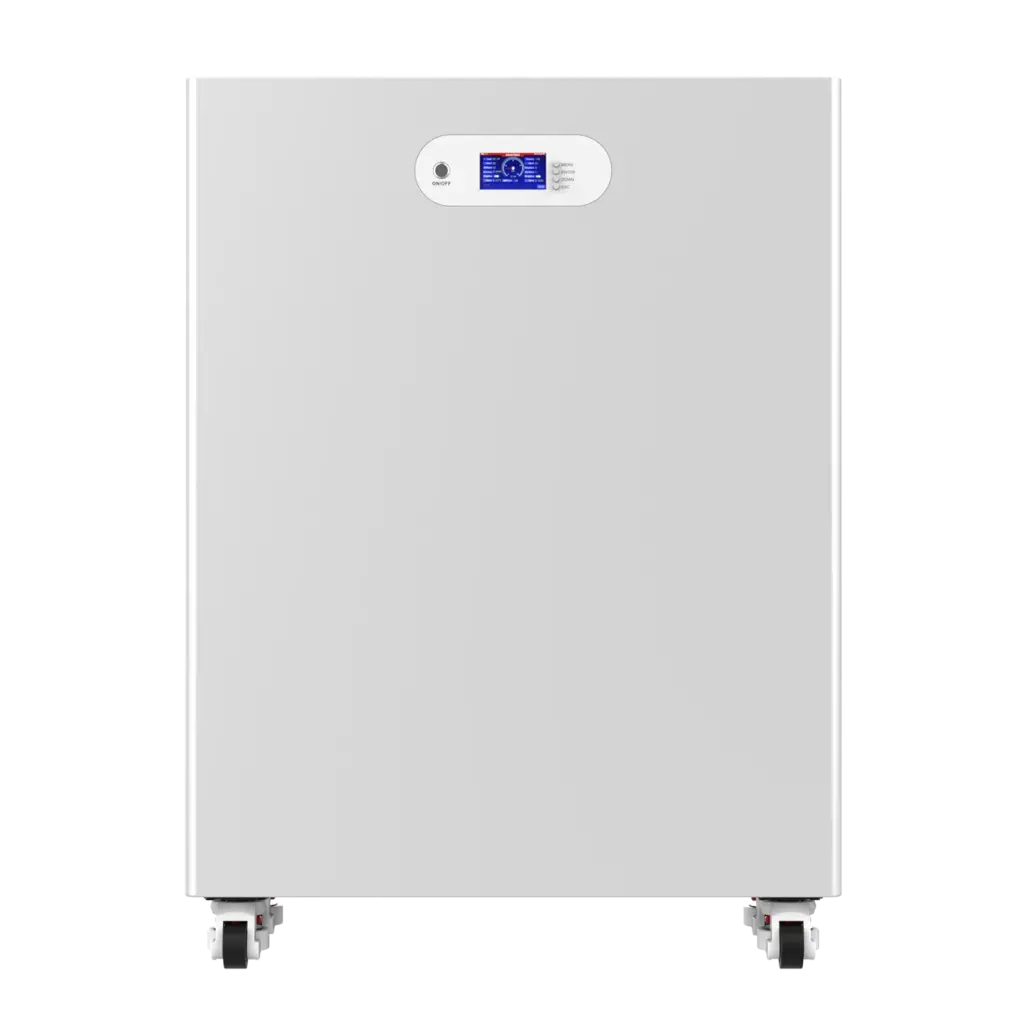
For projects requiring an integrated system, the Avepower 15kWh all-in-one solar battery with inverter combines:
- 15kWh-class 51.2V 314Ah LiFePO4 storage
- 6.2kW rated pure sine wave AC output
- 12.4kVA peak inverter output
- 220V, 230V or 240V AC support
- Up to 6.2kW PV input
- MPPT range of 120–500VDC
- 10ms computer-mode and 20ms appliance-mode transfer settings
- CAN and RS485 battery communication
- Bluetooth and Wi-Fi monitoring
The 220–240V output specification makes the system relevant to many single-phase residential markets. However, the precise model configuration, grid-connection certification, backup wiring and local approval must be confirmed for the destination country.
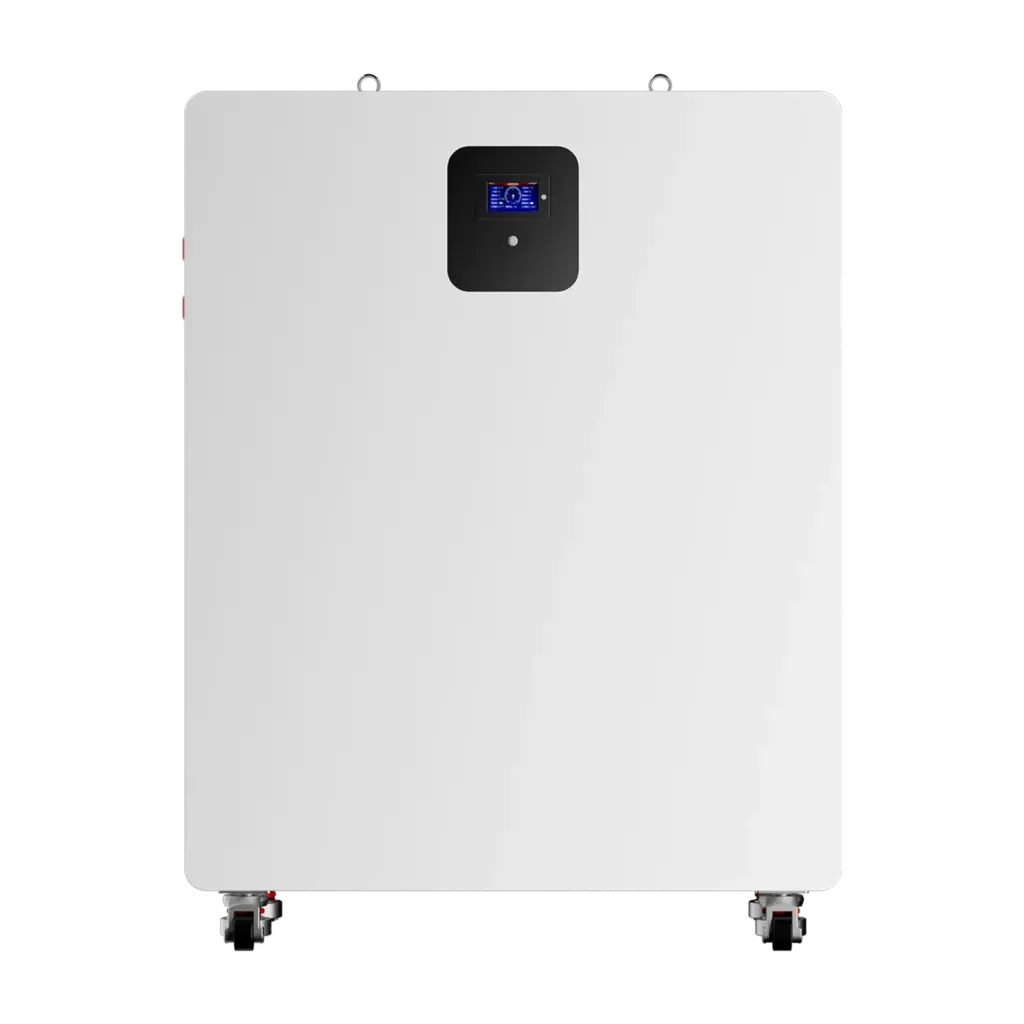
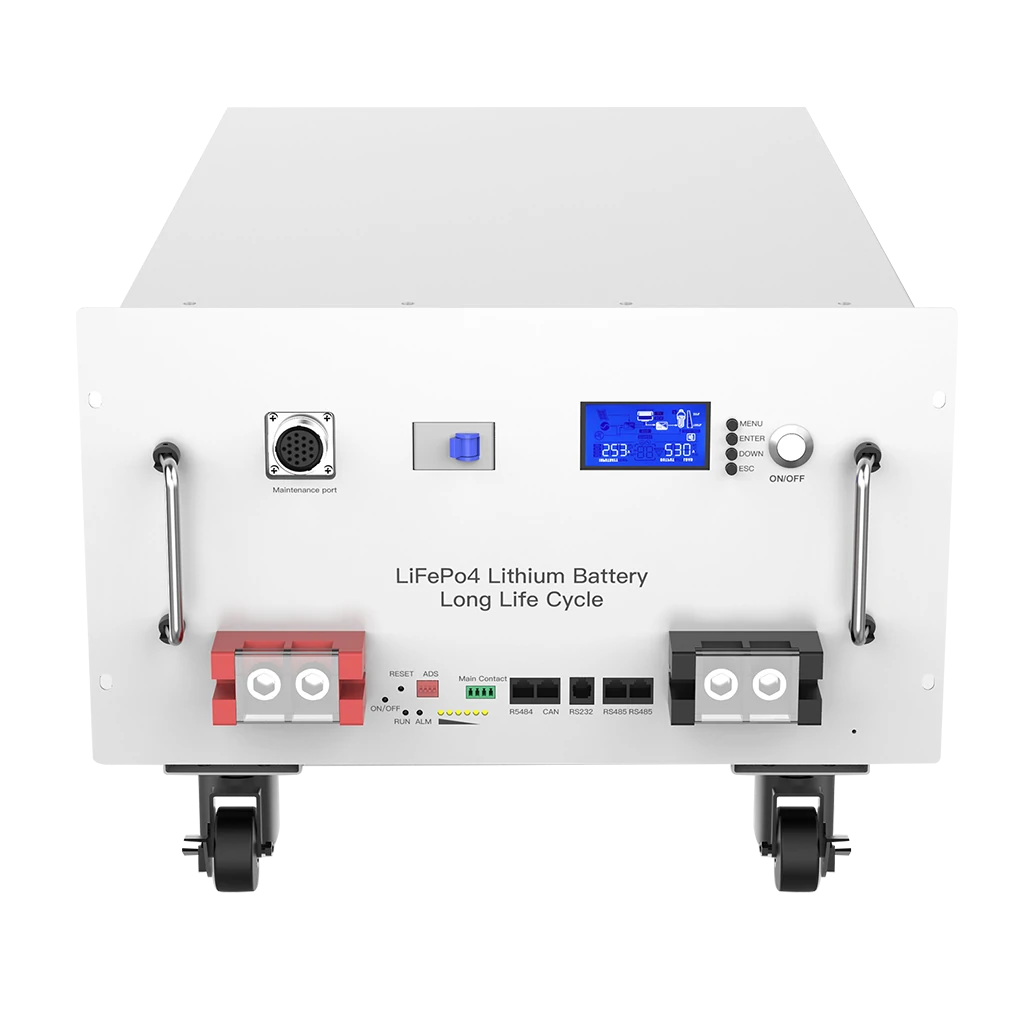
For installers who prefer to select the inverter separately, the Avepower 15kWh vertical LiFePO4 battery provides 15kWh nominal storage, a 200A BMS, CAN/RS485/RS232 communication, Bluetooth and Wi-Fi monitoring. It can be considered for compatible low-voltage single-phase inverter projects after protocol and electrical validation.
The decision value for installers, distributors and project developers is the ability to choose between:
- An integrated battery and inverter cabinet for simplified deployment
- A separate battery pack for greater inverter flexibility
- Custom communication and BMS configurations
- Capacity, enclosure, branding and packaging customization
- Project-specific inverter compatibility review
Take Control of Your Energy with Avepower!
Reliable home solar battery solutions with OEM/ODM customization and in-house manufacturing, tailored to the needs of distributors, installers, and energy partners.
Is a Single Phase Battery Right for Your Project?
A single phase battery is usually the most practical choice for ordinary single-phase homes and small projects with moderate loads, while a three-phase system becomes necessary when the site requires high power across several phases or must operate genuine three-phase equipment during an outage.
Before making the final decision, confirm:
- The property’s actual phase connection
- Maximum simultaneous and surge loads
- Required backup circuits
- Daily energy and outage runtime
- AC- or DC-coupled architecture
- Battery and inverter voltage compatibility
- CAN or RS485 protocol compatibility
- Local grid and safety certification
- Future solar, EV or heat-pump expansion
Avepower provides LiFePO4 battery systems for solar installers, distributors, project developers and OEM/ODM energy brands. Submit your supply type, inverter model, required capacity, backup loads and project country to receive a project-matched battery configuration, communication review and wholesale quotation.
FAQ
A battery itself is normally a DC energy-storage device and has no AC phase. The terms single-phase battery and three-phase battery usually describe the inverter, PCS, AC output or complete battery energy storage system.
A single phase battery can power an entire single-phase house when the inverter output, surge capacity, battery capacity and backup board are sized for the connected loads. High-power appliances may still need to be excluded.
Yes, it can often support grid-connected self-consumption and selected backup loads. During an outage, it usually supplies one phase or approved single-phase circuits and cannot normally operate genuine three-phase equipment.
A 5kW inverter may be enough for essential loads and many standard homes, but it may be insufficient when several heating, cooking, pumping or air-conditioning loads run simultaneously. A load and surge calculation is required.
There is no universally best protocol. CAN and RS485 are both widely used, but compatibility depends on the complete protocol, pinout, firmware and control logic rather than the interface name alone.