
When building a solar battery system, one small component can make a big difference to charging efficiency, battery protection, and long-term system performance: the solar charge controller.
The two most common types are PWM and MPPT. Both regulate the power coming from solar panels before it reaches the battery, but they work in very different ways.
Quick Answer: What Is the Difference Between PWM and MPPT?
The main difference between PWM and MPPT is how each solar charge controller handles power from solar panels before sending it to the battery.
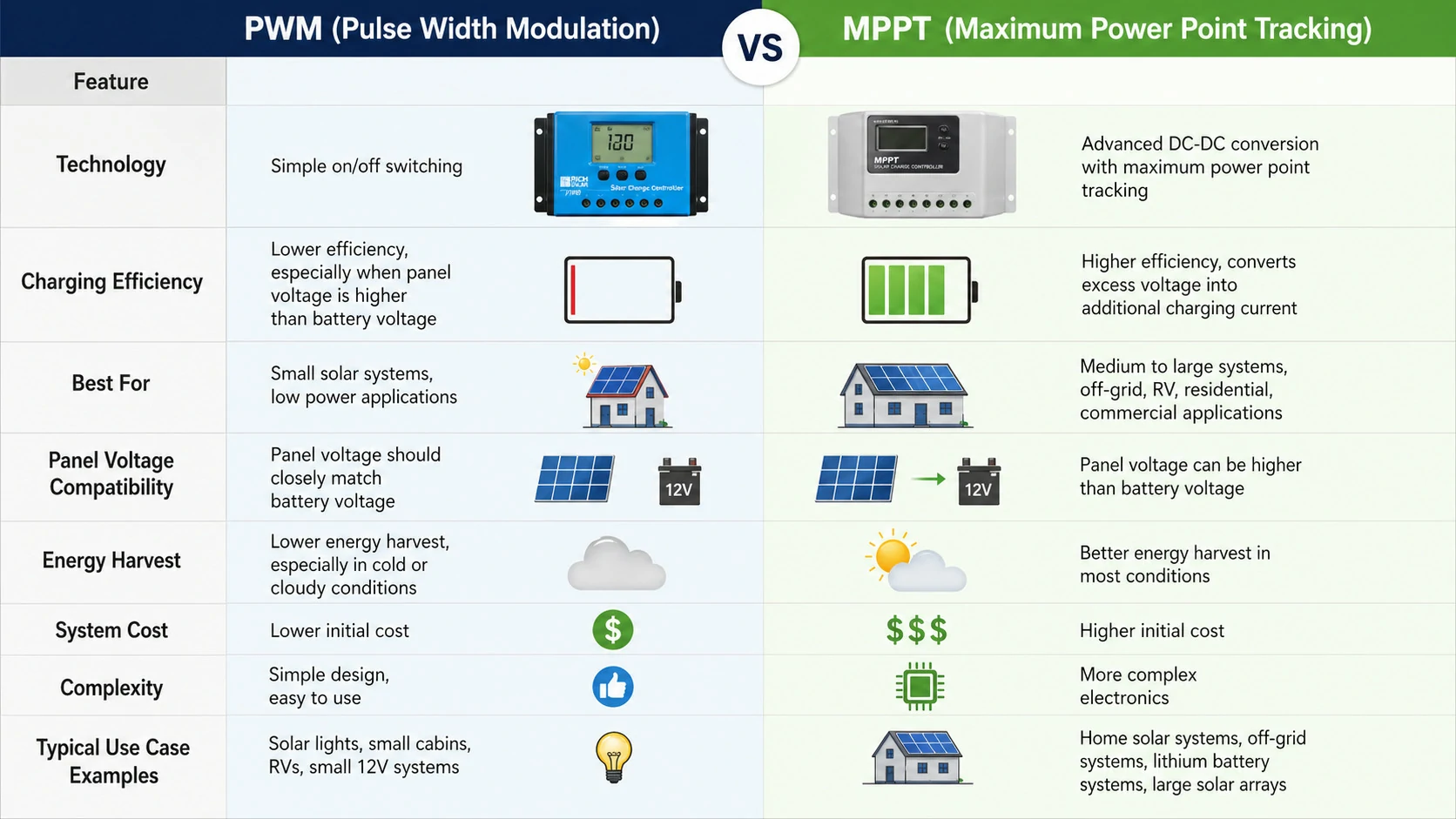
A PWM charge controller connects the solar panel more directly to the battery and pulls the panel voltage down close to the battery voltage. It is simple, affordable, and works best when the solar panel voltage closely matches the battery voltage. A MPPT charge controller tracks the solar panel’s maximum power point and converts extra panel voltage into usable charging current, which usually improves energy harvest, especially in cold, cloudy, variable, or higher-voltage solar systems.
| Item | PWM | MPPT |
|---|---|---|
| Full name | Pulse Width Modulation | Maximum Power Point Tracking |
| Main function | Regulates charging by switching current on and off | Tracks the best voltage/current point for maximum solar output |
| Efficiency | Lower when panel voltage is much higher than battery voltage | Higher because it converts extra voltage into current |
| Cost | Lower | Higher |
| Best for | Small, simple, budget systems | Larger, higher-voltage, colder, cloudy, or expandable systems |
| Panel voltage | Should closely match battery voltage | Can be higher than battery voltage |
| System flexibility | Limited | More flexible |
If you only remember one rule: PWM is usually cheaper and simpler, while MPPT is usually more efficient and flexible.
What Does a Solar Charge Controller Do?
A solar charge controller sits between the solar panels and the battery bank. Its job is to regulate the voltage and current going into the battery so the battery charges safely and does not become overcharged. Charge controllers also help prevent reverse current flow from the battery back to the solar panels during low-light conditions.
Without a charge controller, a solar panel may send voltage that is too high for the battery. For example, Valen notes that a standard 12V solar panel may have a nominal voltage around 18V, while a battery may only need around 14.4V to 14.6V during boost charging.
That is why the controller matters. It does not only protect the battery. It also affects how much usable solar energy your system can harvest every day.
What Is a PWM Charge Controller?
PWM stands for Pulse Width Modulation.
A PWM charge controller regulates charging by rapidly switching the connection between the solar panel and the battery. When the battery is low, the controller allows more current to flow. As the battery becomes full, the controller reduces the charging pulse width to prevent overcharging.
The important point is this: a PWM controller pulls the solar panel voltage down close to the battery voltage.
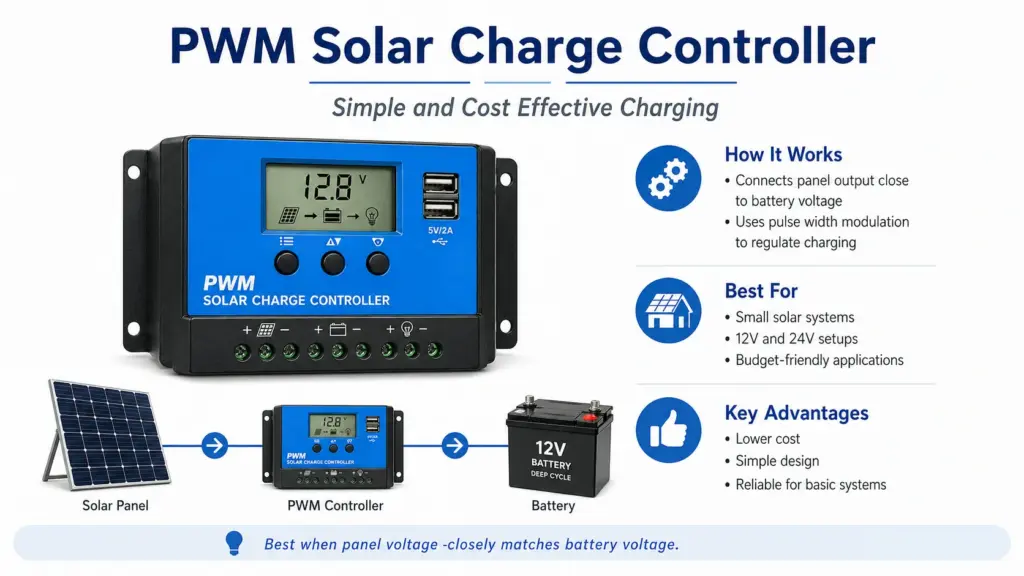
Example
Suppose you have:
- A solar panel operating at 18V
- A 12V battery charging at around 14V
- A PWM controller
The PWM controller does not fully convert the extra voltage into usable current. Instead, much of the voltage difference is not used efficiently. This is why PWM works best when the solar panel voltage and battery voltage are already close.
Advantages of PWM
PWM controllers are popular because they are:
- Lower cost
- Simple to install
- Reliable for basic systems
- Suitable for small solar setups
- Good when panel voltage and battery voltage match closely
PWM can still be a good choice for small off-grid systems, garden lighting, basic RV systems, small backup systems, and simple 12V battery charging applications.
Limitations of PWM
PWM controllers have clear limits:
- They lose more energy when panel voltage is much higher than battery voltage.
- They are less flexible for higher-voltage solar arrays.
- They are not ideal for large solar systems.
- They are not the best option in cold or variable sunlight conditions.
- System expansion is more limited.
That PWM systems require the solar input nominal voltage to match the battery bank nominal voltage, which limits flexibility.
What Is an MPPT Charge Controller?
MPPT stands for Maximum Power Point Tracking.
An MPPT charge controller constantly monitors solar panel voltage and current to find the point where the panels produce the most power. It then converts the higher solar panel voltage down to the correct battery charging voltage while increasing charging current.
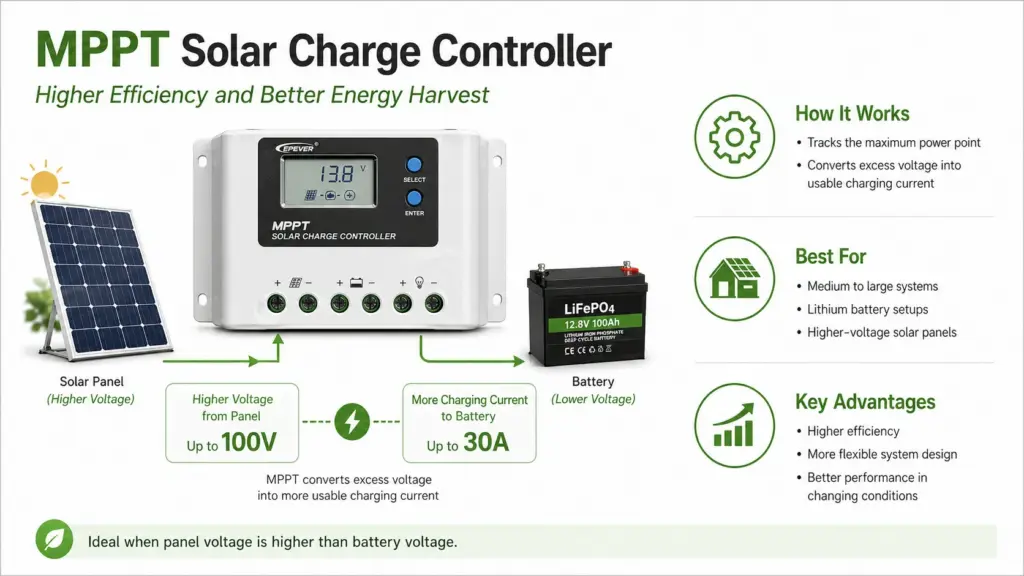
Example
Suppose a solar panel produces:
- 36V
- 8.3A
- About 300W
A 12V battery may charge around 14V. A PWM controller would pull the panel closer to battery voltage, reducing usable power. An MPPT controller can convert the higher voltage into extra current.
A simplified MPPT output may look like this:
- 300W ÷ 14V = about 21A before conversion losses
The real output depends on controller efficiency, temperature, wiring, sunlight, and battery state of charge. But the principle is clear: MPPT uses voltage conversion to recover energy that PWM may lose.
Efficiency Comparison: PWM vs. MPPT
Efficiency is one of the biggest differences between PWM and MPPT controllers.
Compared to PWM controllers, MPPT controllers can increase solar energy harvest by 5% to 30%, depending on climate conditions. In colder environments, MPPT can produce 20% to 25% more charging power than PWM because solar panel voltage rises at lower temperatures.
However, this does not mean MPPT will always deliver a 30% improvement in every system. Its advantage depends on several factors, including:
- Solar panel voltage
- Battery voltage
- Temperature
- Sunlight variability
- Cable length
- Battery state of charge
- System size
- Daily energy demand
MPPT typically provides the greatest benefit when the solar array voltage is significantly higher than the battery voltage, in colder climates, or when the system needs to maximize energy harvest from limited solar panel space.
When Should You Choose PWM?
You should consider PWM when the system is small, simple, and cost-sensitive.
PWM is usually suitable when:
- The solar array is small.
- The solar panel voltage closely matches the battery voltage.
- The site has stable, warm sunlight.
- The battery is often near full charge.
- The budget is limited.
- The system does not need much future expansion.
Low-power systems are often better suited to PWM because PWM is less expensive and the efficiency benefit of MPPT may be minimal in very small systems.
Good PWM Applications
PWM may work well for:
- Small 12V lighting systems
- Small RV or camping setups
- Garden and gate systems
- Small monitoring systems
- Basic off-grid loads
- Low-cost battery maintenance systems
PWM is not a bad technology. It is simply best used in the right type of system.
When Should You Choose MPPT?
You should choose MPPT when performance, flexibility, and long-term energy yield matter more than the lowest upfront cost.
MPPT is usually the better option when:
- The solar array is larger.
- The panel voltage is higher than the battery voltage.
- The system uses 24V, 48V, or higher battery architecture.
- The weather is cold, cloudy, or variable.
- The cable run from panels to controller is long.
- The system may expand later.
- The project uses lithium batteries.
- You want better daily energy harvest.
MPPT controllers can also support higher array voltages and lower array currents, which can reduce voltage drop and allow smaller wire sizes in some designs.
Good MPPT Applications
MPPT is usually preferred for:
- Home solar battery systems
- Off-grid homes
- Larger RV or marine systems
- Telecom backup systems
- Commercial solar battery projects
- Hybrid inverter systems
- LiFePO4 battery storage systems
- Systems using higher-voltage solar panels
For modern solar battery storage, MPPT is often the more practical long-term choice.
PWM vs MPPT for Lithium Batteries
Both PWM and MPPT controllers can charge lithium batteries if the controller supports the correct battery charging profile. The key is not only the controller type. The key is whether the controller can be programmed for the lithium battery’s required voltage limits, charge stages, temperature protection rules, and communication requirements.
For LiFePO4 batteries, you should check:
- Battery voltage range
- Maximum charge current
- Recommended charge voltage
- Low-temperature charging protection
- BMS protection functions
- Controller lithium settings
- CAN, RS485, or other communication requirements where needed
For larger LiFePO4 storage systems, MPPT is usually more suitable because it offers higher efficiency, better array flexibility, and better performance in changing conditions.
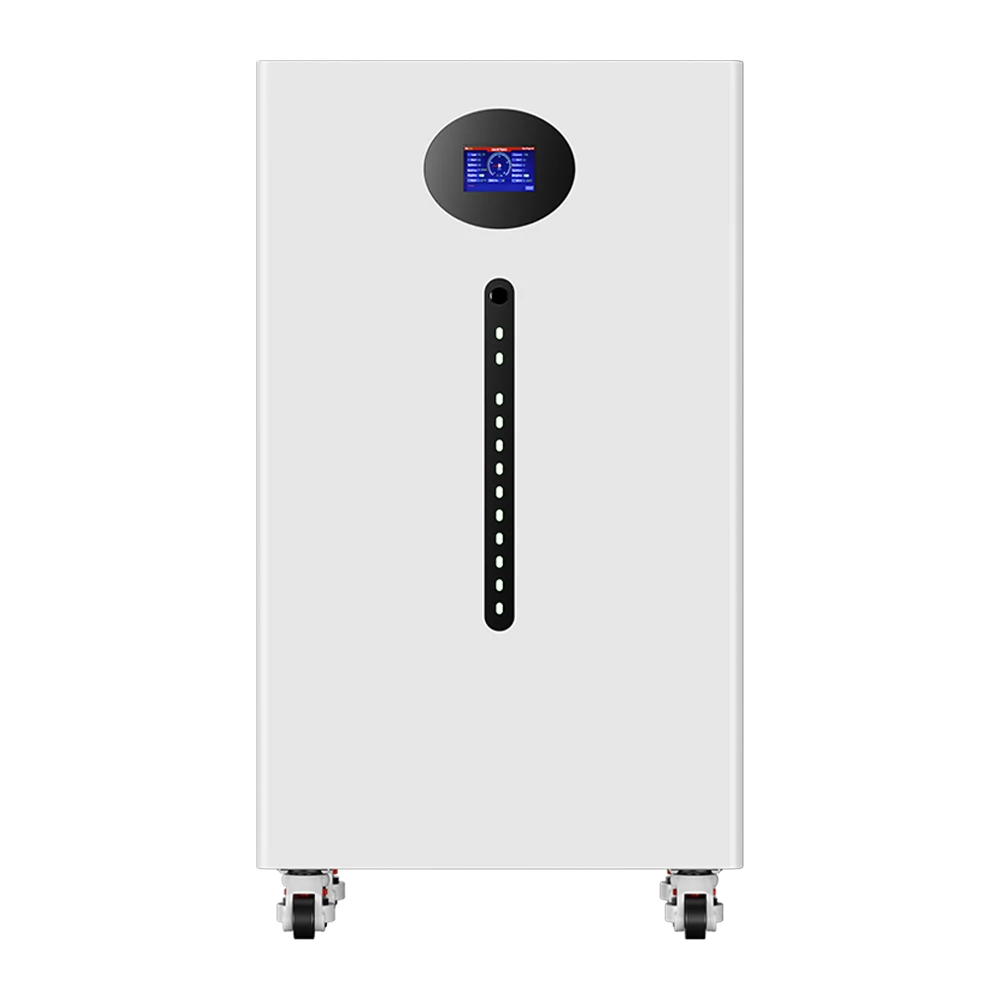
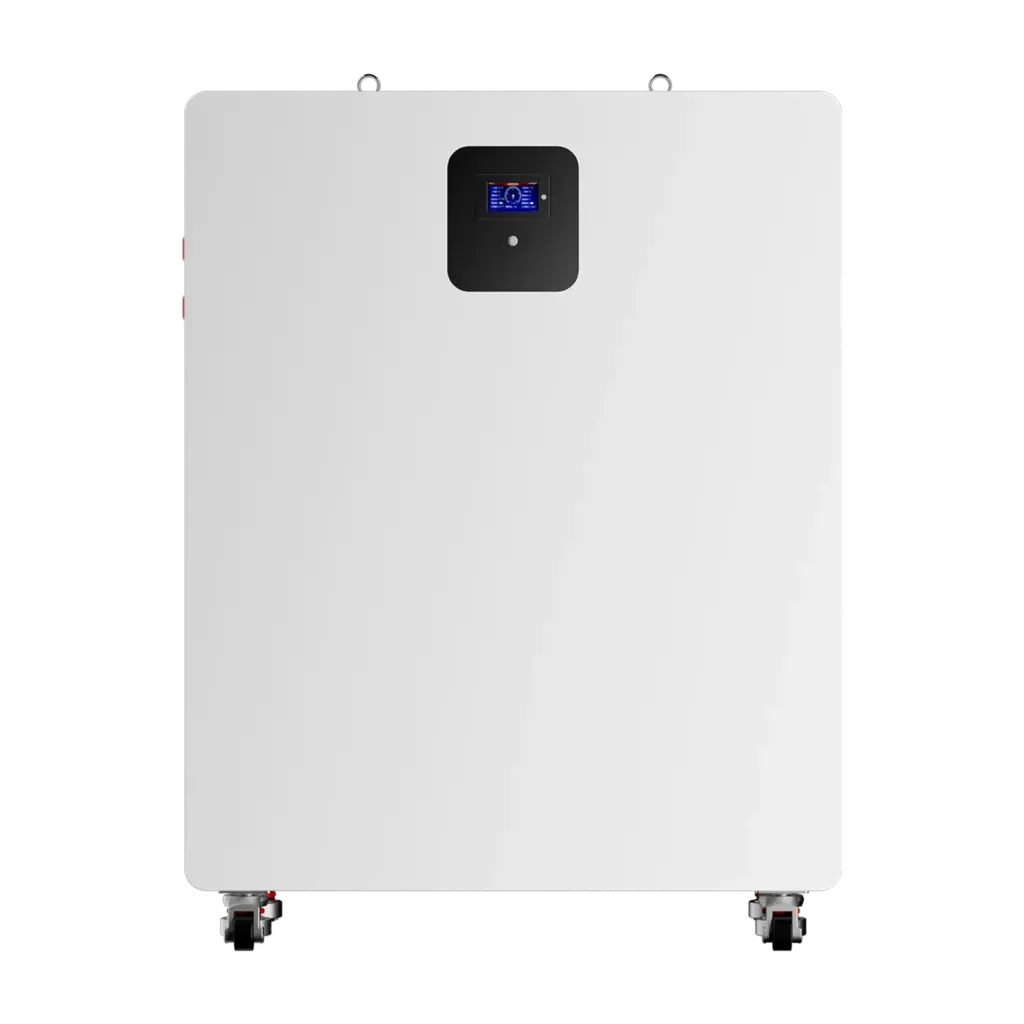
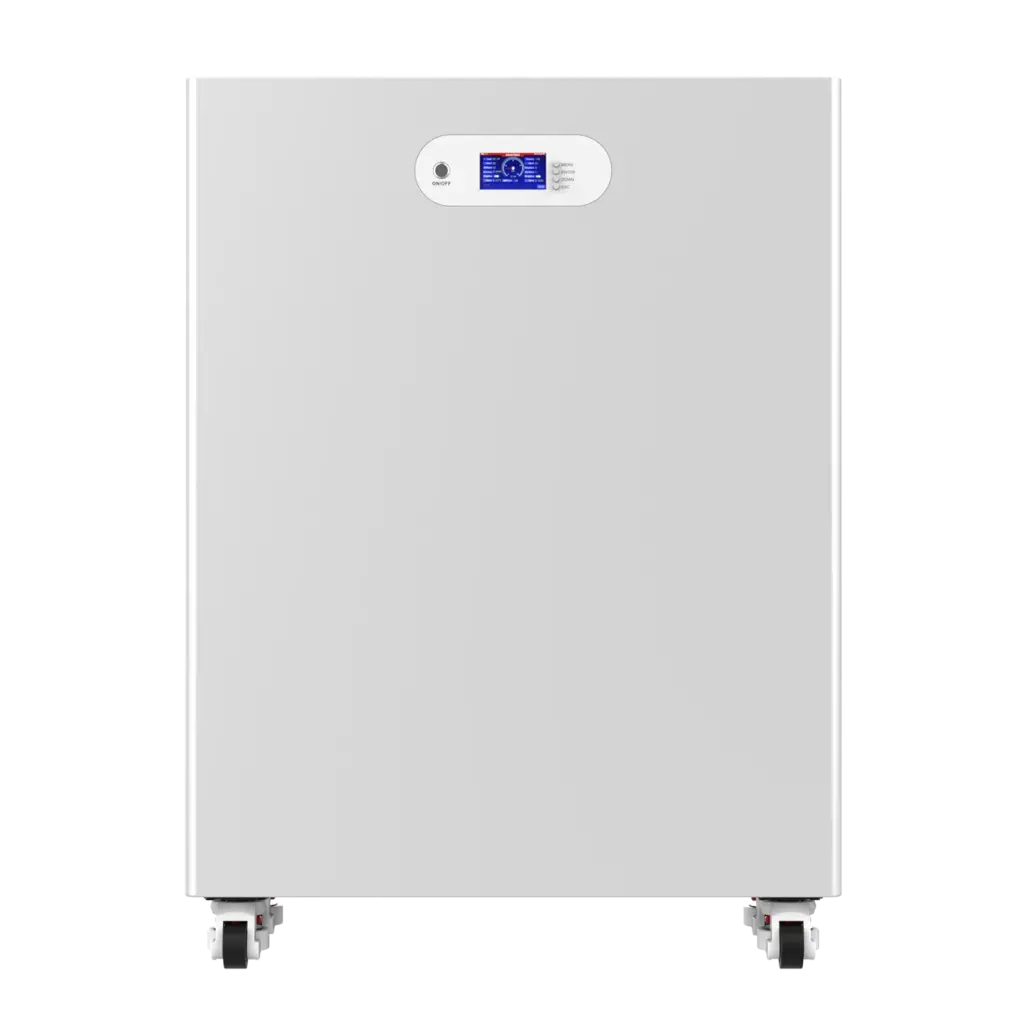
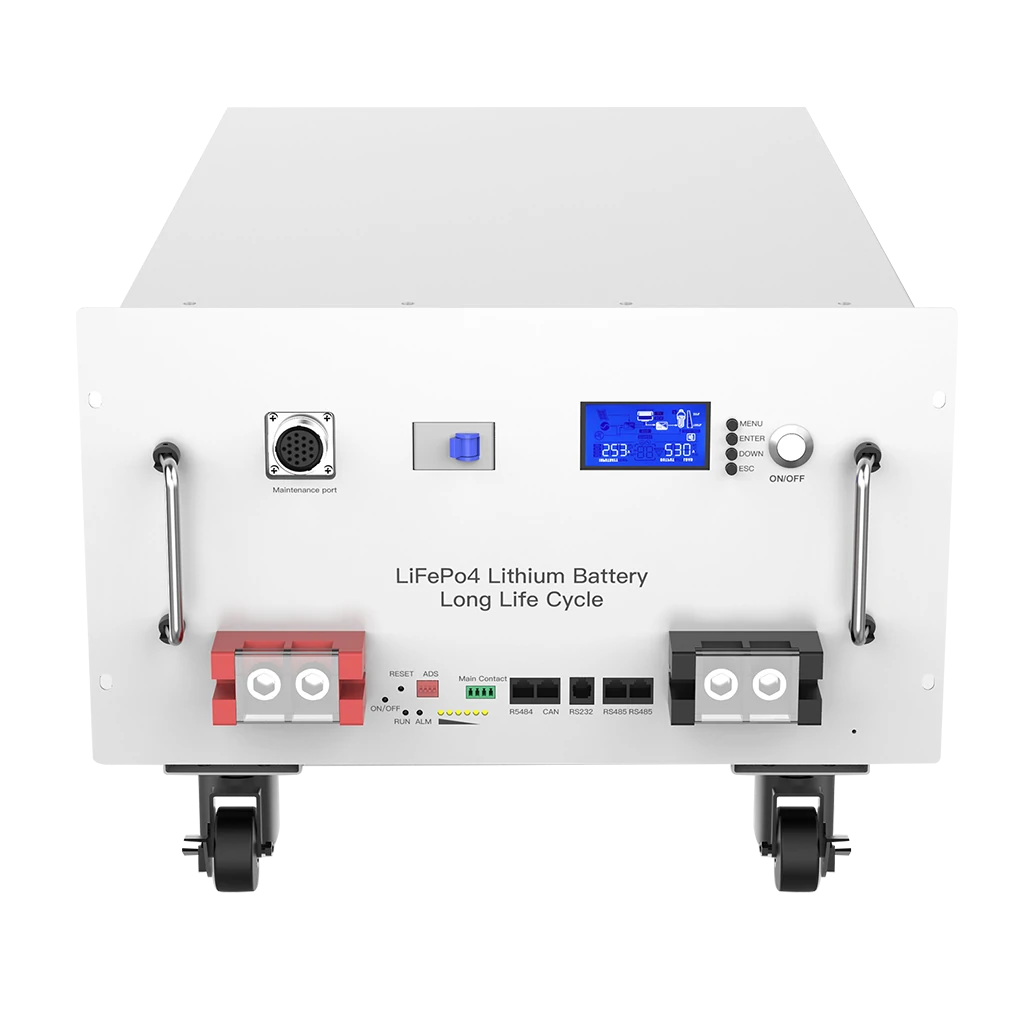
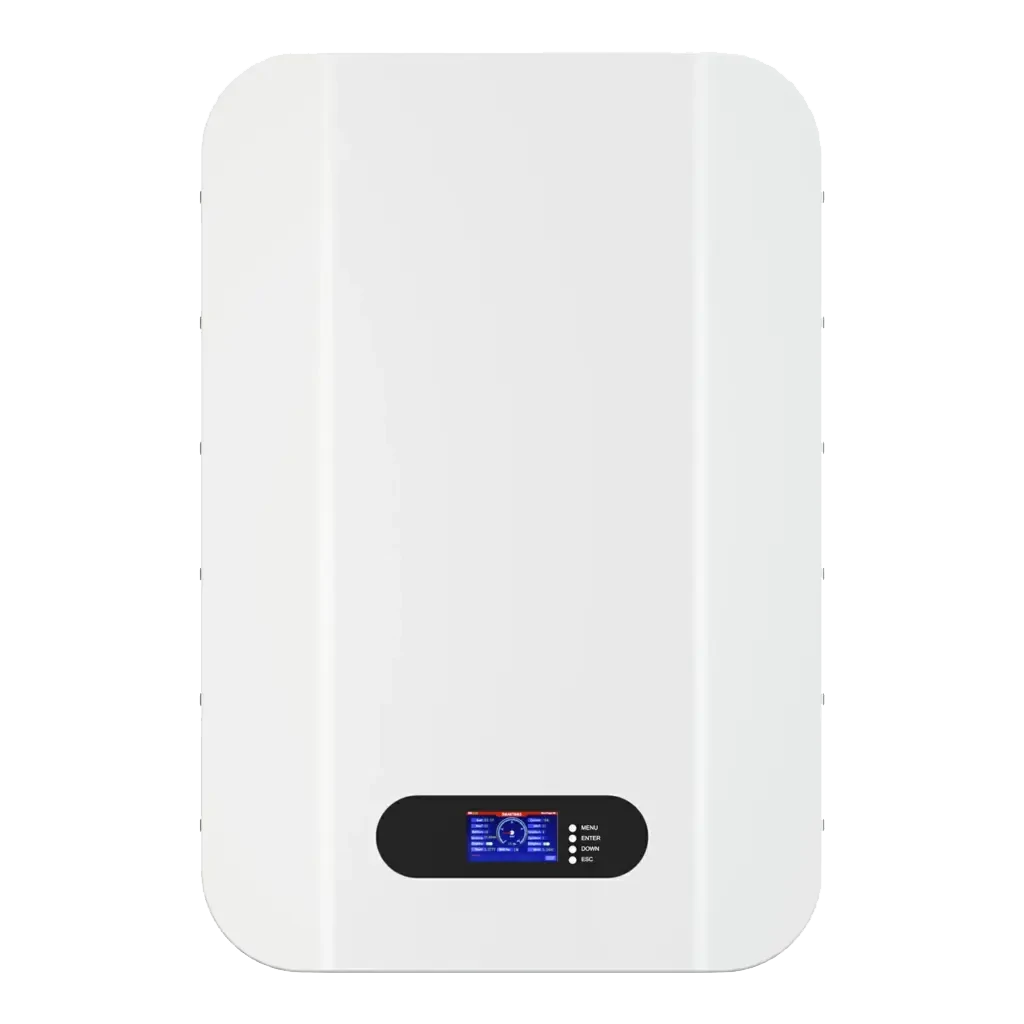
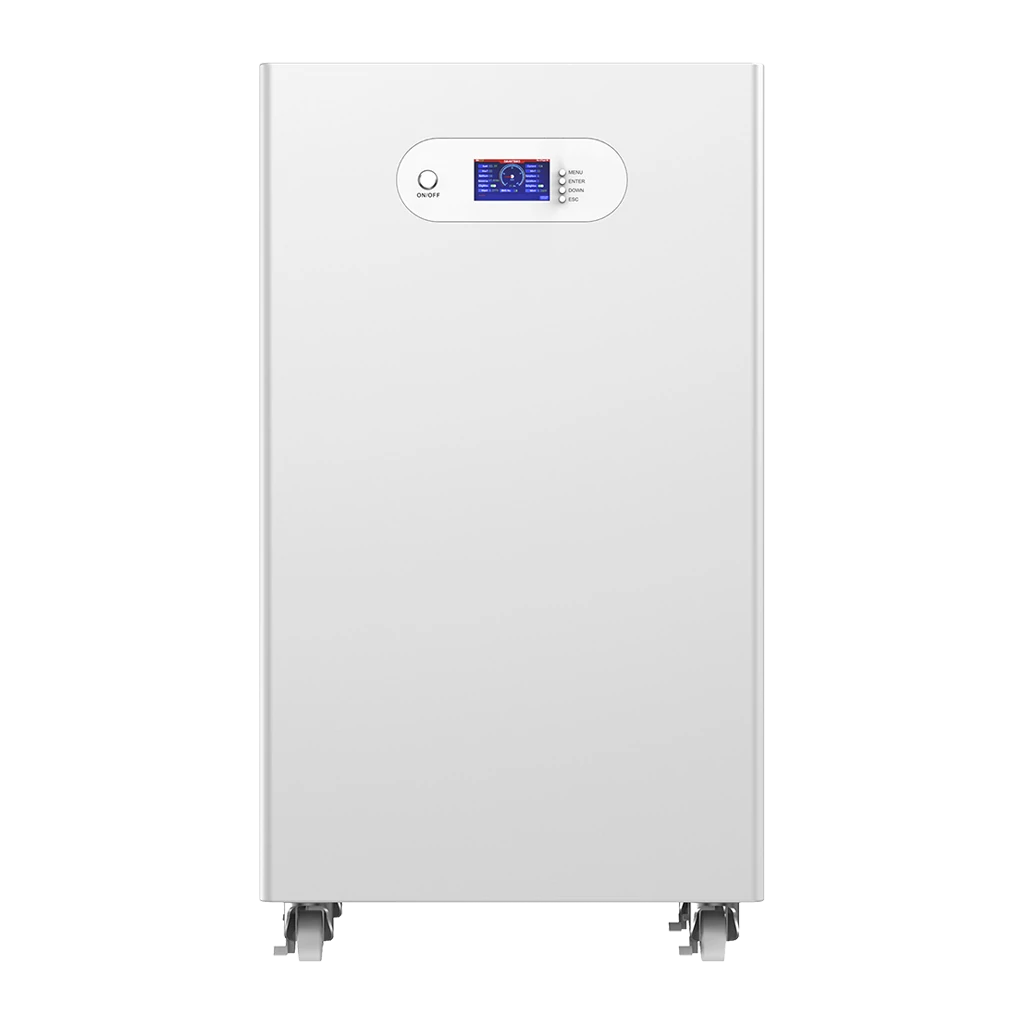
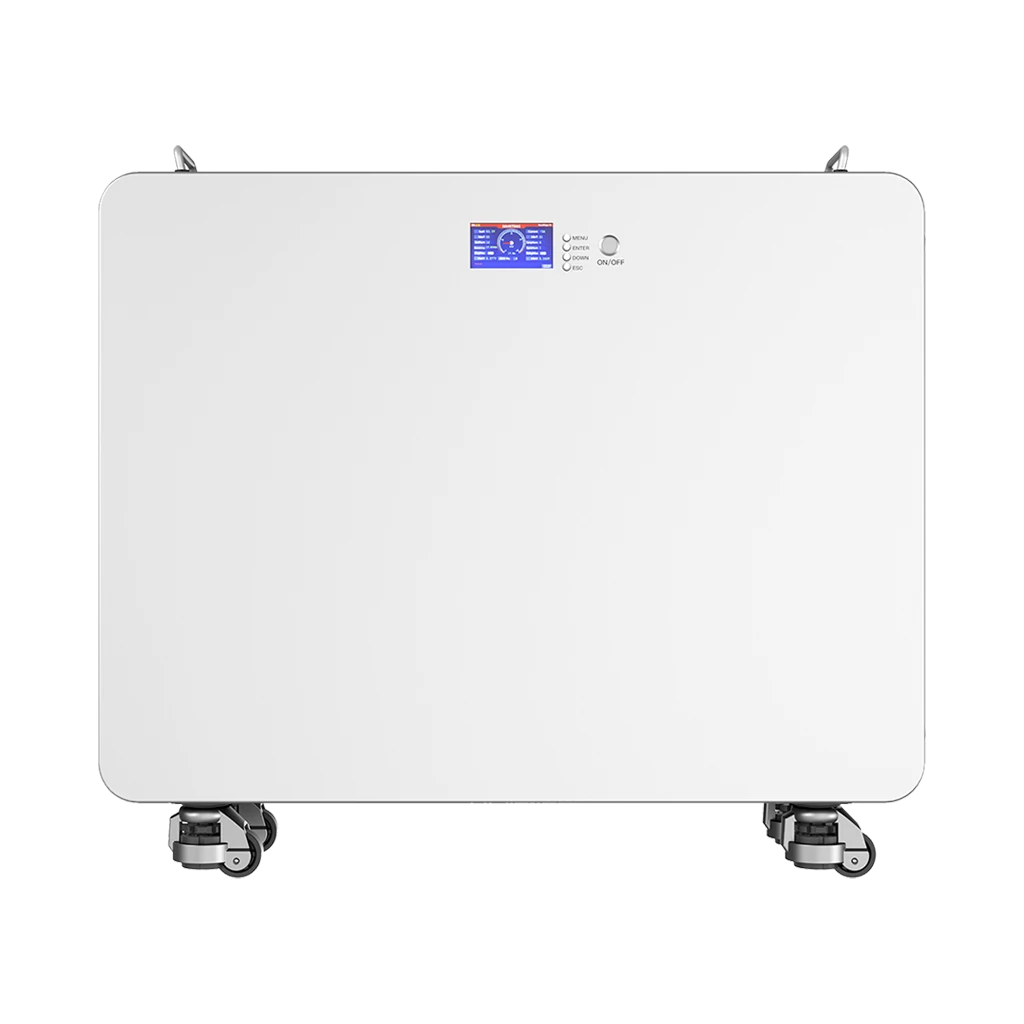
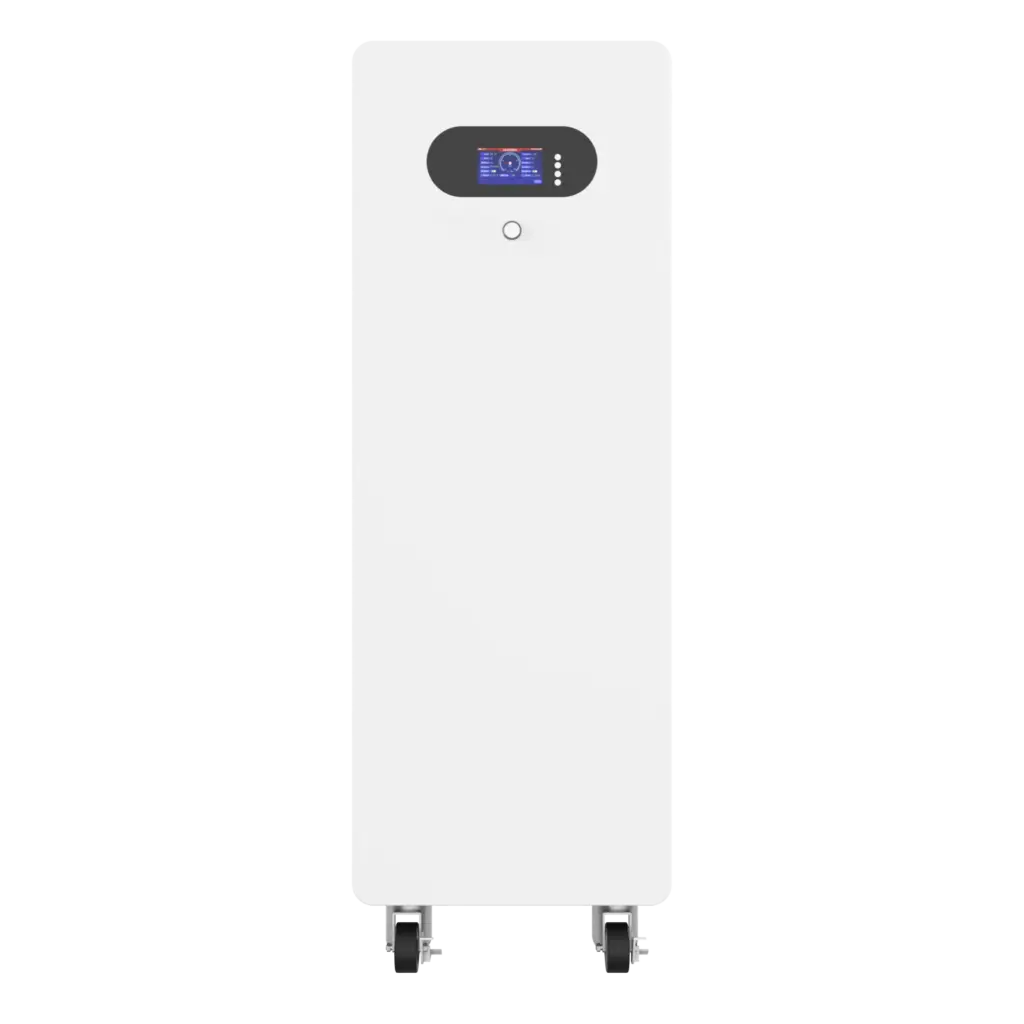
Avepower provides Residential battery energy storage solutions for customized solar storage applications. For installers, distributors, EPCs, and project developers, choosing between PWM and MPPT is only one part of proper system design.
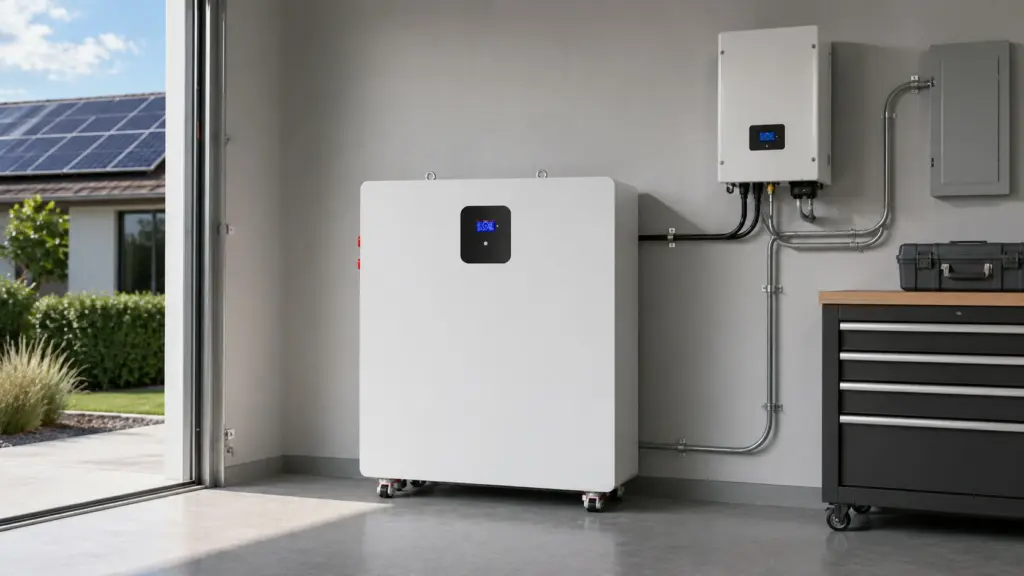
How Avepower Supports Solar Battery System Design
Need help matching solar batteries with inverter and MPPT system requirements? Contact Avepower to get a customized LiFePO4 battery storage solution for your project.
PWM vs. MPPT in Hot and Cold Climates
Climate conditions can significantly affect performance.
In cold weather, solar panels typically operate at higher voltages. MPPT technology can capture this extra voltage and convert it into additional charging current. This is why MPPT systems usually perform better in colder environments.
In hot weather, solar panel voltage decreases. When the panel voltage gets closer to the battery voltage, the advantage of Maximum Power Point Tracking (MPPT) is reduced.
This means that in hot climates, PWM can still be a practical choice for smaller systems, where some energy loss is acceptable and keeping costs low is a higher priority.
PWM vs MPPT for Home Solar Battery Systems
For most modern home solar battery systems, MPPT is usually the better choice.
Home energy storage systems often involve:
- Larger solar arrays
- Higher system voltages
- Lithium battery banks
- Hybrid inverters
- Daily cycling
- Backup power requirements
- Future capacity expansion
- Long-term energy savings
These conditions usually favor MPPT. A small PWM controller may be acceptable for a simple low-voltage battery system, but it is rarely the best choice for a scalable residential solar battery setup.
For example, an Avepower home energy storage solution may use LiFePO4 battery technology, intelligent BMS protection, inverter communication, and scalable storage capacity. In this type of system, the controller or inverter-side solar charging design should be selected based on battery voltage, PV input range, communication protocol, installation environment, and required backup load.
Avepower recommendation: For installers, distributors, and project developers, MPPT-based solar charging is generally more suitable for modern LiFePO4 battery storage projects because it supports better energy harvest, more flexible PV design, and easier system expansion.
Simple Calculation: How Much Power Can PWM Lose?
Here is a simplified example.
Assume the solar panel rating is:
- 300W panel
- Vmp: 36V
- Imp: 8.3A
If the battery is charging at around 14V:
With PWM
The controller pulls the panel close to battery voltage.
Approximate charging power:
14V × 8.3A = 116W
With MPPT
The controller converts the panel’s higher voltage into charging current.
Approximate charging power before losses:
300W ÷ 14V = 21.4A
The real MPPT output will be lower after conversion losses, but it can still be much higher than PWM when panel voltage is significantly higher than battery voltage.
This example shows why MPPT matters when solar panel voltage and battery voltage are not closely matched.
Which Is Better: PWM or MPPT?
MPPT is technically better in most medium and large solar power systems because it can harvest more usable energy, handle higher panel voltages, and perform better in cold or variable conditions.
PWM is still better when the system is small, the budget is limited, the panel voltage matches the battery voltage, and the added MPPT energy gain does not justify the extra cost.
So the better question is not simply “Is MPPT better than PWM?”
The better question is:
“Which controller fits the solar panel voltage, battery voltage, climate, system size, and future expansion plan?”
For a small 12V battery maintenance system, PWM may be enough. For a home solar battery system, LiFePO4 storage project, off-grid home, commercial backup system, or expandable solar installation, MPPT is usually the smarter choice.
Avepower Solar Battery Storage Solutions
Avepower provides LiFePO4 battery energy storage solutions for residential, commercial, and customized solar storage projects. Our battery systems are designed with intelligent BMS protection, long cycle life, communication options, and flexible capacity configurations for installers, distributors, EPCs, and project developers.
If you are designing a solar battery storage system and need support with battery capacity, inverter compatibility, communication protocols, or system configuration, Avepower can help you select a suitable LiFePO4 battery solution for your project.
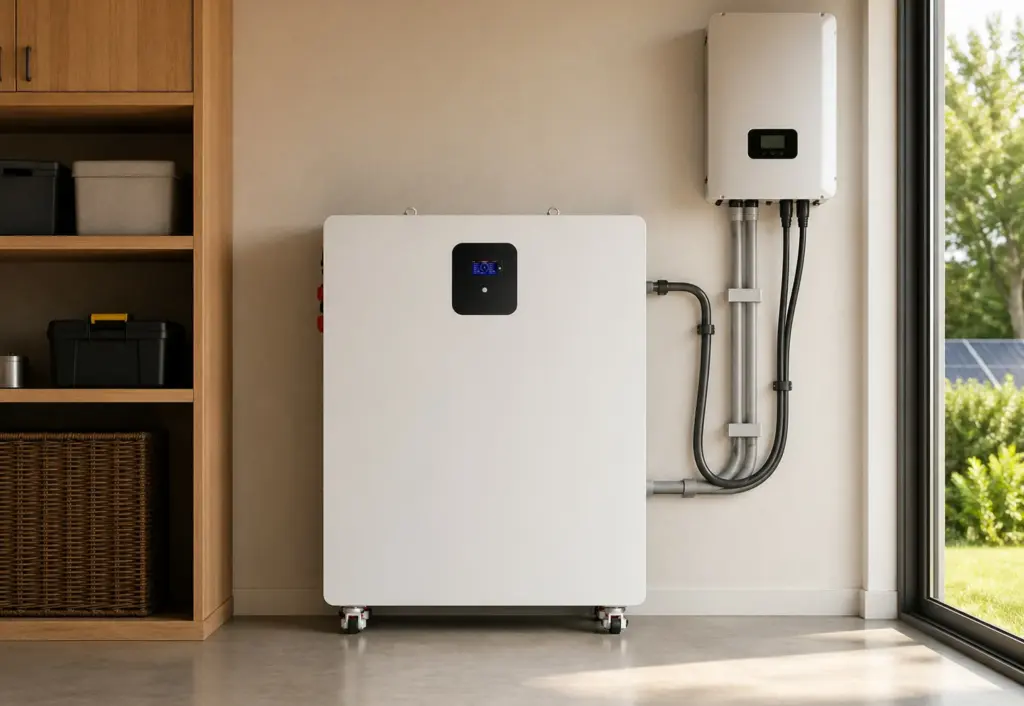
Avepower 50kWh Solar Battery Storage Solutions
Tell us your solar array size, battery voltage, inverter brand, backup load, and project country. Avepower will help you review the battery storage configuration for your installation.
Conclusion
The difference between PWM and MPPT comes down to how each controller manages solar panel voltage.
A PWM controller is simple, affordable, and suitable for small systems where panel voltage closely matches battery voltage. An MPPT controller is more advanced, more efficient, and better suited for larger systems, higher-voltage panels, lithium batteries, and modern solar energy storage projects.
For small, low-budget systems, PWM can still be a practical choice. But for most modern solar battery systems, especially residential, off-grid, commercial, and expandable installations, MPPT provides better performance and better long-term value.
FAQ
The main difference is that PWM pulls the solar panel voltage close to the battery voltage, while MPPT tracks the solar panel’s maximum power point and converts extra voltage into charging current.
MPPT is usually better for larger solar systems, higher-voltage panels, cold climates, cloudy conditions, and lithium battery systems. PWM can still be better for small, low-cost systems with closely matched panel and battery voltages.
MPPT is more efficient because it can convert excess solar panel voltage into usable charging current. PWM does not perform the same type of voltage conversion.
MPPT can often harvest 5% to 30% more energy than PWM depending on climate, panel voltage, battery voltage, and system conditions.
PWM is usually not the best choice for modern home solar battery systems. Most home storage projects benefit more from MPPT because they use larger solar arrays, lithium batteries, and higher system efficiency requirements.
Yes, an MPPT controller can charge a LiFePO4 battery if it supports the correct LiFePO4 charging settings and matches the battery system voltage and current requirements.