
If you’re planning to invest in a residential energy storage system in 2026, the most meaningful metric to compare is not the battery’s sticker price, but the installed cost per usable kilowatt-hour (kWh).
Recent U.S. market data shows that residential battery systems typically cost between $750 and $1,250 per usable kWh installed, with most systems clustering in the $800–$1,200/kWh range. In practical terms, a standard 10–13.5 kWh home battery system usually totals $10,000 to $16,000 fully installed, depending on configuration and location.
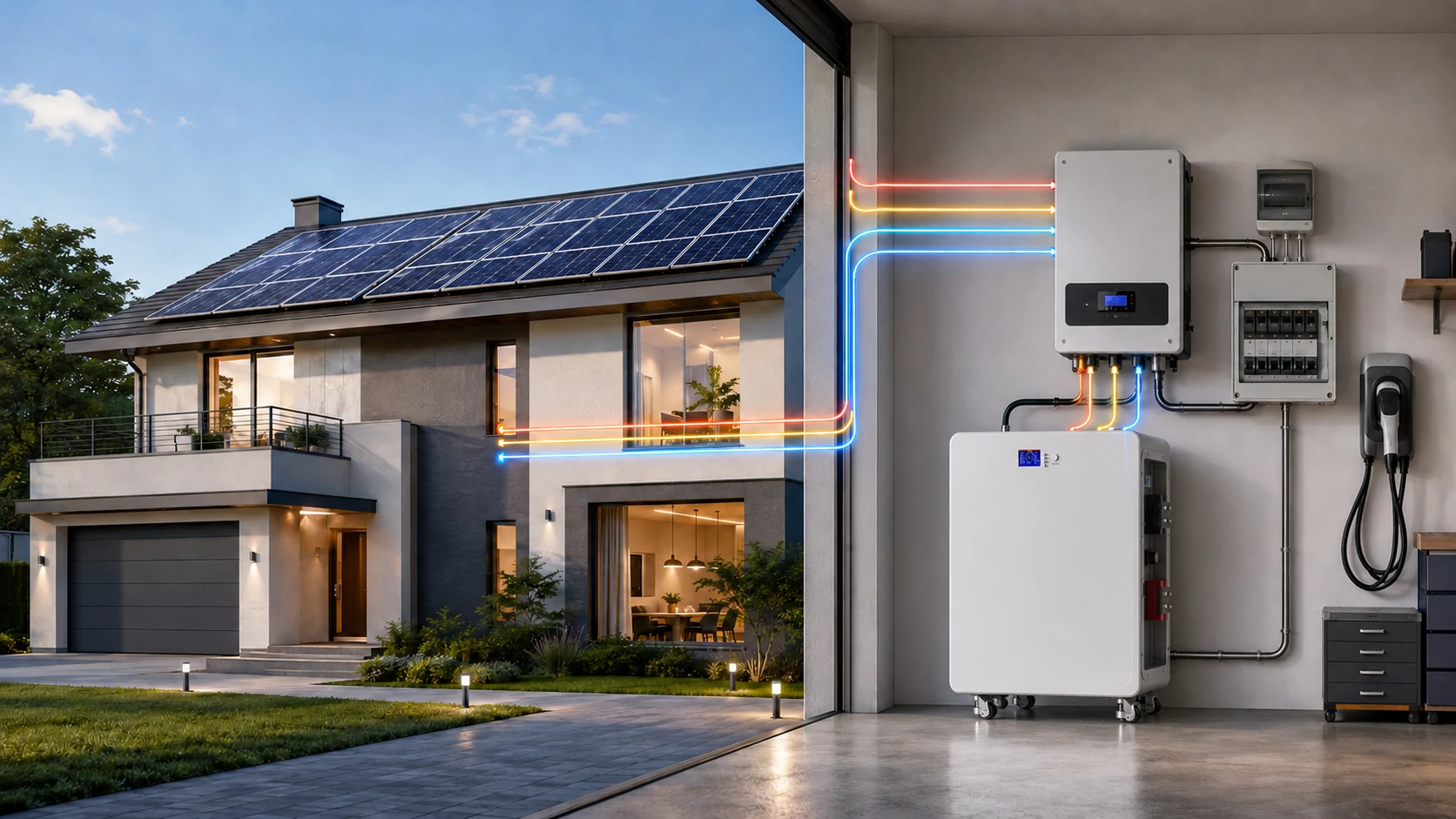
The total cost of a home battery system is much more than the battery itself. It includes inverters, BOS components, installation, software, warranties, and installer margins, which can make up 40–60% of the total cost.
This guide provides a comprehensive breakdown of real-world pricing, key cost drivers, and emerging technology trends in residential energy storage for 2026. It also explores how solutions from providers like Avepower can deliver superior value by optimizing system design and reducing cost per usable kWh.
Why Home Batteries Are More Expensive Than the Pack
If battery pack prices are around $70 to $108 per kWh, one might expect the total cost of a home battery system to be only slightly higher. In reality, the battery pack is just one component of the entire project. EnergySage notes that hardware typically accounts for 50% to 60% of the total energy storage system cost, with the remaining expenses including inverter costs, supply chain markups, Balance of System (BOS) components, and installation fees.
According to a report from the U.S. National Renewable Energy Laboratory, the median reported installed cost for residential PV-plus-storage projects in California in 2024 was $3,074 per kWh of battery, reflecting the price of the full integrated PV-storage system rather than just a battery retrofit.
Average Solar Battery Cost per kWh in 2026
United States
According to the latest EnergySage market data, the average battery cost in the U.S. is $1,128 per kWh. A typical 13.5 kWh home battery system therefore has a pre-incentive price of approximately $15,228. Across different battery brands, average costs range from as low as $706 per kWh to as high as $1,437 per kWh, highlighting how brand, system configuration, and installer selection can significantly affect the final price.
Regional differences in installed costs are also notable. In 2026:
| System Capacity (kWh) | California ($1,073/kWh) | Texas ($1,042/kWh) | New York ($1,193/kWh) | Colorado ($1,287/kWh) |
|---|---|---|---|---|
| 5 kWh | $5,365 | $5,210 | $5,965 | $6,435 |
| 10 kWh | $10,730 | $10,420 | $11,930 | $12,870 |
| 13.5 kWh | $14,486 | $14,067 | $16,116 | $17,365 |
| 15 kWh | $16,095 | $15,630 | $17,895 | $19,305 |
| 20 kWh | $21,460 | $20,840 | $23,860 | $25,740 |
| 25 kWh | $26,825 | $26,050 | $29,825 | $32,175 |
| 30 kWh | $32,190 | $31,260 | $35,790 | $38,610 |
These variations are largely driven by differences in labor costs, permitting and inspection requirements, installer expertise, and battery capacity selection across states.
Australia
In Australia, the current cost of home battery systems ranges from approximately AUD 440 to AUD 1,630 per kWh. Larger system capacities and higher modularity can more effectively offset fixed costs such as installation labor and inverter hardware, improving the overall cost-efficiency of the system.
| System Capacity (kWh) | Approx. Installed Price (AUD) | Price per kWh (AUD) |
|---|---|---|
| 5 kWh | $8,150 | $1,630 |
| 10 kWh | $7,700 | $770 |
| 12.8 kWh | $8,980 | $700 |
| 15 kWh | $9,000 | $600 |
| 20 kWh | $9,800 | $490 |
| 25.6 kWh | $11,250 | $440 |
| 30 kWh | $12,000 | $400 |
Federal battery subsidies also play a significant role in reducing net prices. After accounting for administrative fees:
- From January 1, 2026: Subsidy is approximately AUD 300 per usable kWh
- From May 1, 2026: Subsidy decreases to approximately AUD 244 per usable kWh
Larger systems naturally qualify for higher total subsidies, meaning the larger the system, the greater the reduction in net installed cost per kWh.
United Kingdom
In the UK, the installed cost of residential battery storage varies widely depending on installer, brand, capacity, and whether solar PV is bundled with the system. Prices have declined as the market matures but still reflect differences in hardware and installation complexity.
| System Capacity (kWh) | Estimated Installed Cost (GBP) | Installed Cost per kWh (£/kWh) |
|---|---|---|
| 5 kWh | £4,000 | ~£800 |
| 10 kWh | £6,000 | ~£600 |
| 15 kWh | £8,000 | ~£530 |
| 20 kWh | £9,000 | ~£450 |
| 25 kWh | £10,500 | ~£420 |
| 30 kWh | £12,000 | ~£400 |
🇬🇧 UK Policy Impact
Zero VAT on residential battery installations applies through 31 March 2027, meaning the usual 20 % VAT is waived for qualifying systems — significantly lowering upfront prices compared with standard VAT. This makes the UK one of the more attractive markets currently for home battery investment.
Additionally, the Smart Export Guarantee (SEG) ensures that energy exported back to the grid from batteries paired with solar is compensated by energy suppliers at a tariff above zero, improving the lifetime economics even though it doesn’t directly reduce installation cost.
What Drives Solar Battery Cost?
Understanding cost structure helps explain pricing differences.
1. Battery Size and Fixed Cost Dilution
Smaller systems may appear affordable at first glance, but the cost per kWh is often higher, because fixed costs—such as inverters, controllers, and installation labor—are spread over fewer kilowatt-hours.
For example, in Australia, a 5 kWh home battery system costs approximately AUD 1,630 per kWh, while a 25.6 kWh modular system in the same market can drop to around AUD 440 per kWh. Larger, modular systems effectively reduce the per-kWh cost by diluting fixed costs across more energy storage.
2. Battery Chemistry
Battery chemistry affects safety, lifespan, and cost. Since 2021, lithium iron phosphate (LiFePO4/LFP) has become the dominant chemistry for stationary storage, accounting for 80% of newly installed residential battery capacity in 2023.
For home storage, LFP batteries are generally more cost-efficient, longer-lasting, and slightly safer than nickel-cobalt-manganese (NMC) chemistries. As a result, many 2026 residential systems—especially those targeting high cost-performance ratios—adopt LiFePO4 technology.
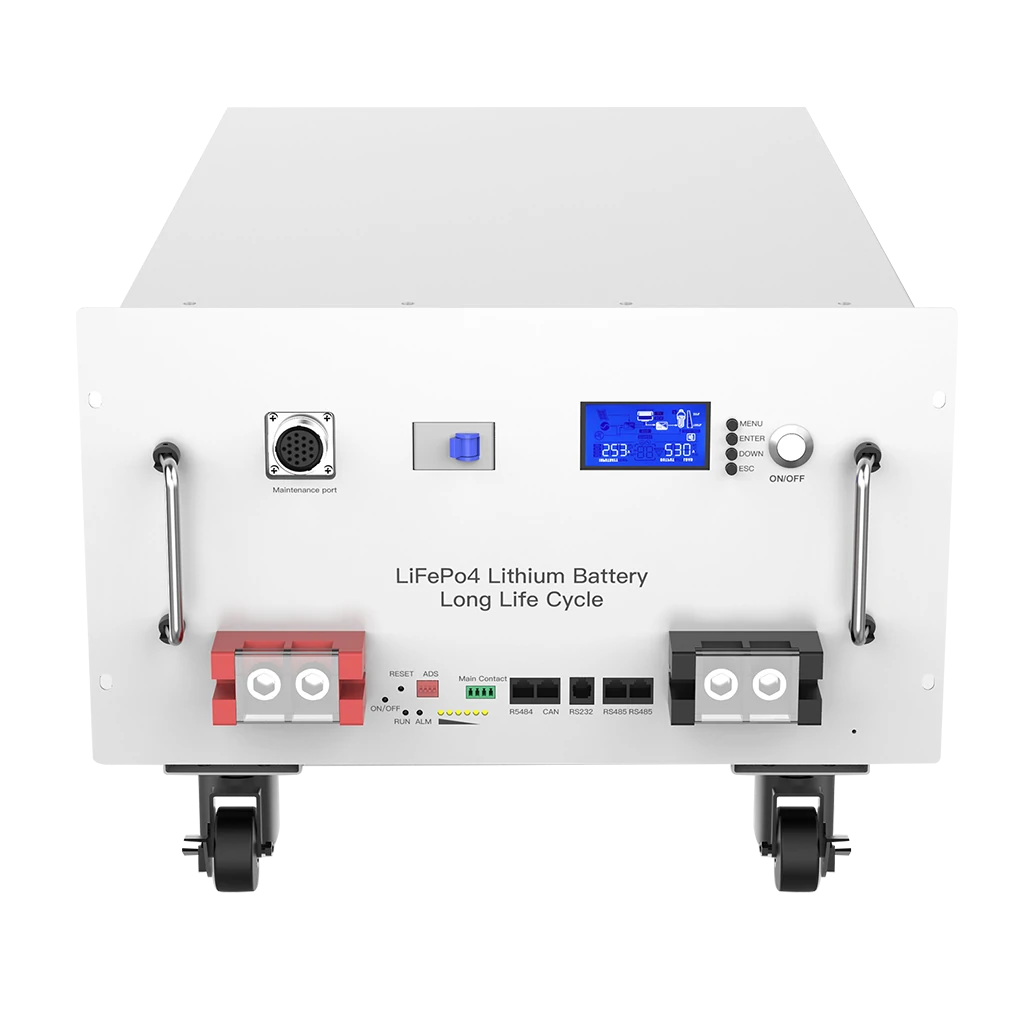
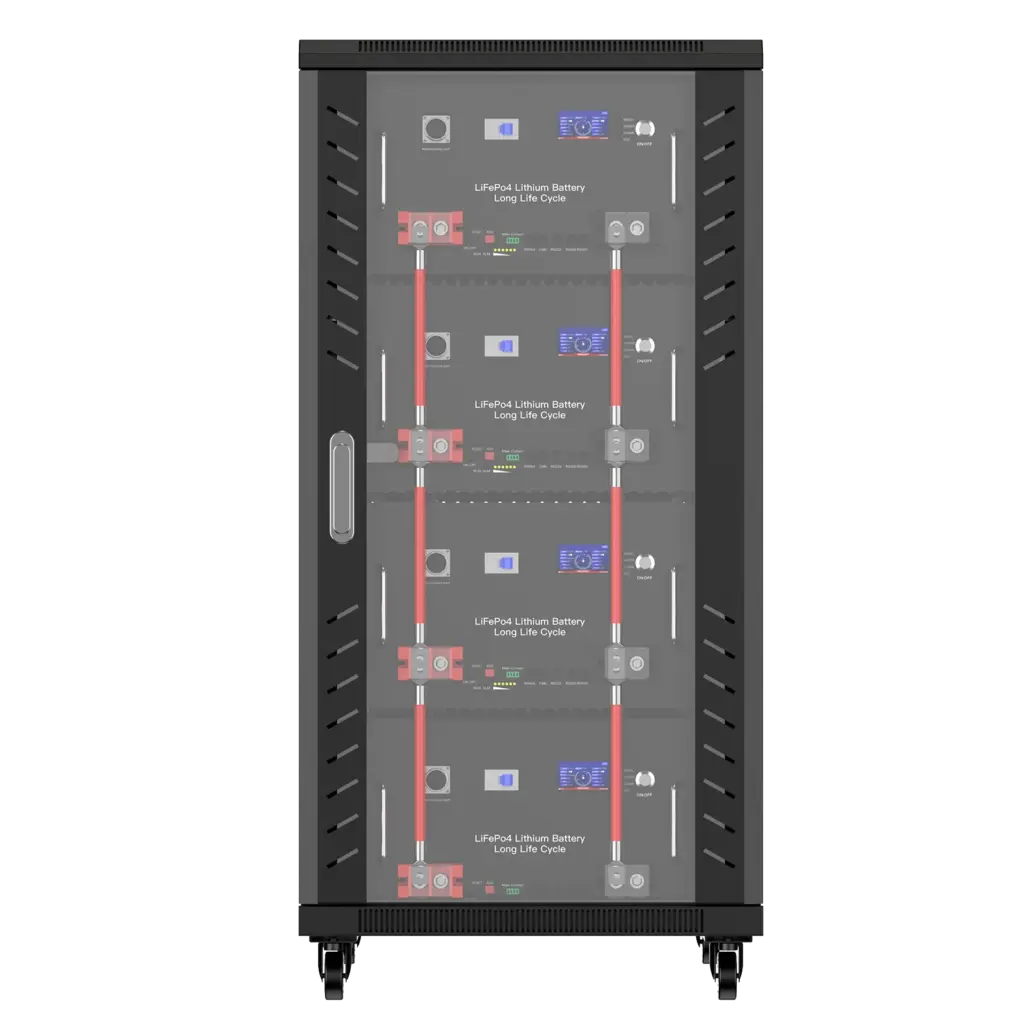
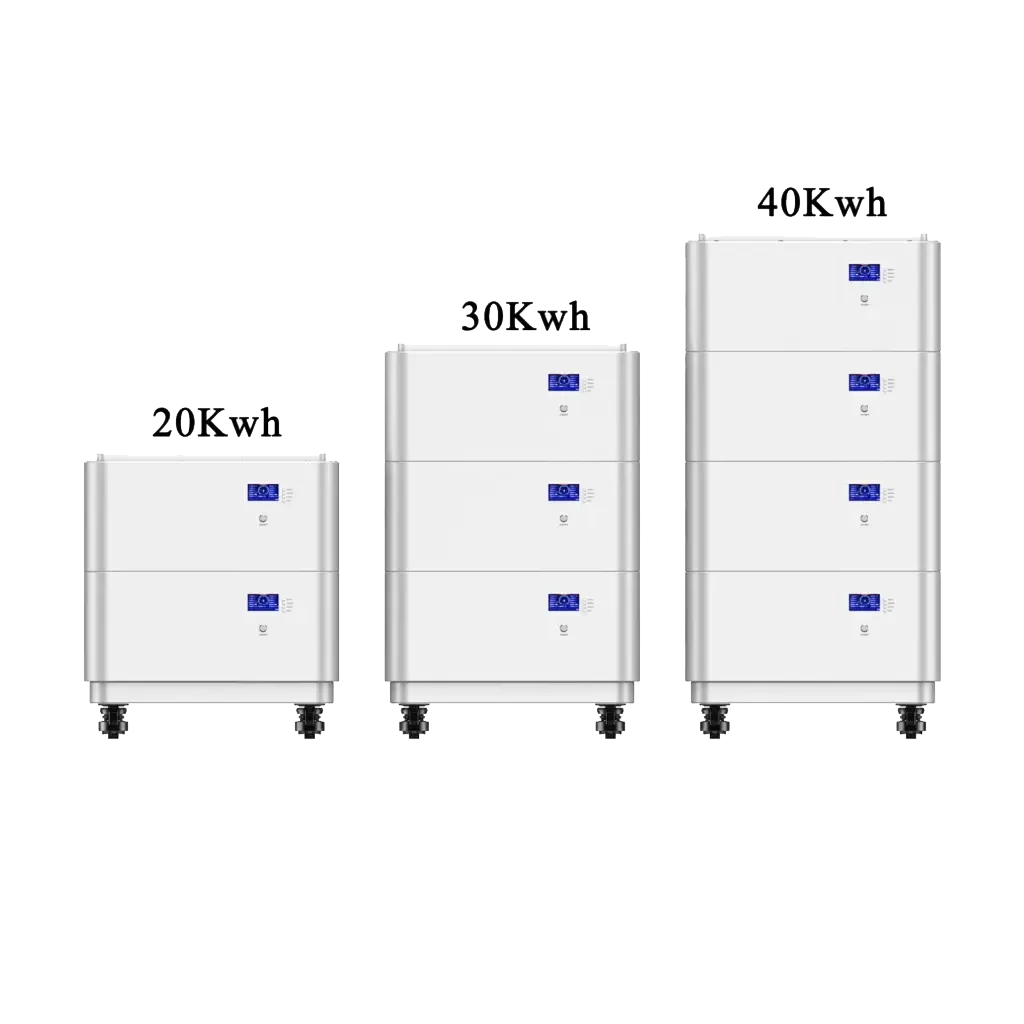
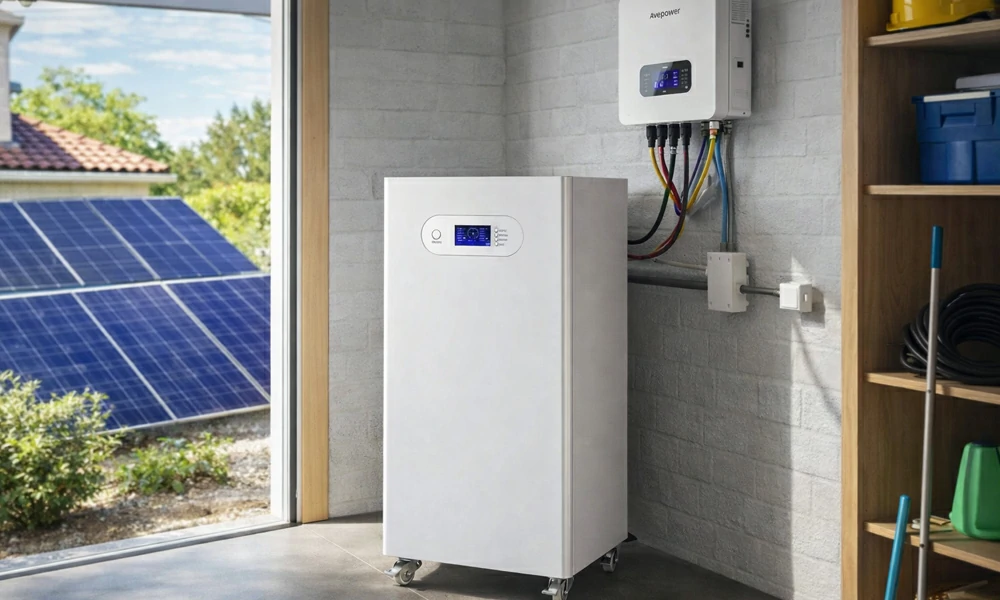
Avepower’s solar batteries are well-aligned with this trend. The expandable residential series starts at 15 kWh and scales up to 30 kWh or 60 kWh, using LiFePO4 cells. They support CAN, RS485, and RS232 communication, along with Bluetooth and Wi-Fi monitoring, and can connect up to 16 units for a maximum 260 kWh capacity. This modular approach allows buyers to avoid high upfront costs while gradually reducing the effective cost per kWh as capacity increases.
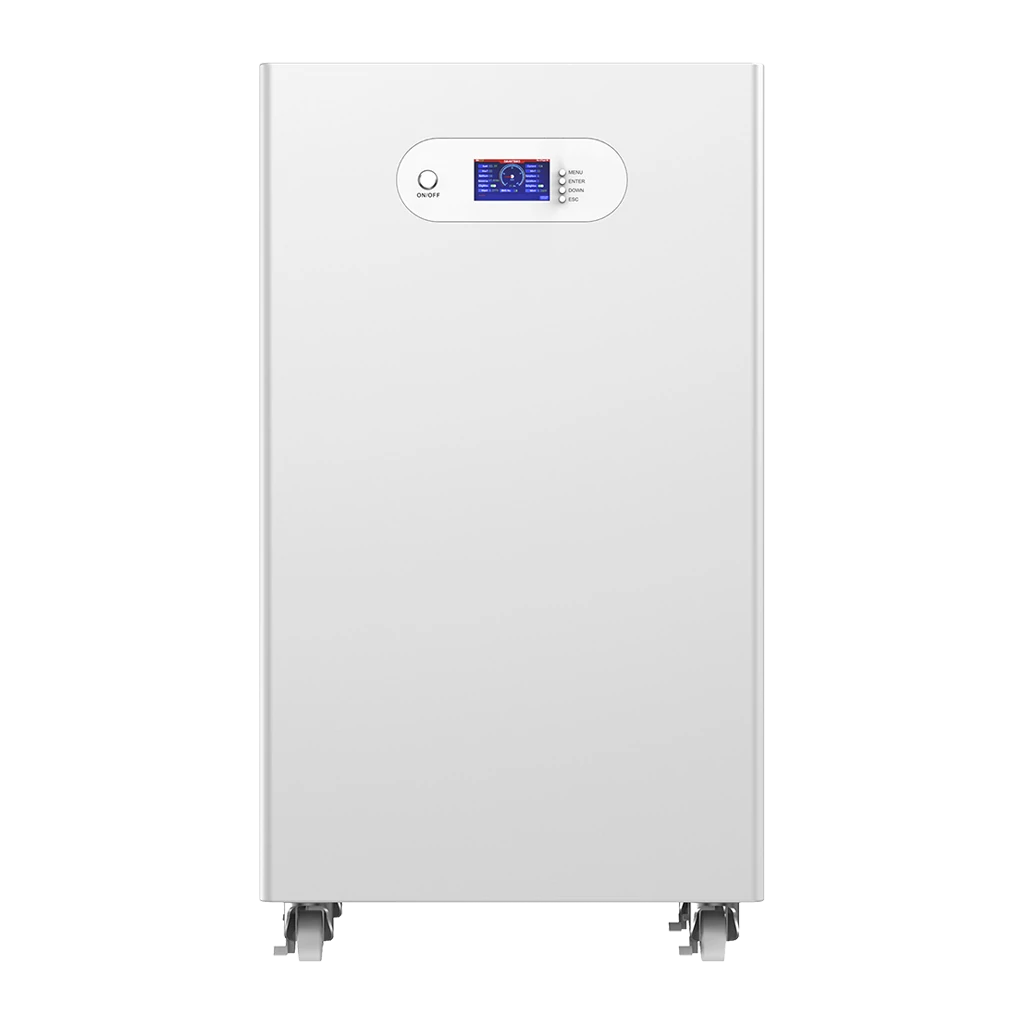
Avepower 15kWh Residential Energy Storage Battery
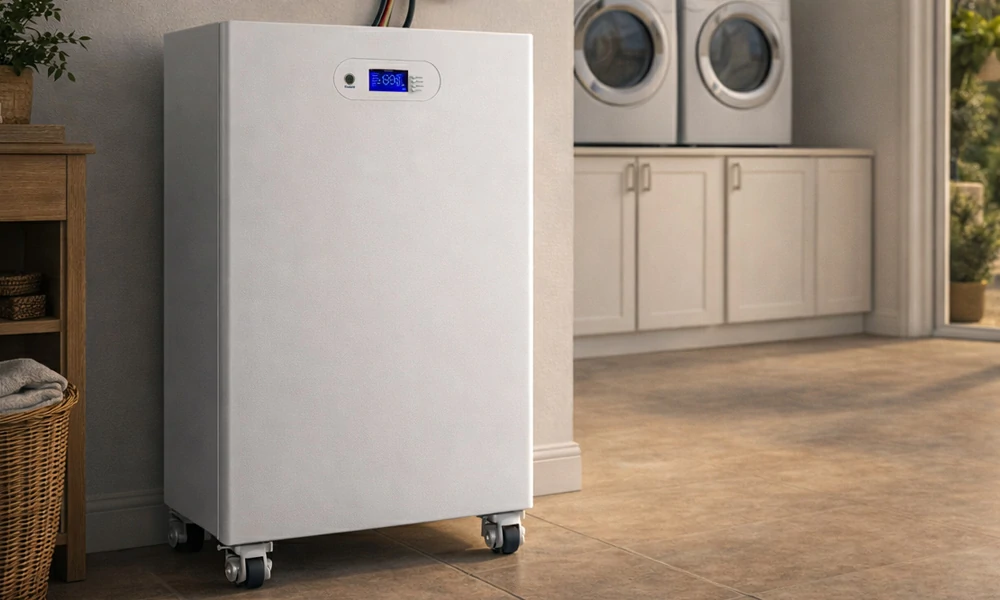
15kWh Battery – LiFePO4, 8,000+ cycles @ 80% DoD, black/white, 360° wheels for easy mobility, indoor installation. Supports CAN/RS485 communication and full protection. OEM & customization available.
3. Retrofitting vs. New Solar System Installation
Installing a solar PV system and battery simultaneously is usually more economical than adding storage later. Purchasing a PV system, battery, and hybrid inverter together can save roughly $1,000 compared with retrofitting storage into an existing solar system.
If you know you need storage, planning both simultaneously optimizes overall project economics.
4. Inverter Type and Power Rating
Some batteries come with built-in inverters, while others require separate units. A standalone inverter can add several thousand dollars to the total system cost, and higher-power inverters are more expensive than lower-power models.
This explains why two batteries with similar energy capacities can have widely different installed prices—the final quote depends on power capability, not just energy capacity.
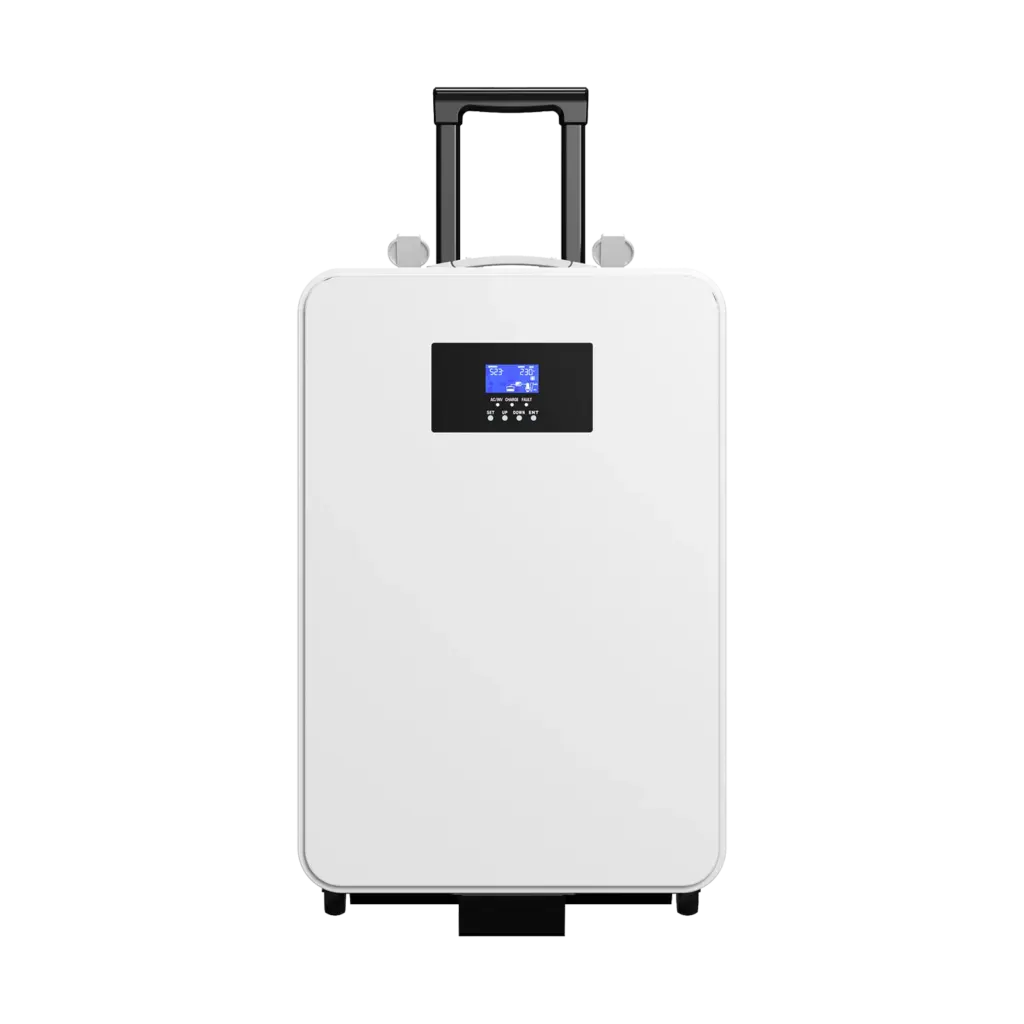
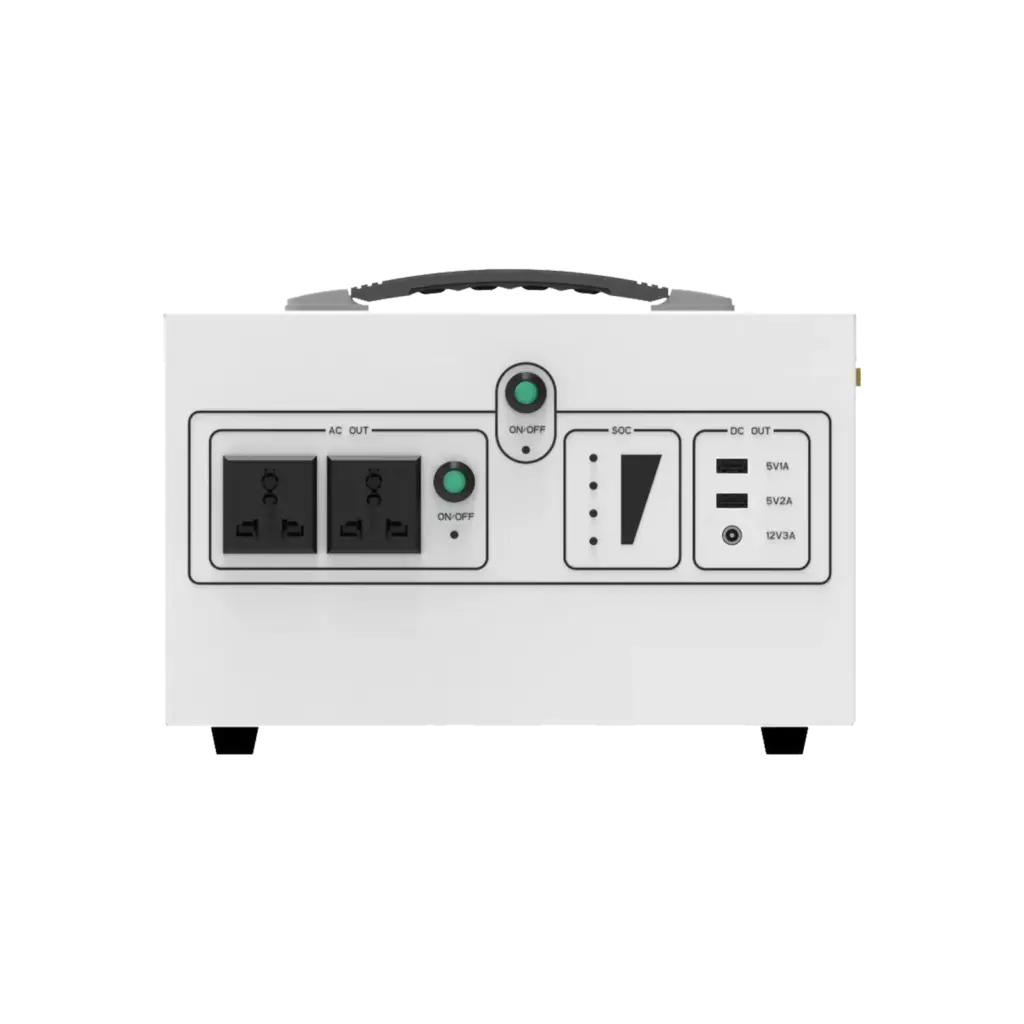
For those seeking an integrated inverter solution, consider Avepower’s 15 kWh home battery with a 6 kW inverter, which combines the battery, inverter, and MPPT into a single unit for simpler installation. The 15 kWh LiFePO4 battery offers long lifespan and high safety, with dual MPPT supporting up to 2 × 7.5 kW solar input.
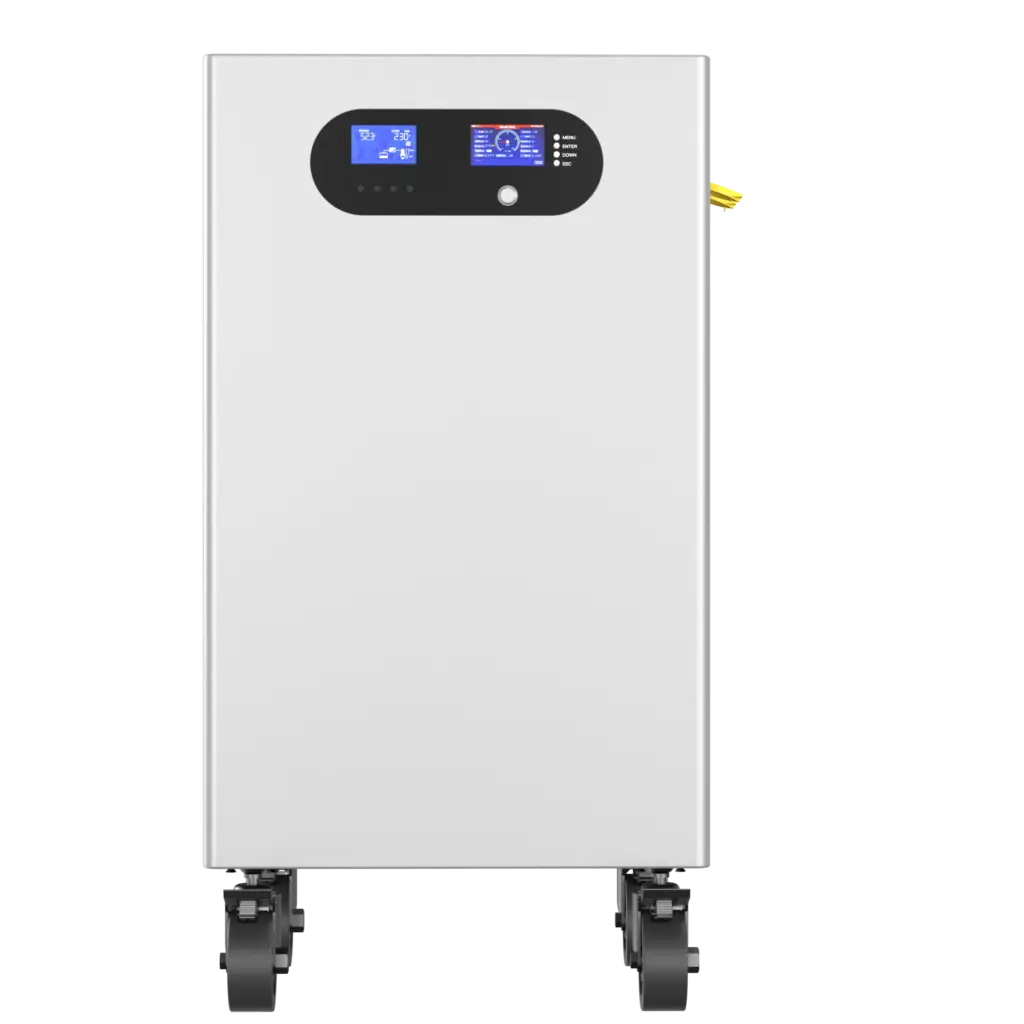
Avepower 15kWh Home Solar Battery with 6kW Inverter
All-in-one solar battery with high-capacity LiFePO4, smart inverter, and MPPT controller. 8,000+ cycles @100% DoD, fully customizable.
5. Incentives and Tax Credits
In the U.S., the Residential Clean Energy Tax Credit covers 30% of eligible expenditures for systems placed in service from 2022 through 2032. Battery storage technologies qualify if the system has at least 3 kWh of capacity.
For example, a battery with a pre-credit cost of $15,228 could receive a tax credit of roughly $4,568, significantly lowering the effective net cost.
How Avepower Enhances Value per kWh
Avepower focuses on maximizing lifetime value—not just upfront cost.
For buyers who don’t want to pay high retail prices for every additional kilowatt-hour of storage, one of the smartest strategies is to adopt a modular LiFePO4 battery platform that can expand according to actual needs.
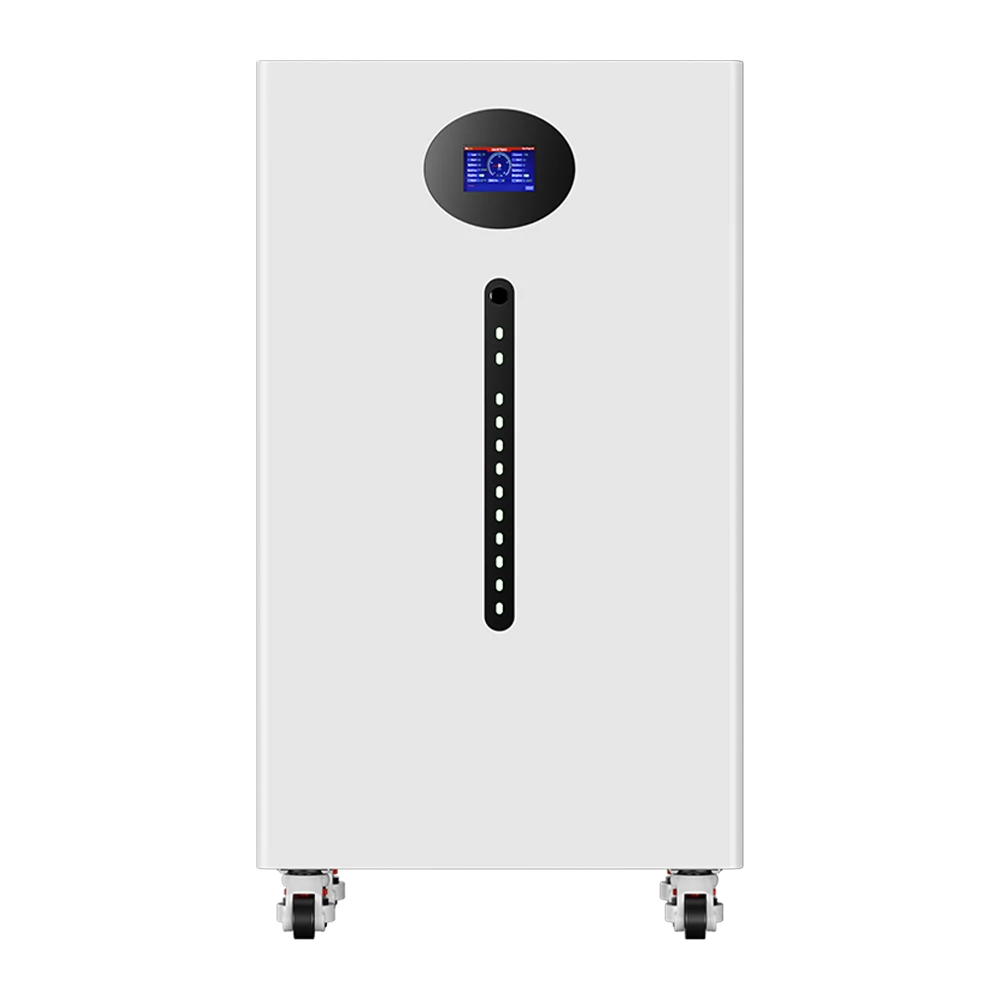
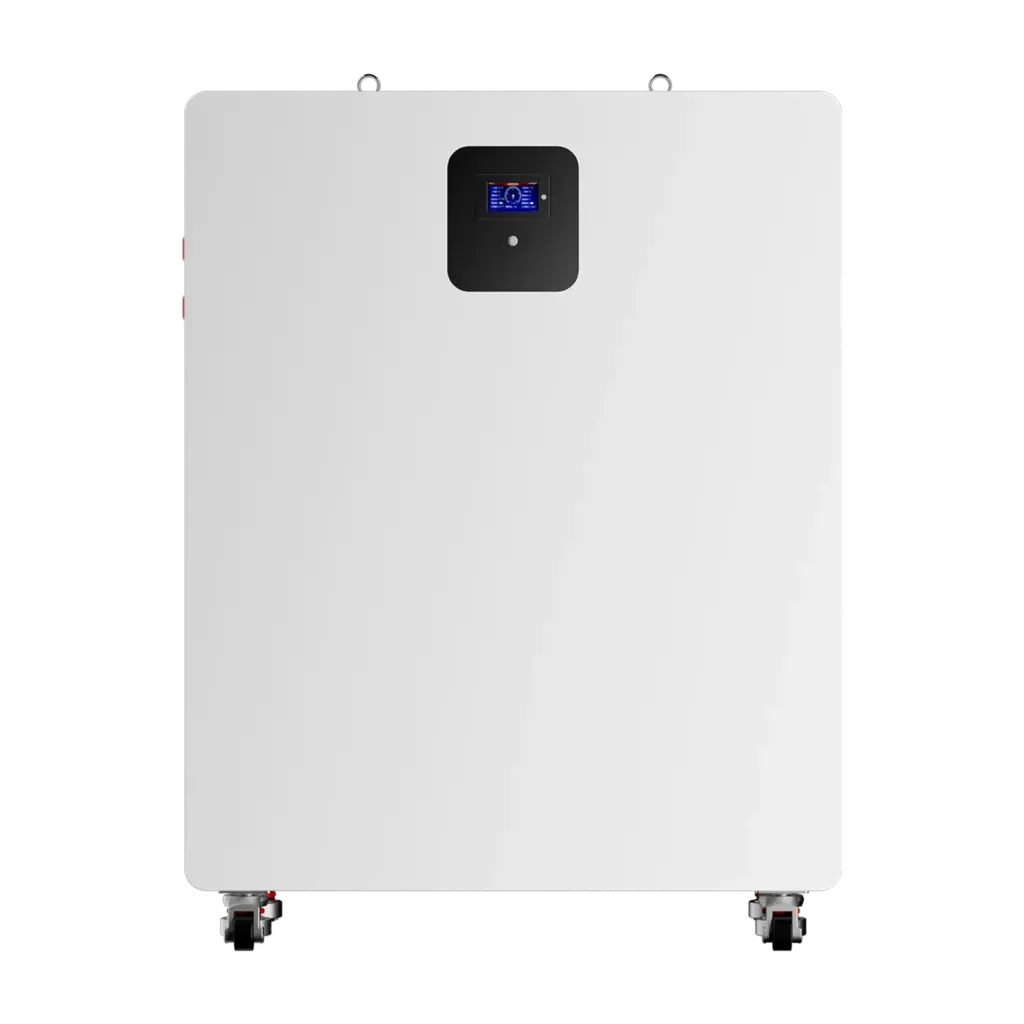
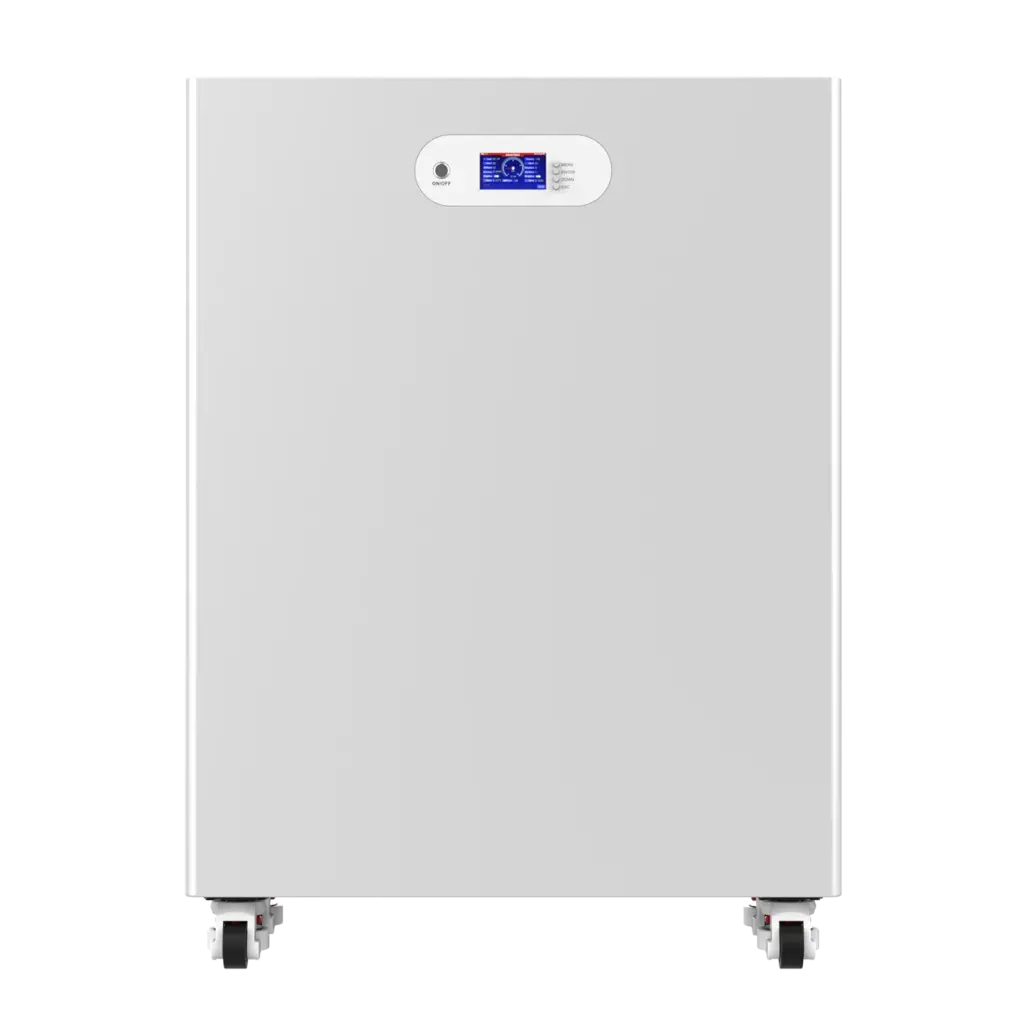
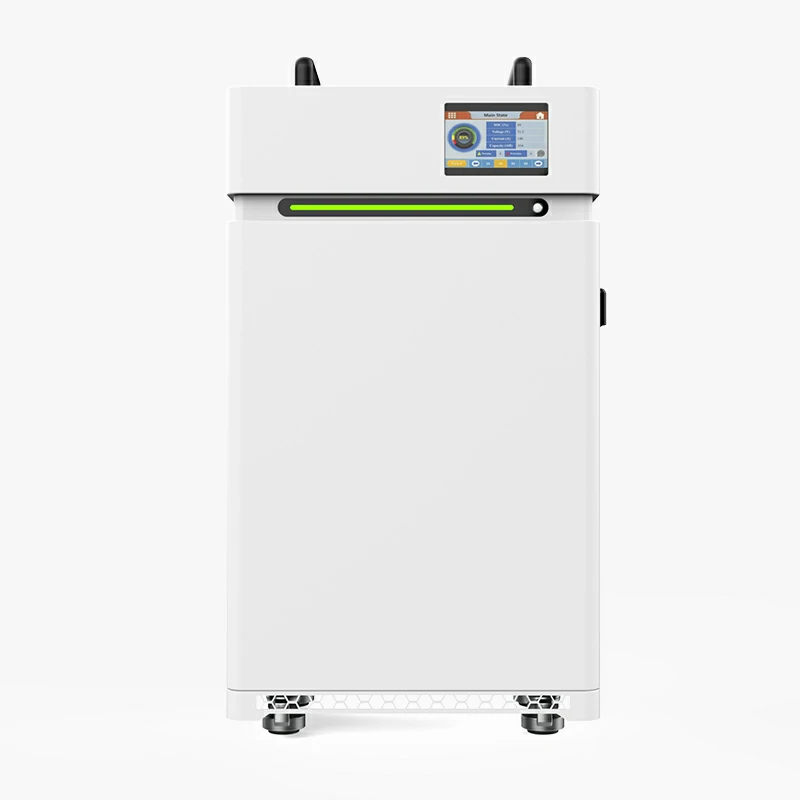
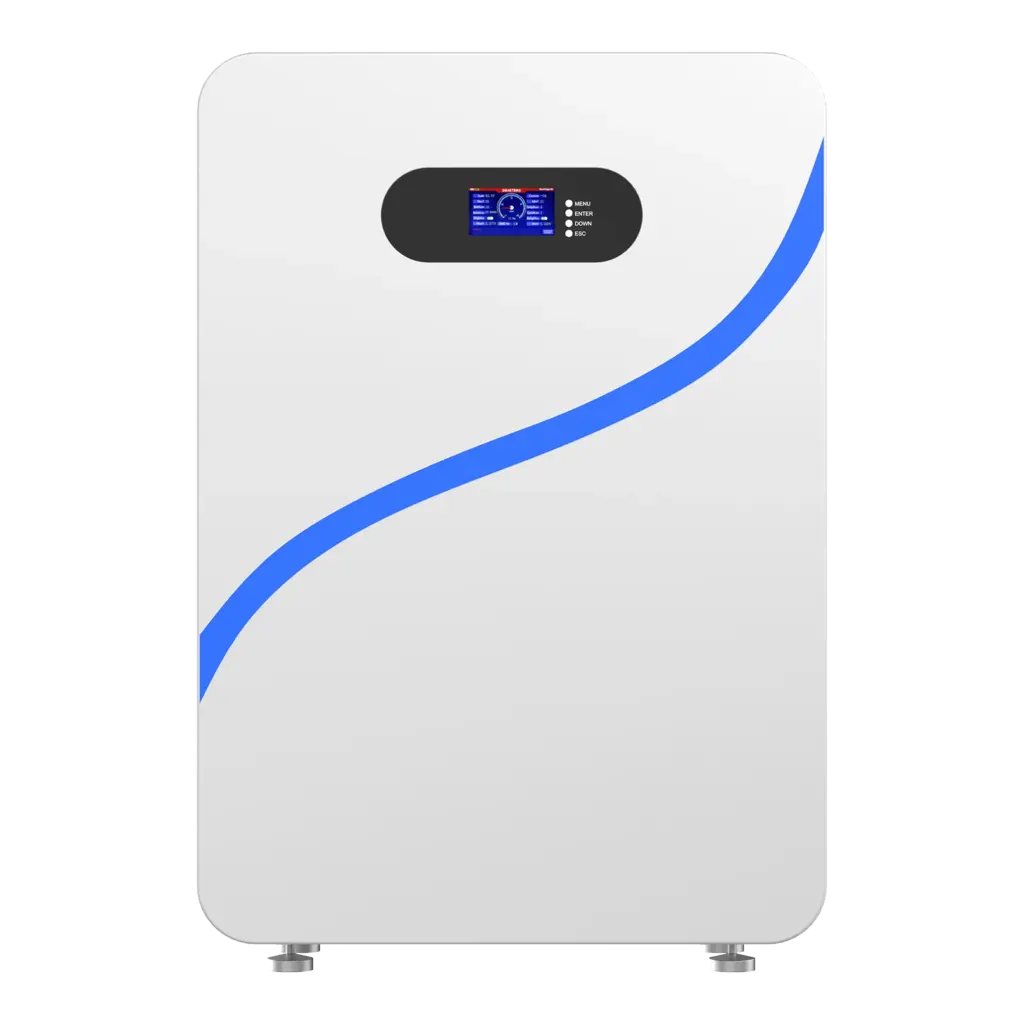
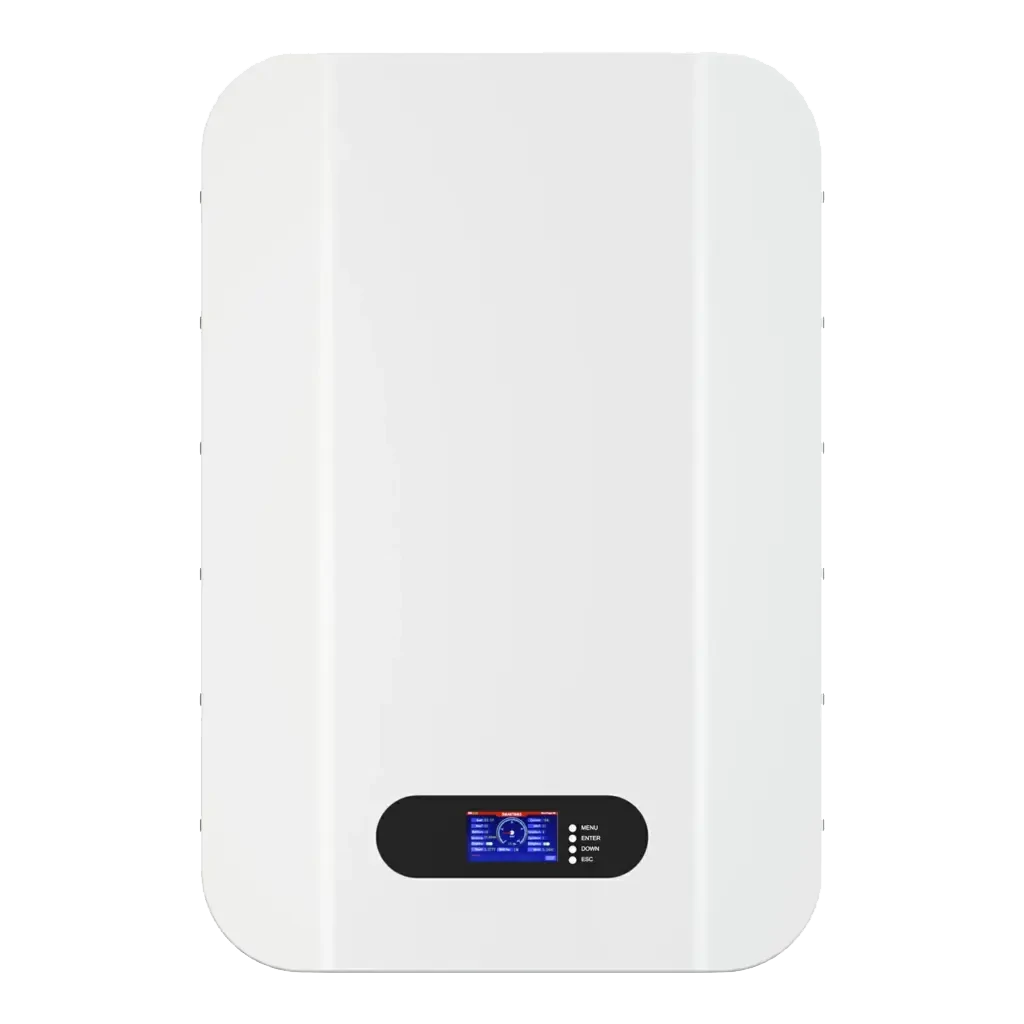
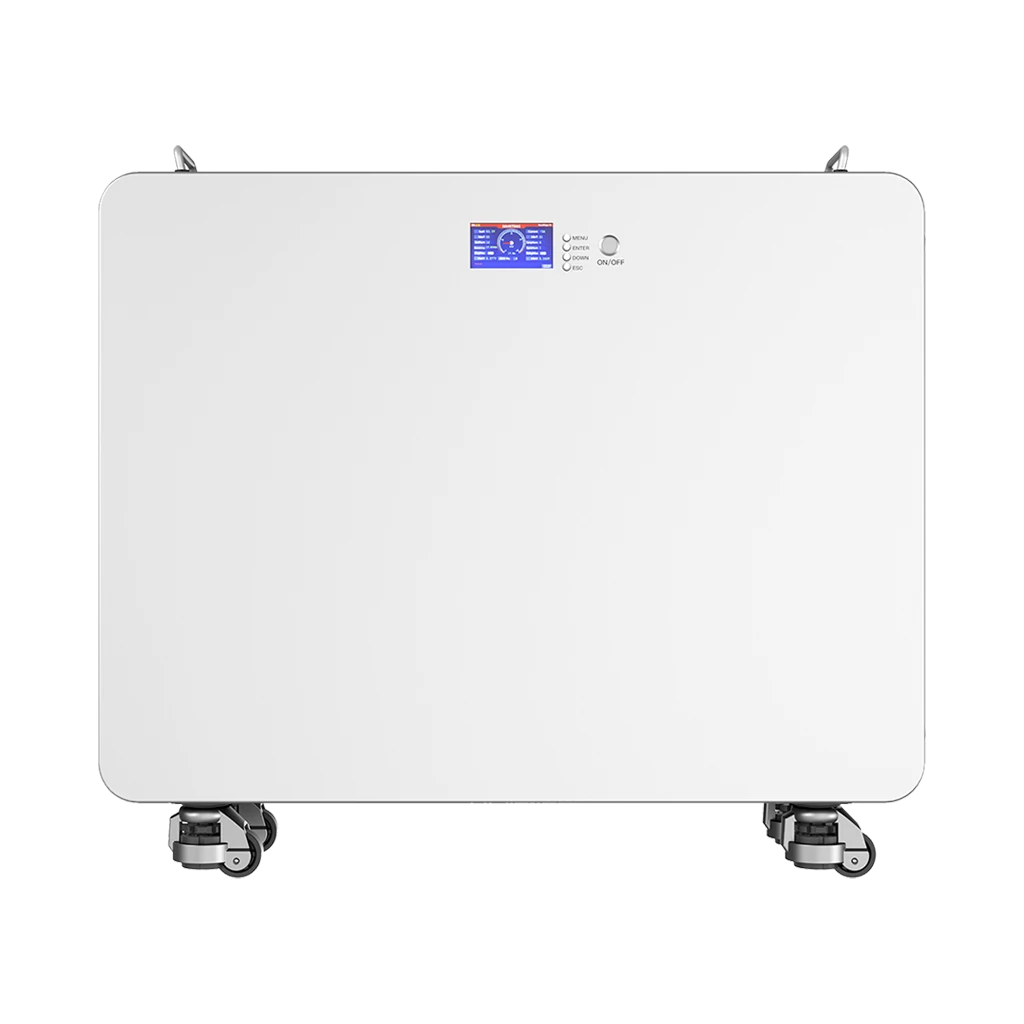
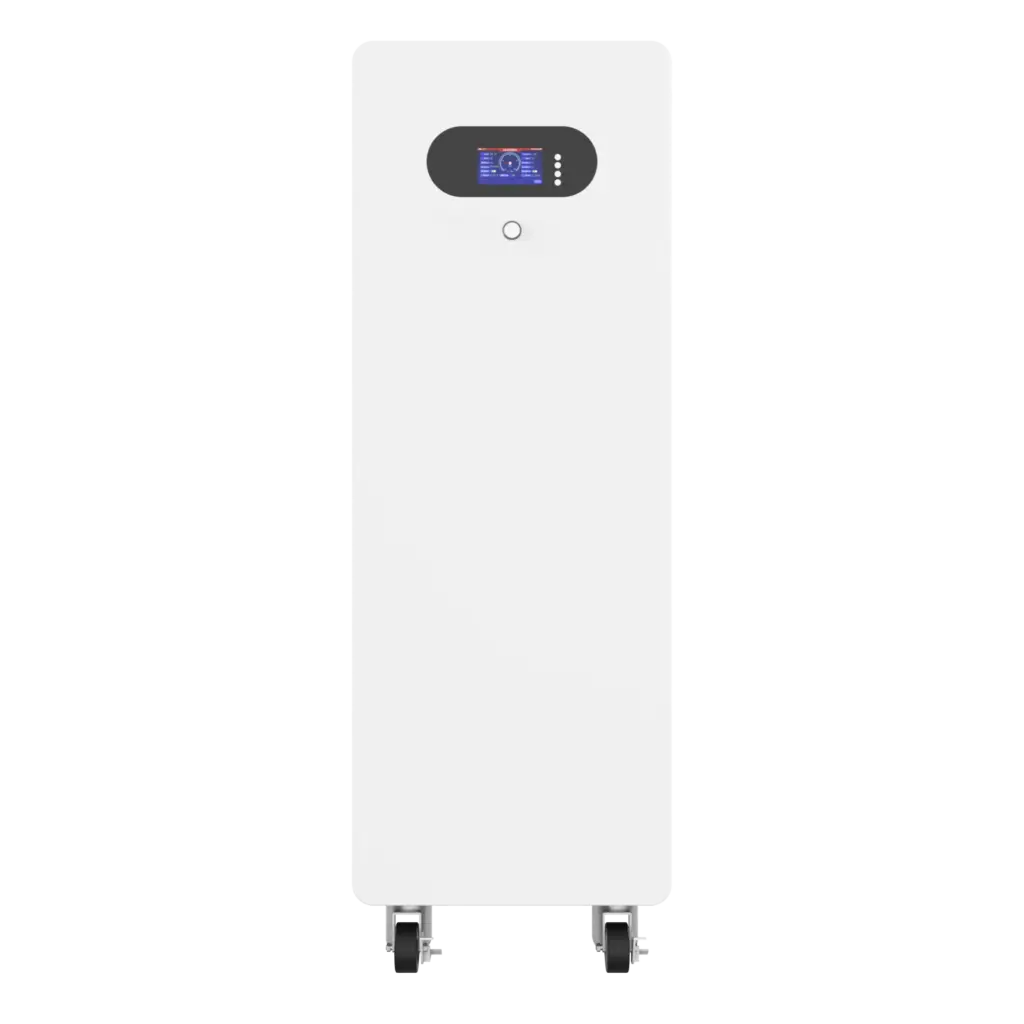
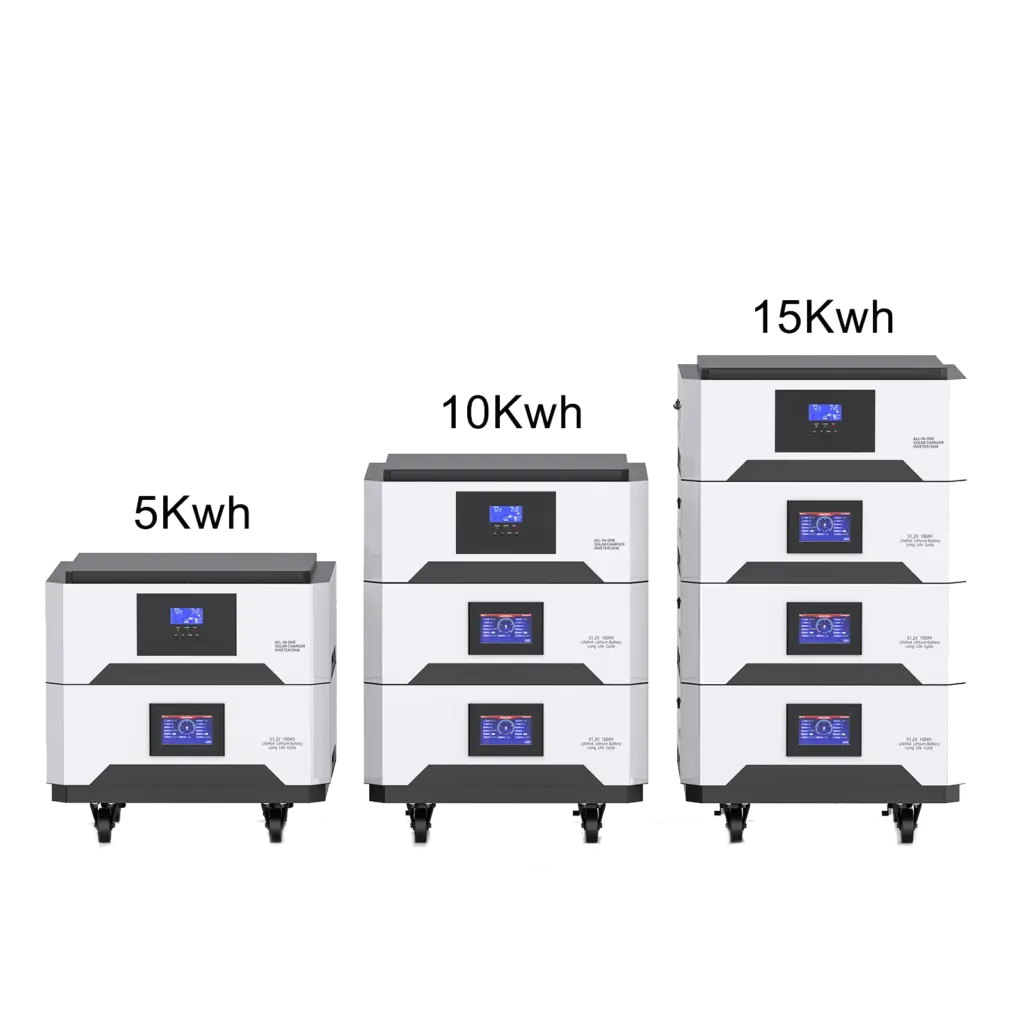
Avepower’s residential energy storage product line offers a variety of form factors—including vertical, rack-mounted, wall-mounted, all-in-one, and stackable systems—with capacities scalable from 5 kWh up to 260 kWh. Properly sizing your system from the start is one of the most effective ways to control the effective cost per kWh: if your system can be expanded later, there’s no need to overspend on day one.
For installers, distributors, and project buyers, factory-direct supply and OEM/ODM options change the overall procurement landscape, providing more flexibility and better pricing per kWh.
Take the next step in cost-effective energy storage—explore Avepower’s modular LiFePO4 solutions today and start scaling your system as your needs grow.
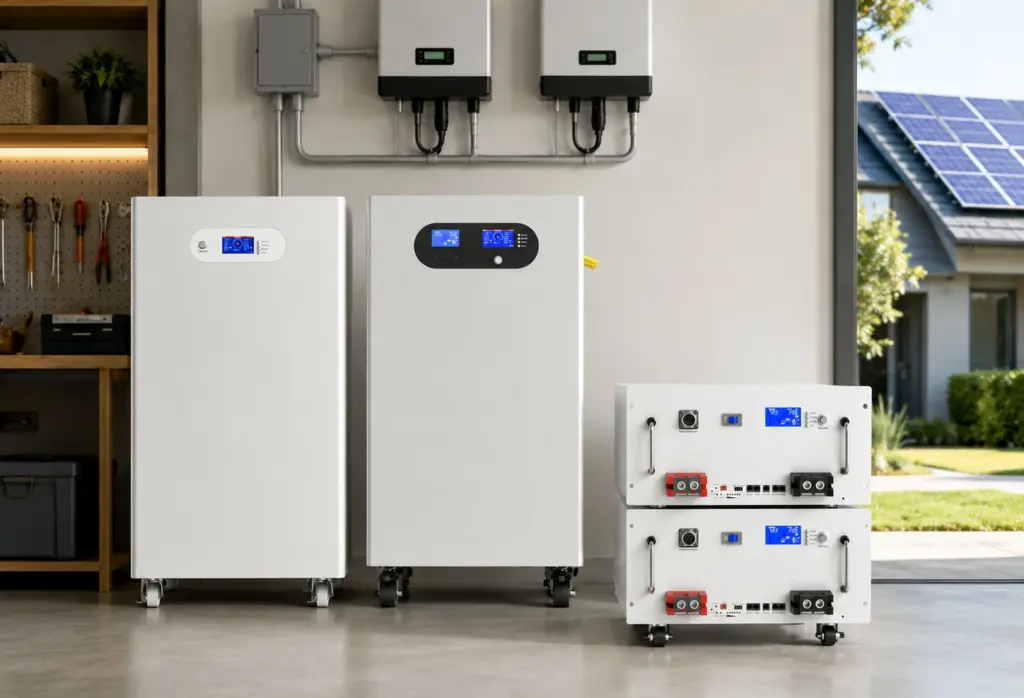
Take Control of Your Energy with Avepower!
Reliable home solar battery solutions with OEM/ODM customization and in-house manufacturing, tailored to the needs of distributors, installers, and energy partners.
Is Buying a Solar Battery Still Worth It in 2026?
A solar battery is worth investing in when it effectively addresses real-world needs better than alternative solutions. In areas with frequent power outages, limited compensation for exported energy, or generous local government incentives, a battery can reduce dependence on the grid and lower electricity bills. However, upfront costs may still be a barrier for some households. The value depends on factors such as your electricity rates, outage risk, solar generation patterns, and whether you prioritize backup power as much as energy savings.
The wrong approach is to focus solely on the lowest sticker price. A smarter strategy is to compare usable kWh capacity, rated power, battery chemistry, warranty period, inverter compatibility, installation method, and expandability. This ensures you select a system that meets both your energy and economic needs.
FAQ
In the U.S., most residential battery systems in 2026 fall in the range of $800 to $1,200 per usable kWh installed. A standard 10–13.5 kWh system usually costs around $10,000 to $16,000 fully installed.
Yes, AC-coupled vs. DC-coupled, hybrid vs. modular, or retrofit vs. new installation all impact final pricing.
Battery pack costs may be $70–$108/kWh, but total installed cost includes inverters, BOS, labor, and margins, often 4–10× higher.
Scalable 10–260 kWh capacities, integrated monitoring, multiple form factors, and modular design reduce long-term cost per kWh and allow gradual system expansion.
Not per kWh. Smaller systems have higher per-kWh costs due to fixed component dilution.