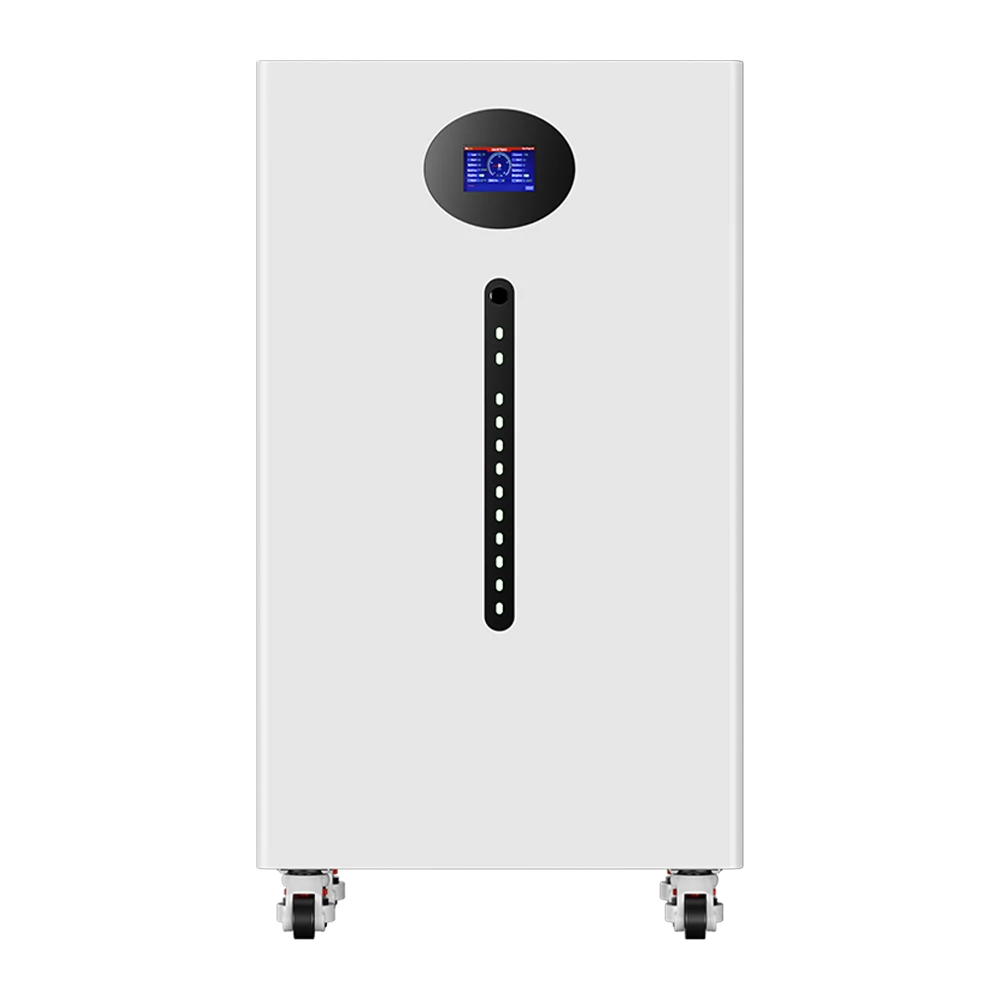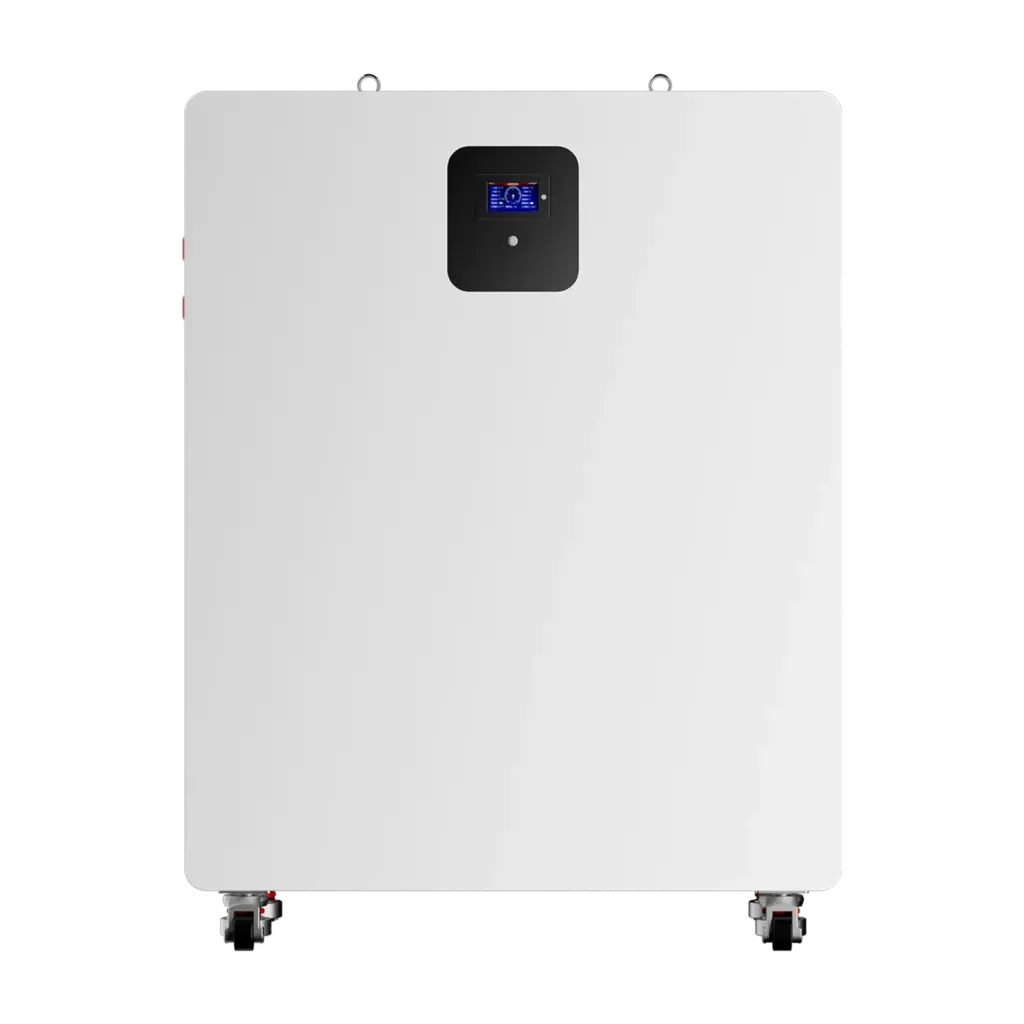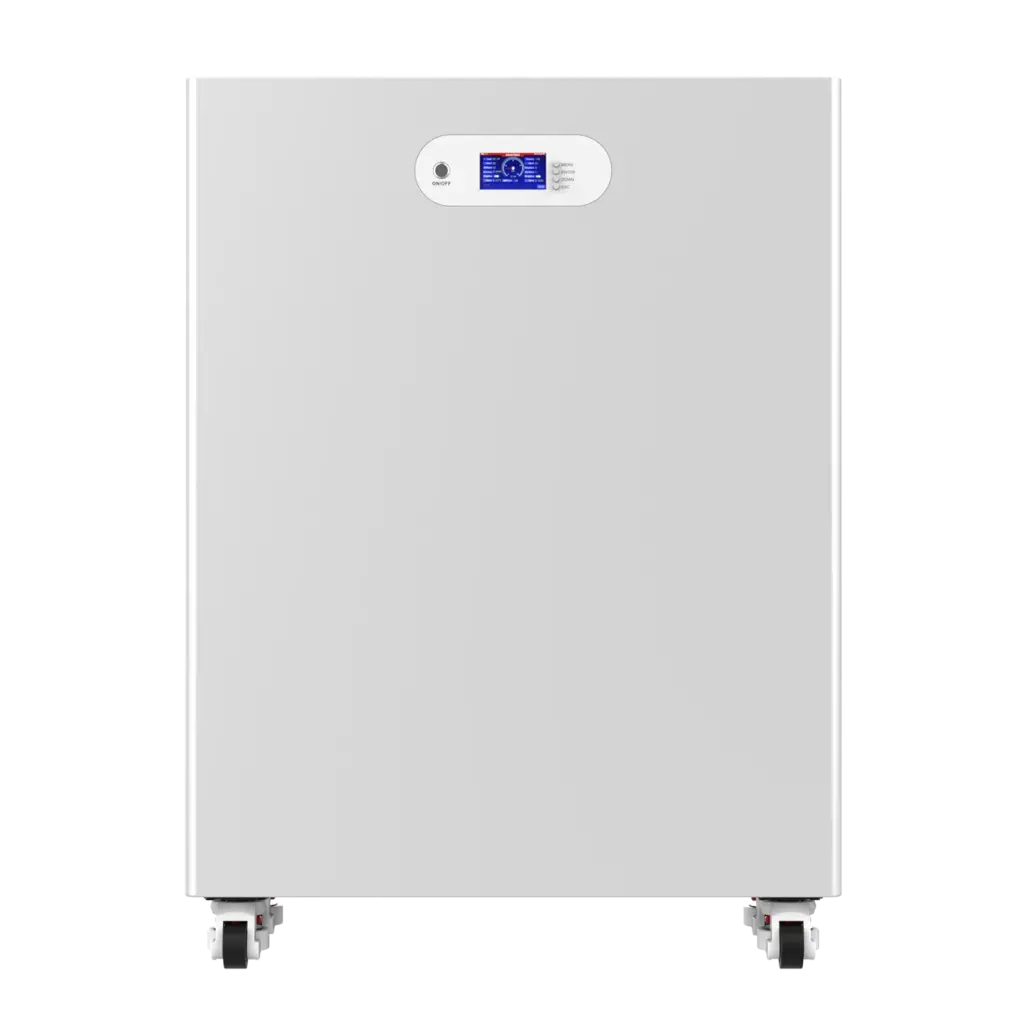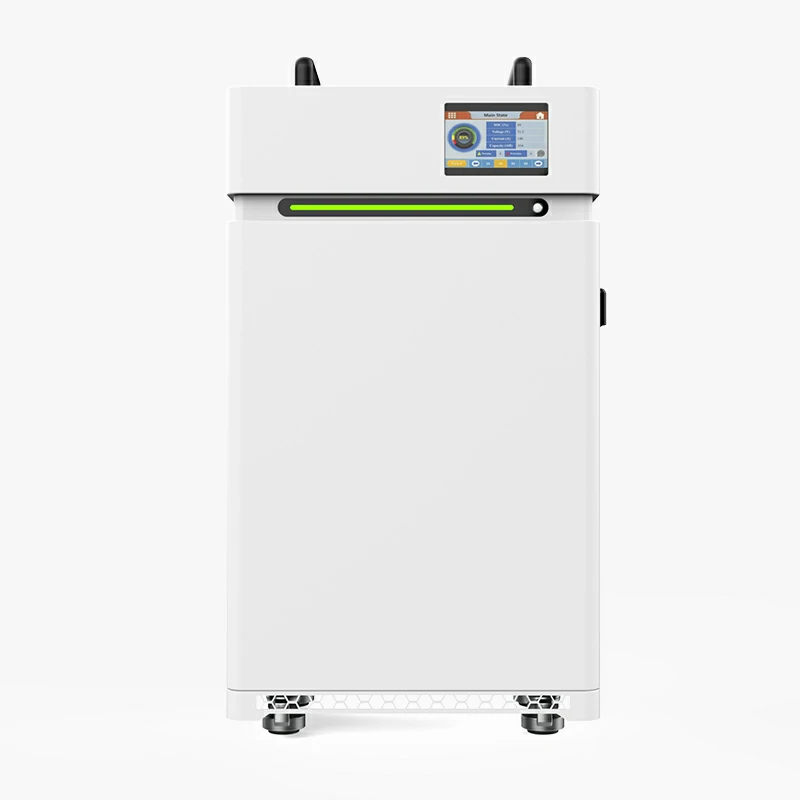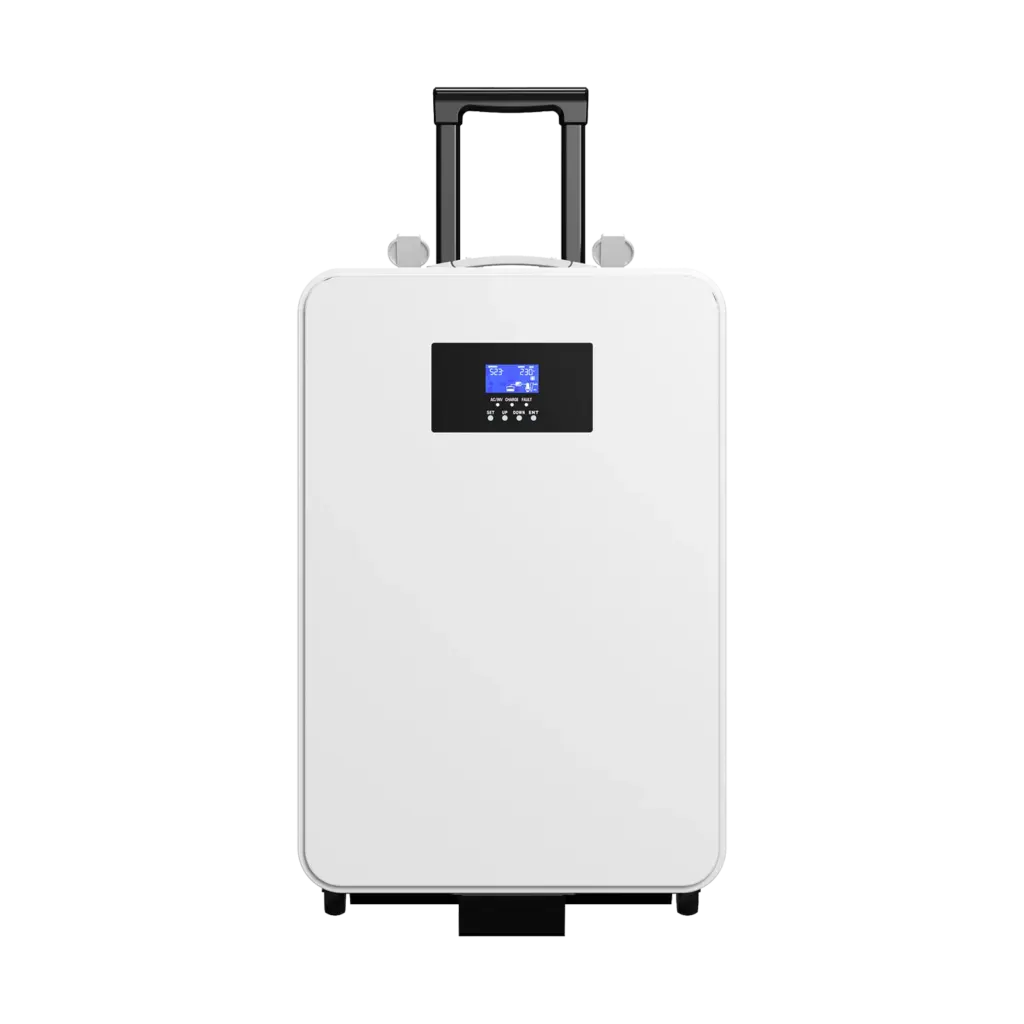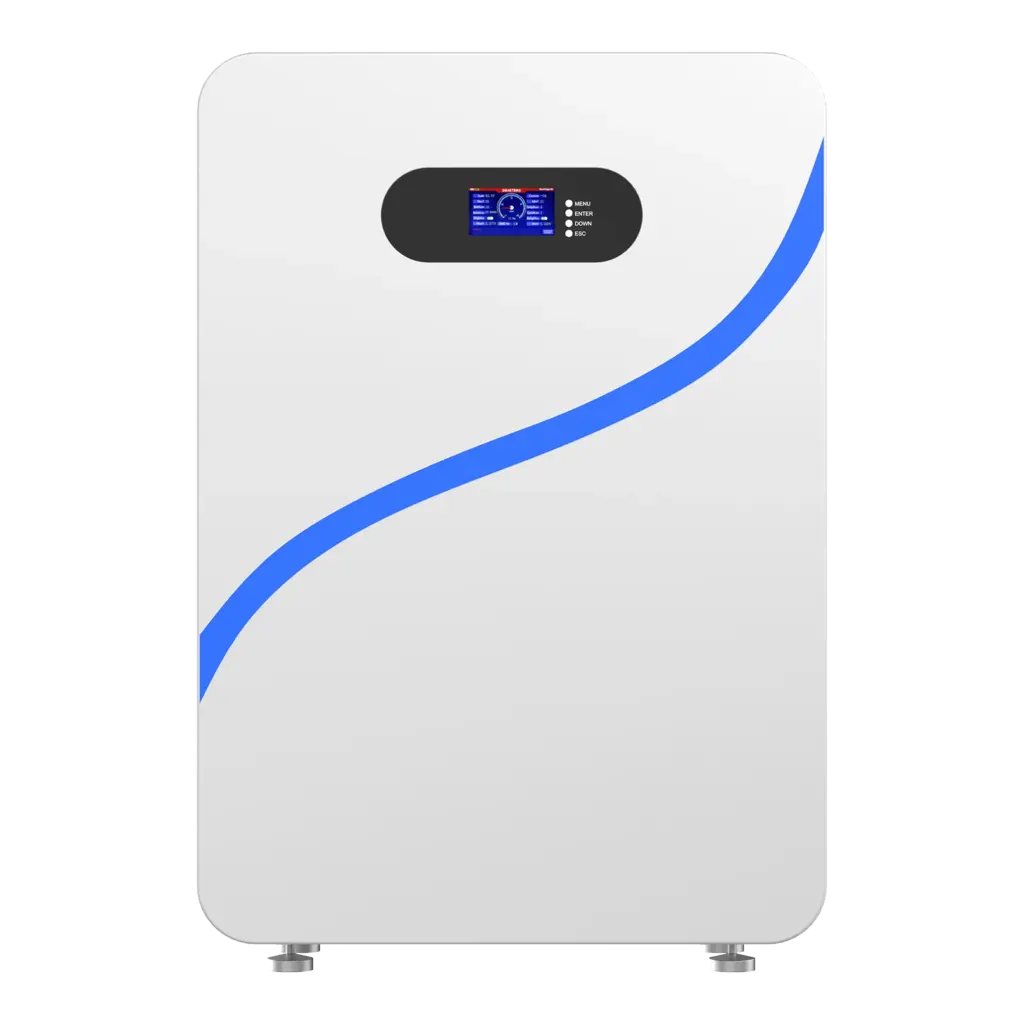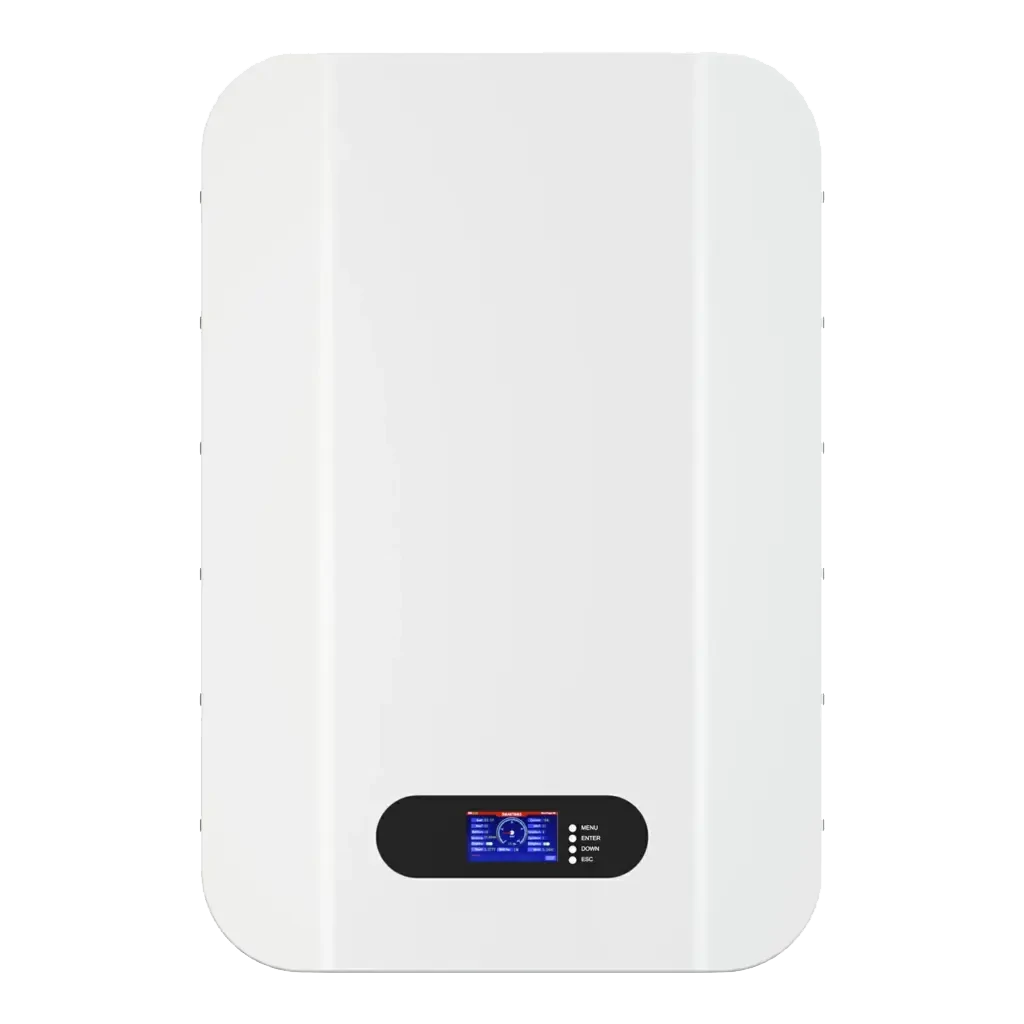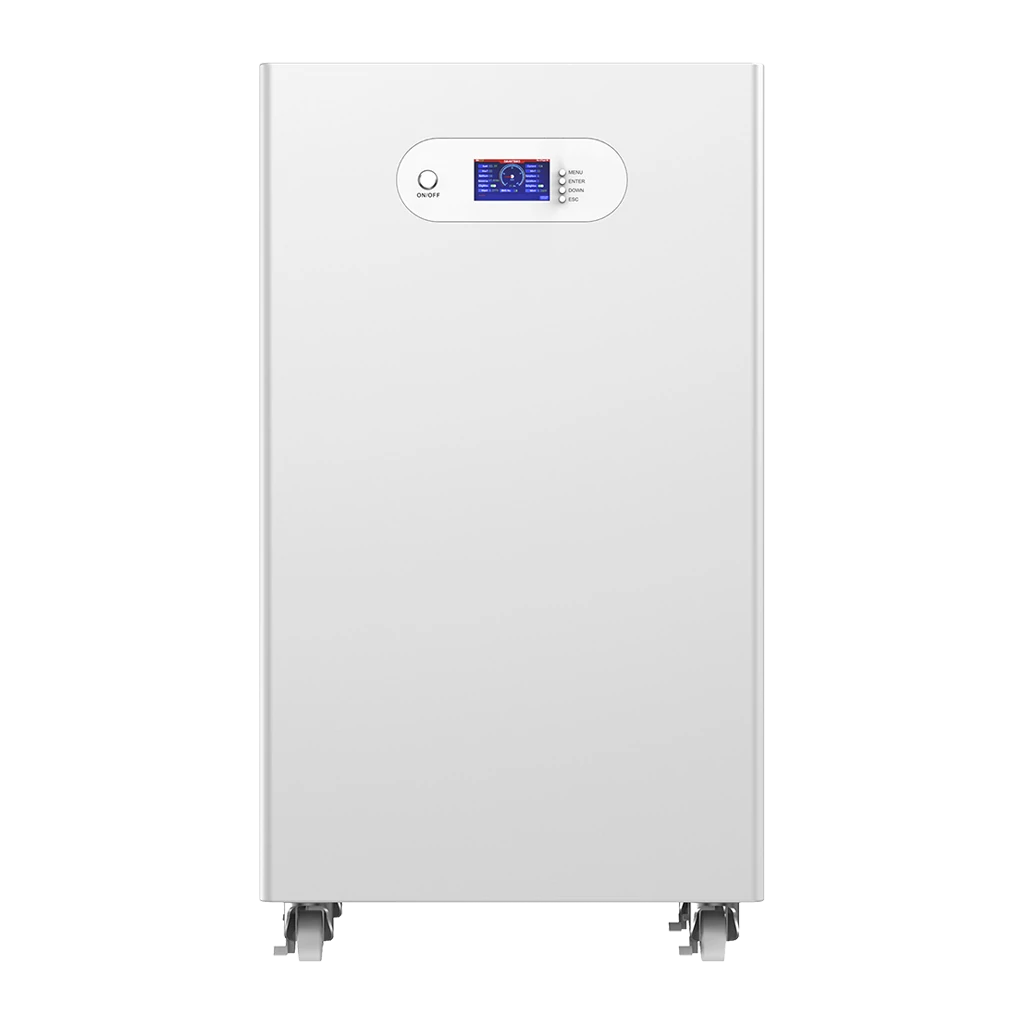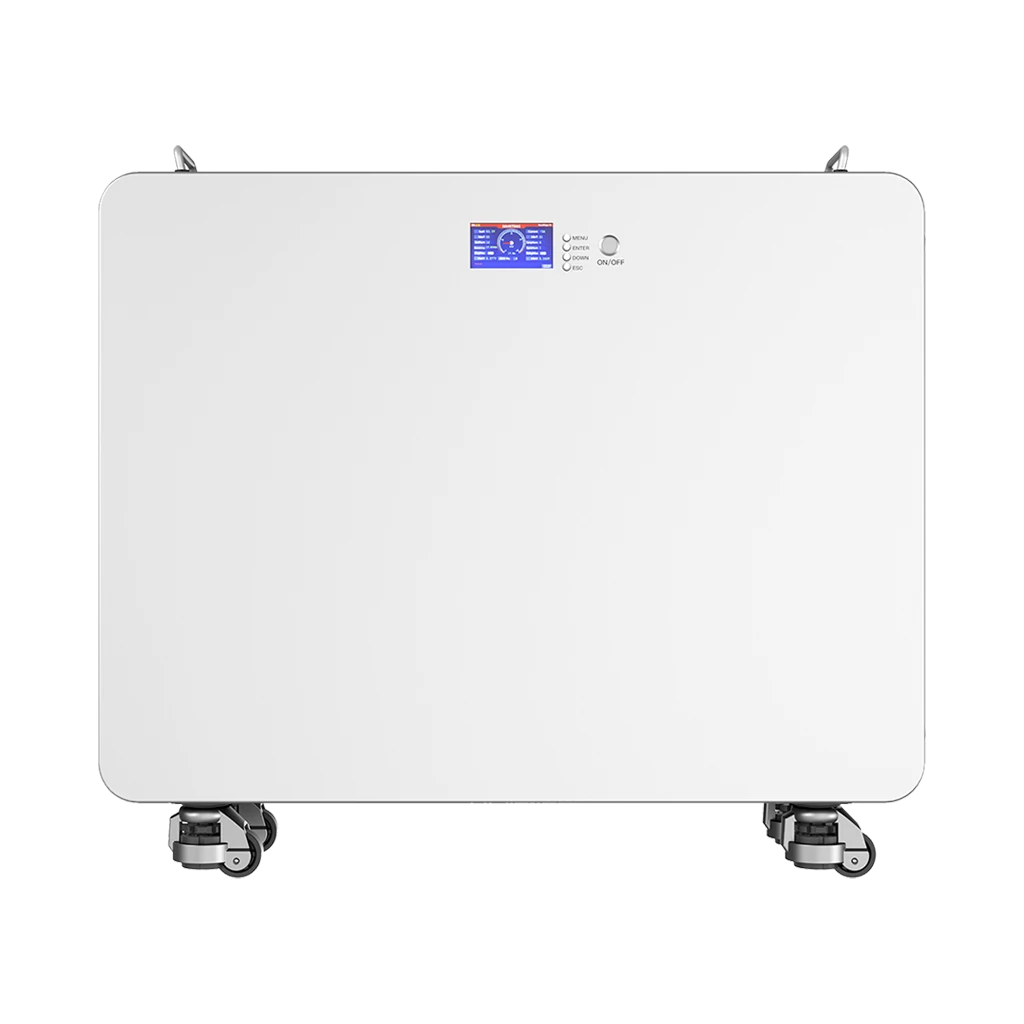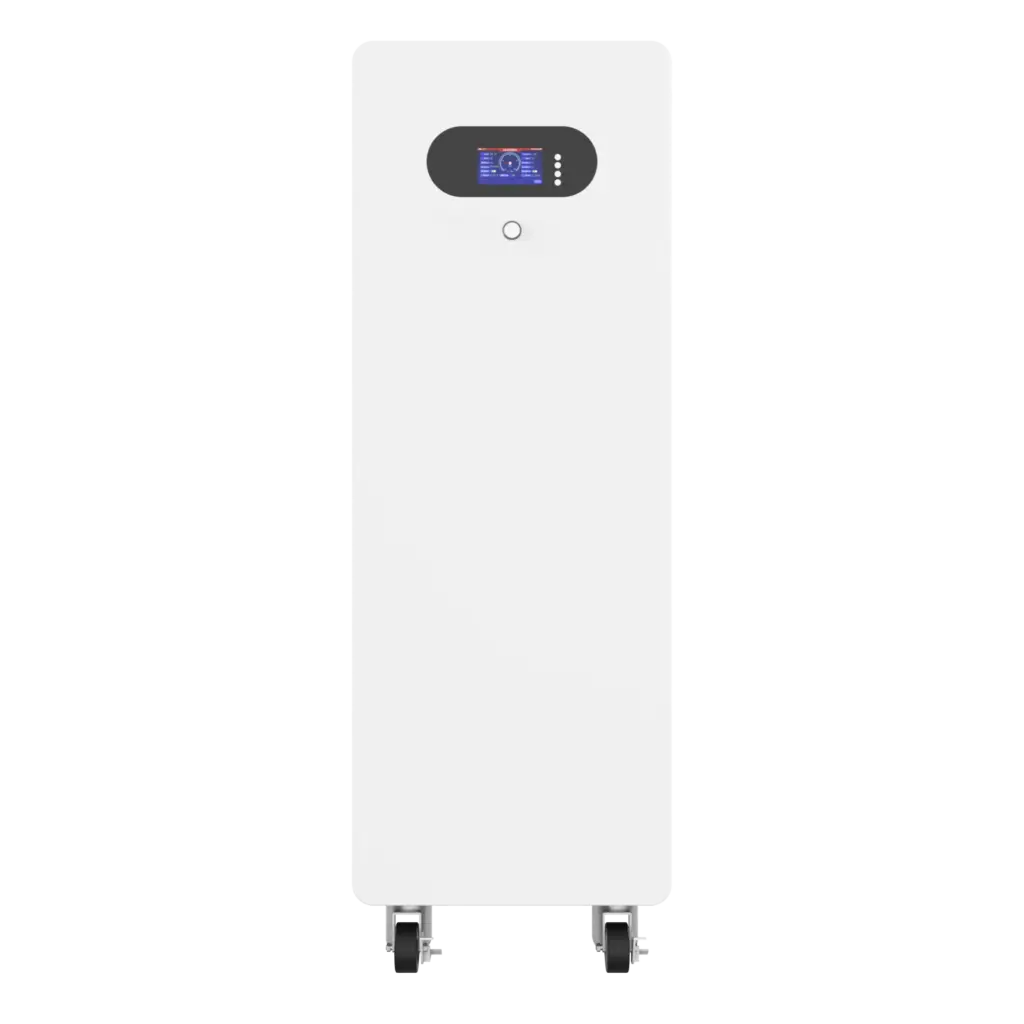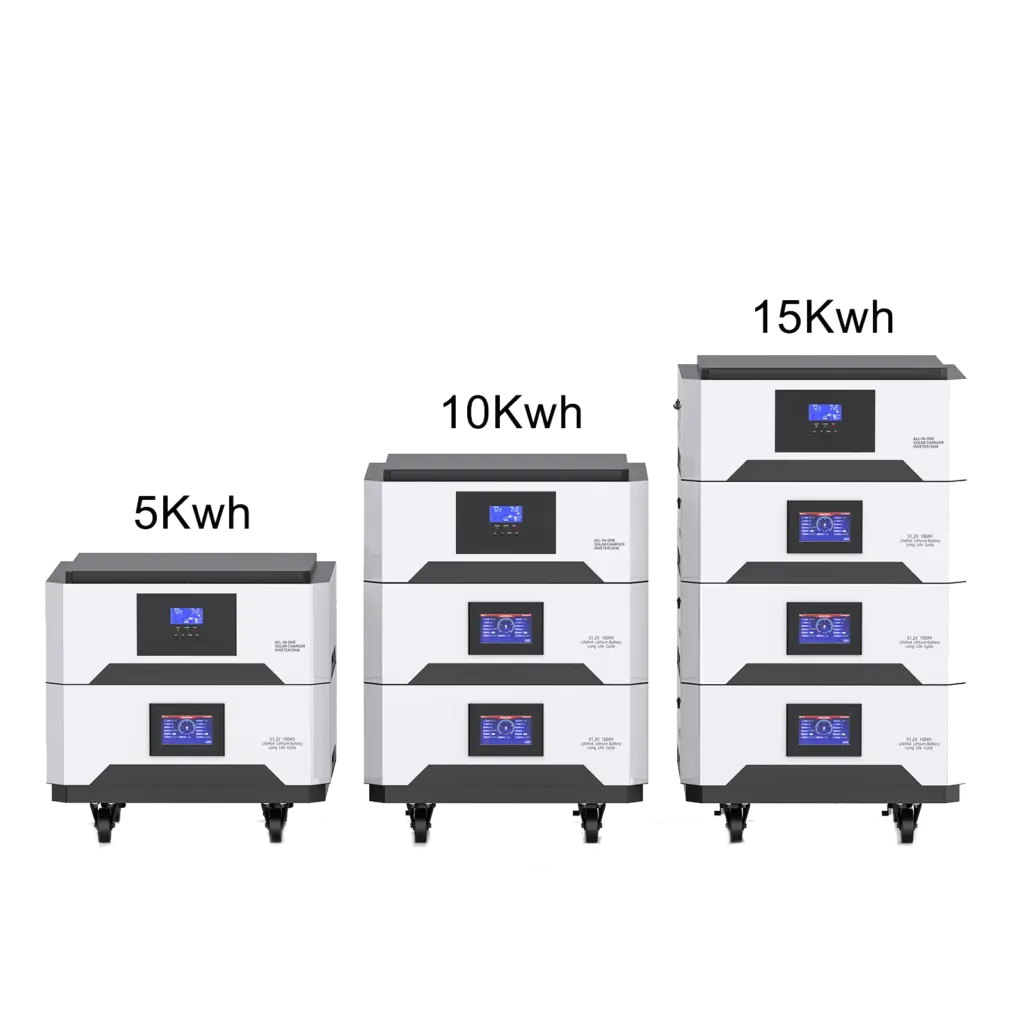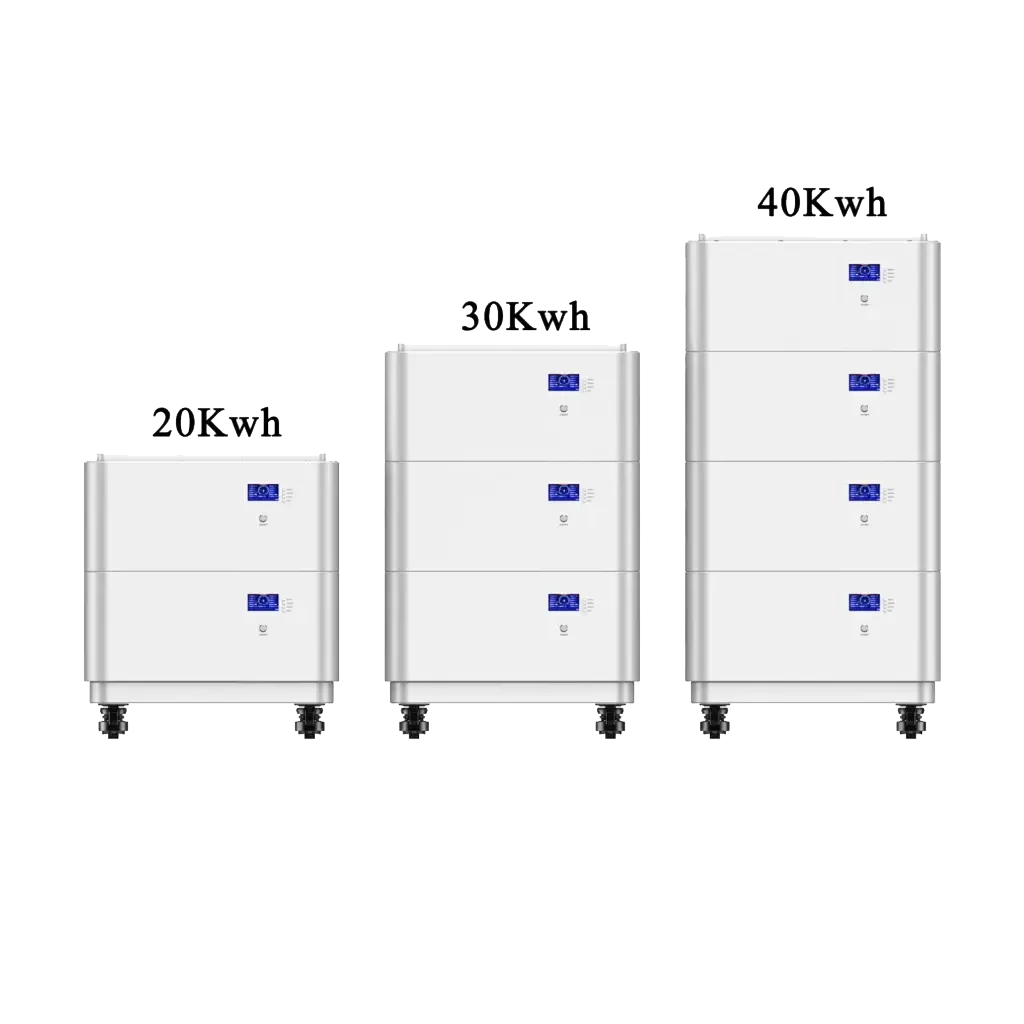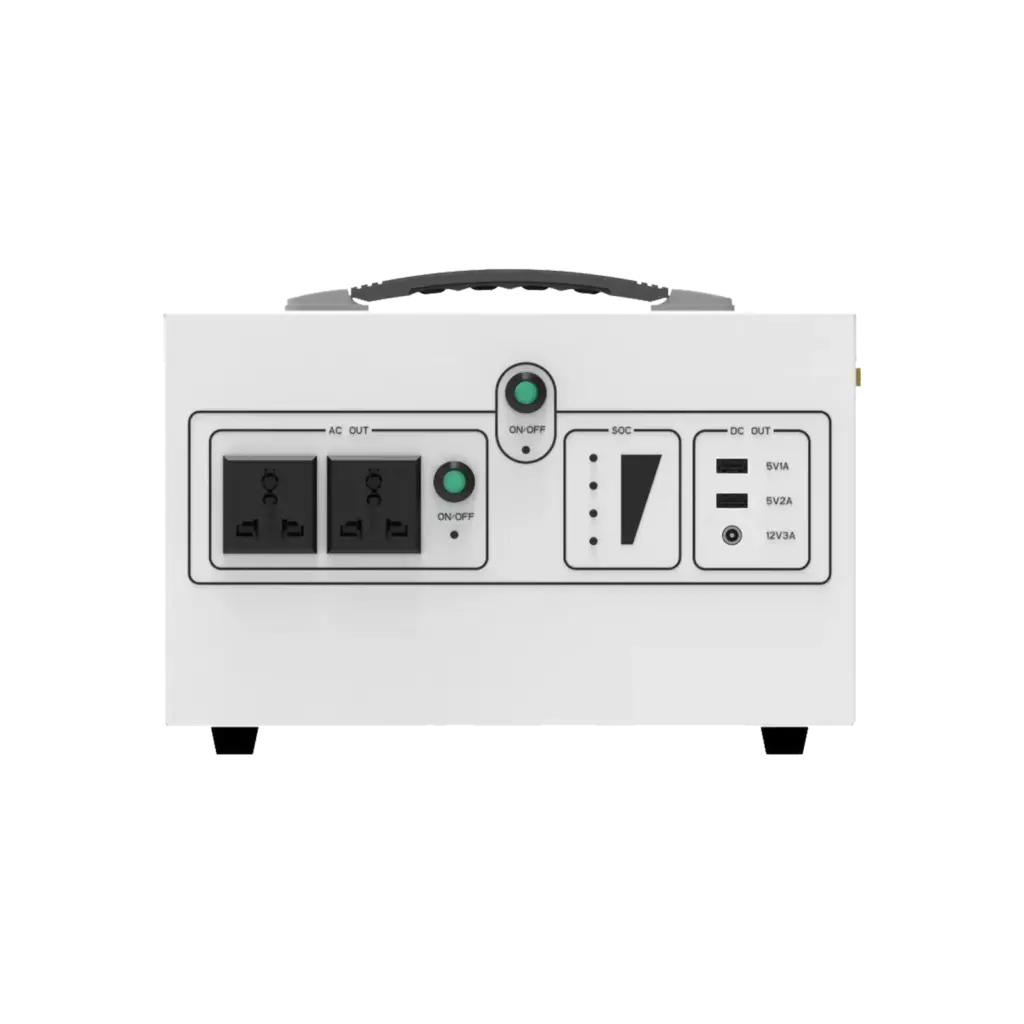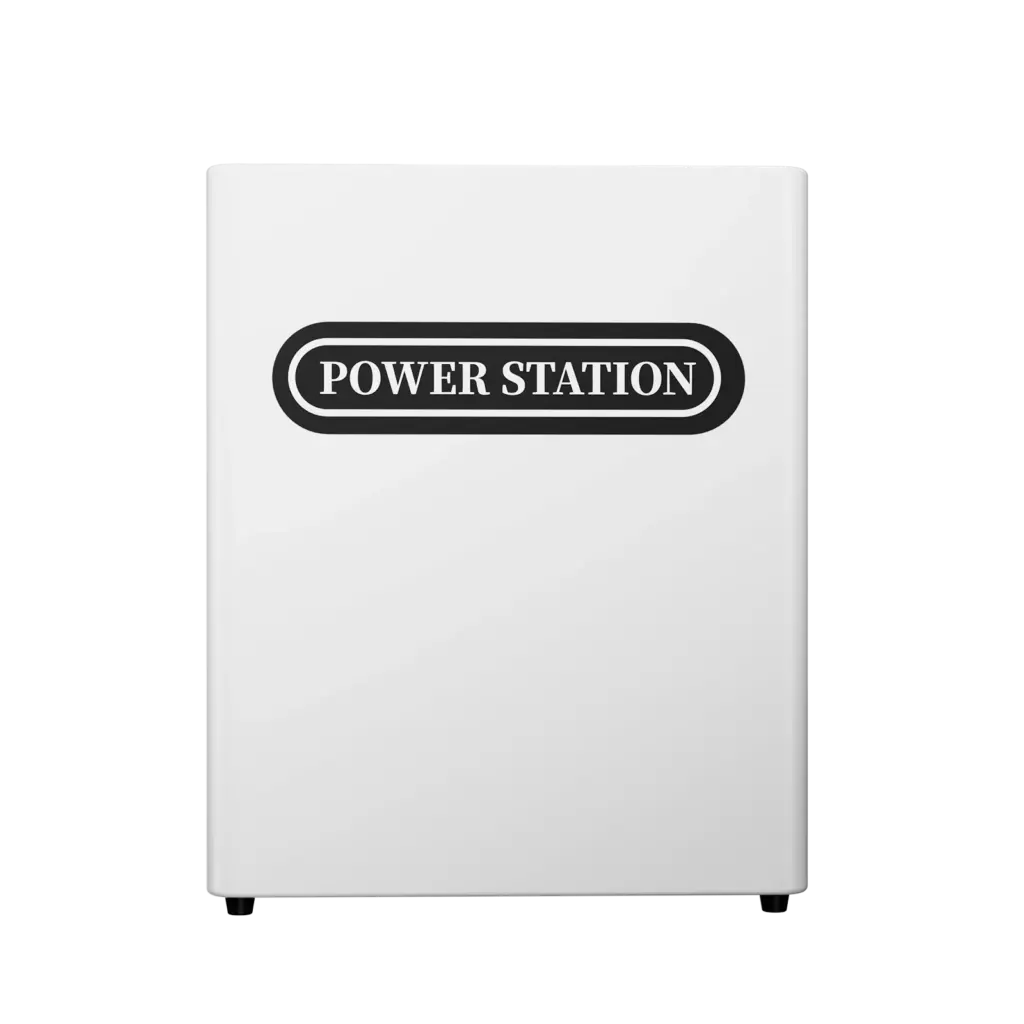

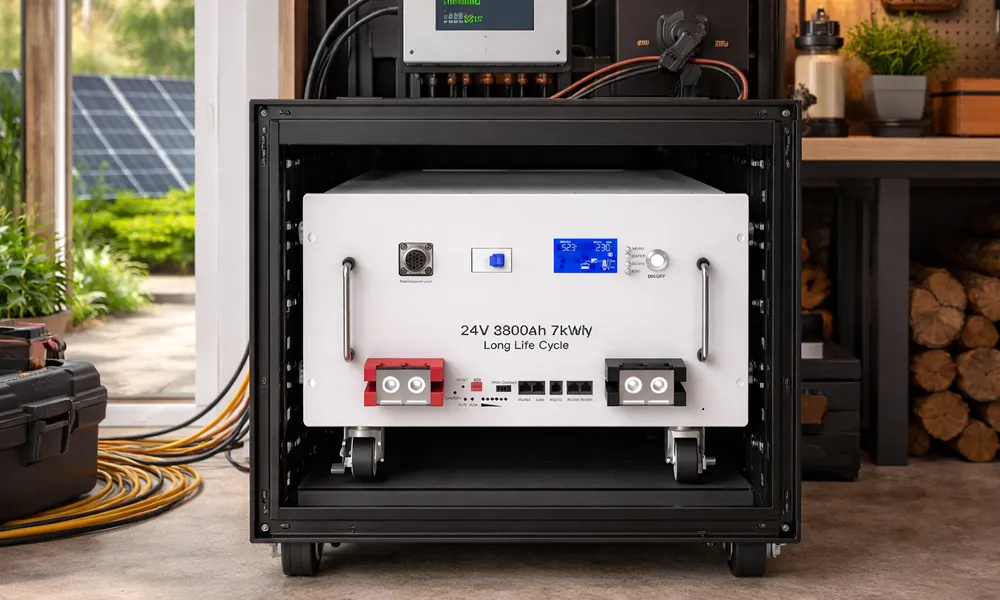
7.5 kWh lithium battery can often power essential household loads for roughly 8 to 20 hours, moderate mixed loads for around 4 to 8 hours, and heavier whole-home-style loads for only 2 to 4 hours. The exact result depends on how much of the battery’s capacity is truly usable, how efficiently the system delivers power, and—most importantly—what your home is actually trying to run.
Runtime for Different Power Loads
| Average Home Load | Approximate Runtime with 6.0 kWh Usable Energy |
|---|---|
| 0.3 kW | 20 hours |
| 0.5 kW | 12 hours |
| 0.8 kW | 7.5 hours |
| 1.0 kW | 6 hours |
| 1.5 kW | 4 hours |
| 2.0 kW | 3 hours |
| 3.0 kW | 2 hours |
Let us move from theory into realistic scenarios. Imagine a home backing up only these kinds of circuits:
- refrigerator
- Wi-Fi router
- several LED lights
- phone and laptop charging
- television
- garage door or a few convenience outlets
In this type of setup, average demand might stay around 300 to 600 watts, depending on how many things cycle on together. Under those conditions, a 7.5 kWh battery may provide roughly 10 to 20 hours of useful runtime. That is why batteries in this size class are often attractive for outage resilience, especially when the homeowner cares more about preserving comfort and communications than about running every appliance in the house.
Why Power Rating Matters Alongside Energy Capacity
A battery may have enough stored energy to run something for hours, yet still be unable to start or support it if the power draw is too high.
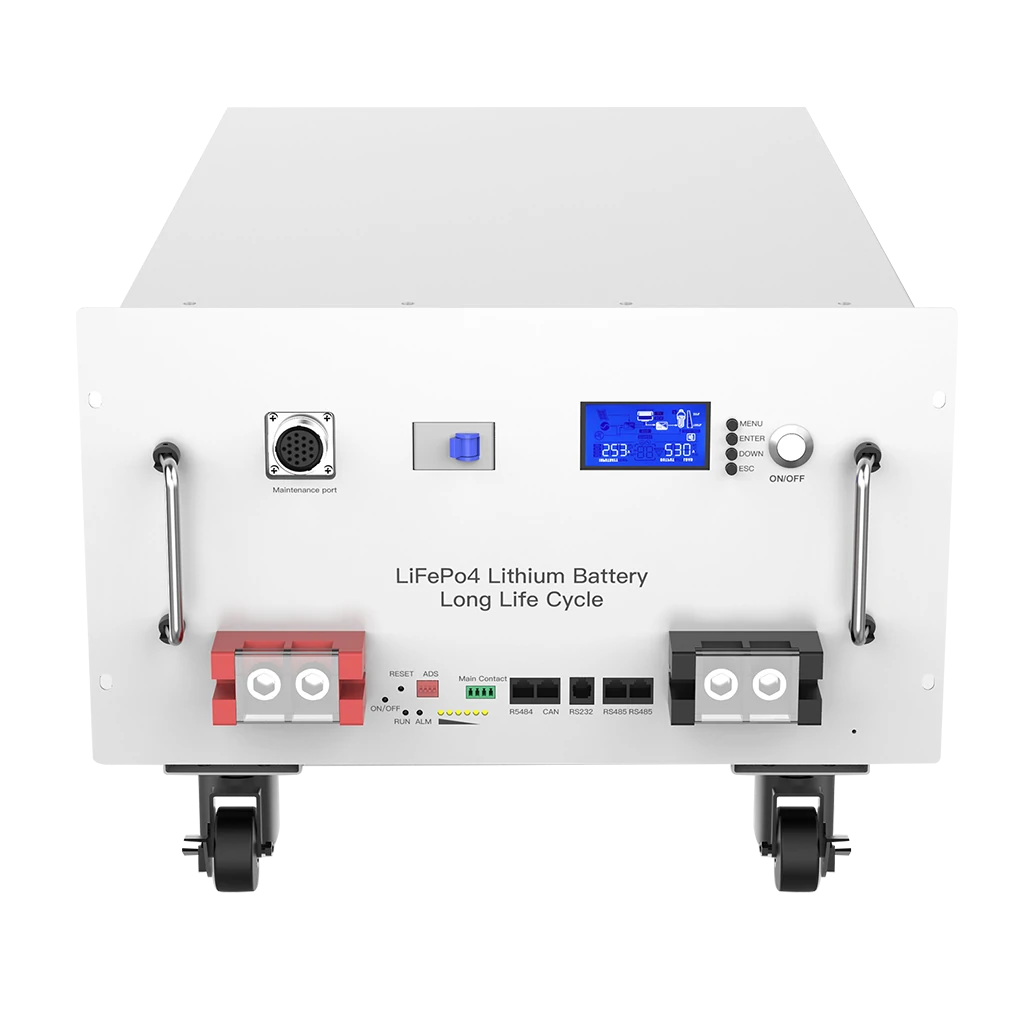
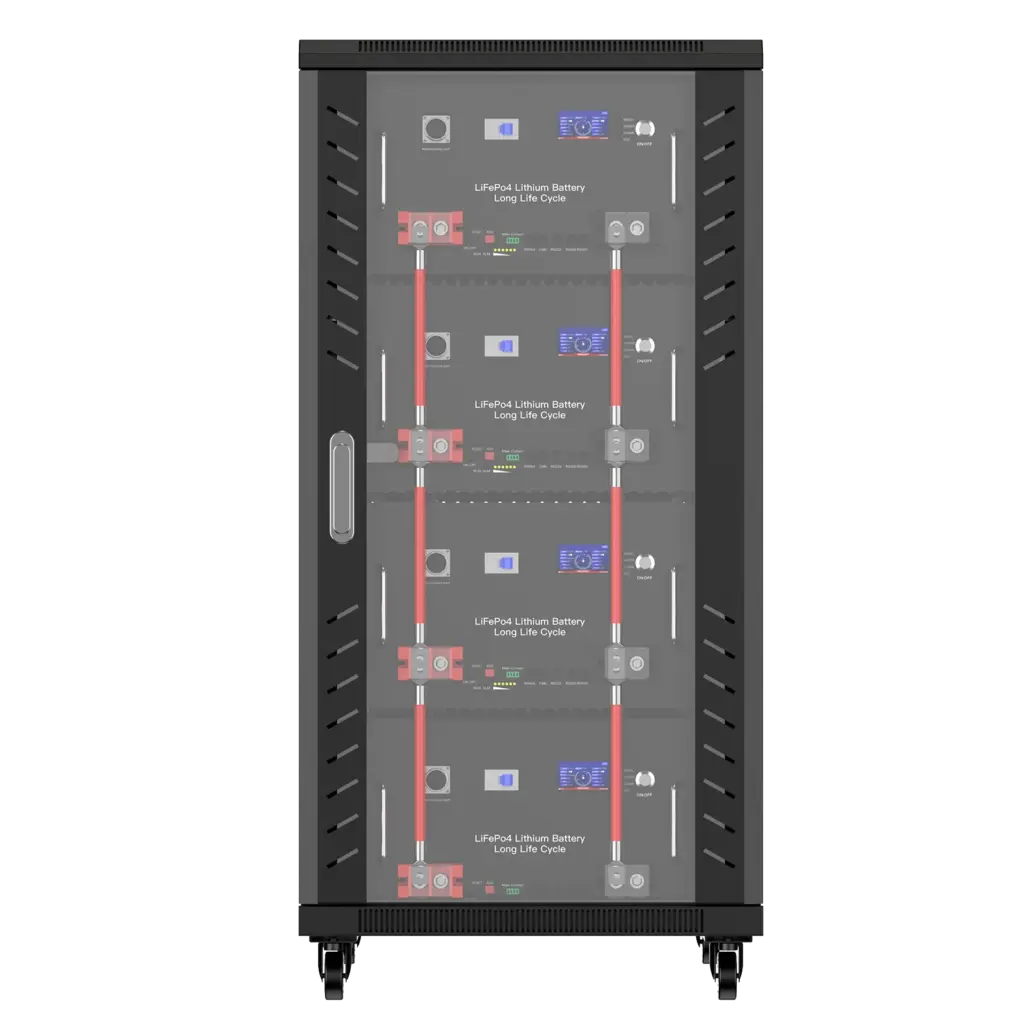
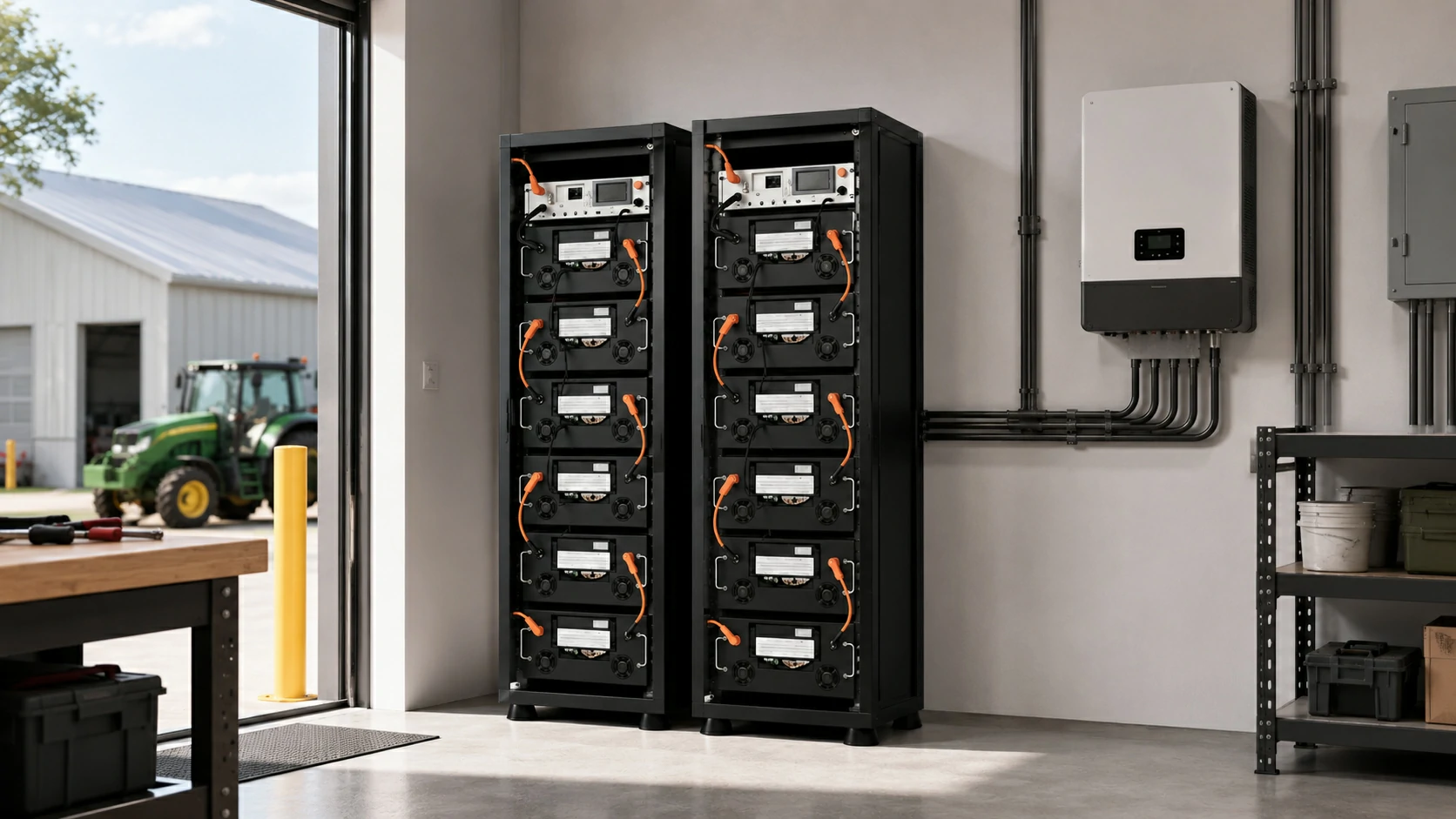
Avepower 24V 280Ah rack-mount battery, which is rated at 7 kWh nominal energy, lists 24V nominal voltage, 280Ah capacity, 100A charge current, 200A discharge current, communication via CAN/RS485/RS232, more than 8,000 cycles at 25°C and 80% DoD, support for up to 16 units in parallel, and a 10+ year designed life. Avepower also presents it as a modular battery for home solar backup, off-grid cabins, telecom, and other space-constrained applications.
On paper, 24V multiplied by 200A implies about 4.8 kW of DC-side discharge capability before inverter and system-level constraints. That is already enough to support many household essentials, but the truly important point is modularity: when a homeowner or installer needs more runtime or more supported load, the design does not have to stop at one battery. Avepower’s rack-mount architecture supports expansion up to 16 units in parallel, allowing a much larger storage system to be built as needs grow.
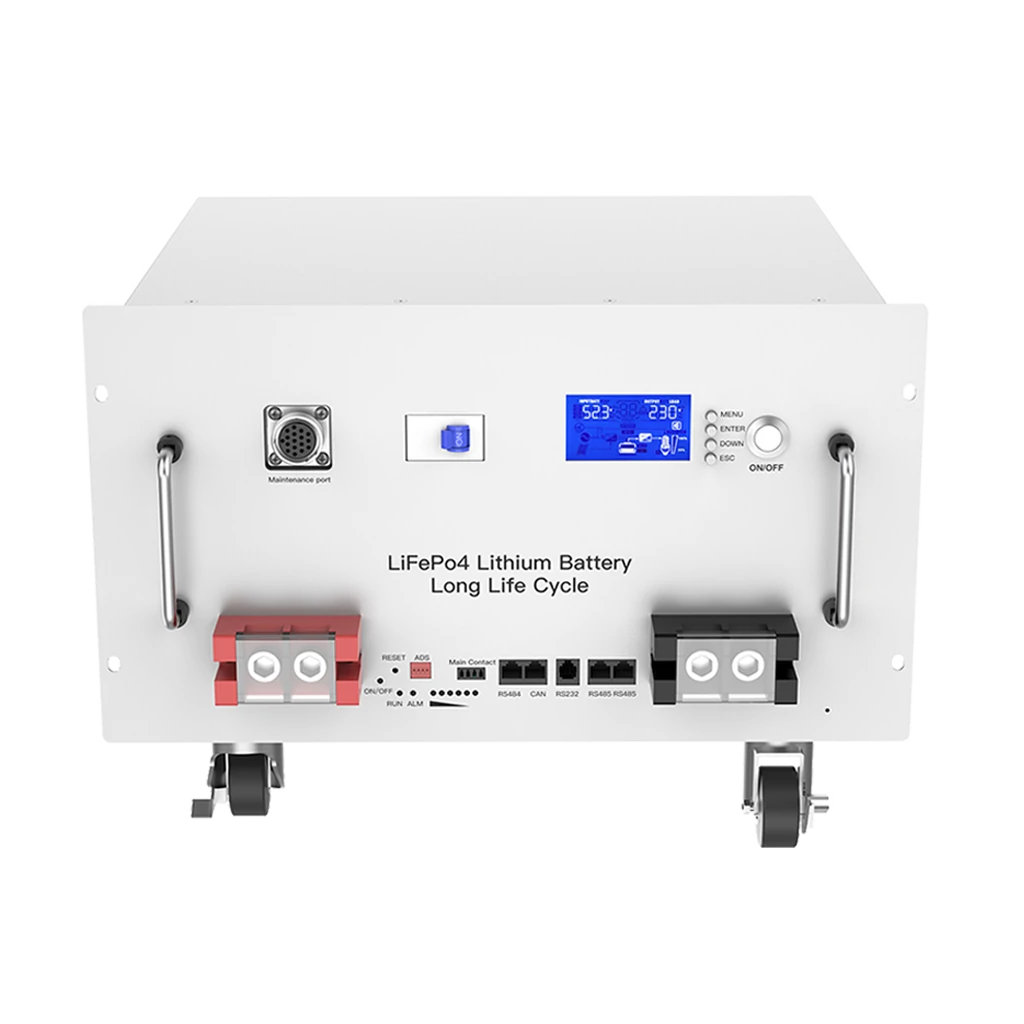
Avepower 24V 280Ah 7kWh Rack-Mount Battery
Delivering up to 8,000 cycles at 80% depth of discharge (DOD), this battery ensures 10–15 years of dependable use. Built with Grade A LiFePO4 cells, it offers outstanding stability, safety, and efficiency.
Advantages of a 7.5 kWh Lithium Battery
Lithium batteries have become the preferred choice for residential energy storage due to their efficiency, durability, and advanced safety features. Compared with traditional battery technologies, a 7.5 kWh lithium battery provides a reliable balance between capacity, lifespan, and performance, making it well suited for modern solar and backup power systems.
High Energy Density
One of the most significant advantages of lithium battery technology is its high energy density. This means a large amount of energy can be stored within a relatively compact and lightweight battery pack.
Compared with traditional lead-acid batteries, a 7.5 kWh lithium battery requires significantly less physical space while delivering the same or greater energy capacity. This compact design makes lithium batteries easier to install in homes where space may be limited, such as garages, utility rooms, or wall-mounted energy storage cabinets.
Long Cycle Life
Lithium iron phosphate (LiFePO₄) batteries are well known for their long cycle life. Most high-quality systems can support approximately 6,000 to 8,000 charge and discharge cycles.
In practical terms, this translates to 10 to 15 years of regular use, depending on operating conditions and depth of discharge. This extended lifespan significantly reduces the long-term cost of ownership compared with older battery technologies that require more frequent replacement.
For homeowners investing in solar energy storage, this durability ensures the battery will continue to deliver stable performance for many years.
Fast Charging Capability
Another major advantage of lithium batteries is their ability to charge quickly. A 7.5 kWh lithium battery can efficiently absorb energy from solar panels during peak sunlight hours or recharge rapidly from the grid when necessary.
Fast charging is particularly beneficial for homes with solar systems because it allows the battery to store more energy during short periods of strong sunlight. As a result, homeowners can maximize solar energy utilization and reduce dependence on grid electricity.
Smart Battery Management System (BMS)
Modern lithium batteries are equipped with intelligent Battery Management Systems (BMS) that monitor and regulate the battery’s operation in real time.
The BMS performs several critical safety and performance functions, including:
- Preventing overcharging
- Preventing over-discharging
- Monitoring temperature levels
- Protecting against short circuits
- Balancing individual battery cells for optimal performance
These protections not only enhance safety but also help extend the battery’s overall lifespan and maintain stable energy output.
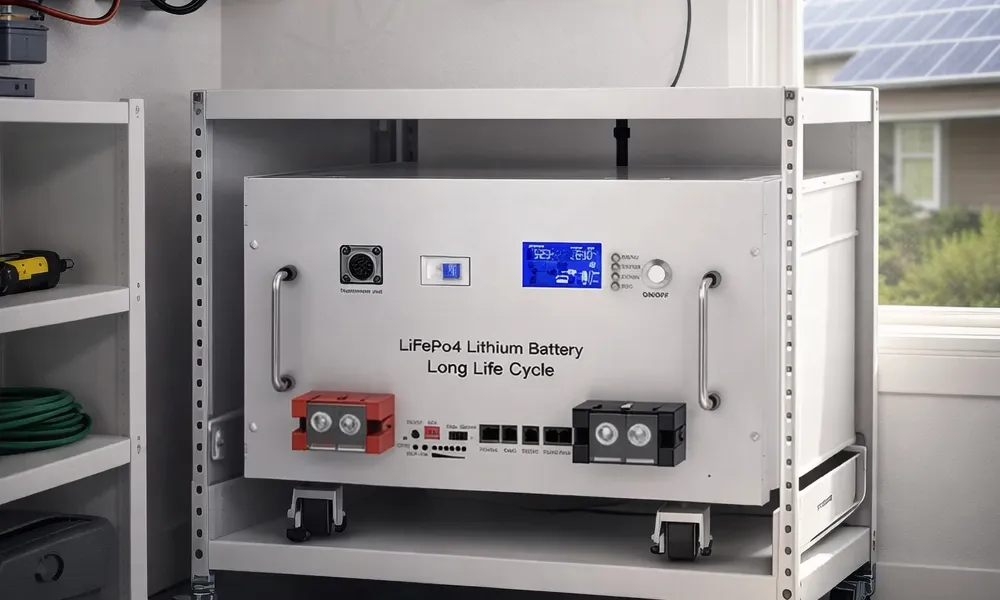
How Solar Panels Extend Battery Runtime
A 7.5 kWh lithium battery becomes far more powerful
Instead of functioning as a one-time energy source, the battery becomes part of a continuous solar energy cycle:
- Solar panels generate electricity during the day
- Excess solar energy charges the battery
- The battery powers the home at night or during outages
With sufficient solar production, the battery can recharge daily and effectively provide indefinite energy support for essential loads.
For example: A 5 kW solar array might generate 20–25 kWh per day depending on location and sunlight conditions.
If the home consumes 10 kWh daily, the system could:
- Power the home
- Recharge the 7.5 kWh lithium battery
- Maintain backup reserves
This setup dramatically increases energy resilience.
How Many 7.5 kWh Batteries Are Needed for a Home?
For full-home backup, a single 7.5 kWh Lithium Battery is often not enough.
Here are typical configurations.
| Home Type | Daily Energy Use | Recommended Battery |
|---|---|---|
| Small apartment | 10–15 kWh | 1–2 batteries |
| Average home | 20–30 kWh | 3–4 batteries |
| Large home | 40+ kWh | 5+ batteries |
Avepower’s product design supports that kind of expansion strategy. Its 7kWh solar battery is listed with maximum paralleling of 16 units, and the company says larger combined energy storage can be built as your demand grows. That modular path is important because many households do not want to overspend on day one. They want a system that starts at a manageable size and expands later.
Ready to Find the Right Battery for Your Home?
If you are comparing backup time, solar self-consumption, and long-term energy savings, choosing the right battery size is the first step. Avepower offers reliable LiFePO4 home energy storage solutions designed for safety, flexibility, and long service life. Whether you need a compact rack-mounted battery for essential home backup or a scalable system for larger energy demands, our team can help you select the right configuration for your project. Contact Avepower today to get product recommendations, technical support, and a customized home energy storage solution tailored to your needs.
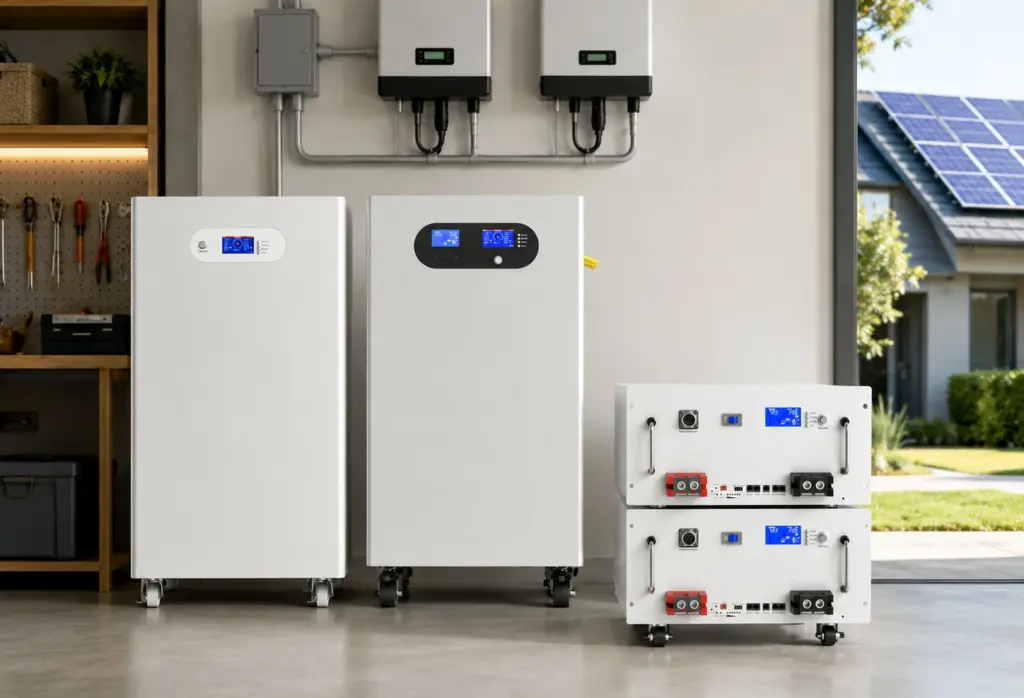
Take Control of Your Energy with Avepower!
Reliable home solar battery solutions with OEM/ODM customization and in-house manufacturing, tailored to the needs of distributors, installers, and energy partners.
FAQ
A 7.5 kWh lithium battery can typically run LED lights, a refrigerator, Wi-Fi router, television, laptops, phone chargers, and other small household devices.
Several factors affect runtime, including your total load, the number of appliances running at the same time, inverter efficiency, battery reserve settings, temperature, and depth of discharge. In simple terms, the lighter and more controlled your energy use is, the longer the battery will last.
A typical refrigerator consumes 150–300 watts on average. Under these conditions, the battery could power a refrigerator for approximately 20–40 hours, depending on compressor cycles and inverter efficiency.
4–6 solar panels (400–450 W each) can generate enough electricity to fully charge a 7.5 kWh lithium battery in a typical sunny day.