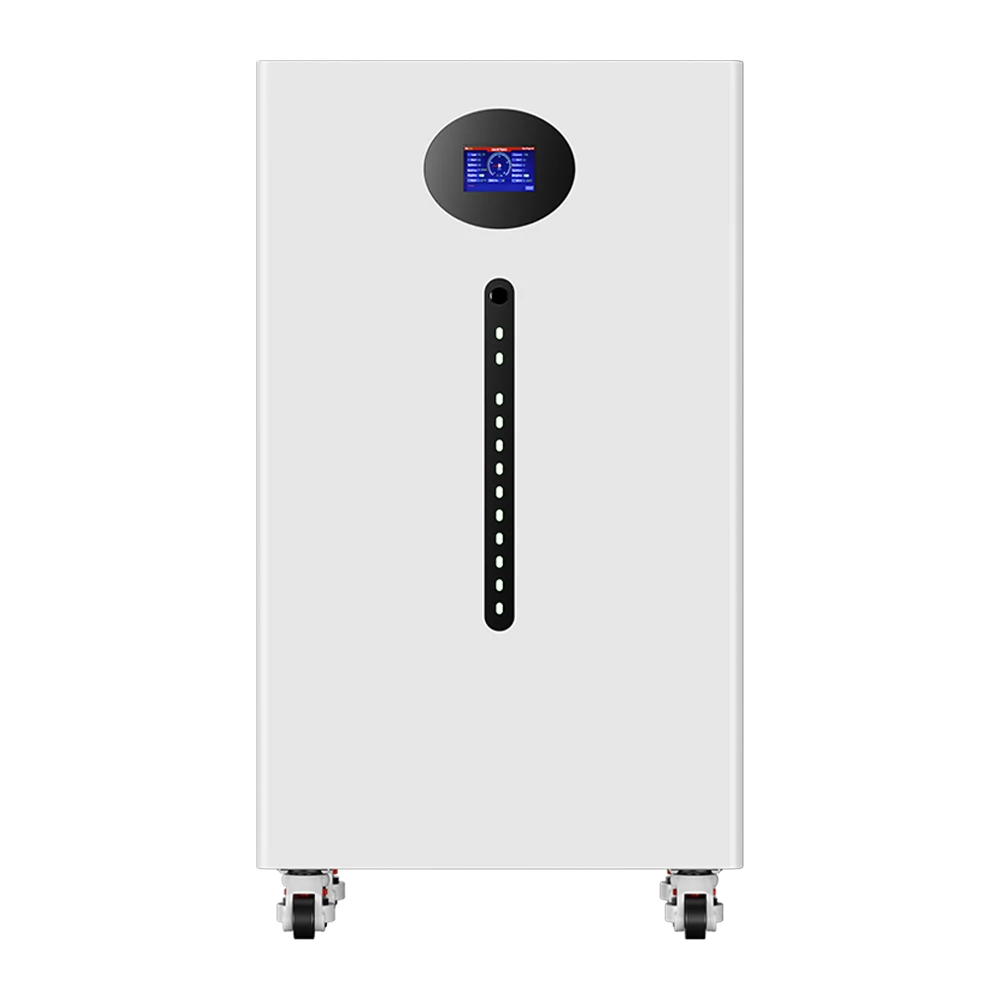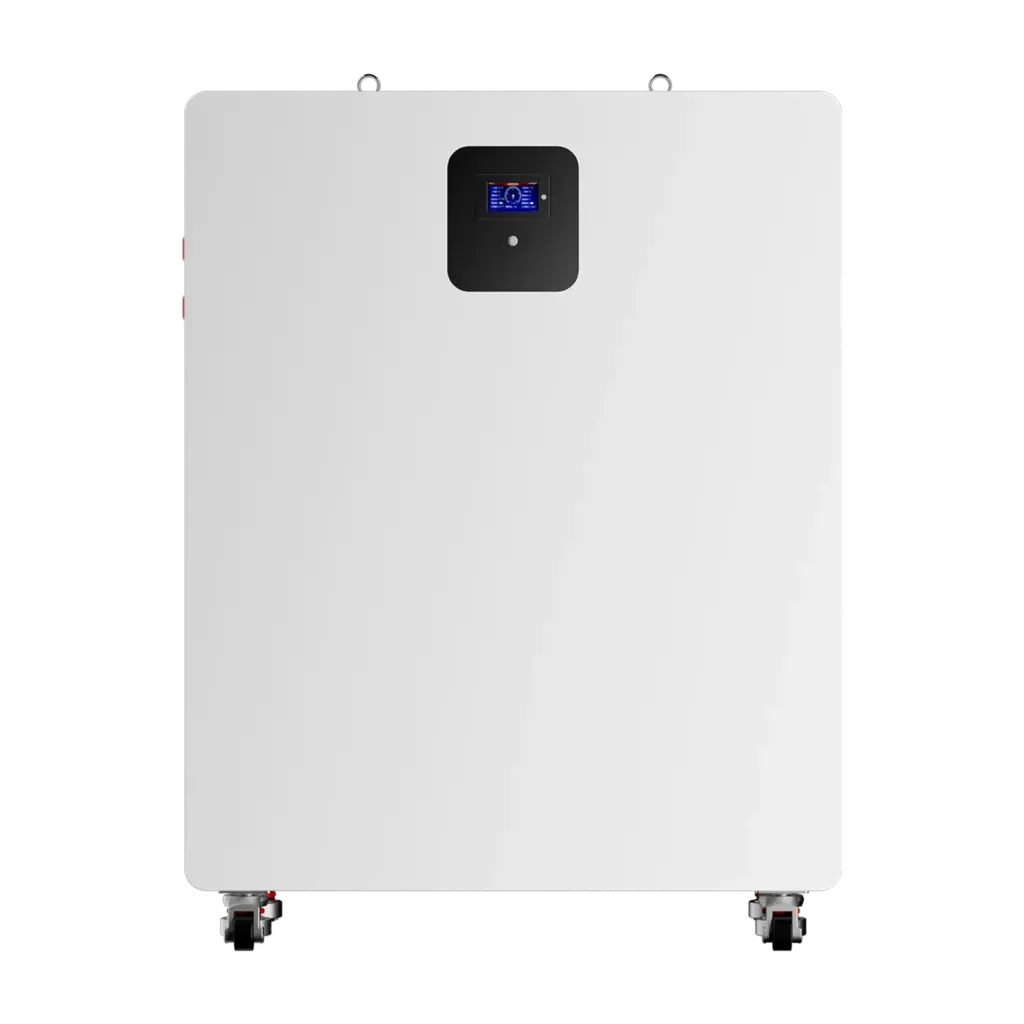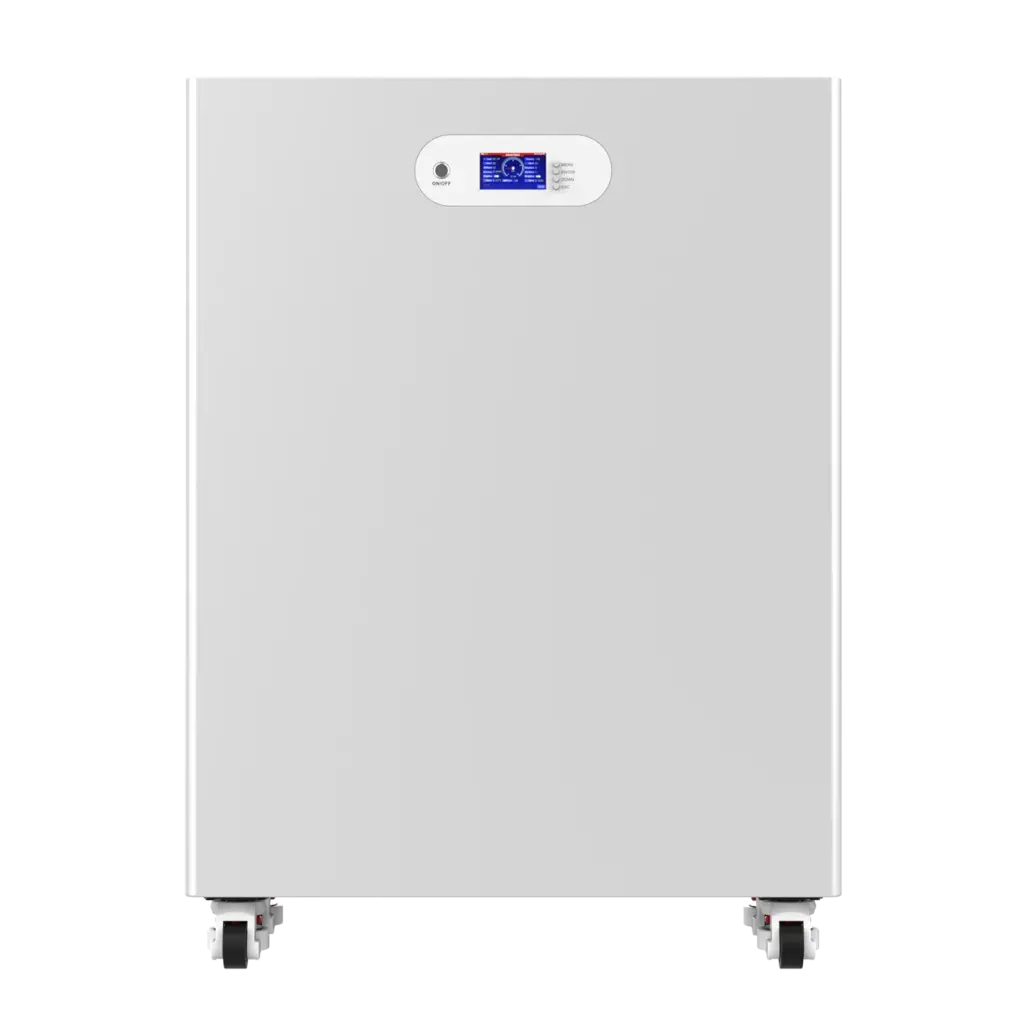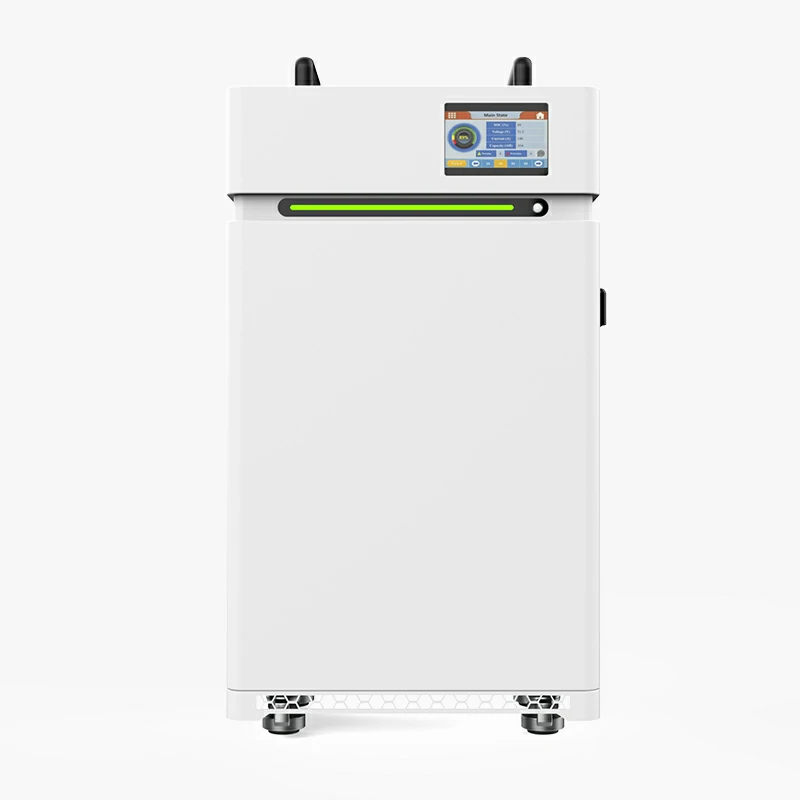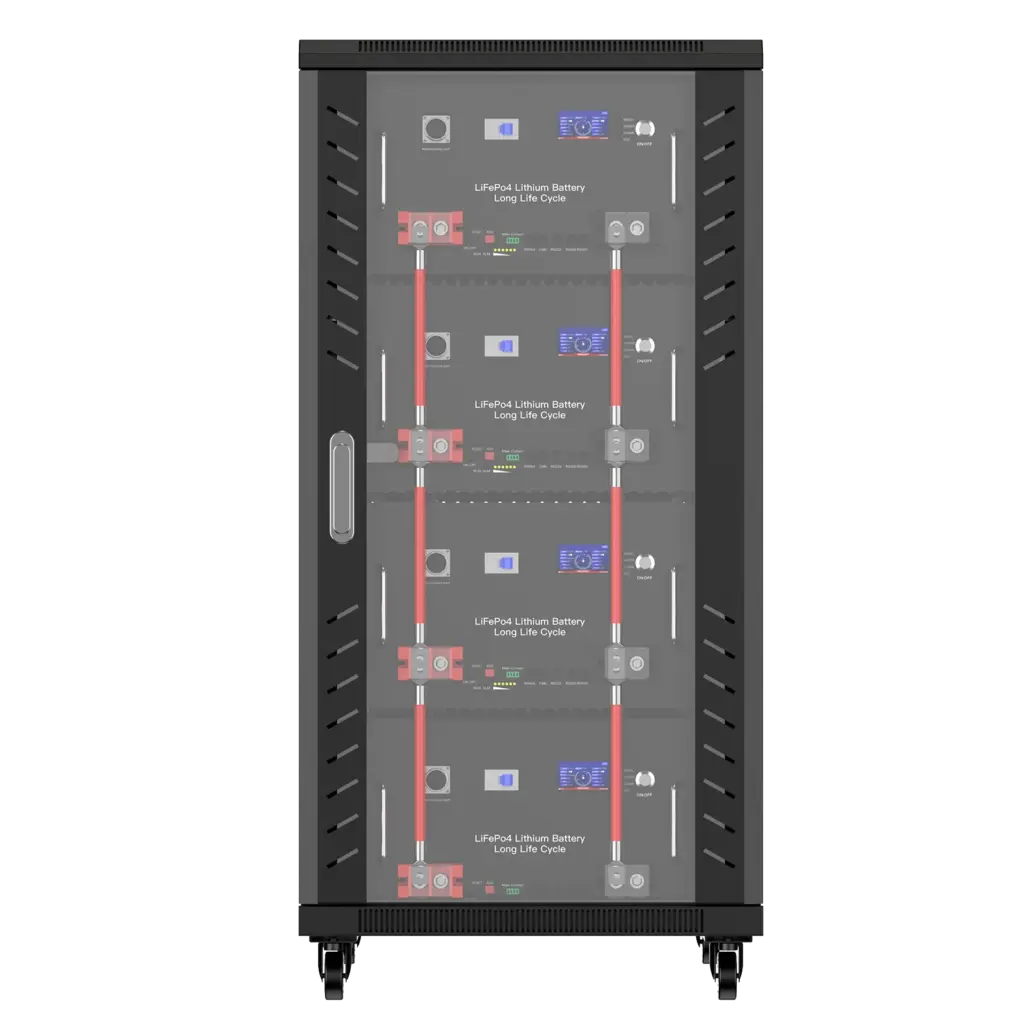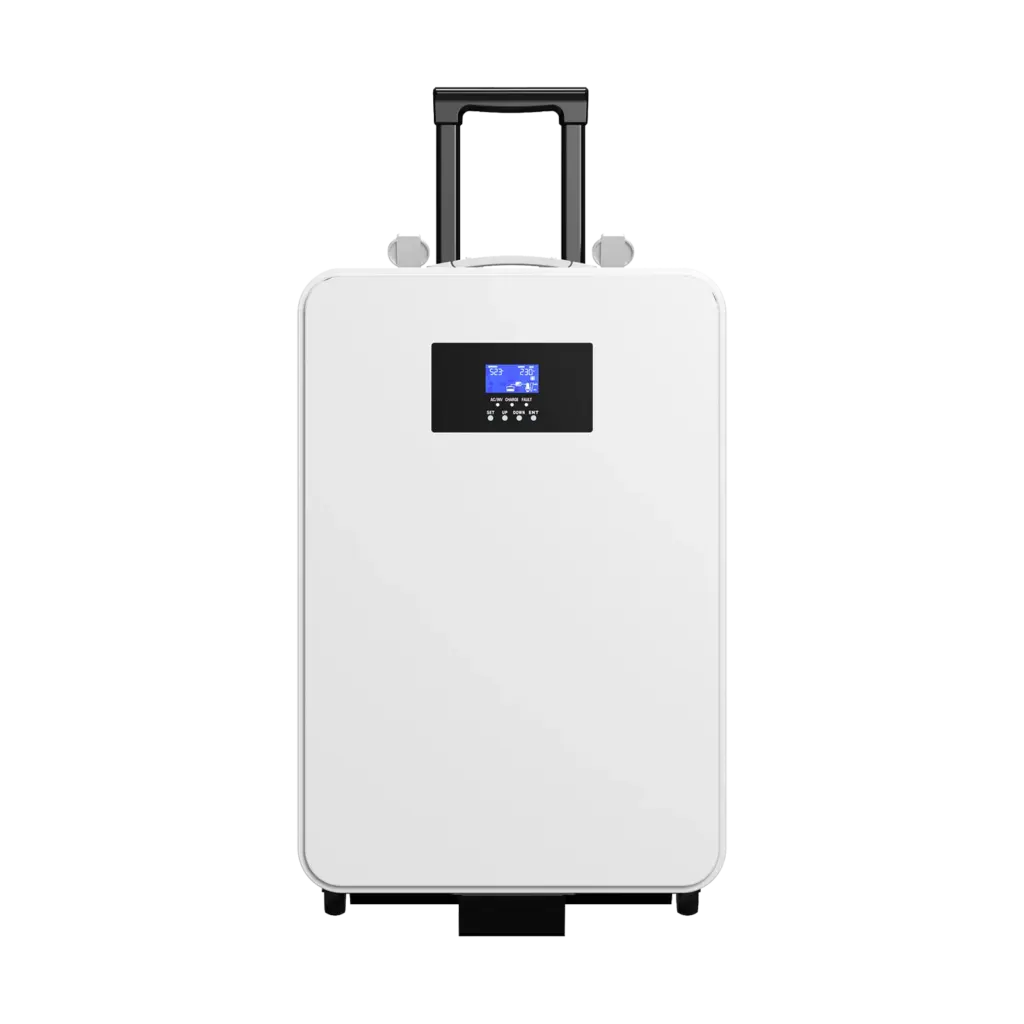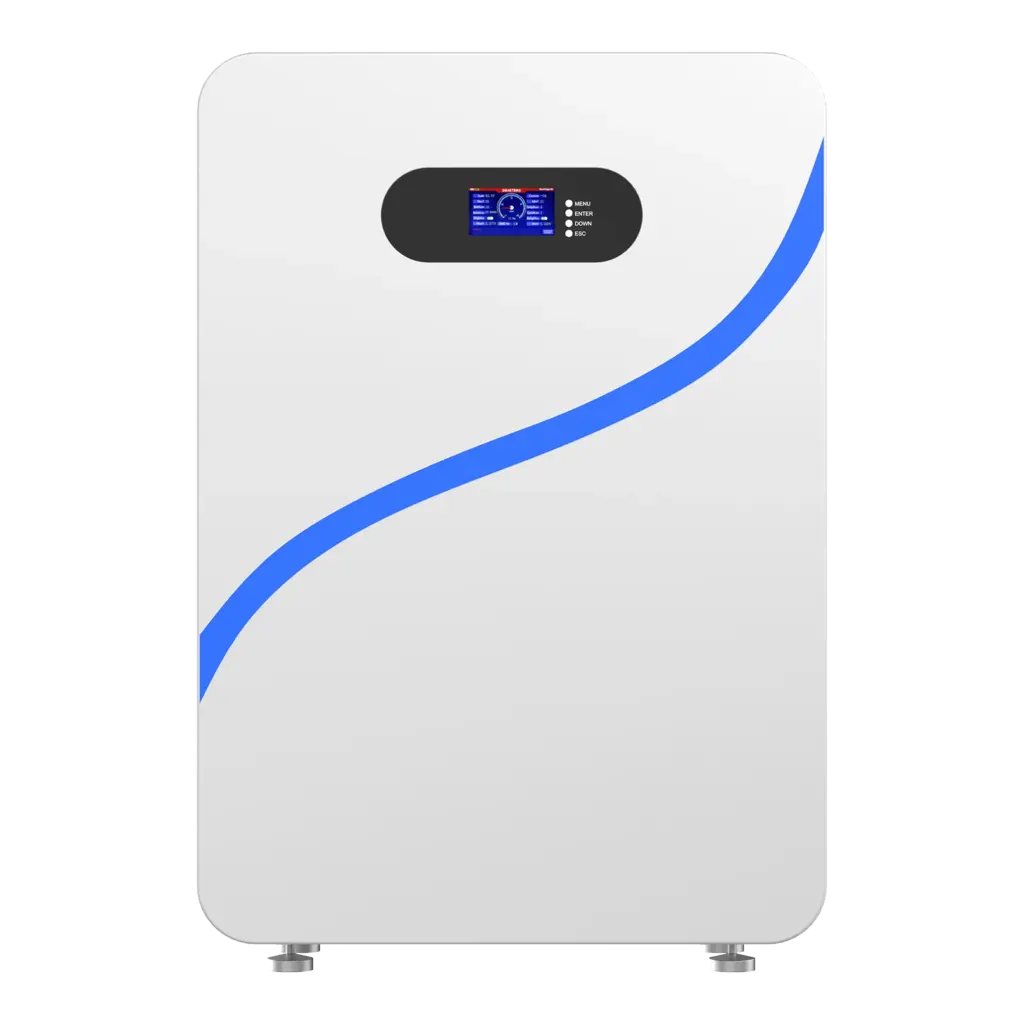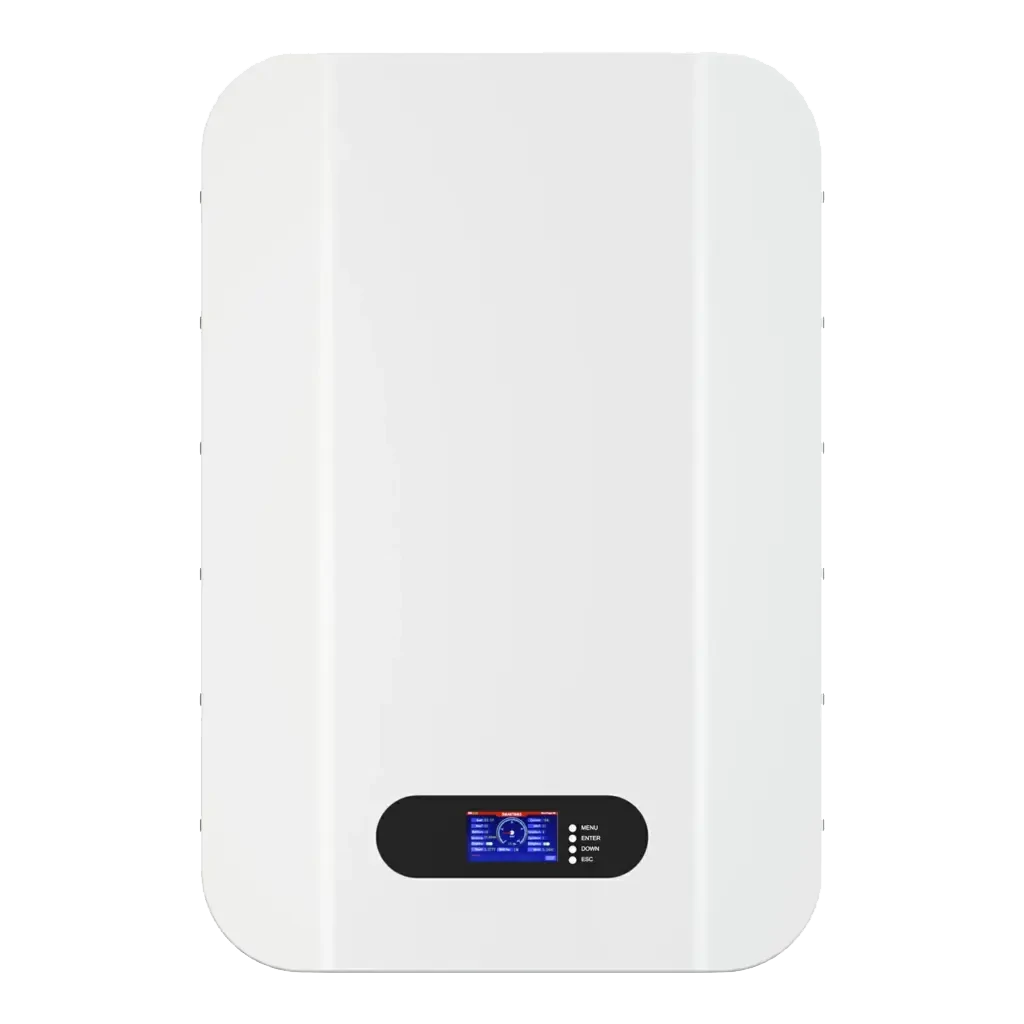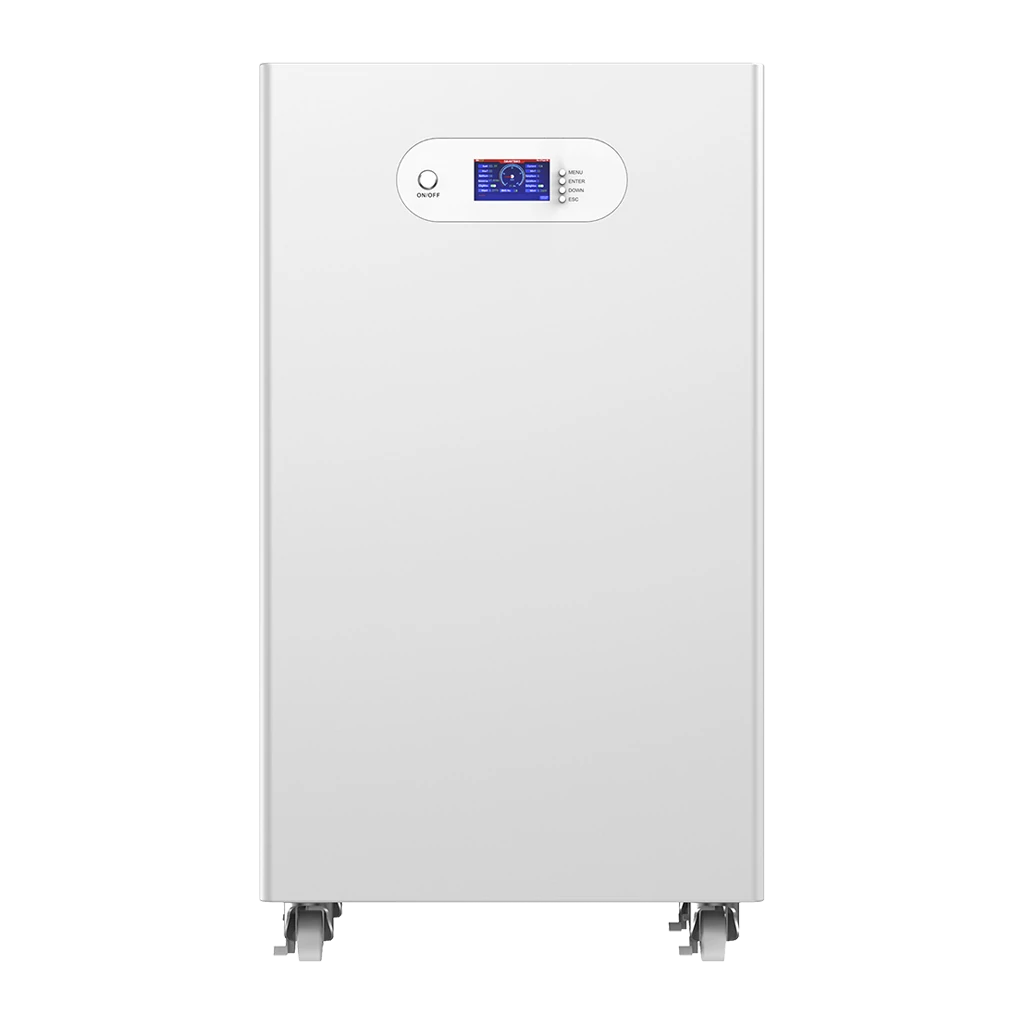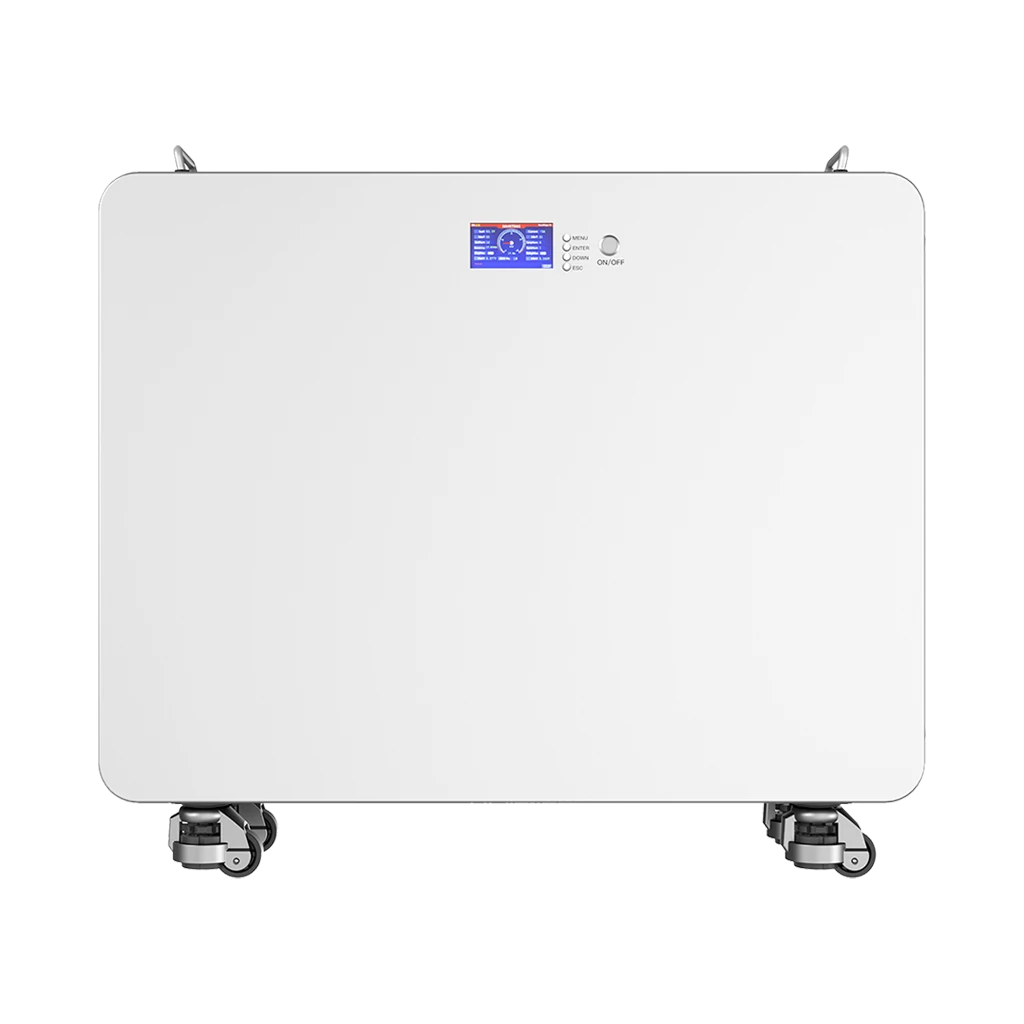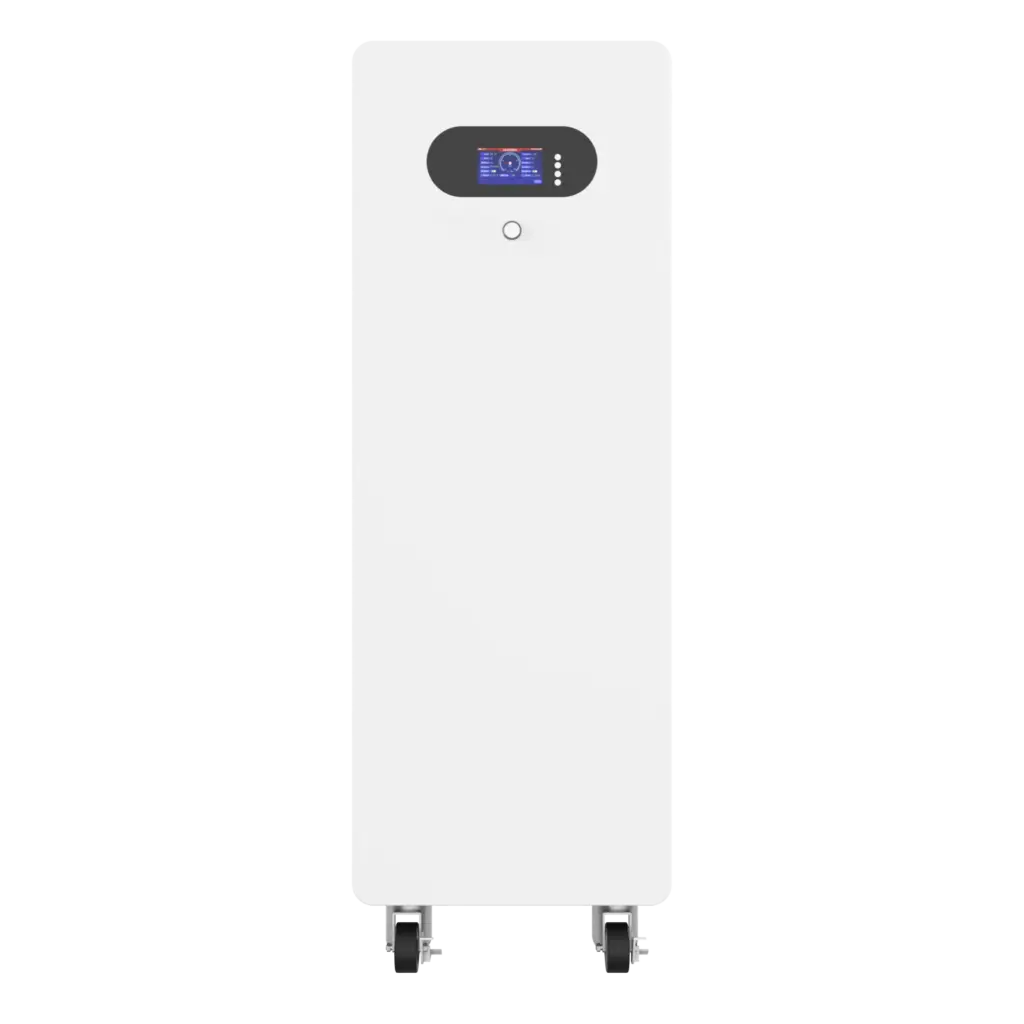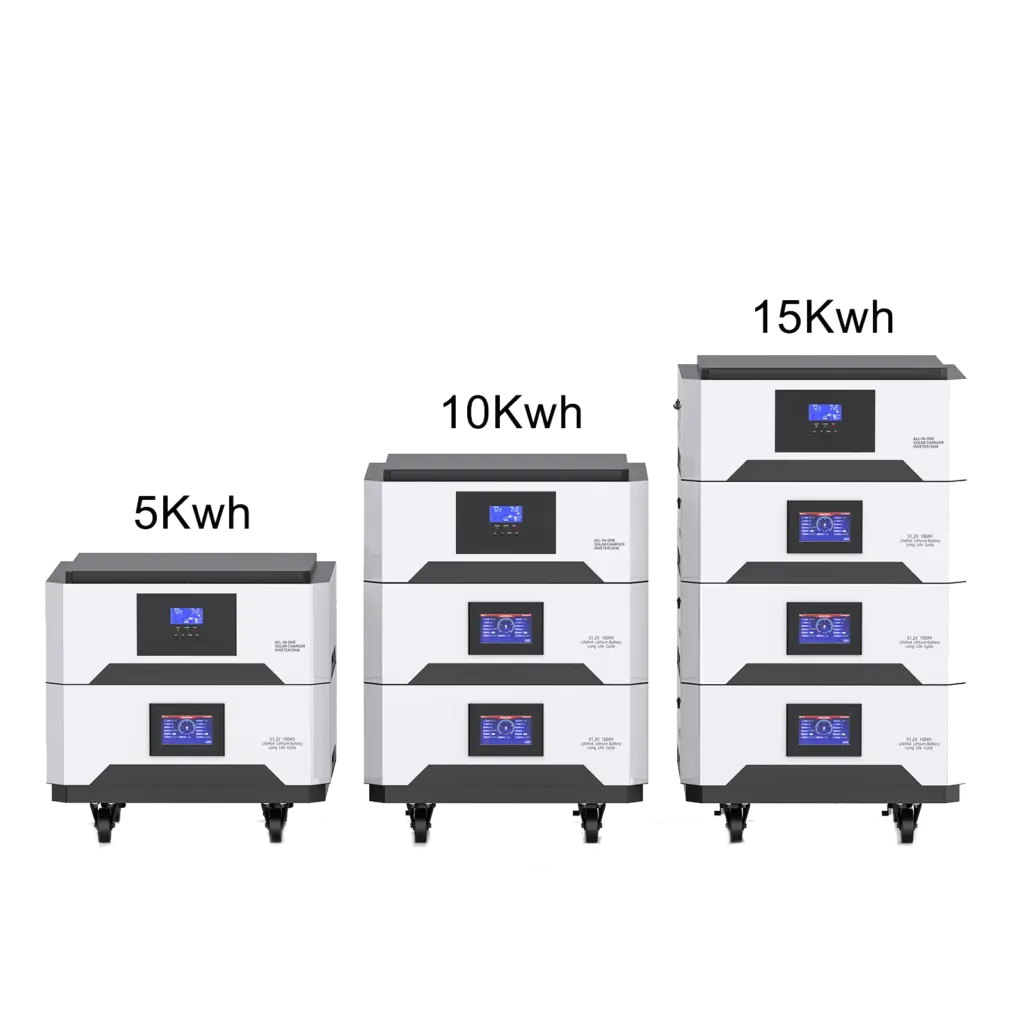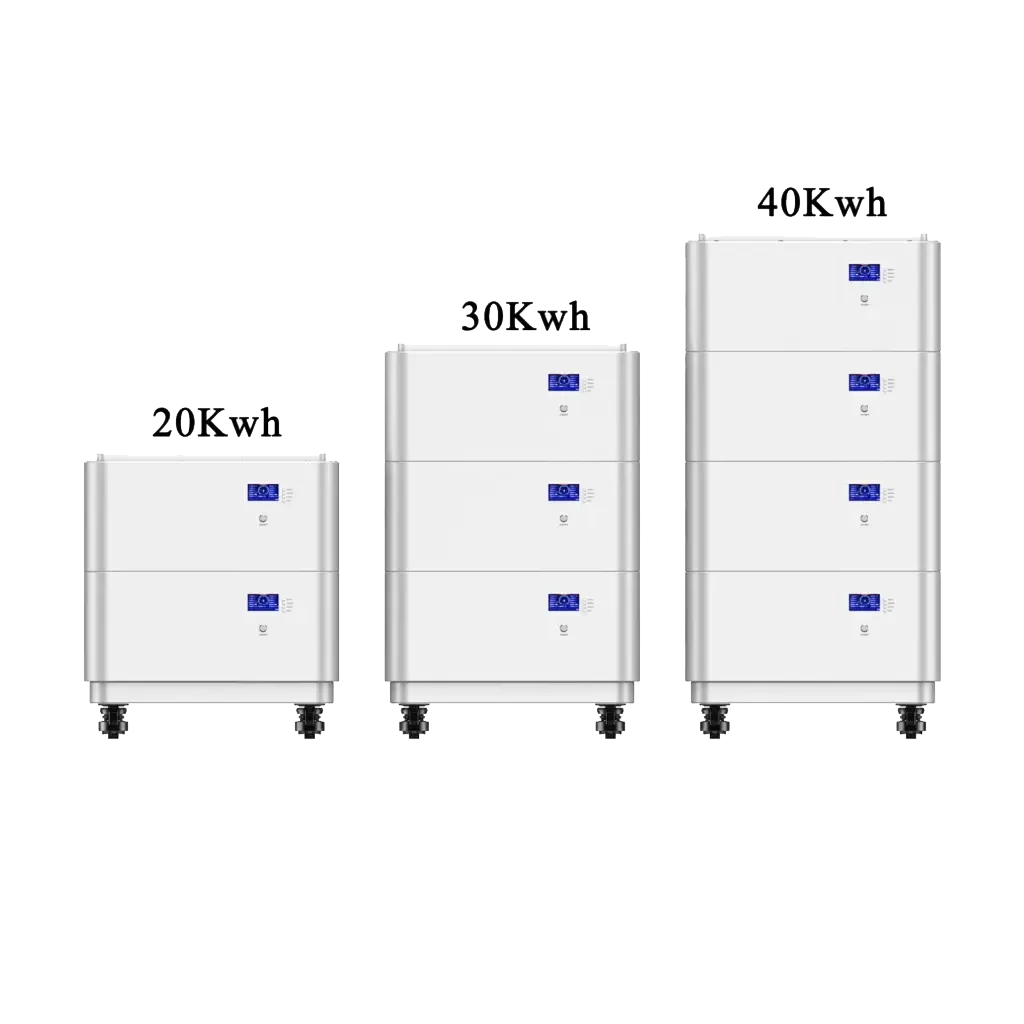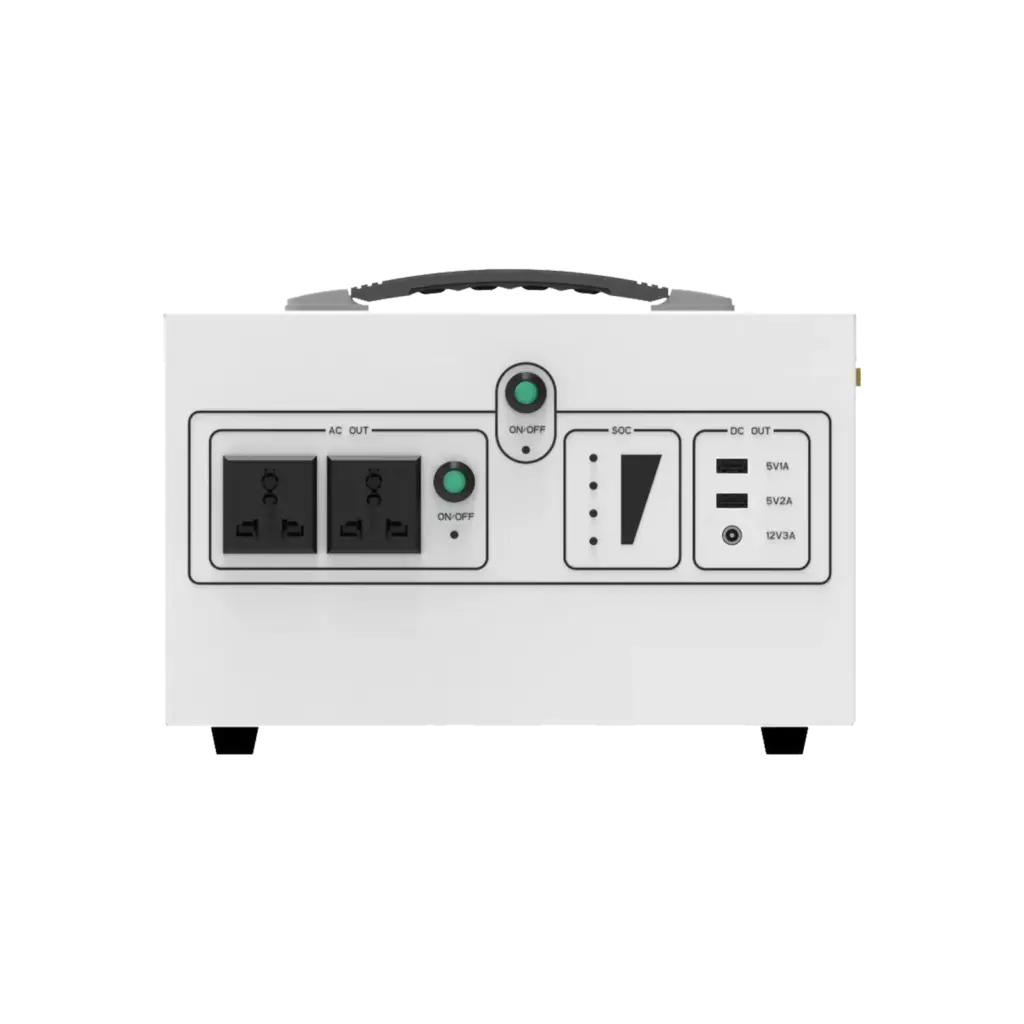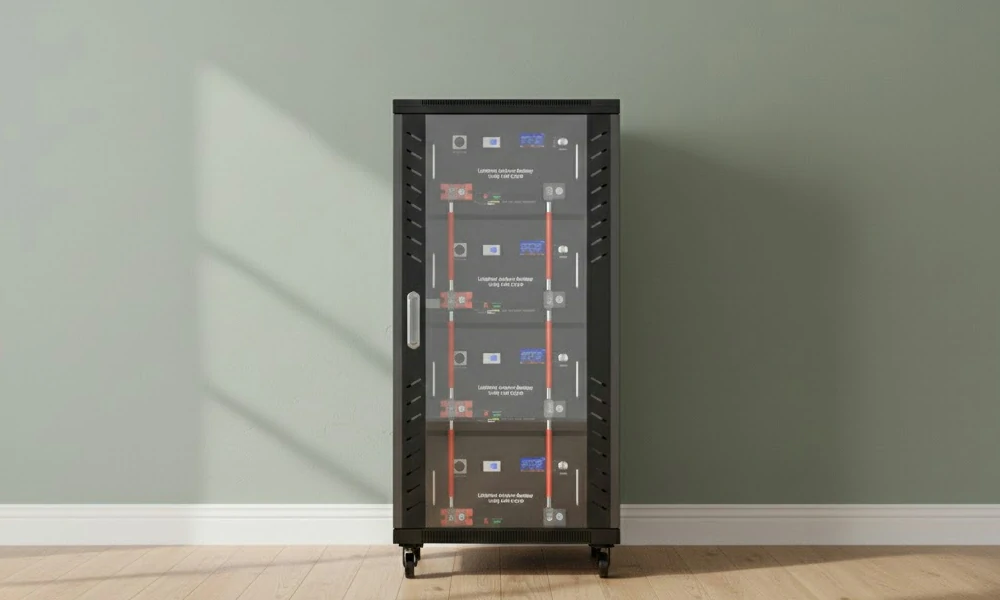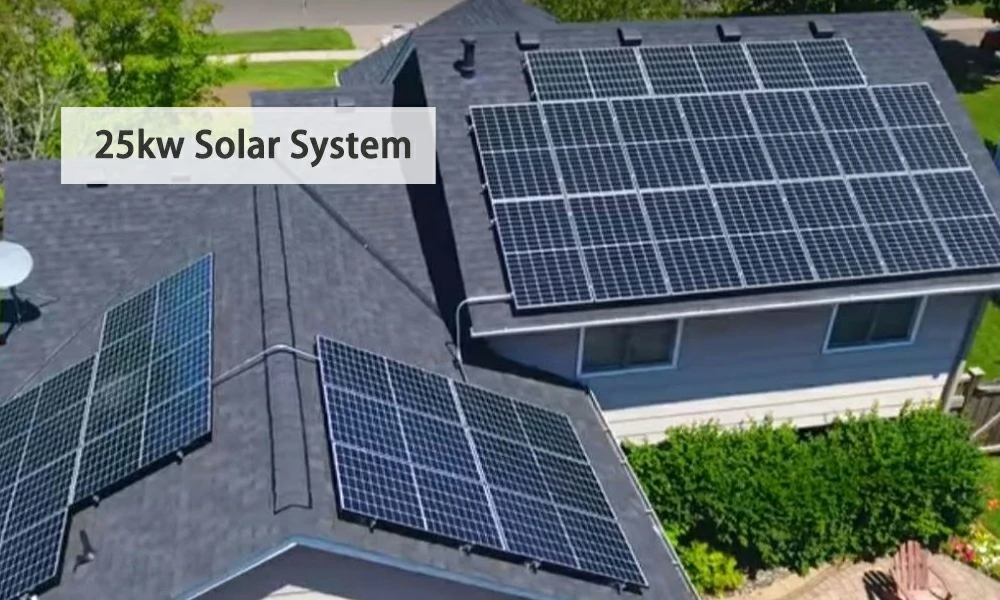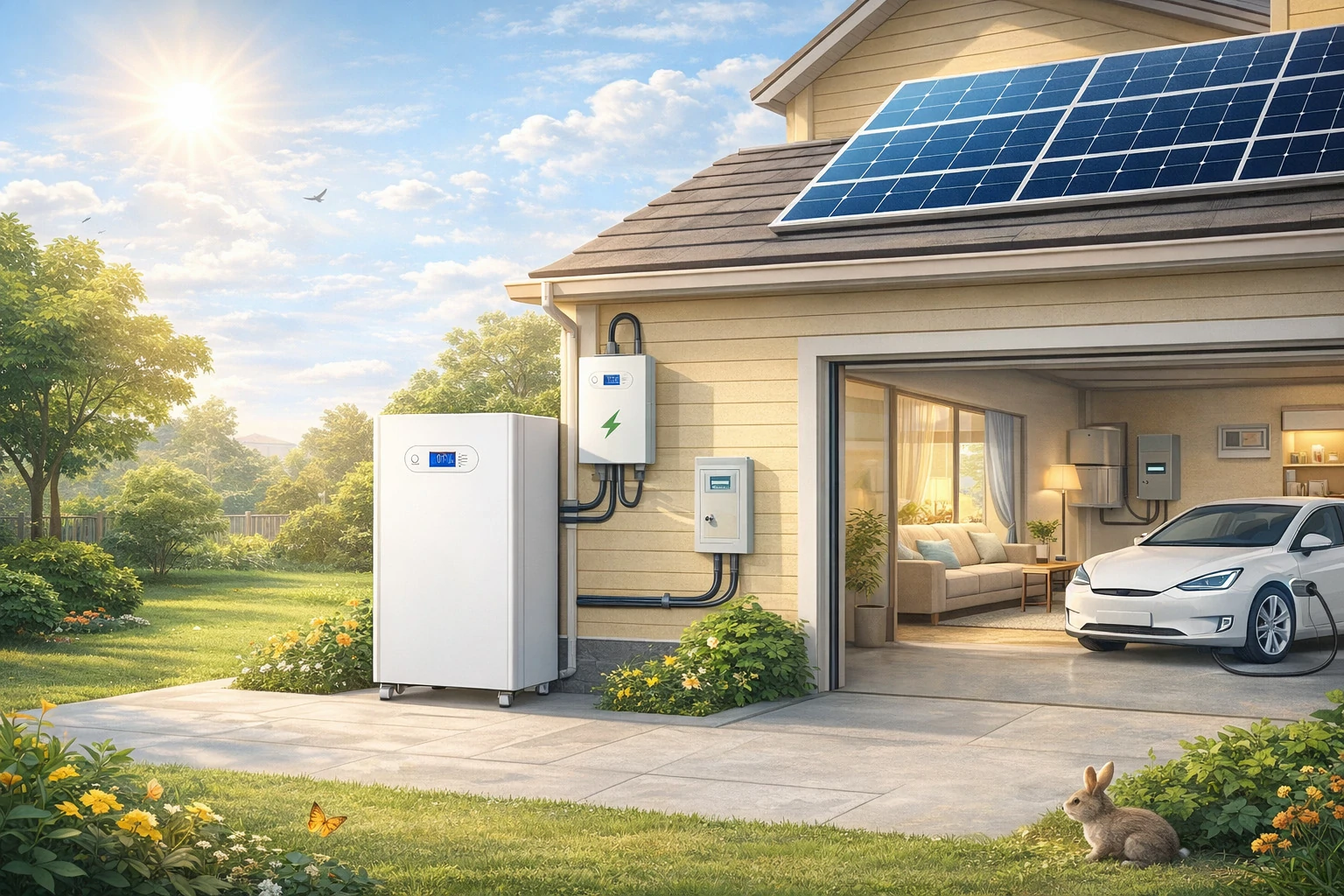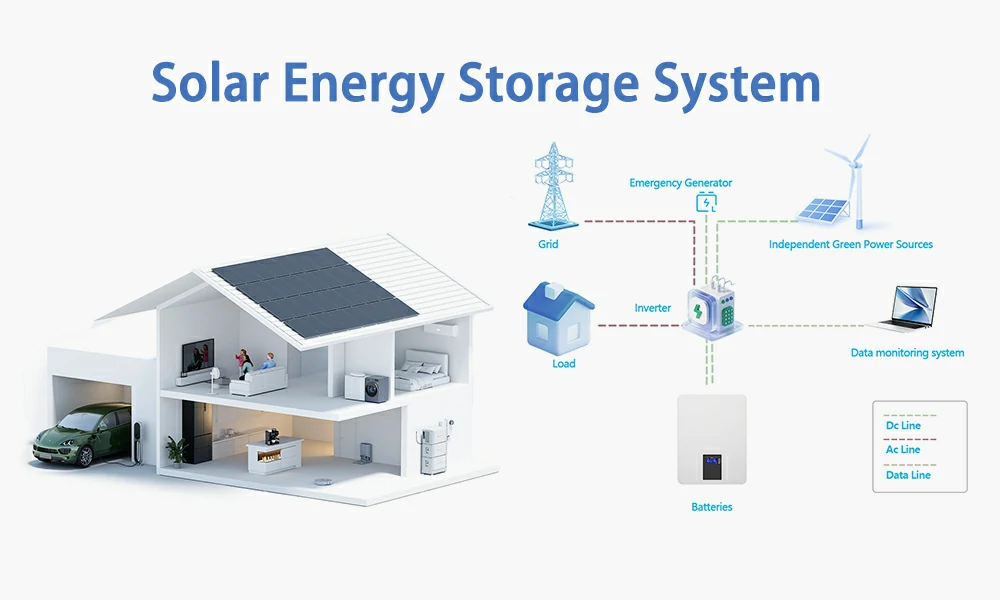

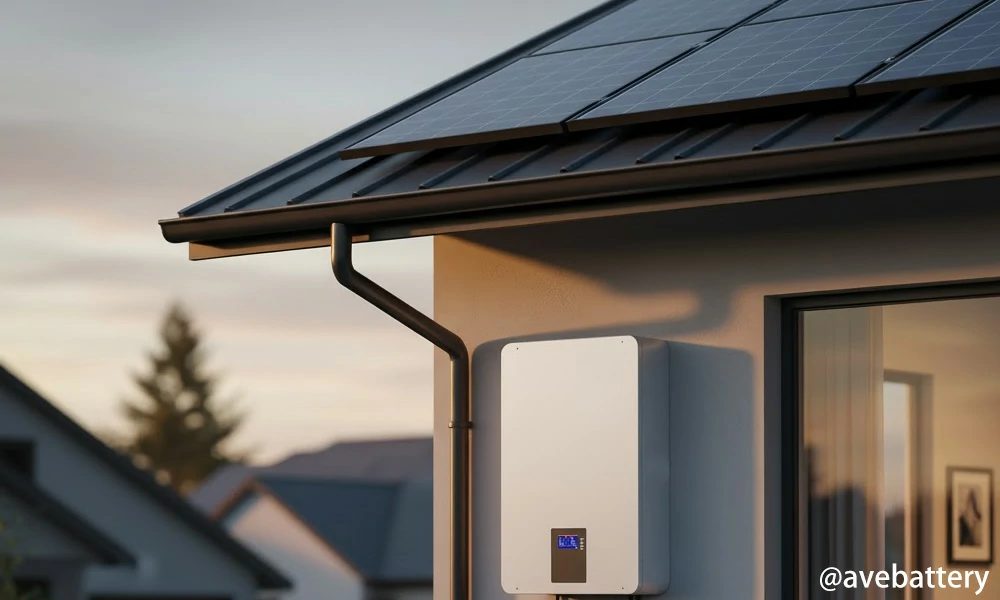
A battery backup for home power outage protection stores electricity and automatically supplies selected circuits when utility power fails. For most homes, 5–15kWh can support essential loads for several hours to roughly a day, while broader or whole-home backup often requires 20–40kWh or more plus enough inverter power to start HVAC, pumps and other high-demand appliances.
The right power outage battery backup is not simply the battery with the largest kWh number.
What Size Battery Backup Do You Need for a Power Outage?
Most homes should size a battery from the loads they actually want to keep running rather than total household electricity consumption. Roughly 5–10kWh can cover basic essentials, 10–20kWh provides more comfortable partial-home backup, and 25–40kWh or more may be required when the goal approaches whole-home operation.
A useful planning range is:
| Backup Goal | Typical Starting Capacity | Typical Loads |
|---|---|---|
| Small emergency backup | 2–5kWh | Wi-Fi, phones, lights, laptop |
| Essential home loads | 5–10kWh | Refrigerator, lights, internet, selected outlets |
| Extended essential backup | 10–15kWh | Essentials + office + pumps + selected appliances |
| Partial-home backup | 15–25kWh | More circuits, limited HVAC |
| Whole-home backup | 25–40kWh+ | Most household circuits |
| Large all-electric home | 40–60kWh+ | HVAC, pumps, cooking, heavier loads |
How Do You Calculate Battery Capacity for a Power Outage?
Calculate each backed-up appliance’s energy use, add the total required outage time, then adjust for usable battery capacity and inverter losses. This produces a much more realistic battery requirement than estimating from home size or daily utility consumption alone.
Use:
Energy (kWh) = Power (kW) × Runtime (hours)
Consider a 24-hour essential-load scenario:
| Load | Approx. Outage Energy |
|---|---|
| Refrigerator/freezer | 2.0kWh |
| Wi-Fi/network | 0.6kWh |
| LED lighting | 1.0kWh |
| Laptop/home office | 1.5kWh |
| Television/electronics | 1.0kWh |
| Furnace/pump allowance | 2.0kWh |
| Miscellaneous outlets | 1.0kWh |
| Total | 9.1kWh |
Now account for system limits.
Assume:
90% usable battery fraction
and:
92% battery-to-AC efficiency
Required nominal battery capacity:
9.1 ÷ 0.90 ÷ 0.92 ≈ 11.0kWh
A battery in roughly the 12–15kWh class therefore provides more practical headroom than buying exactly 9.1kWh of nameplate capacity.
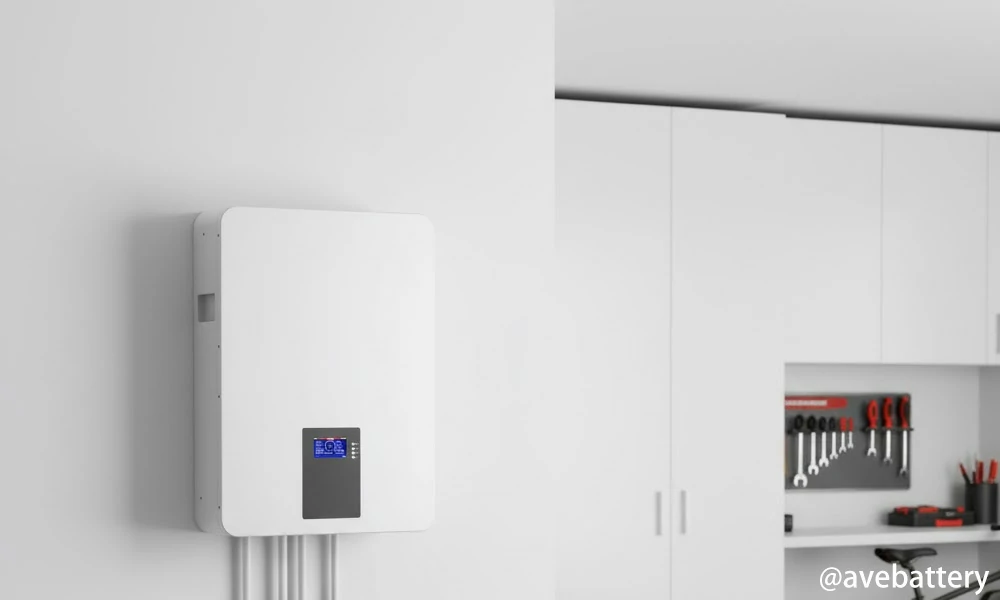
How Long Will a Home Battery Last During a Power Outage?
Battery runtime is determined primarily by usable stored energy divided by average backup load. A 10kWh usable battery running a 500W essential load could theoretically last about 20 hours, while the same battery supporting a 2.5kW load lasts only around four hours before additional system losses are considered.
Basic formula:
Backup Runtime = Usable Battery Energy ÷ Average Load
Examples:
| Usable Battery | 0.5kW Load | 1.0kW Load | 2.0kW Load | 4.0kW Load |
|---|---|---|---|---|
| 5kWh | 10 hr | 5 hr | 2.5 hr | 1.25 hr |
| 10kWh | 20 hr | 10 hr | 5 hr | 2.5 hr |
| 15kWh | 30 hr | 15 hr | 7.5 hr | 3.75 hr |
| 20kWh | 40 hr | 20 hr | 10 hr | 5 hr |
| 30kWh | 60 hr | 30 hr | 15 hr | 7.5 hr |
Real runtime will differ because:
- refrigerators cycle;
- pumps switch on and off;
- HVAC changes with weather;
- battery reserve settings reduce available energy;
- inverter and auxiliary loads consume electricity;
- solar may recharge the battery.
Can a Battery Backup Run an Entire House?
Yes, but true whole-home battery backup normally requires significantly more storage and inverter power than essential-load protection. Current 2026 market examples commonly use around 30kWh for whole-home backup, while large all-electric properties may require 40kWh or considerably more depending on HVAC, pumps and outage duration.
| Setup | Capacity | Approx. Example Cost |
|---|---|---|
| Partial backup | 10kWh | $11,280 |
| Whole-home example | 30kWh | $33,840 |
For detailed whole-house planning, link to Avepower’s Whole Home Battery Backup Cost 2026: Size, Runtime & Guide rather than duplicating that entire topic on this page.
Essential-Load vs Whole-Home Backup: Which Is Better?
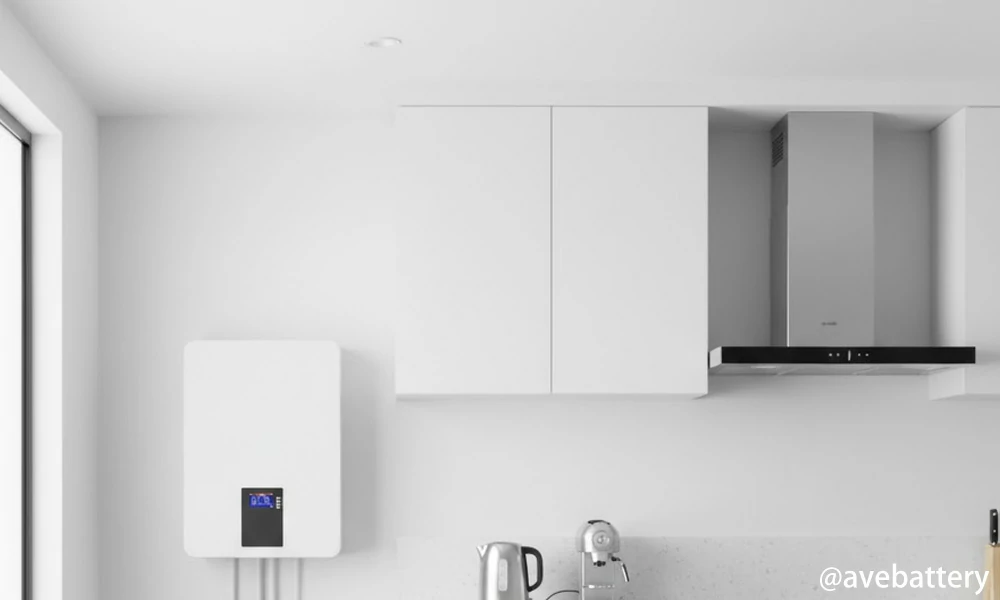
Essential-load backup is usually the more cost-effective solution because it protects the circuits that matter most while avoiding the battery capacity and inverter power needed for HVAC, electric cooking, dryers and EV charging. Whole-home backup is more appropriate where outages are frequent, long or operationally unacceptable.
| Feature | Essential-Load Backup | Whole-Home Backup |
|---|---|---|
| Typical storage | 5–15kWh | 25–40kWh+ |
| Refrigerator | Yes | Yes |
| Wi-Fi / lighting | Yes | Yes |
| Home office | Yes | Yes |
| Pumps | Project dependent | Usually |
| Central HVAC | Often limited | Possible |
| EV charging | Usually shed | Possible with large system |
| Installed cost | Lower | Significantly higher |
| Runtime | Easier to extend | Heavy loads reduce runtime |
| Load management | Helpful | Often important |
How Much Does Battery Backup for a Home Power Outage Cost in 2026?
| System | Typical Capacity | Planning Cost |
|---|---|---|
| Portable appliance backup | 1–5kWh | Hundreds to several thousand dollars |
| Fixed essential-load backup | 10–15kWh | About $10,000–$20,000 |
| Partial-home backup | 15–25kWh | About $15,000–$30,000+ |
| Whole-home backup | 25–40kWh+ | Roughly $25,000–$45,000+ |
| Large all-electric backup | 40–60kWh+ | Can exceed $50,000 |
These are planning ranges, not quotations.
Final cost depends on:
- battery brand;
- capacity;
- inverter;
- backup gateway;
- electrical panel;
- installation labor;
- permitting;
- load-management equipment;
- existing solar;
- location.
Important 2026 U.S. Tax Update
IRS guidance states that the Section 25D residential credit is not available for new expenditures made after December 31, 2025.
State and utility incentives may still exist and should be checked locally.
What Battery Chemistry Is Best for Home Power Outages?
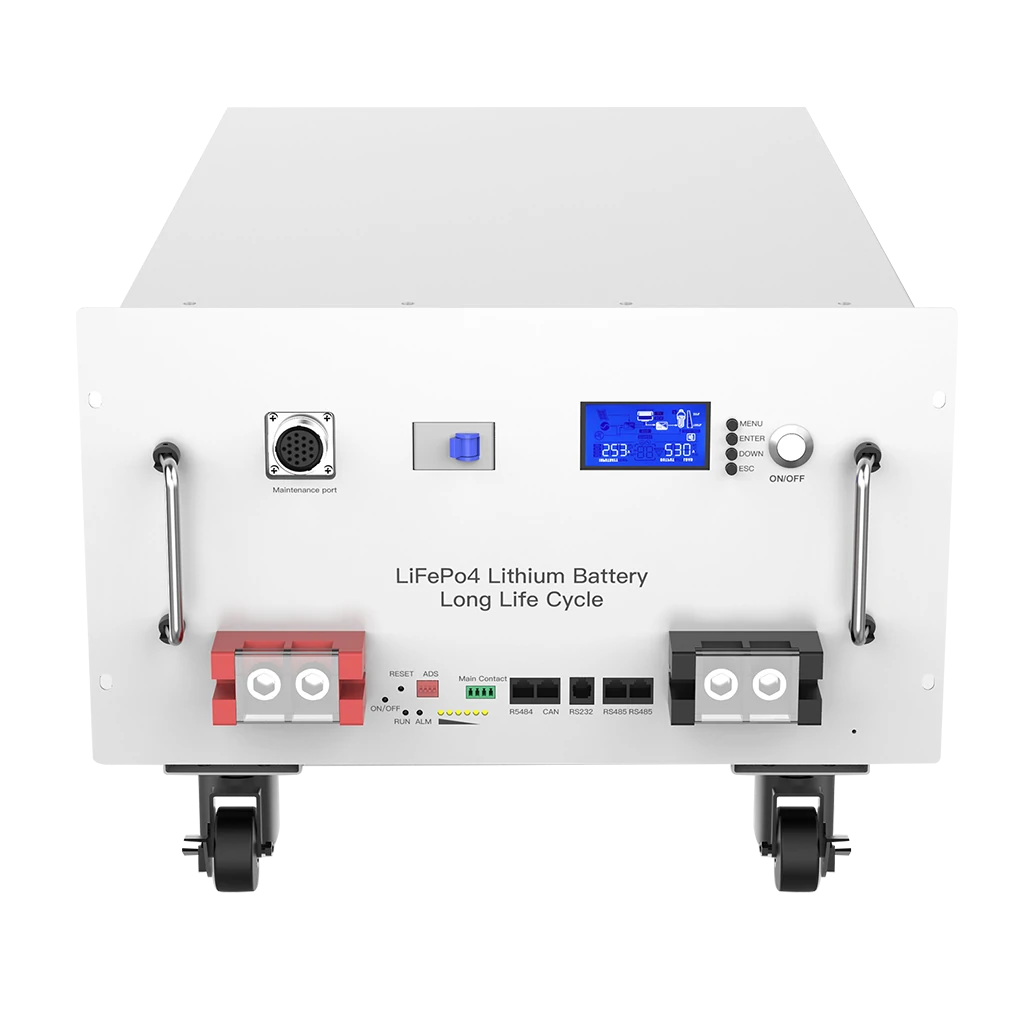
LiFePO4 is widely used for modern stationary home storage because residential systems prioritize cycle durability, thermal stability and repeated charge/discharge operation more than minimum battery weight. Chemistry still does not replace proper BMS protection, enclosure design, inverter matching or professional installation.
A simplified comparison:
| Chemistry | Advantages | Limitations | Home Backup Fit |
|---|---|---|---|
| LiFePO4 | Long cycle life, thermal stability, low maintenance | Higher upfront cost than lead-acid | Strong |
| NMC | High energy density | Thermal management more important | Good |
| Lead-acid | Low upfront cost | Lower usable DoD, shorter cycle life, bulky | Limited |
| Flow | Long cycle potential | Large, expensive, uncommon residentially | Niche |
Avepower’s residential portfolio primarily uses LiFePO4 for stationary storage.
For example, its 15kWh vertical battery publishes:
- 15kWh nominal energy;
- CAN / RS485 / RS232;
- up to 200A discharge under specified conditions;
- up to 16-unit parallel expansion;
- 8,000+ cycles at 25°C / 80% DoD.
What Are the Advantages of Battery Backup for Power Outages?
Home batteries provide automatic, quiet backup without storing or burning fuel at the property, while also supporting solar self-consumption and tariff management during normal operation. Their strongest advantage over a generator is that the same equipment can provide value every day rather than sitting idle exclusively for emergencies.
Advantages include:
- automatic outage response;
- low operating noise;
- no onsite fuel combustion;
- no gasoline storage;
- indoor-capable configurations where approved;
- solar integration;
- time-of-use shifting;
- modular expansion;
- remote monitoring;
- selected-load or whole-home designs.
Battery systems are particularly attractive for:
- home offices;
- areas with repeated short outages;
- solar-equipped homes;
- homes where generator noise or fuel storage is undesirable.
What Are the Disadvantages of Home Battery Backup?
The main limitations are upfront cost, finite runtime and the need for careful electrical design. Unlike a fuel generator that can continue operating while fuel is supplied, a battery stores a fixed amount of energy, so central HVAC, electric heating and other large loads can consume its capacity very quickly.
Disadvantages include:
- high initial installed cost;
- limited stored energy;
- expensive whole-home sizing;
- inverter power limits;
- degradation over time;
- installation and permitting requirements;
- solar recharge depends on weather;
- battery-only systems cannot recharge during a continuing grid outage.
A battery is not automatically better than a generator for every property.
Battery Backup vs Generator: Which Is Better for a Power Outage?
| Factor | Home Battery | Generator |
|---|---|---|
| Noise | Very low | Higher |
| Fuel storage | No | Usually yes |
| Automatic operation | Yes when configured | Yes on standby systems |
| Solar integration | Excellent | Limited |
| Daily energy management | Yes | No |
| Runtime | Limited by stored kWh | Limited by fuel |
| Multi-day heavy loads | Expensive | Often stronger |
| Maintenance | Relatively low | Engine maintenance |
| Indoor operation | Some approved battery systems | Combustion generators mus |
Build a Reliable Home Power Outage Backup System
The right battery backup for power outages should be designed around the circuits that must remain powered—not around the largest battery available.
Avepower supports solar installers, distributors, EPC contractors and OEM/ODM partners with modular LiFePO4 residential battery systems for:
essential-load backup · partial-home backup · solar + storage · battery-only backup · larger residential energy reserves.
For project sizing, send:
Inverter Model + Essential Loads + Required Backup Hours + Solar Capacity + Target Battery kWh + Project Country
so the battery capacity, power requirement, communication protocol and system configuration can be reviewed before equipment selection.
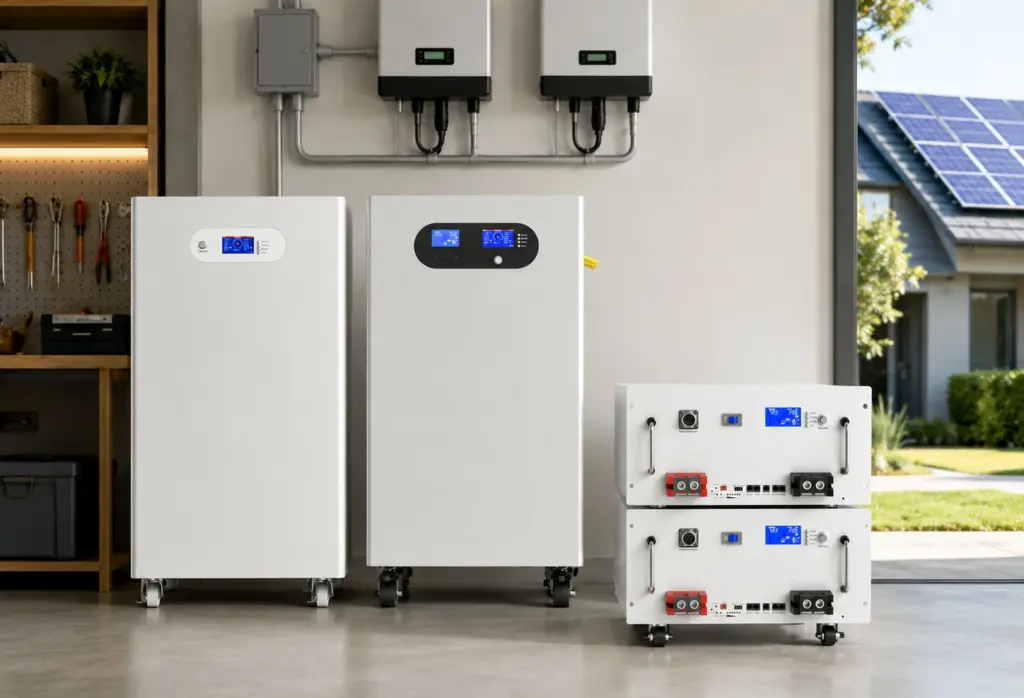
Take Control of Your Energy with Avepower!
Reliable home solar battery solutions with OEM/ODM customization and in-house manufacturing, tailored to the needs of distributors, installers, and energy partners.
FAQ
A home battery can last from a few hours to more than a day depending on usable capacity and household load. A 10kWh usable battery running a 500W essential load theoretically lasts about 20 hours, while a 2kW load reduces that to roughly five hours before other losses.
About 5–10kWh can be a practical starting point for basic essential loads, while 10–20kWh provides more extended partial-home backup. Whole-home operation commonly requires 25–40kWh or more, but the correct size should be calculated from actual loads and outage duration.
About $15,647 for a typical 13.5kWh system in 2026, while larger whole-home systems can exceed $30,000 depending on capacity and installation.
At a 500W average load, 10kWh usable energy theoretically provides about 20 hours. At 1kW, about 10 hours; at 2kW, about five hours. Actual runtime is lower or higher depending on usable capacity, inverter losses and cycling household loads.
A battery is quieter, requires no onsite combustion fuel and integrates well with solar, while a generator can be more practical for very long outages with high continuous power demand. The best option depends on outage duration, load, fuel availability, budget and solar access.