

You cannot convert volts to watts from voltage alone because volts measure electrical potential while watts measure electrical power. You also need current in amps. For DC circuits, multiply volts by amps: Watts = Volts × Amps. AC systems may additionally require the load’s power factor and phase configuration.
For example:
12V × 5A = 60W
24V × 10A = 240W
48V × 100A = 4,800W
51.2V × 100A = 5,120W
120V × 10A = 1,200W for a unity-power-factor load.
Volts to Watts Calculator
Enter voltage and current to calculate electrical power in watts and kilowatts.
For DC circuits, use a power factor of 1.
How Do You Convert Volts to Watts?
To convert volts to watts, identify the circuit type first and then include the current flowing through the circuit. DC power normally uses P = V × I, while AC loads may require power factor. Balanced three-phase systems also require a phase-related multiplier when line-to-line voltage is used.
DC Volts to Watts Formula
For a DC circuit:
P = V × I
Where:
- P = power in watts
- V = voltage in volts
- I = current in amps
Example: 12 Volts at 10 Amps
12V × 10A = 120W
The load is using 120 watts of DC power.
Example: 48 Volts at 50 Amps
48V × 50A = 2,400W
That equals:
2.4kW
This formula is especially useful for batteries, DC solar circuits, automotive electrical systems and other direct-current applications.
For more background on why voltage and current are different quantities, see Avepower’s Voltage vs Current guide.
What Is the Volts to Watts Formula for DC, AC and Three-Phase Power?
The correct volts-to-watts formula depends on the electrical system. DC uses voltage multiplied by current, single-phase AC normally adds power factor, and balanced three-phase AC using line-to-line voltage adds √3.
| Situation | Formula |
|---|---|
| DC | W = V × A |
| Single-Phase AC | W = V × A × PF |
| Three-Phase AC, Line-to-Line | W = √3 × V × A × PF |
| Voltage + Resistance Known | W = V² ÷ R |
| Find Amps | A = W ÷ V |
| Find Volts | V = W ÷ A |
Where:
- W = watts
- V = volts
- A = amps
- PF = power factor
- R = resistance in ohms
DC Volts to Watts
For DC systems:
Watts = Volts × Amps
This formula is commonly used for batteries, DC power supplies, solar-side circuits and many low-voltage electrical systems.
Example:
51.2V × 100A = 5,120W
So the instantaneous electrical power is approximately 5.12kW at 51.2V and 100A.
Single-Phase AC Volts to Watts
For a single-phase AC load:
Watts = Volts × Amps × Power Factor
Suppose an AC appliance operates at:
230V
10A
PF = 0.90
Then:
230 × 10 × 0.90 = 2,070W
Three-Phase AC Volts to Watts
For a balanced three-phase system using line-to-line voltage:
Watts = √3 × V × A × PF
For example:
√3 × 400V × 20A × 0.90 ≈ 12,471W
That is approximately:
12.47kW
Three-phase calculations require special care because line-to-line and line-to-neutral voltage are not interchangeable.
Volts to Watts Conversion Chart
5V Examples
| Voltage | Current | Power |
|---|---|---|
| 5V | 1A | 5W |
| 5V | 2A | 10W |
| 5V | 3A | 15W |
| 5V | 5A | 25W |
12V Examples
| Voltage | Current | Power |
|---|---|---|
| 12V | 1A | 12W |
| 12V | 5A | 60W |
| 12V | 10A | 120W |
| 12V | 20A | 240W |
| 12V | 50A | 600W |
| 12V | 100A | 1,200W |
24V Examples
| Voltage | Current | Power |
|---|---|---|
| 24V | 5A | 120W |
| 24V | 10A | 240W |
| 24V | 20A | 480W |
| 24V | 50A | 1,200W |
| 24V | 100A | 2,400W |
48V Examples
| Voltage | Current | Power |
|---|---|---|
| 48V | 10A | 480W |
| 48V | 20A | 960W |
| 48V | 50A | 2,400W |
| 48V | 100A | 4,800W |
| 48V | 200A | 9,600W |
51.2V Examples
| Voltage | Current | Power |
|---|---|---|
| 51.2V | 10A | 512W |
| 51.2V | 20A | 1,024W |
| 51.2V | 50A | 2,560W |
| 51.2V | 100A | 5,120W |
| 51.2V | 150A | 7,680W |
| 51.2V | 200A | 10,240W |
How Many Watts Is 120V or 240V?
120V to Watts Chart
| Volts | Amps | Watts |
|---|---|---|
| 120V | 1A | 120W |
| 120V | 2A | 240W |
| 120V | 5A | 600W |
| 120V | 10A | 1,200W |
| 120V | 12.5A | 1,500W |
| 120V | 15A | 1,800W |
| 120V | 20A | 2,400W |
240V to Watts Chart
| Volts | Amps | Watts |
|---|---|---|
| 240V | 1A | 240W |
| 240V | 5A | 1,200W |
| 240V | 10A | 2,400W |
| 240V | 15A | 3,600W |
| 240V | 20A | 4,800W |
| 240V | 30A | 7,200W |
| 240V | 50A | 12,000W |
How Do You Convert Volts to Watts in a Battery or Solar Energy Storage System?
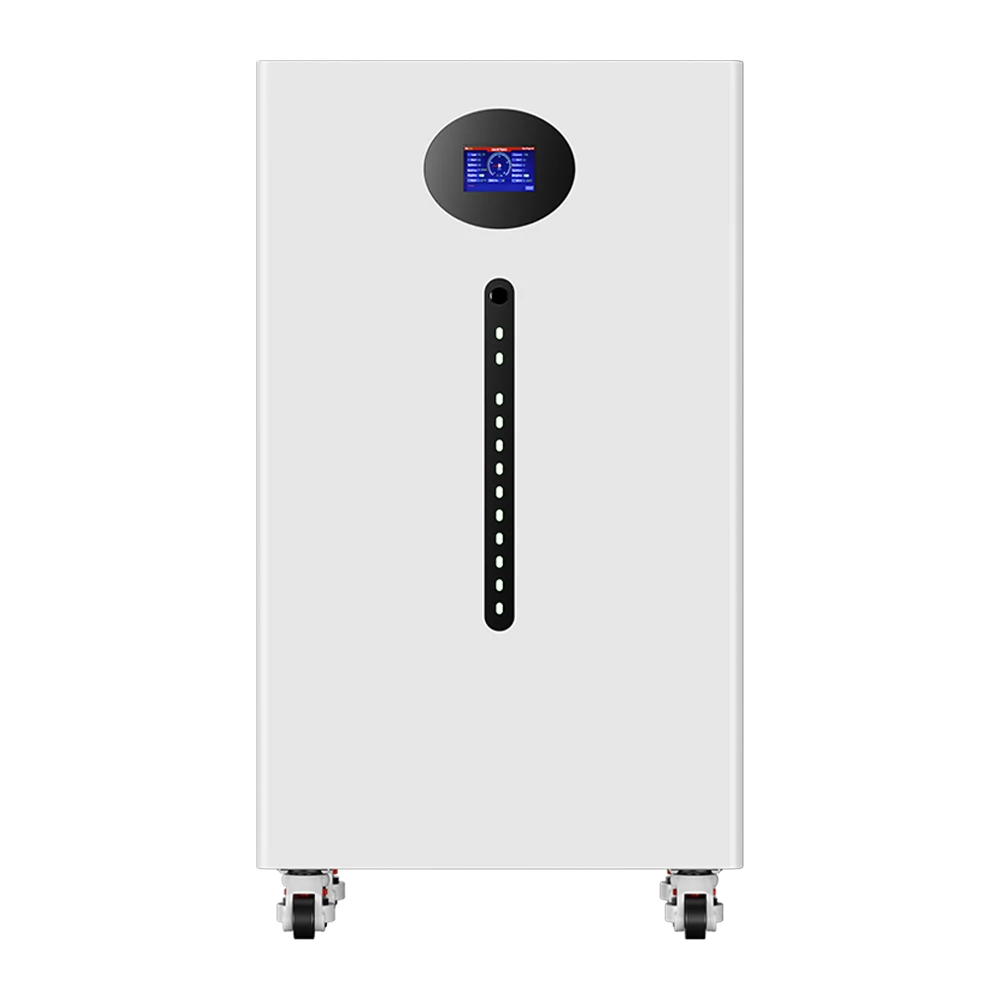
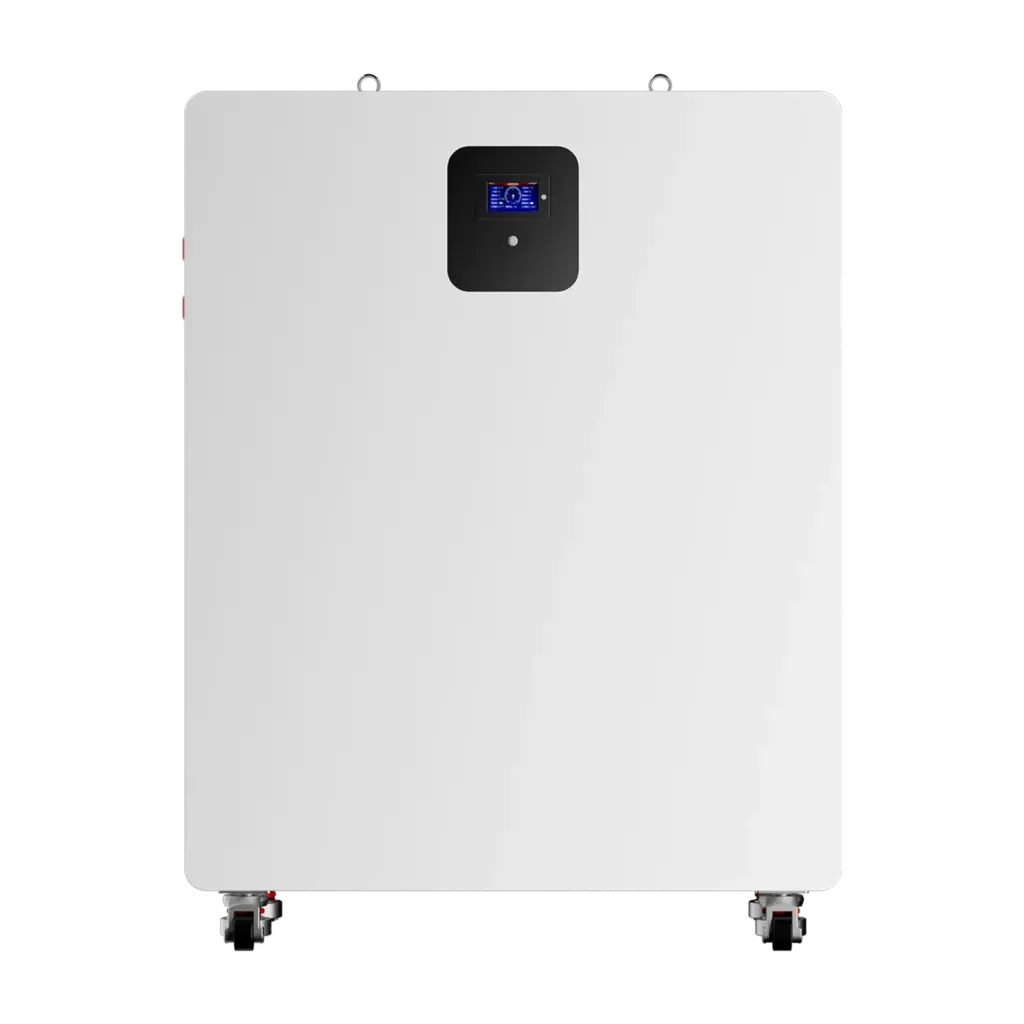
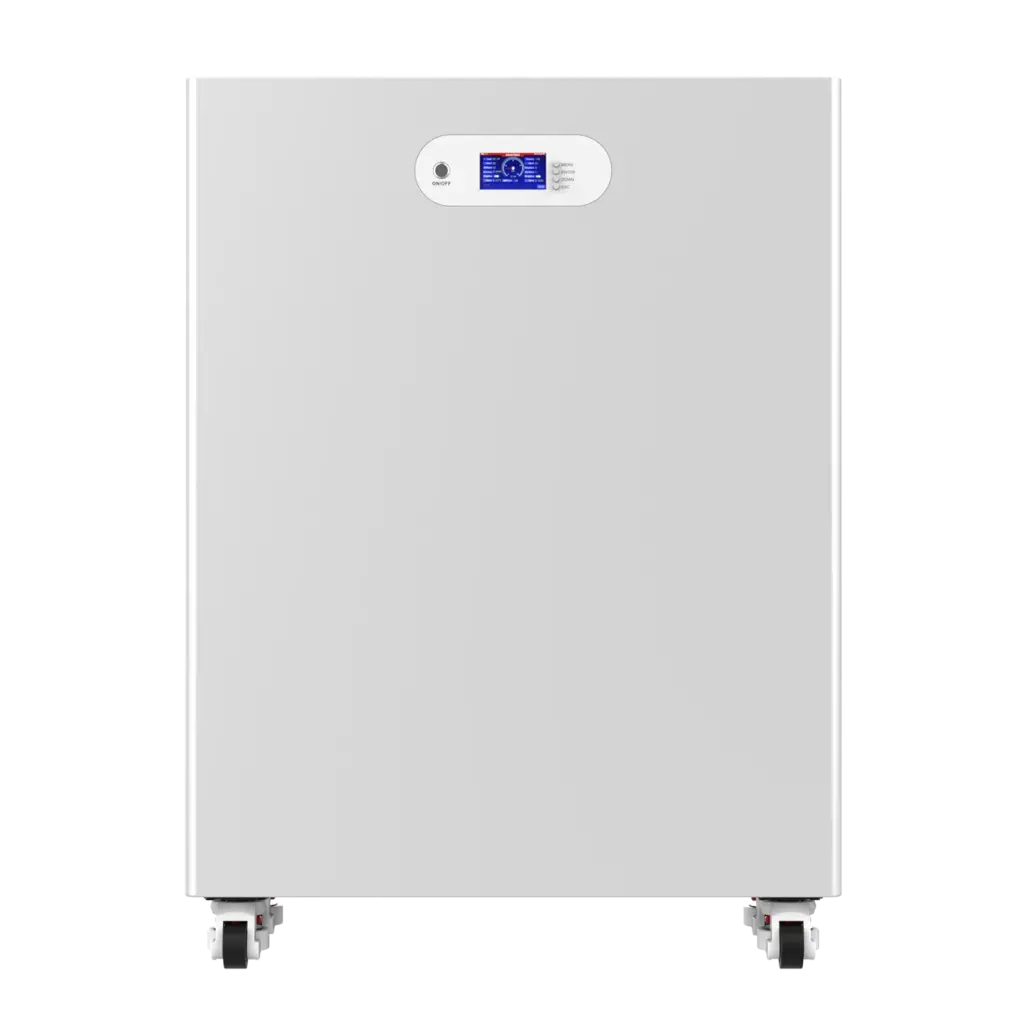
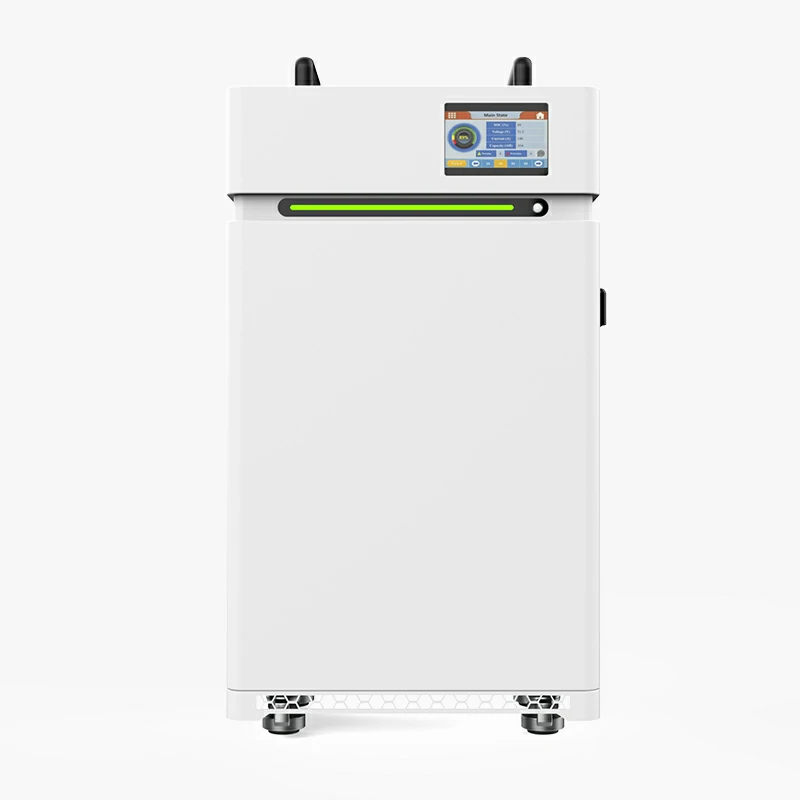
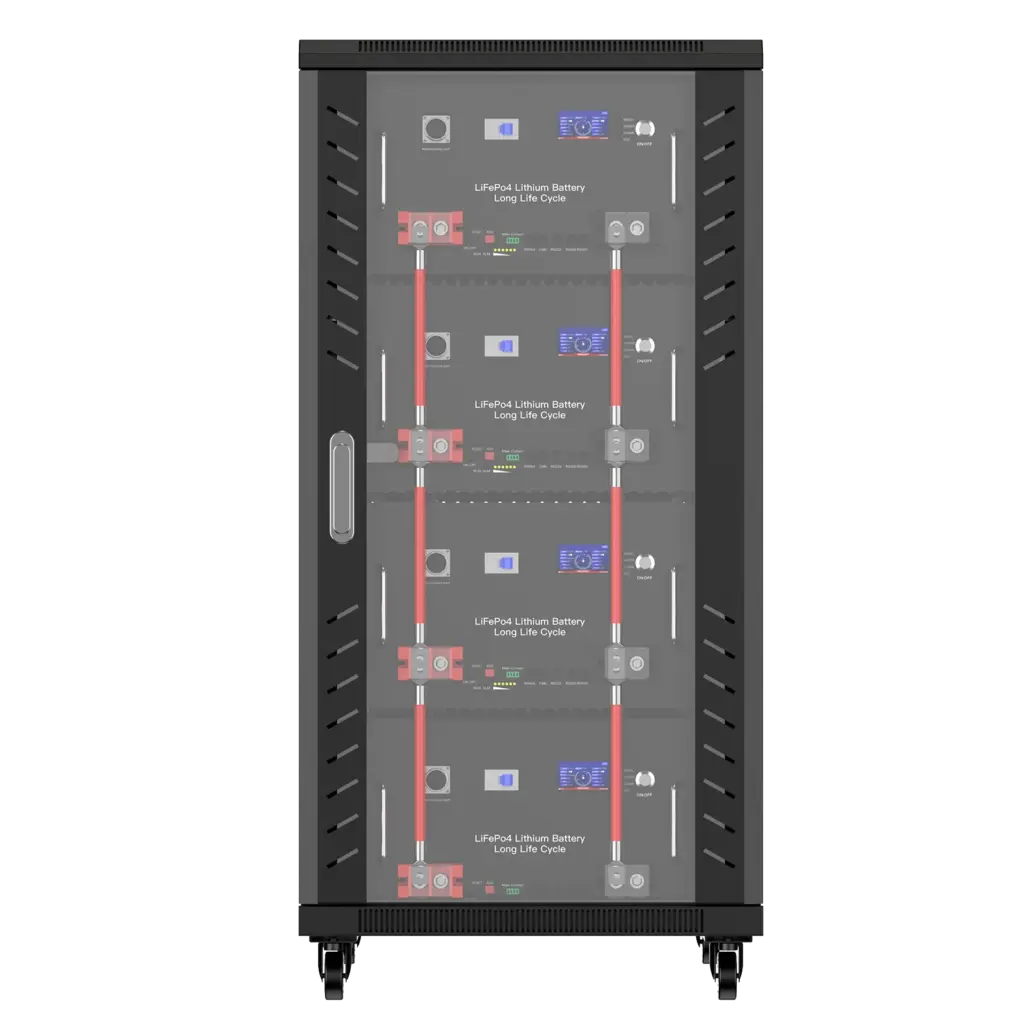
A practical example is Avepower’s 51.2V 324Ah LiFePO4 battery.
Its published specifications include approximately:
| Parameter | Published Value |
|---|---|
| Nominal voltage | 51.2V |
| Capacity | 324Ah |
| Nominal energy | 16kWh-class |
| Standard continuous discharge | 162A |
| Short-duration discharge | Up to 200A for 300 seconds |
| Operating voltage range | 40–58.4V |
| Maximum parallel units | 16 |
Avepower publishes a 10.24kW DC figure for this configuration and specifies 162A continuous discharge with up to 200A for 300 seconds.
Using nominal voltage and continuous current:
51.2V × 162A = 8,294W
or approximately:
8.29kW DC
At the stated 200A short-duration current:
51.2V × 200A = 10,240W
or:
10.24kW DC
At a hypothetical 40V operating point and 162A:
40 × 162 = 6.48kW
At nominal 51.2V:
51.2 × 162 = 8.29kW
For battery-voltage behavior, see the LiFePO4 voltage chart.
What Are the Most Common Volts-to-Watts Calculation Mistakes?
Most volts-to-watts errors come from missing current information, mixing DC and AC measurements, ignoring power factor, or treating a nominal equipment rating as an actual operating measurement. These mistakes become more significant when calculations are used for battery, inverter, cable or energy-storage system sizing.
Common mistakes include:
- Assuming that 1 volt always equals 1 watt.
- Calculating watts from voltage alone.
- Ignoring power factor for AC motors and reactive loads.
- Using the single-phase formula for a three-phase system.
- Mixing battery-side DC current with inverter-side AC voltage.
- Treating maximum rated current as continuous actual consumption.
- Confusing kW with kWh.
- Using nominal battery voltage as if it never changes.
- Ignoring inverter or converter efficiency.
- Using a theoretical wattage calculation as a substitute for cable, breaker or protection-device engineering.
If you instead need to calculate voltage from current and power, Avepower’s Amps to Volts Calculator and Formula Guide covers the reverse calculation.
Need Help Matching Battery Voltage, Current and Inverter Power?
Avepower supports solar installers, distributors, wholesalers and project developers with low-voltage and high-voltage LiFePO4 energy storage systems, inverter compatibility checking and project configuration support.
Avepower lists 10+ years of battery experience, a 20,000㎡ manufacturing base, 50+ R&D engineers and energy-storage projects supplied across 100+ countries, while supporting OEM/ODM system development for global partners.
For a real project, send your required battery capacity, inverter brand and model, application, target system voltage and country so the engineering team can help check battery-inverter matching before configuration.
FAQ
One volt does not equal a fixed number of watts. At 1A, 1V produces 1W. At 5A, 1V produces 5W. You must know current or another electrical variable before watts can be calculated.
There is no fixed wattage for 12V. At 5A it equals 60W, at 10A it equals 120W, and at 100A it equals 1,200W.
No. Volts measure electrical potential difference, while watts measure electrical power. They are related through current: W = V × A
At 20A and unity power factor: 240V × 20A = 4,800W