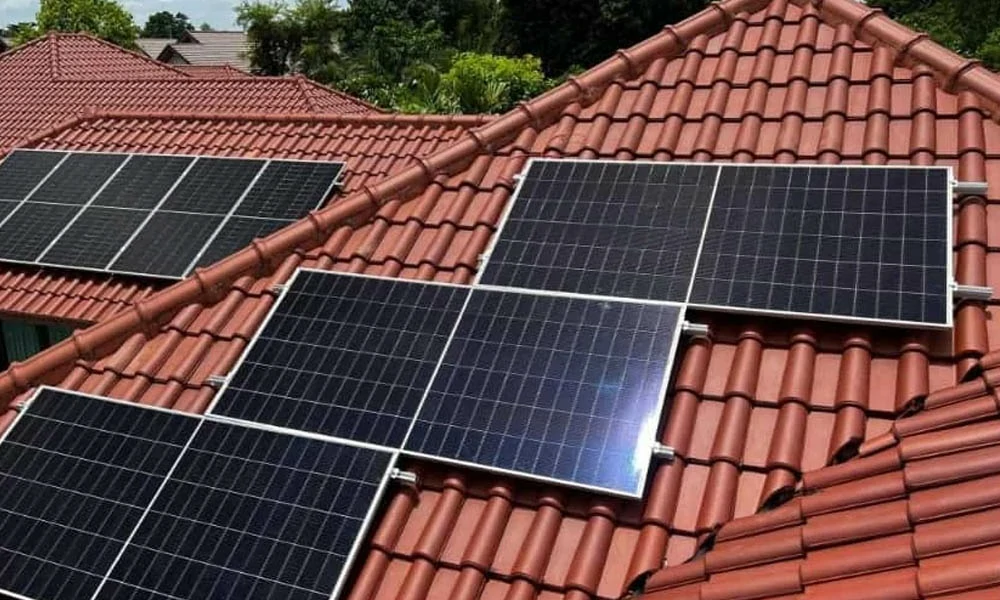

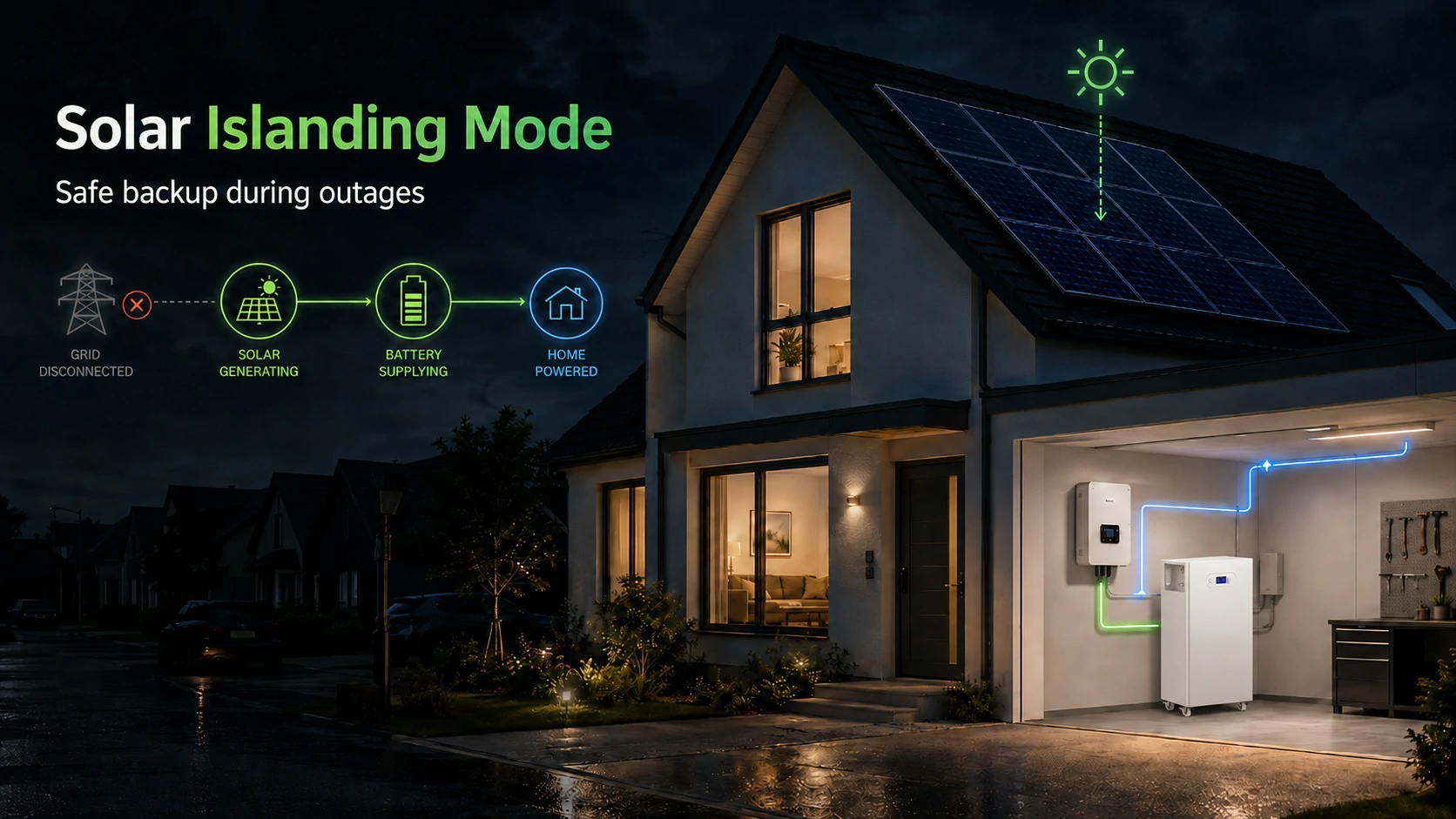
If you have solar panels, you may expect them to keep your home powered during a blackout. In many grid-tied solar systems, however, the inverter shuts down automatically when the utility grid fails. This is not a system defect. It is a safety function called anti-islanding.
Islanding in a power system means that a section of the electrical network continues to be energized even after it has been disconnected from the main grid. In solar systems, islanding usually refers to a home, building, or local circuit that keeps receiving power from solar panels, batteries, or other distributed energy resources while the utility grid is down.
This guide explains what islanding means, why grid-tied solar inverters shut down during outages, how anti-islanding works, and how a safe solar islanding system can be built with a compatible inverter, battery storage, transfer equipment, and proper electrical design.
What Is Islanding in a Power System?
In a power system, islanding is a condition where a section of the grid becomes electrically separated from the main utility network but remains energized by local power sources. These local sources may include solar PV, wind turbines, diesel generators, battery energy storage systems, or other distributed energy resources.
For example, imagine a distribution feeder loses connection to the main grid because of a fault or utility outage. If rooftop solar systems or local generators continue producing power and supply nearby loads, that feeder may become an electrical “island.” It is no longer connected to the wider grid, but it may still have live voltage.
This can happen in two ways:
- Unintentional islanding: The island forms unexpectedly during a grid fault or outage. This is unsafe and must be detected quickly.
- Intentional islanding: The system is designed to disconnect from the utility grid and operate independently for backup power or microgrid operation.
In modern distributed energy systems, islanding is not always bad. The key question is whether the island is controlled, isolated, protected, and approved by the relevant grid rules.
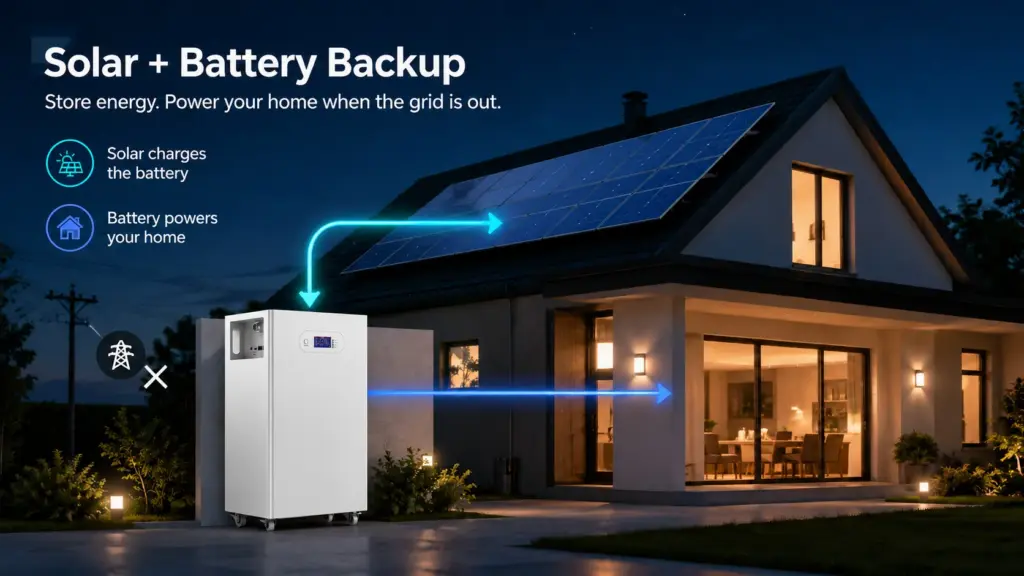
Build a Safer Solar Backup System
Avepower provides LiFePO4 battery storage solutions for residential backup, solar self-consumption and small energy storage projects. Match the right battery capacity with compatible hybrid inverters for safer backup operation.
What Is Islanding in a Solar System?
In a solar power system, islanding means the solar PV system continues supplying electricity to a local electrical circuit when the utility grid is down.
Many homeowners assume that if they have solar panels on the roof, they should still have power during the day when the grid fails. In reality, most standard grid-tied solar systems are designed to shut down automatically during an outage.
If a solar inverter keeps sending electricity into the home and any excess power flows back toward the grid, utility workers repairing power lines may face unexpected live voltage. Equipment can also be damaged if an unstable local island reconnects to the grid out of phase.
This is why grid-connected solar inverters include anti-islanding protection. A standard grid-tied inverter must detect abnormal grid conditions and stop energizing the grid when the utility supply is lost.
Unintentional Islanding vs Intentional Islanding
Understanding the difference between unintentional and intentional islanding is essential for solar system design.
Unintentional Islanding
Unintentional islanding occurs when a solar PV system, battery inverter, generator, or other distributed energy resource continues energizing a local section of the grid after the main grid has failed.
This is the type of islanding that utilities and safety standards aim to prevent. It can create several problems:
- Utility workers may believe the line is de-energized when it is still live.
- Voltage and frequency may become unstable.
- Loads and generation may become unbalanced.
- Protection devices may not operate as expected.
- Reconnection to the grid may damage equipment if synchronization is poor.
For this reason, anti-islanding protection is a standard safety feature in grid-tied solar and inverter-based systems.
Intentional Islanding
Intentional islanding is different. It is a planned and controlled mode where a system disconnects from the utility grid and powers a defined set of loads locally.
This is common in:
- Solar battery backup systems
- Home energy storage systems
- Commercial backup power systems
- Microgrids
- Remote power systems
- Critical load backup applications
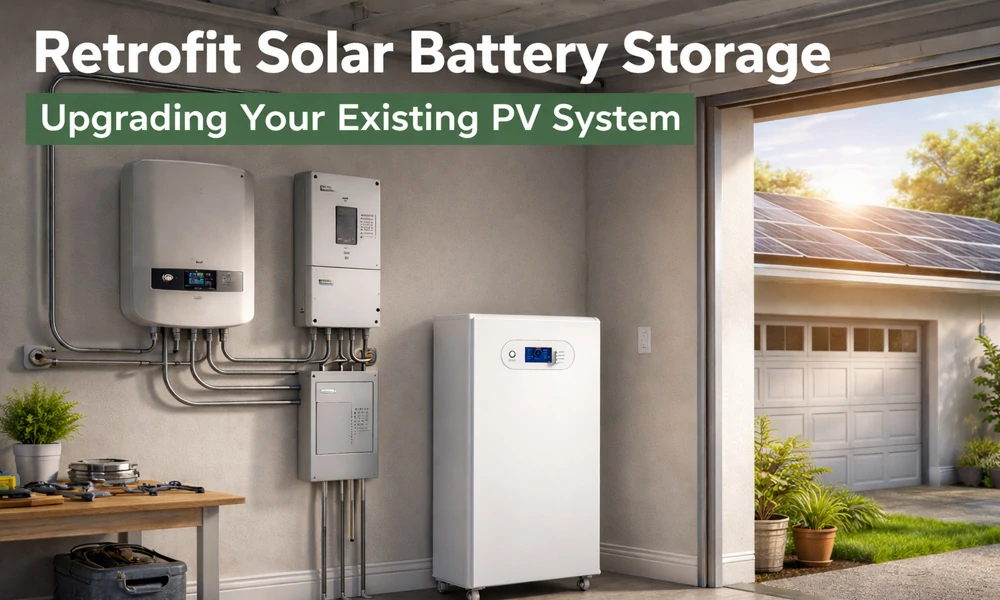
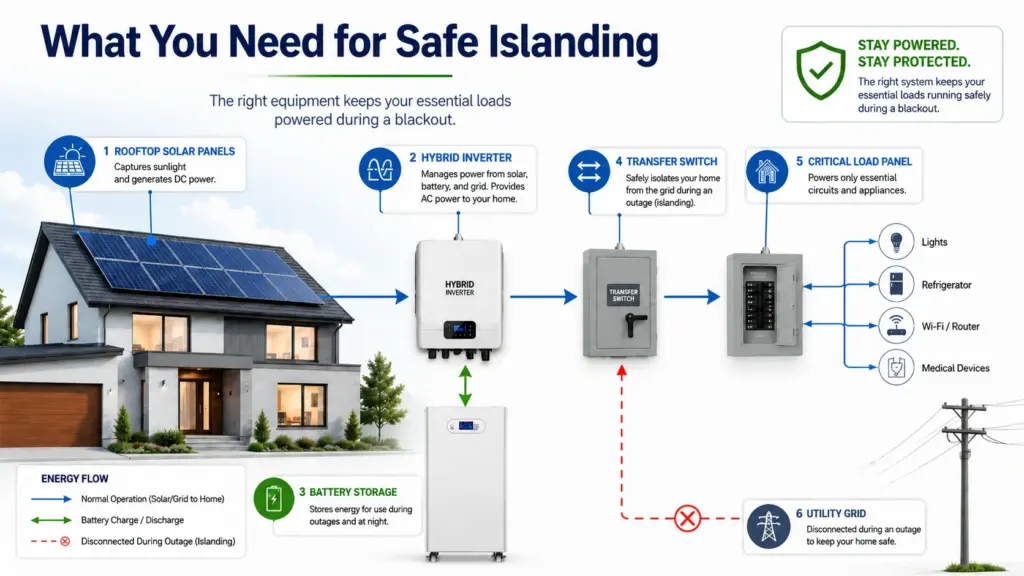
In an intentional island, the system must have the right equipment to isolate the site from the grid. This usually includes a hybrid inverter, battery storage, backup gateway, automatic transfer switch, critical load panel, and proper protection settings.
When designed correctly, intentional islanding allows a home or facility to keep essential loads running without sending power back to the utility grid.
What Is Anti-Islanding?
Anti-islanding is a safety function that prevents a grid-connected solar system from continuing to energize the grid when the utility supply is lost.
In normal operation, a grid-tied inverter synchronizes with the utility grid. It monitors grid voltage, frequency, phase, and other electrical conditions. When the grid becomes unstable or disappears, the inverter detects the abnormal condition and stops exporting power.
How Does Anti-Islanding Protection Work?
Anti-islanding protection allows an inverter to detect when the grid is no longer stable or available. Once the inverter detects a grid failure, it stops feeding electricity into the grid.
There are two broad types of anti-islanding detection methods.
Passive Anti-Islanding Detection
Passive methods monitor grid parameters such as:
- Voltage
- Frequency
- Phase angle
- Rate of change of frequency
- Harmonic distortion
- Grid impedance
If these values move outside allowable limits, the inverter disconnects.
Passive detection is simple and effective in many cases. However, if local generation and local load are closely balanced, voltage and frequency may not change dramatically at first. This can create a non-detection zone, which is why many inverters also use active methods.
Active Anti-Islanding Detection
Active methods intentionally introduce small disturbances into the inverter output and observe how the grid responds. If the utility grid is present, the grid is strong enough to absorb the disturbance. If the grid is gone, the local island becomes unstable more quickly, allowing the inverter to detect the island and disconnect.
Active methods may involve changes in:
- Reactive power
- Frequency shift
- Output current behavior
- Impedance detection
In real products, inverter manufacturers may combine passive and active detection to improve reliability. Installers should always follow local grid codes, inverter manuals, and utility interconnection requirements.
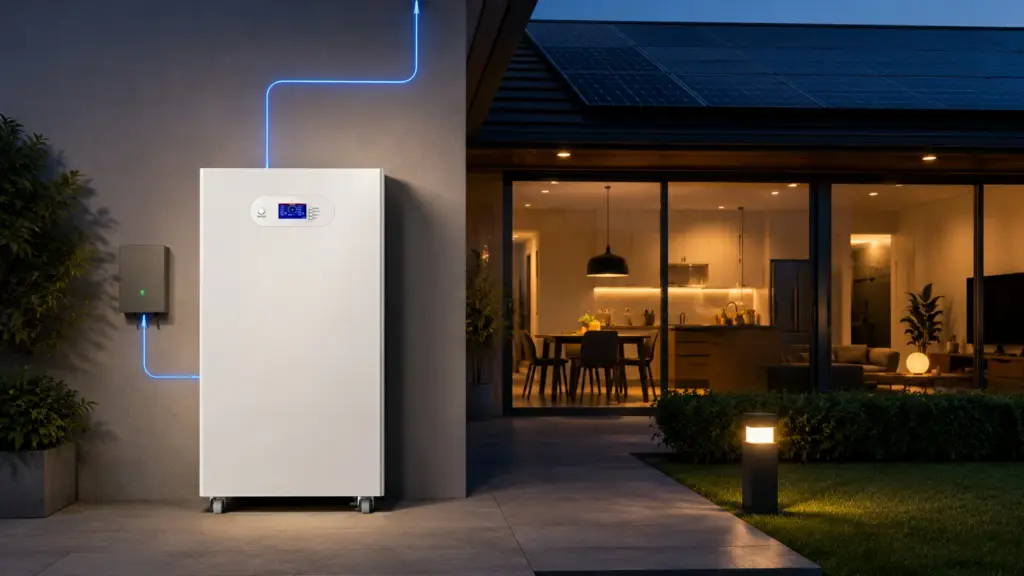
Need Battery Support for Installer Projects?
Avepower team can help installers, distributors and project buyers confirm battery capacity, voltage, communication protocol and inverter compatibility before deployment.
What Is Islanding Mode?
Islanding mode is a controlled operating mode where a solar and battery system intentionally disconnects from the grid and powers local loads independently.
This is different from unsafe islanding. In a safe islanding system, the inverter first isolates the home or facility from the utility grid. Then it creates a stable local AC power supply for selected loads. The battery provides stored energy, while solar panels may continue charging the battery and supporting loads when sunlight is available.
A safe islanding system usually requires:
- A hybrid inverter or grid-forming inverter
- Battery energy storage
- Automatic transfer switch or backup interface
- Critical load panel or protected load circuit
- Correct grounding and neutral bonding design
- Battery management system communication
- Local permits, grid approval, and code-compliant installation
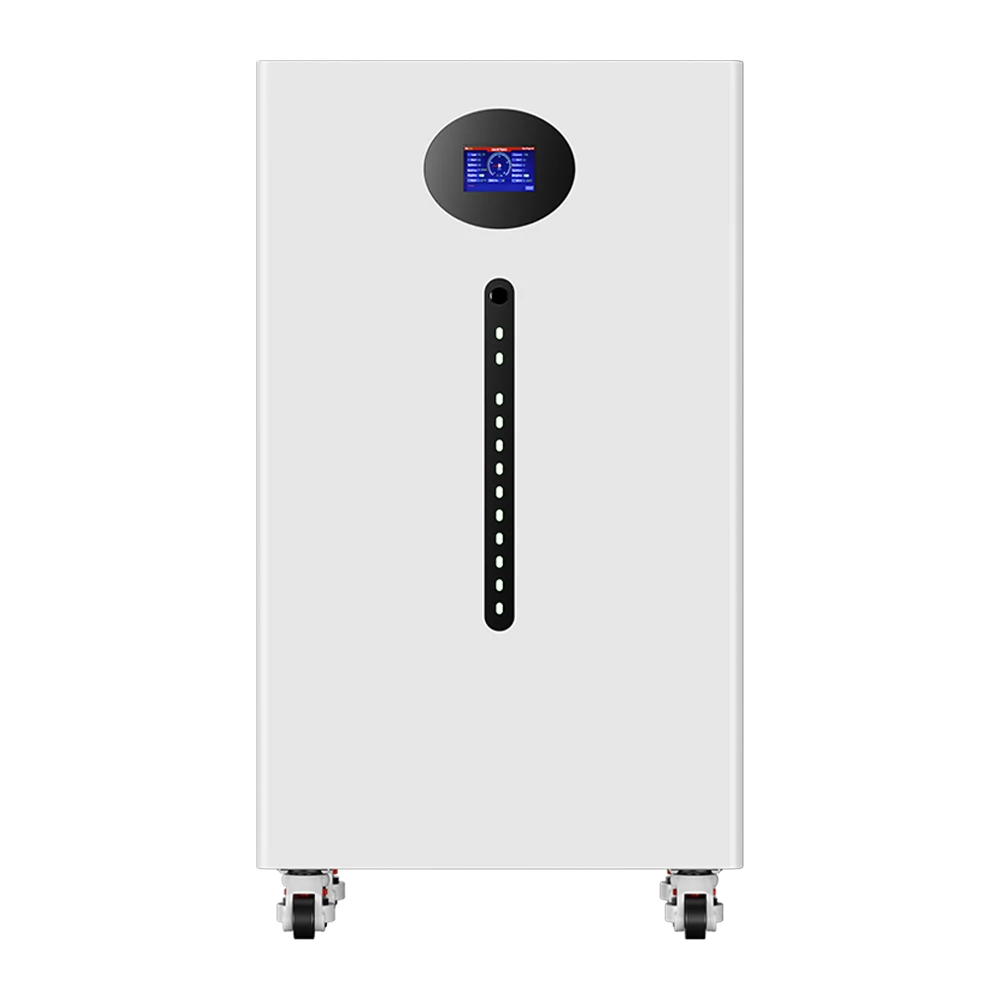
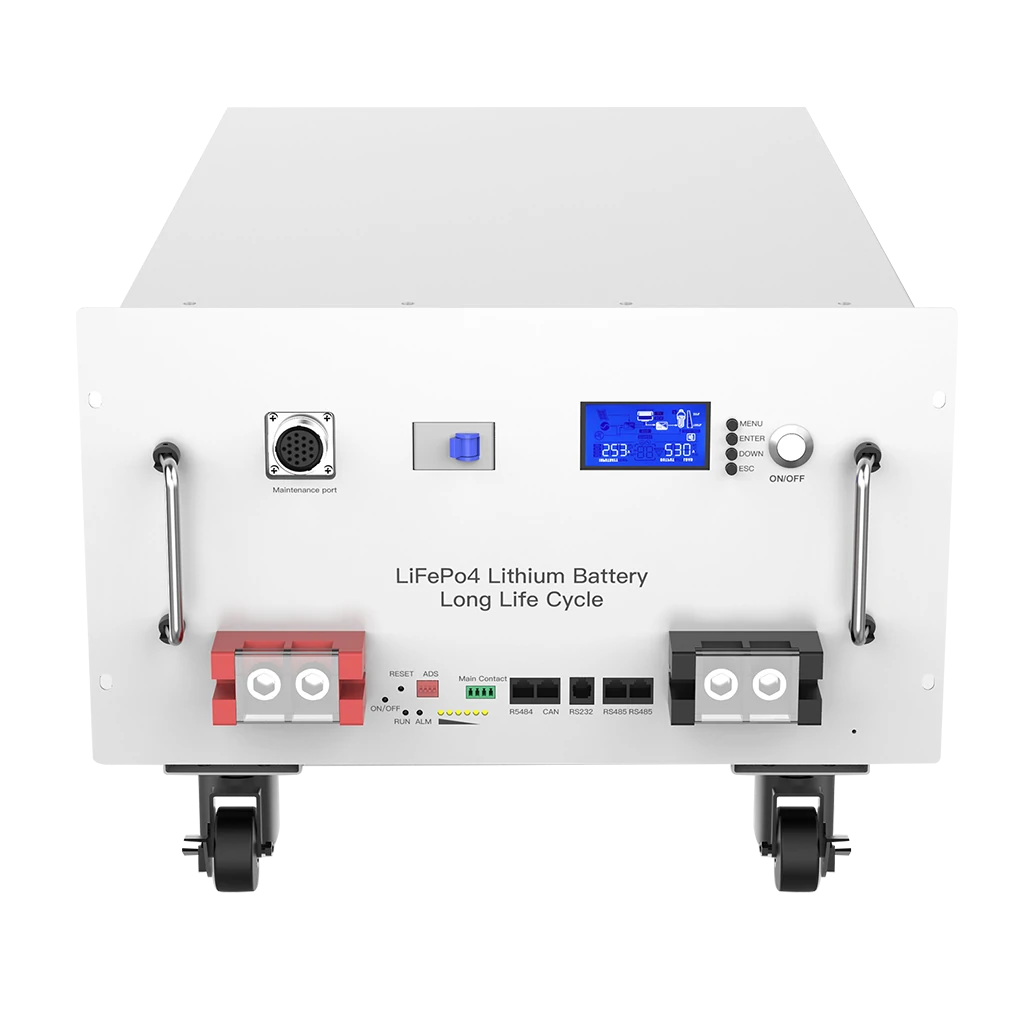
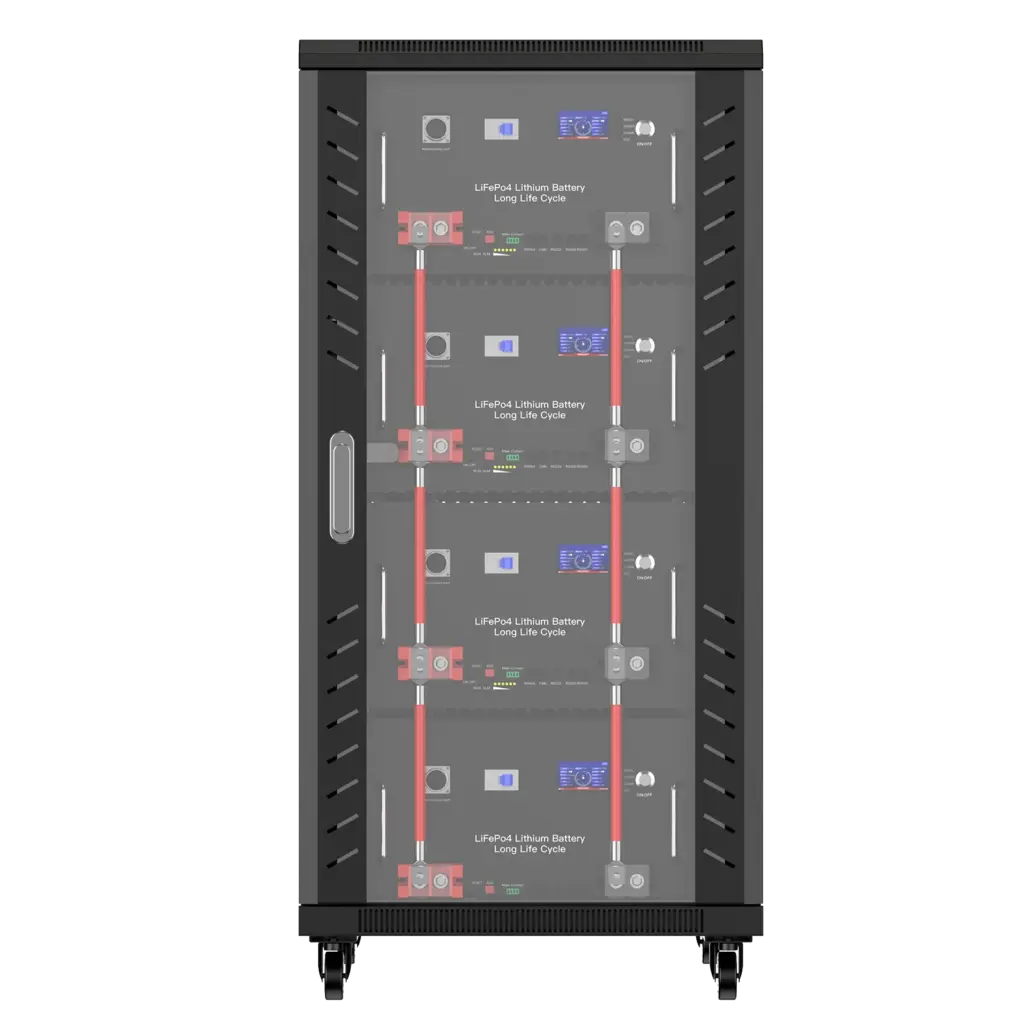
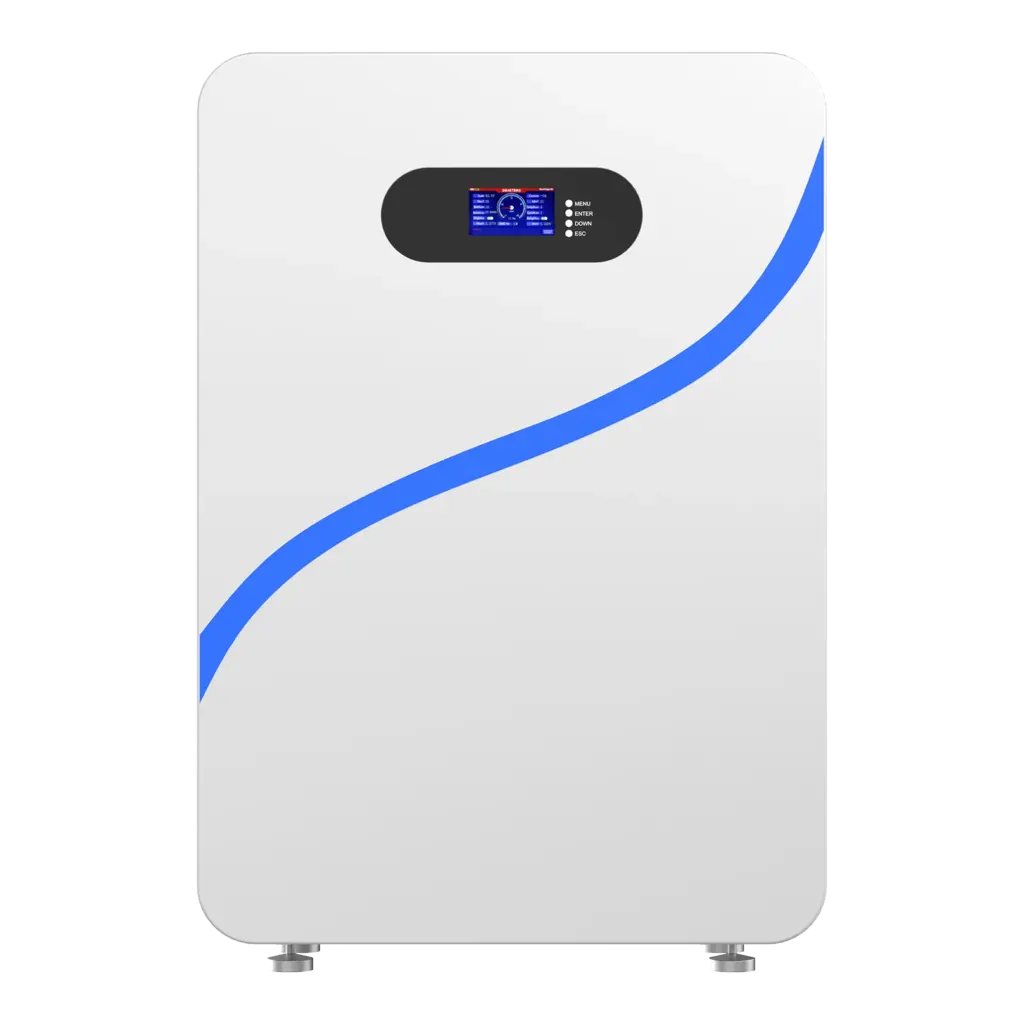
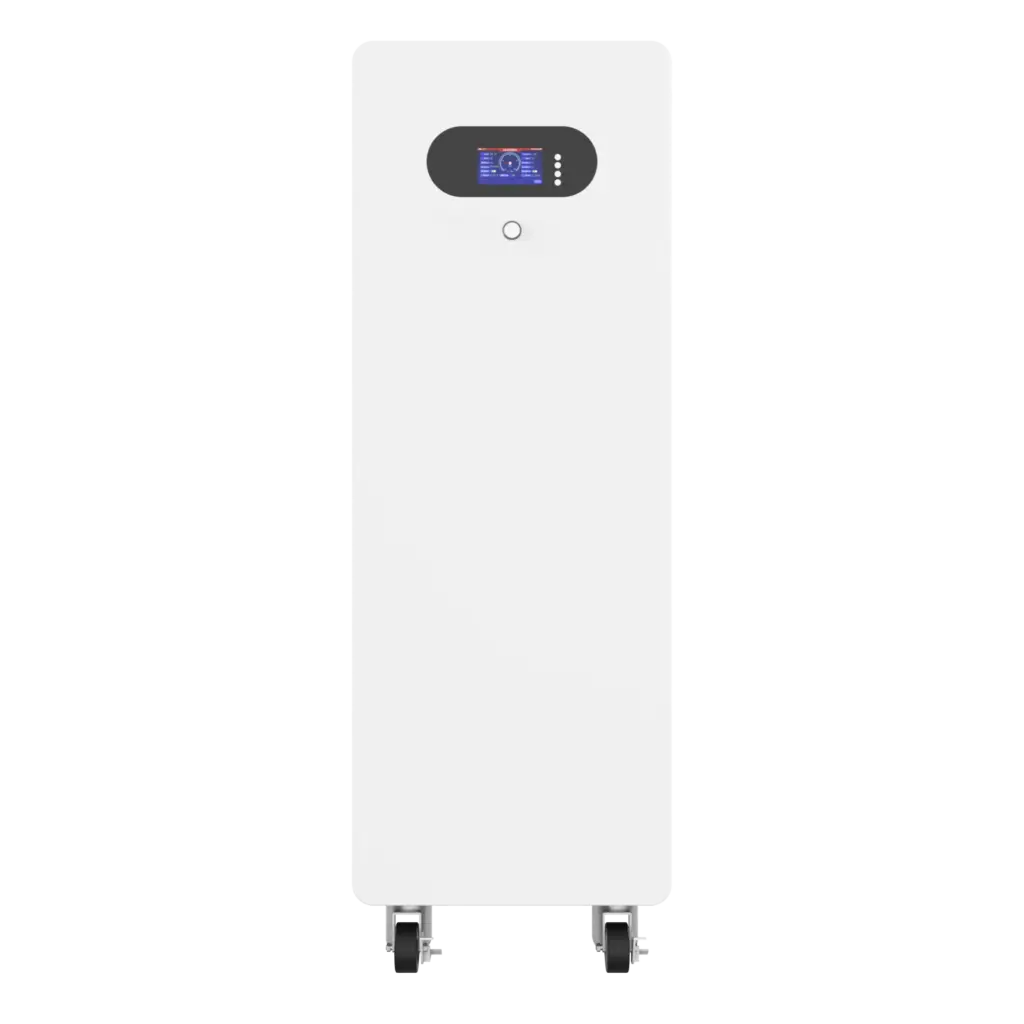
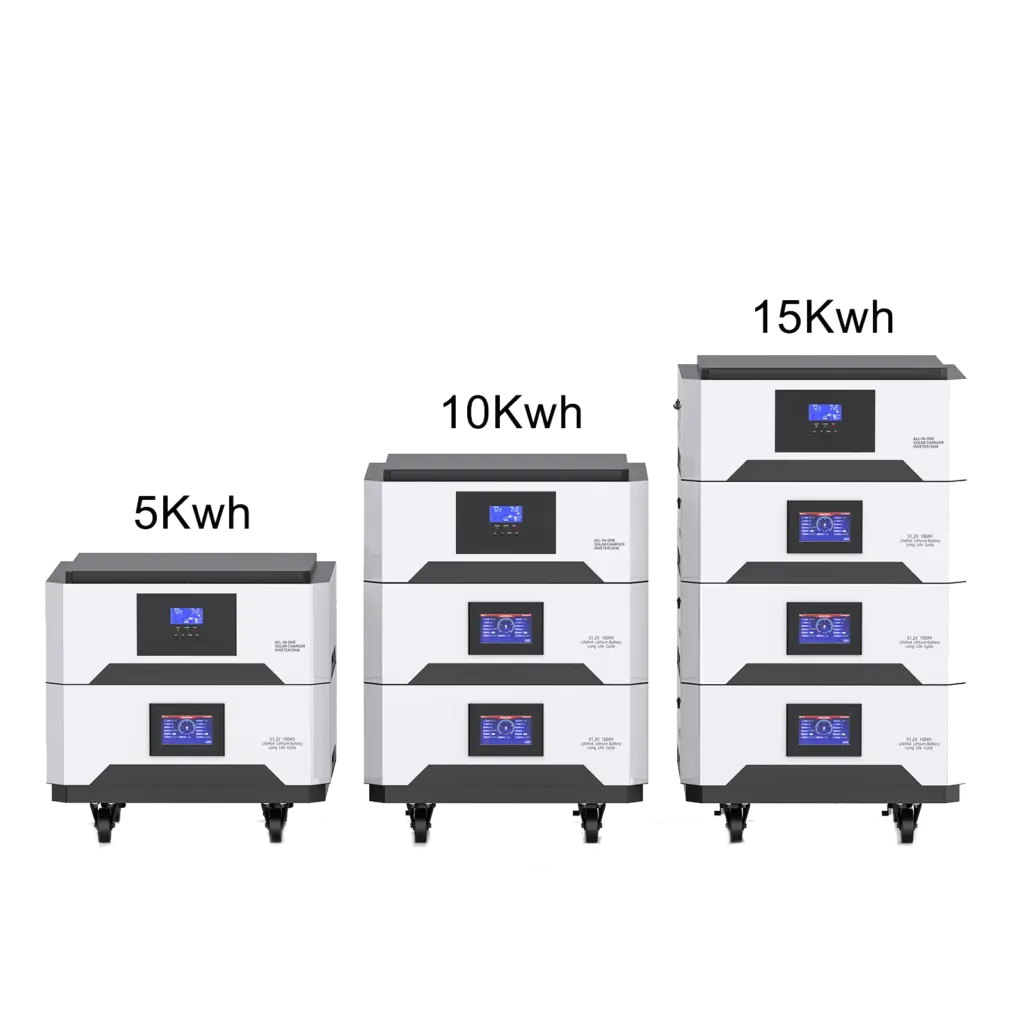
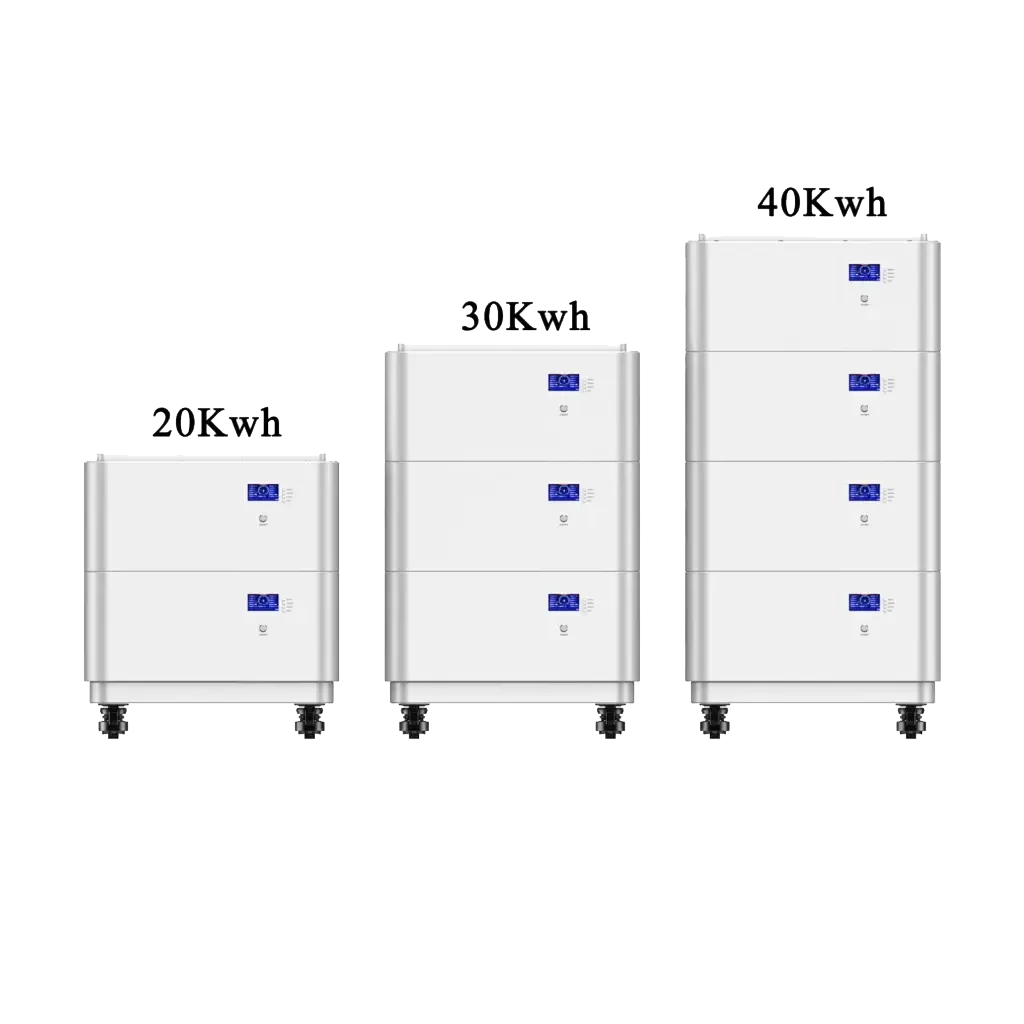
For homeowners and installers planning this type of system, a reliable battery platform is important. Avepower offers home energy storage systems designed for solar storage, backup power, and residential energy management. For projects that need flexible capacity, the stackable LiFePO4 battery pack can support modular expansion for different backup load requirements.
Anti-Islanding vs. Islanding Mode: Are They Opposite?
Anti-islanding and islanding mode may sound contradictory, but they work together in a properly designed backup system.
Anti-islanding protects the utility grid by preventing backfeed during an outage. Islanding mode protects the user by allowing selected loads to keep running after the site has been safely separated from the grid.
In simple terms:
| Term | Meaning | Purpose |
|---|---|---|
| Unintentional islanding | A system keeps energizing part of the grid without proper control | Dangerous and must be prevented |
| Anti-islanding | The inverter detects grid failure and stops feeding the grid | Protects workers, equipment, and the grid |
| Islanding mode | The system safely disconnects from the grid and powers local loads | Provides backup power during outages |
A backup-capable solar system must both prevent unsafe backfeed and support controlled local operation.
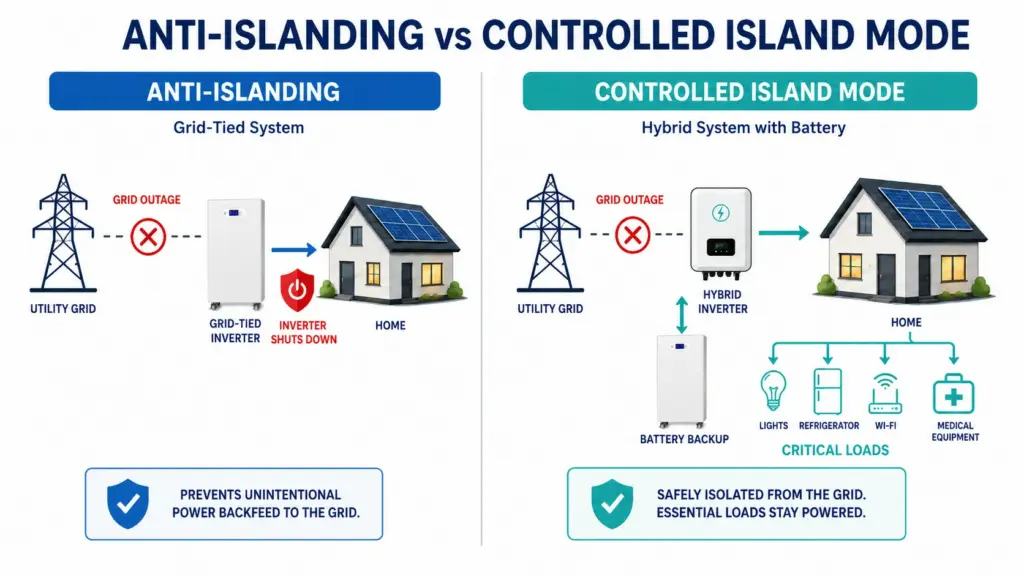
Can Solar Panels Work During a Blackout?
Solar panels can work during a blackout only if the system is designed for backup operation.
A standard grid-tied solar system without battery storage normally shuts down when the grid fails. Even if the sun is shining, the inverter needs a stable grid reference to operate safely. Without the grid, the inverter stops producing AC power.
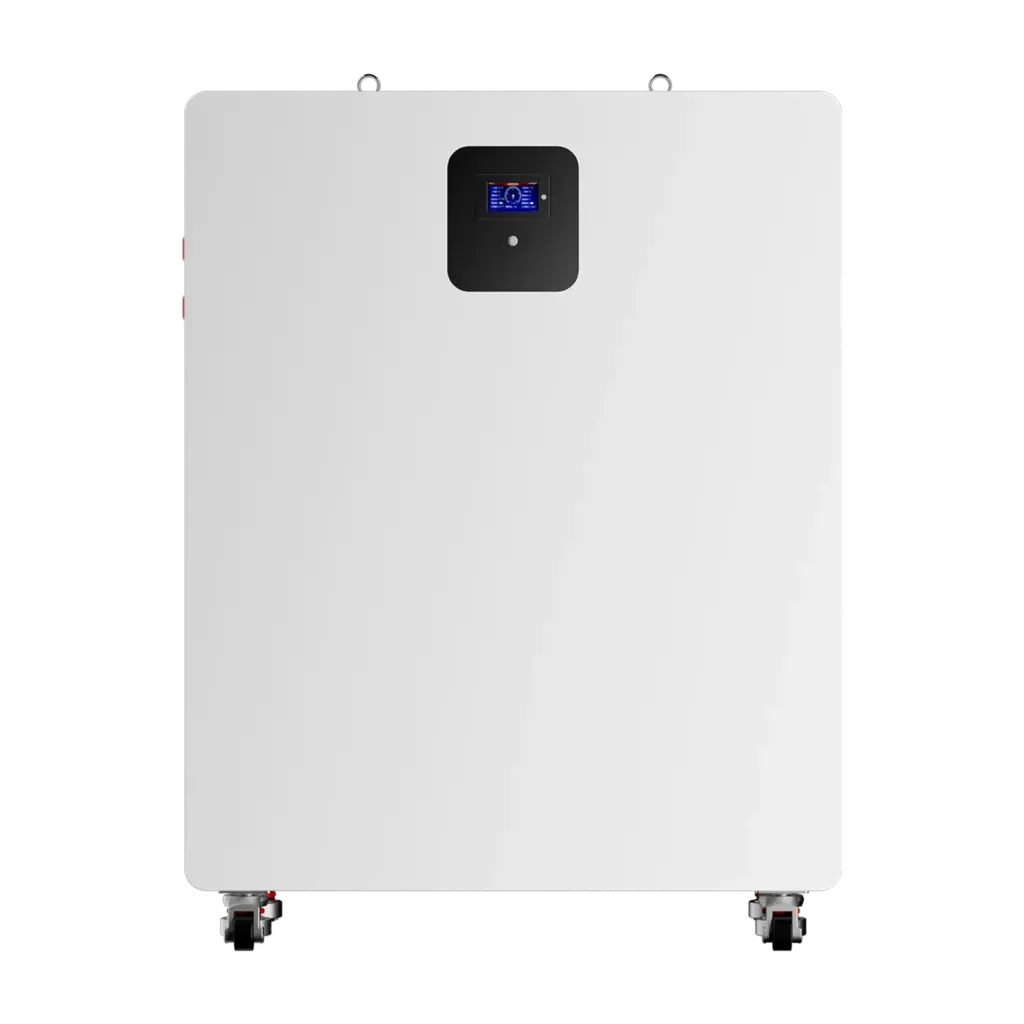
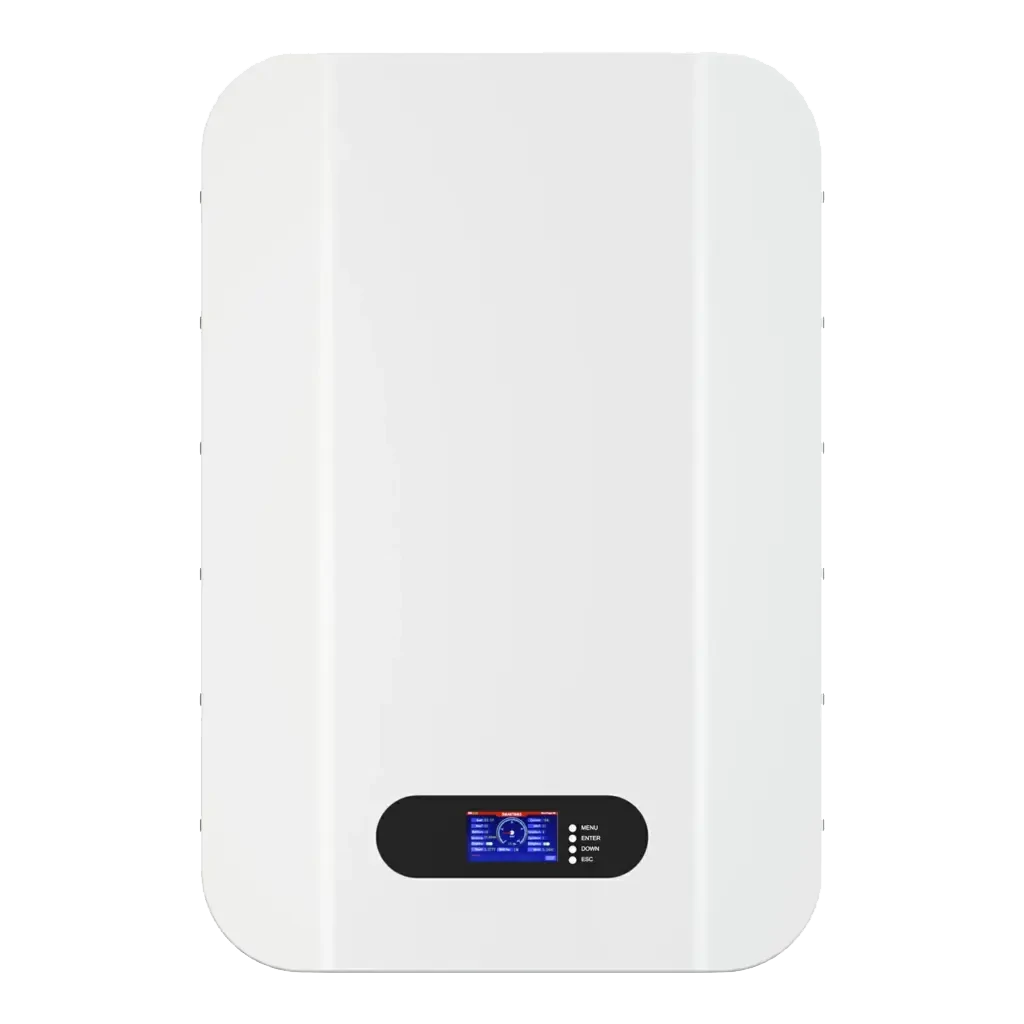
If you are comparing battery options for solar backup, Avepower’s wall-mounted solar battery series is designed for residential energy storage applications, with LiFePO4 battery technology, scalable capacity, BMS protection, and inverter compatibility support for installers, distributors, and OEM projects.
How Batteries Enable Safe Islanding Mode
A battery energy storage system helps solve one of the biggest challenges of islanding: balance.
In a grid-connected solar system, the utility grid acts as a large voltage and frequency reference. It absorbs excess power and supplies extra power when solar production changes. During an outage, that reference disappears.
A battery system can help create and stabilize a local electrical island by:
- Supplying power when solar output drops
- Absorbing excess solar energy when production is high
- Supporting voltage and frequency stability
- Providing power at night or during cloudy periods
- Allowing selected loads to operate without grid support
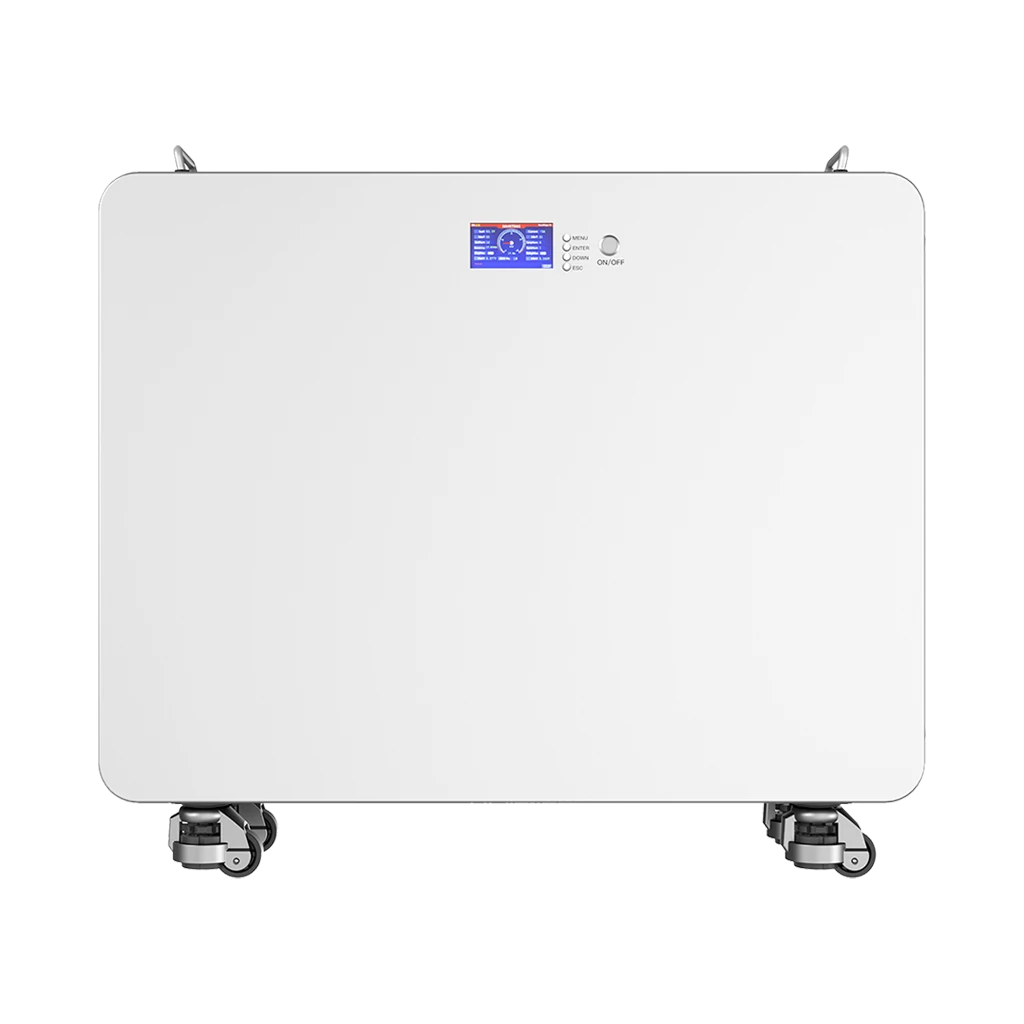
For modular residential projects, Avepower’s stackable LiFePO4 battery systems can be used where installers need flexible capacity expansion for home backup, solar self-consumption, and small energy storage projects.
How to Size a Battery for Islanding Mode
Battery sizing depends on what you want to power and how long you need backup.
Start by listing essential loads. Include the rated power of each appliance and the number of hours it needs to run. Then calculate the total energy requirement in kilowatt-hours.
For example:
- Refrigerator: 150W average × 10 hours = 1.5kWh
- WiFi router: 15W × 10 hours = 0.15kWh
- LED lighting: 100W × 5 hours = 0.5kWh
- Laptop and phone charging: 100W × 4 hours = 0.4kWh
- Small water pump or other appliance: depends on load profile
A small emergency backup setup may only need a few kilowatt-hours. A whole-home backup system may need 10kWh, 20kWh, or more, especially if air conditioning, electric heating, water pumps, or large appliances are included.
Installers should also consider:
- Inverter surge capacity
- Battery continuous discharge current
- Depth of discharge
- Solar recharge potential
- Local weather and outage duration
- Whether backup is for essential loads or whole-home power
- Future expansion needs
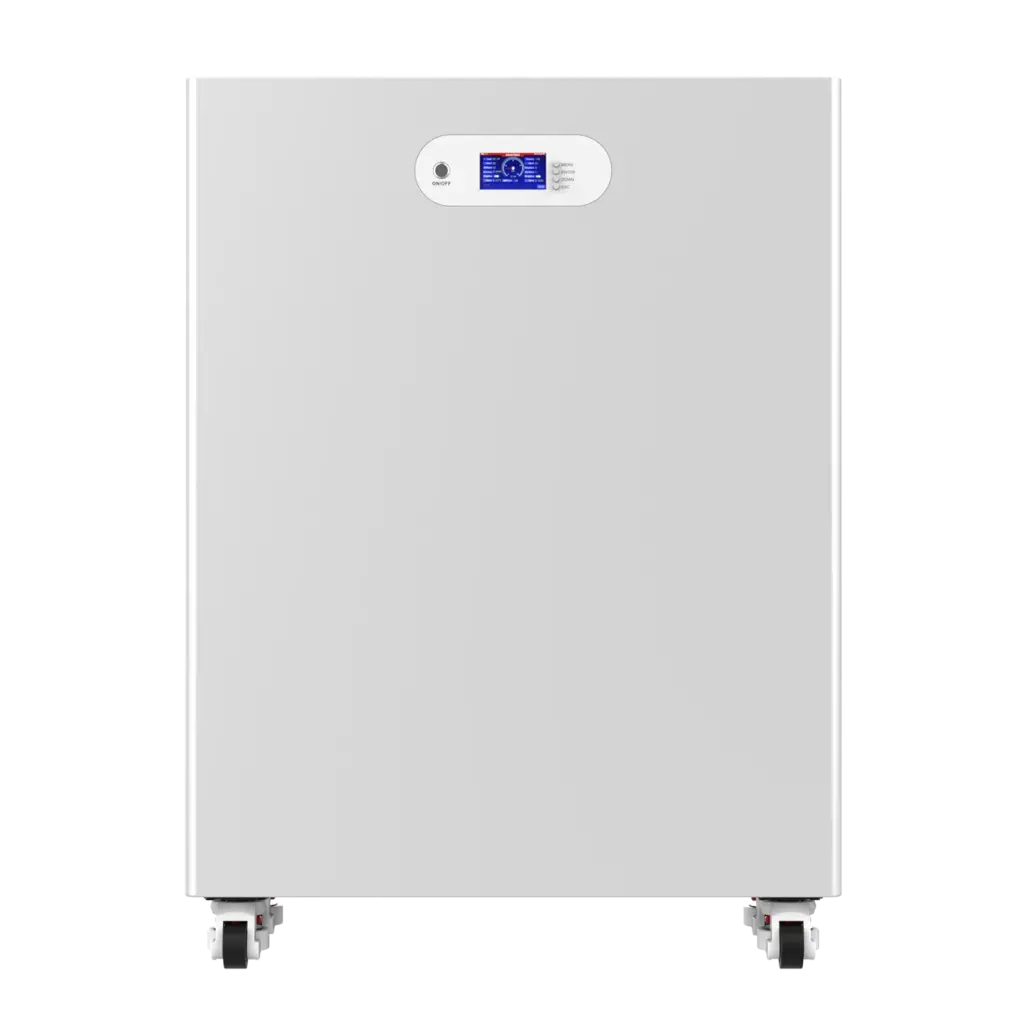
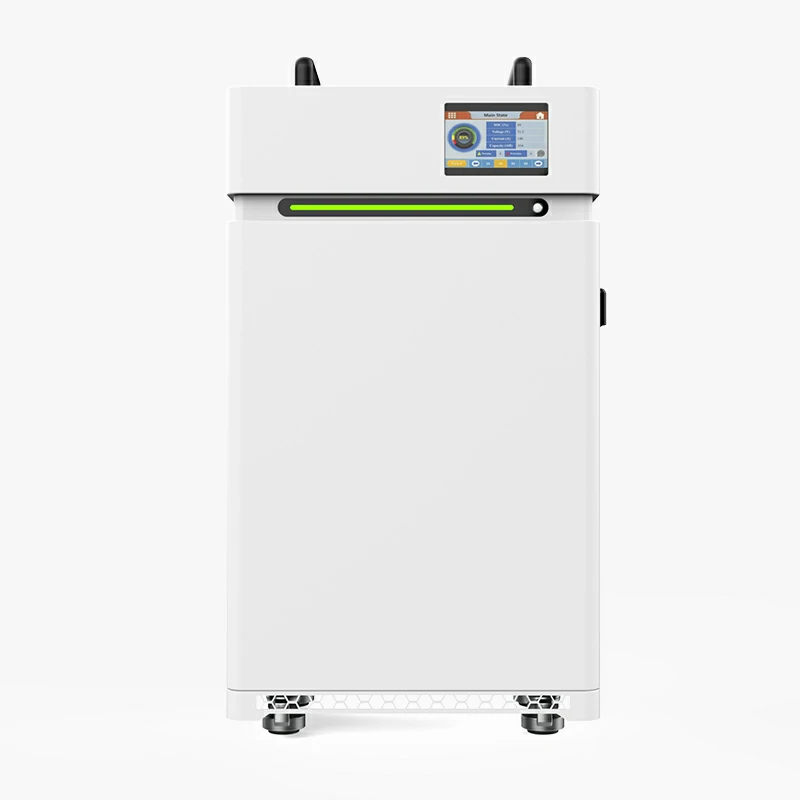
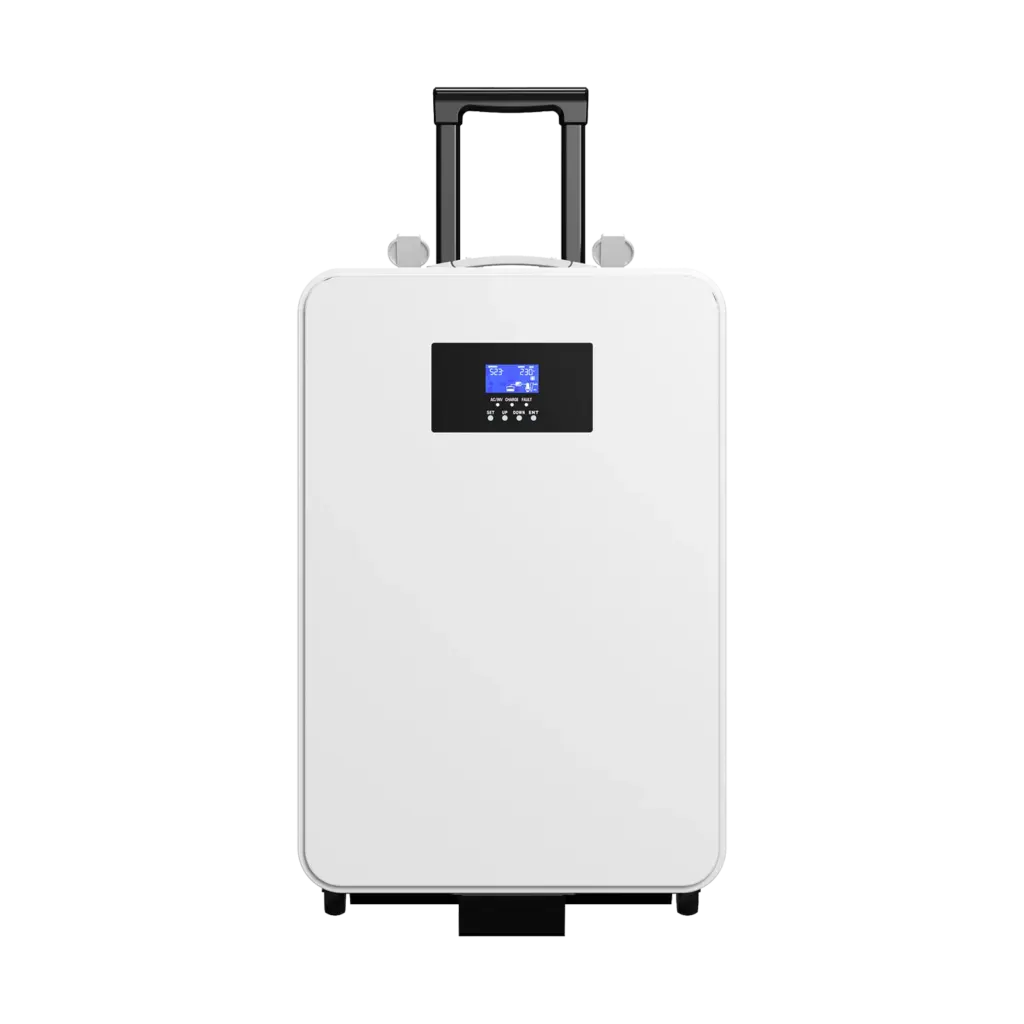
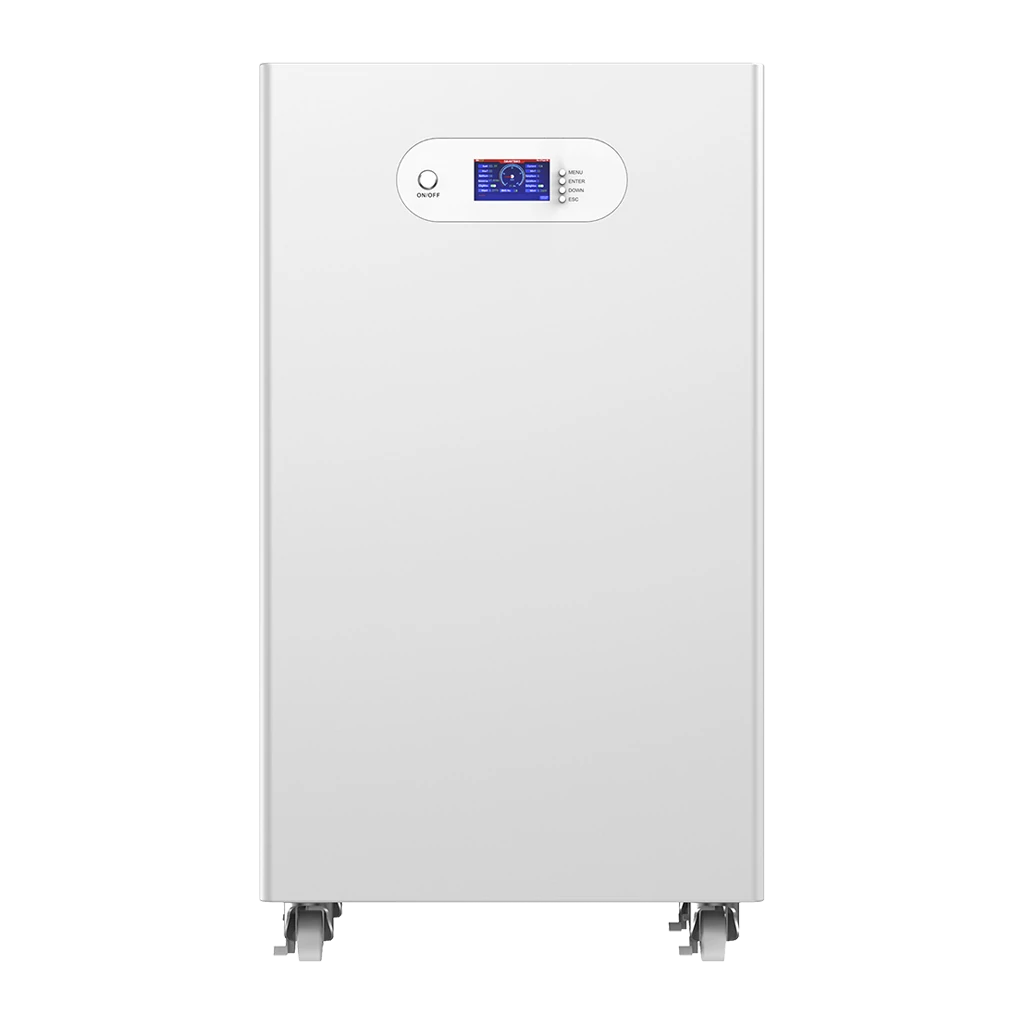
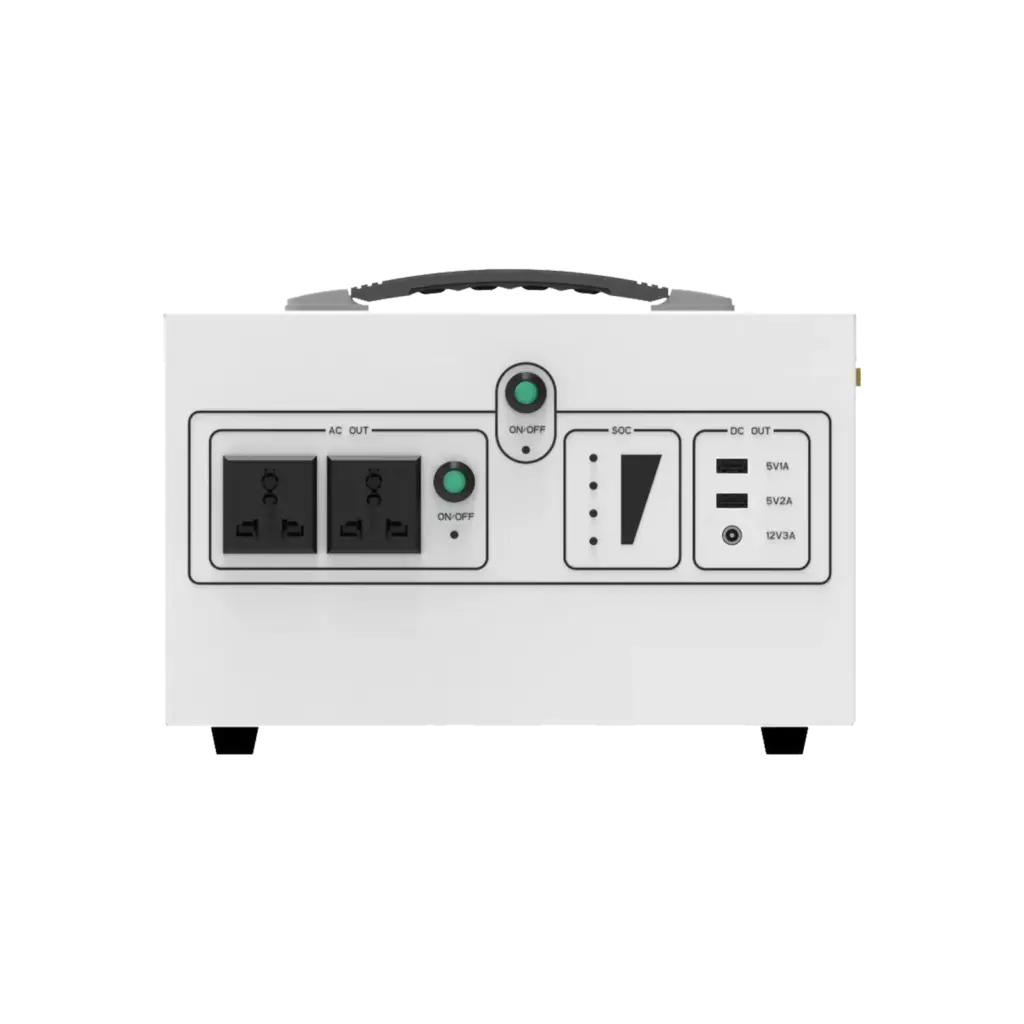
Modular systems can be useful because customers can start with a smaller capacity and expand later. Avepower’s home solar battery storage solutions include wall-mounted, stackable, and all-in-one options for different installation spaces and project needs.
Grid-Tied Solar vs Solar Battery Islanding Mode
The following comparison shows the difference clearly.
| System Type | Grid Outage Behavior | Can Power Loads During Outage? | Key Requirement |
|---|---|---|---|
| Grid-tied solar only | Inverter shuts down | No | Anti-islanding protection |
| Solar + standard grid-tied inverter + no battery | Shuts down during outage | No | Grid reference required |
| Solar + battery + hybrid inverter | Disconnects from grid and enters backup mode | Yes | Transfer equipment and backup configuration |
| Off-grid solar system | Always independent from utility grid | Yes | Off-grid inverter, batteries, system sizing |
| Microgrid | Can connect/disconnect from grid | Yes | Controls, protection, synchronization |
For most homes, the practical solution is not to bypass anti-islanding protection. The correct solution is to install a compliant solar battery system that supports safe backup operation.
Islanding Mode for Commercial and Microgrid Applications
In commercial and industrial systems, islanding mode can be more complex. Instead of backing up a few household circuits, the system may support:
- Office buildings
- Farms
- Telecom sites
- Hotels
- Clinics
- Warehouses
- EV charging sites
- Remote communities
- Industrial facilities
Commercial islanding may require larger batteries, energy management systems, power conversion systems, protection relays, and coordination with diesel generators or solar PV plants.
For larger projects, Avepower’s commercial and industrial energy storage solutions and high-voltage battery storage systems can support scalable ESS configurations for project buyers, integrators, and OEM/ODM partners.
Installer Checklist for Safe Solar Islanding Design
For installers, distributors, and project buyers, the following checklist can help reduce design errors:
- Confirm whether the customer wants essential-load backup or whole-home backup.
- Check if the inverter supports islanding, backup, EPS, or microgrid mode.
- Confirm battery compatibility with the inverter.
- Review battery voltage, capacity, discharge current, and communication protocol.
- Design protected load circuits based on realistic power demand.
- Include an approved transfer switch or backup interface.
- Confirm grounding, neutral bonding, and local electrical code requirements.
- Check anti-islanding and interconnection requirements with the utility.
- Leave room for battery expansion if the customer may add loads later.
- Provide clear user training for backup operation and monitoring.
For B2B customers, Avepower can support residential and small commercial storage projects with scalable battery options, inverter compatibility support, and OEM/ODM customization. Installers and distributors can review Avepower’s home energy storage product range to match battery capacity and system configuration with project requirements.
Take Control of Your Energy with Avepower!
Reliable home solar battery solutions with OEM/ODM customization and in-house manufacturing, tailored to the needs of distributors, installers, and energy partners.
Conclusion
Islanding in a power system means a section of the electrical network continues operating separately from the main grid. In solar systems, islanding can either be a safety risk or a valuable backup function, depending on whether it is controlled.
Unintentional islanding must be prevented through anti-islanding protection. This is why standard grid-tied solar systems shut down during outages. Intentional islanding, however, allows a solar battery system to safely disconnect from the grid and power selected loads in islanding mode.
FAQ
Islanding in a solar system means the solar system continues supplying power to a local electrical circuit after the utility grid has gone down. If this happens without proper isolation, it is unsafe. If it is controlled through a backup-capable inverter and battery system, it can provide useful emergency power.
Anti-islanding is a safety function that detects grid failure and stops a solar inverter from feeding power back into the utility grid. It protects utility workers, equipment, and the grid restoration process.
Most grid-tied solar systems shut down during outages because they must not energize utility lines when the grid is down. This is a required safety function, not a failure of the solar panels.
Yes, but only if the system includes the right equipment, such as a battery, hybrid inverter, transfer switch or backup gateway, and proper backup configuration.
Islanding mode is a controlled backup operating mode where a solar battery system disconnects from the grid and powers selected loads independently.
Not exactly. Off-grid systems are permanently independent from the utility grid. Islanding mode systems normally stay grid-connected but can temporarily disconnect and operate independently during outages.
In most home backup systems, yes. A battery helps stabilize power, supports loads when solar output changes, and provides electricity at night or during cloudy conditions.
Battery systems that can export power to the grid are generally treated as distributed energy resources and must follow applicable interconnection and anti-islanding requirements. Requirements vary by region, so installers should confirm local grid codes and utility rules.
No. Anti-islanding protection should not be disabled or bypassed. If backup power is needed, use a compliant hybrid inverter, battery system, and transfer equipment.
Ask whether the battery is compatible with your inverter, whether the inverter supports backup or off-grid mode, which loads can be backed up, how long the battery will run, whether solar can recharge the battery during an outage, and what certifications or documents are needed for your market.