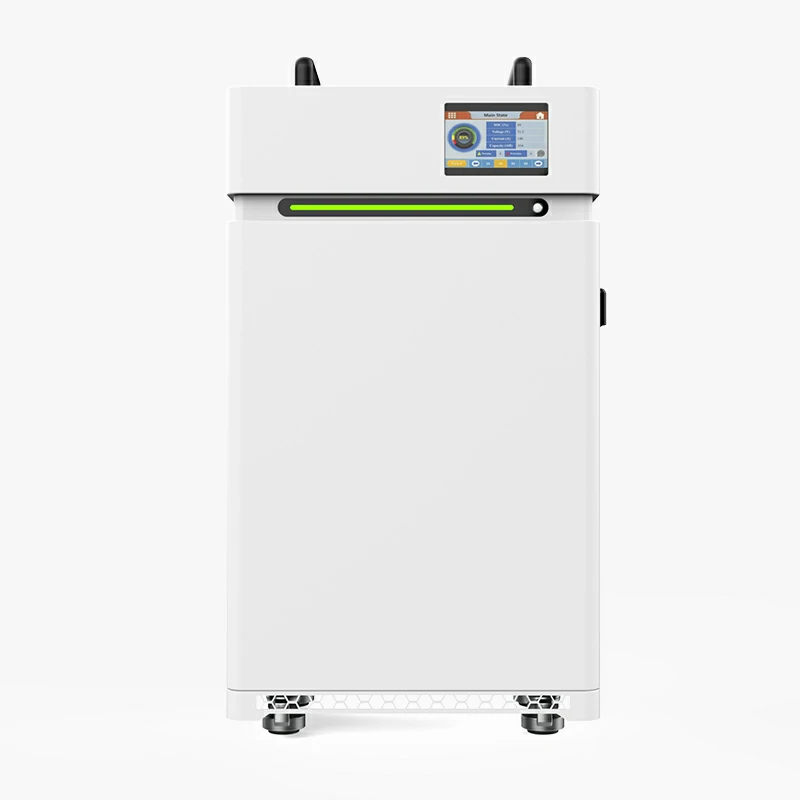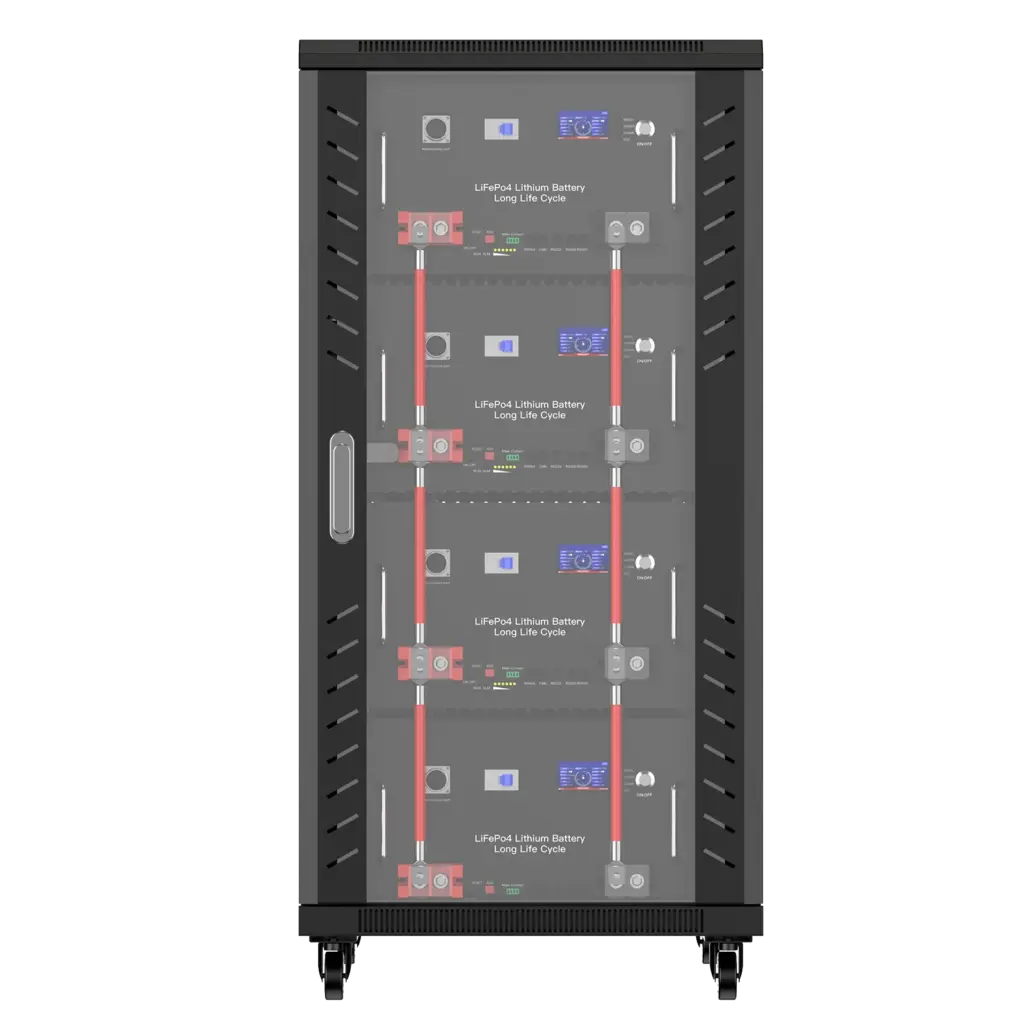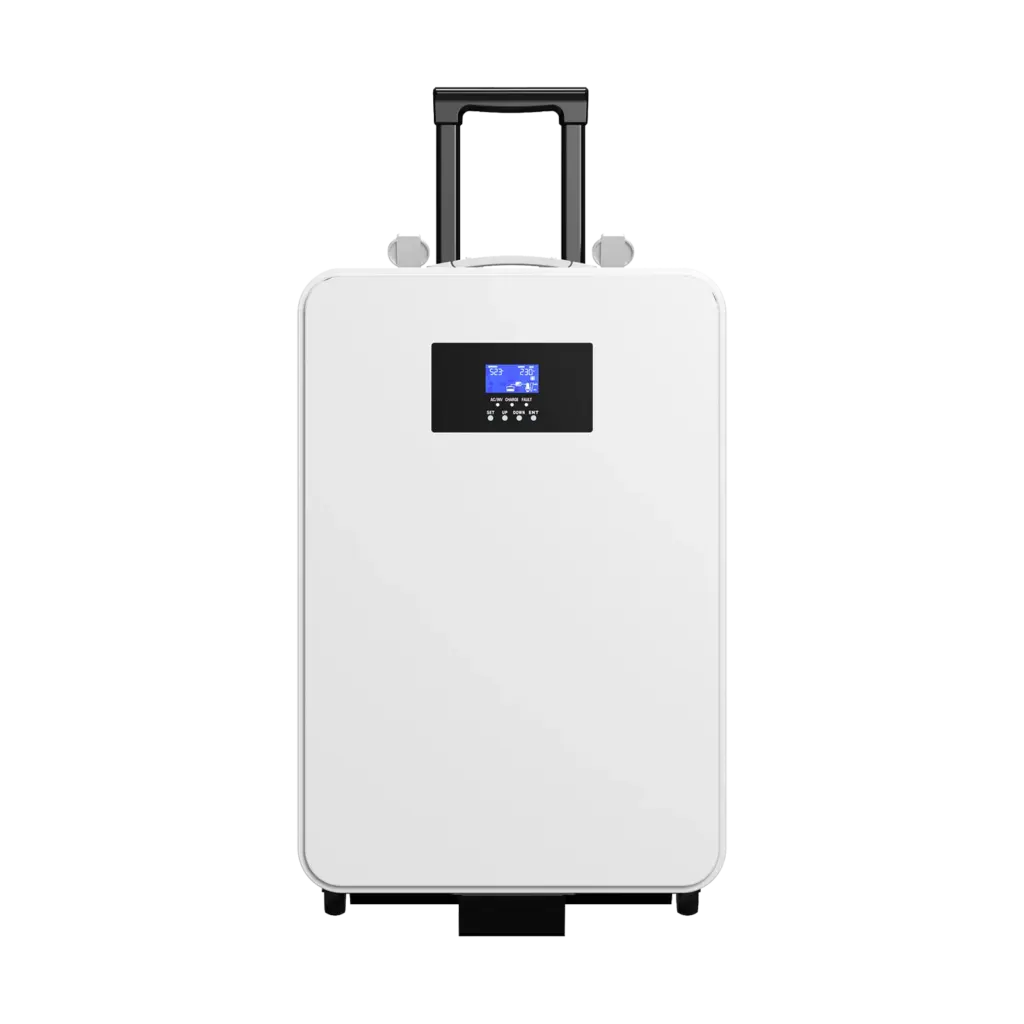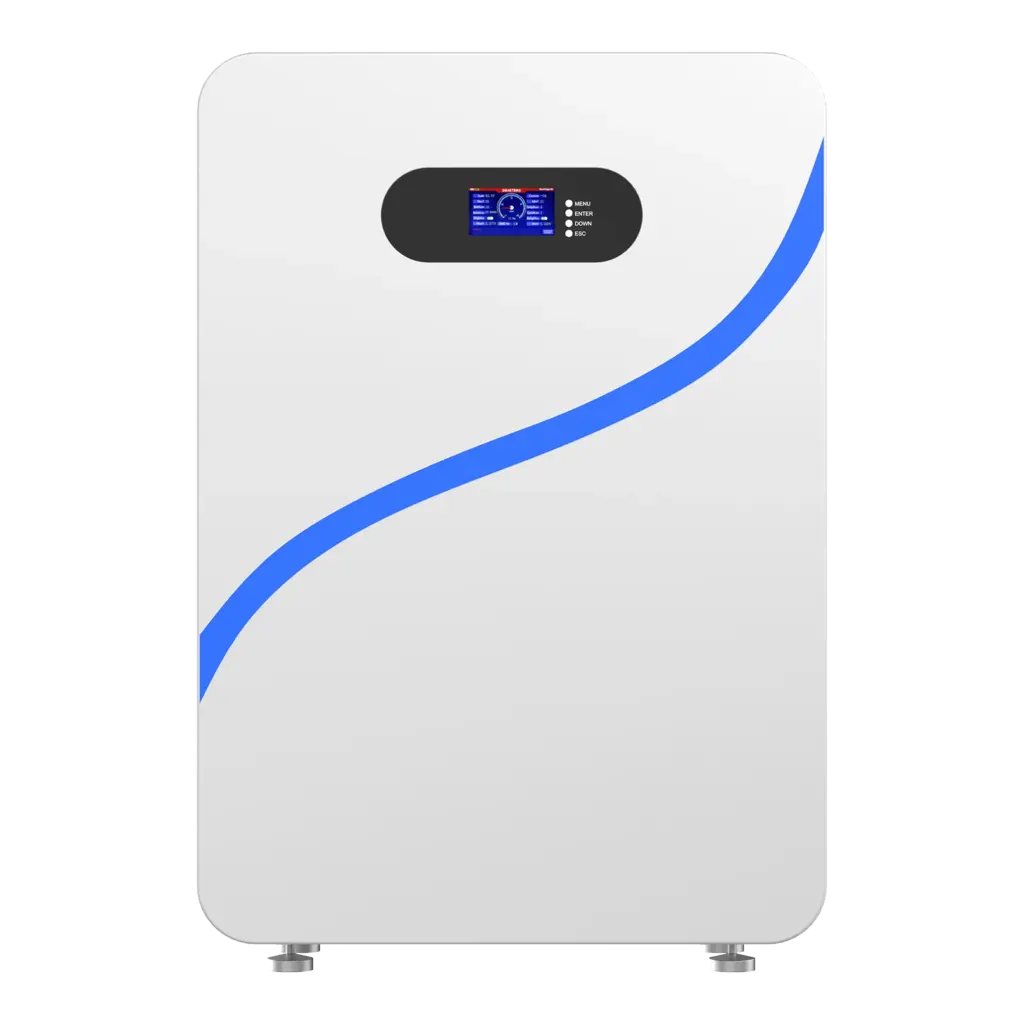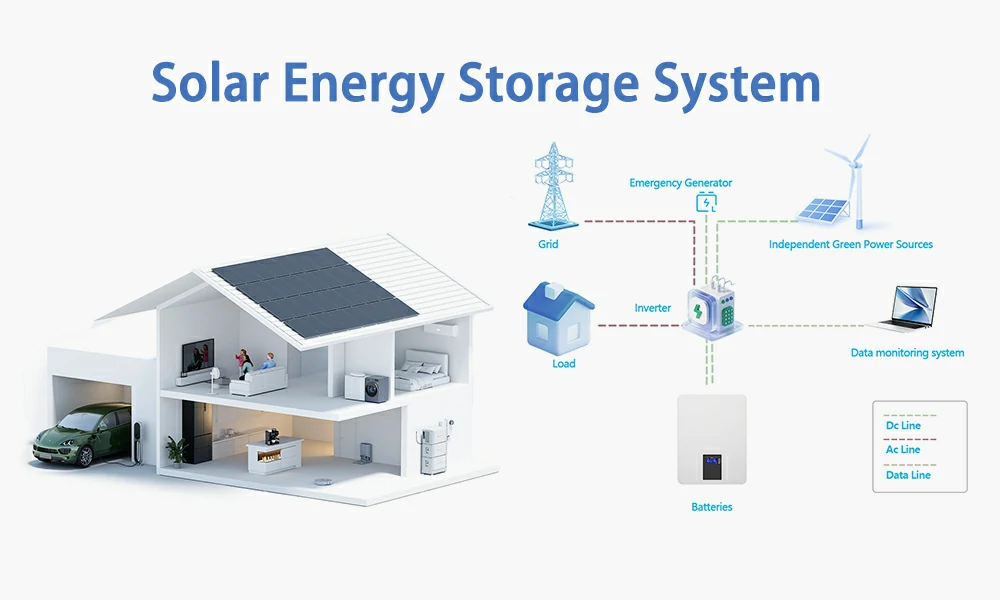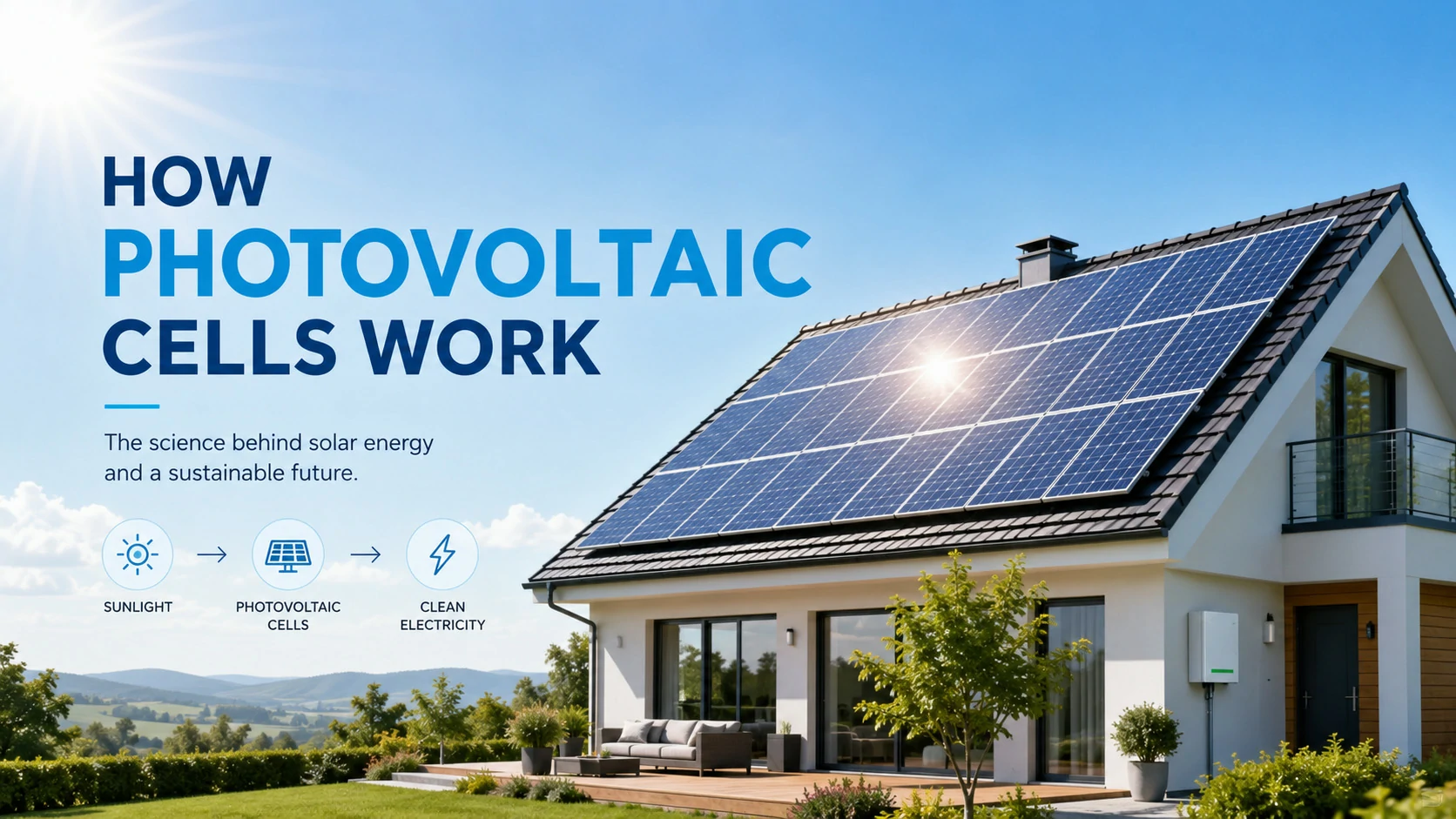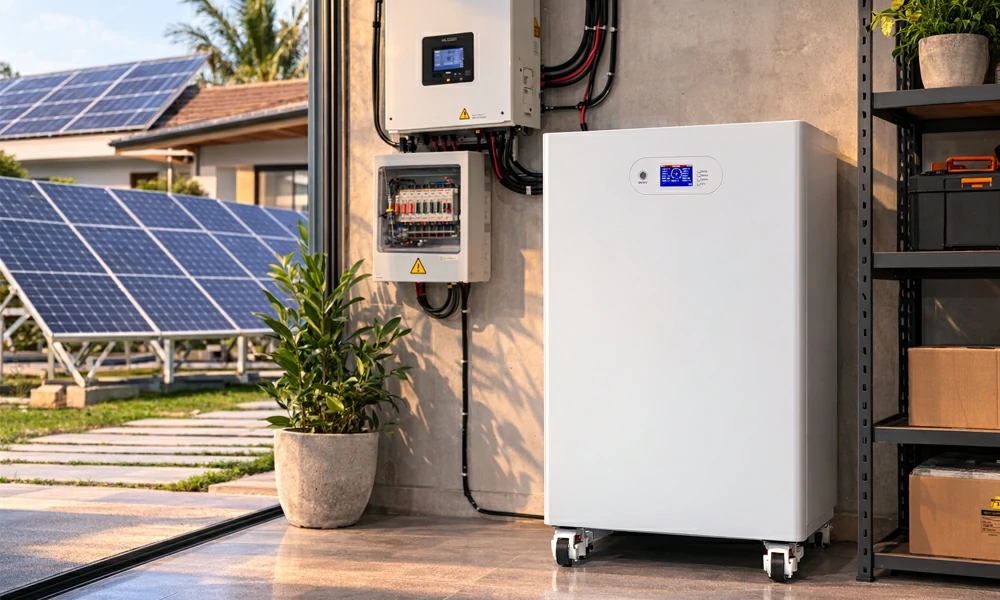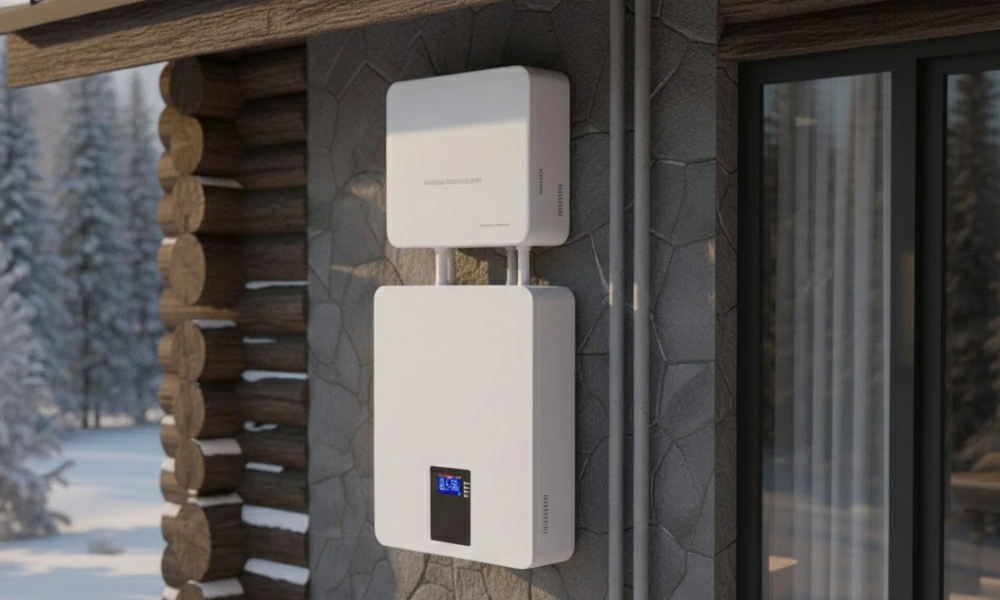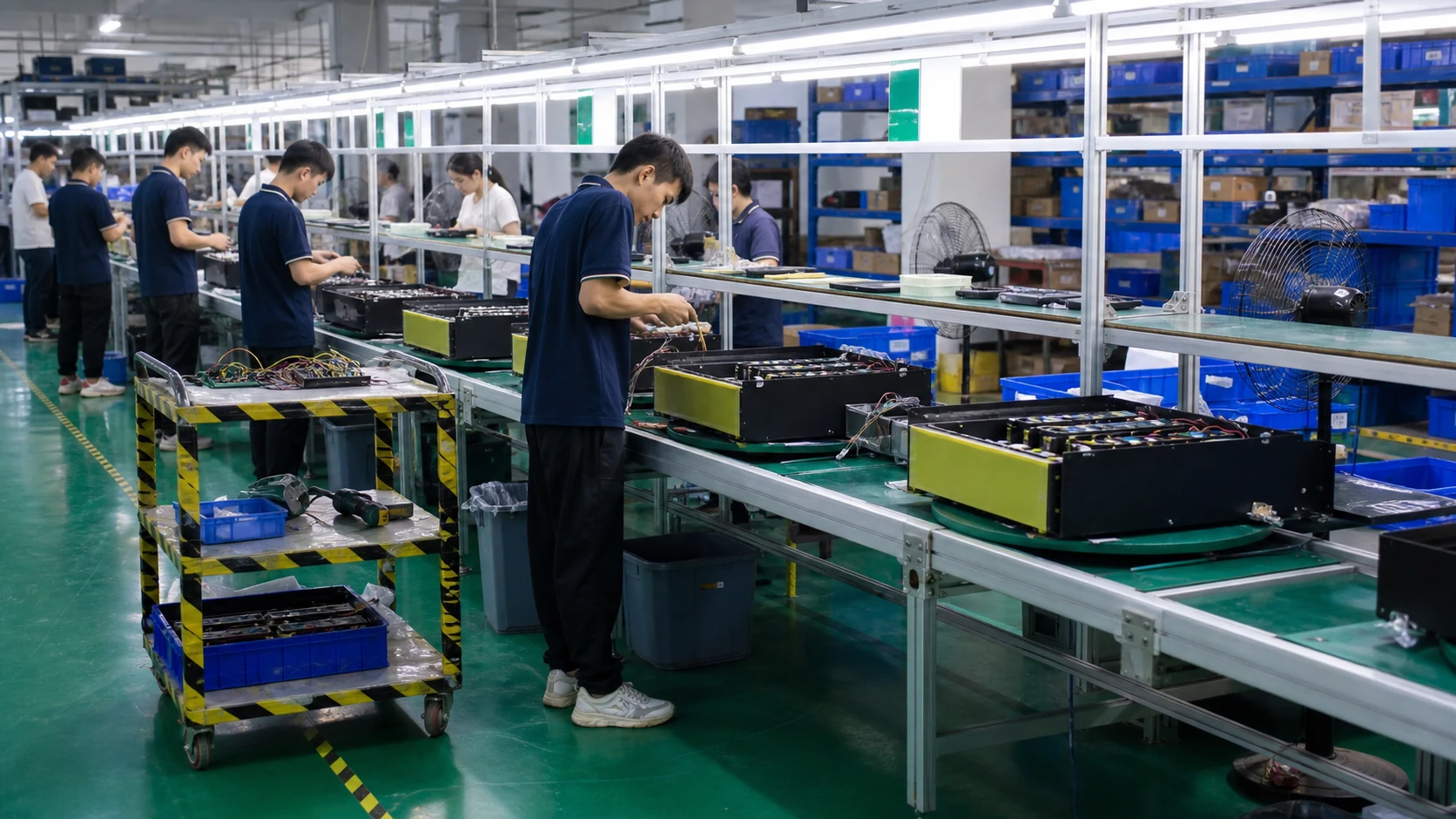

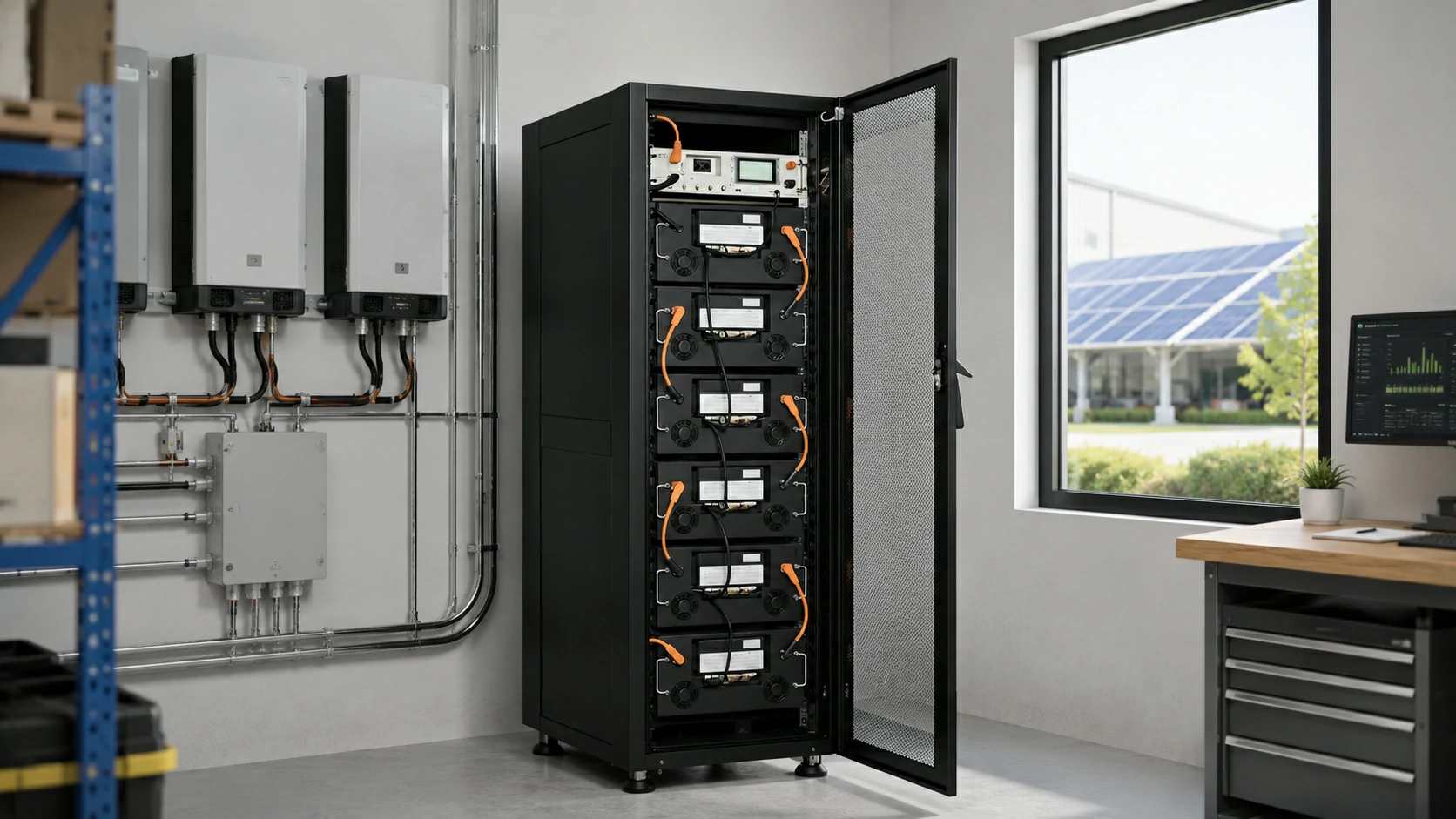
For businesses and installers planning solar-plus-storage projects, a 160 kWh battery can store daytime solar generation and discharge it during evening peak periods, power outages or high-tariff windows.
However, 160 kWh does not mean the system can power every load at once. Power output depends on the inverter or PCS rating, battery voltage, BMS current limit and system design. For example, a 160 kWh battery paired with a 30 kW inverter behaves very differently from the same battery capacity paired with an 80 kW PCS.
This is why buyers should always evaluate both kWh capacity and kW power output. The battery capacity determines backup duration, while the inverter or PCS power rating determines how many loads can run at the same time.
Quick Answer: Is a 160 kWh Battery Enough?
A 160 kWh battery can be enough for a large home, villa, farm, telecom room, small factory, warehouse, office building, retail site or commercial solar storage project. It is usually too large for a normal single-family home with only basic backup needs, but it can be suitable for whole-home backup, multi-unit residential systems, peak shaving, off-grid power and solar self-consumption.
If usable energy is calculated at 80% to 90% depth of discharge, the practical usable capacity may be around 128–144 kWh, depending on battery chemistry, BMS settings, inverter configuration and system reserve. That means it could support a 20 kW average load for roughly 6.4–7.2 hours, or a 10 kW average load for roughly 12.8–14.4 hours.
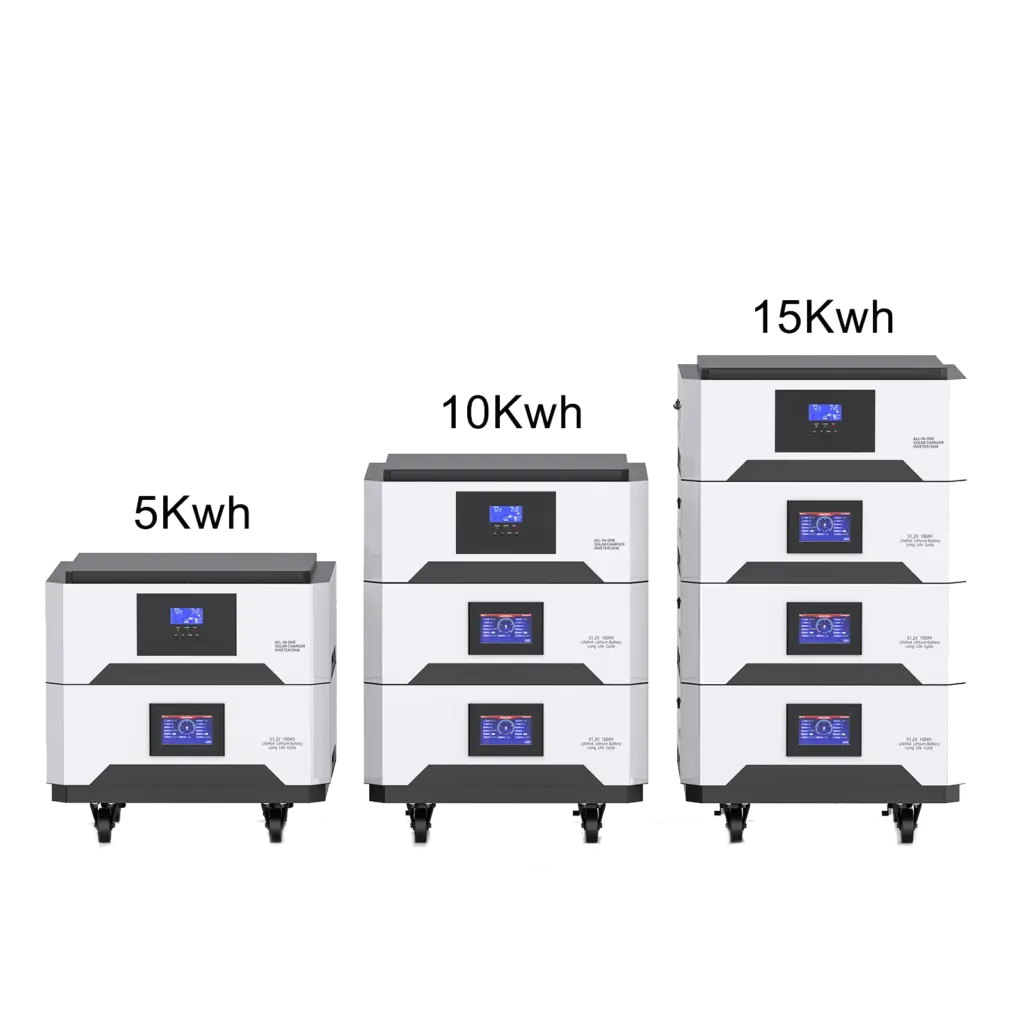
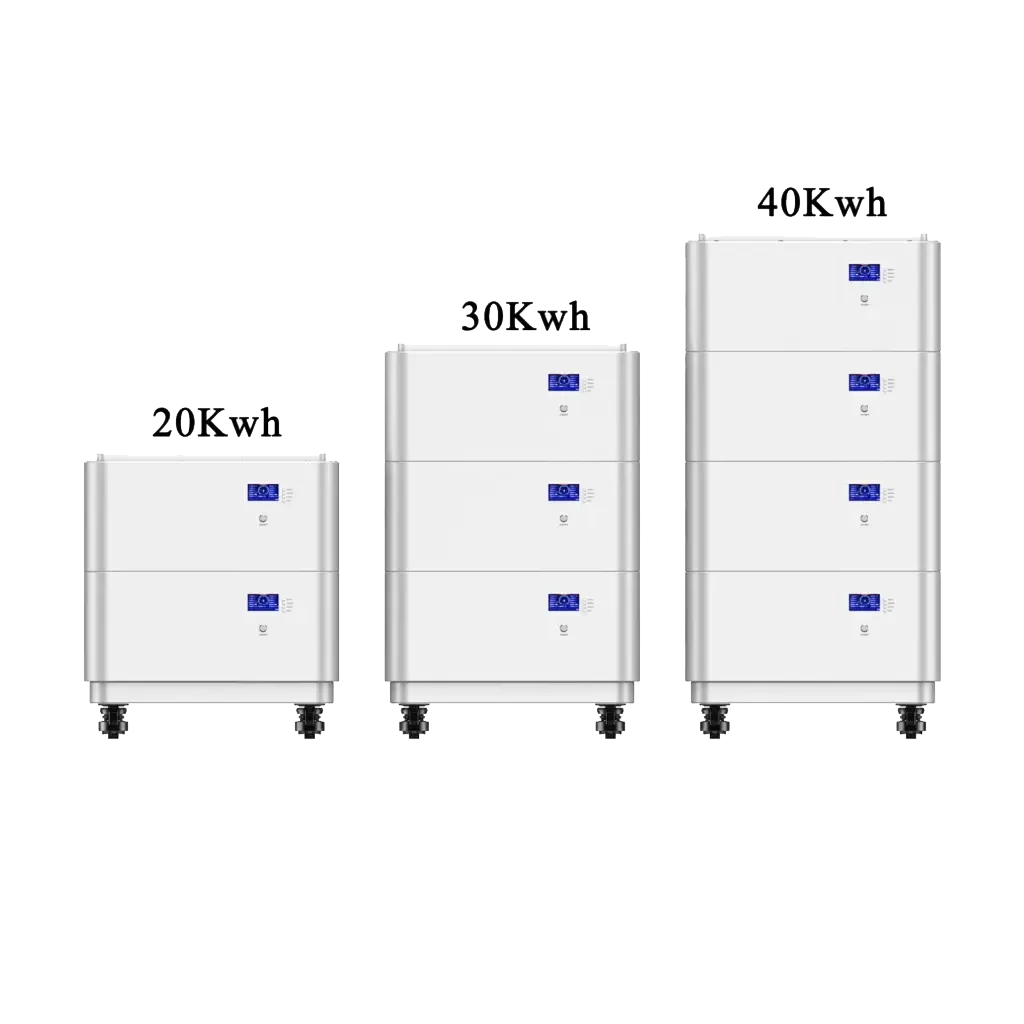
For projects that need flexible capacity, Avepower offers scalable battery options such as vertical LiFePO4 battery systems and customized high-voltage battery storage systems for residential, commercial and industrial energy storage applications.
Common Applications of a 160 kWh Battery
A 160 kWh battery is most useful when the project has meaningful daily energy demand, high peak electricity costs, unreliable grid access or a solar system that produces more energy than the site can consume during the day.
In commercial buildings, a 160 kWh battery can discharge during peak-rate periods to reduce grid purchases. In solar projects, it can store excess PV generation and use it later when demand is higher. In backup systems, it can keep critical loads running during grid outages.
Typical 160 kWh battery applications include:
| Application | How a 160 kWh Battery Helps |
|---|---|
| Commercial solar storage | Stores daytime PV energy for evening use |
| Peak shaving | Reduces demand spikes and peak tariff exposure |
| Backup power | Keeps critical circuits online during outages |
| Farms and rural properties | Supports pumps, refrigeration, lighting and communications |
| Villas and large homes | Provides longer backup for essential or whole-home loads |
| Telecom and equipment rooms | Supports continuous power and reduces generator runtime |
| Small factories and warehouses | Improves power reliability and energy flexibility |
| Off-grid systems | Stores solar or generator energy for nighttime use |
For commercial projects, Avepower’s commercial and industrial energy storage solutions can be configured around site load data, inverter requirements, voltage platform and installation conditions.
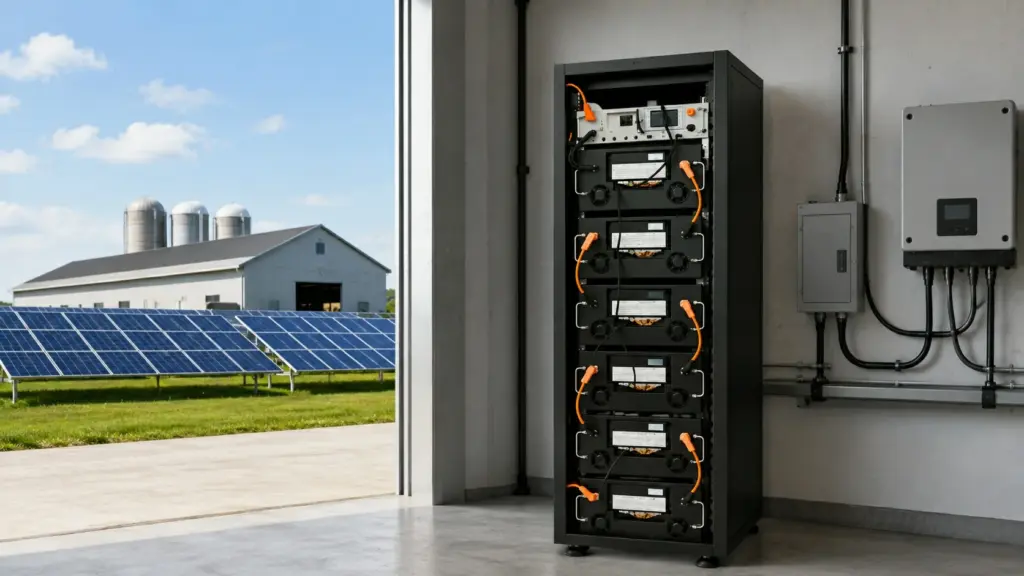
Planning a 160 kWh Battery Project?
If you are evaluating a 160 kWh battery for solar storage, backup power or commercial peak shaving, Avepower can help you match the right battery capacity, inverter power and system architecture based on your real site load.
What Inverter Size Works with a 160 kWh Battery?
Battery capacity is measured in kWh, while inverter power is measured in kW. A 160 kWh battery tells you how much energy can be stored. The inverter or PCS determines how much power can be delivered at one time.
Common inverter sizes for 160 kWh systems may include:
- 20 kW for long-duration backup and moderate loads
- 30–50 kW for homes, farms and small commercial buildings
- 60–100 kW for stronger commercial loads
- Custom PCS sizing for C&I systems
The right inverter size depends on:
- Peak load
- Continuous load
- Motor starting current
- Backup circuit design
- Solar PV size
- Grid-tied or off-grid operation
- Battery discharge current limit
- Single-phase or three-phase power requirement
For commercial projects, a PCS may be more appropriate than a residential hybrid inverter. Avepower’s Power Conversion System PCS for Energy Storage Explained gives more context on how PCS equipment manages charge, discharge and grid interaction in larger energy storage systems.
Is a 160 kWh Battery Suitable for Home Use?
For a normal household, 160 kWh is usually larger than necessary. Most homes use much smaller solar battery systems for daily self-consumption or essential-load backup.
However, a 160 kWh battery can make sense for:
- Large villas with high electricity demand
- Homes with multiple EV chargers
- Farms or rural properties
- Off-grid houses with large solar arrays
- Multi-family homes
- Homes that need several days of backup
- Installer-led residential projects with special requirements
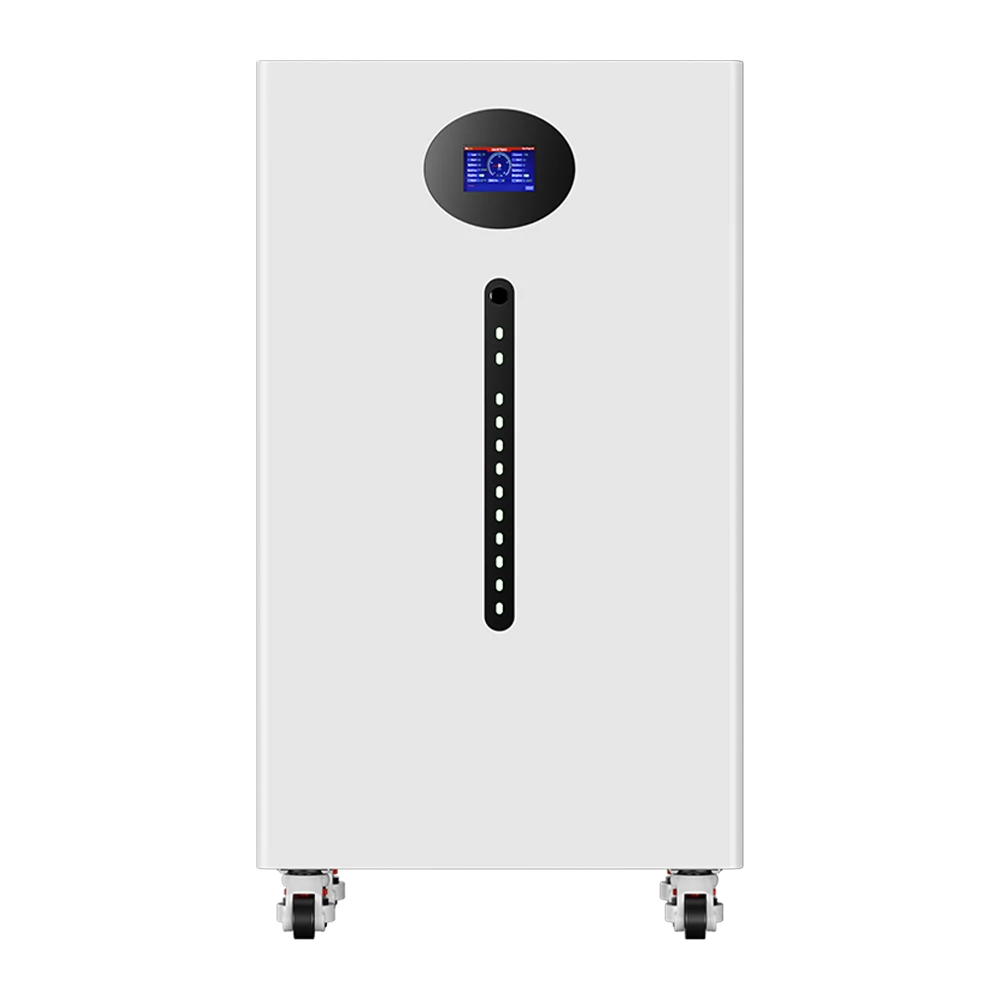
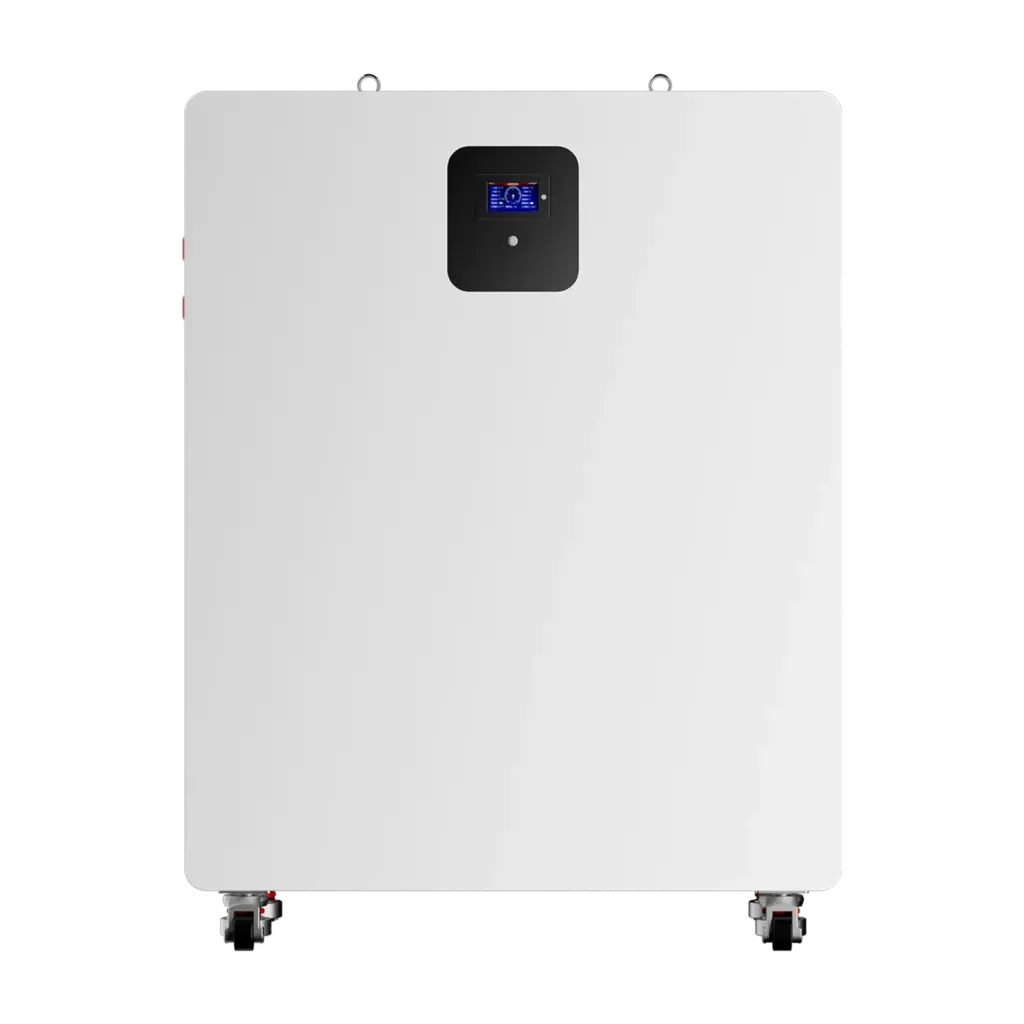
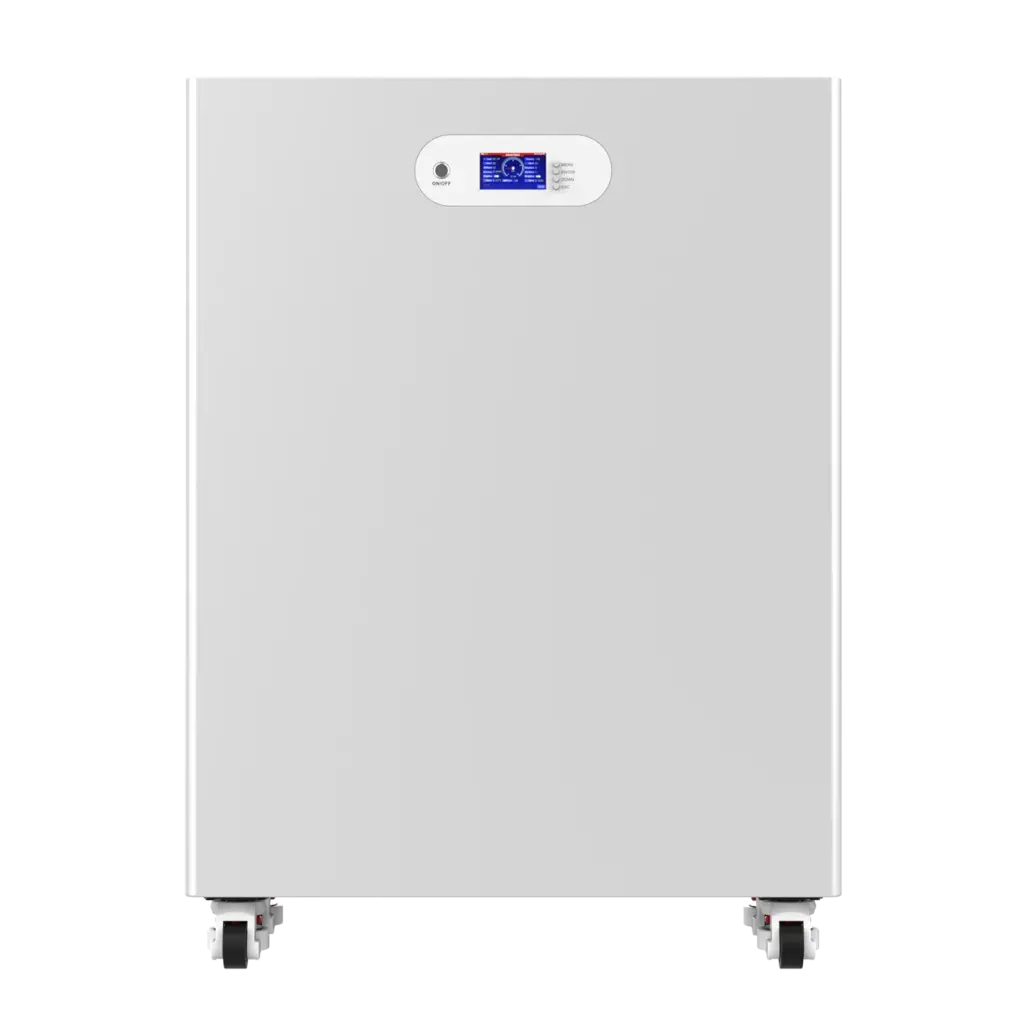
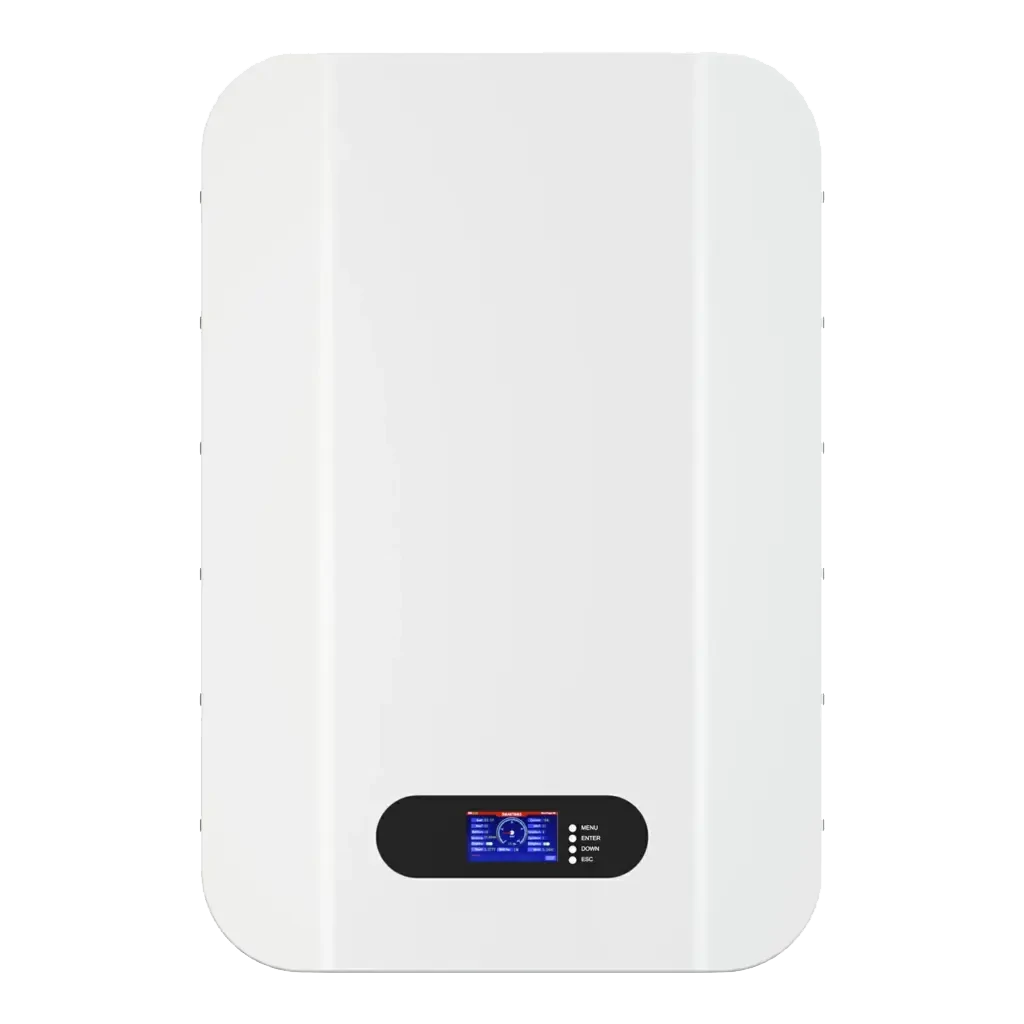
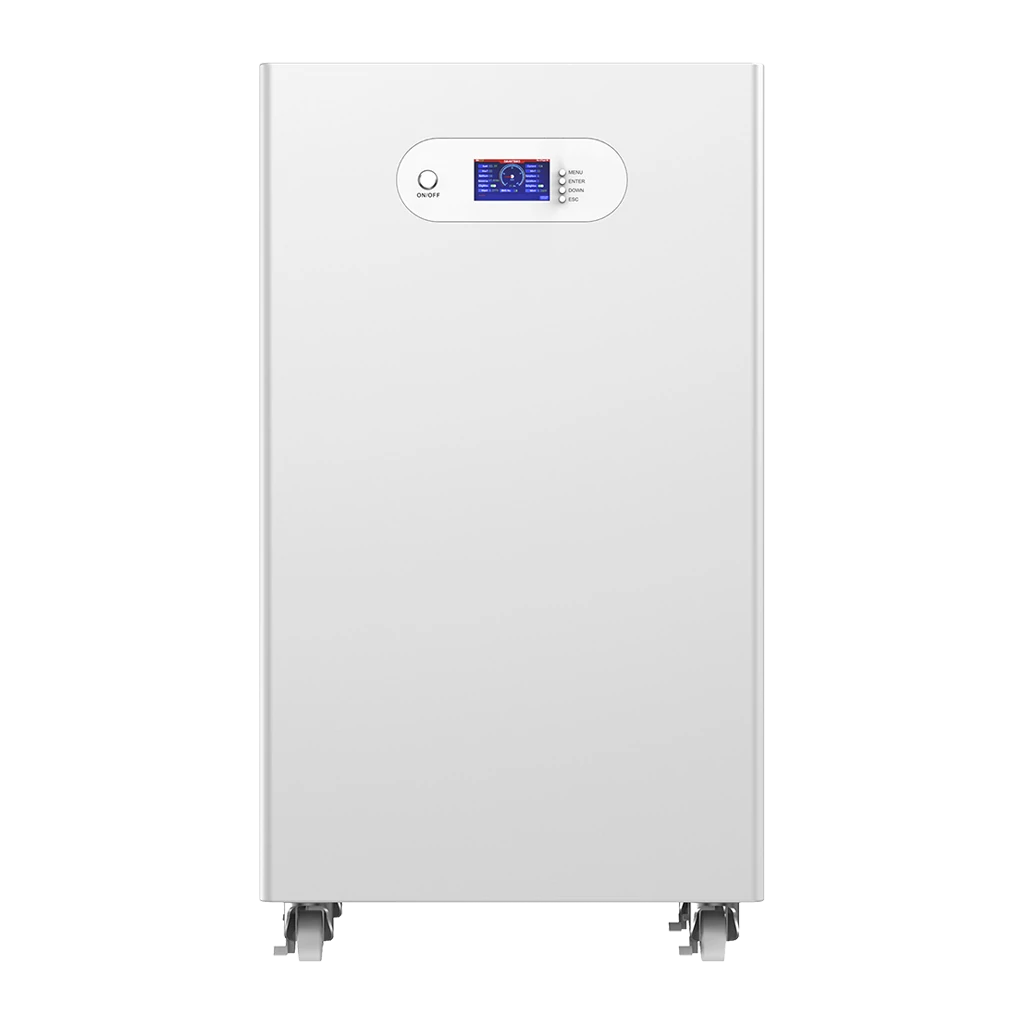
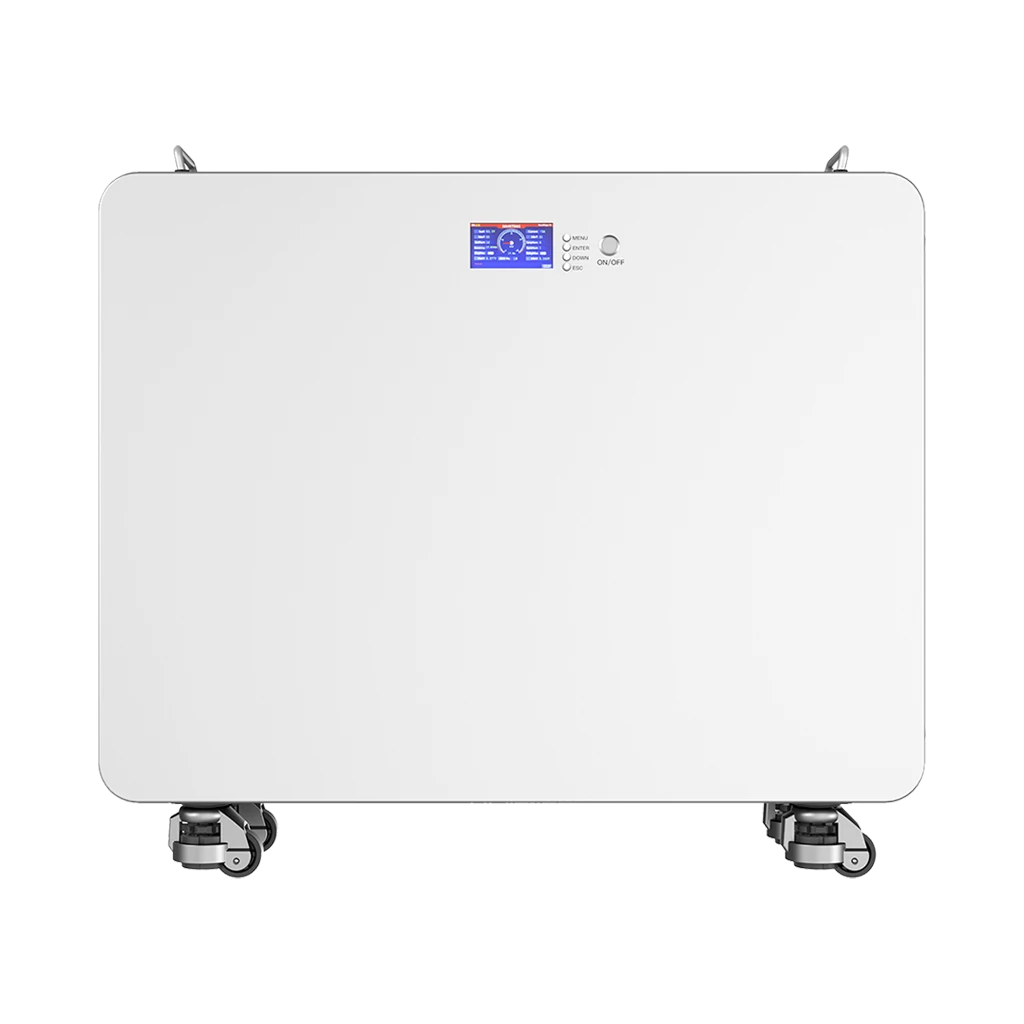
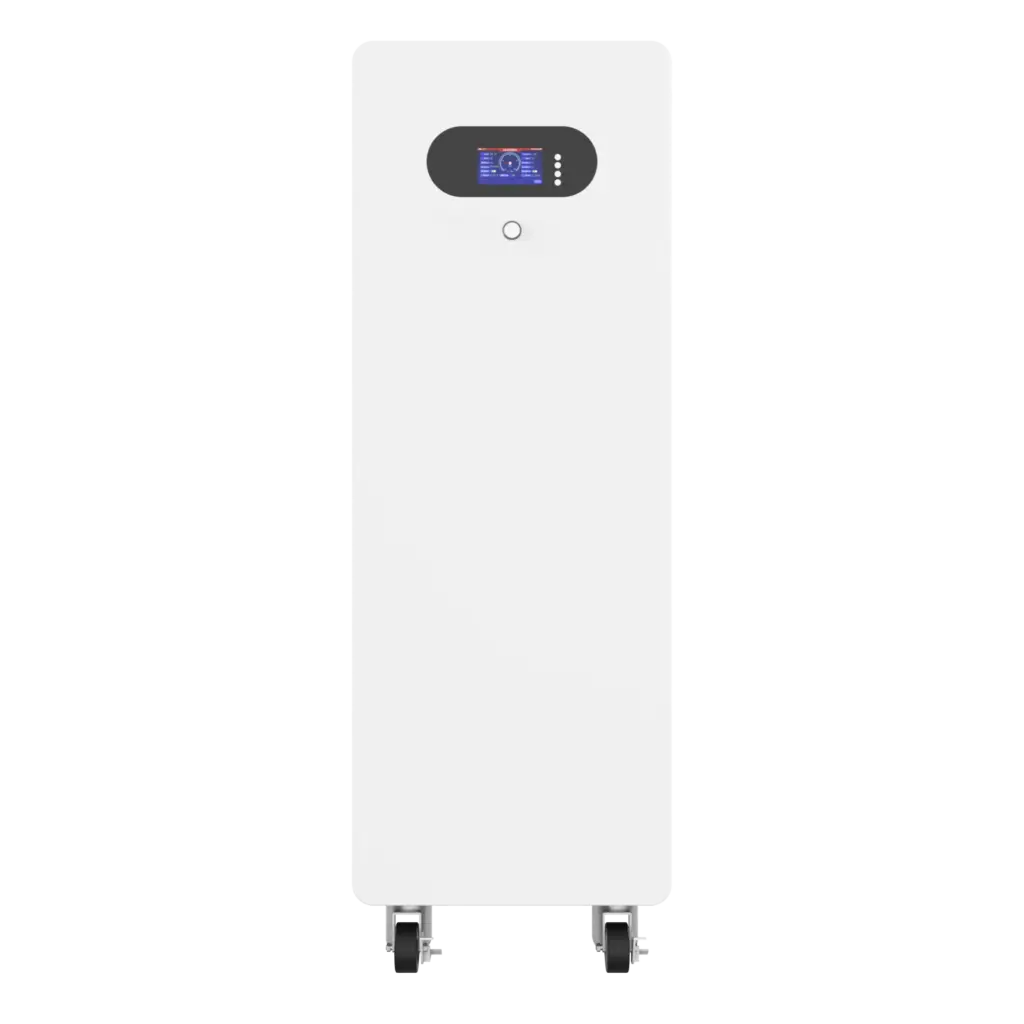
For modular residential or light-commercial projects, one practical approach is to use multiple 15–16 kWh LiFePO4 batteries in parallel. For example, Avepower’s 16kWh 48V 314Ah vertical LiFePO4 solar battery provides about 16.08 kWh nominal energy per unit and supports larger parallel battery banks for higher-capacity projects.
A 10-unit configuration would create about 160.8 kWh nominal capacity, but this type of low-voltage parallel system must be designed carefully. Cable size, busbar design, breaker selection, inverter compatibility, communication settings and current balancing are all important.
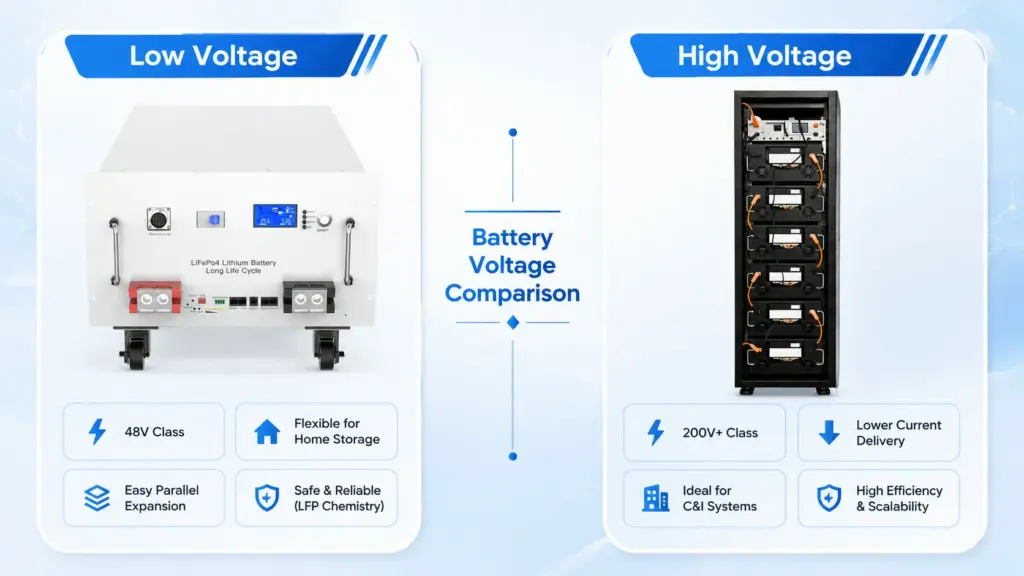
Low-Voltage vs High-Voltage 160 kWh Battery System
One of the most important decisions is whether to use a low-voltage or high-voltage architecture.
Low-Voltage 160 kWh Battery
A low-voltage system usually uses 48V or 51.2V battery modules connected in parallel. This can be practical for residential, off-grid and light commercial systems because 48V-class batteries are familiar to installers and can work with many hybrid inverters.
Low-voltage systems are often easier to expand in smaller steps. However, when capacity and power become large, the current can become very high. Higher current means thicker cables, larger breakers, more heat and more attention to parallel current sharing.
A 160 kWh low-voltage system may be suitable for:
- Large homes
- Farms
- Off-grid houses
- Small shops
- Telecom sites
- Projects using multiple 48V hybrid inverters
- Installer-led residential and light commercial systems
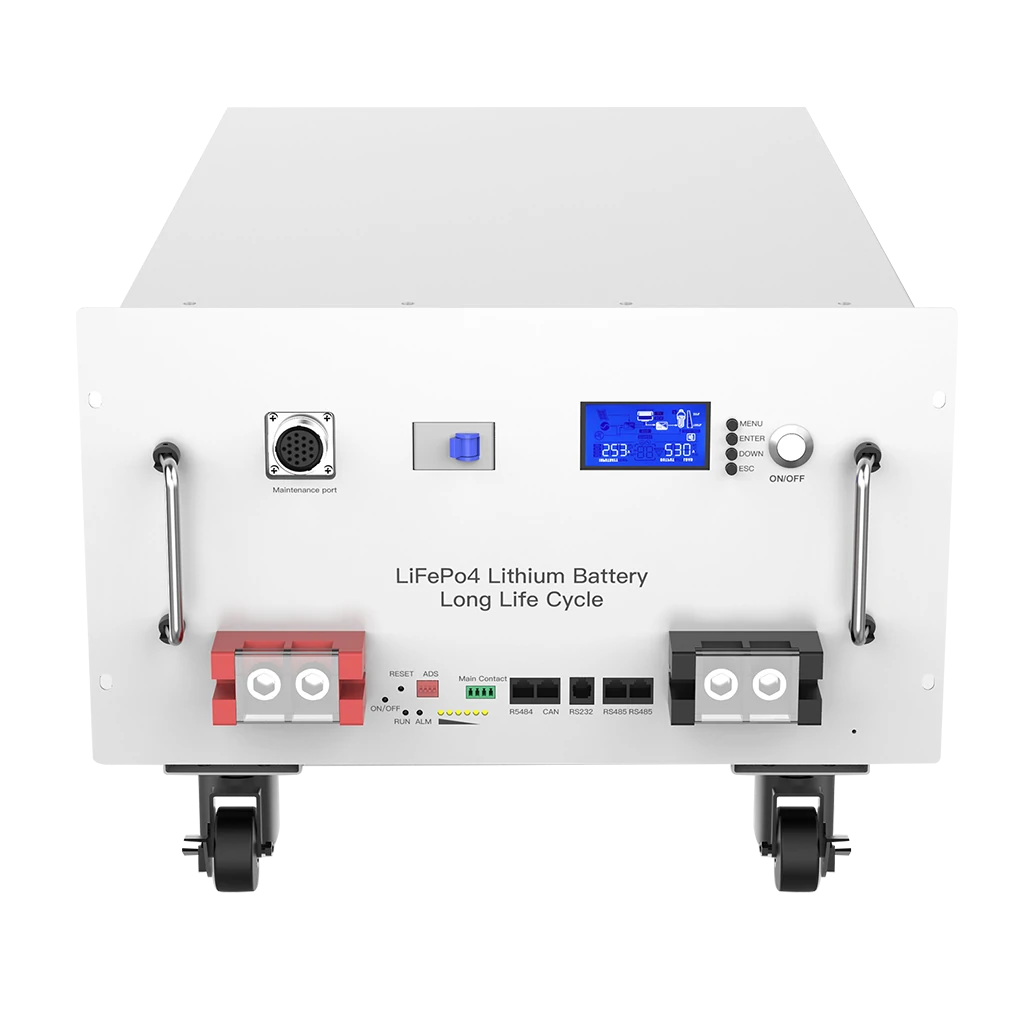
Avepower’s rack mounted battery and vertical battery series can support scalable low-voltage configurations for residential and light commercial storage.
High-Voltage 160 kWh Battery
A high-voltage system connects battery modules in series to create a higher DC voltage platform. This is often more suitable for commercial and industrial projects because it reduces current for the same power level and matches better with commercial PCS platforms.
High-voltage systems are often preferred when the project requires:
- Higher power output
- Cleaner cabinet architecture
- Commercial PCS matching
- Larger solar-storage integration
- Longer cable runs
- Better system efficiency
- C&I backup power
- Project-based customization
Avepower’s Custom High Voltage Lithium Battery Storage System is designed for customers who need scalable voltage platforms, cabinet layouts, CAN/RS485 communication support, BMS/BCU protection and customized project integration. Avepower has also delivered a 522.5 kWh high-voltage ESS case study in Lithuania, showing experience in high-voltage cabinet configuration and C&I project support.
Need Help Choosing Between Low Voltage and High Voltage Storage?
A 160 kWh system can be built in different ways. Avepower supports modular LiFePO4 battery banks and custom high-voltage ESS designs for homes, farms, warehouses and commercial energy projects.
160 kWh Battery Cost: What Should You Expect?
The cost of a 160 kWh battery storage system depends on whether the buyer is purchasing only the battery modules or a complete energy storage system with inverter, PCS, BMS, EMS, cabinet, protection devices, installation and commissioning.
A 160 kWh commercial battery storage system may fall into the following cost ranges:
| System Scope | Estimated Cost per kWh | Estimated 160 kWh System Cost |
|---|---|---|
| Battery modules only | $150–$250/kWh | $24,000–$40,000 |
| Battery cabinet with BMS and basic protection | $220–$350/kWh | $35,200–$56,000 |
| Complete system with inverter or PCS | $300–$500/kWh | $48,000–$80,000 |
| Fully installed commercial ESS project | $400–$700+/kWh | $64,000–$112,000+ |
In real purchasing, a 160 kWh system cost may include:
- Battery modules or battery cabinets
- BMS, BMU and BCU control system
- Hybrid inverter or PCS
- EMS monitoring system
- DC breakers, fuses and protection devices
- Cables, busbars and distribution boxes
- Racks, cabinets or outdoor enclosure
- Thermal management
- Fire safety equipment
- Installation labor
- Commissioning and testing
- Freight, duties and local compliance costs
A rough market estimate for a complete 160 kWh installed system can vary widely. Battery hardware may be only one part of the total project cost. For commercial projects, the final price should be calculated from the electrical design, inverter power, backup duration, site conditions and safety requirements.
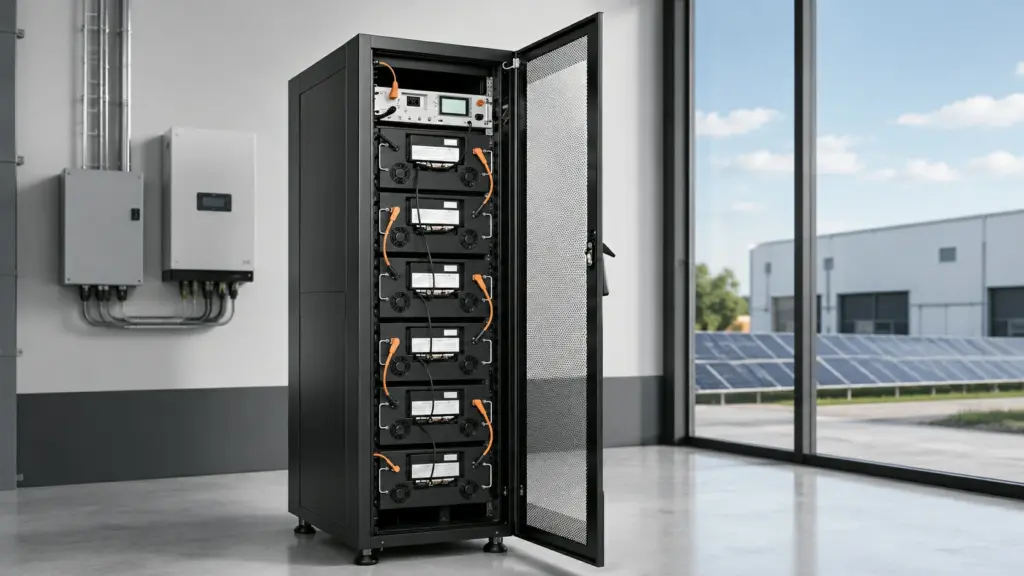
How Much Solar PV Is Needed for a 160 kWh Battery?
There is no single correct answer. The solar array should be sized according to the site’s daily consumption, local solar hours, seasonal weather, backup requirement and charging window.
A simple starting point is:
Solar PV size = daily energy required ÷ peak sun hours
If a site wants to recharge 160 kWh in one good solar day and receives 4 peak sun hours, it may need around 40 kW of effective solar production before losses. In practice, the PV array may need to be larger because of inverter losses, temperature, shading, cloudy weather and seasonal variation.
For example:
- 80 kWh daily recharge need ÷ 4 sun hours = about 20 kW solar PV
- 120 kWh daily recharge need ÷ 4 sun hours = about 30 kW solar PV
- 160 kWh daily recharge need ÷ 4 sun hours = about 40 kW solar PV
For off-grid projects, the system should include extra design margin and possibly generator backup. For grid-connected projects, the battery may also charge from the grid during off-peak hours.
How to Size a 160 kWh Battery Correctly
Before choosing a 160 kWh system, collect real site data. The more accurate the data, the better the system design.
Important information includes:
- Daily energy consumption in kWh
- Peak load in kW
- Critical backup loads
- Required backup hours
- Solar PV size
- Grid tariff structure
- Single-phase or three-phase power
- Indoor or outdoor installation
- Available installation space
- Local climate and temperature
- Expansion plan
- Inverter brand and model
- Communication protocol requirements
For example, a site that only needs 20 kW of backup for 6 hours may not need 160 kWh. A smaller 120 kWh or 150 kWh system may be enough after usable capacity is considered. But a site that needs 40 kW for 4 hours, plus backup margin and future expansion, may find 160 kWh more suitable.
Safety Standards and Installation Considerations
Safety is one of the most important parts of a 160 kWh battery project. A system of this size stores substantial energy, so installation must consider electrical protection, spacing, ventilation, fire safety, thermal management, grounding, emergency shutdown, labeling, maintenance access and local code requirements.
NFPA 855 provides minimum requirements for mitigating hazards associated with energy storage system installations, and UL 9540 covers energy storage system testing and certification. UL 9540A is used to evaluate thermal runaway fire propagation behavior in battery energy storage systems. You can review the official references here: NFPA 855, UL 9540 Energy Storage System Testing and Certification, and UL 9540A Test Method.
For real projects, buyers should ask suppliers for certification documents, battery datasheets, installation manuals, wiring diagrams, inverter compatibility guidance, BMS communication protocol information and shipping compliance documents such as UN38.3 when applicable.
Why Work with Avepower for 160 kWh Battery Projects?
Avepower is a battery energy storage system manufacturer offering OEM/ODM solutions for residential and commercial applications. Its product range includes wall-mounted, rack-mounted, stackable, vertical LiFePO4 batteries and custom high-voltage battery storage systems.
For a 160 kWh battery project, Avepower can support different system routes depending on the application. For residential and light commercial expansion, modular low-voltage LiFePO4 batteries may be suitable. For commercial and industrial projects, Avepower’s custom high-voltage battery storage system can be configured around voltage platform, cabinet layout, BMS communication and project-specific integration needs.
Avepower also supports installers, distributors, EPCs and OEM/ODM buyers with battery selection, inverter compatibility support, communication options, documentation, capacity customization and branding solutions. This is especially useful for companies that need more than a standard off-the-shelf battery product.
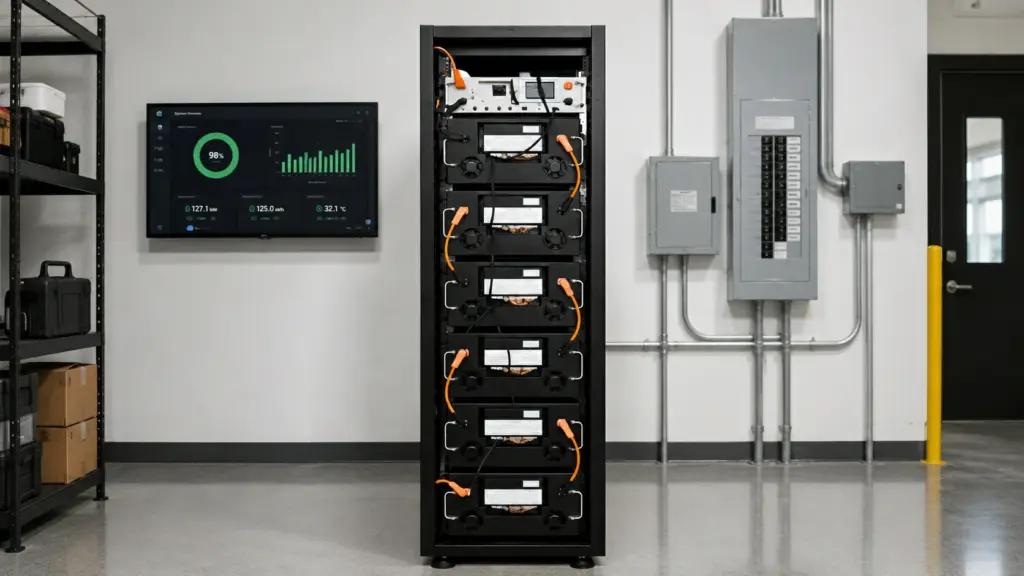
Build a Safer 160 kWh Energy Storage System with Avepower
From battery modules and BMS protection to inverter communication and OEM/ODM customization, Avepower provides practical support for installers, distributors and project developers who need reliable energy storage solutions.
Conclusion
A 160 kWh battery is a practical energy storage size for users who need more than basic home backup but do not yet require a large containerized BESS. It can support commercial peak shaving, solar self-consumption, backup power, off-grid systems, farms, villas, telecom rooms and small industrial projects.
The key is not just buying 160 kWh of battery capacity. The system must be designed around usable energy, inverter power, voltage architecture, safety standards, thermal management, BMS communication, installation environment and long-term expansion.
For installers, distributors, EPCs and project developers, Avepower can help configure a suitable 160 kWh-class energy storage solution using modular LiFePO4 batteries or customized high-voltage ESS platforms. Explore Avepower’s battery energy storage system solutions to match your project’s runtime, power output, inverter compatibility and installation requirements.
FAQ
It depends on the module size. If each battery module is 10 kWh, you need 16 modules. If each module is 16 kWh, you need about 10 modules. If each battery cabinet is 40 kWh, you need four cabinets. The final configuration depends on voltage, BMS limits, inverter compatibility and installation design.
The inverter size depends on your peak load and application. A backup system may need enough inverter power to start critical loads, while a peak shaving system may only need enough power to reduce demand spikes. Common designs may use 30 kW, 50 kW, 60 kW or higher inverter capacity, depending on the project.
Yes. A 160 kWh battery is often suitable for small and medium commercial applications such as peak shaving, solar energy storage, backup power and load shifting.
Yes. A 160 kWh battery is often suitable for small and medium commercial applications such as peak shaving, solar energy storage, backup power and load shifting.
Before requesting a quote, prepare your daily energy consumption, peak power demand, solar system size, grid connection type, backup load list, installation location, available space, preferred inverter brand, local voltage, indoor or outdoor requirement and target runtime.
A site with 4 peak sun hours may need about 45–55 kW of solar PV to generate enough daily energy for a large portion of a 160 kWh battery. A site with 5 peak sun hours may need less PV capacity, while cloudy regions may need more.