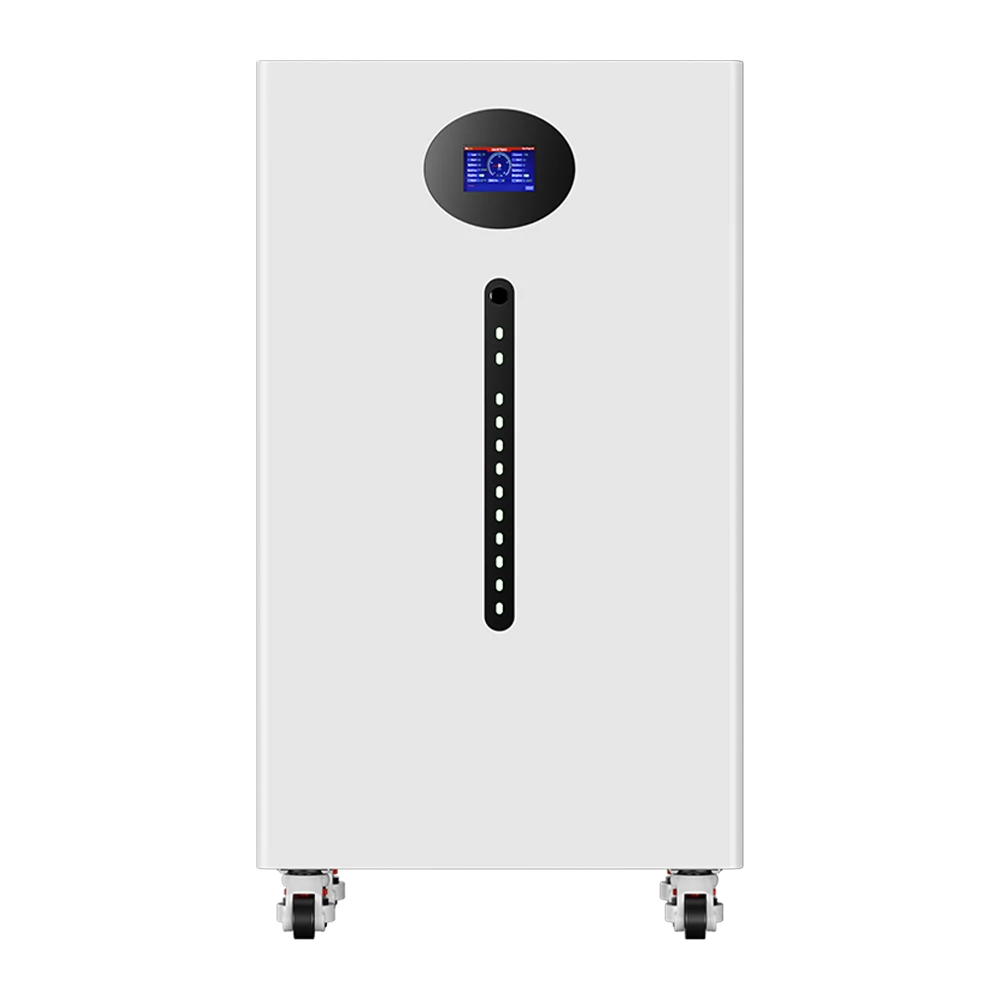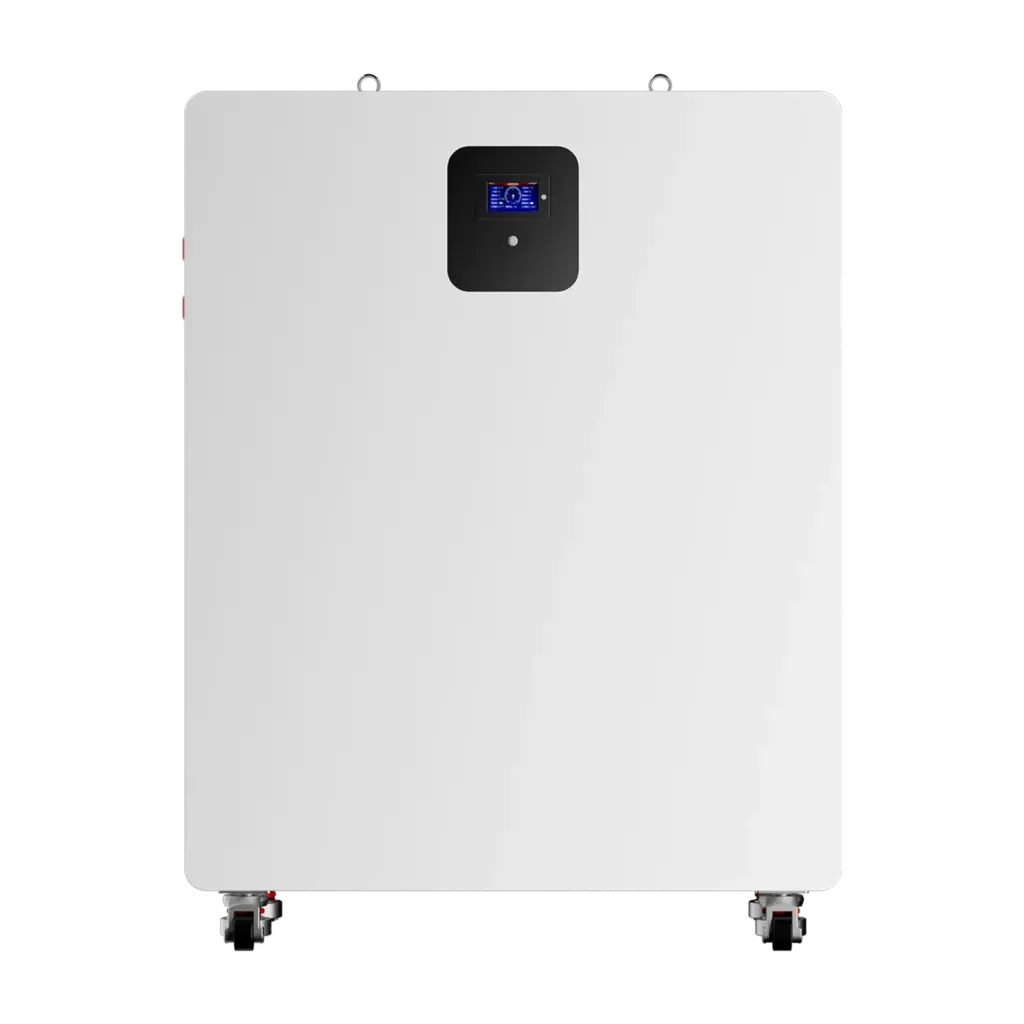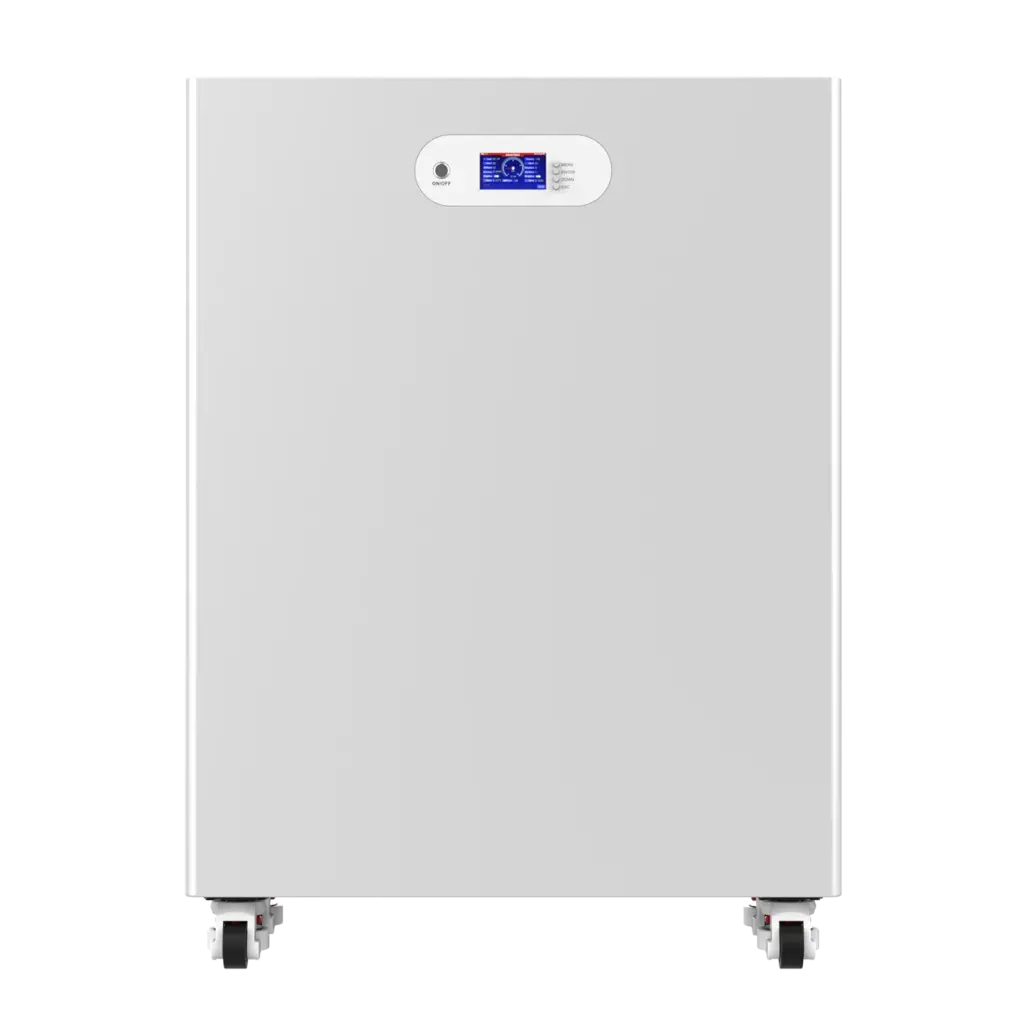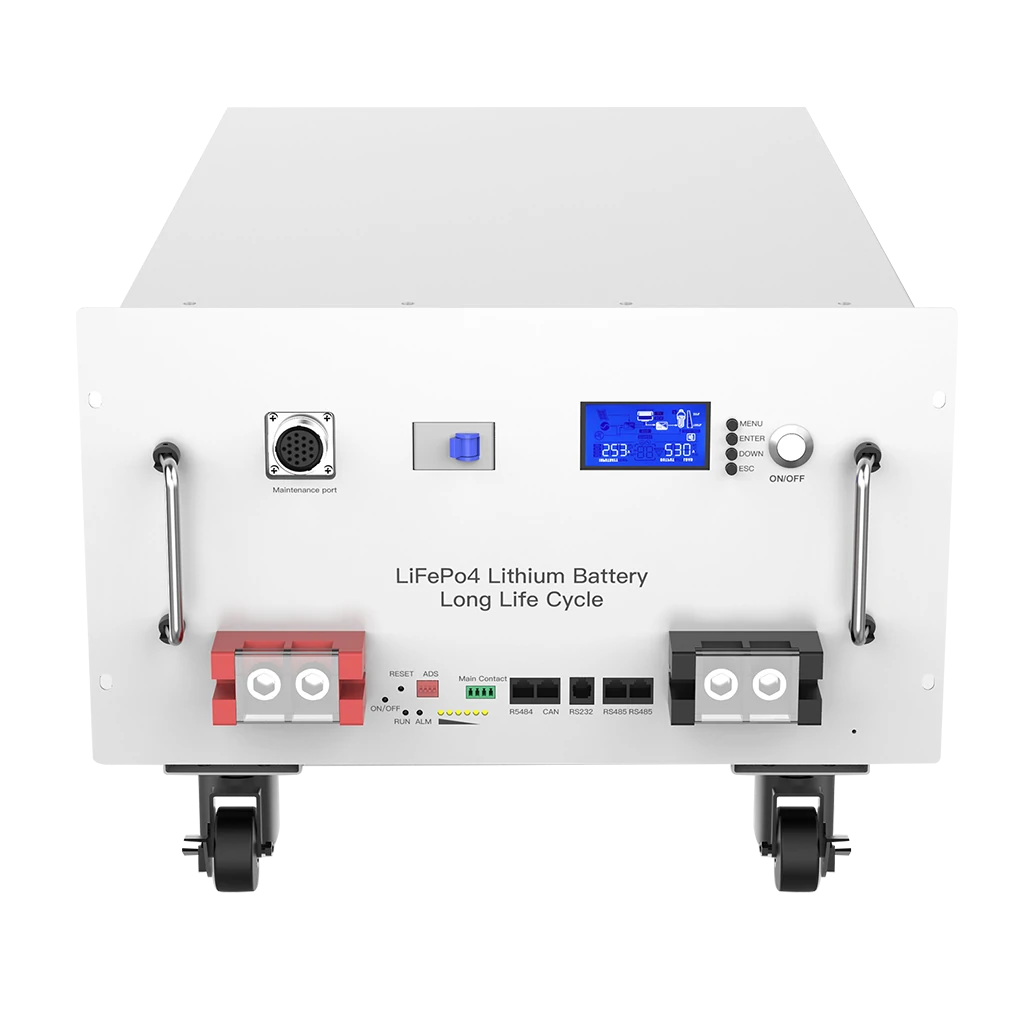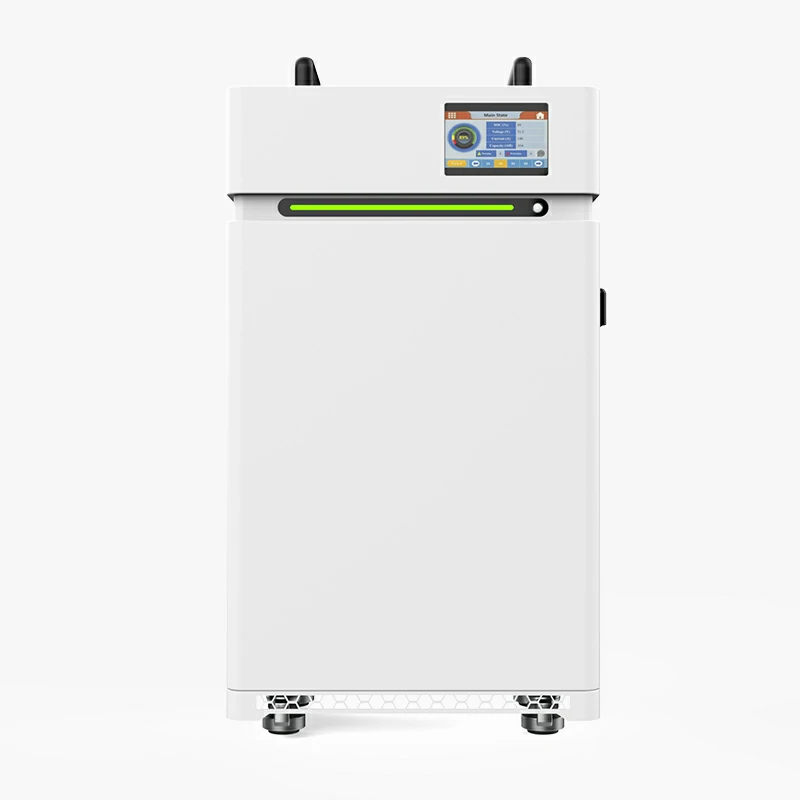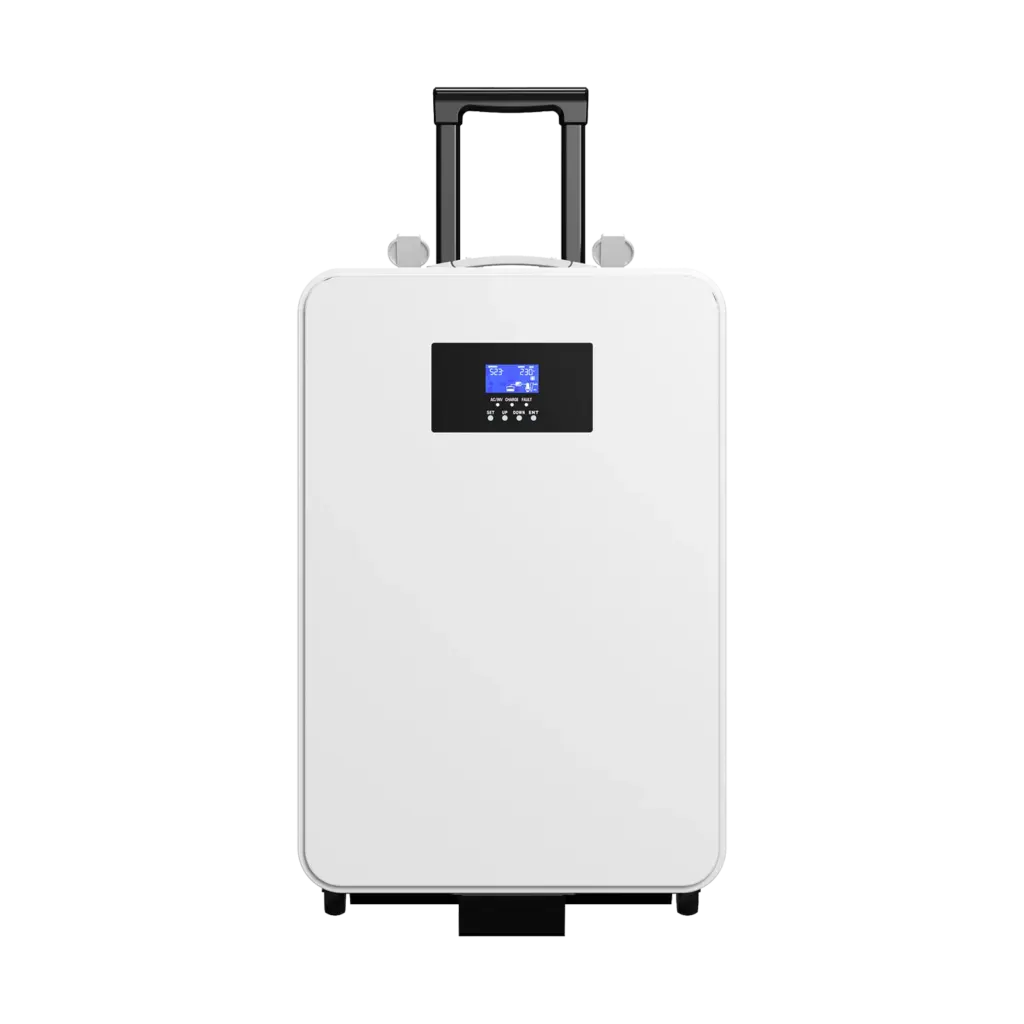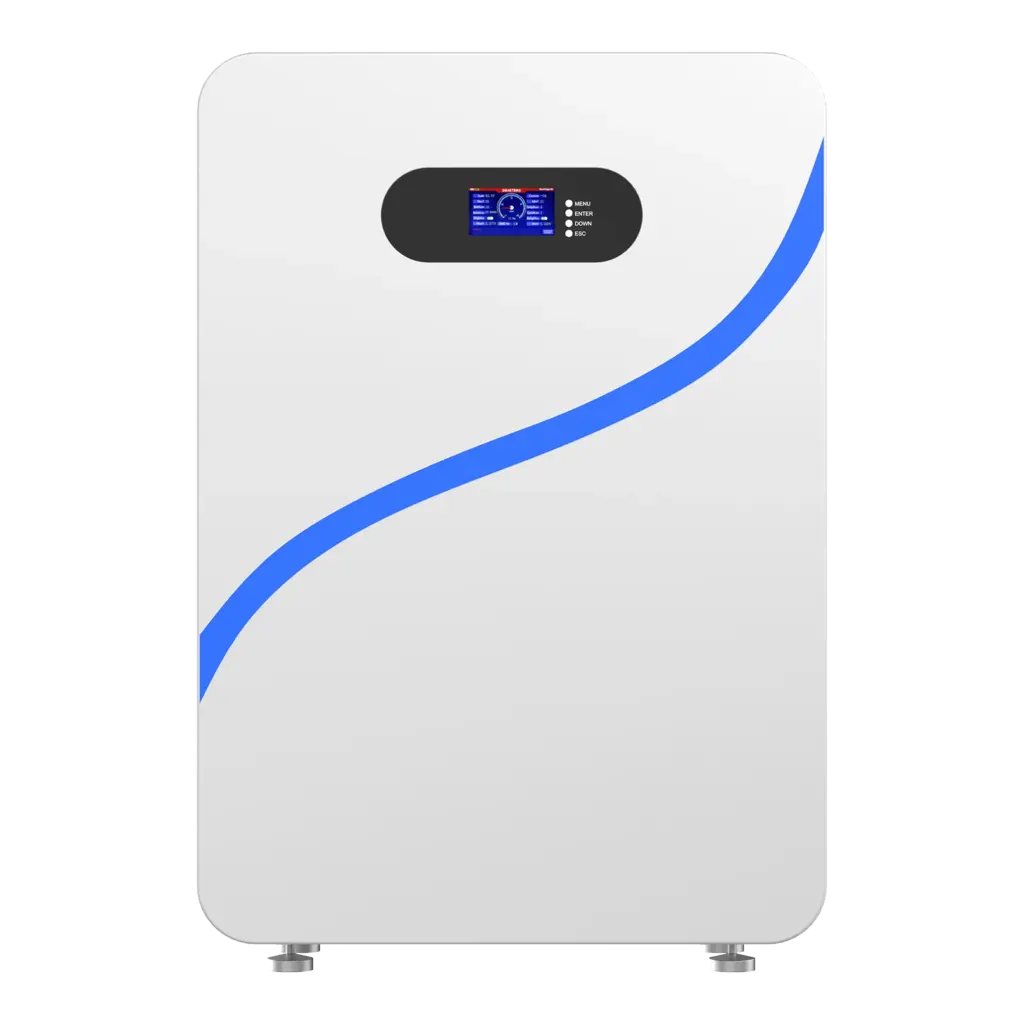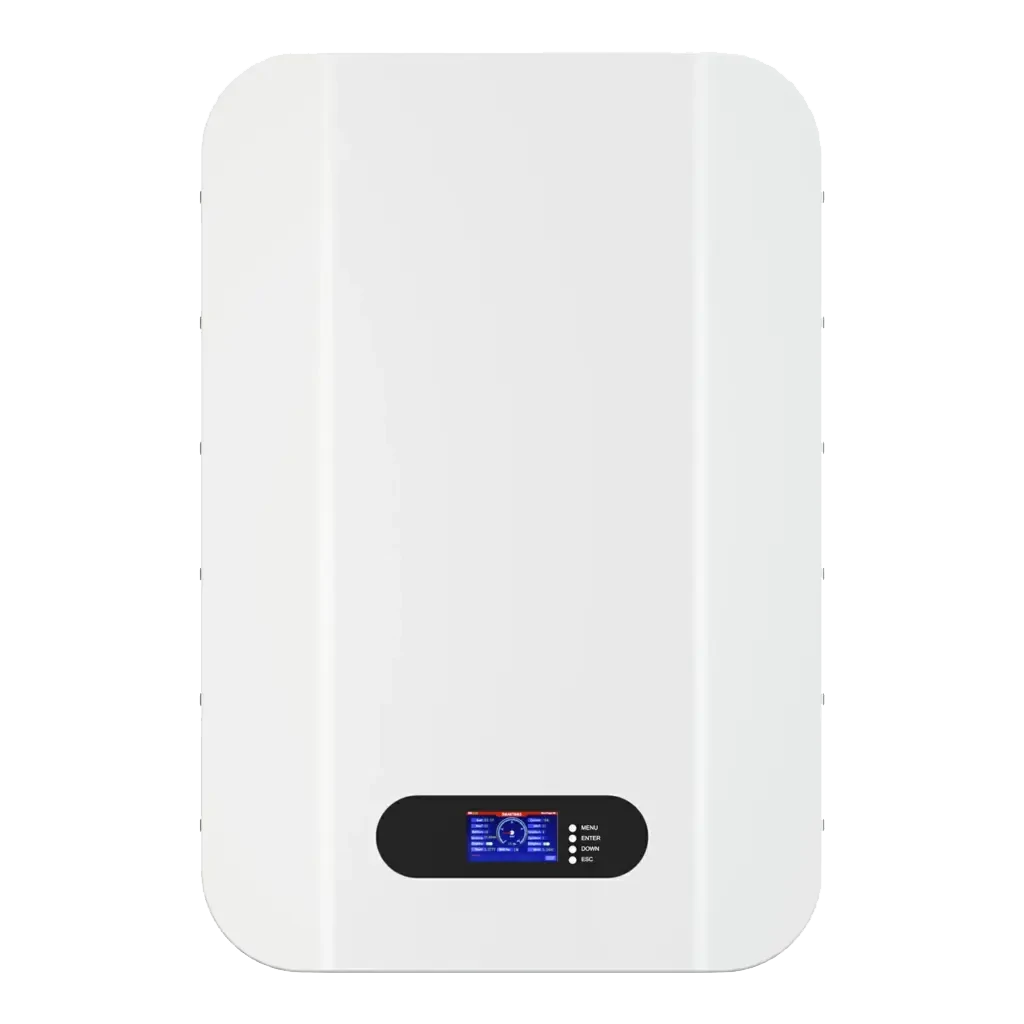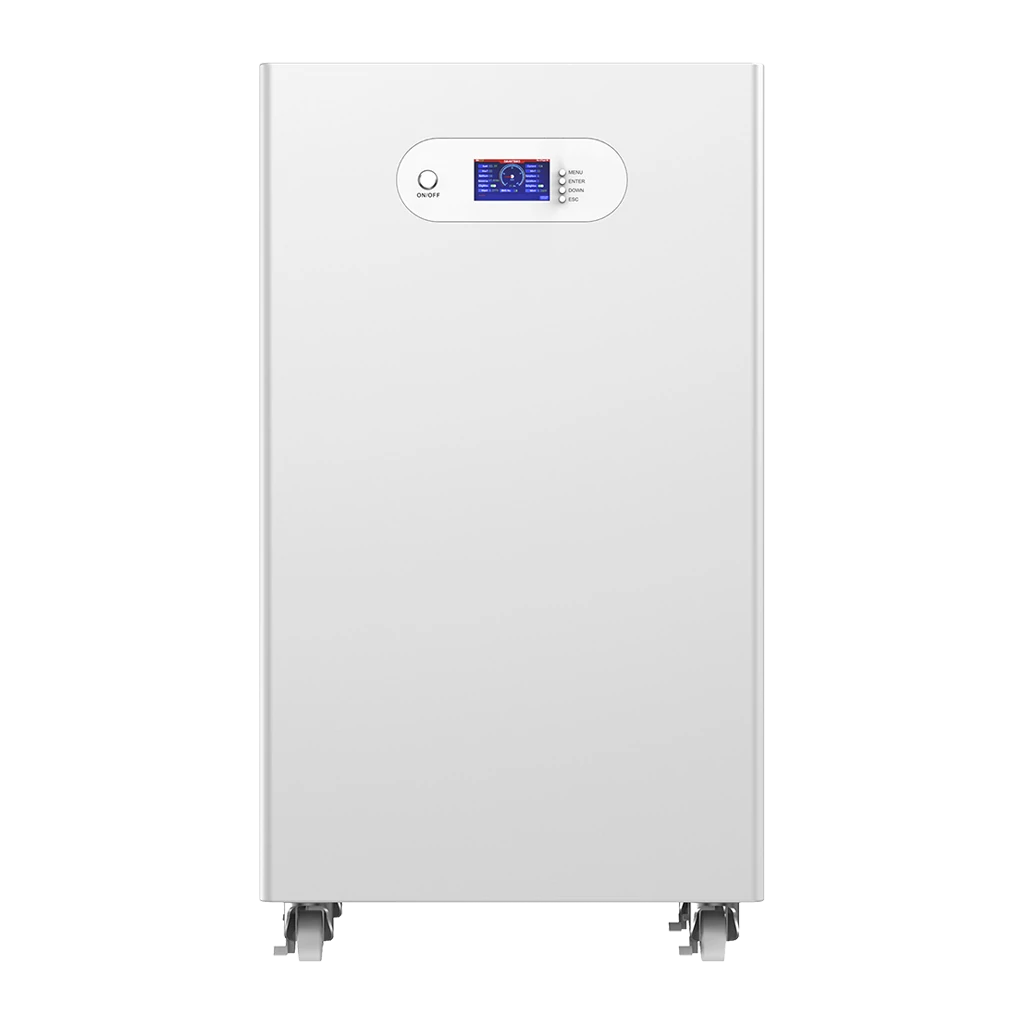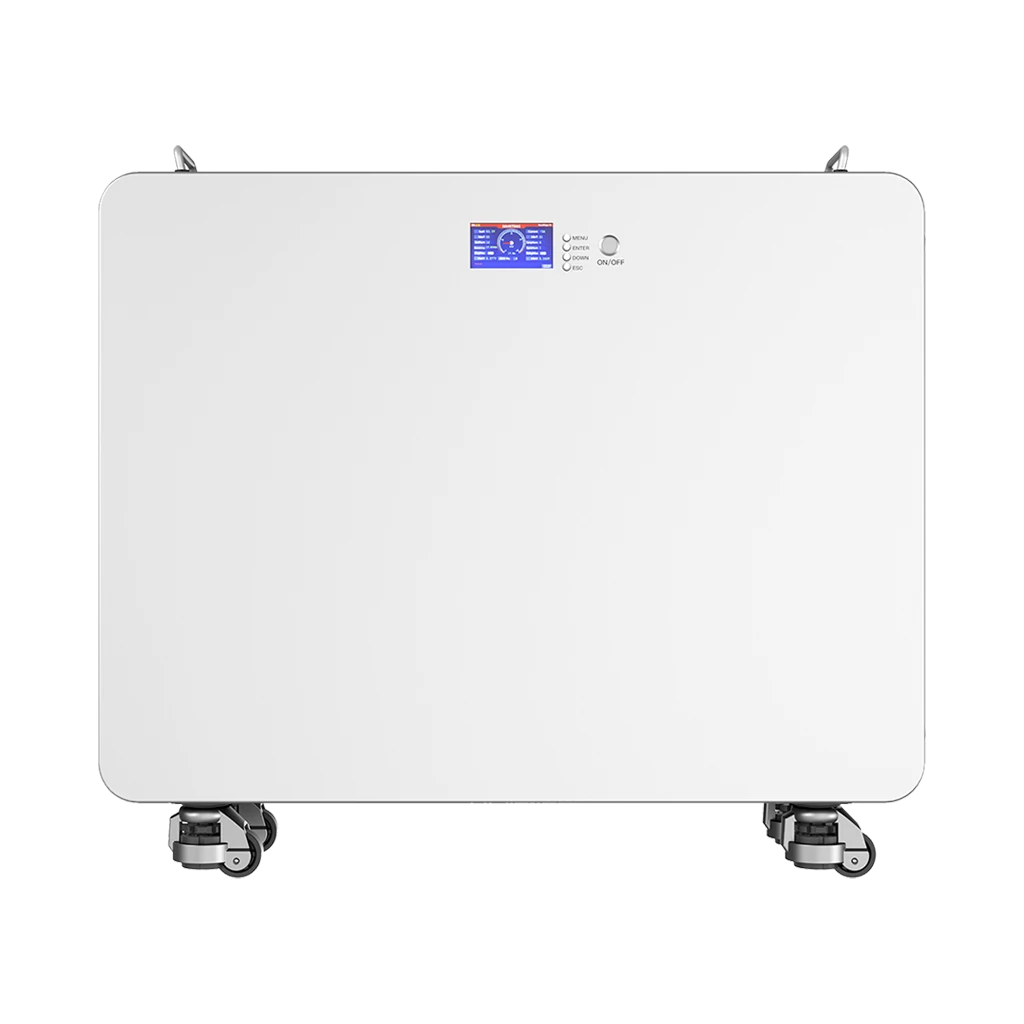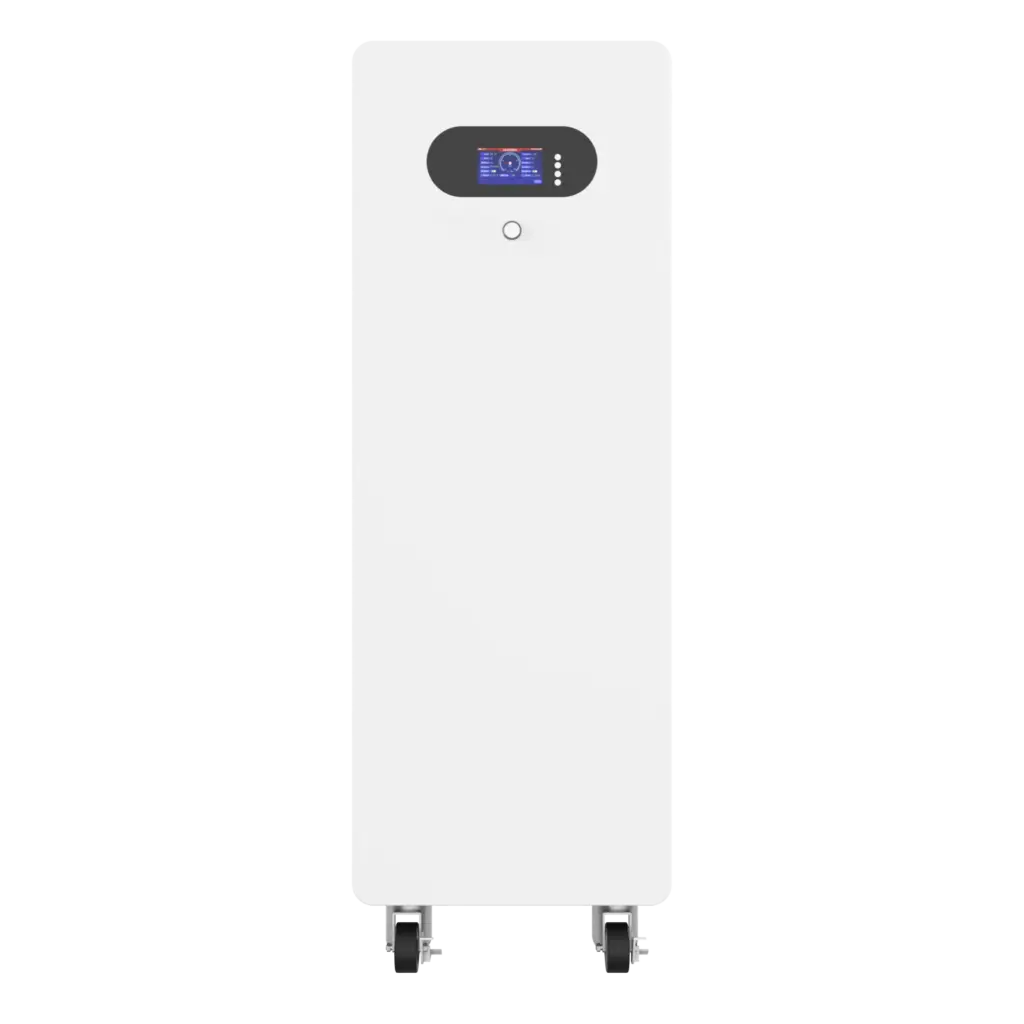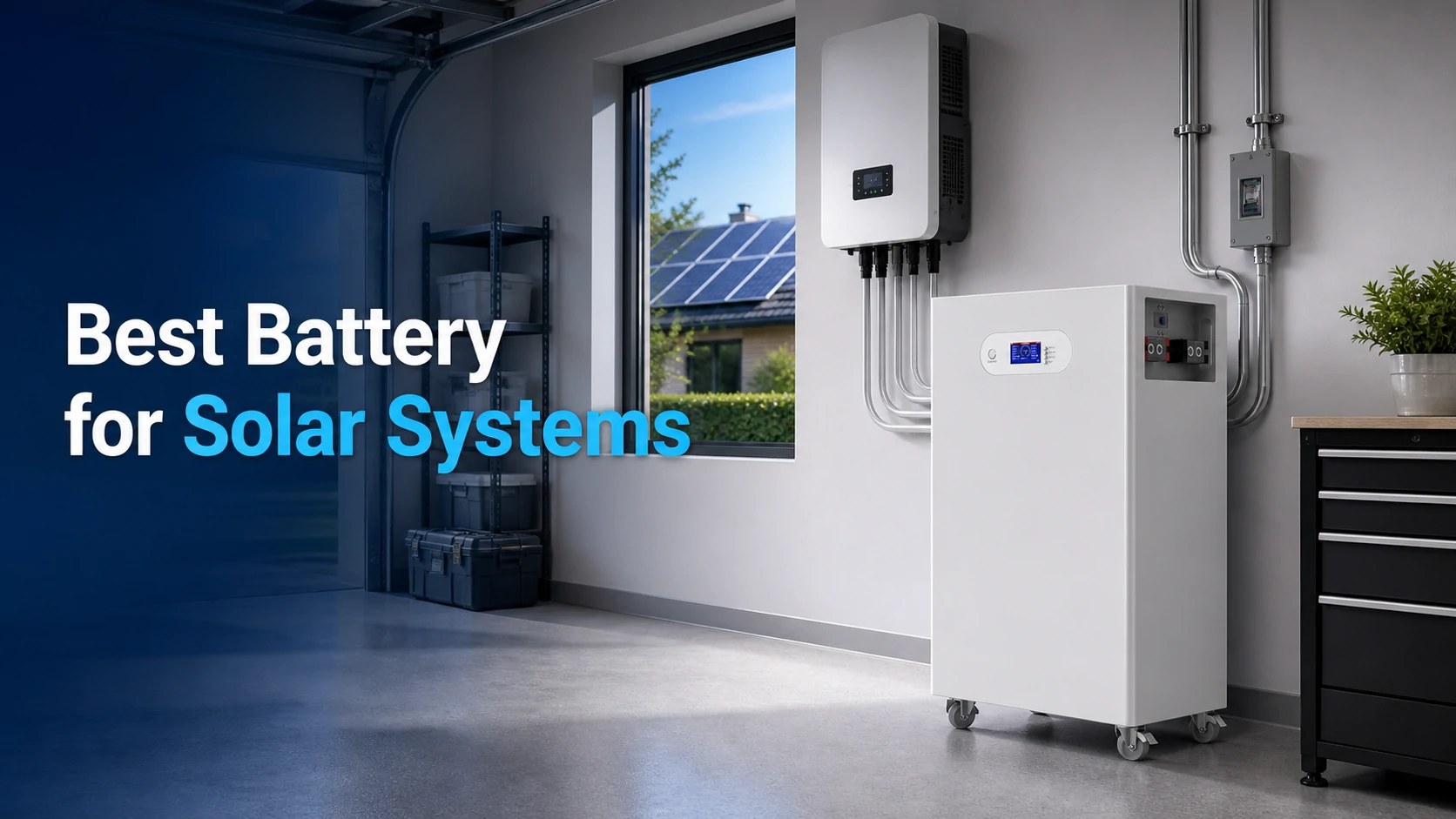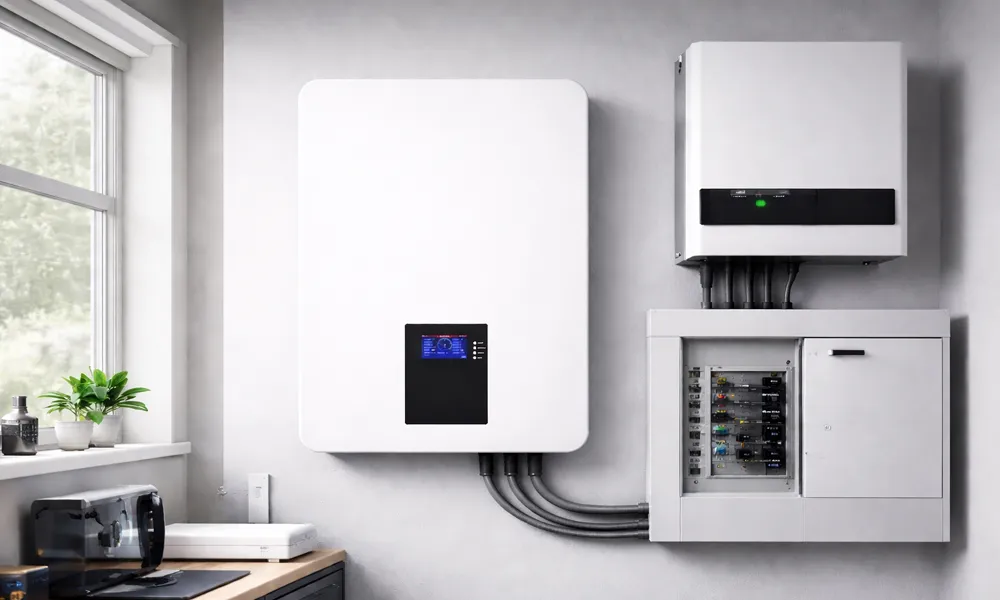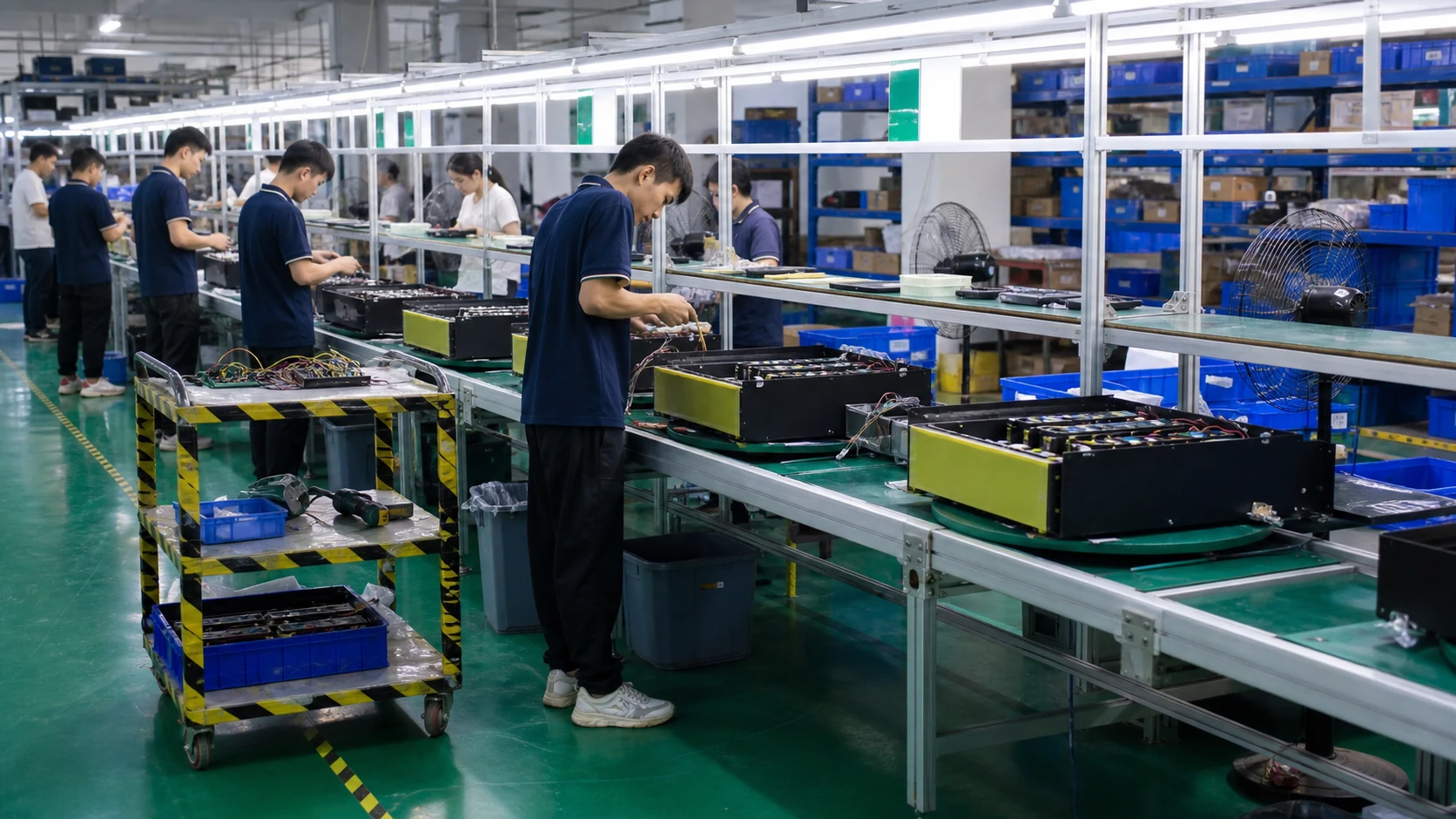

As commercial energy costs, demand charges, grid instability, and renewable energy adoption continue to grow, more businesses are evaluating mid-scale battery energy storage systems. A 500 kWh battery is a commercial-scale energy storage asset designed for factories, logistics centers, farms, hotels, EV charging stations, commercial buildings, microgrids, and solar-plus-storage projects.
Commercial battery storage is commonly assessed across 1–8 hour durations, with lithium-ion batteries — especially LFP in stationary storage — now playing a major role in this market.
Where a 500 kWh Battery Makes Sense
A 500 kWh battery is usually too large for a normal home, but it can be highly practical for commercial and industrial projects. Common use cases include:
1. Peak Shaving for Commercial Buildings
Many commercial electricity bills include demand charges based on the highest power draw during a billing period. A 500 kWh battery can discharge during peak load windows, helping flatten the demand curve and reduce costly spikes.
This is especially useful for:
- Office buildings
- Shopping centers
- Schools
- Hotels
- Warehouses
- Cold storage facilities
- Industrial parks
Instead of drawing maximum power from the grid during short demand peaks, the building can draw part of that power from the battery.
2. Solar Self-Consumption
A business with a large rooftop or ground-mounted PV system may generate more solar power during the day than it can immediately consume. Without storage, that excess solar energy may be exported at a lower value or curtailed.
A 500 kWh battery can store daytime solar generation and discharge it in the evening or during peak tariff periods. This improves the economic value of solar and helps the site use more of its own renewable energy.
For businesses evaluating solar-plus-storage projects, Avepower’s commercial and industrial energy storage solutions are designed around practical site needs such as energy cost optimization, critical load support, and solar-storage integration.
3. Backup Power for Critical Loads
A 500 kWh battery can support selected backup circuits during grid outages. It may not run an entire factory at full load for many hours, but it can protect essential systems such as:
- Control rooms
- IT equipment
- Lighting
- Security systems
- Refrigeration
- Communication equipment
- Emergency operations
- Selected production lines
For many businesses, avoiding downtime can be as important as reducing electricity bills. For a deeper explanation of commercial backup design, see Avepower’s guide to commercial battery backup.
4. EV Charging Load Buffering
Commercial EV charging stations can create sharp power demand, especially when several fast chargers operate at once. A battery can buffer grid demand by charging during low-load periods and discharging when EV charging demand rises.
This can reduce transformer stress, improve charging station economics, and help sites deploy chargers where grid connection capacity is limited.
5. Microgrids and Off-Grid Commercial Sites
A 500 kWh battery can be part of a microgrid that combines solar, diesel generators, wind power, grid input, or other energy sources. In remote commercial locations, islands, mining camps, farms, telecom sites, and industrial facilities, storage can reduce generator runtime and improve energy reliability.
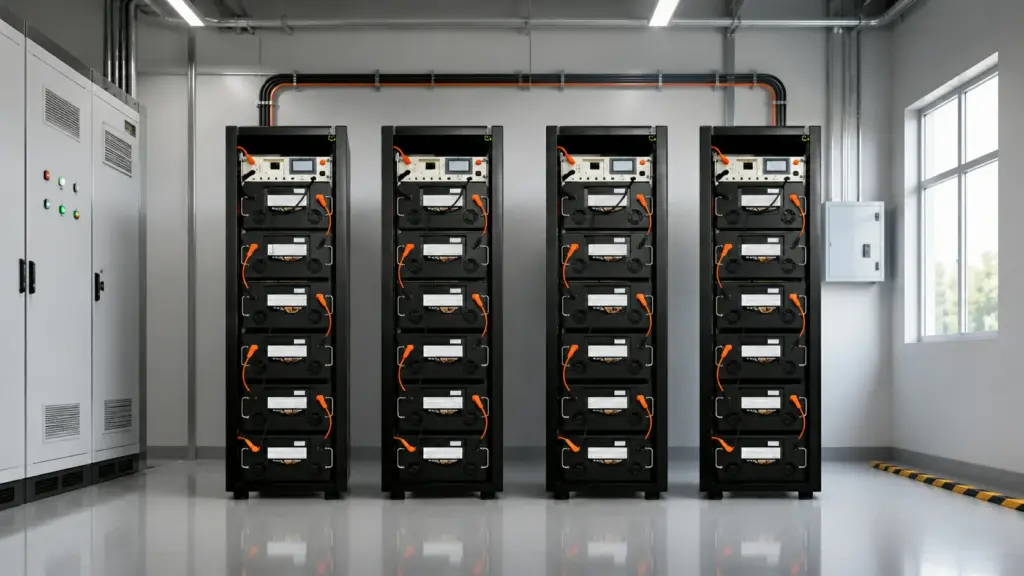
Why High-Voltage Architecture Is Usually Better for 500 kWh Systems
At 500 kWh, many projects move beyond simple low-voltage parallel battery banks. A high-voltage battery system is often more suitable because it can reduce current for the same power level, improve PCS matching, simplify large-system architecture, and support more efficient commercial-scale operation.
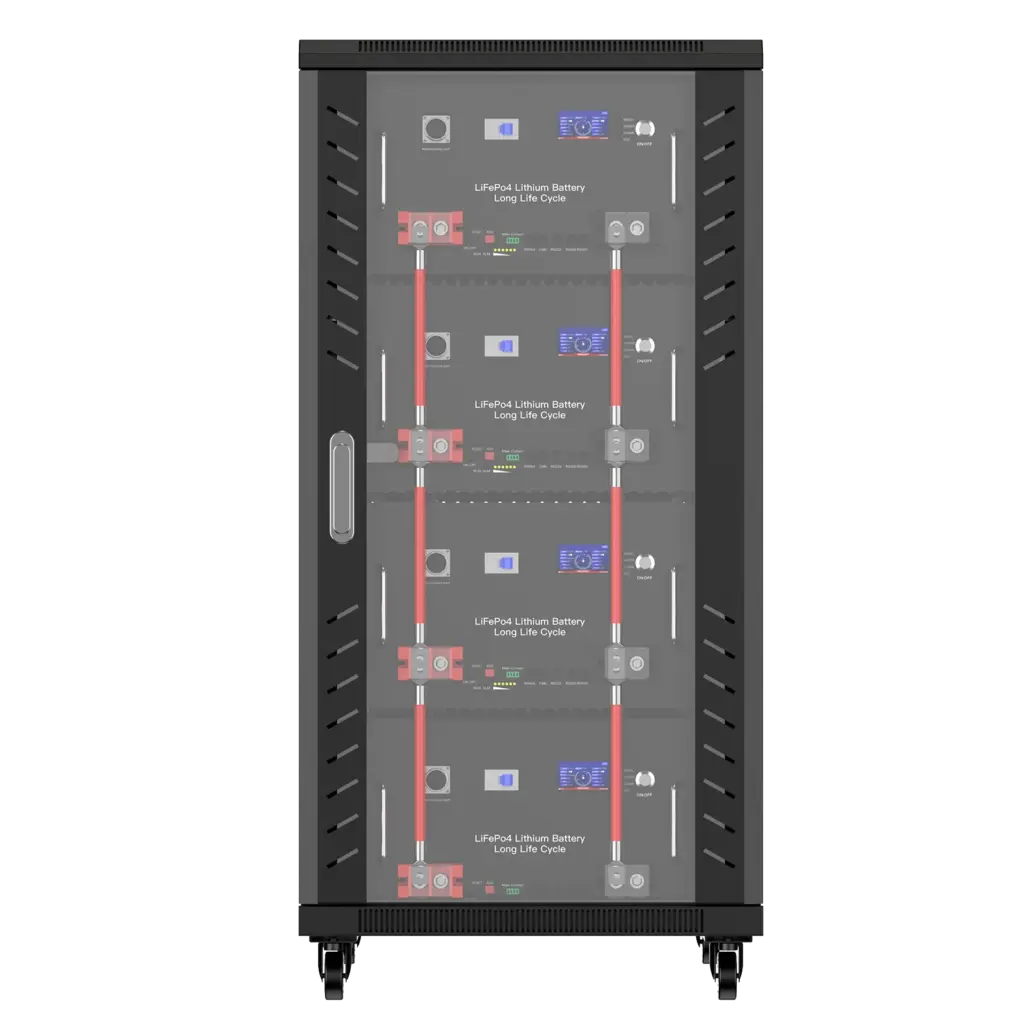
A high-voltage C&I battery system typically includes battery modules, racks or cabinets, BMU/BCU-level control, DC protection, PCS integration, EMS control, monitoring, and communication with site-level energy systems.
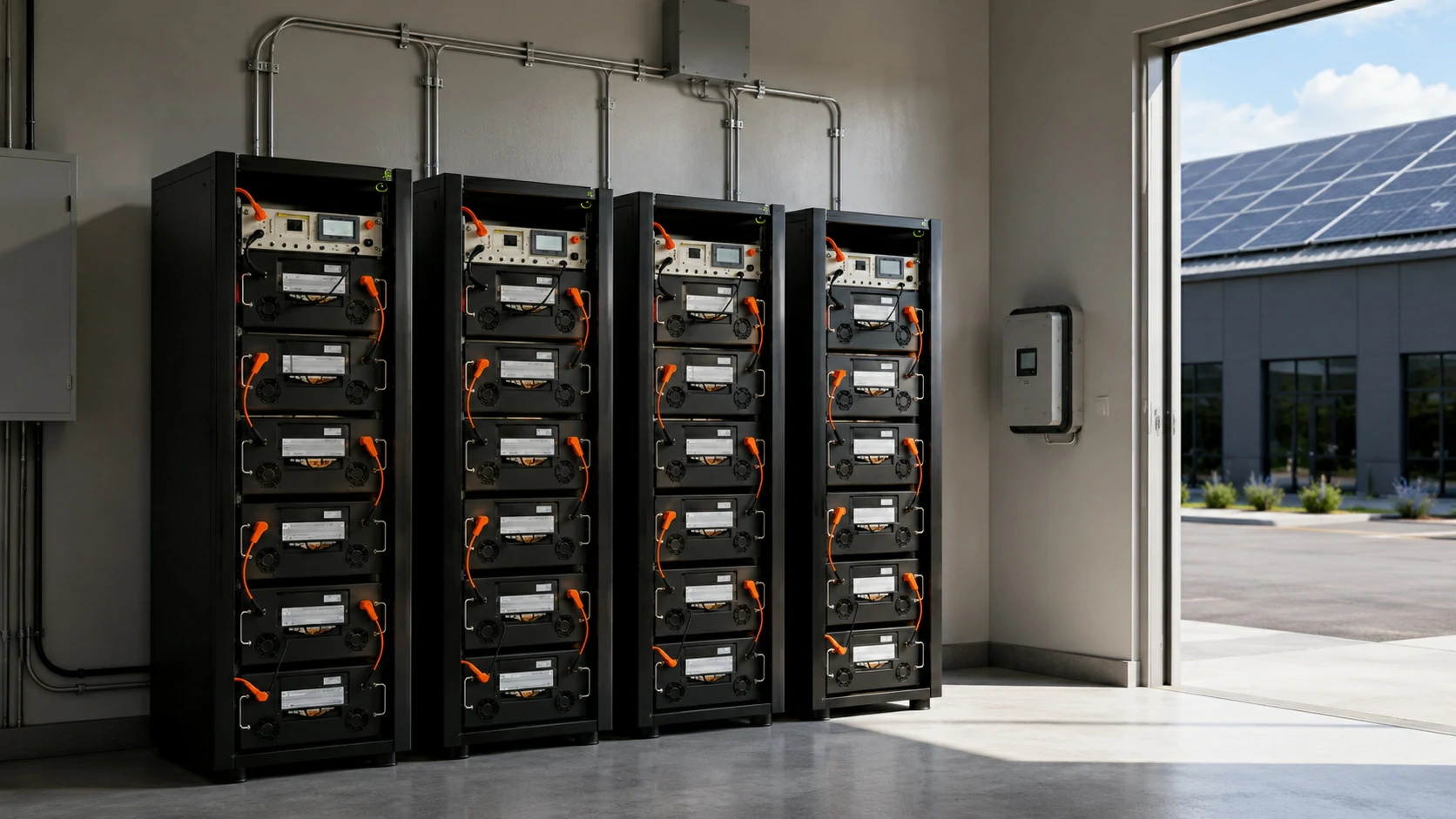
Avepower’s high-voltage battery storage system is positioned for scalable commercial and industrial ESS applications. The system can be configured by structure, voltage platform, cabinet layout, and communication solution, with LiFePO4 chemistry, intelligent BMU/BCU management, CAN/RS485 communication support, and modular cabinet design.
A strong example is Avepower’s 522.496 kWh high-voltage ESS project in Lithuania, which used a compact 832 V DC solution with 4 × 42U cabinets and 2 clusters in parallel. This shows how a 500 kWh-class battery can be engineered as a real commercial high-voltage system rather than a loose collection of battery modules.
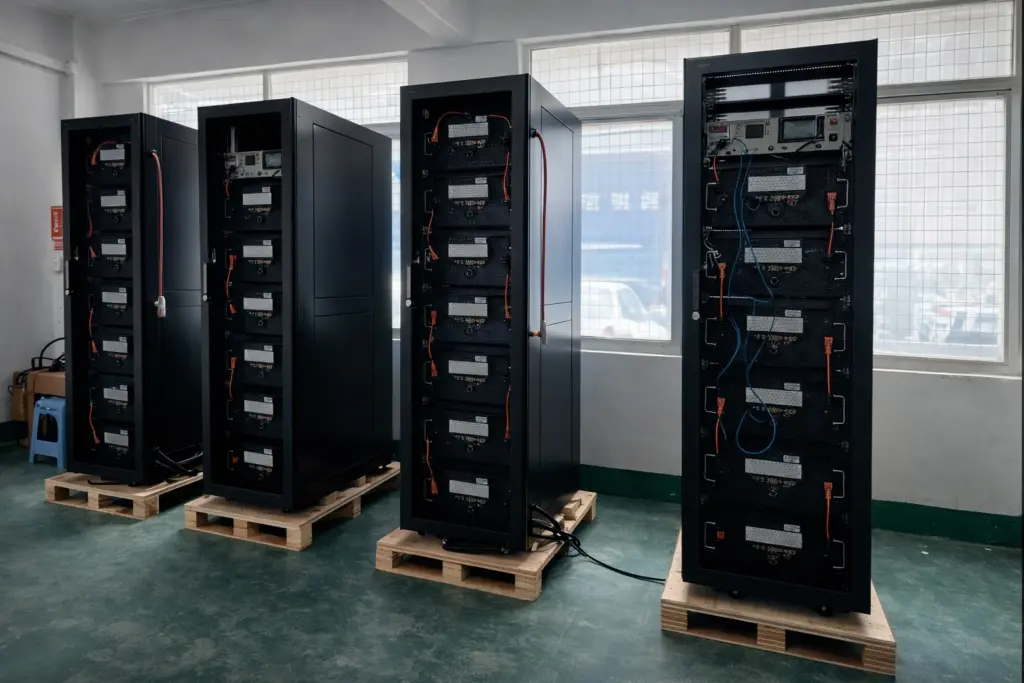
Configure Your High-Voltage Energy Storage System
Avepower supports customized high-voltage ESS configuration for commercial projects. Its high-voltage battery storage system can be configured by voltage platform, cabinet layout, communication protocol and application requirement.
Main Components of a 500 kWh Battery Energy Storage System
A 500 kWh battery is not only the battery cells. It is a complete BESS platform. Key components usually include:
Battery Cells and Modules
Most modern C&I storage systems use lithium iron phosphate, or LiFePO4 / LFP, because it offers strong thermal stability, long cycle life, and good suitability for stationary applications.
Battery Racks or Cabinets
Cells are assembled into modules, and modules are installed into racks or cabinets. For a 500 kWh system, the cabinet layout must consider cooling airflow or liquid cooling design, maintenance access, fire separation, cable routing, and installation footprint.
BMS, BMU and BCU
The battery management system monitors voltage, current, temperature, SOC, SOH, alarms, balancing, charge/discharge limits, and protection logic. In high-voltage systems, BMU and BCU layers are often used to manage module-level and cluster-level control.
PCS
The Power Conversion System converts DC power from the battery into AC power for the building or grid, and converts AC power back to DC when charging. PCS sizing determines whether a 500 kWh battery behaves like a 125 kW, 250 kW, or 500 kW system.
EMS
The Energy Management System decides when to charge, discharge, export, import, limit power, protect reserve capacity, and interact with solar PV, generators, grid tariffs, and site loads.
For a deeper explanation of complete energy storage architecture, you can also refer to Avepower’s guide on what is ESS.
Thermal Management
Thermal management may use air cooling or liquid cooling, depending on the power level, enclosure design, ambient temperature, duty cycle, and performance requirements. High-frequency cycling and high C-rate discharge usually require more advanced temperature control.
Protection and Fire Safety System
A commercial battery system should include protection against overvoltage, undervoltage, overcurrent, short circuit, overheating, insulation faults, and abnormal communication. Fire detection, emergency stop, isolation, ventilation, and local compliance requirements should be considered from the beginning of the project.
How Much Can a 500 kWh Battery Power?
The usable runtime depends on several factors:
- Depth of discharge
- Minimum reserve SOC
- PCS efficiency
- Battery temperature
- Battery aging
- Peak load profile
- Whether the system supports full-site backup or only critical loads
As a practical estimate, many commercial systems may plan around 400–475 kWh of usable energy, depending on project settings.
| Average Load | Estimated Runtime from 500 kWh Battery |
|---|---|
| 50 kW | 8–9.5 hours |
| 100 kW | 4–4.75 hours |
| 150 kW | 2.7–3.2 hours |
| 200 kW | 2–2.4 hours |
| 250 kW | 1.6–1.9 hours |
| 500 kW | 0.8–0.95 hours |
These are planning estimates, not guaranteed backup times. A real commercial site should be sized using interval load data, critical load priority, inverter power rating and backup duration requirements.
For example, a hotel may not need the battery to support every HVAC unit during an outage. A factory may need to keep only PLCs, lighting, safety equipment, refrigeration or selected production lines running. A warehouse may use the battery mainly to reduce peak demand rather than provide long backup.
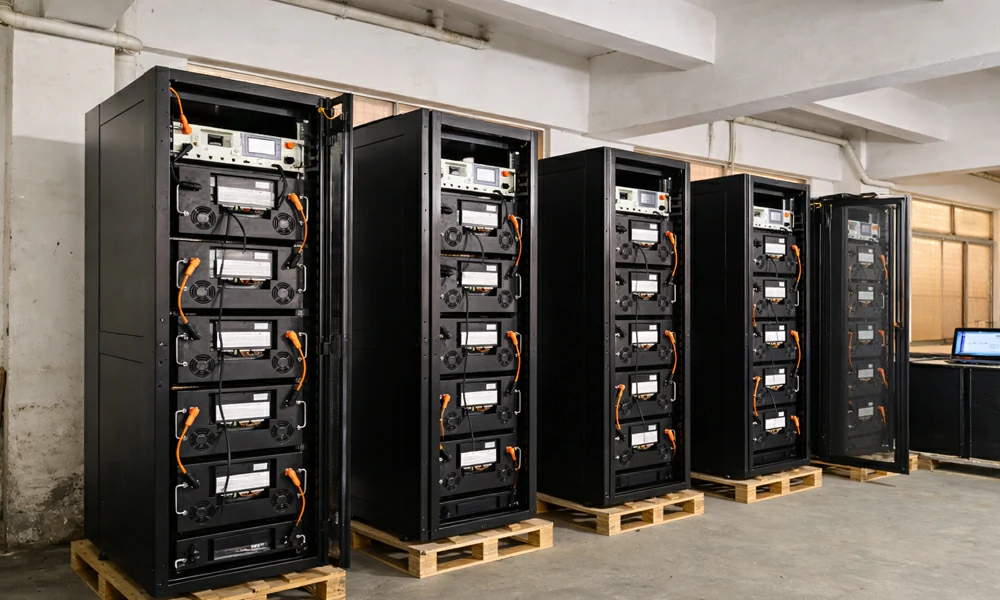
Build a 500 kWh Battery System for Your Commercial Project
Avepower provides high-voltage LiFePO4 BESS solutions with flexible configuration, intelligent BMS and project-based technical support.
Typical 500 kWh Battery Configurations
A 500 kWh project can be designed in several ways depending on the business goal.
| Configuration | Typical Use Case | Main Benefit |
|---|---|---|
| 500 kWh / 125 kW | Long-duration backup | More runtime |
| 500 kWh / 250 kW | Peak shaving + backup | Balanced design |
| 500 kWh / 500 kW | High-power load support | Strong peak control |
| 500 kWh + solar PV | Solar self-consumption | Higher renewable utilization |
| 500 kWh + generator | Hybrid microgrid | Lower fuel use and better resilience |
| 500 kWh + EV charging | Charging load buffer | Lower grid impact |
A high-power system may cost more due to PCS sizing, cooling, protection design, and electrical infrastructure. A lower-power system may deliver better ROI if the site mainly needs peak shaving over a longer window.
How Much Does a 500 kWh Battery Cost?
A 500 kWh commercial battery system can cost anywhere from about $90,000 to $500,000+, depending on whether you are buying only the battery cabinets or a complete turnkey BESS with PCS, EMS, fire protection, installation, commissioning, and grid connection.
| Cost Scope | Typical Cost Range | Estimated Cost for 500 kWh |
|---|---|---|
| Battery cabinet / core battery hardware only | $150–$300 per kWh | $75,000–$150,000 |
| Large standardized C&I / containerized system | $180–$320 per kWh | $90,000–$160,000 |
| Typical installed C&I system | $250–$580 per kWh | $125,000–$290,000 |
| Small or highly customized retrofit project | $500–$1,000 per kWh | $250,000–$500,000 |
The final price of a 500 kWh battery energy storage system is strongly affected by:
- Power rating: A 500 kWh / 125 kW system costs less than a 500 kWh / 500 kW system because the PCS, protection devices, wiring, and thermal design are different.
- Discharge duration: A 2-hour, 4-hour, or longer-duration system changes the relationship between PCS cost and battery capacity.
- Indoor vs outdoor installation: Outdoor systems may require weatherproof cabinets, HVAC, fire detection, and stronger enclosure protection.
- High-voltage architecture: A high-voltage C&I system usually costs more than a simple low-voltage battery bank, but it is more suitable for commercial-scale PCS integration and higher-power applications.
- Safety and compliance: UL, IEC, CE, UN38.3, local fire code review, grid interconnection, and commissioning can add cost but are essential for commercial projects.
- Turnkey scope: Some quotes include only battery cabinets, while others include PCS, EMS, transformer, switchgear, installation, monitoring, and after-sales service.
The best way to compare suppliers is not only by $/kWh, but by checking exactly what is included: battery cabinets, BMS, PCS, EMS, cooling, fire protection, warranty, certifications, installation support, and commissioning.
ROI: How a 500 kWh Battery Can Pay Back
For most businesses, the return is not created by one single saving source. It usually comes from a combination of peak shaving, time-of-use optimization, solar energy shifting, backup value, and avoided infrastructure upgrades.
If a facility regularly reaches a 600 kW peak but installs a 500 kWh / 250 kW battery system, the battery can discharge during short peak periods and reduce the grid peak to around 350–450 kW, depending on the load profile. If the local utility demand charge is high, this can produce recurring monthly savings.
A simple payback estimate can be calculated like this:
Payback Period = Total Installed System Cost ÷ Annual Financial Benefit
For example, if a complete 500 kWh commercial battery project costs $220,000 and creates $45,000 per year in combined demand charge savings, energy shifting, and backup value, the simple payback would be:
$220,000 ÷ $45,000 = 4.9 years
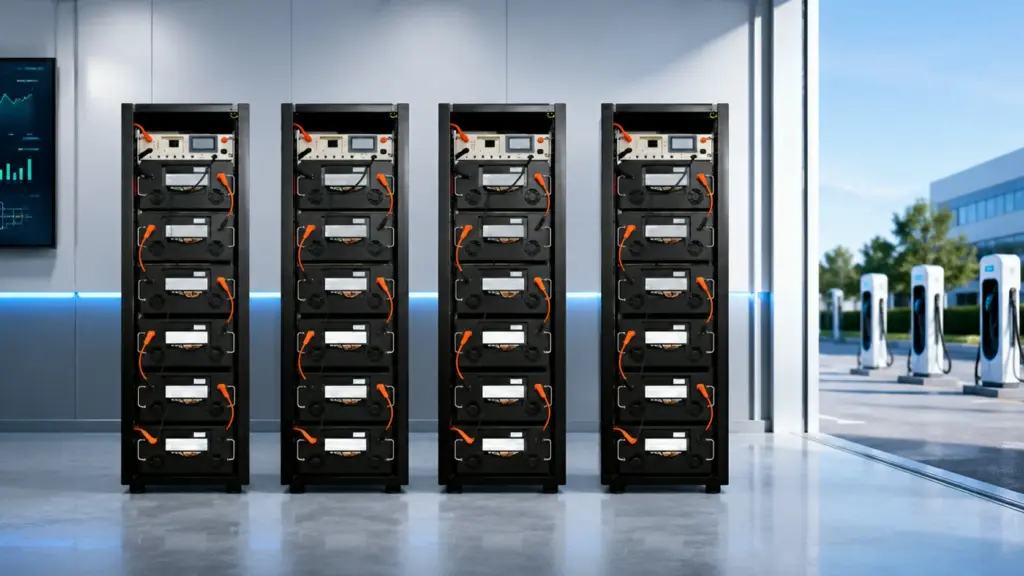
500 kWh Battery vs Smaller Commercial Batteries
| Battery Size | Typical Fit |
|---|---|
| 50–100 kWh | Small business backup, telecom, small solar storage |
| 100–250 kWh | Commercial buildings, farms, workshops |
| 500 kWh | Medium factories, hotels, logistics, EV charging, C&I solar |
| 1 MWh+ | Large industrial sites, campuses, microgrids, utility-scale projects |
If your site has moderate peak demand, high daytime solar export, expensive TOU tariffs, or selected critical loads, 500 kWh may be a strong fit. If your site has continuous heavy industrial loads, it may need multiple battery cabinets or a larger containerized BESS.
500 kWh Battery Installation Considerations
A 500 kWh system requires professional electrical and safety planning.
Site Location
The system may be installed indoors, outdoors, beside a commercial building, near a solar array, close to a transformer room or in a dedicated energy storage area.
The site should consider:
- Access for installation equipment
- Ventilation
- Clearance
- Fire department access
- Drainage
- Foundation strength
- Ambient temperature
- Noise from cooling equipment
- Distance from occupied spaces
- Local permitting requirements
Electrical Room or Outdoor Cabinet?
Indoor installation may protect the system from weather but may require more ventilation, fire separation and code review.
Outdoor cabinets or containers may simplify thermal design and access, but they require IP-rated enclosures, anti-corrosion design, proper foundation and site security.
Grid Interconnection
Grid-tied commercial BESS projects may need utility approval, protection relay settings, anti-islanding configuration and export control.
Commissioning
Commissioning should include:
- Battery insulation test
- PCS function test
- EMS logic verification
- Communication test
- Fire alarm integration
- Emergency stop test
- Charge/discharge test
- SOC calibration
- Remote monitoring setup
- Documentation handover
Why Choose Avepower for a 500 kWh High-Voltage Battery Project?
Avepower is a battery energy storage system manufacturer offering residential, commercial and industrial energy storage solutions. For commercial projects, Avepower can support project-based configuration rather than only selling a fixed battery model.
For a 500 kWh battery project, Avepower can help evaluate:
- High-voltage battery cabinet configuration
- LiFePO4 battery system design
- BMU and BCU control architecture
- PCS and inverter compatibility
- CAN/RS485 communication
- Backup power requirements
- Solar-plus-storage integration
- OEM/ODM customization
- Project documentation and technical support
If you are an installer, distributor, EPC, OEM brand or project developer, Avepower’s commercial and industrial energy storage solutions can help you build a system around real site conditions, not only a generic capacity number.
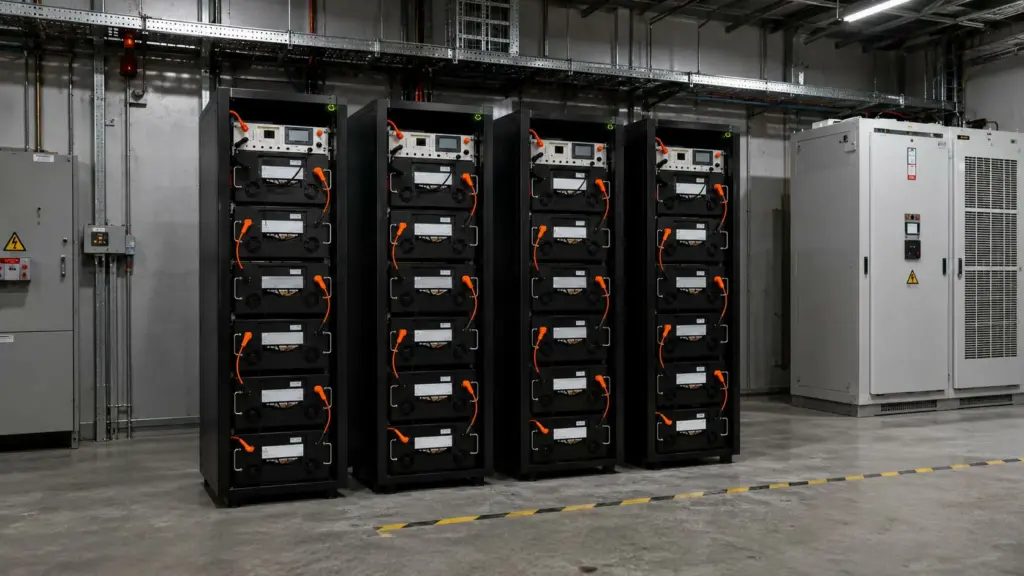
Scalable Commercial Battery Solution
Whether your project needs 500 kWh, 1 MWh or a customized high-voltage ESS configuration, Avepower supports modular battery cabinets, LiFePO4 technology, CAN/RS485 communication and OEM/ODM energy storage customization.
Conclusion
A 500 kWh battery can be a strong investment for commercial and industrial sites that need better control over energy costs, power reliability, solar utilization, and peak demand. It is large enough to support serious business applications, but still flexible enough for modular cabinet-based or high-voltage project configurations.
The best 500 kWh battery system is not simply the cheapest one. It should be designed around the site’s load profile, power rating, backup requirements, PCS compatibility, safety standards, installation environment, and long-term expansion plan.
For businesses, EPCs, installers, and project developers looking for a scalable C&I solution, Avepower provides commercial and industrial energy storage solutions and high-voltage battery storage systems that can be configured for different capacity levels, voltage platforms, cabinet layouts, and communication requirements.
A well-designed 500 kWh battery is not just an energy storage product. It is a business energy asset — one that can reduce risk, improve flexibility, and help commercial sites use electricity more intelligently.
FAQ
Runtime depends on the load. A 500 kWh battery can theoretically support 100 kW for about 5 hours, 250 kW for about 2 hours, or 500 kW for about 1 hour before considering losses and reserve capacity.
Usually no. A 500 kWh battery is normally used for commercial, industrial, agricultural, EV charging, microgrid, or solar-plus-storage projects. Most homes use much smaller battery systems.
500 kWh is energy capacity. 500 kW is power output. A battery can be 500 kWh in capacity but paired with different PCS sizes, such as 125 kW, 250 kW, or 500 kW.
Start with load data. Review your peak demand, electricity tariff, solar generation, backup needs, outage risk, and future load growth. A qualified supplier or EPC can then model whether 500 kWh is the right size.
A complete quote should clarify whether it includes battery cabinets, BMS, PCS, EMS, cooling, fire protection, transformer, switchgear, shipping, installation, commissioning, monitoring, and warranty.
For many C&I projects, yes. High-voltage architecture can reduce current, improve PCS integration, and support more efficient large-scale battery system design compared with low-voltage parallel banks.