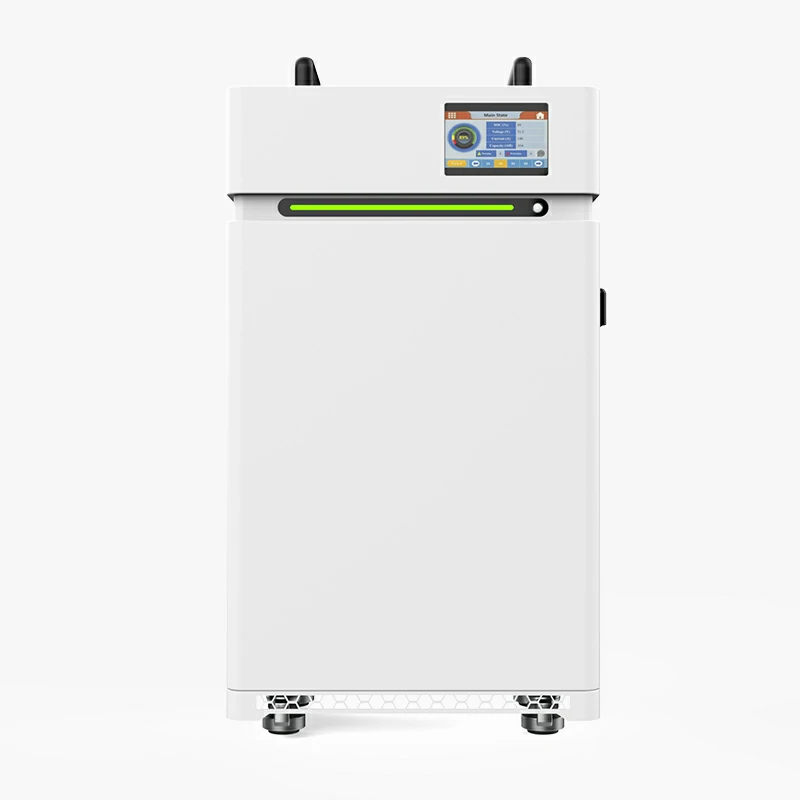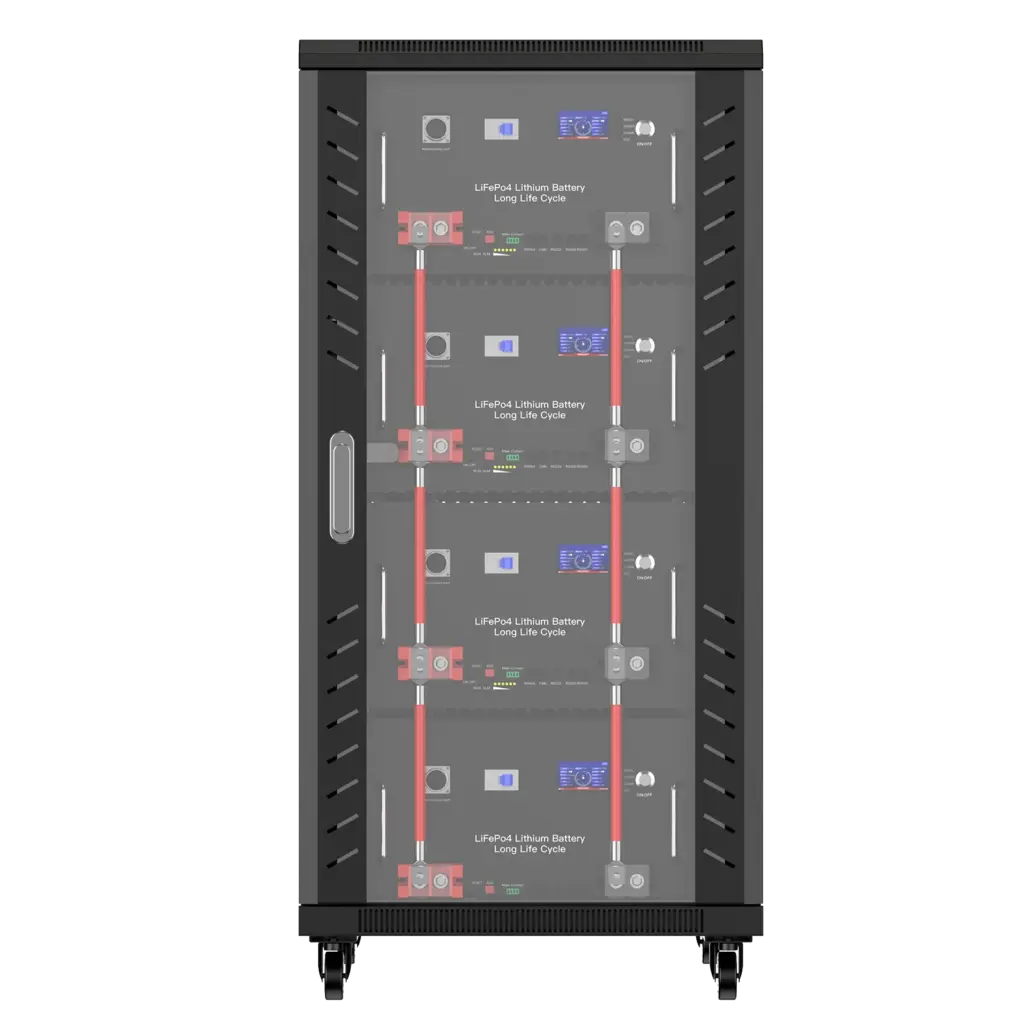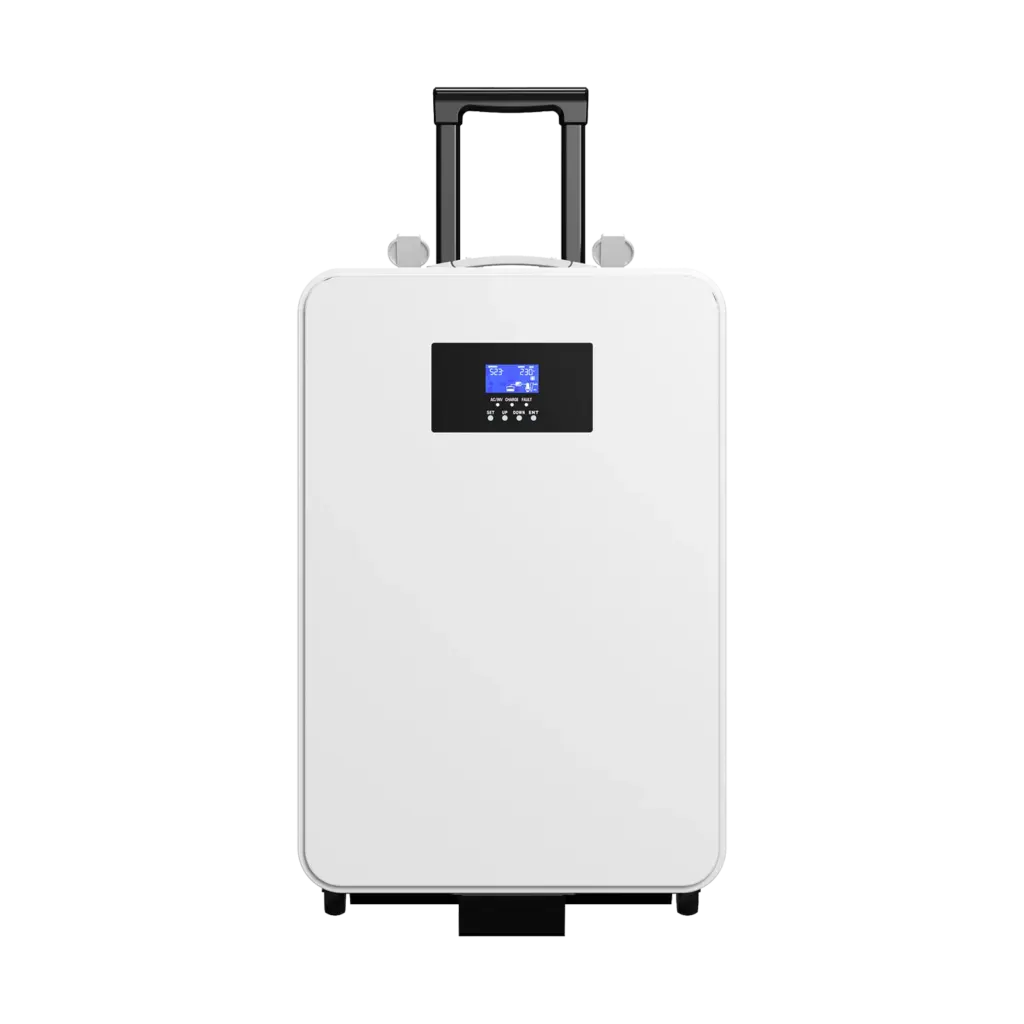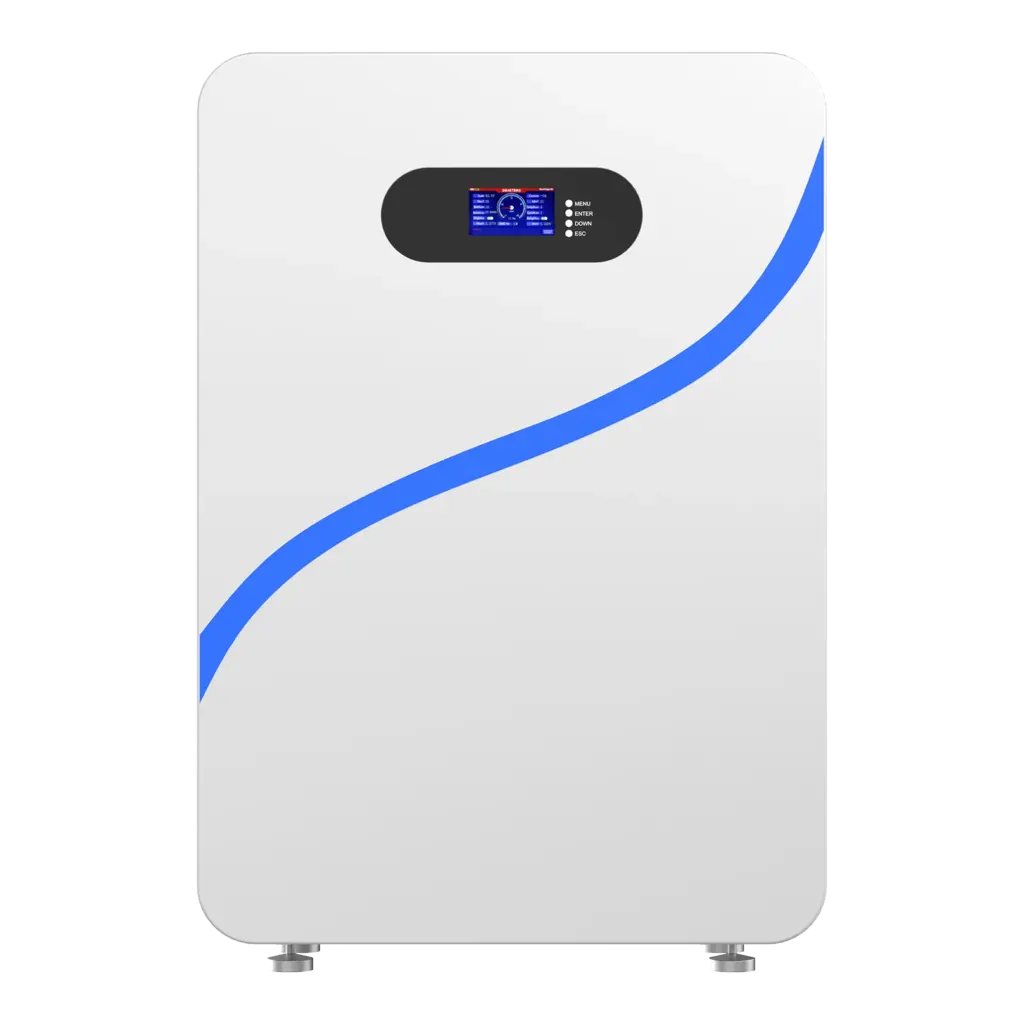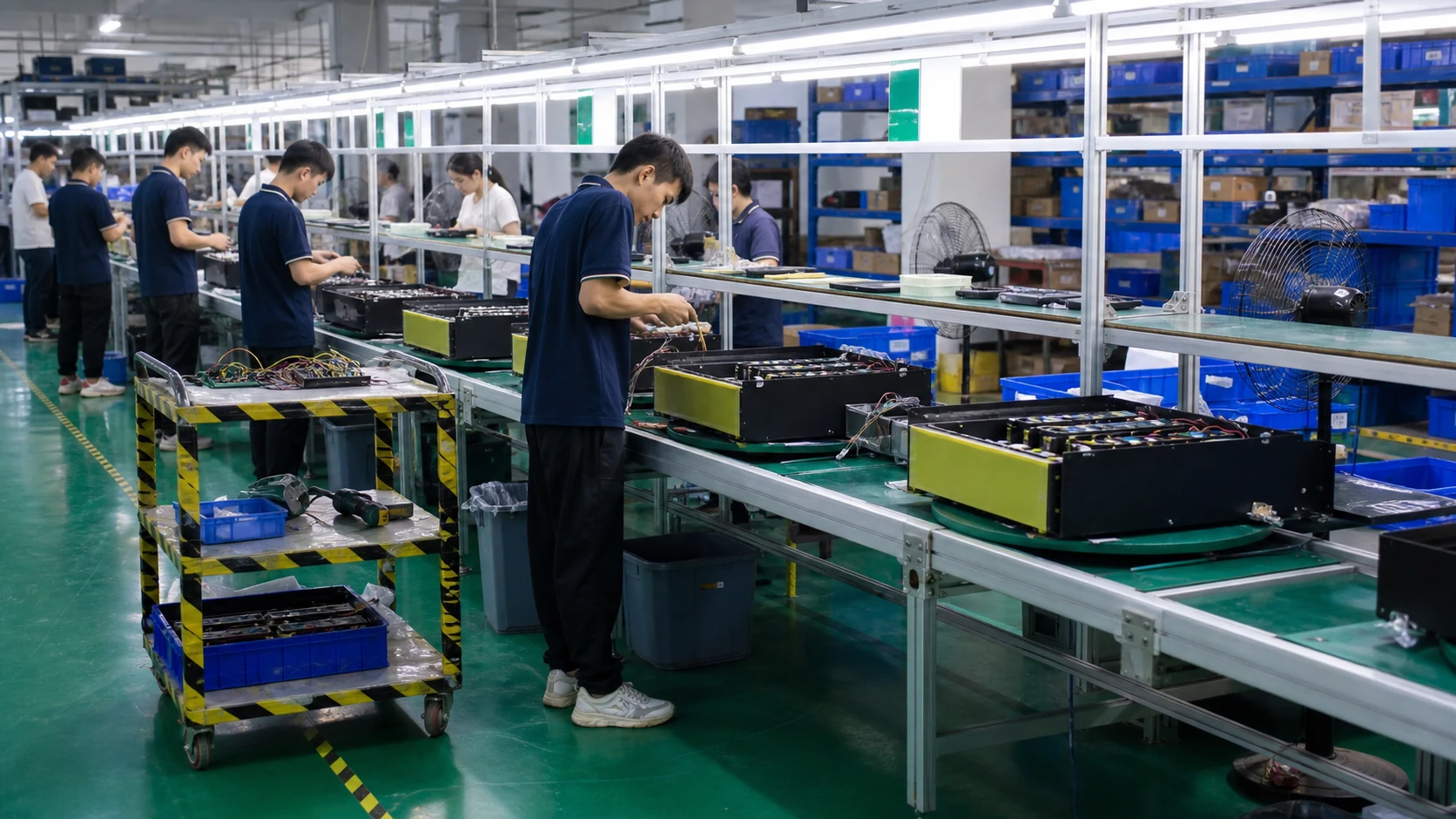

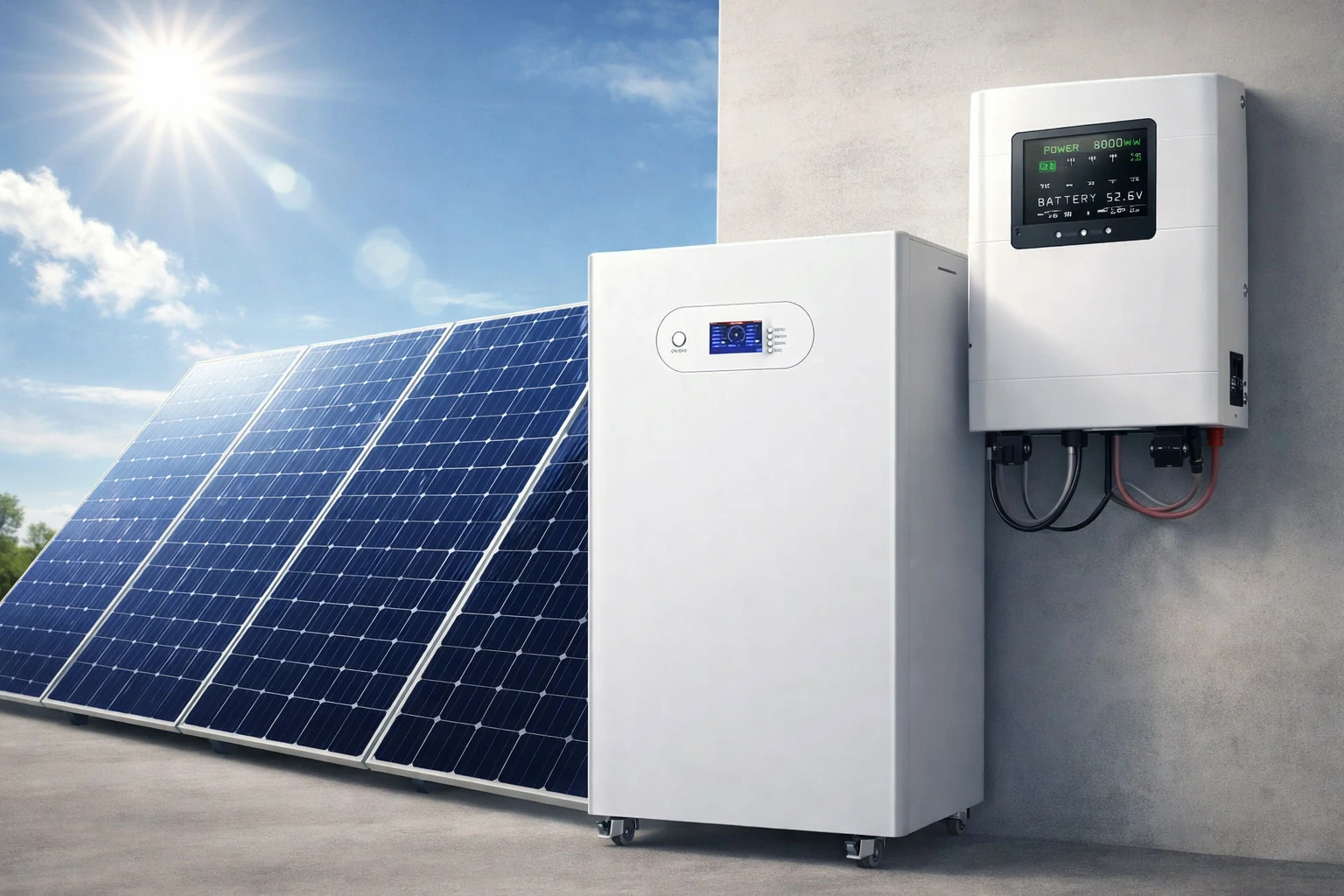
A solar battery inverter is not just a box that converts electricity. In a modern energy system, it is the traffic controller that determines how solar power moves between your panels, your battery, your home, and the grid.
If your goal is to make a smarter decision about solar storage, this is the part that matters most: the best solar battery inverter is not simply the one with the most features. It is the one that fits your system design, energy goals, installation stage, and future upgrade plan.
What Is a Solar Battery Inverter?
A solar battery inverter is the part of a solar-plus-storage system that helps manage the flow of electricity between your solar panels, battery, home loads, and sometimes the grid.
To understand it clearly, it helps to break the system into roles:
- Solar panels generate electricity in DC power
- Your home runs on AC power
- Batteries store electricity in DC
- The inverter manages the conversion and control needed to make that energy usable
In a basic solar system without storage, the inverter converts DC electricity from the solar panels into AC electricity for your home. Once a battery is added, the system becomes more complex. The inverter may also need to manage battery charging, battery discharge, load prioritization, export control, and backup behavior during outages.
That is why the term “solar battery inverter” can refer to different products depending on the architecture:
- Standard Solar Inverter: This handles solar generation only. It converts power from the PV panels into usable electricity for the home or grid.
- Battery Inverter: This manages battery charging and discharging, usually in systems where battery storage is added to an existing solar installation.
- Hybrid Inverter: This combines solar inverter and battery inverter functions into one device, allowing one unit to manage both solar generation and energy storage.
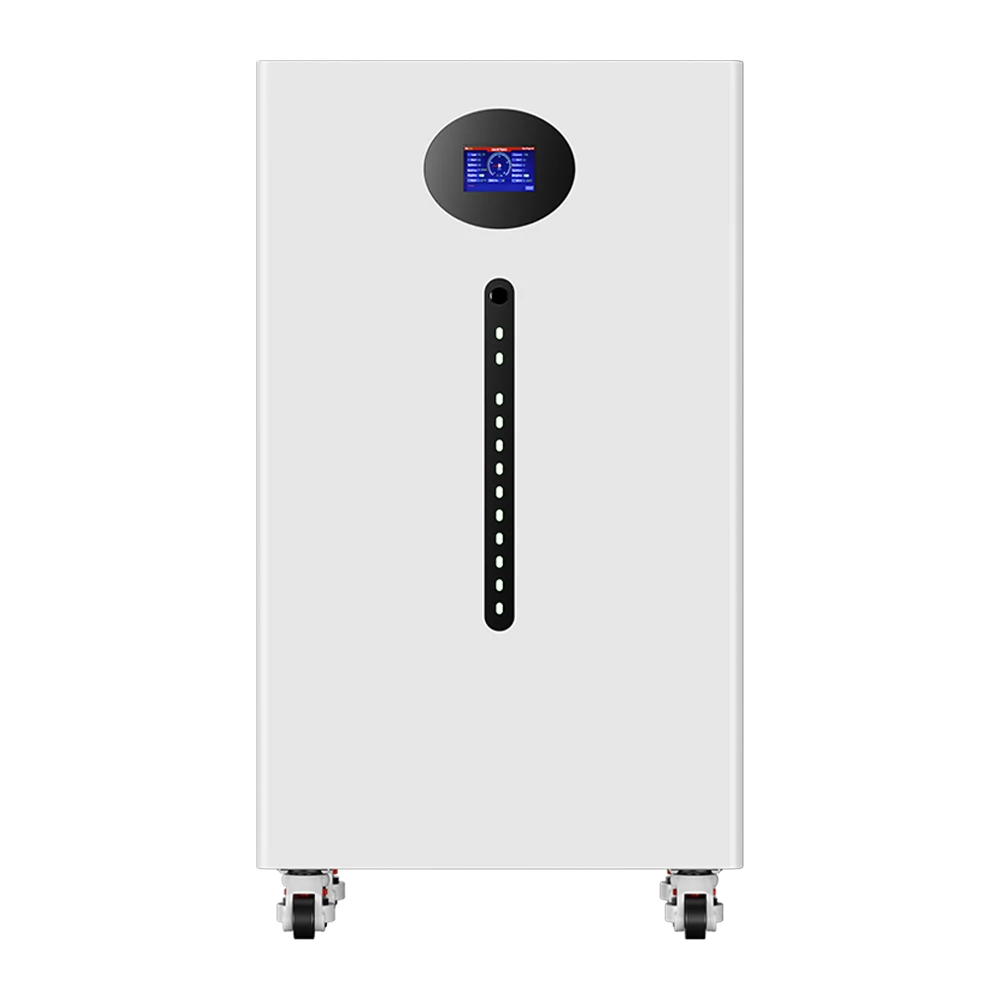
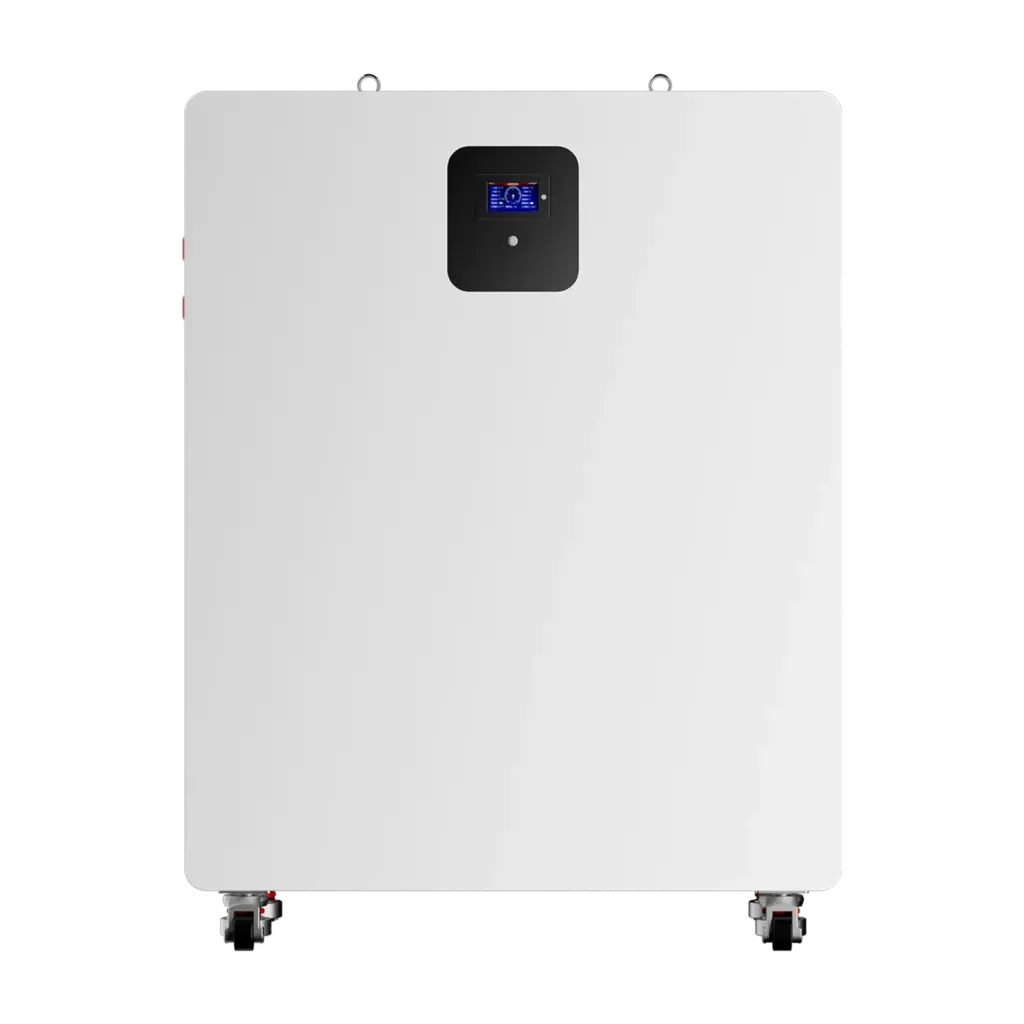
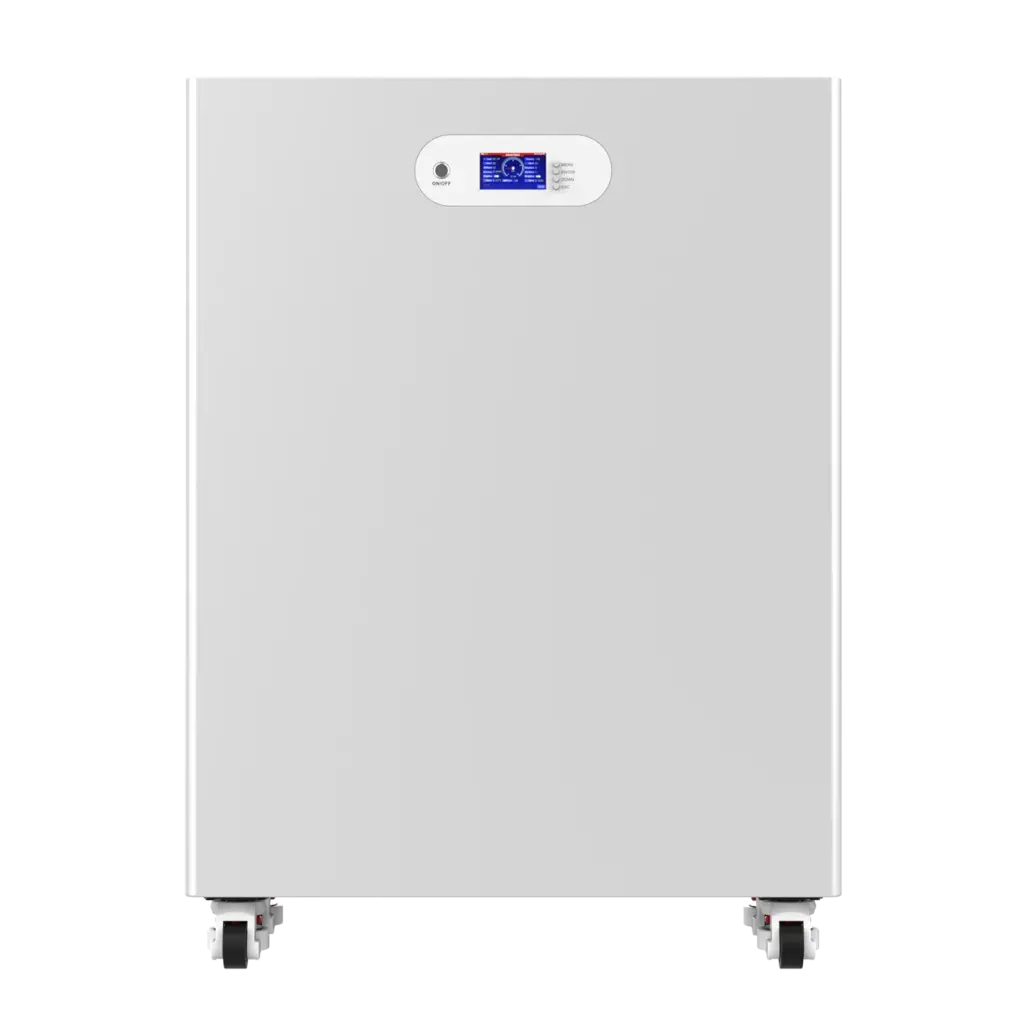
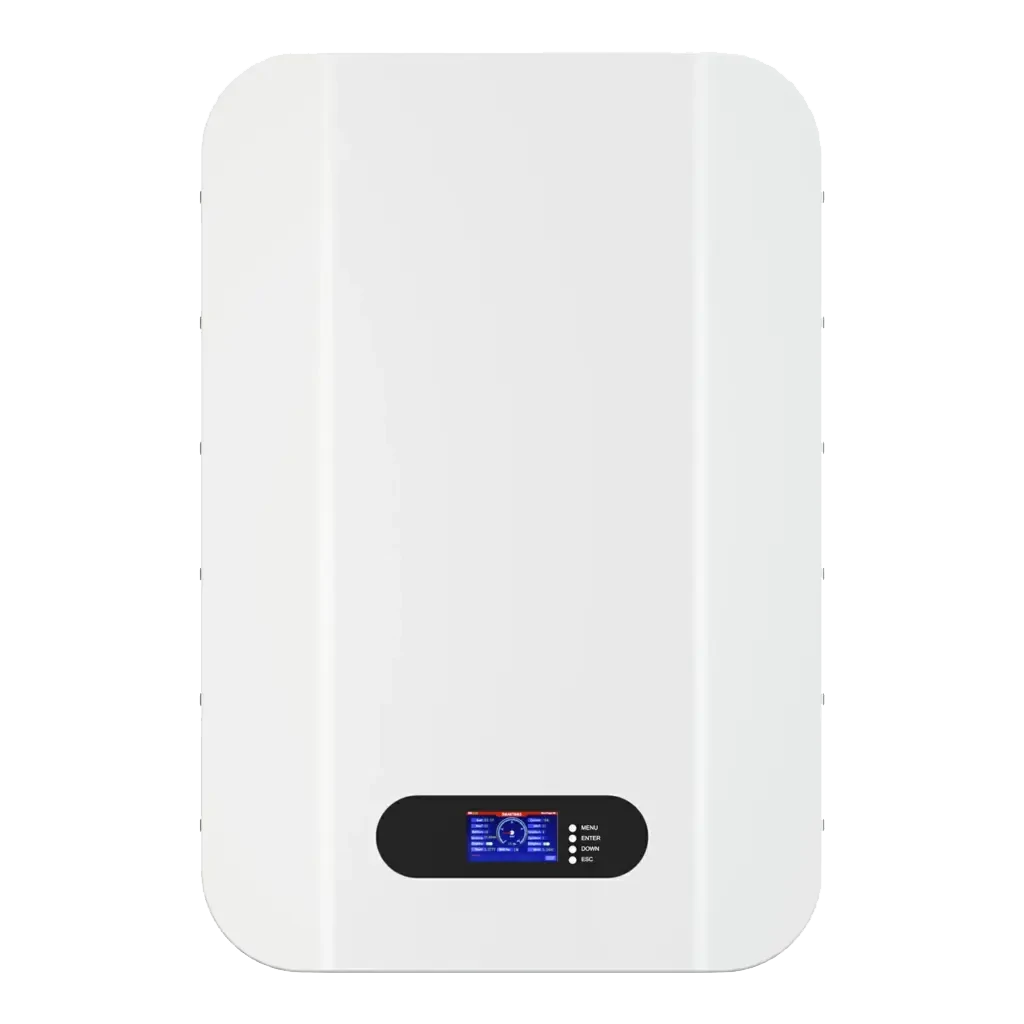
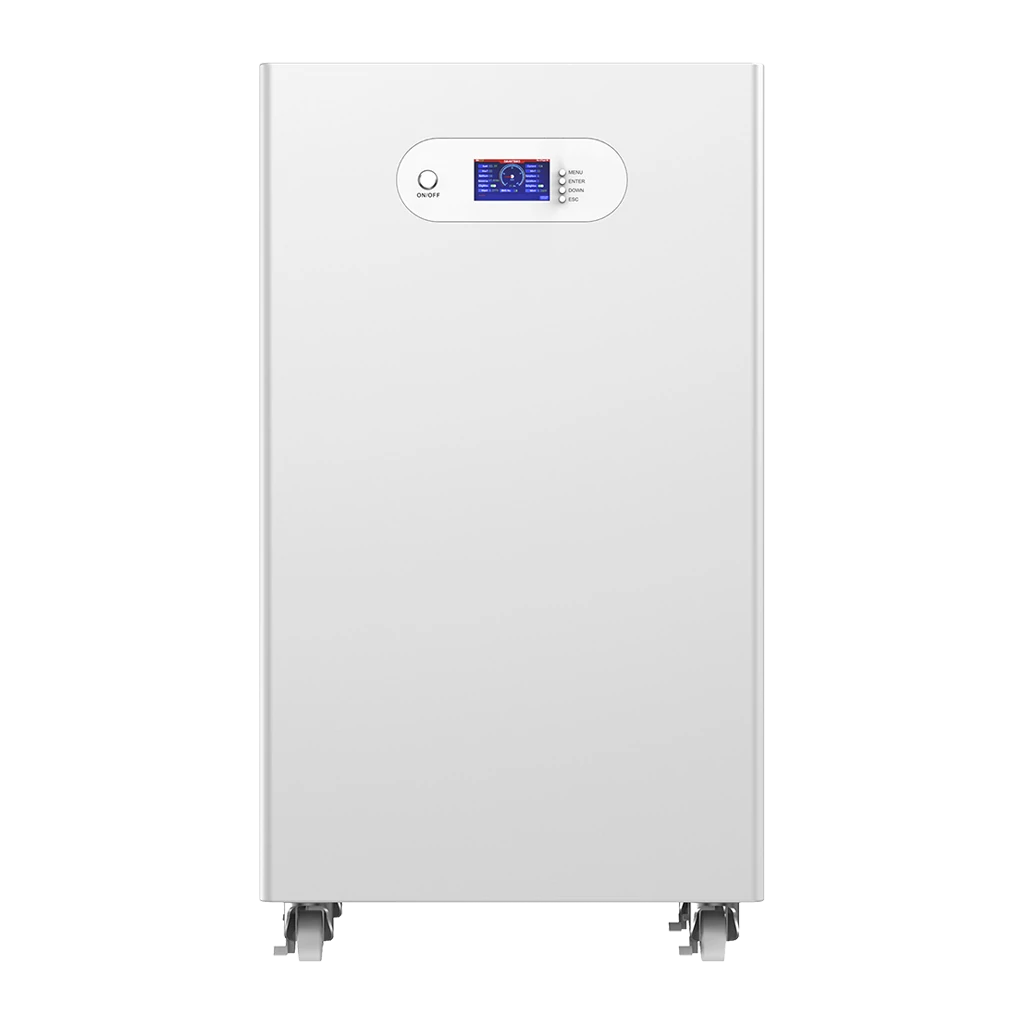
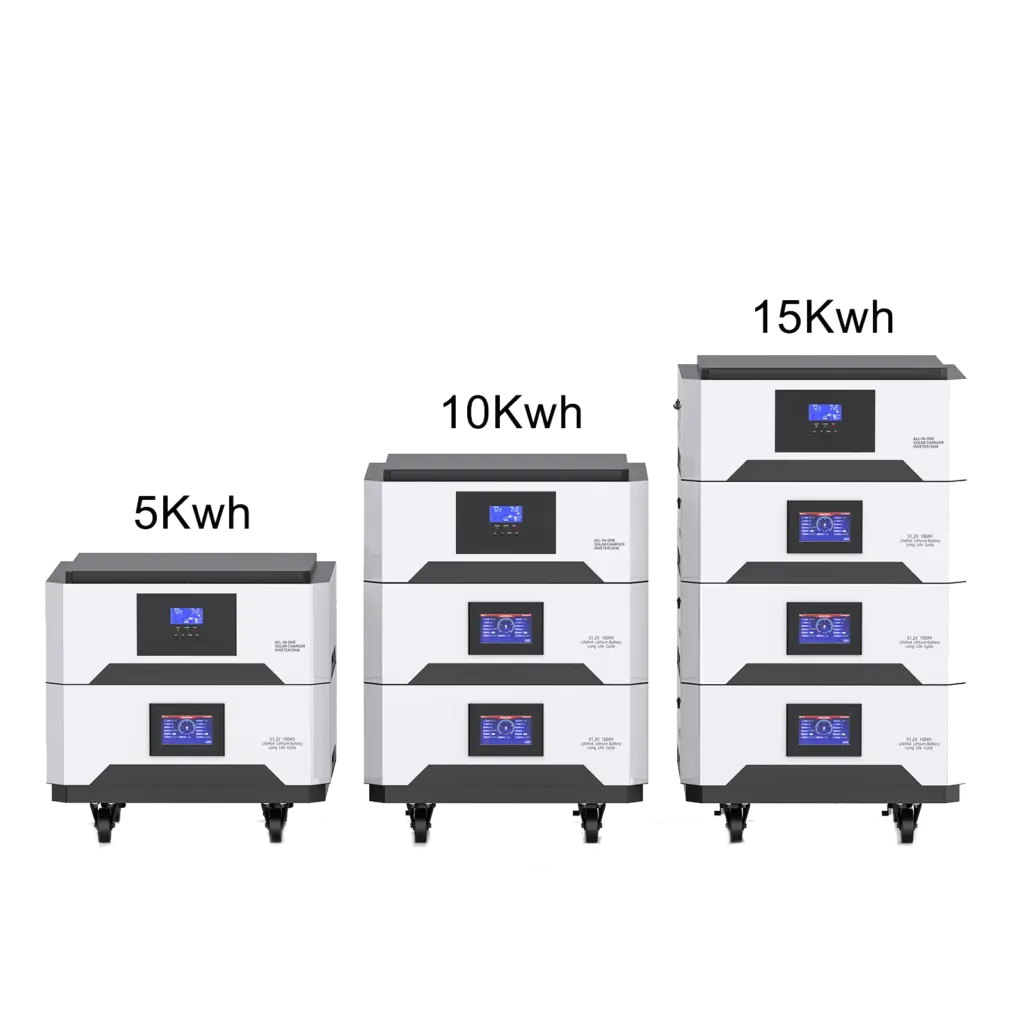
- Integrated Battery System with Built-In Inverter: Some battery products already include inverter functionality inside the unit, making the overall system more compact and easier to install.
How Does a Solar Battery Inverter Work?
At a practical level, a solar battery inverter acts like the traffic controller of your solar energy system.
During the day, your solar panels produce electricity. The inverter decides where that electricity should go:
- to your home appliances
- to charge the battery
- to the grid
- or to a mix of all three, depending on system settings and demand
Later, when solar production drops, the inverter helps the system use stored battery energy to power your home. If your system includes backup capability, the inverter can also help isolate selected loads and keep them running during a blackout.
Here is the process in simple terms:
- Step 1: Solar panels generate DC electricity
- Step 2: The inverter converts DC to AC
- Step 3: Excess energy may charge the battery
- Step 4: The battery discharges when needed
- Step 5: The inverter manages output to the home
This is why the inverter is not just a converter. In a modern solar-plus-storage system, it is also a control center for:
- charging and discharging logic
- system efficiency
- self-consumption optimization
- backup operation
- communication with monitoring software
- safety protection and shutdown behavior
Solar Inverter vs Battery Inverter vs Hybrid Inverter
In simple language:
- Solar inverter = solar only
- Battery inverter = battery management, often added later
- Hybrid inverter = solar + battery in one device
Solar Inverter
A solar inverter is designed mainly for solar generation. It takes energy from the PV array and converts it into AC electricity for use in the home or export to the grid.
This is often enough if your system does not include a battery.
Battery Inverter
A battery inverter is designed to manage battery charging and discharge. It is commonly used when you already have solar panels and want to add battery storage later without replacing the original solar inverter.
This is common in retrofit projects.
Hybrid Inverter
A hybrid inverter combines both solar and battery functionality into one unit. It can manage power from the panels, battery, grid, and household loads in a more integrated way.
This often makes sense for new installations where solar and storage are planned together from the beginning.
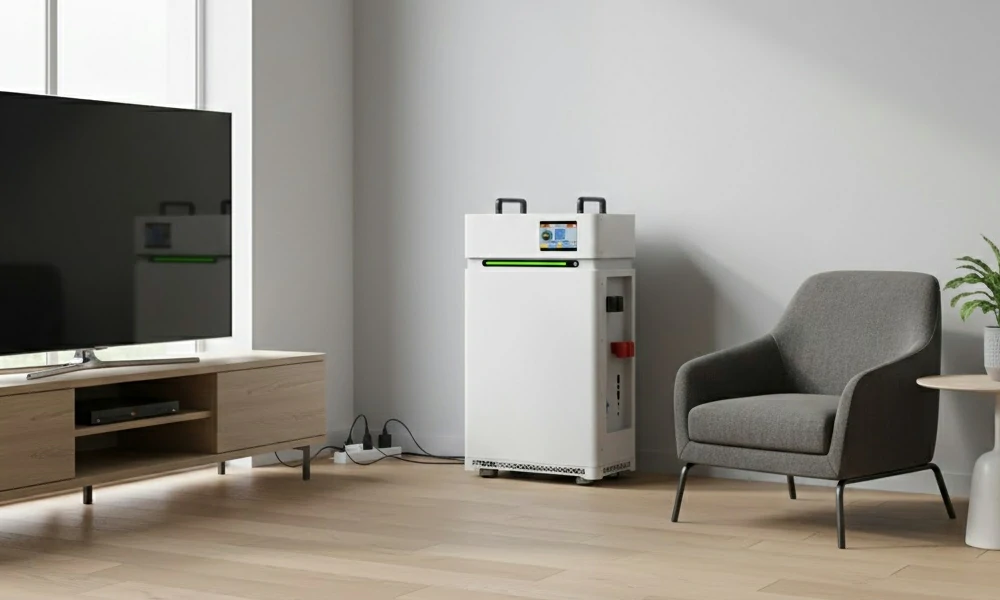
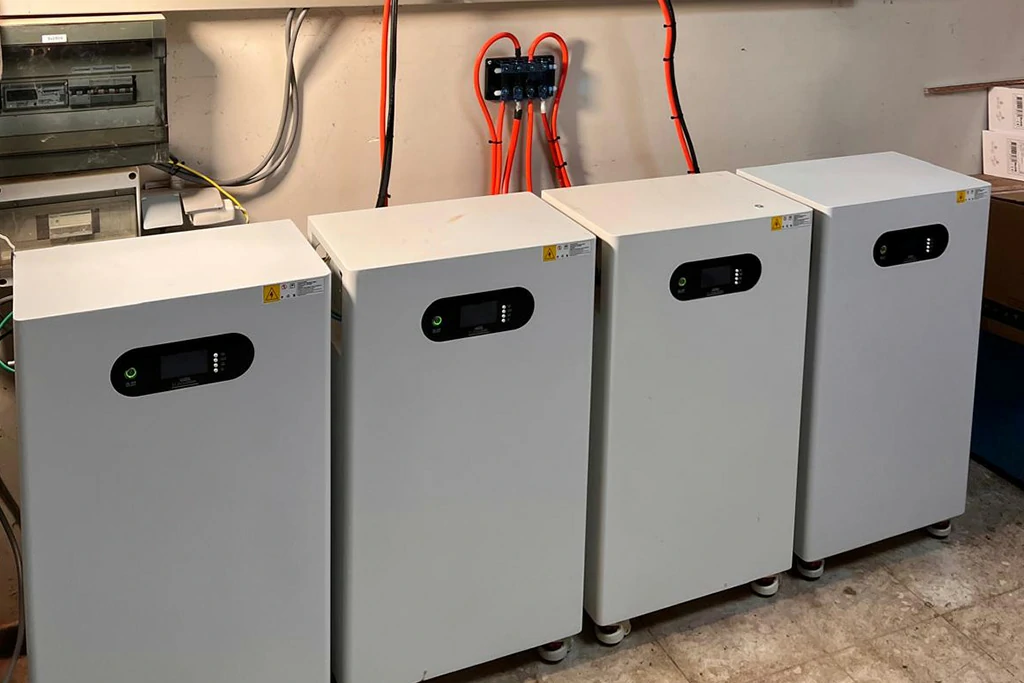
If you are looking for a simpler installation path, an integrated battery system can sometimes be a more practical choice than building a solar-plus-storage system from multiple separate components. For example, some all-in-one solutions combine the battery, inverter, and energy management functions into one unit, which can reduce installation complexity and save space.
Avepower offers integrated home energy storage solutions for buyers who want a more streamlined setup, especially in projects where ease of installation, clean system design, and future energy management are key priorities. This can be particularly useful for installers, distributors, and project developers who want a product line that is easier to deploy and easier to explain to end users.
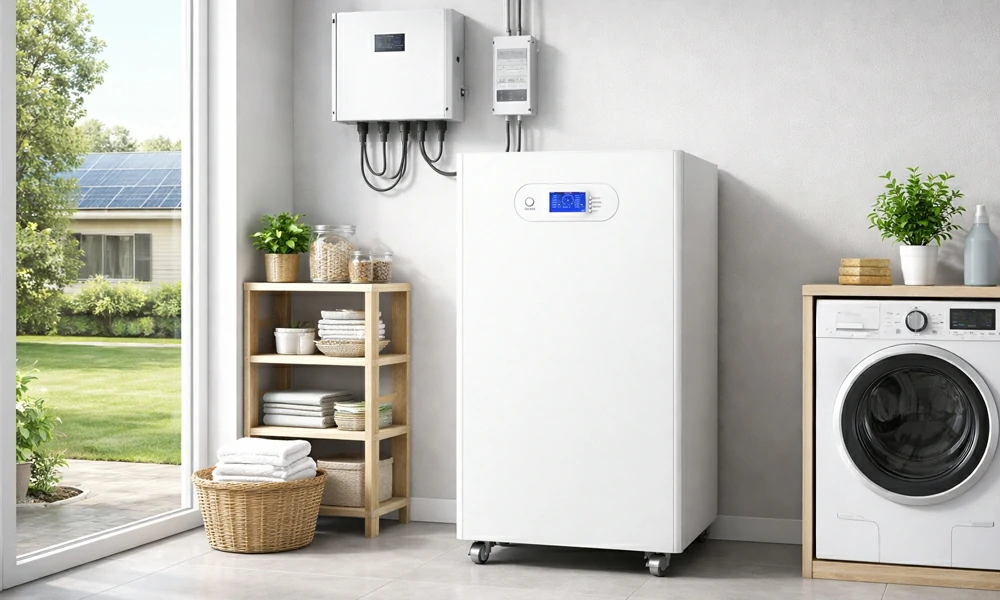
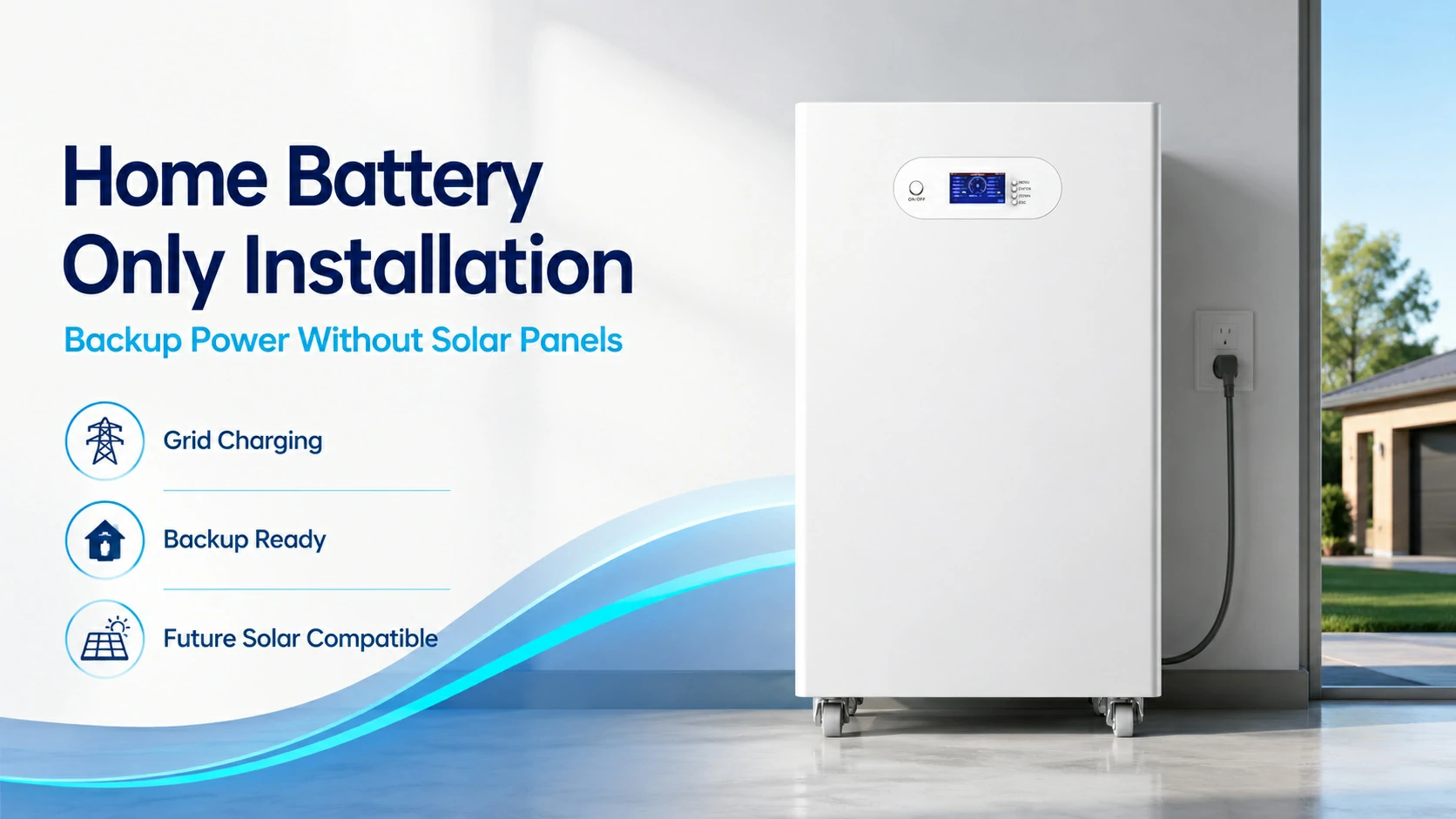
Avepower Home Battery
Providing a more comprehensive system approach for distributors, installers and OEM/ODM buyers can make product selection more practical and deployment more efficient.
Main Types of Solar Battery Inverter Systems
Not every solar storage system uses the same inverter design. The best choice depends on your roof layout, system goals, and whether the project is new or retrofit.
1. String Inverter Systems
A string inverter connects multiple solar panels in a series, or “string,” to one inverter. This is one of the most common and cost-effective solar inverter setups.
Best for:
- simple roof layouts
- lower upfront system cost
- straightforward solar-only systems
Limitations:
- panel-level performance is less flexible
- shading on one panel can affect the output of the string
- adding battery storage later may require separate components
2. Microinverter Systems
Microinverters are installed on each panel. They allow panel-level conversion and monitoring, which can improve performance on roofs with shading, multiple directions, or complex layouts.
Best for:
- shaded roofs
- multi-orientation rooftops
- projects where panel-level monitoring matters
Limitations:
- higher initial cost
- storage integration depends on brand ecosystem and compatibility
3. Hybrid Inverter Systems
Hybrid inverters are designed specifically for solar-plus-storage applications. They allow one device to manage panel input, battery charging, household loads, and grid interaction.
Best for:
- new solar + battery installations
- integrated system management
- users who want cleaner wiring and fewer separate devices
Limitations:
- compatibility with future battery brands may be more limited
- retrofit use can be more complex if an older solar inverter is already installed
AC-Coupled vs DC-Coupled: What Is the Difference?
When comparing solar battery inverter options, this is one of the most valuable questions you can ask.
AC-Coupled Systems
In an AC-coupled system, your solar inverter and battery inverter operate as separate units.
The process looks like this:
- Solar panels produce DC power
- Solar inverter converts it to AC
- If energy is stored in the battery, the battery inverter converts AC back to DC
- When the battery discharges, the battery inverter converts it back to AC again
Advantages of AC coupling:
- easier to add to existing solar systems
- ideal for retrofit projects
- lets you keep your current solar inverter
Disadvantages:
- more power conversions
- slightly lower overall efficiency in some cases
- may involve more equipment
DC-Coupled Systems
In a DC-coupled system, solar panels and battery storage are connected on the DC side, usually through a hybrid inverter.
This means solar energy can go into the battery more directly, often with fewer conversion steps.
Advantages of DC coupling:
- efficient energy path
- often cleaner for new installations
- good choice when solar and storage are installed together
Disadvantages:
- less flexible for retrofit projects
- may require replacing existing inverter hardware
- future battery compatibility depends heavily on the hybrid inverter ecosystem
A practical rule:
- AC-coupled is often better for adding a battery to an existing solar system
- DC-coupled is often better for new solar-plus-storage installations
Related articles: AC vs DC Coupling: Key Differences in Solar Energy Systems
For retrofit projects, flexibility matters. If an existing solar system was not originally designed with storage in mind, AC-coupled battery solutions often provide the easiest upgrade path. At the same time, for users who want a compact and simplified storage solution, integrated battery products with built-in inverter capability can also be attractive.
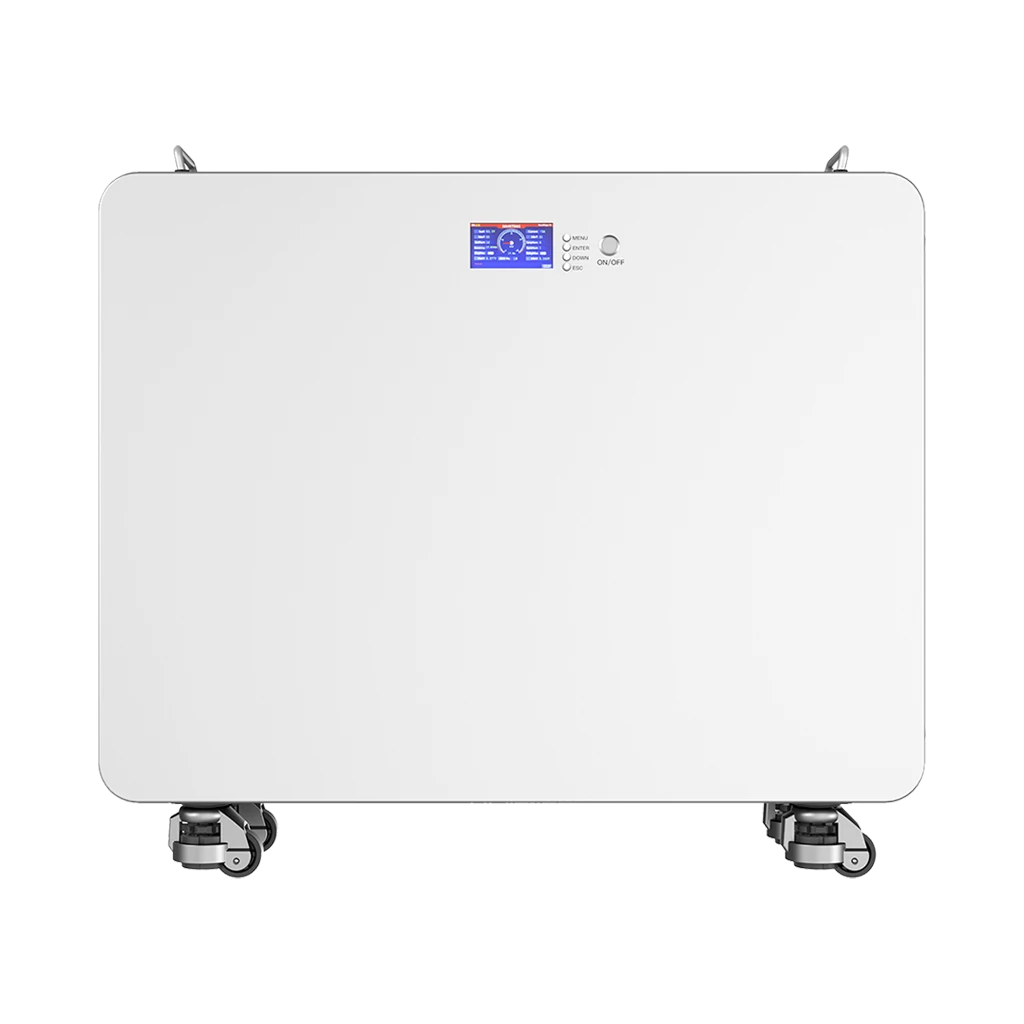
For example, Avepower’s all-in-one battery series includes options such as a 15 kWh battery with a built-in 6 kW inverter, combining battery storage, inverter, and MPPT in one system. This kind of design can help reduce installation complexity and support a more straightforward transition from solar-only to solar-plus-storage applications.
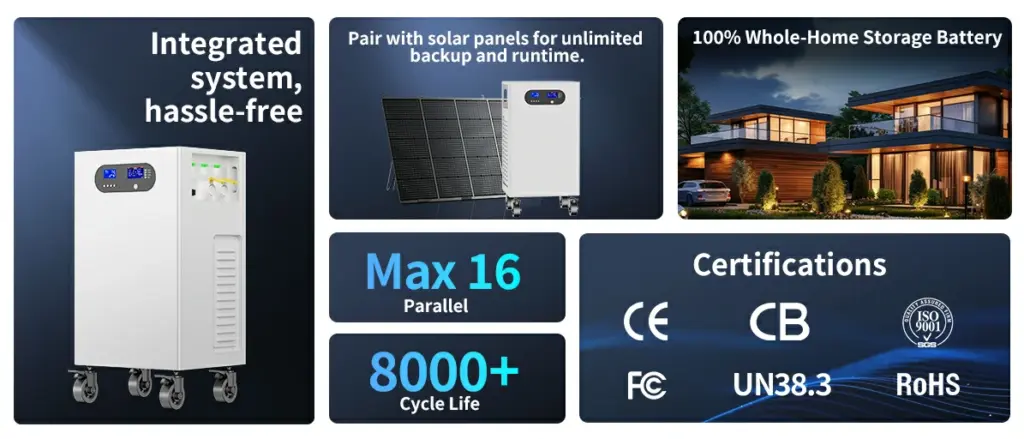
Avepower 15kWh All-In-One Battery
All-in-one battery, inverter, and MPPT for easy installation.
Do You Need a Solar Battery Inverter?
You need a solar battery inverter if you want your solar system to do more than simply generate electricity during the day.
A dedicated battery-compatible inverter setup becomes important when you want to:
- add battery storage to your solar system
- use more of your solar energy at night
- reduce grid dependence
- keep critical loads running during outages
- prepare for future energy storage expansion
- shift usage away from high electricity price periods
If your system is solar-only and you are not planning to add storage, a standard solar inverter may be enough.
But if your goal includes backup, higher self-consumption, peak savings, or energy resilience, then choosing the right solar battery inverter becomes a central part of the project.
Can You Add a Battery to an Existing Solar System?
Yes, in many cases you can.
This is one of the most common reasons people research solar battery inverters. They already have rooftop solar and now want to add storage.
In retrofit projects, the simplest route is often an AC-coupled battery system, because it allows the battery to work alongside the existing solar inverter instead of forcing a full redesign.
However, not every existing system is equally easy to upgrade. Before adding storage, you should review:
- your current inverter model
- system age
- electrical panel capacity
- available installation space
- desired backup loads
- battery compatibility and communications
A system may technically support a battery, but the best architecture still depends on your real goals. If you mainly want bill savings, the solution may look different from a system designed for blackout backup.
Related articles: Upgrade Your Solar System: Retrofit Battery Storage to Existing PV Systems
How to Choose the Right Solar Battery Inverter
A good buying decision starts with the right questions.
1. What is Your Main Goal?
Different users want different outcomes.
You may be trying to:
- maximize solar self-consumption
- add backup for essential appliances
- prepare for future battery storage
- reduce peak electricity costs
- simplify installation
Your inverter choice should follow your goal, not just the marketing language on the product page.
2. Are You Installing New Solar or Upgrading an Existing System?
This changes everything.
If you are installing solar and storage together, a hybrid inverter or integrated all-in-one system may make the most sense.
If you already have solar, an AC-coupled battery setup may be more practical.
3. Do You Want Backup Power?
Not all solar battery inverter setups provide the same backup capability.
Some systems only support selected essential loads. Others are designed for larger backup coverage. You should check:
- backup power rating
- switchover behavior
- critical loads support
- single-phase or three-phase limits
- battery reserve settings
4. Is Battery Compatibility Confirmed?
This is one of the most overlooked parts of system design.
Not every inverter works with every battery. Before choosing, check:
- supported battery voltage range
- communication protocol
- approved battery brands/models
- firmware compatibility
- region-specific certification requirements
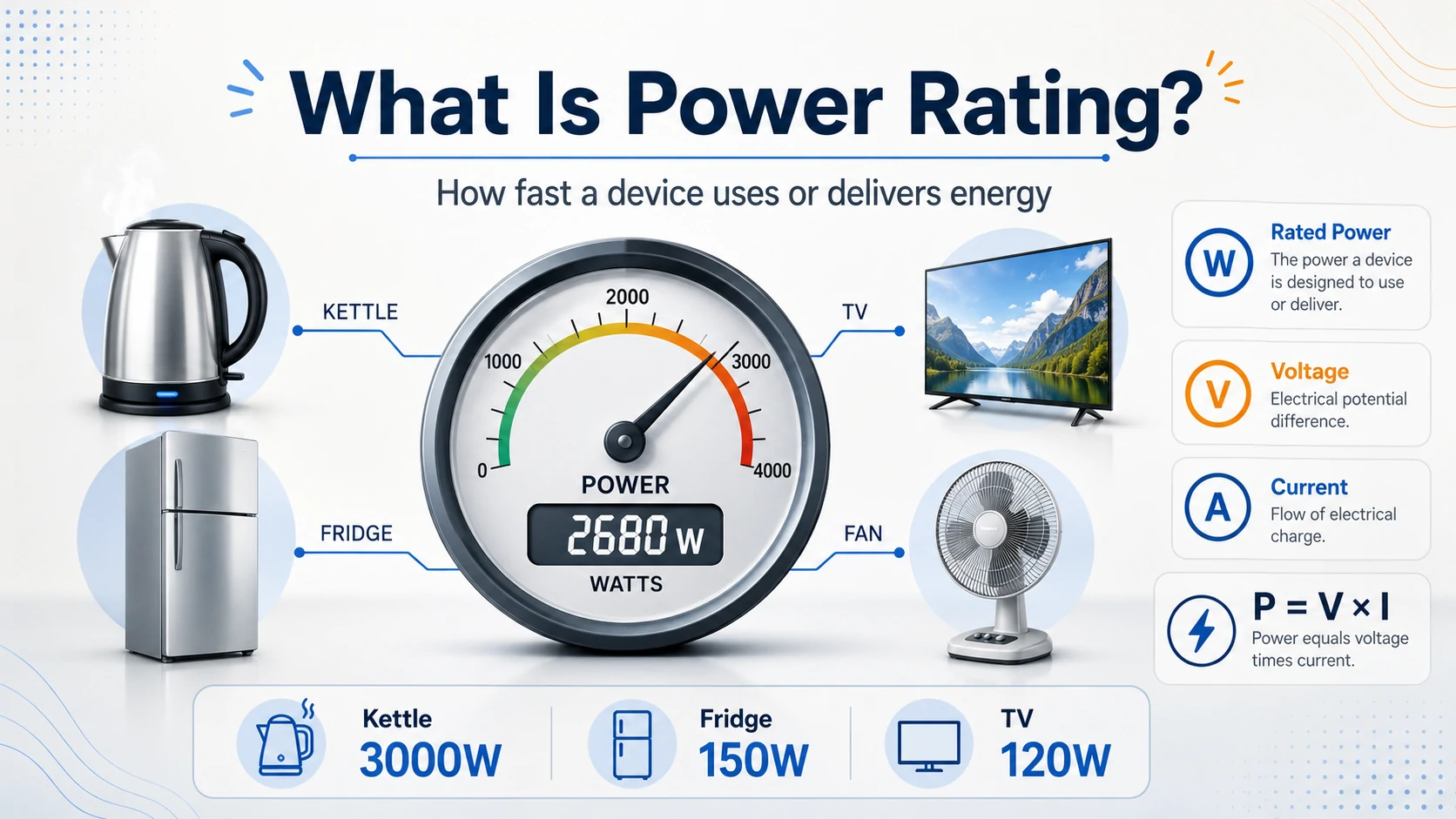
5. What is the Inverter Power Rating?
The inverter should match the size of the solar array, battery system, and household demand.
A small inverter may limit available output during high-load periods. An oversized design may add unnecessary cost.
6. What Kind of Monitoring Do You Need?
A good inverter should not only run the system. It should help you understand it.
Useful monitoring features include:
- real-time solar generation
- battery charging status
- home consumption tracking
- grid import/export data
- alarms and fault notifications
- app or cloud access
7. How Important is Installation Simplicity?
This matters more than many buyers realize.
A technically good system that is harder to install, wire, commission, or explain may not be the best real-world choice for many projects.
That is one reason integrated storage products are becoming more attractive, especially in applications where time, space, and installation efficiency matter.
In practice, choosing the right solar battery inverter is only part of the decision. You also need to think about the battery chemistry, communication compatibility, monitoring functions, installation space, future expansion, and supplier support.
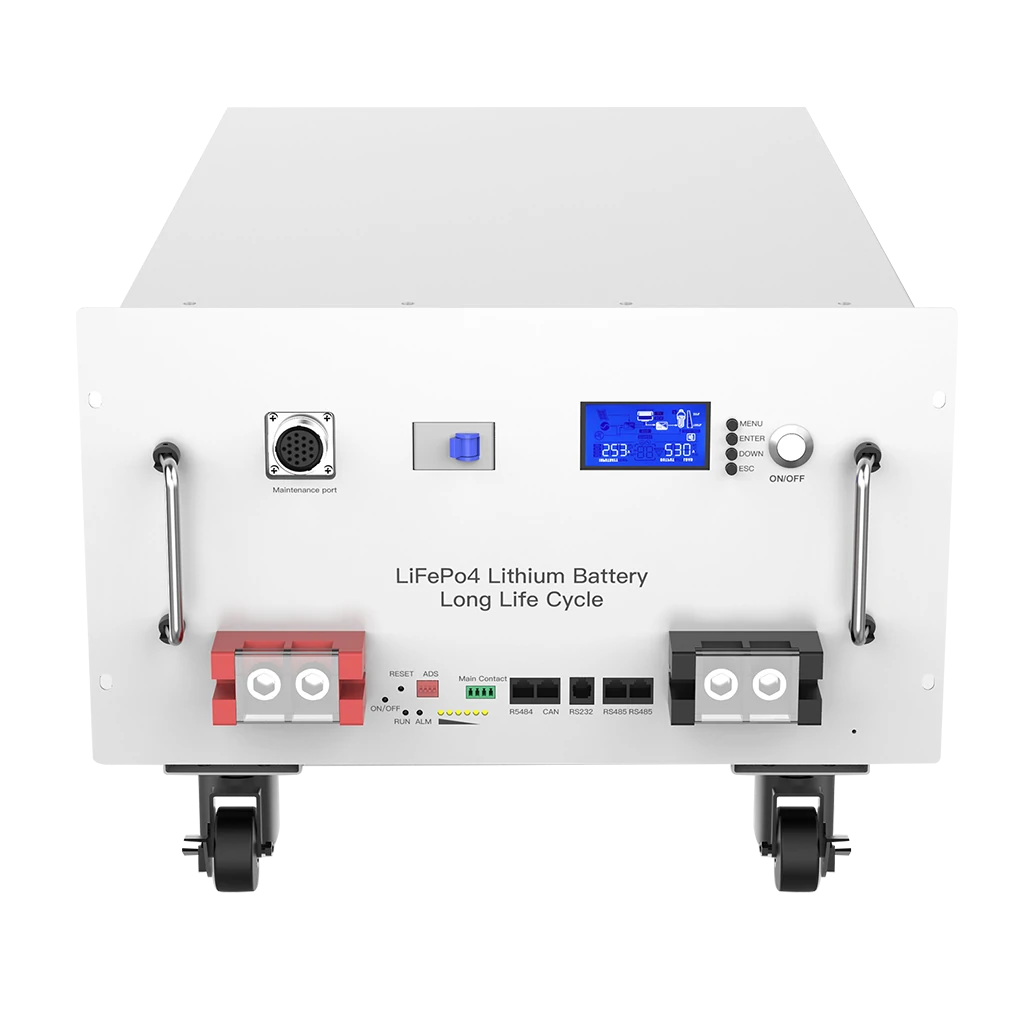
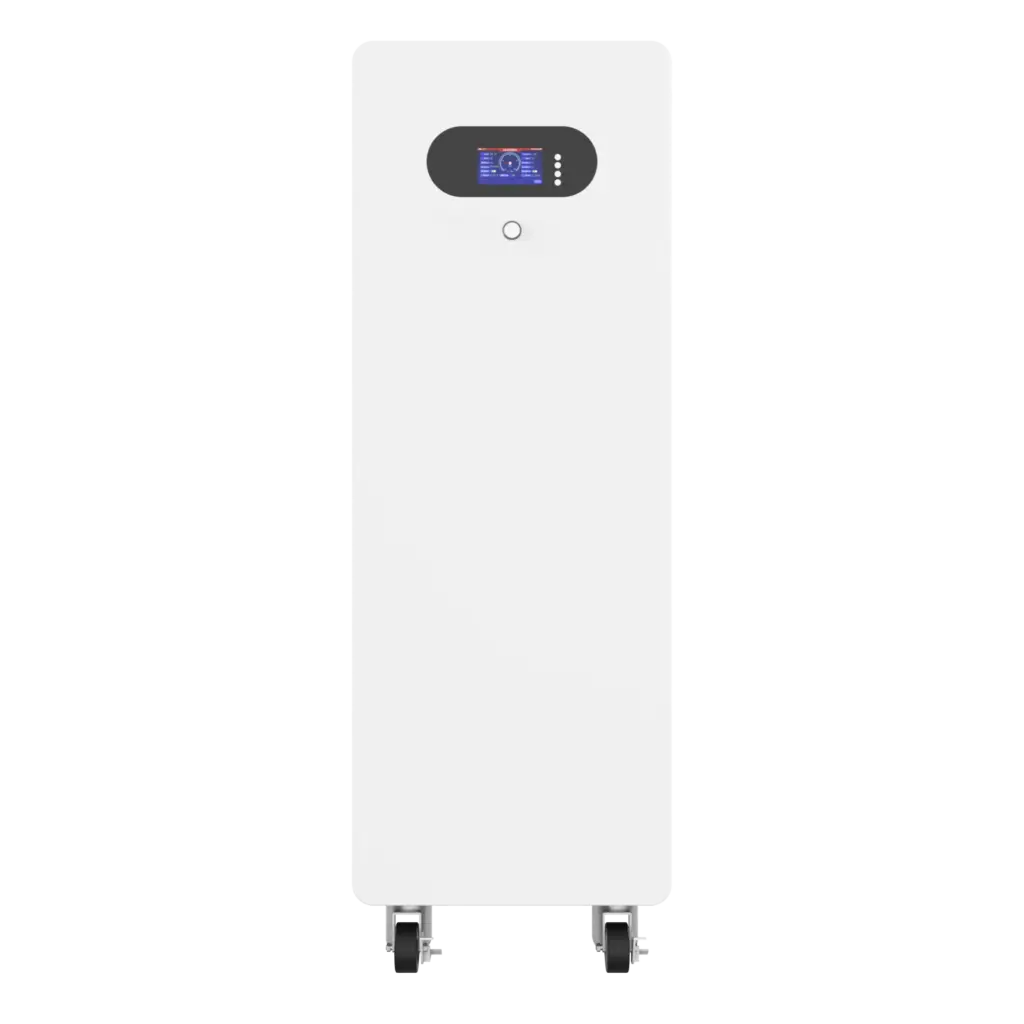
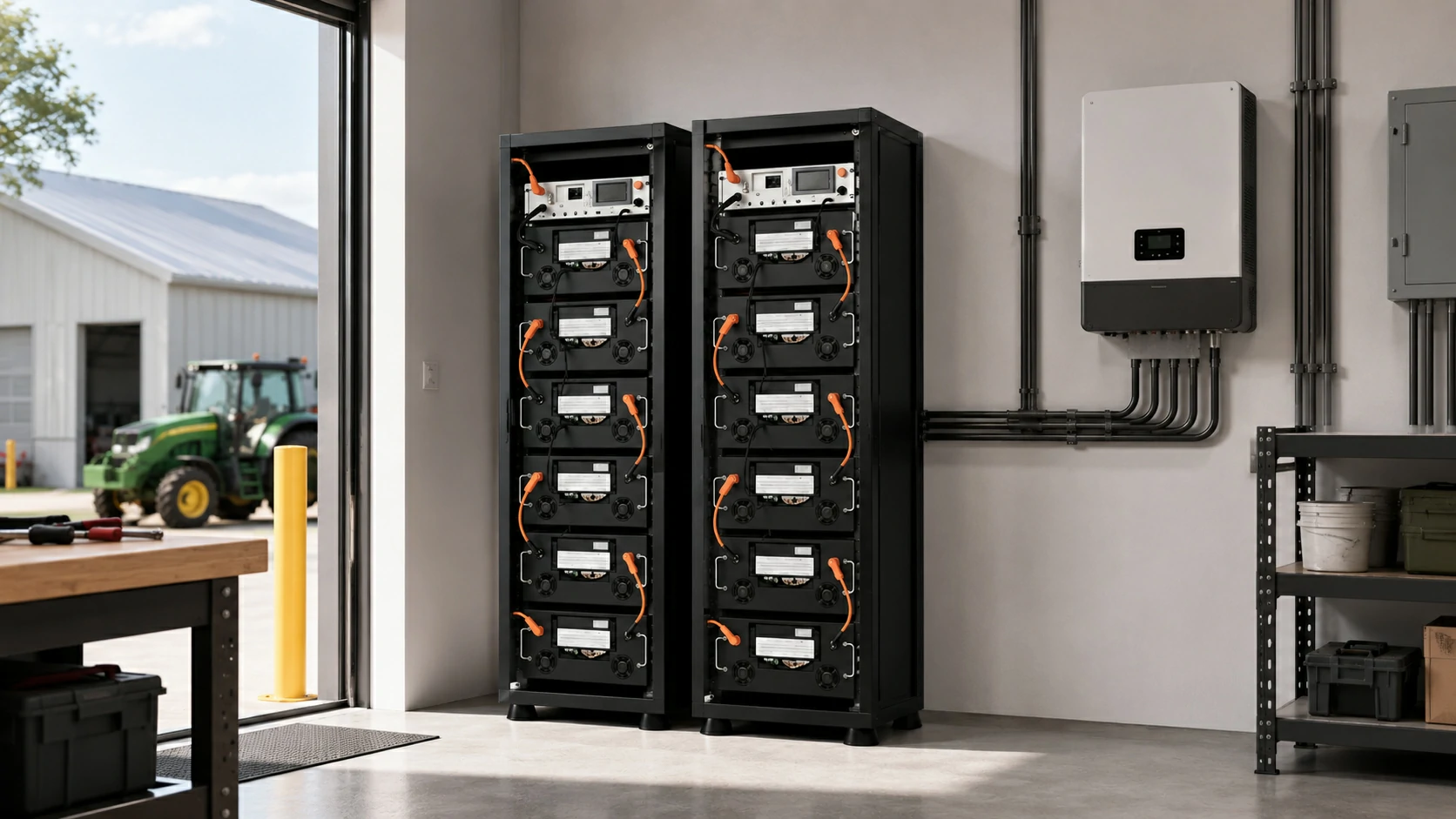
This is why many buyers evaluate the complete energy storage solution rather than the inverter in isolation. For example, Avepower focuses on LiFePO4-based residential energy storage and commercial energy storage products with intelligent BMS protection, multiple communication options, and flexible product formats such as wall-mounted, rack-mounted, stackable, vertical, and all-in-one systems. For distributors, installers, and OEM/ODM buyers, this broader system approach can make product selection more practical and deployment more efficient.
When an Integrated Energy Storage Solution Makes More Sense
In some projects, the best answer is not choosing a separate inverter and separate battery at all. It is choosing an integrated storage system that already combines those functions more efficiently.
This is especially true when the priorities are:
- easier installation
- cleaner system design
- less wiring complexity
- simpler product matching
- compact footprint
- faster deployment
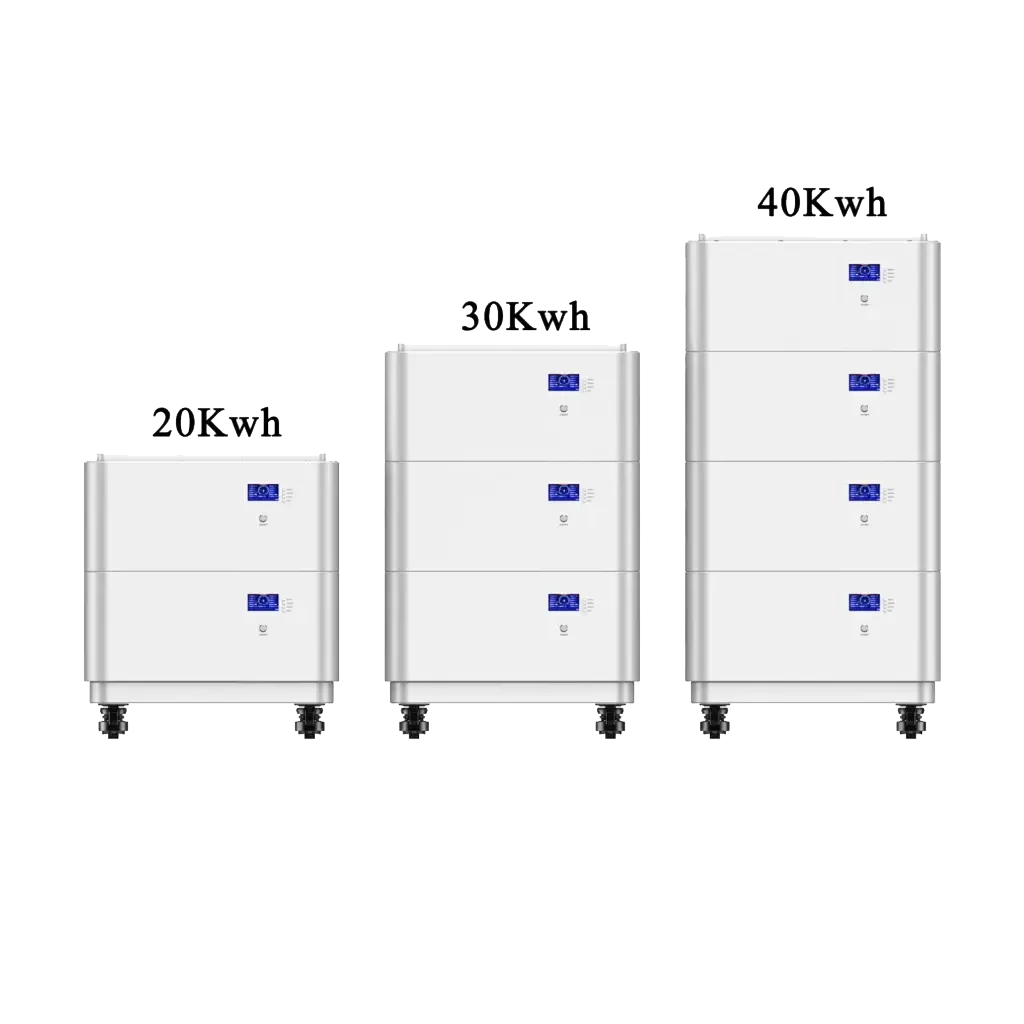
For example, Avepower offers multiple LiFePO4 energy storage product formats, including wall-mounted, rack-mounted, stackable, vertical, and all-in-one battery systems, giving buyers more flexibility based on project type and installation preference.
For users who want a simplified solar-plus-storage setup, integrated systems can reduce complexity without sacrificing functionality.
A practical example is Avepower’s all-in-one battery solution with a 15 kWh battery and built-in 6 kW inverter, which combines the battery, inverter, and MPPT in one system. This type of design is useful for projects where clean installation, faster deployment, and easier system integration are priorities. It can also be attractive in retrofit scenarios where a user wants a more compact and installer-friendly upgrade path.
Instead of treating the inverter as a separate decision from the battery, this kind of solution treats the system as one coordinated energy product.
That is often closer to what end users actually need.
Looking for the Right Solar Plus Storage Solution?
Avepower offers flexible LiFePO4 energy storage solutions for residential and commercial applications, including wall-mounted, rack-mounted, stackable, vertical, and all-in-one battery systems.
Why Battery Chemistry and System Quality Still Matter
Even though this article focuses on the inverter, the battery itself remains just as important.
A strong solar storage system is never defined by the inverter alone. Long-term performance also depends on:
- battery chemistry
- BMS quality
- safety protection
- communication stability
- cycle life
- thermal performance
- installation quality
- supplier support
This is why many professional buyers evaluate solar-plus-storage systems as a complete package.
Avepower’s energy storage portfolio is built around LiFePO4 battery technology, which is widely favored in residential and commercial storage projects because of its safety, stability, and long service life. Combined with intelligent BMS protection, flexible communication options, and multiple form factors, this makes the overall system selection more practical for distributors, installers, and project developers who want reliable storage products rather than isolated components.
From a user standpoint, this matters because a battery inverter can only perform as well as the broader system around it.
Conclusion
A solar battery inverter plays a central role in any solar-plus-storage system, but the best choice depends on your real application. Some projects need retrofit flexibility. Others need higher efficiency, simpler installation, or stronger backup performance. That is why it is important to compare not just inverter types, but the complete storage solution behind them.
For buyers comparing battery-ready systems, hybrid inverter setups, or integrated storage products, Avepower provides LiFePO4 energy storage solutions designed for practical deployment, flexible configuration, and long-term reliability. From modular residential battery systems to integrated all-in-one products, the goal is not just to add storage, but to make solar-plus-storage easier to install, easier to manage, and more useful in real life.
FAQ
A solar battery inverter is a device that helps manage electricity between your solar panels, battery, home, and the grid. Depending on the system design, it may refer to a hybrid inverter, a standalone battery inverter, or an integrated battery system with inverter functionality.
A solar inverter mainly converts electricity from solar panels into usable power for the home. A battery inverter manages battery charging and discharging. A hybrid inverter combines both roles into one device.
A hybrid inverter is an inverter designed to work with both solar panels and battery storage. It allows one system to manage solar generation, battery charging, battery discharge, and power supply to the home.
In an AC-coupled battery system, the solar inverter and battery inverter work as separate devices. This setup is popular for adding batteries to existing solar systems because it usually requires fewer changes to the original installation.
A solar battery inverter typically lasts around 10 to 15 years, although some systems may last longer depending on product quality, installation conditions, maintenance, and climate.
Look at compatibility, backup capability, monitoring, efficiency, warranty, support, and how well the system fits your use case.
A hybrid inverter can be worth it if you plan to install solar and battery storage together, want a cleaner system design, or want easier energy management from one platform.