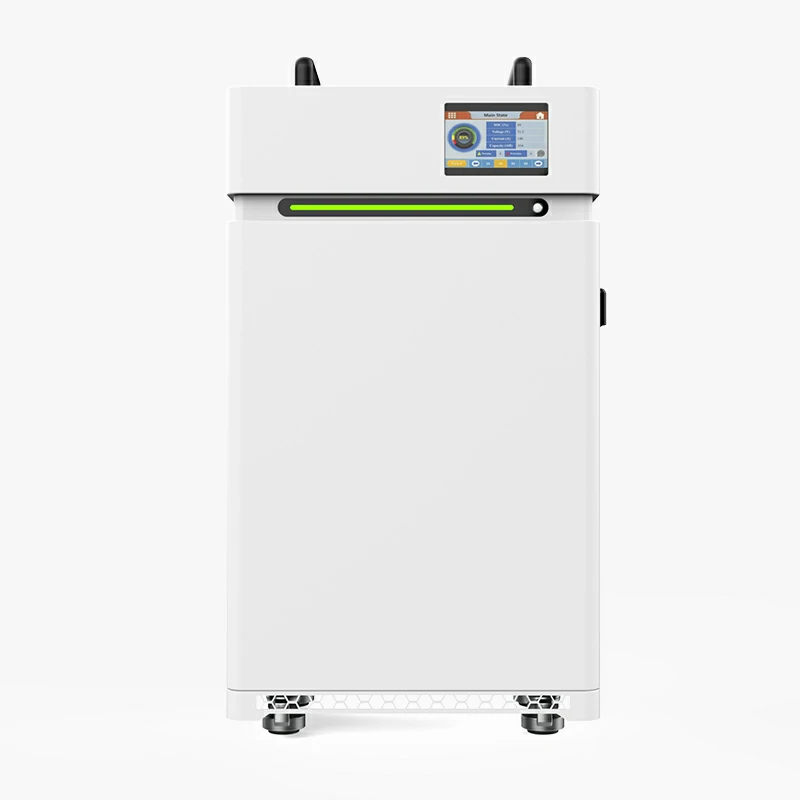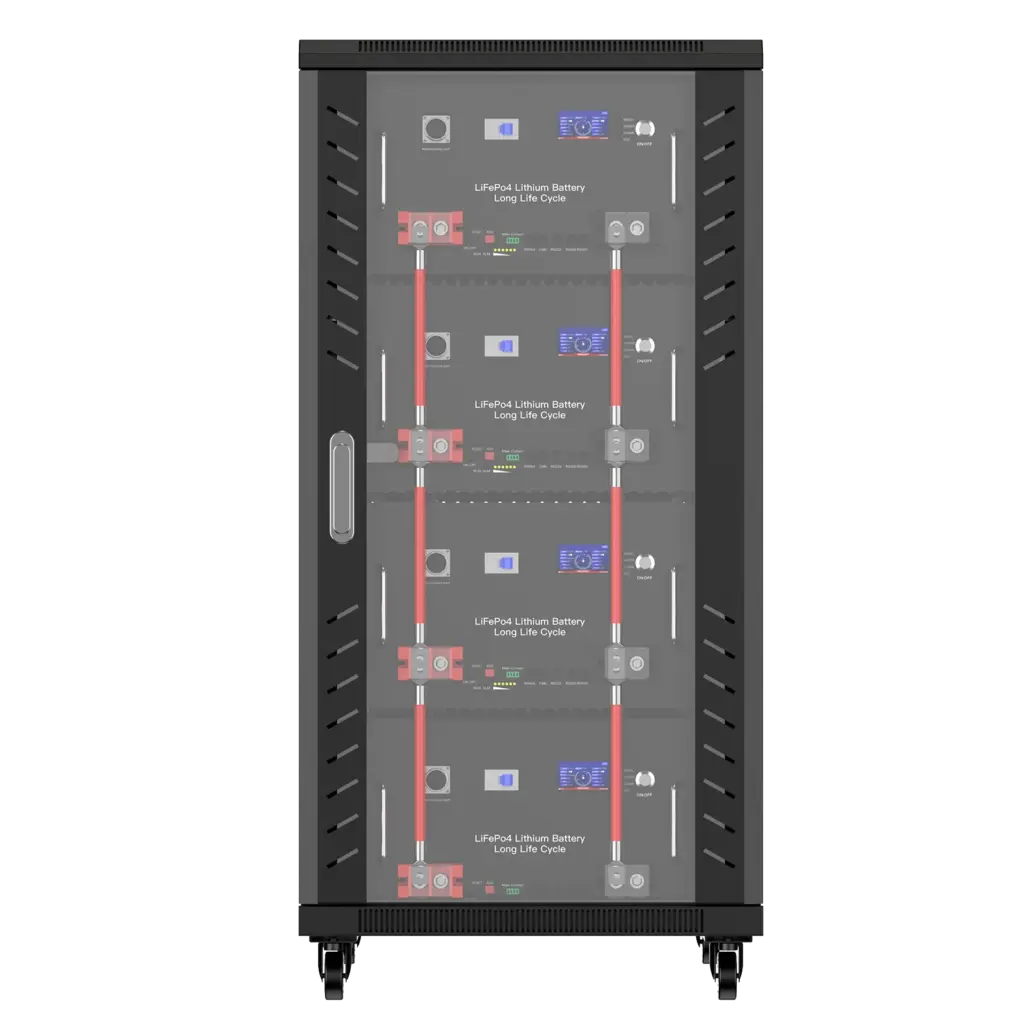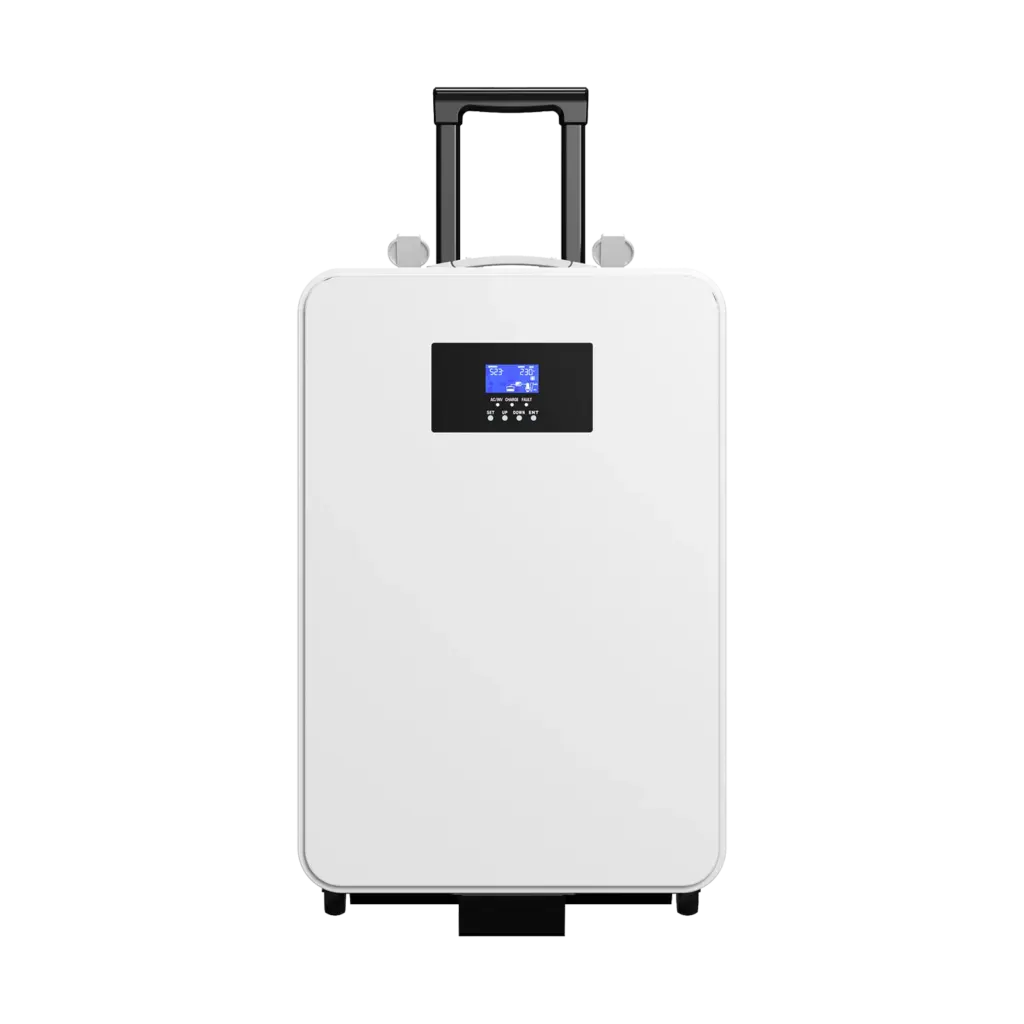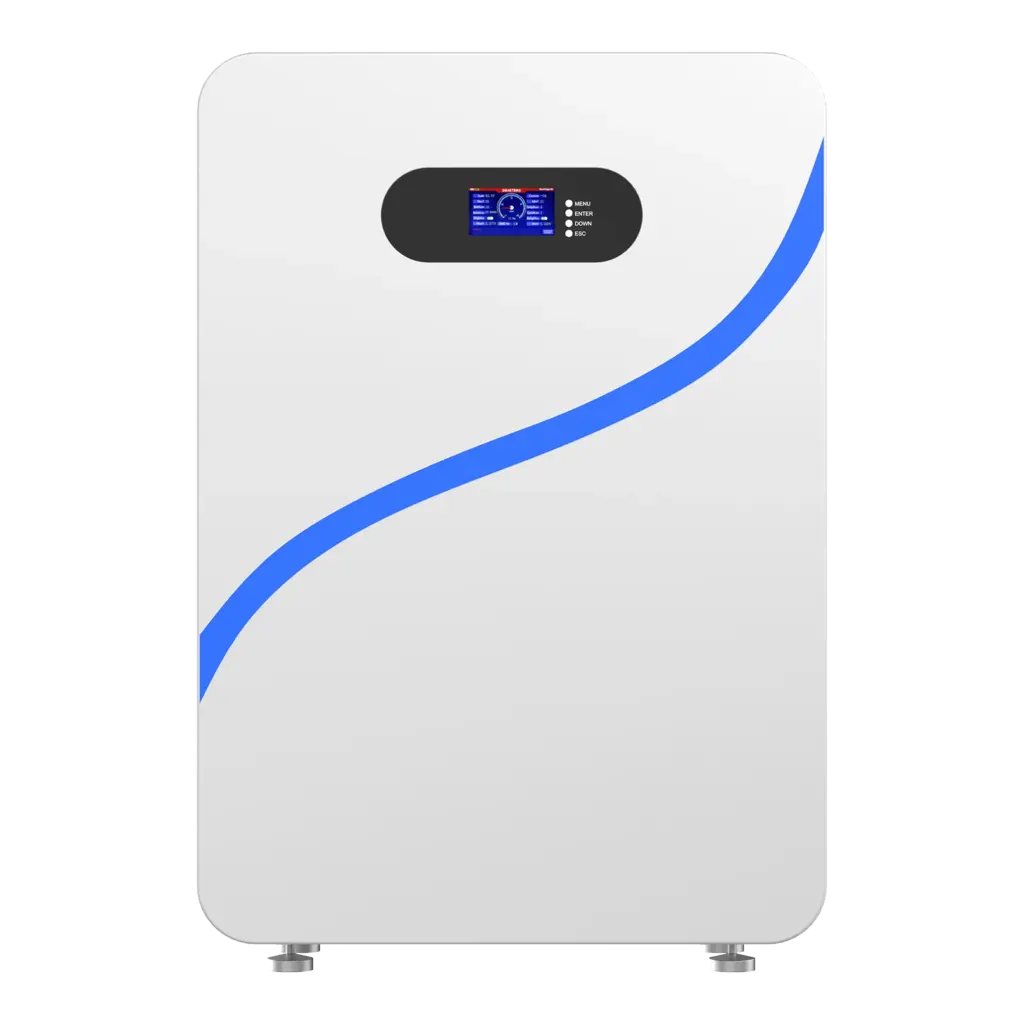

Home energy storage has become one of the fastest-growing segments of the renewable energy market in the United States. Many homeowners now install solar panels, but solar panels alone cannot provide electricity at night or during power outages. A reliable solar battery allows a household to store extra energy generated during the day and use it later when needed.
Electricity prices in many states continue to increase. At the same time, grid reliability has become a concern in areas that experience storms, wildfires, or extreme weather. Because of these factors, more homeowners are adding battery storage to their solar systems.
Top 10 Best Solar Batteries in the USA (2026)
| # | Battery | Chemistry | Capacity | Cycle Life | Key Advantage | Limitation |
|---|---|---|---|---|---|---|
| 1 | Avepower Home Battery | LiFePO4 | 30–515 kWh | 8000+ | Modular, expandable, custom | Installation requires local integrators |
| 2 | Tesla Powerwall 3 | Lithium NMC | 13.5 kWh | 10 years | High power, easy integration | Expansion requires multiple units |
| 3 | Enphase IQ Battery 5P | Lithium | 5 kWh/unit | — | Compact, efficient (~90%) | Needs multiple units for more capacity |
| 4 | Generac PWRcell | Lithium | 9–36 kWh | — | Highly modular, efficient (~96.5%) | Lower DoD (~84%) |
| 5 | SolarEdge Home Battery | Lithium | — | Unlimited (warranty) | Full DoD, high efficiency | No modular expansion |
| 6 | SOK Battery | LiFePO4 | — | 6000–8000 | Affordable, safe, expandable | Smaller brand presence |
| 7 | BYD Battery-Box Premium | LiFePO4 | 5–20+ kWh | — | Modular, flexible installation | Professional setup needed |
| 8 | FranklinWH aPower2 | LiFePO4 | 15–225 kWh | 6000–8000 | Smart management, auto backup | Less known brand |
| 9 | LG RESU / Prime | Lithium | 3.3–16 kWh | — | Compact, high energy density | Expansion needs extra units |
| 10 | BigBattery | LiFePO4 | — | Up to 8000 | Long life, flexible rack design | Limited US recognition |
1. Avepower Home Battery
Best Scalable Solar Battery System for Residential Projects
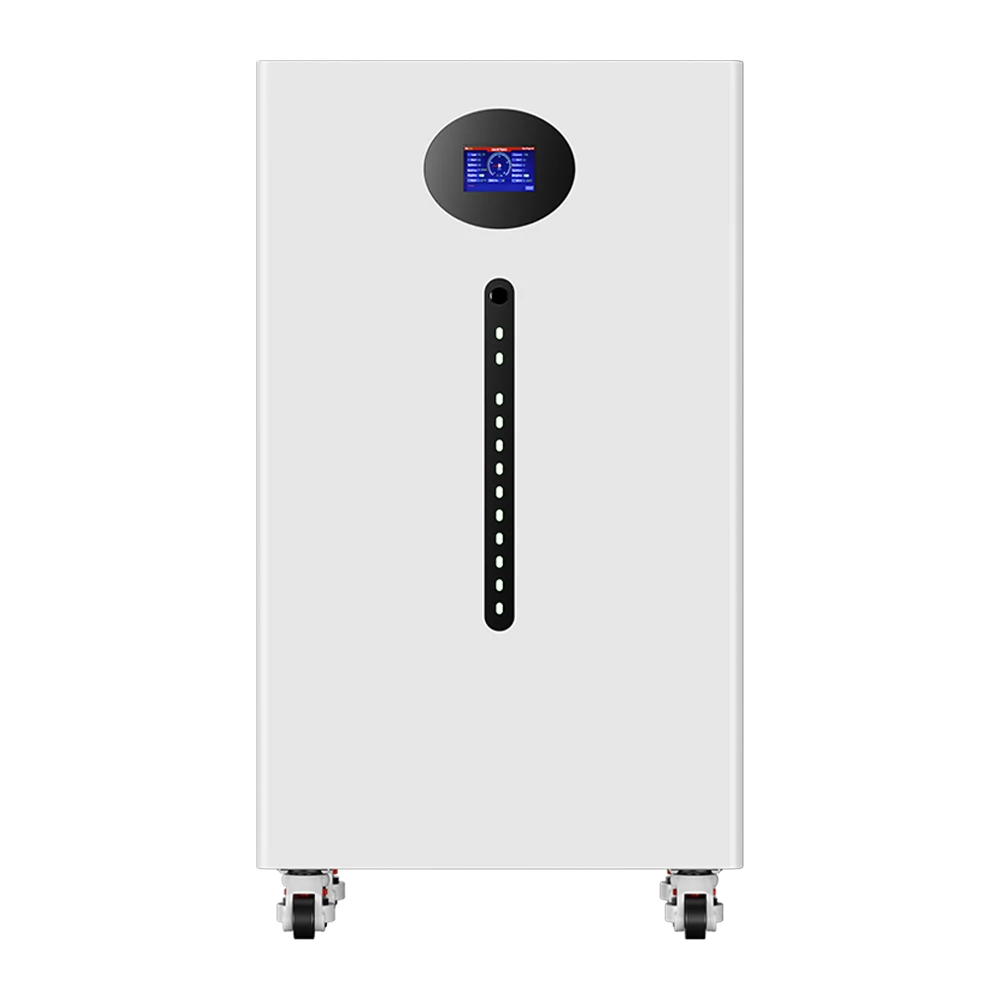
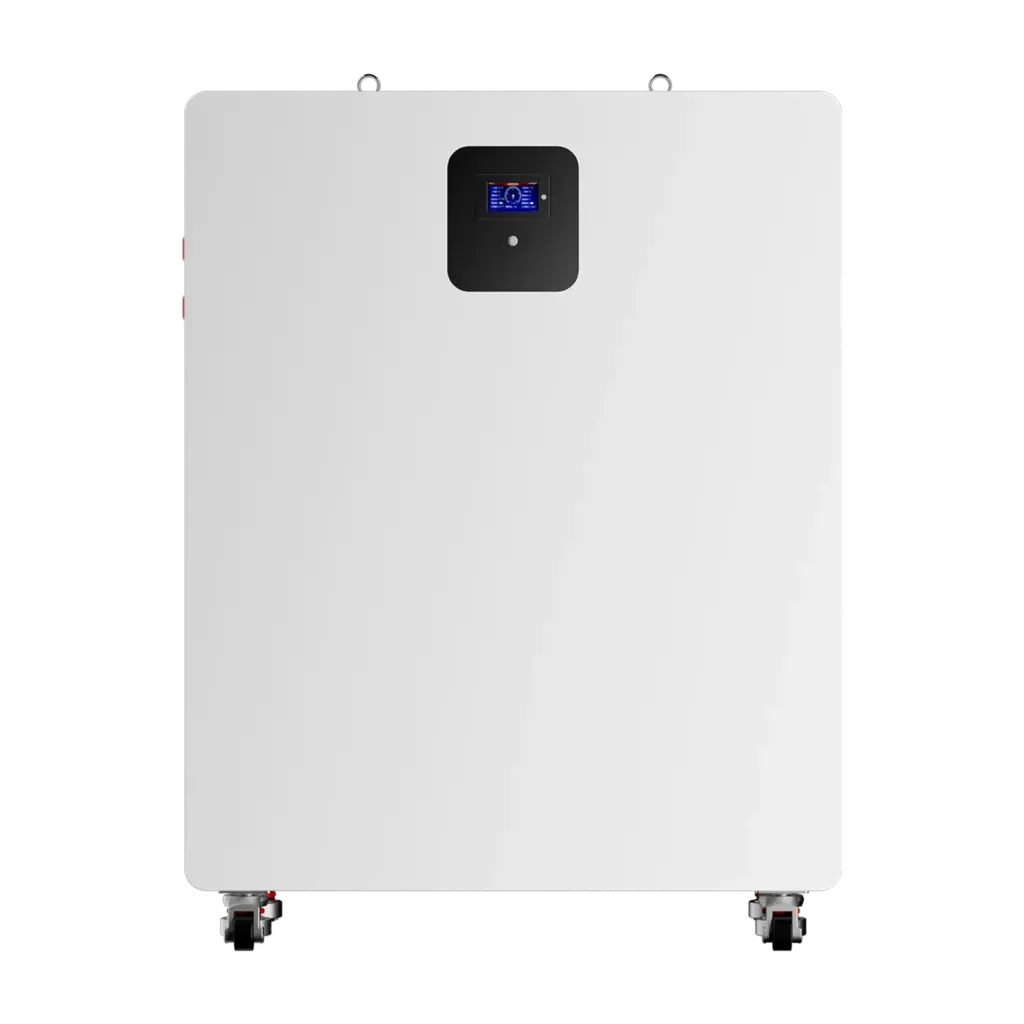
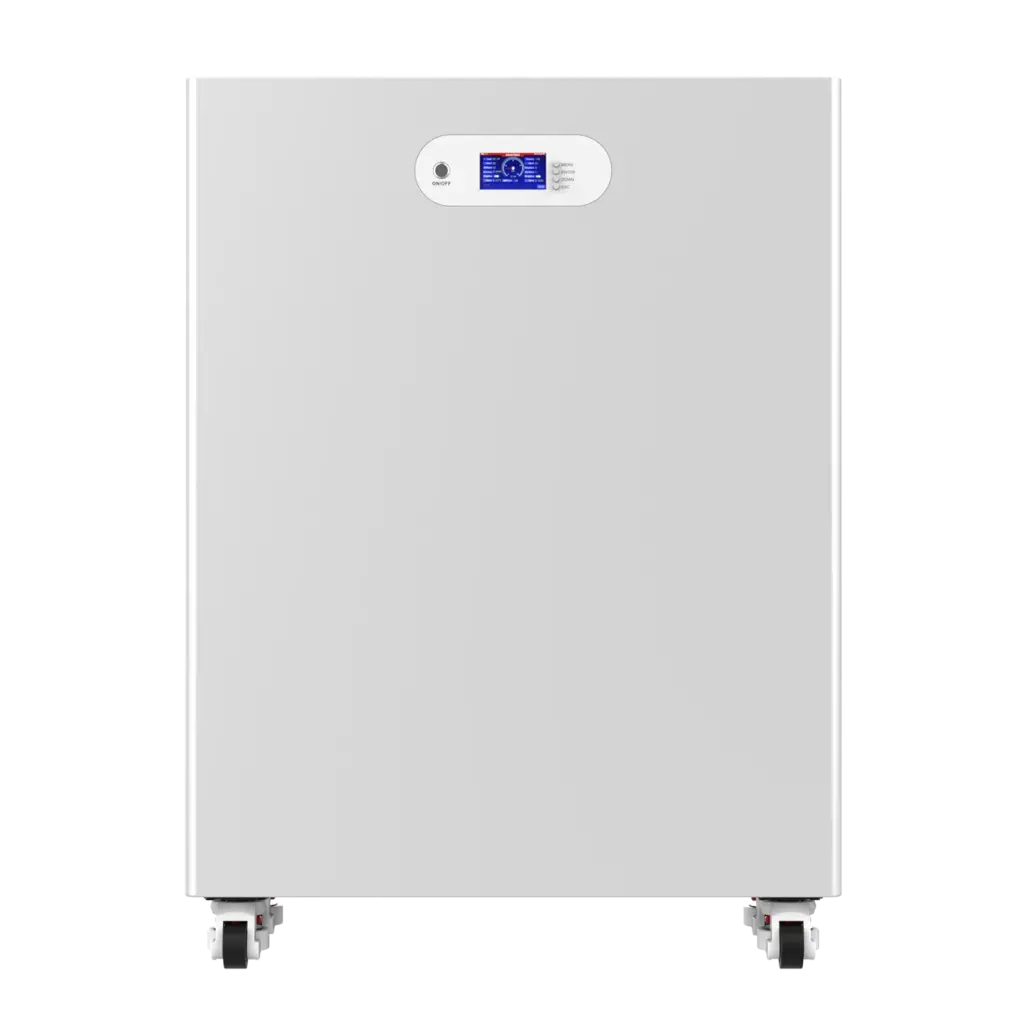
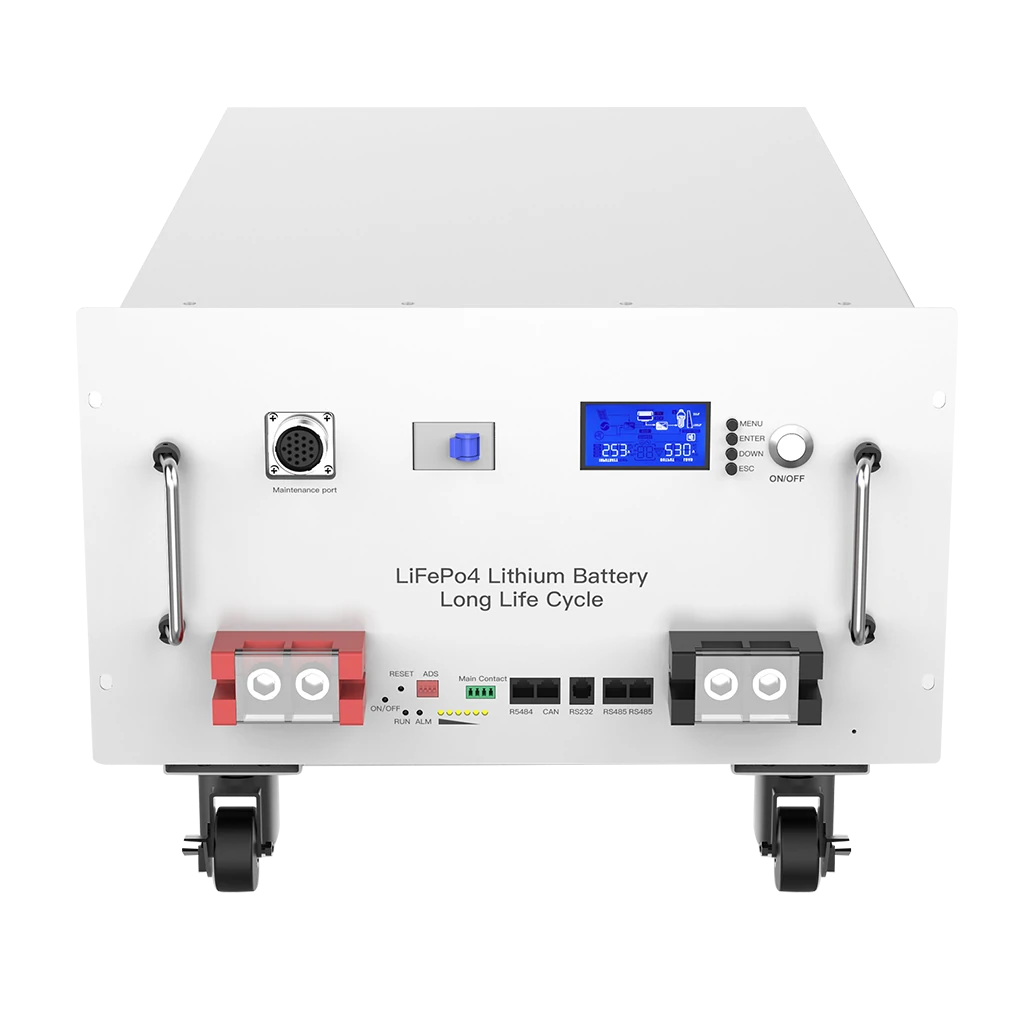
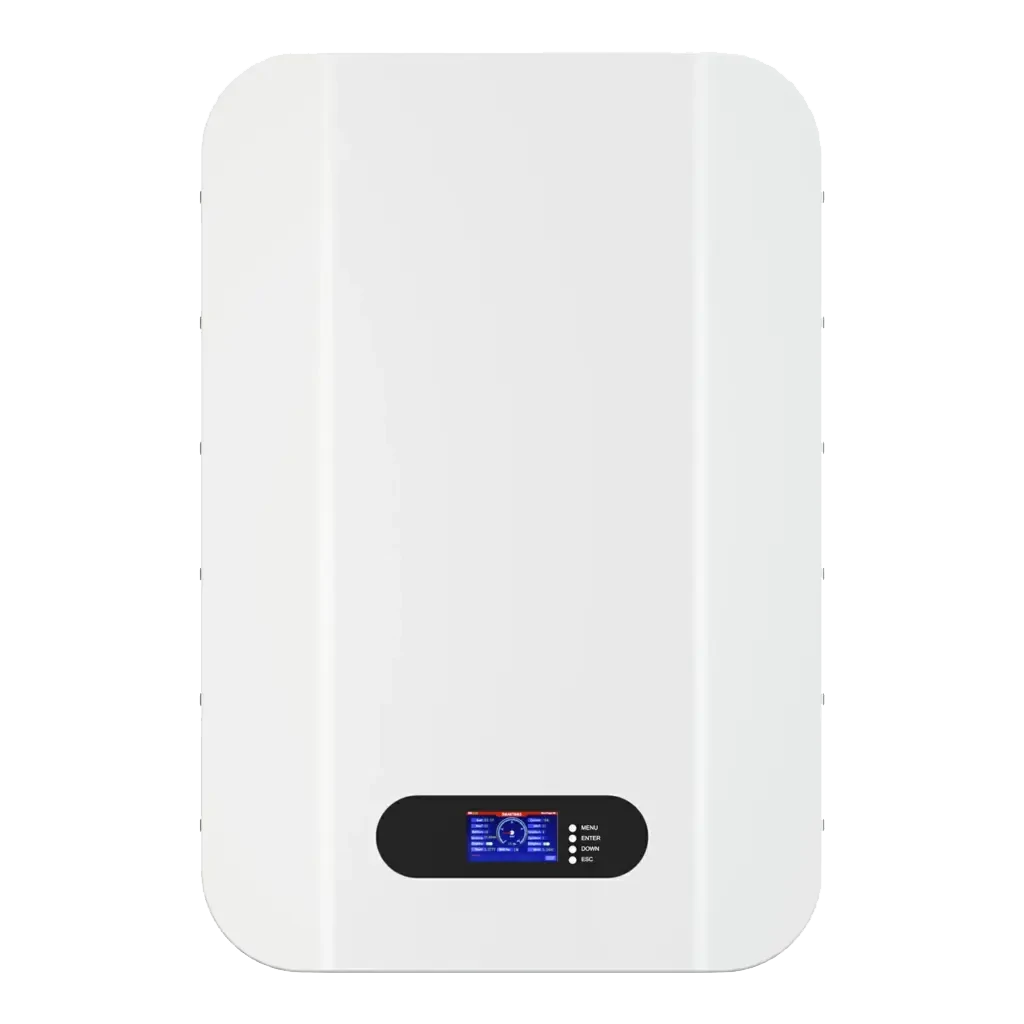
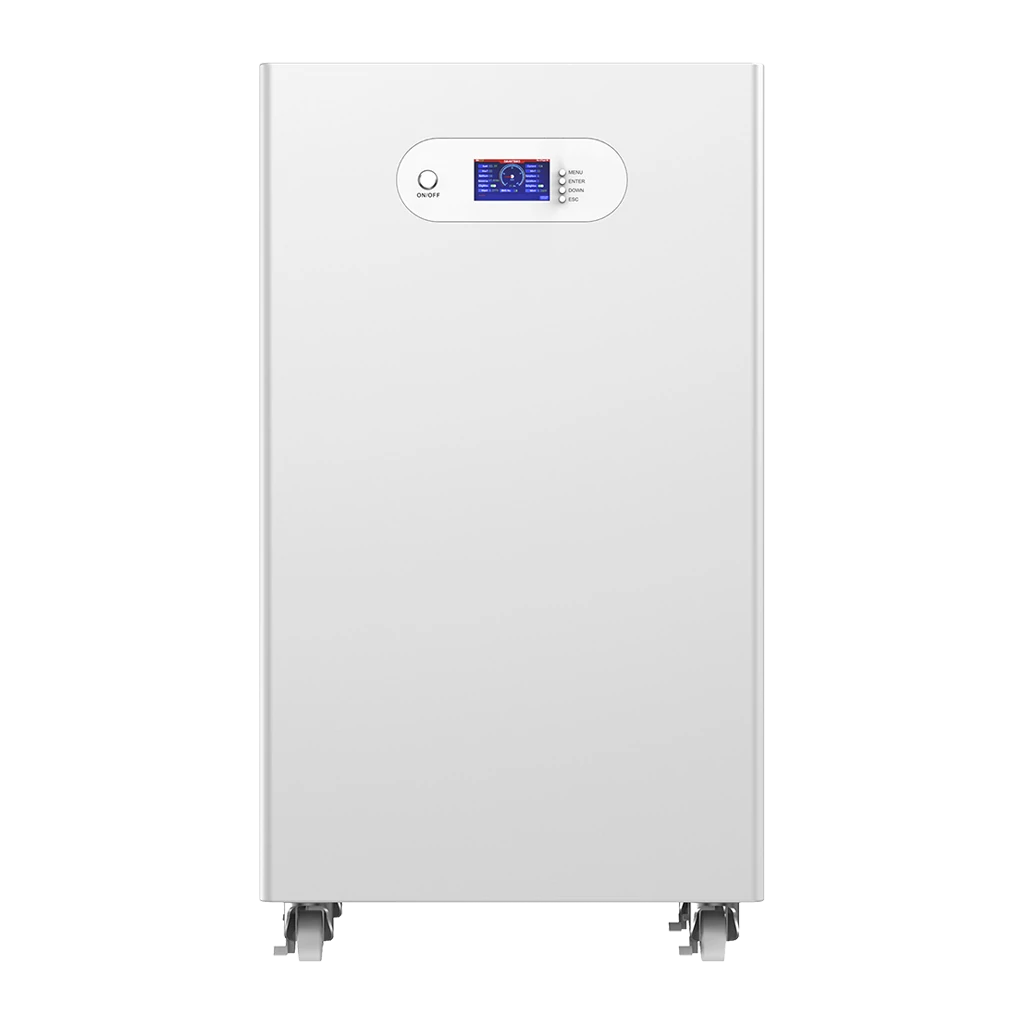
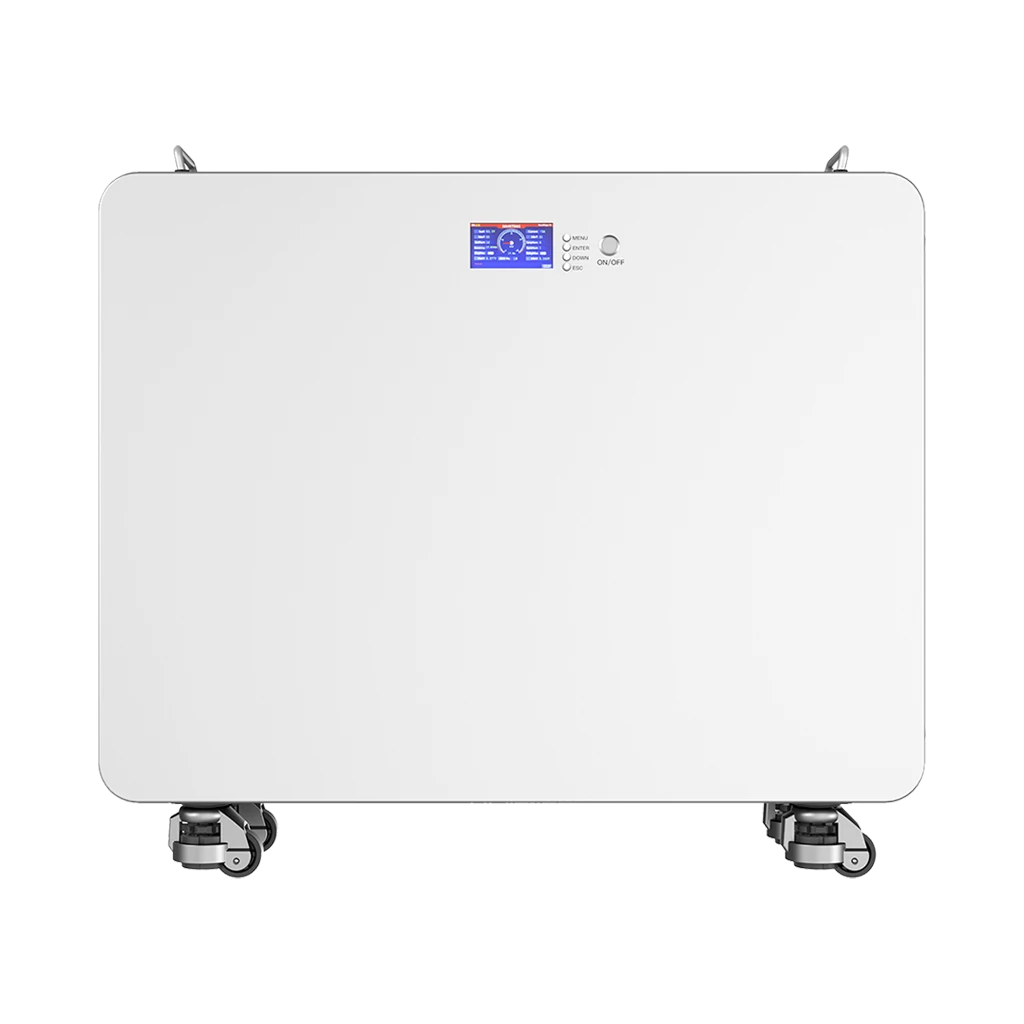
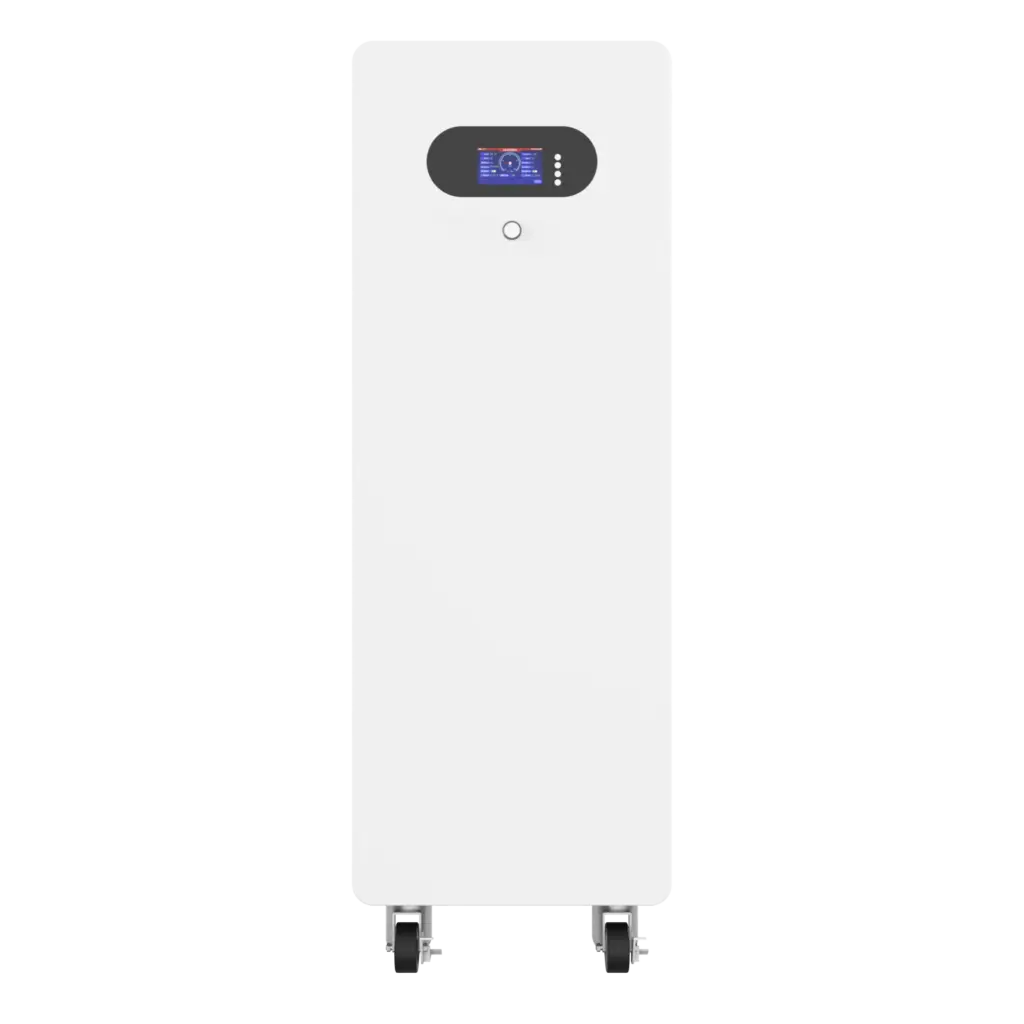
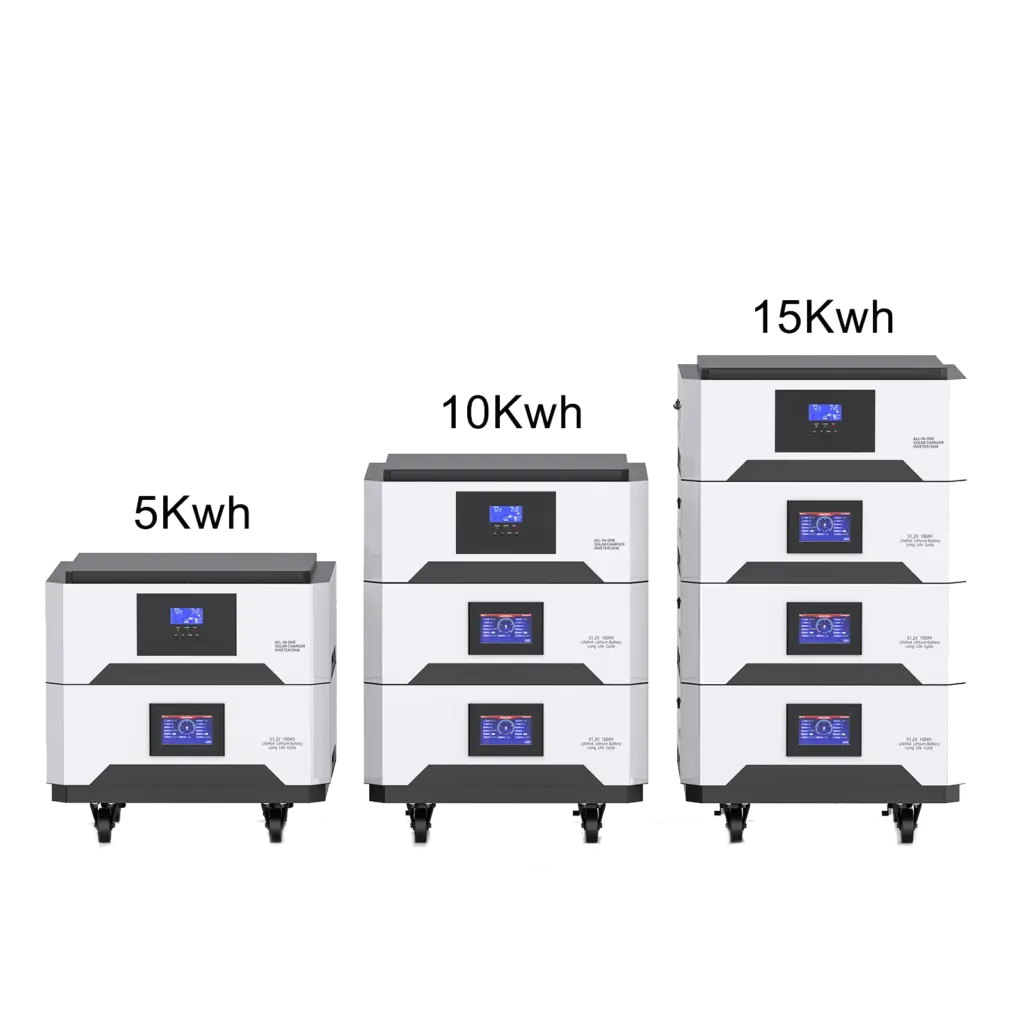
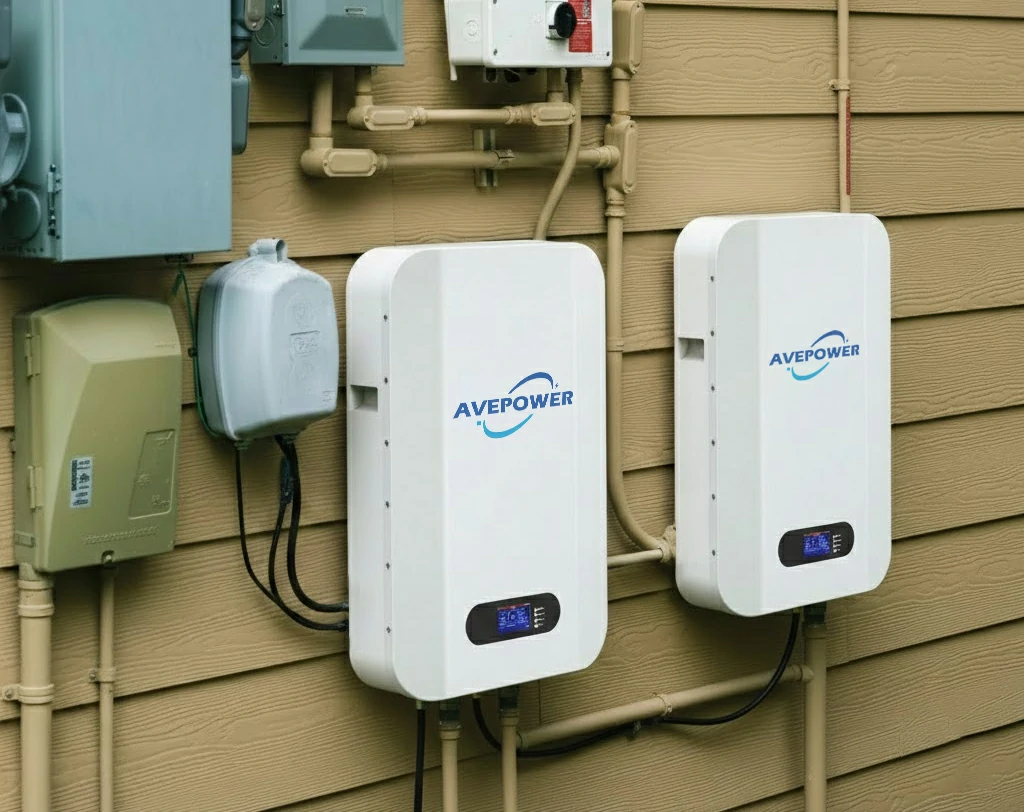
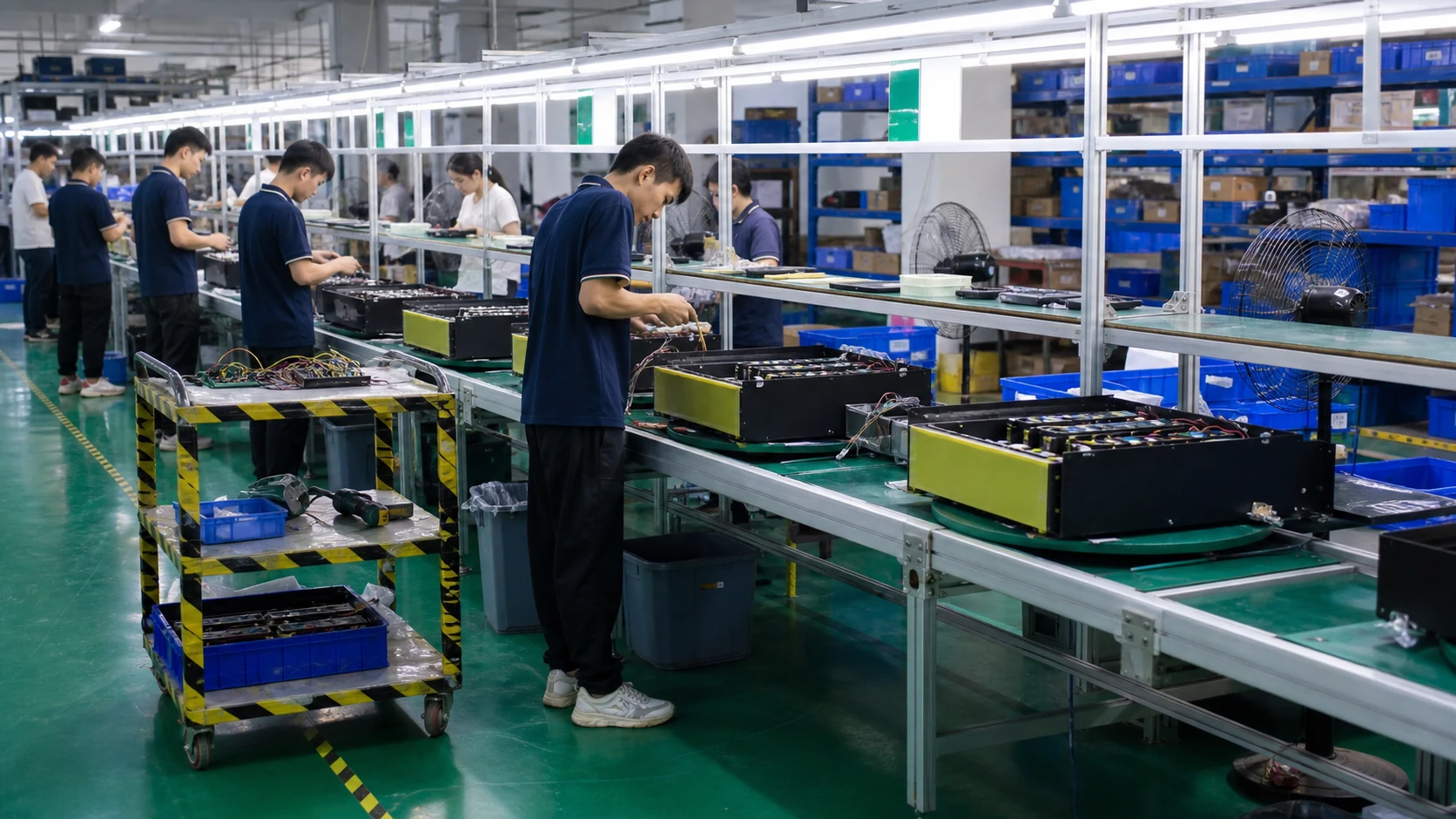
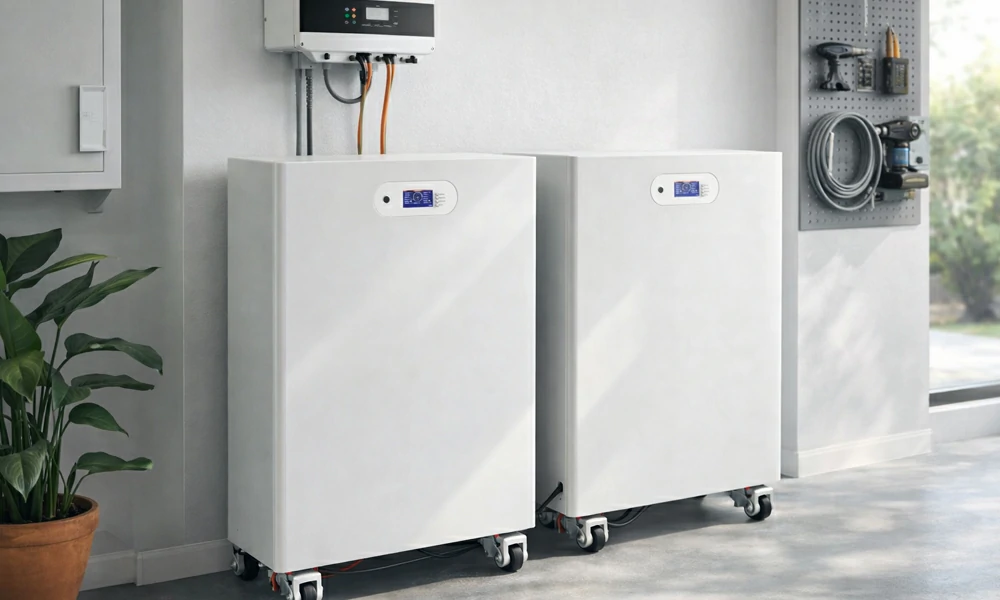
Avepower home batteries are designed to provide flexible energy storage for residential and light commercial solar systems. The company focuses on modular residence lithium battery solutions that integrate easily with common hybrid inverters. Installers and project developers often choose this system because it balances safety, scalability, and cost efficiency.
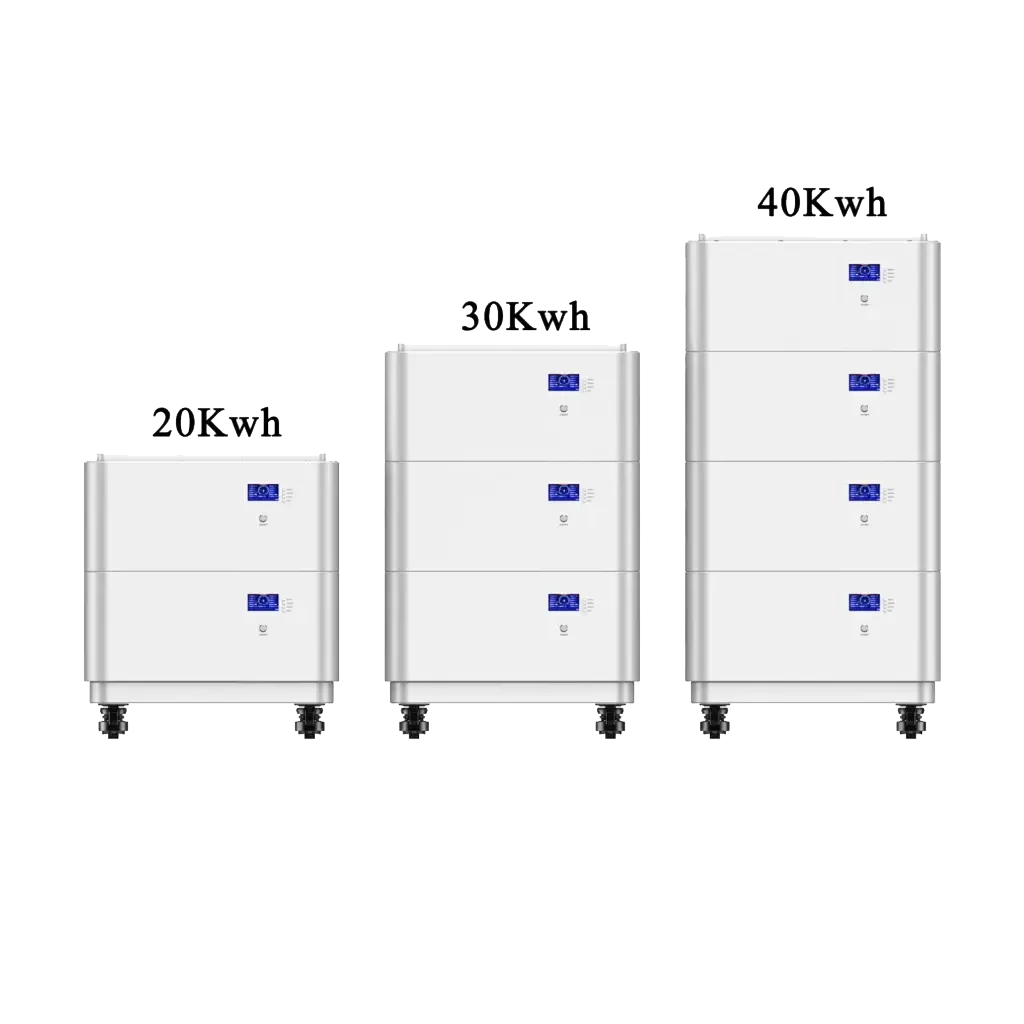
Unlike many single-size battery products, Avepower batteries support modular expansion. Homeowners can start with a smaller capacity system and add additional battery modules when energy demand increases. This design helps reduce the initial investment while still allowing long-term system growth.
Another benefit of the Avepower platform is its OEM and ODM customization capability. Energy project developers and EPC contractors often use the system in tailored energy storage solutions for residential communities, telecom systems, and commercial buildings.
Because the battery supports remote monitoring and advanced BMS protection, users can track energy storage performance and system health through integrated monitoring software.
Key Specifications
| Feature | Specification |
|---|---|
| Battery Chemistry | LiFePO4 (Lithium Iron Phosphate) |
| Cycle Life | 8000+ cycles |
| Typical Capacity Options | 30 kWh – 515 kWh expandable |
| Depth of Discharge | Up to 90–100% |
| Compatibility | Victron, Deye, Growatt, SMA |
| Application | Home solar, off-grid, backup power |
Advantages
1. Long Cycle Life
The Avepower home battery offers more than 8000 charge cycles, which is significantly higher than many standard lithium batteries that provide 6000 cycles. A longer cycle life means the battery can operate for more years before its capacity declines significantly. For most households, this lifespan can easily exceed 10–15 years.
2. Safe LiFePO4 Battery Chemistry
Lithium iron phosphate technology provides strong safety advantages compared with other lithium battery types such as NMC.
LiFePO4 batteries are known for:
- Higher thermal stability
- Lower fire risk
- Longer lifespan
- More consistent performance
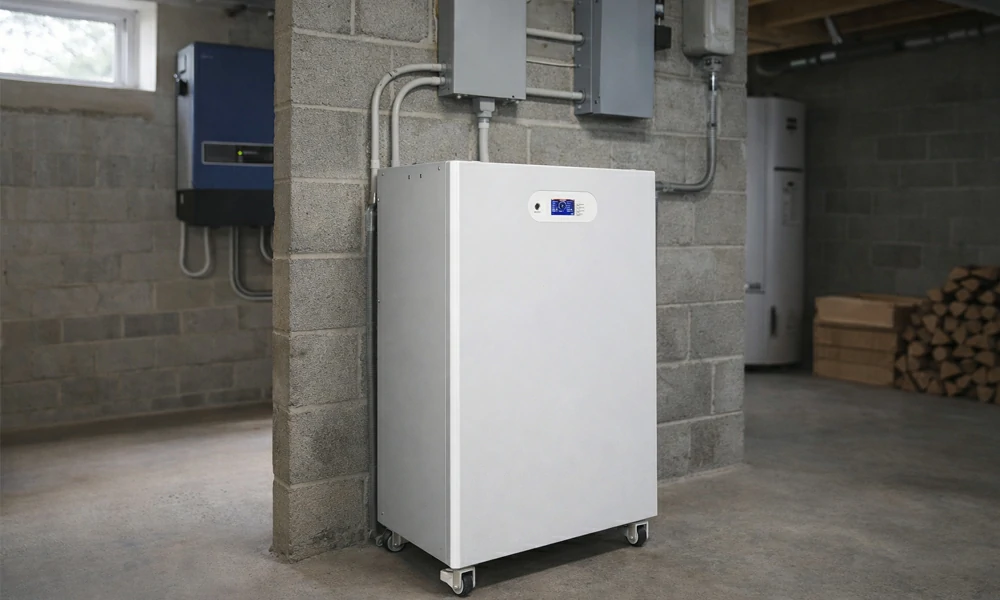
Because residential batteries are often installed inside garages or utility rooms, safety remains a critical factor for homeowners.
3. Flexible Modular Expansion
Another important advantage of the Avepower system is its modular design.
Instead of installing a single large battery, users can connect multiple battery modules together to increase capacity. This design allows homeowners to start with a smaller system and expand later if their energy needs increase.
For example:
- Small homes may start with 10 kWh battery
- Medium households may use 15–20 kWh battery
- Large homes or off-grid systems may expand to 30 kWh battery or more
This flexibility makes the system suitable for many different solar installations.
4. Strong Inverter Compatibility
The Avepower home battery supports several widely used hybrid inverter brands, including:
- Victron
- Deye
- Growatt
- SMA
Only some common compatible inverter models are listed here. For the full list or to check a specific model, please visit the Avepower Inverter Compatibility List.
5. Smart Battery Management System
The built-in BMS monitors the battery in real time. This monitoring system helps protect the battery from abnormal conditions such as:
- Overcharging
- Over-discharging
- Short circuits
- Temperature fluctuations
These protections increase system reliability and improve long-term battery health.
Limitations
Although the Avepower home battery offers many advantages, several limitations should also be considered.
Limited Brand Recognition in the US
Compared with companies like Tesla or Enphase, Avepower is still building brand recognition in the American residential energy storage market. However, the company has gained increasing attention among solar installers and EPC contractors because of its flexible OEM and ODM solutions.
Installation Depends on Local Integrators
Like many modular energy storage systems, the installation process often depends on local solar installers or system integrators. Homeowners usually need a professional installer to configure the battery with a compatible inverter and solar system.
2. Tesla Powerwall 3
Best All-Around Solar Battery Performance
Another highly recognized energy storage product in the American residential market is the Tesla Powerwall series. The newest generation, Powerwall 3, introduces improved power output and better system integration compared with earlier versions.
The battery offers 13.5 kWh of storage capacity, which is suitable for most residential homes. Tesla also significantly increased the system’s power output. The new model can deliver approximately 11.5 kW of continuous power, which allows it to support more household appliances simultaneously.
Tesla continues to provide a 10-year warranty, and the system is known for its simple installation and strong integration with solar energy systems.
However, the Powerwall system has limited modular flexibility. Homeowners who need more storage capacity must install additional Powerwall units rather than expand a single system.
3. Enphase IQ Battery 5P
Best Small-Capacity Battery for Flexible Home Energy Systems
The Enphase IQ Battery 5P is a compact yet powerful home energy storage solution designed for smaller households or for homeowners who prefer to expand their storage capacity gradually. Enphase has built a strong reputation in the solar industry, particularly because of its microinverter technology and reliable energy management ecosystem.
The IQ Battery 5P represents a significant improvement compared with earlier Enphase battery models. The system delivers strong performance despite its relatively small capacity. Each battery unit stores approximately 5 kWh of usable energy, which makes it suitable for homes that want limited backup power or for installations that plan to use multiple battery units together.
Key Advantages
High Power Output
Although the IQ Battery 5P is a small battery, it still provides impressive power output. The system delivers 3.84 kW of continuous power and 7.68 kW of peak power, which allows it to support several home appliances simultaneously.
Excellent Efficiency
The battery offers approximately 90% round-trip efficiency, which means only a small portion of stored energy is lost during charging and discharging.
Strong Customer Support
Enphase provides extensive customer support options. Homeowners can access live chat support, installer networks, and technical assistance, which improves the overall ownership experience.
Limitations
The IQ Battery 5P does not use a true modular cabinet design. Instead, homeowners must install additional battery units to increase capacity. While this approach still allows expansion, it is less flexible than systems that add internal modules.
Additionally, Enphase does not always publish clear pricing information. Homeowners usually need to request quotes from local installers.
4. Generac PWRcell
Best Modular Solar Battery for Capacity Expansion
The Generac PWRcell is another well-known residential battery system in the United States. Generac originally built its reputation in backup generators, and the company later expanded into solar energy storage.
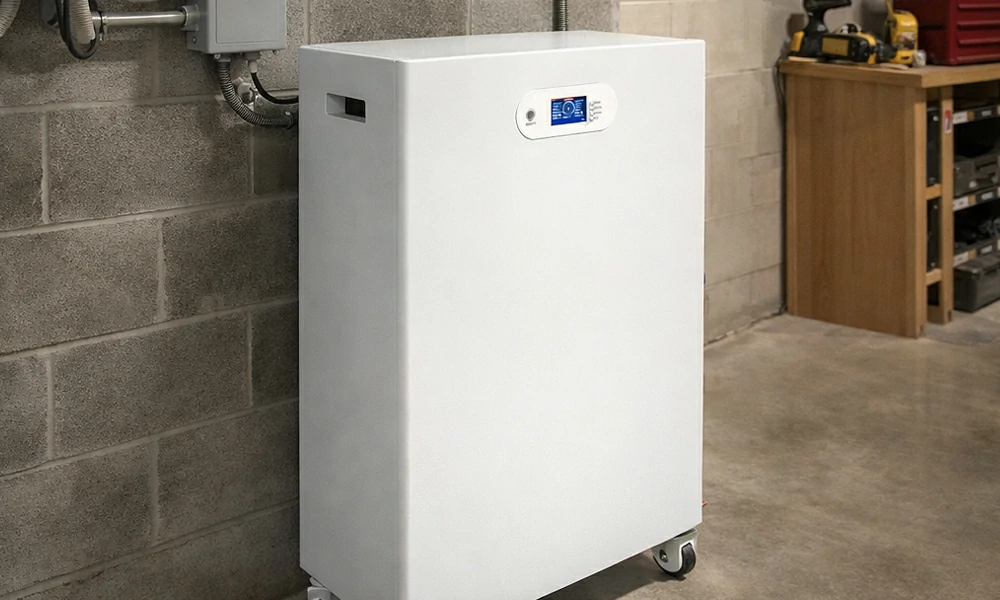
The PWRcell system uses a cabinet-based modular design that allows installers to add multiple battery modules inside one enclosure. Each module provides approximately 3 kWh of storage capacity, and homeowners can increase the total capacity by adding more modules.
Key Advantages
Highly Modular Architecture
The PWRcell design allows capacity expansion in small increments. One battery cabinet typically supports 9 kWh to 18 kWh, and users can install up to two cabinets for a total capacity of approximately 36 kWh.
Very High Efficiency
The system delivers up to 96.5% round-trip efficiency, which is among the highest efficiency ratings available in residential battery storage.
Multiple Customer Support Channels
Generac provides several support options, including technical assistance and installer services across the United States.
Limitations
The PWRcell battery offers a relatively lower depth of discharge (DoD) compared with some competitors. The system allows approximately 84% usable capacity, which means some stored energy remains unused to protect battery health.
Pricing information is also not widely published, so customers often rely on installer quotes.
5. SolarEdge Home Battery
Best Solar Battery for Warranty Coverage
The SolarEdge Home Battery is designed to integrate seamlessly with SolarEdge solar inverter systems. SolarEdge is widely recognized for its solar power optimizers and inverter technologies. This battery provides balanced performance across several categories, including efficiency, reliability, and warranty protection.
Key Advantages
Excellent Warranty Coverage
SolarEdge provides an unlimited cycle warranty, which means the battery can perform unlimited charge and discharge cycles during the warranty period without voiding coverage.
High Round-trip Efficiency
The system offers approximately 94.5% efficiency, which helps homeowners maximize the usable energy stored in the battery.
Full Depth of Discharge
The battery supports 100% depth of discharge, allowing homeowners to use the entire stored energy capacity.
Limitations
The system does not support internal modular expansion. If homeowners want to increase capacity, they must install another full battery unit. SolarEdge also provides limited public information about pricing and customer support options.
6. SOK Battery
Affordable Lithium Solar Battery with Strong Safety Features
SOK Battery is another American brand that focuses on lithium iron phosphate battery systems for residential and off-grid energy storage.
The company designs batteries that balance safety, performance, and affordability. Because of this balance, many homeowners and solar installers consider SOK batteries a practical option for smaller solar installations.
Key Features
- LiFePO4 battery chemistry
- 6000–8000 cycle lifespan
- Up to 90% depth of discharge
- Integrated BMS protection system
Advantages
SOK battery systems offer flexible expansion options because users can connect multiple battery modules together. The system also works with several hybrid inverter brands, including Victron, SMA, and Growatt.
7. BYD Battery-Box Premium
Highly Scalable Battery System for Residential and Commercial Solar
The BYD Battery-Box Premium is one of the most widely used lithium energy storage systems worldwide. BYD is a large technology company with extensive experience in battery manufacturing and electric vehicles.
The Battery-Box Premium uses LiFePO4 technology and supports modular expansion from 5 kWh to more than 20 kWh.
Key Advantages
Strong Modular Design
Users can easily expand capacity by stacking battery modules together.
Flexible Installation
The battery supports both wall-mounted and floor-mounted installation.
Wide Inverter Compatibility
The system integrates with many popular inverter brands, including:
- SMA
- Victron
- Fronius
- SolarEdge
Because of these advantages, many EPC contractors and installers choose BYD battery systems for residential and commercial solar projects.
8. FranklinWH aPower2
Smart Whole-Home Energy Storage System
FranklinWH has become one of the most interesting players in the U.S. residential storage space, and the aPower 2 is a big reason why. Official FranklinWH materials describe it as a 15 kWh LFP battery with 10 kW continuous output, 15 kW peak output for 10 seconds, and scalability up to 225 kWh per aGate system. FranklinWH also advertises a 15-year warranty and 60 MWh throughput, which is unusually strong in the current home-battery market.
Key Features
- Cycle life: 6000–8000 cycles
- Capacity expansion: 5 kWh – 20 kWh
- Integrated smart energy management system
Advantages
The FranklinWH system supports automatic backup power during grid outages. When the grid fails, the battery automatically supplies electricity to critical household circuits. The system also integrates with common inverter brands such as Victron and SMA.
9. LG Energy Solution RESU / Prime
High Energy Density Lithium Battery
The LG Energy Solution RESU and Prime series are compact lithium battery systems designed for residential solar installations. LG has built a strong reputation in the global battery market because of its advanced lithium battery technologies.
Key Features
- Capacity range: 3.3 kWh – 16 kWh
- Round-trip efficiency: approximately 95%
- Depth of discharge: 90%
Advantages
The system provides high energy density, which means it can store more energy within a smaller physical space. Because of this compact design, the battery works well for homes where installation space is limited. LG batteries also support remote monitoring and intelligent energy management systems.
10. BigBattery
Reliable Lithium Solar Battery for Residential and Off-Grid Use
BigBattery is an American energy storage company based in Austin, Texas. The company focuses on lithium battery systems for residential, commercial, and off-grid applications.
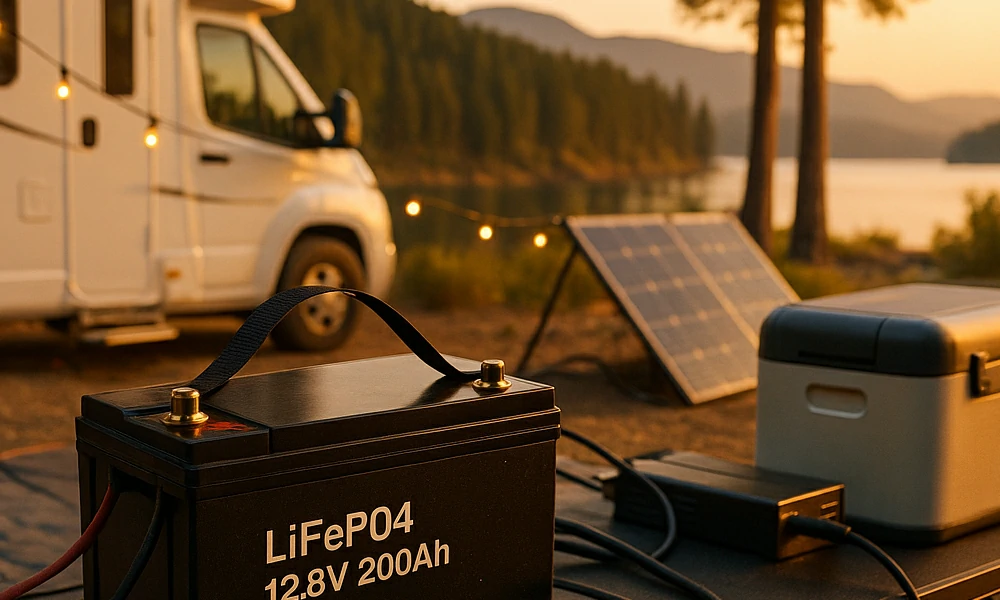
BigBattery systems use LiFePO4 battery chemistry, which improves safety and increases cycle life. Many of their battery systems support up to 8000 charge cycles, which provides long-term durability.
Key Advantages
High Cycle Life
The battery system can deliver thousands of cycles, which makes it suitable for daily energy storage applications.
Strong Safety Performance
LiFePO4 chemistry provides better thermal stability than other lithium battery types.
Flexible Rack Design
The system uses rack-mounted battery modules, which allows installers to expand storage capacity as energy needs grow.
Certifications
BigBattery products meet several safety standards, including: UL9540, UL1973
Key Factors That Determine Solar Battery Performance
Several technical characteristics determine whether a battery performs well in a residential solar system.
Important performance factors include:
- Battery capacity (kWh)
- Power output (kW)
- Depth of discharge (DoD)
- Round-trip efficiency
- Battery chemistry
- Cycle lifespan
- System scalability
Homeowners should review these specifications carefully before selecting a battery system.
How to Choose the Best Solar Battery in the USA
The best battery for your home depends on several practical factors, including your energy needs, power requirements, and system compatibility.
1. How Much Energy Do You Actually Need?
Many homeowners initially assume they need enough battery capacity to power their entire house during an outage. In reality, most people only need to keep essential appliances running, such as:
- Refrigerator
- Internet router and communication devices
- Basic lighting
- Wall outlets for small electronics
- A few comfort appliances
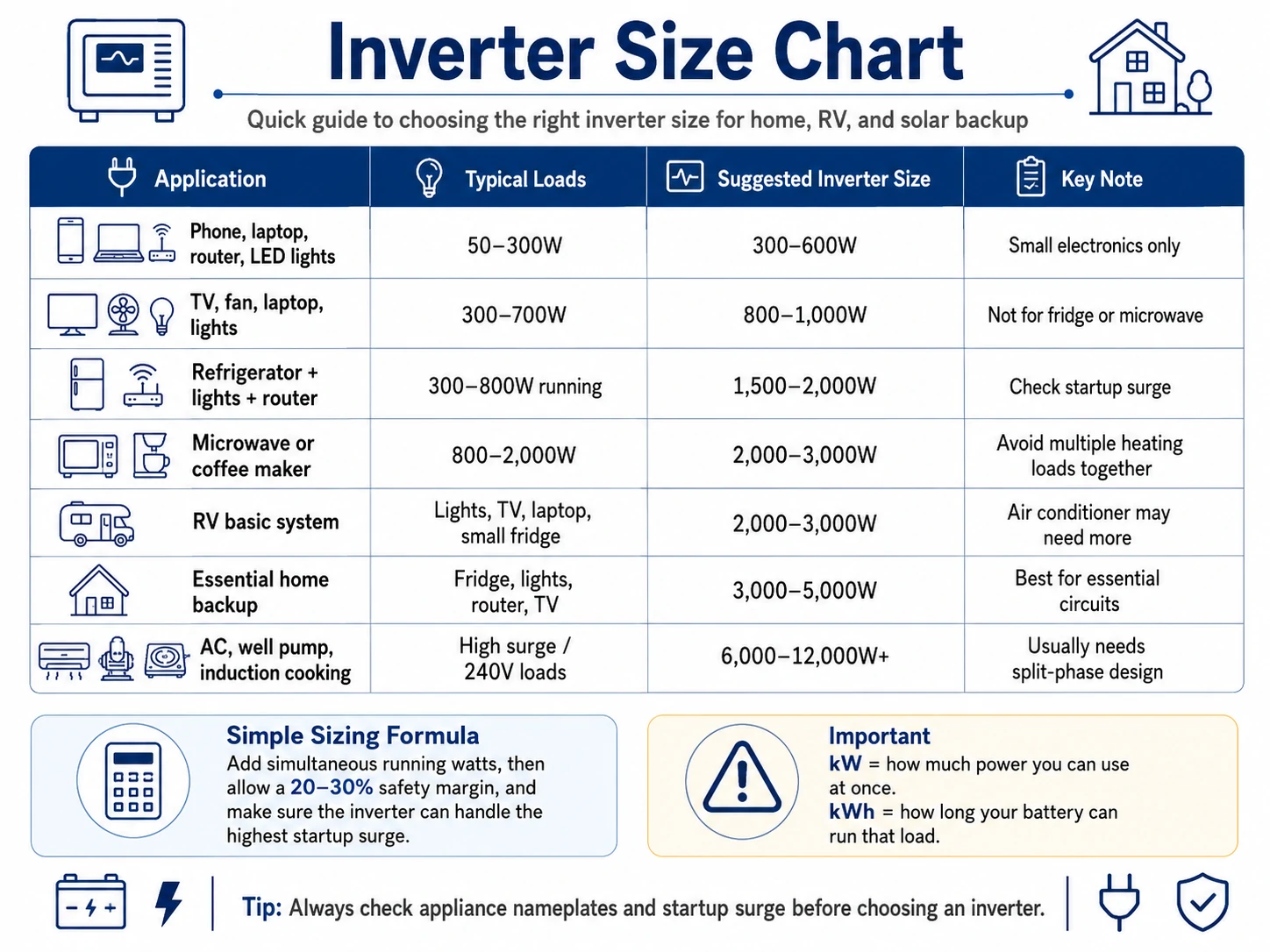
A typical 13 kWh battery can usually power these essential loads for close to a full day. Running an entire home continuously, however, often requires around 30 kWh battery or more, depending on household consumption patterns.
For this reason, it is helpful to list your critical loads first and estimate their daily energy consumption before choosing a battery size.
2. How Much Power Do Your Appliances Need at the Same Time?
Battery capacity determines how long the system can run, but power output determines how many devices can run simultaneously.
Two batteries with similar storage capacity may perform very differently if their power ratings are different. Important specifications to review include:
- Continuous power output
- Peak or surge power output
Homes that operate large loads such as HVAC systems, well pumps, kitchen appliances, or workshop equipment need to pay special attention to these power ratings. A battery with higher output power will be able to start and run these devices more reliably during an outage.
3. Do You Prefer a Simple Ecosystem or a Flexible System?
Another key consideration is whether you prefer a fully integrated ecosystem or a more flexible modular system.
Some homeowners prefer using a single-brand ecosystem, where the battery, inverter, and software platform all come from the same manufacturer. Popular examples include systems from Tesla, Enphase, SolarEdge, and Qcells. These solutions often provide seamless integration, unified monitoring apps, and streamlined support.
Other homeowners value flexibility and customization. In these cases, brands like Avepower, HomeGrid, and BigBattery can be appealing because they typically offer broader inverter compatibility, multiple form factors, and more adaptable system design options.
Lithium Solar Battery Pricing in the United States
Residential battery systems (10–15 kWh) typically cost $7,000–$12,000. Larger commercial or off-grid systems can reach $20,000–$50,000. Tax incentives like the 30% federal ITC can reduce costs. Most homeowners recover investment in 5–8 years, while commercial or off-grid systems may see ROI in 3–6 years, especially where electricity costs are high.
The cheapest battery on paper is not always the best value. A better warranty, stronger support network, smarter monitoring, higher output, or easier future expansion can produce a better ownership experience over ten years than simply chasing the lowest initial quote. That is particularly true in the U.S., where outage risk, utility tariffs, and labor costs vary so widely from one state to another.
Conclusion
The best solar battery in the USA is no longer just about brand prestige. In 2026, the strongest home batteries are the ones that combine safe LFP chemistry, useful power output, real expandability, intelligent controls, and a warranty you can live with.
If you want a polished mainstream option, Tesla, FranklinWH, Enphase, SolarEdge, and Qcells all have strong reasons to be on your shortlist. If you want high-output modular growth, HomeGrid and Generac stand out.
But if you want the broadest balance of home-storage form factors, modular flexibility, smart BMS protection, 8,000+ cycle potential, and project-friendly customization, Avepower is an excellent first choice for U.S. home storage projects in 2026. It is particularly well suited for homeowners, installers, distributors, and EPC partners who want a battery solution that adapts to the project instead of forcing the project to adapt to the battery.
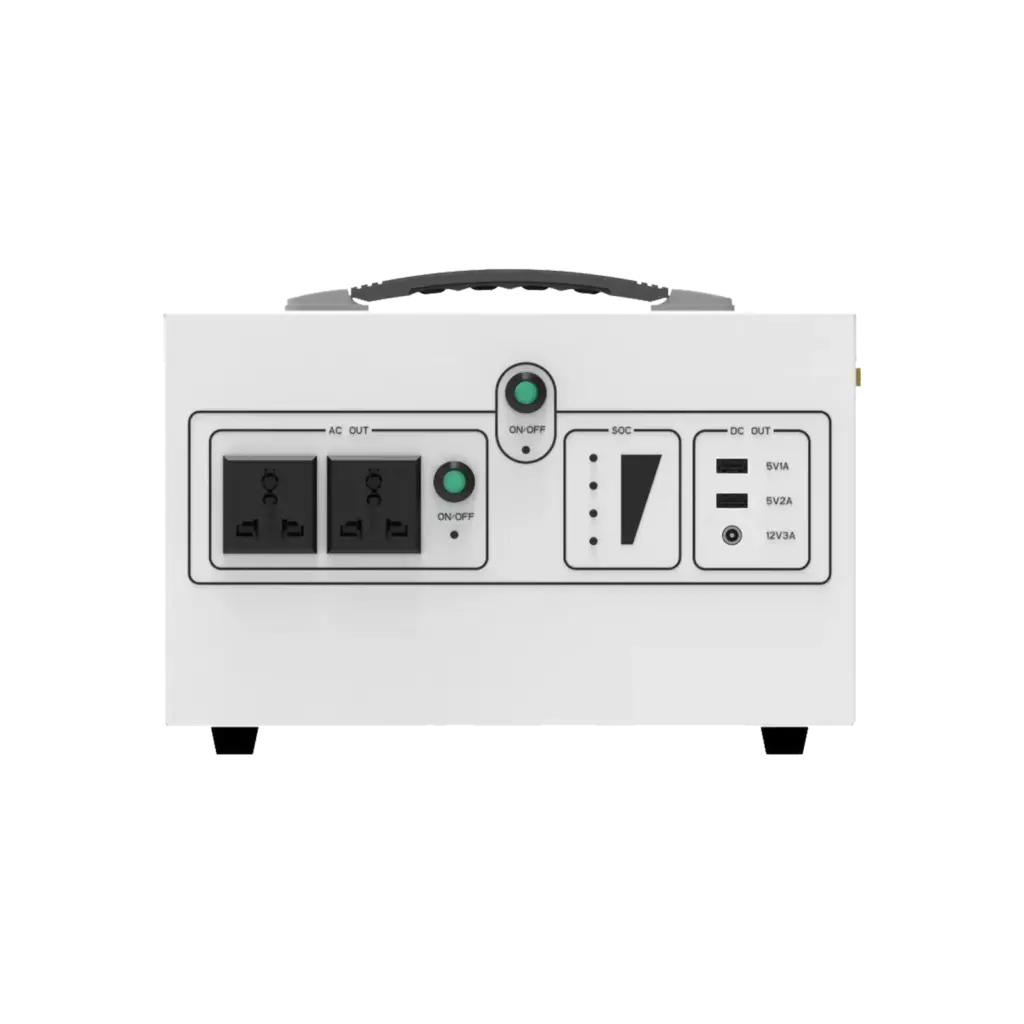
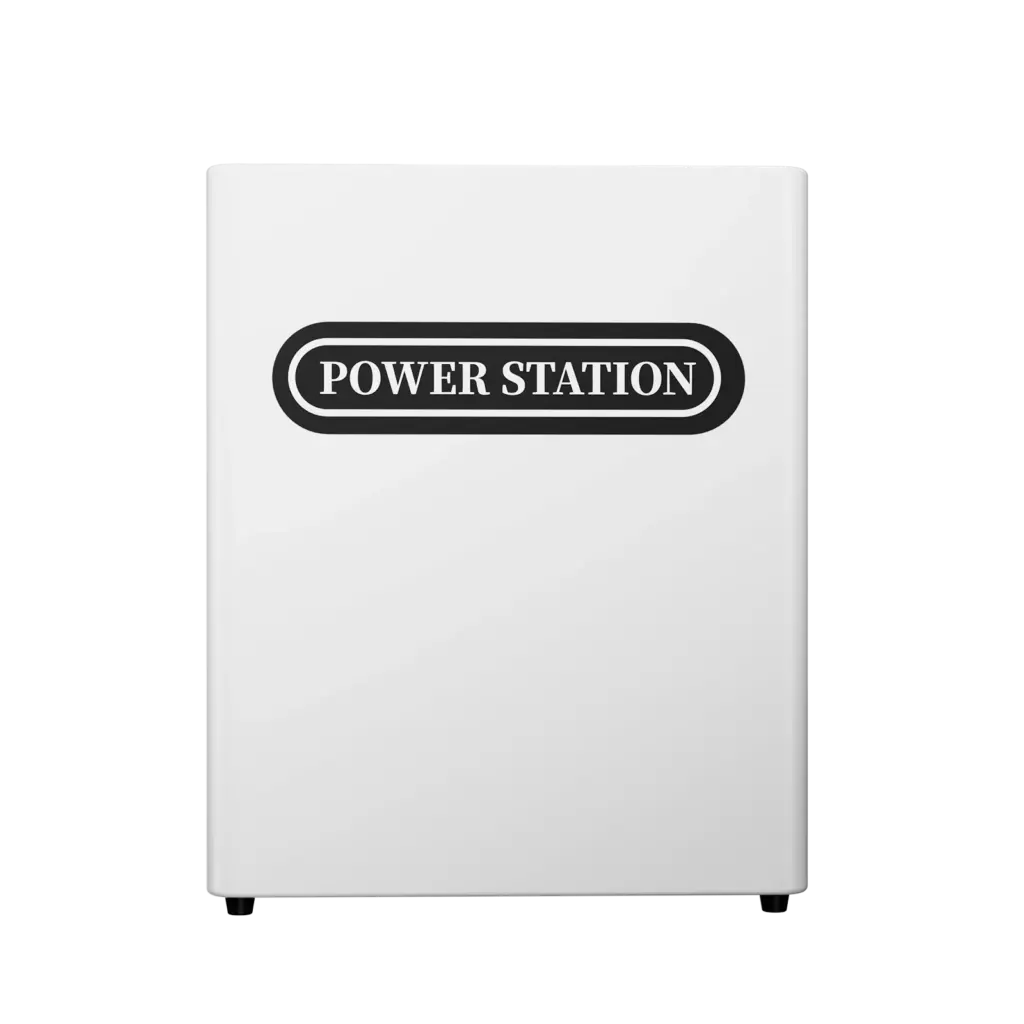
If you are sourcing a reliable home battery for the U.S. market, Avepower can provide stackable battery, wall-mounted battery, rack-mounted battery, and all-in-one LiFePO4 energy storage solutions tailored to residential backup and solar self-consumption. Contact Avepower to request product catalogs, compatibility details, and a customized recommendation for your home energy storage project.
Take Control of Your Energy with Avepower!
Reliable home solar battery solutions with OEM/ODM customization and in-house manufacturing, tailored to the needs of distributors, installers, and energy partners.
FAQ
Yes. Avepower is a strong option for U.S. home energy storage projects because it offers LiFePO4 technology, modular expansion, long cycle life, and compatibility with multiple mainstream inverter brands. It is especially suitable for buyers looking for scalable solutions and OEM or ODM flexibility.
Most high-quality home solar batteries last around 10 to 15 years, depending on battery chemistry, usage pattern, and environmental conditions. Many LiFePO4 batteries are rated for 6,000 to 8,000 cycles or more.
You should compare battery chemistry, usable capacity, power output, cycle life, warranty, inverter compatibility, installation method, and safety certifications. Modular LiFePO4 batteries like Avepower, Bluetti EP900, and Generac PWRcell are top choices.
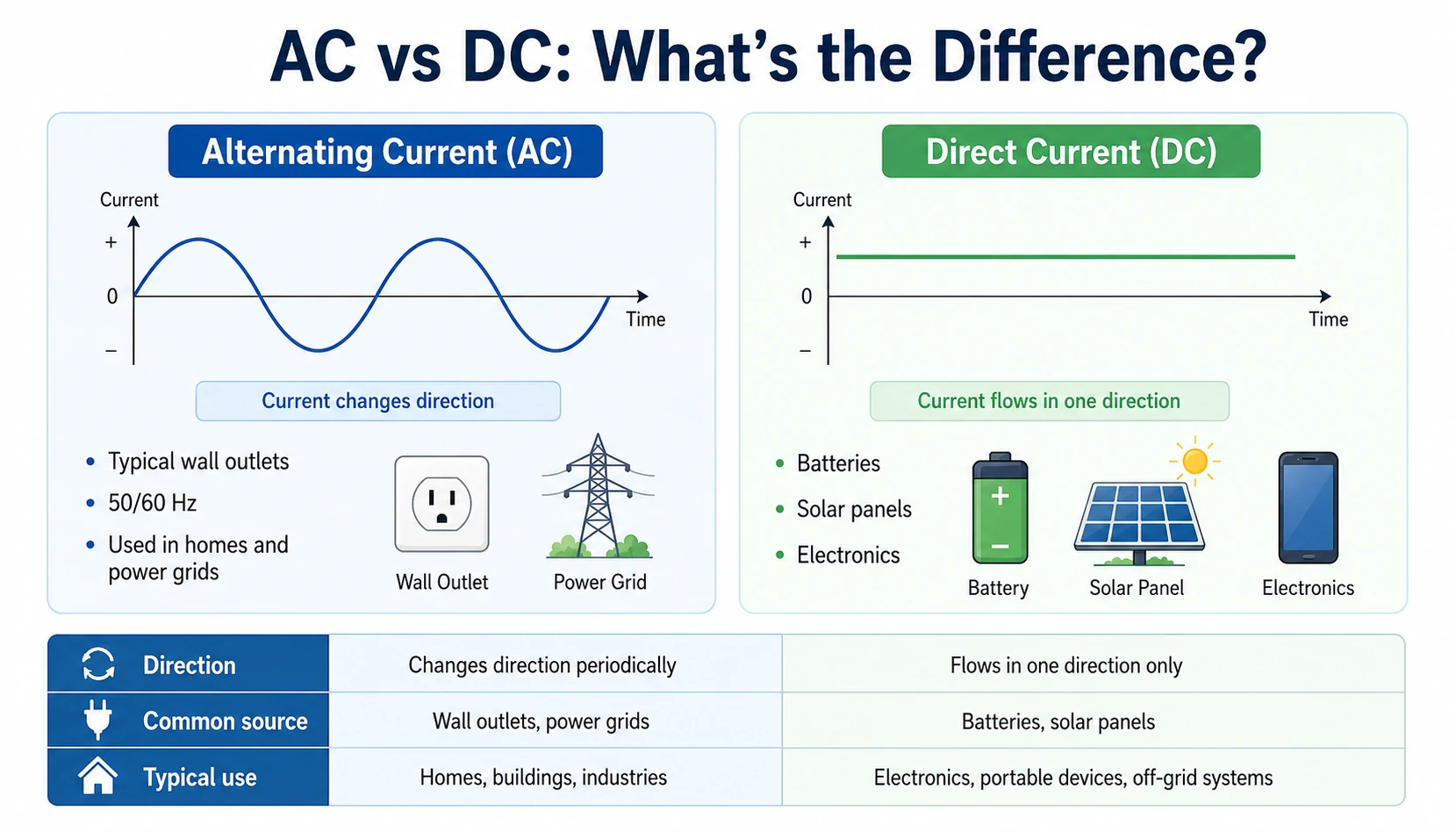
DC-coupled batteries connect directly to solar panels; AC-coupled batteries store AC electricity and are easier to retrofit.
It measures energy lost during charging and discharging. Higher percentages mean more efficient storage.
Most U.S. homes need between 10 kWh and 30 kWh of battery storage for basic evening use and backup of essential appliances.