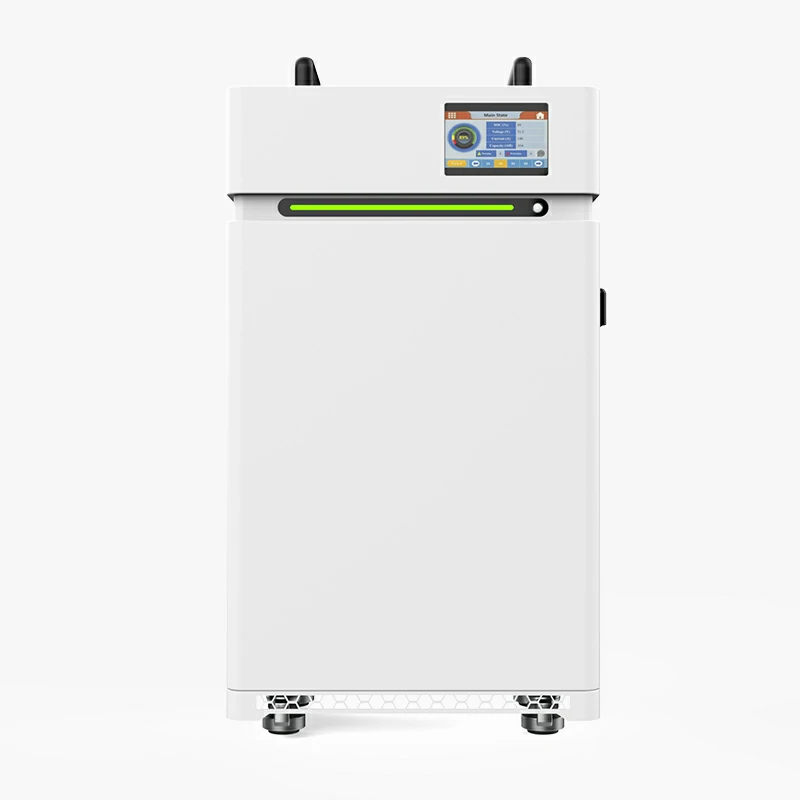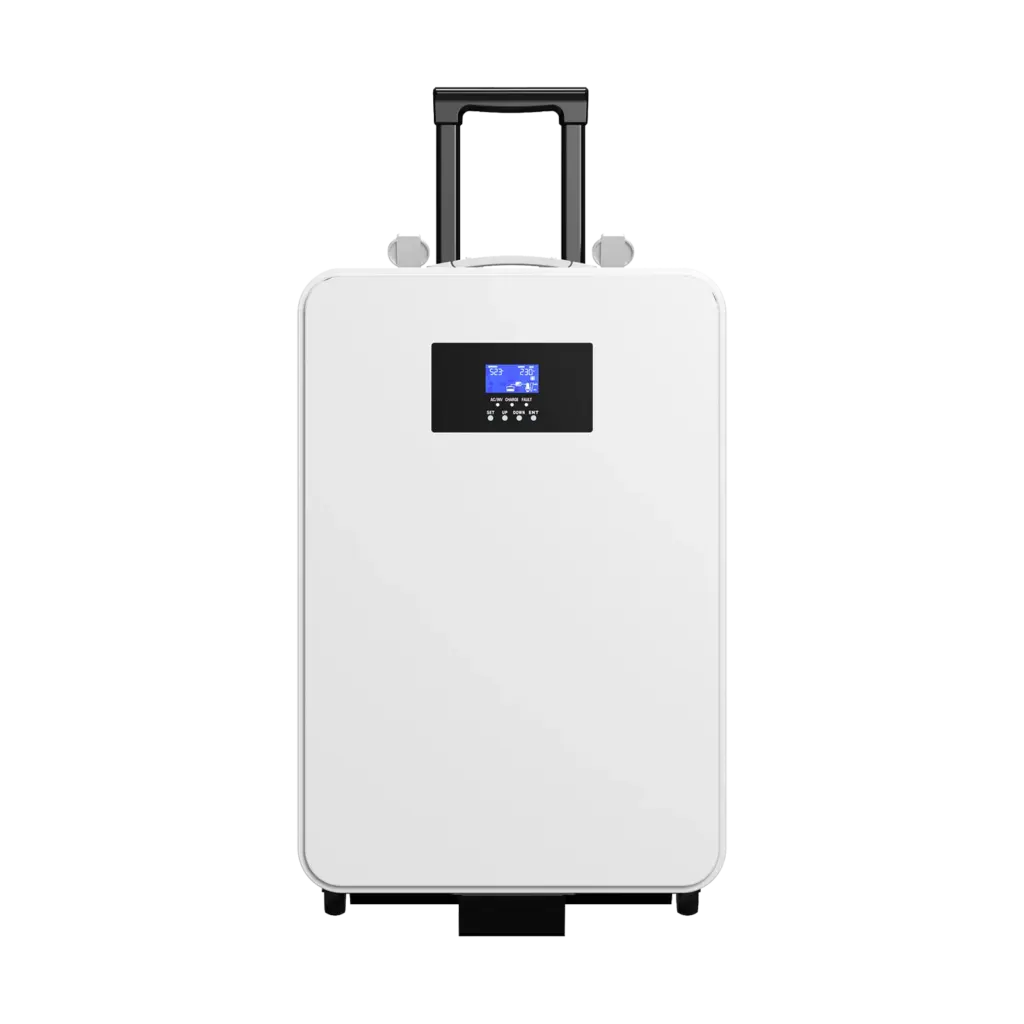

For homeowners looking to install a solar energy system or simply add a backup power source, the battery is one of the most important components. It’s the central part of your system that holds the energy your home will use when the sun isn’t shining or the grid is down.
Right now, two types of lithium-ion batteries are getting most of the attention in the residential market: the LFP battery (Lithium Iron Phosphate) and the NMC battery (Nickel Manganese Cobalt). Both of these technologies are powerful, but they have key differences that will directly affect your decision. This article will break down the properties, performance, and best applications of these two battery chemistries, helping you determine which is the best fit for your home energy storage needs.
What Are LFP Batteries?
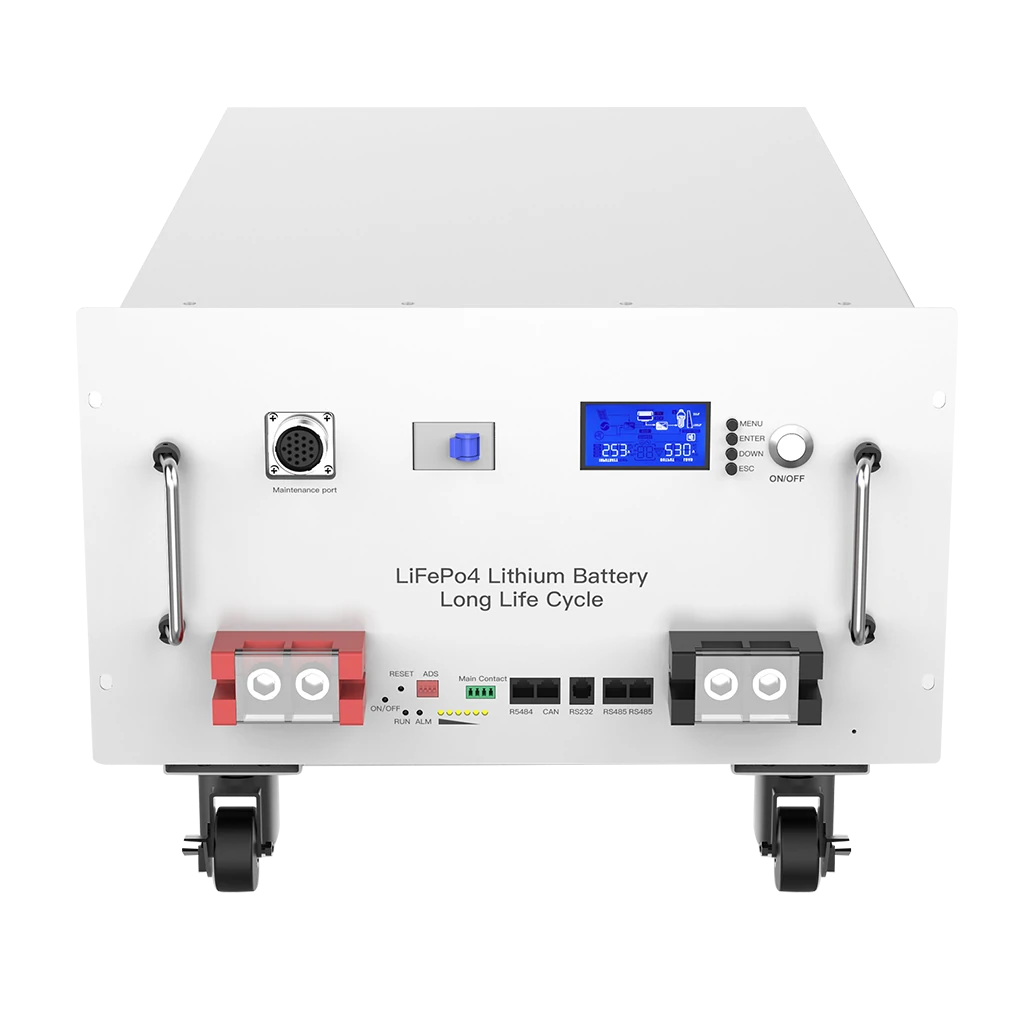
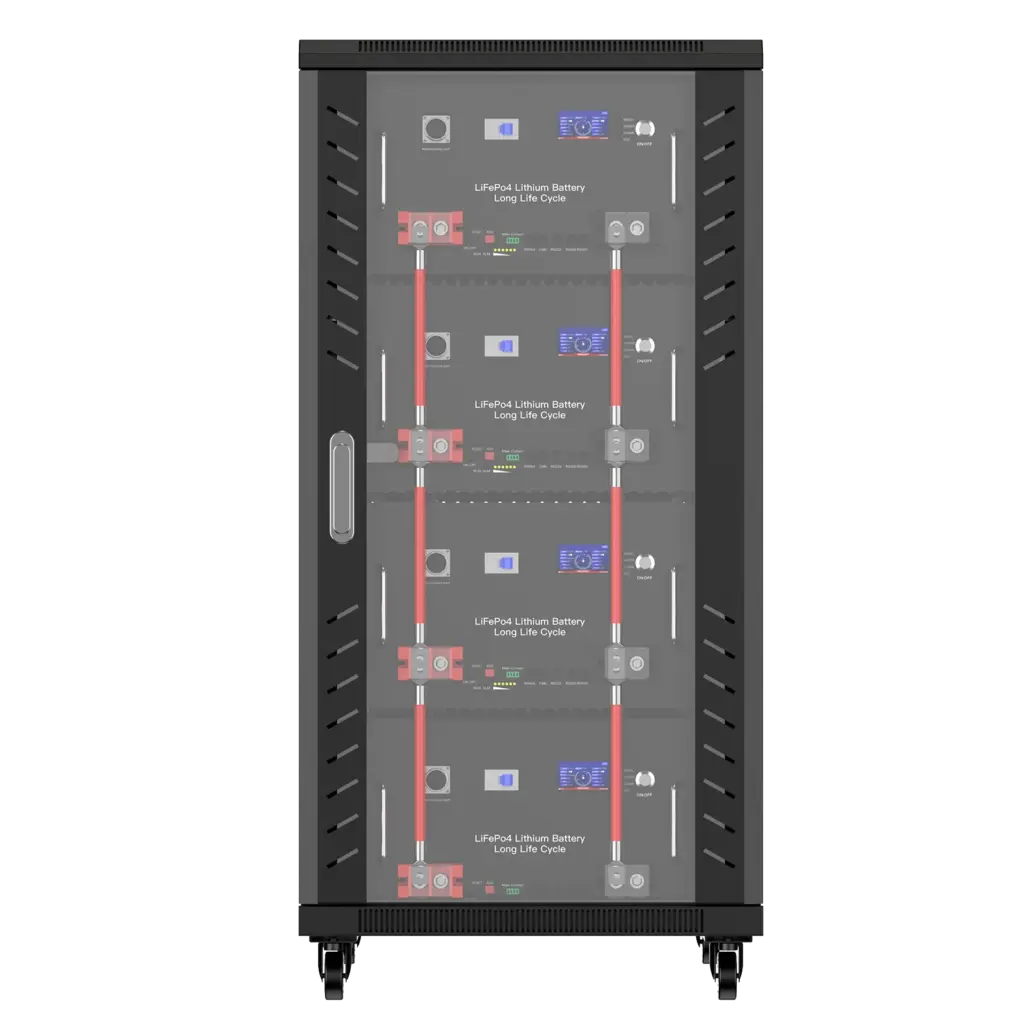
Lithium Iron Phosphate (LFP) batteries, also called LiFePO4 batteries, are a type of lithium-ion battery that uses iron phosphate as the main material for the cathode. They are particularly known for their safety, stability, and long lifespan, which makes them an appealing option for stationary energy storage in homes.
How LFP Batteries Work
An LFP battery consists of three key components:
- Cathode: Made from lithium iron phosphate (LiFePO4).
- Anode: Usually composed of carbon-based materials.
- Electrolyte: A medium that allows lithium ions to move between the cathode and anode during charge and discharge.
The LiFePO4 cathode has a strong chemical structure, which makes it resistant to overheating or combustion. This characteristic significantly improves safety compared to other lithium-ion chemistries.
Key Benefits of LFP Batteries
- LFP batteries can typically handle more than 3,000 charge-discharge cycles.
- They perform reliably in both high and low temperatures, although extreme cold can slightly reduce capacity.
- LFP batteries contain no cobalt, which is associated with ethical and environmental concerns.
- They are widely used in home energy storage, electric buses, and grid storage systems where safety, longevity, and consistent performance matter most.
What Are NMC Batteries?
Nickel Manganese Cobalt (NMC) batteries are another form of lithium-ion battery that uses a cathode made from nickel, manganese, and cobalt. They are best known for their high energy density, which allows them to store a large amount of energy in a relatively small space. This makes them popular for electric vehicles and portable electronics.
How NMC Batteries Work
NMC batteries rely on the combination of three metals for their cathode: nickel (Ni), manganese (Mn), and cobalt (Co). Different ratios of these metals (such as NMC 111, 532, or 811) can affect performance, energy density, and cost.
The anode is typically carbon-based, and the electrolyte facilitates the flow of lithium ions between the electrodes.
Advantages of NMC Batteries
- NMC batteries can store more energy per unit of weight than LFP.
- They combine high energy density with a reasonable cycle life, making them versatile for both mobile and stationary applications.
- Their smaller size allows for flexible placement in electronics or vehicles.
- NMC technology is common in laptops, smartphones, EVs, and other portable devices where size and efficiency matter.
Considerations for NMC Batteries
While NMC batteries offer high energy density, their cobalt content raises environmental and ethical concerns. Mining cobalt can harm local ecosystems and communities. Manufacturers are exploring cobalt-free or reduced-cobalt formulations to address these issues.
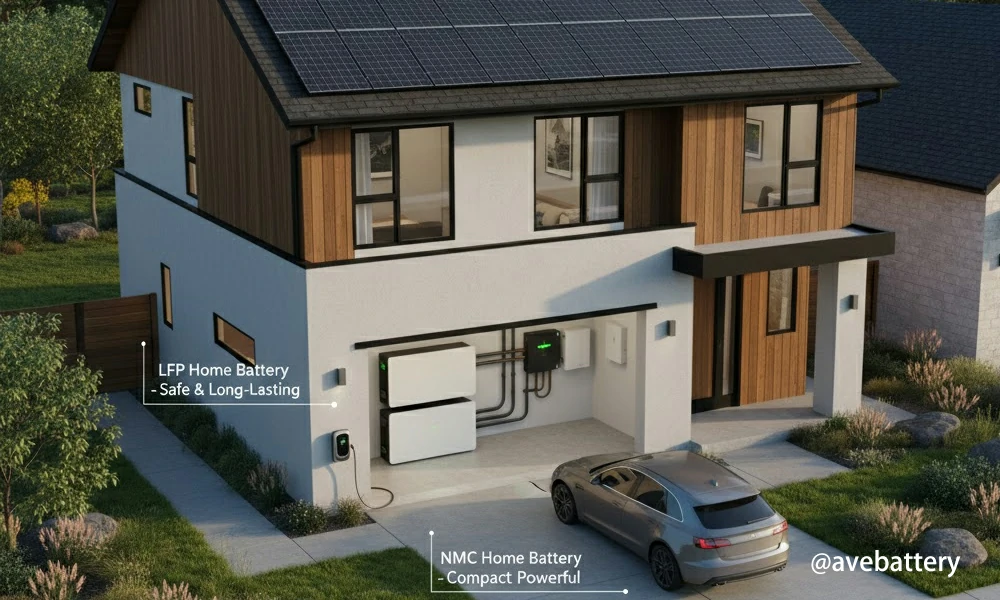
LFP vs. NMC for Home Energy Storage
Making the right choice between LFP and NMC for residential energy storage depends on several factors: safety, cost, performance, cycle life, and how you plan to use the battery in your home.
Quick Comparison Sheet
| Criterion | LFP (LiFePO4) | NMC (Nickel-Manganese-Cobalt) |
|---|---|---|
| Indoor/garage safety | Resists runaway longer; less O₂ release; containment easier | Safe with strong thermal design; may need more spacing |
| Codes & permitting | Both meet UL9540/9540A + NFPA855; calmer propagation eases indoor layouts | Same certs; AHJs may require stricter clearances per 9540A data |
| Cycle life (mod. DoD/rates) | 3,000–6,000 cycles to ~80% | 1,500–3,000 cycles to ~80% |
| Daily solar / TOU | Higher practical throughput at 20–80% SOC, 0.2–0.5C → lower LCOS | Works; more heat-rate sensitive → higher $/kWh over time |
| Standby/backup | Stable at ~40–60% SOC with temp limits | Also stable; footprint advantage in tight spaces |
| Energy density / footprint | Lower density → larger cabinets | Higher density → smaller/lighter cabinets |
| Cold behavior | <0 °C: plating risk; preheat + charge limits recommended | Similar cautions; preheat/limits still advised |
| Heat tolerance | Higher cathode stability; typically lower peak heat in abuse | Good with active cooling; higher heat release needs margin |
| 10–15 yr cost per delivered kWh | Often lower if cycled: LFP cells ~$50–60/kWh (late-2024) | Competitive for low-cycle standby; cells ~$69/kWh avg (late-2024) |
Cycle Life and Longevity
The cycle life is the number of times a battery can be fully charged and discharged before its performance drops below a certain threshold (usually 70-80% of its original capacity).
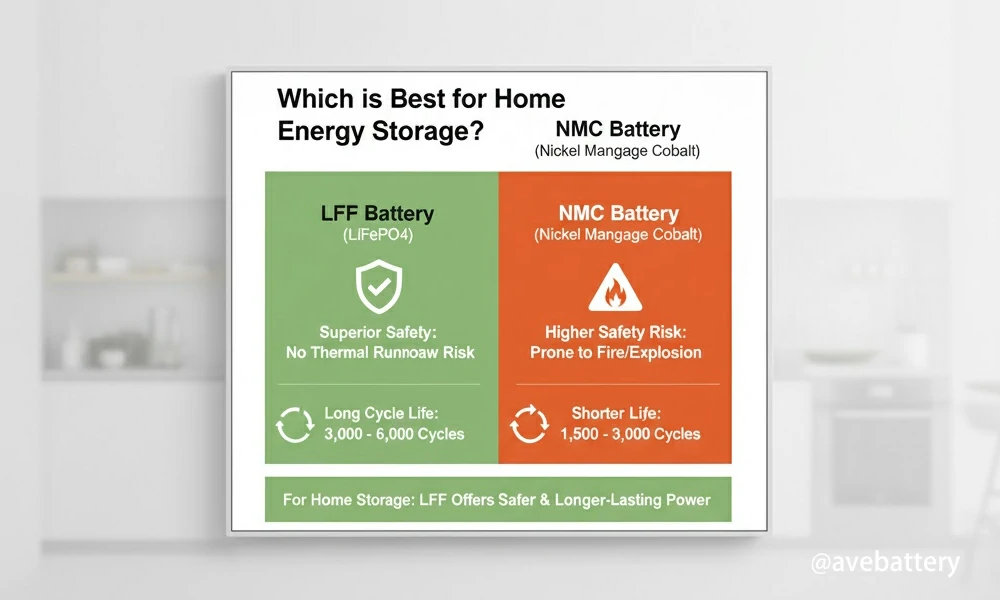
LFP batteries are the undisputed champions of cycle life. They can typically handle anywhere from 3,000 to 6,000 cycles over their lifetime. This high durability makes them perfectly suited for daily cycling, such as when you use your solar battery every single day to save money on electricity.
NMC batteries offer a shorter cycle life, usually in the range of 1,500 to 3,000 cycles. While this is perfectly adequate for the short lifespan of a smartphone or a car that charges infrequently, it means the battery will reach its degradation limit sooner in a home that cycles daily. They tend to wear out faster because they are more sensitive to the heat generated during frequent charging and discharging.
Safety
When you install a large battery inside your garage or home, safety is the number one concern.
LFP batteries take the lead in safety. Their stable chemical structure makes them highly resistant to thermal runaway (uncontrolled overheating). If an LFP cell is damaged or overheated, the worst-case scenario is typically venting smoke. The process of failure is slow, giving control systems time to react. This stability is a significant advantage, especially for indoor installations or in attached garages.
While generally safe when properly managed, NMC batteries are more chemically volatile than LFP. They are more prone to catching fire or exploding under extreme damage or high heat. This means they often require more safety clearance and more conservative installation rules in enclosed residential spaces.
For more insights, read “Why LFP Batteries Are the Safest Choice for Home Energy Storage”
Both LFP and NMC batteries must comply with residential safety codes. Key certifications include:
- UL 9540: Safety listing for battery storage systems.
- UL 9540A: Thermal runaway testing to measure propagation and gas release.
- NFPA 855: National Fire Protection Association standard for energy storage installations.
LFP’s superior thermal stability often simplifies permitting and installation in residential settings.
Energy Density and Size
Energy density refers to the amount of energy the battery can store relative to its weight or volume.
| Criterion | LFP (LiFePO4) | NMC | Residential Implication |
|---|---|---|---|
| Energy Density | Lower | Higher | NMC batteries can store more power in a smaller space. LFP systems are generally larger and heavier for the same amount of storage capacity. |
For an electric vehicle, high energy density is critical for acceleration and driving range. For a stationary home battery, size is important for installation, but its weight is less of a factor. While LFP units take up more physical space (a larger footprint), their other advantages often outweigh this trade-off for a permanent home installation.
Cost and Economics
While the initial price is important, the true value of a battery is measured by its cost per delivered kilowatt-hour (kWh) over its full lifetime.
LFP batteries are generally less expensive to purchase upfront, primarily because iron and phosphate are much more abundant and cheaper than nickel, manganese, and cobalt. When you factor in the significantly longer cycle life of LFP, the cost per delivered kWh over a 10- to 15-year period is often much lower than NMC.
NMC batteries are typically about 20% more expensive for the same capacity, mainly due to the high cost of cobalt and nickel. While they are competitive for homes that will only use the battery as a rare backup source, they are less cost-effective for daily, frequent cycling.
Performance in Different Climates
A battery’s performance can change dramatically based on how hot or cold the surrounding air is.
| Criterion | LFP (LiFePO4) | NMC | Home Implication |
|---|---|---|---|
| High Heat Tolerance | Excellent; resists thermal runaway | Good; more heat-sensitive | LFP is safer for hot or enclosed spaces |
| Cold Tolerance | Fair; drops to ~60% at -20°C | Good; less affected by cold | LFP may need preheating in very cold climates |
Deciding Which Battery is Best for You
The choice between an LFP and an NMC battery is not about one being universally “better,” but rather which one is better suited for your specific situation.
Most homes that cycle the battery every day for solar self-use or time-of-use rates will see lower total cost per delivered kWh and smoother permit reviews with LFP, mainly because LFP runs cooler, tolerates daily cycling well, and fits indoor or attached-garage spaces with fewer layout constraints. Homes that need the smallest possible footprint with lower cycling may find NMC competitive, especially when space is tight and daily cycling is light.
If your battery sits mostly in standby and your space is tight, NMC can still be a fit when designed and operated carefully.
How to Maximize LFP Battery Lifespan
Proper usage and settings can extend LFP battery life significantly:
- State of Charge (SOC):
- Standby: 40–60%
- Daily cycling: 20–80%
- Charge/Discharge Rate: Keep typical rates near 0.2–0.5 C to avoid excess heat.
- Temperature Management: Avoid direct sunlight, ensure airflow, and preheat in cold climates.
- Load Management: Size the inverter and battery to handle critical circuits like HVAC, pumps, and refrigeration.
Following these rules keeps your LFP battery efficient, safe, and long-lasting.
Why LFP Is Safer for Home Storage
Safety is one of the main reasons homeowners choose LFP for indoor use:
- Stable Cathode Chemistry: LFP tolerates high temperatures with minimal risk.
- Slow Propagation: In the unlikely event of failure, thermal runaway spreads slowly, giving control systems time to respond.
- Suitability for Dense Areas: LFP batteries are safer in townhouses and compact mechanical rooms.
NMC batteries are generally safe but require more careful placement and monitoring, especially in enclosed indoor spaces.
Conclusion: The Best Choice for Residential Use
For the typical homeowner prioritizing safety, long-term value, and durability in a stationary setting:
- LFP is the clear winner for home energy storage.
The lower fire risk is an unmatched advantage for batteries installed near living spaces. The significantly longer cycle life ensures a better return on investment and a lower effective cost per kWh over the 10-15 year life of the system. While NMC offers a smaller footprint, the LFP’s advantages in safety and longevity typically outweigh the space premium for residential installations.
In short, if you are looking for a reliable, safe, and enduring battery to cycle daily for solar self-consumption or time-of-use shifting, the LFP battery is your best choice.
What specific factors are most important to you—safety, cost, or size—when considering a home battery?
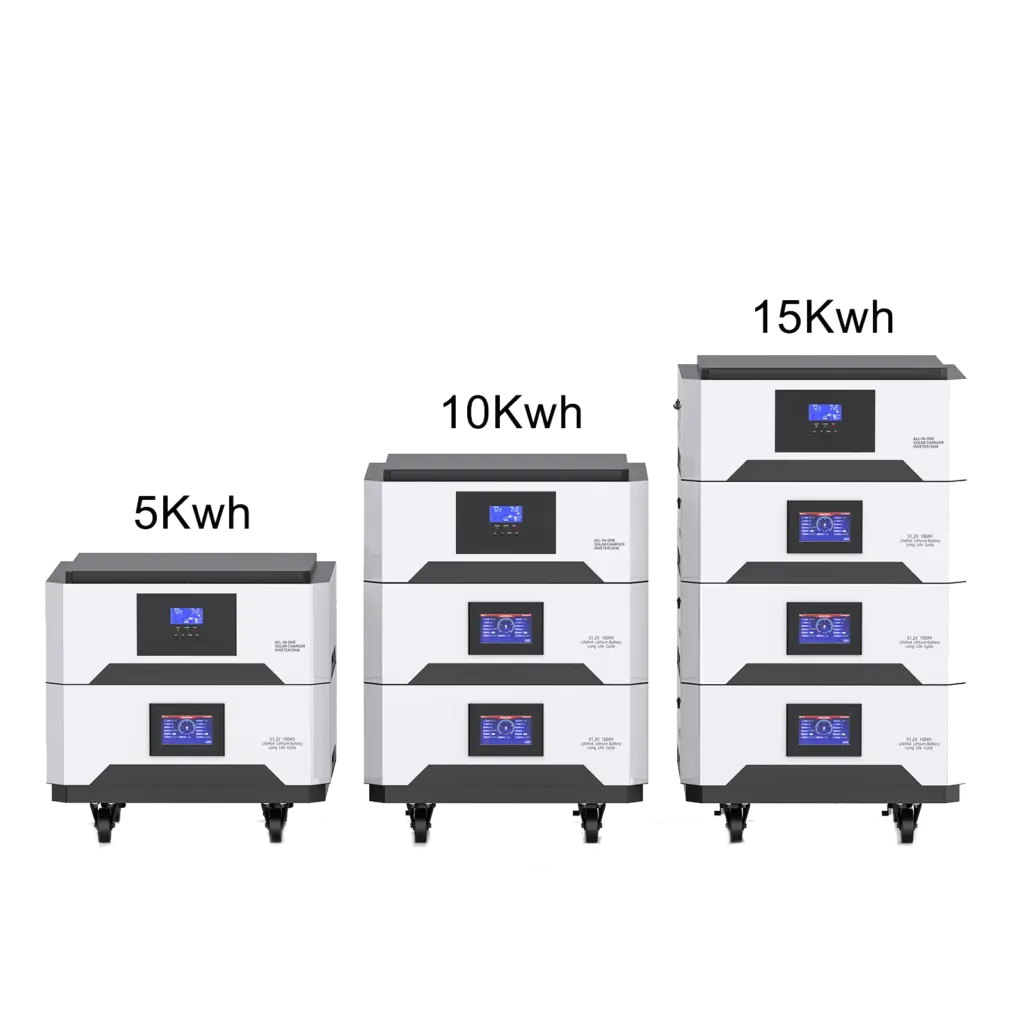
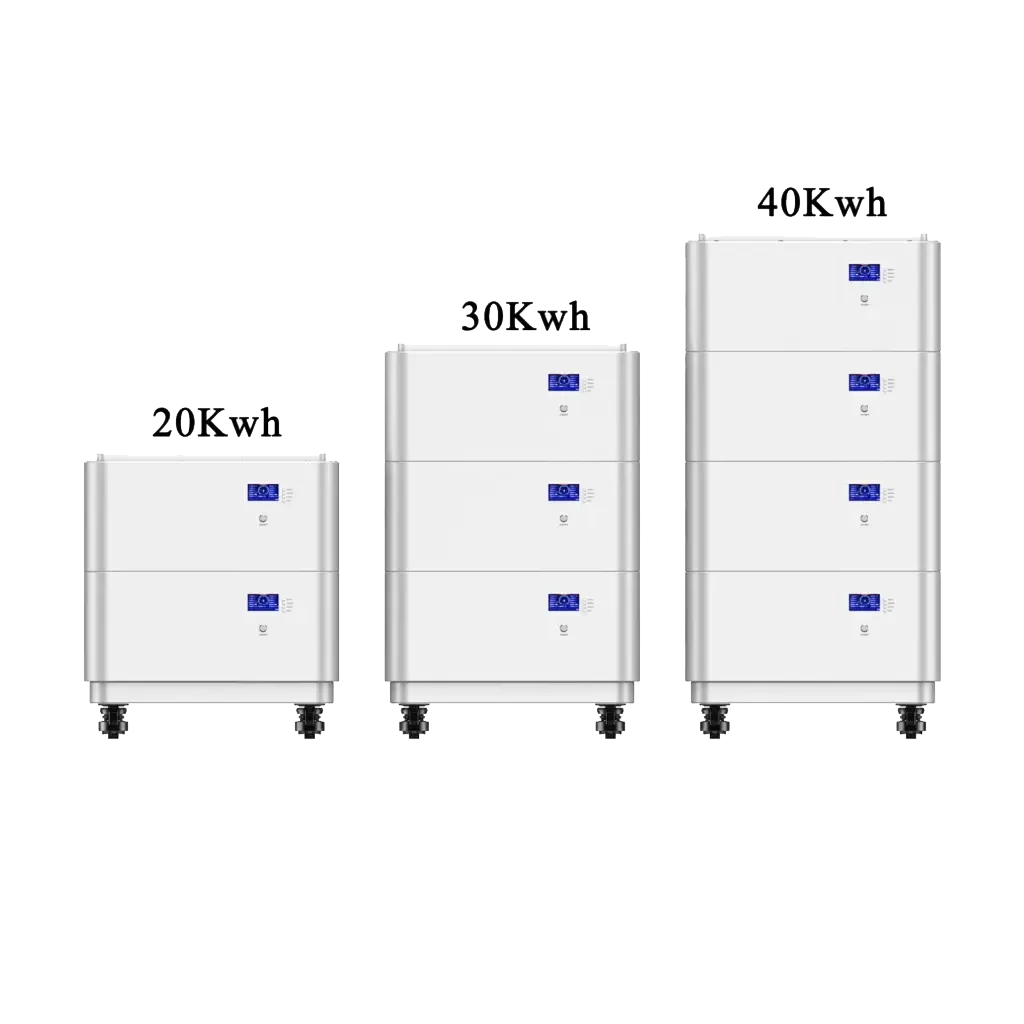
For systems that meet these standards, Avepower offers two key advantages for large residential homes: our battery capacity scales flexibly from 5 kWh per module up to 260 kWh, supporting up to 16 units in parallel for expanded energy storage.
Ready to power your home with a safer, scalable energy solution?
Contact Avepower today to design a custom LFP storage system that grows with your needs.
FAQ
C-rate is current relative to capacity. A 0.5C rate means the pack can discharge in two hours. Home systems usually run 0.2–0.5C. Lower rates help reduce heat and extend life for both chemistries.
LFP batteries have lower energy density compared to other lithium-ion batteries, such as NMC. This means they take up more space and weigh more to store the same amount of energy. They also perform less efficiently in extremely cold temperatures, dropping to about 60% capacity at -20°C.
Regularly charging to 100% is not recommended for daily cycling. Charging to around 80–90% for daily use helps preserve cycle life and reduces heat stress. You can fully charge occasionally if needed for backup or peak load use.
Yes. LFP batteries use abundant, non-toxic materials like iron and phosphate, unlike NMC batteries that rely on cobalt and nickel. They are recyclable and have lower environmental impact during production and disposal.