
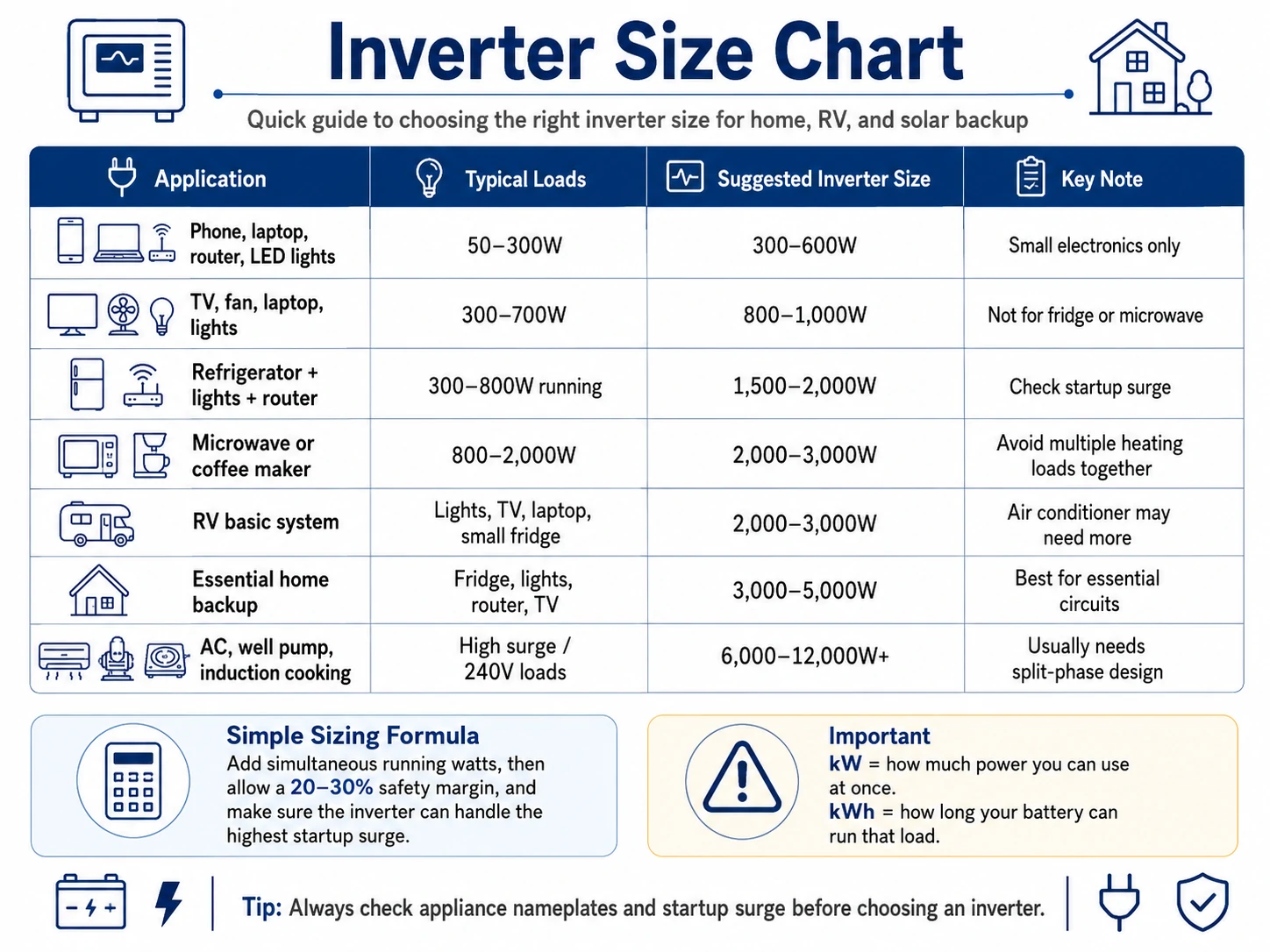
The right inverter size depends on the total running watts of the appliances you want to power at the same time, the highest startup surge, and a 20–30% safety margin. Most small electronics only need a 300W–600W inverter, RV and light household backup usually need 1000W–3000W, and home solar battery or off-grid systems often need 3000W–6000W or more.
A 1000W inverter may run a laptop, lights, TV, and router, but it may fail to start a refrigerator, pump, air conditioner, or power tool if the startup surge is too high.
The safest sizing method is:
Inverter size = total running watts + largest additional startup surge + 20% to 30% headroom
For solar battery systems, also check battery capacity, battery voltage, BMS discharge current, inverter communication, and backup circuit design.
Inverter Size Chart by Appliance and Use Case
Most small electronics work with under 1,000W, but heating appliances, refrigerators, pumps and air conditioners need larger inverters because of high wattage or startup surge.
| Appliance | Typical Running Watts | Possible Startup Watts | Recommended Inverter Size |
|---|---|---|---|
| Phone charger | 5–20W | Same | 300W |
| WiFi router | 10–30W | Same | 300W |
| Laptop | 50–100W | Same | 300–600W |
| LED TV | 50–200W | Same | 600–1,000W |
| LED lights, 10 bulbs | 80–150W | Same | 600–1,000W |
| Refrigerator/freezer | 100–700W | 1,000–2,500W | 1,500–3,000W |
| Microwave | 625–2,000W | Usually low surge, high running load | 2,000–3,000W |
| Coffee maker | 1,000–2,400W | Usually low surge | 2,000–3,000W |
| Washing machine | 500–1,500W | Motor surge possible | 2,000–3,000W |
| Small water pump | 500–1,500W | 2×–4× possible | 3,000–5,000W |
| Air conditioner | 1,000–5,000W+ | 2×–4× possible | 5,000–12,000W+ |
This chart is only a planning guide. Always check the appliance nameplate, manufacturer data, measured wattage, and local electrical code before final inverter selection.
Need help matching inverter size, battery capacity and backup runtime? Avepower can support residential, installer-led and commercial energy storage projects with LiFePO4 battery systems, inverter compatibility guidance and OEM/ODM customization. Share your load list, backup hours and inverter model, and Avepower can help recommend a practical battery configuration.
How Do You Calculate Inverter Size?
To calculate inverter size, list every appliance you want to run at the same time, add the running watts, add the largest extra startup surge, and then add 20% to 30% headroom. For solar battery systems, also confirm that the battery and BMS can supply the inverter’s DC current safely.
Use this formula:
Recommended inverter size = running watts × 1.25
For motor loads, use the improved formula:
Recommended inverter size = total running watts + largest additional surge + 20% to 30% headroom
Example:
| Load | Running Watts | Starting Watts |
|---|---|---|
| Refrigerator | 200W | 1200W |
| LED lights | 120W | 120W |
| WiFi router | 30W | 30W |
| TV | 120W | 120W |
| Laptop charging | 150W | 150W |
| Sump pump | 750W | 2000W |
Total running load:
200 + 120 + 30 + 120 + 150 + 750 = 1370W
Largest additional startup surge:
Sump pump: 2000W – 750W = 1250W
Minimum surge requirement:
1370W + 1250W = 2620W
With 25% headroom:
1370W × 1.25 = 1712W continuous output
In this case, a 2000W inverter with strong surge capability may work if the inverter can handle pump startup. A 3000W pure sine wave inverter would be safer for long-term residential backup.
Running Watts vs Surge Watts
Running watts tell you what the inverter must supply continuously, while surge watts tell you whether the inverter can start motors, compressors and pumps without shutting down.
Running watts are the steady power a device uses while operating. Surge watts, also called starting watts or peak watts, are the short burst needed when a motor, compressor or pump starts. A refrigerator, freezer, well pump or air conditioner can require several times its normal running power for a short time.
The sizing mistake many buyers make is choosing an inverter only by running watts. A 1,000W inverter may power a small steady load, but it may fail to start a refrigerator compressor if the startup surge is much higher.
What Size Solar Inverter Do You Need for a Solar Panel System?
| Solar Array Size | Inverter Size | DC/AC Ratio | Typical Meaning |
|---|---|---|---|
| 6kW DC | 6kW AC | 1.0 | Minimal clipping, higher inverter capacity |
| 6.6kW DC | 5kW AC | 1.32 | Common oversizing approach where allowed |
| 10kW DC | 8kW AC | 1.25 | Higher solar capture in weaker light, some clipping |
| 13kW DC | 10kW AC | 1.3 | Often used in commercial or larger residential designs |
A higher DC/AC ratio can improve morning, evening, and cloudy-day energy production, but it can also create clipping during peak sun hours. This is acceptable only when the annual energy gain, equipment cost, grid export limit, and local regulations support the design.
For compliance, installers should verify inverter model approval through official product lists such as the California Energy Commission Solar Equipment List or the Clean Energy Council approved inverter list, depending on the project market.
How Do Battery Voltage and BMS Current Affect Inverter Size?
Battery voltage and BMS current decide whether the battery can safely support the inverter’s power demand. A 48V battery with a 100A discharge limit cannot support the same inverter power as a 48V battery with a 200A discharge limit, even if both batteries have similar kWh capacity.
Use this simple DC-side estimate:
DC current ≈ inverter AC power ÷ battery voltage ÷ inverter efficiency
Example for a 48V battery and 5000W inverter:
5000W ÷ 48V ÷ 0.92 ≈ 113A
Example for a 48V battery and 8000W inverter:
8000W ÷ 48V ÷ 0.92 ≈ 181A
This means a large inverter requires higher battery discharge current, larger cables, proper breakers, suitable terminals, and BMS settings that match the project design.
Avepower Example: Matching a 15kWh Battery with a 6kW Inverter
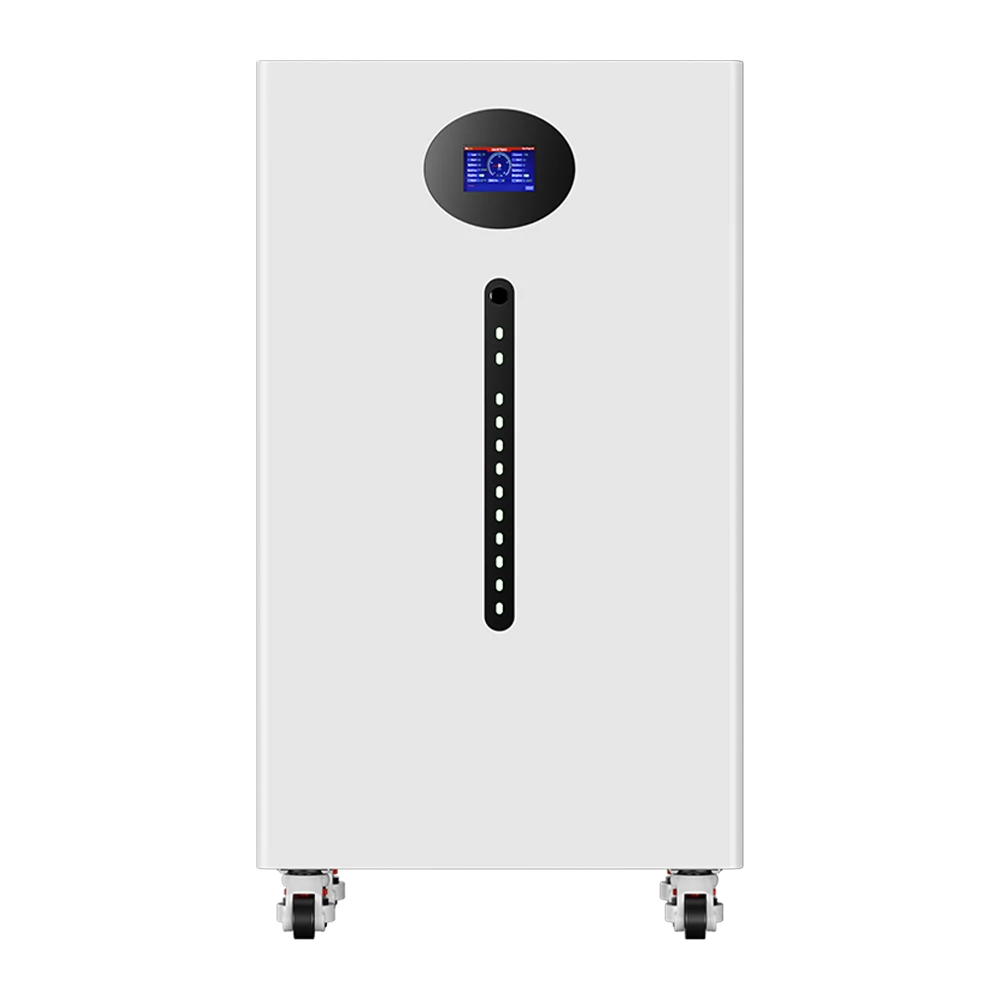
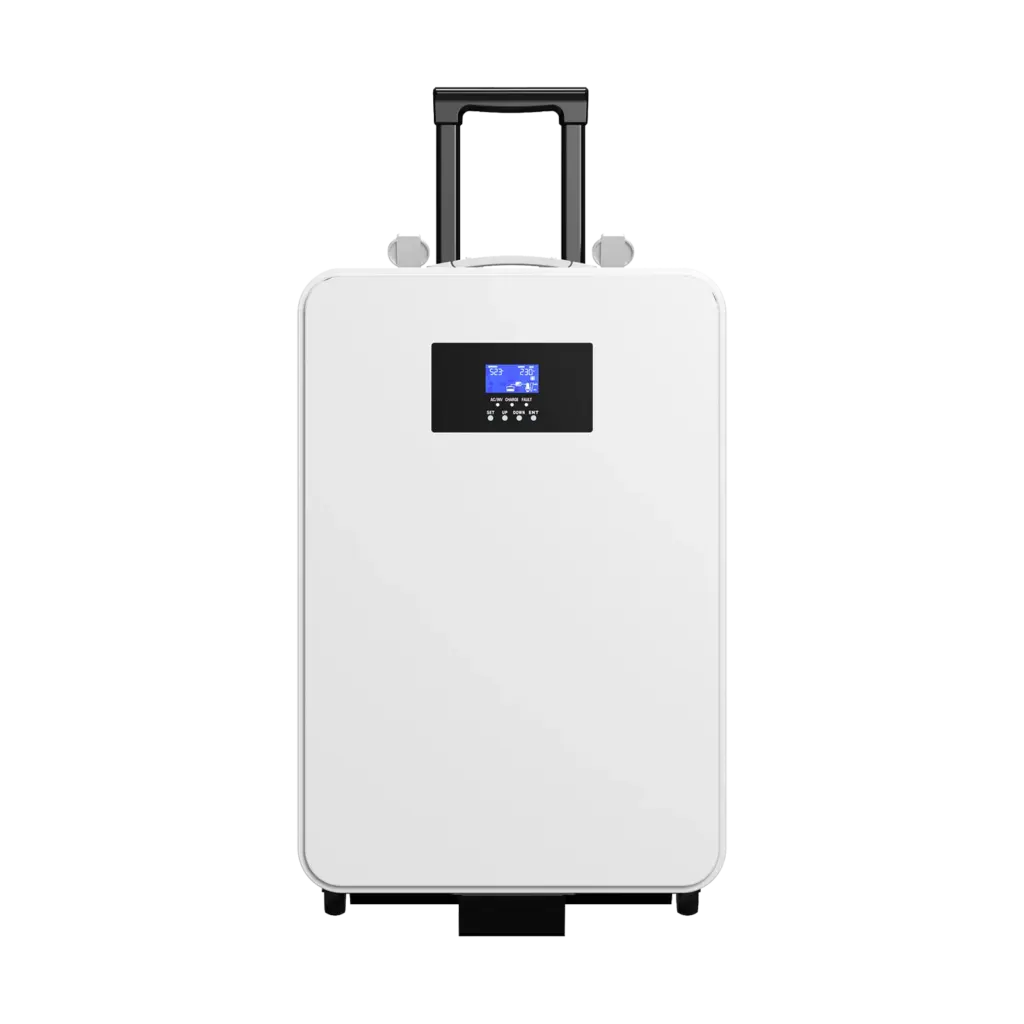
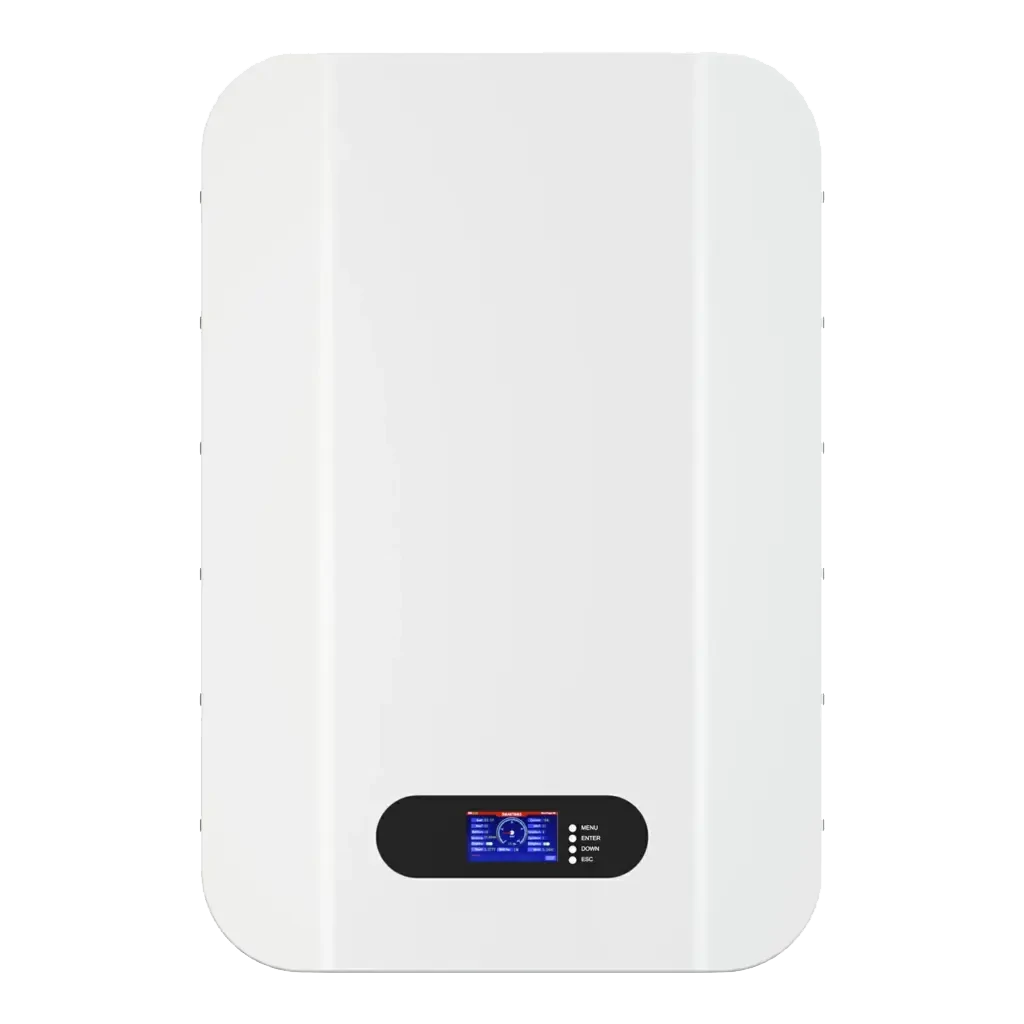
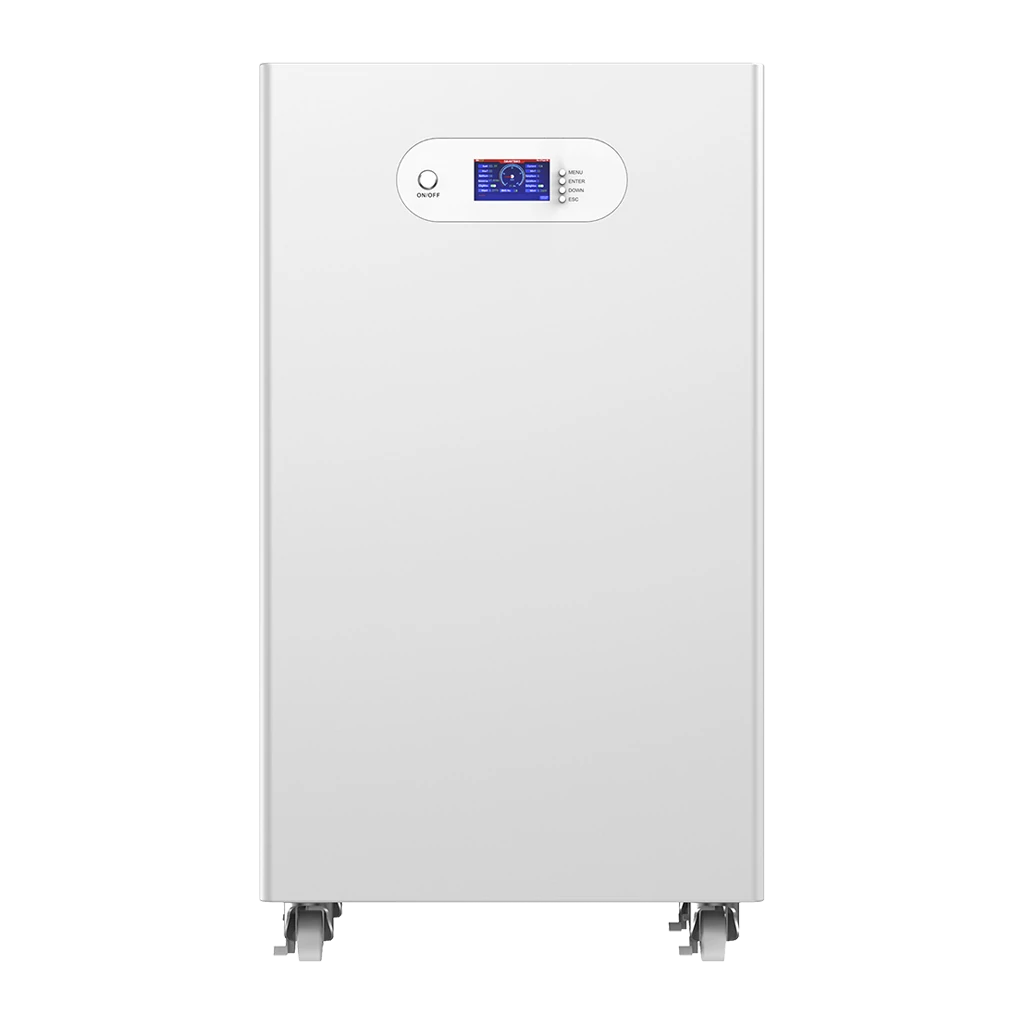
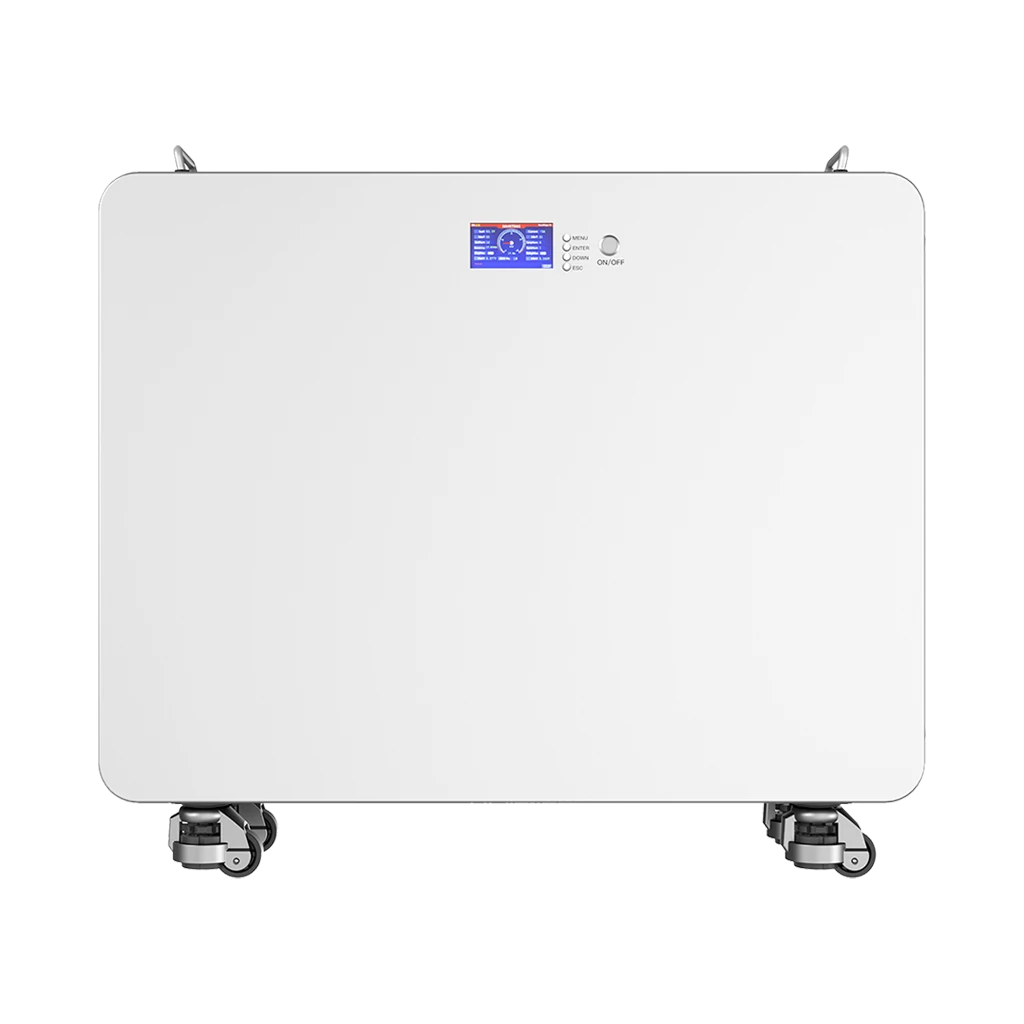
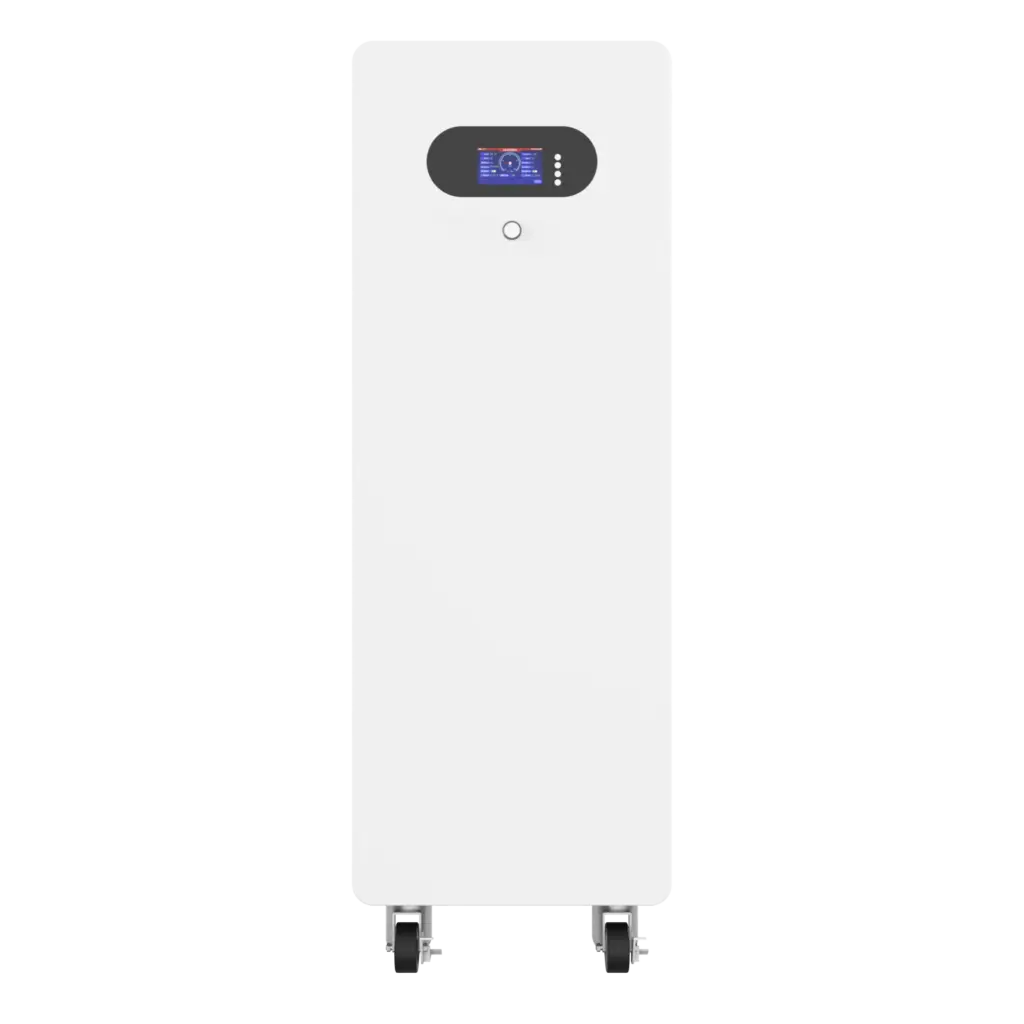
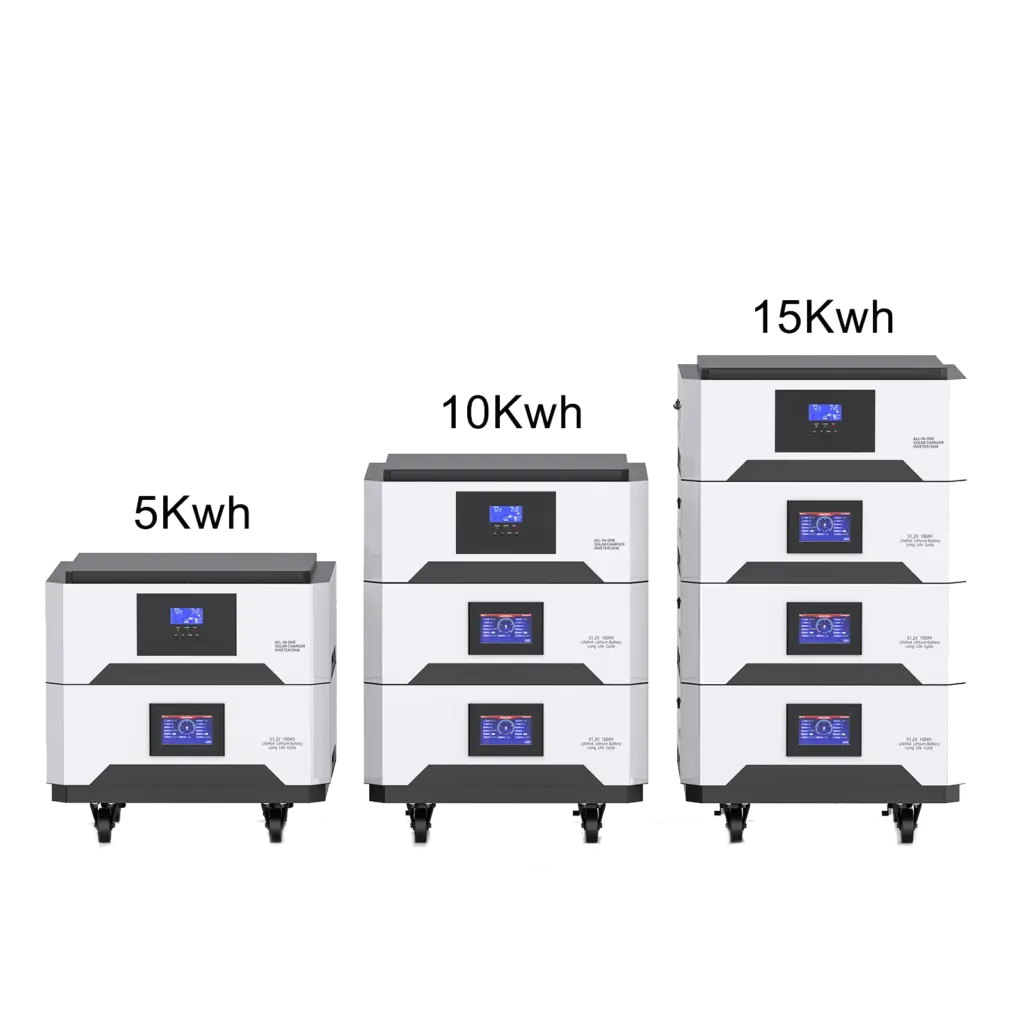
Avepower’s 15kWh all-in-one battery with a 6kW pure sine wave inverter is a practical example of matching battery capacity, inverter output, MPPT solar charging, BMS protection, and monitoring in one cabinet. It is suitable for home solar storage, backup power, off-grid use, and small energy storage projects.
The Avepower all-in-one solar battery 15kWh with 6kW inverter integrates a 15kWh LiFePO4 battery pack, 6kW pure sine wave inverter, MPPT solar charger, 200A protection board, RS485/CAN communication, Bluetooth/WiFi monitoring, and dual display screens.
For sizing decisions, this type of integrated system is useful because the inverter, battery, solar charger, protection components, and monitoring are already designed as one architecture. This can reduce matching work for installers, distributors, and project buyers.
Example runtime estimate:
| Load Level | Estimated Runtime from 15kWh Battery | Suitable Loads |
|---|---|---|
| 500W | About 24–27 hours | Router, lights, laptop, small fridge cycling |
| 1000W | About 12–13.5 hours | Essential home loads |
| 3000W | About 4–4.5 hours | Higher short-term backup load |
| 6000W | About 2–2.2 hours | Near full inverter output, not ideal for long runtime |
*Assumes roughly 80%–90% usable delivered energy after reserve and conversion losses. Actual runtime depends on load behavior, battery settings, temperature, and inverter efficiency.
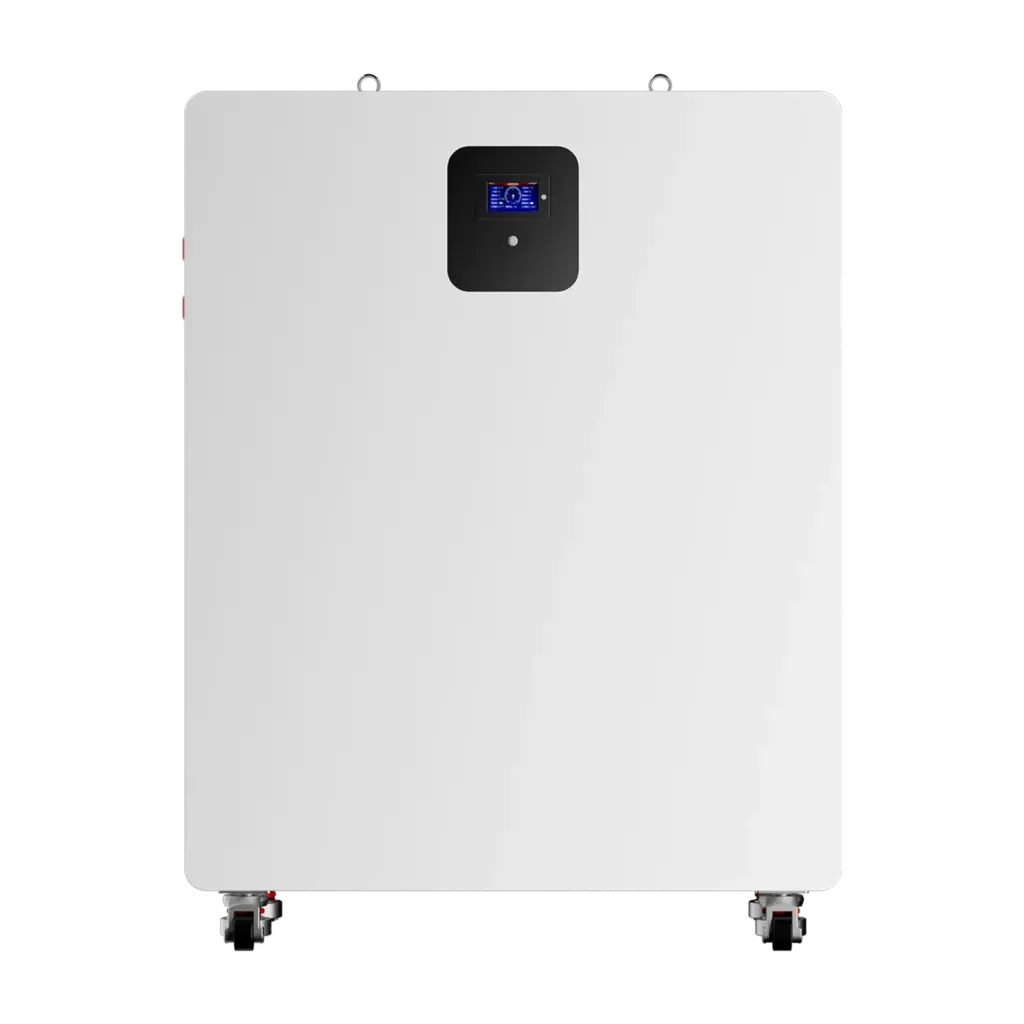
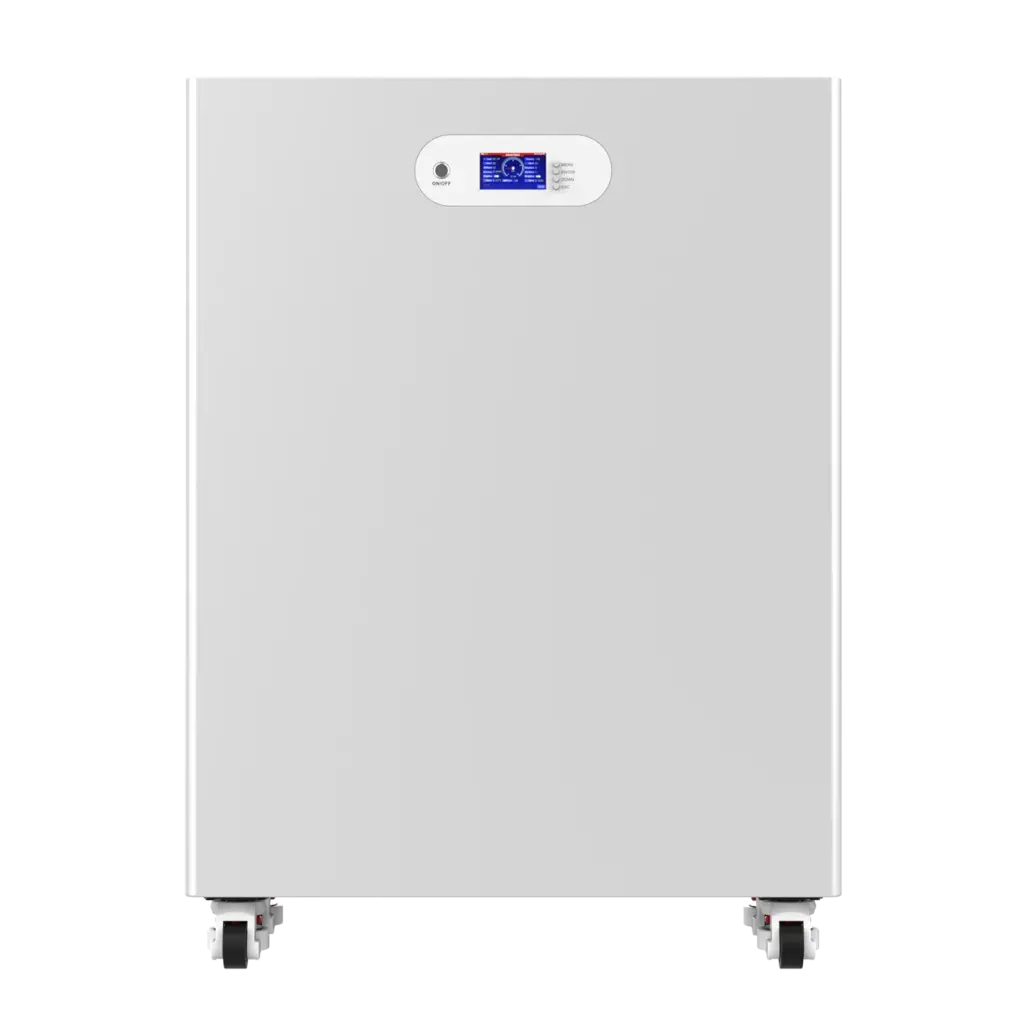
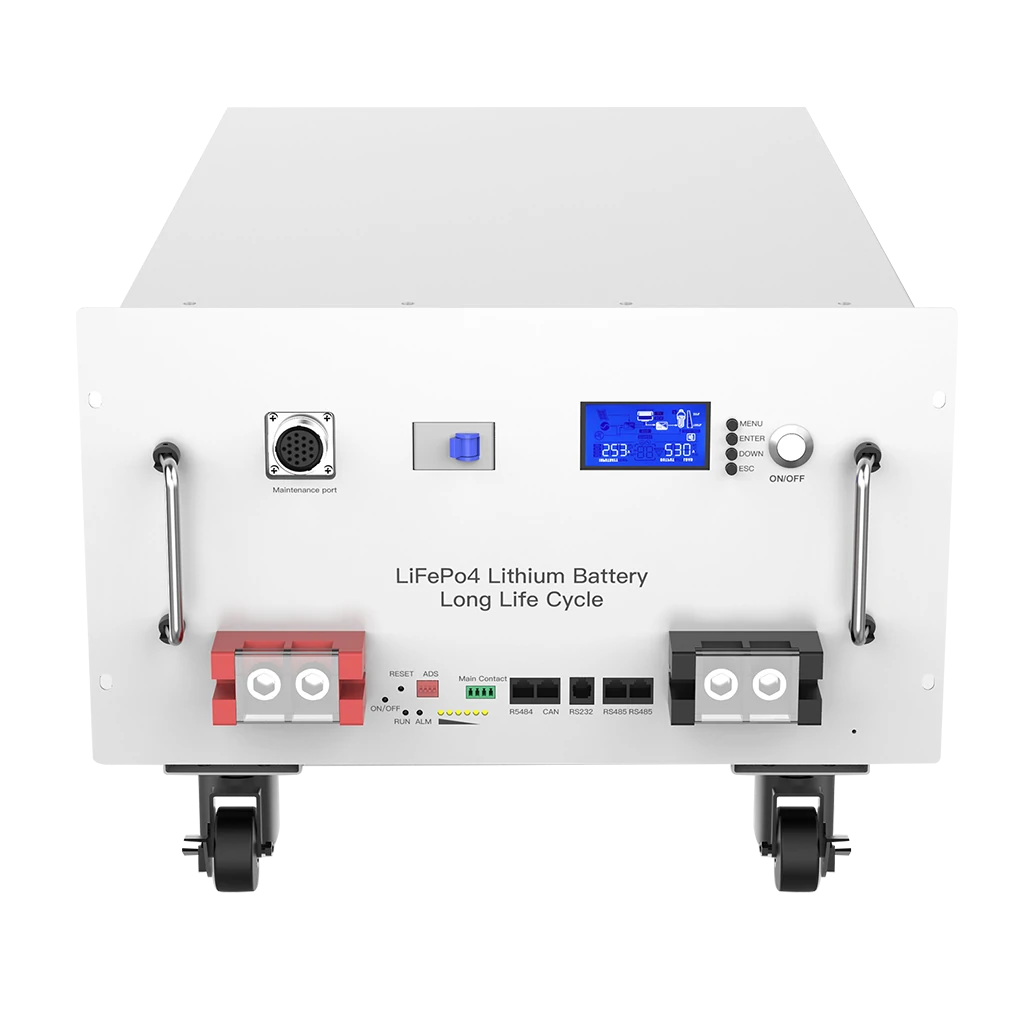
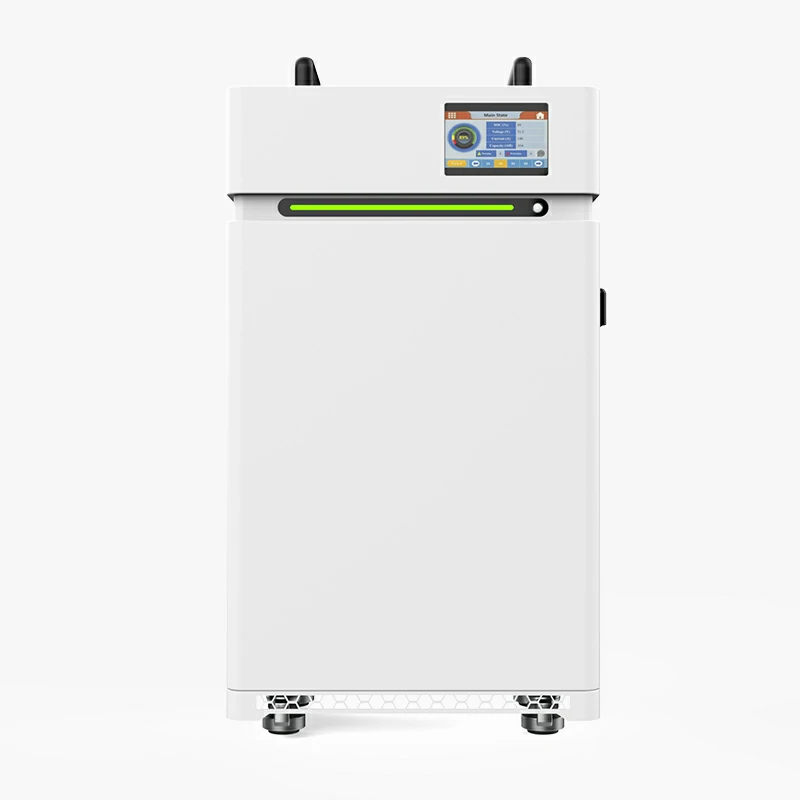
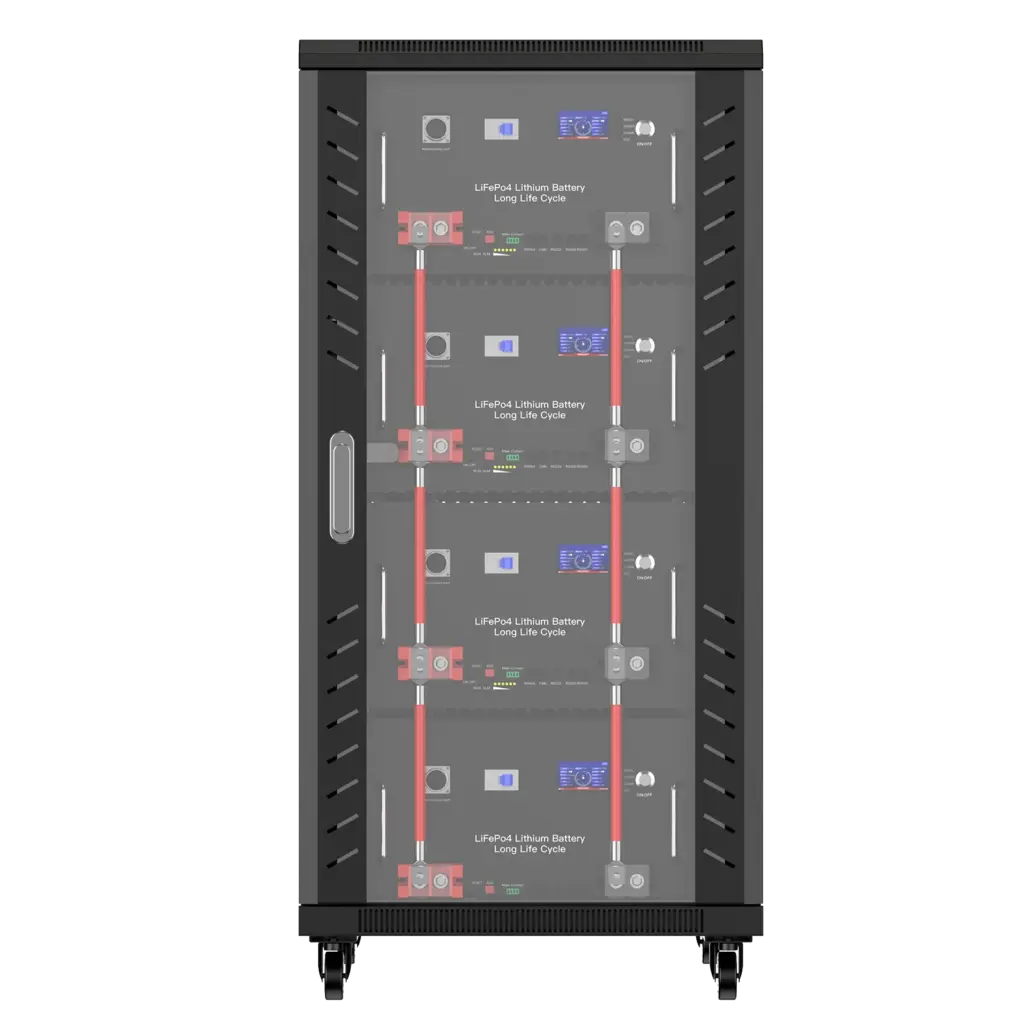
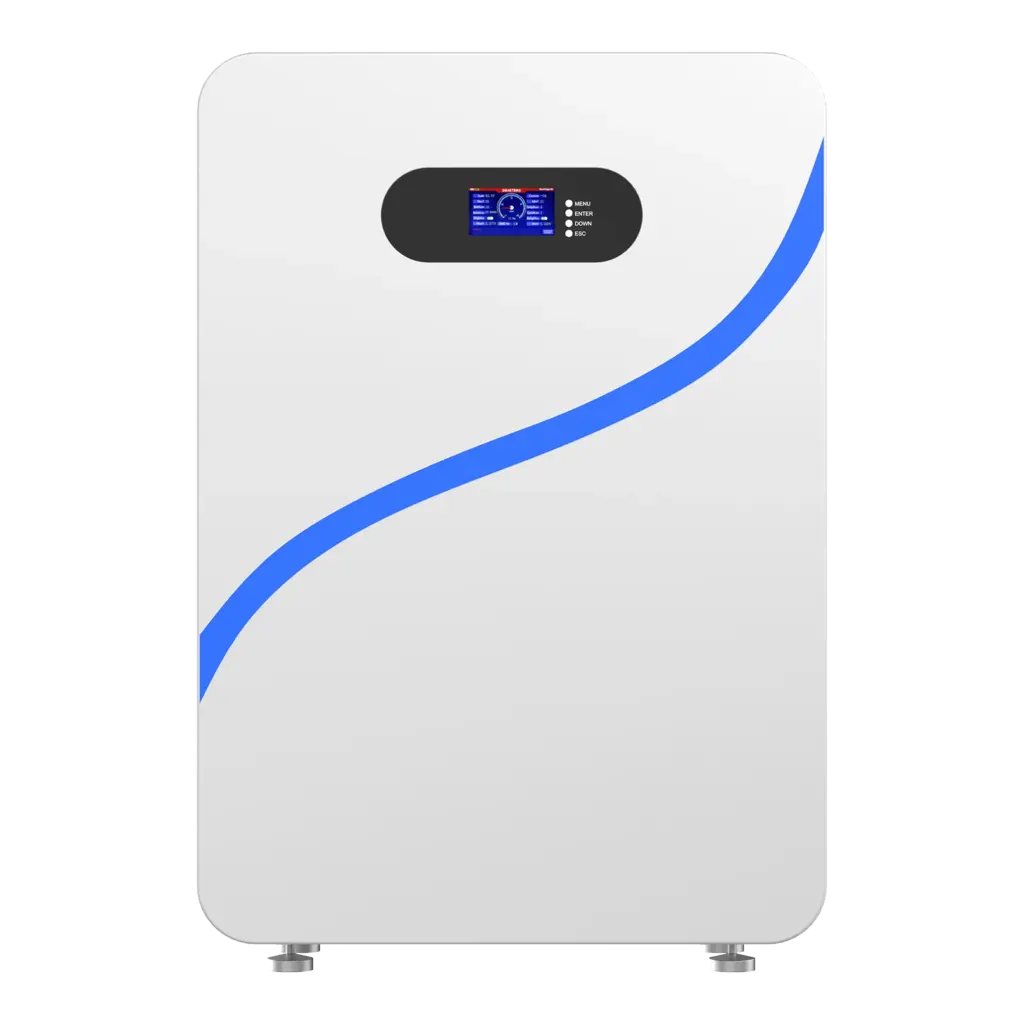
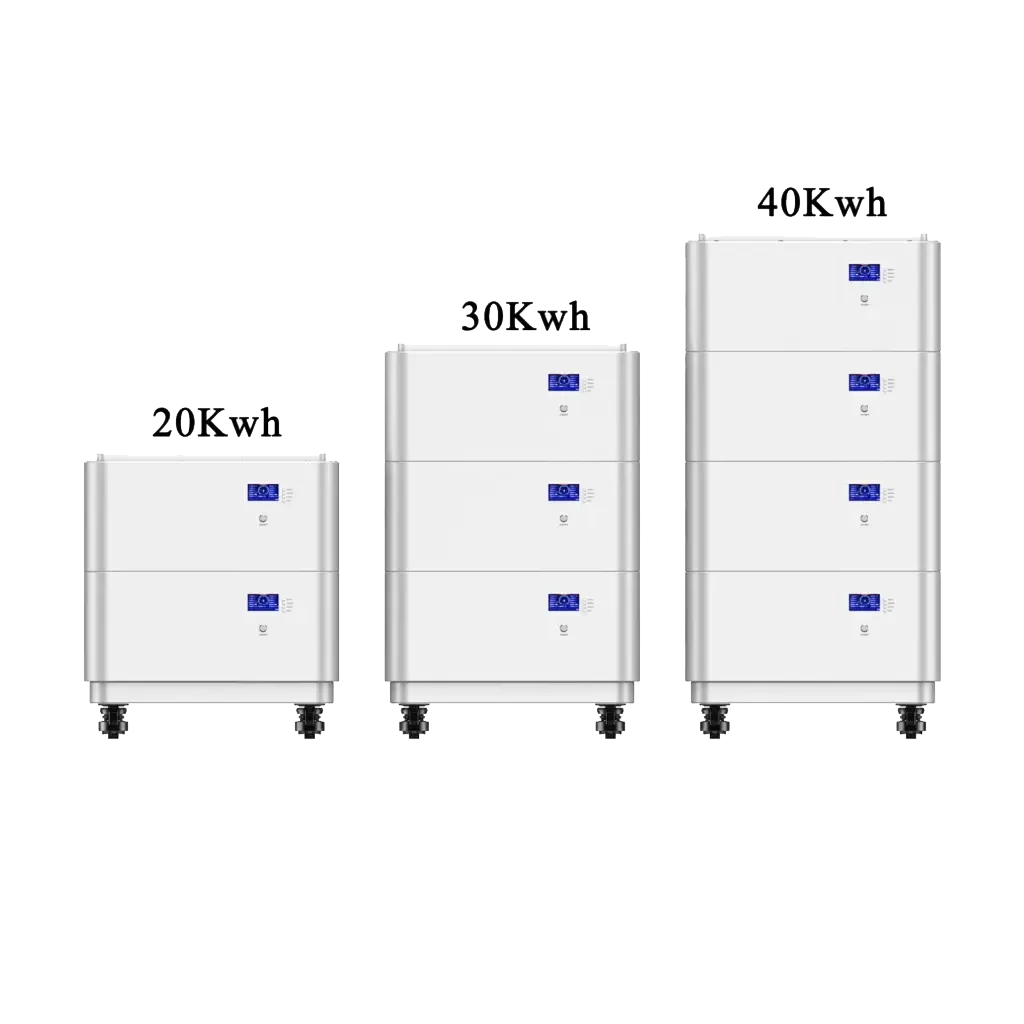
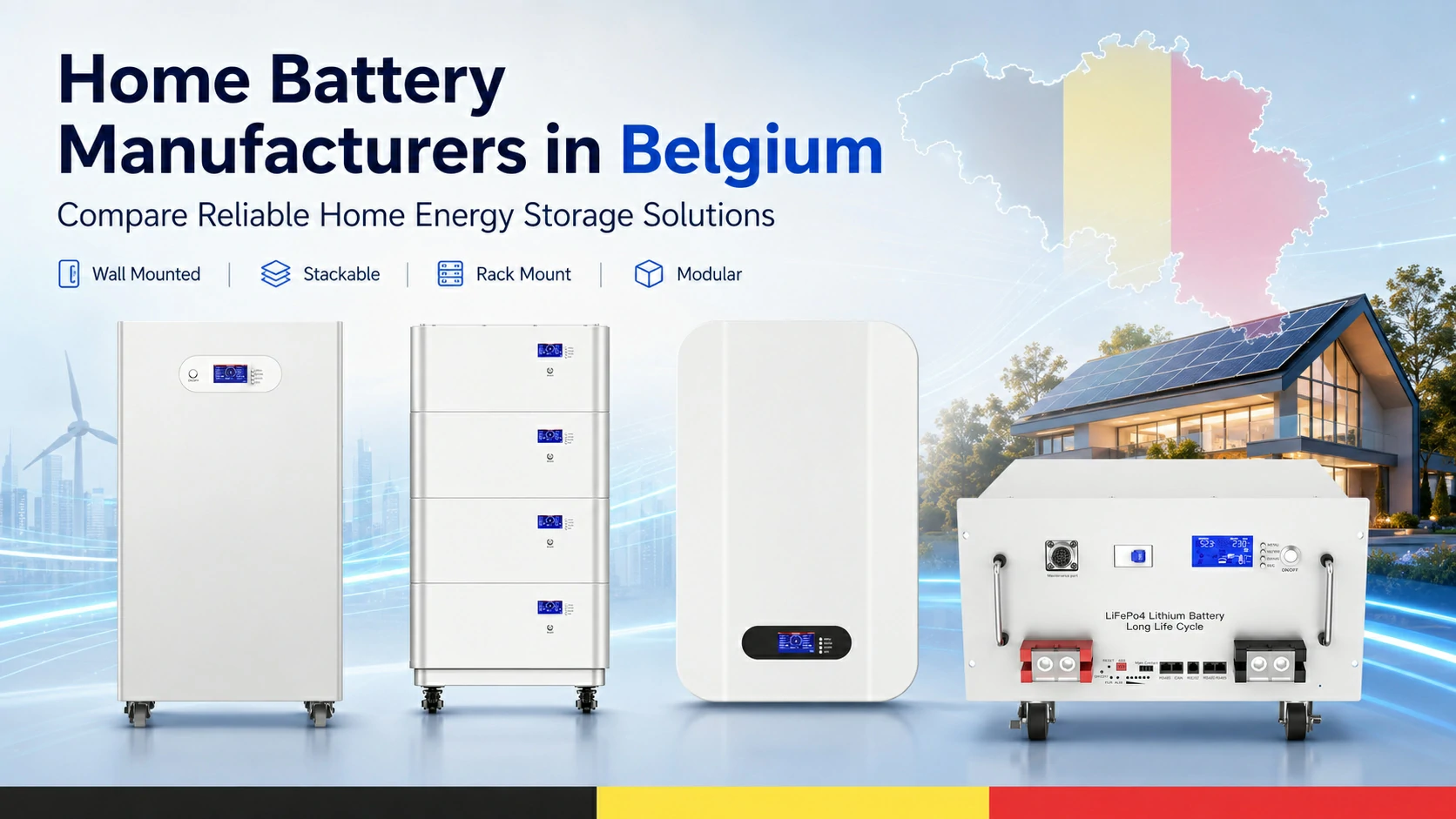
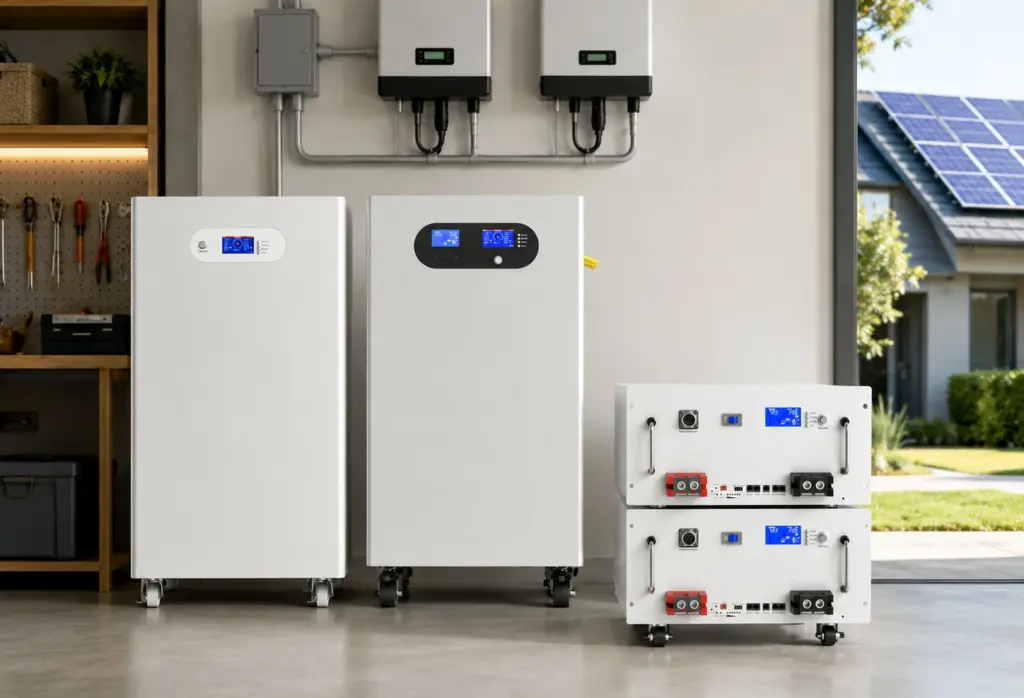
For customers who need scalable storage without an integrated inverter, Avepower also offers stackable solar batteries, rack mounted LiFePO4 batteries, and wall mounted home batteries that can be matched with compatible hybrid or off-grid inverters.
Take Control of Your Energy with Avepower!
Reliable home solar battery solutions with OEM/ODM customization and in-house manufacturing, tailored to the needs of distributors, installers, and energy partners.
What Size Inverter Do You Need for a Refrigerator?
Most refrigerators need a 1000W–2000W pure sine wave inverter, but the exact size depends on compressor startup surge. A refrigerator may only run at 150W–800W, yet briefly require several times that amount when the compressor starts.
For one refrigerator plus lights and router, a 1500W inverter is often enough if the surge rating is strong. For a refrigerator, freezer, microwave, and other essential home loads, a 2000W–3000W inverter is usually safer.
What Size Inverter Do You Need for an RV?
Most RV users choose a 2,000–3,000W inverter, while RV air conditioners or heavy kitchen loads may require 3,000W to 5,000W or more.
A 1,000W inverter can support laptops, lights, TV and small chargers. A 2,000W inverter can usually support a small microwave or coffee maker if other loads are limited. A 3,000W inverter gives more comfort for normal RV living, but the battery bank must also support the discharge current.
What Size Inverter Do You Need for Off-Grid Solar?
Off-grid inverter sizing should be more conservative than grid-tied sizing because the inverter and battery must carry the load when solar power is low. A small cabin may use 2000W–3000W, while an off-grid home, farm, or villa may require 5000W–12000W or more.
For off-grid designs, do not size the inverter only by solar panel capacity. Size it by real load demand first, then confirm PV input, battery capacity, MPPT charge current, and generator integration.
Avepower’s solar inverter with battery guide is useful for understanding how hybrid, AC-coupled, off-grid, and all-in-one inverter battery systems differ.
Inverter Size vs Battery Capacity: What Is the Difference?
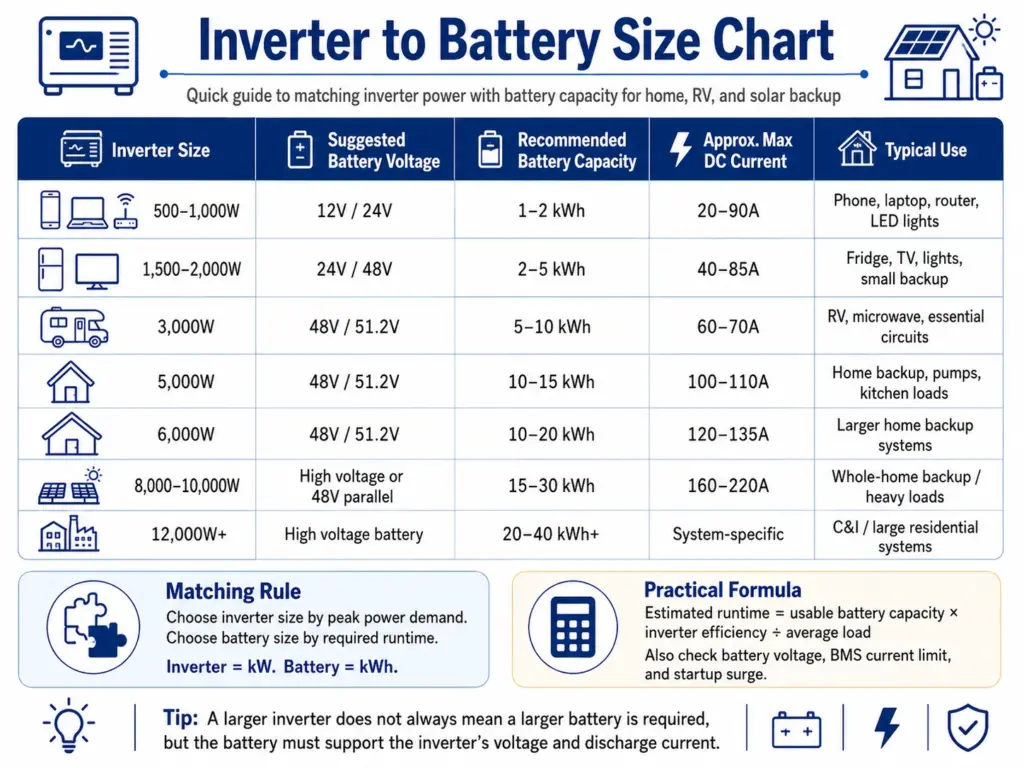
Inverter size is measured in watts or kilowatts and shows how much power can be delivered at once. Battery capacity is measured in Wh or kWh and shows how long the system can run. A large battery with a small inverter runs fewer loads for longer; a large inverter with a small battery runs bigger loads for less time.
Think of it this way:
| Term | Unit | Meaning | Example |
|---|---|---|---|
| Inverter power | W or kW | How much load can run at once | 6kW inverter |
| Battery capacity | Wh or kWh | How much energy is stored | 15kWh battery |
| Battery voltage | V | Electrical platform | 48V / 51.2V |
| Battery current | A | How much current can flow | 200A BMS |
| Runtime | Hours | How long loads can run | 15kWh ÷ 1.5kW ≈ 10 hours before losses |
For a deeper explanation of capacity, Ah, Wh, and kWh, link to Avepower’s battery capacity guide. For basic inverter concepts, link to what is an inverter.
Match Your Inverter with the Right Battery System
Inverter size is only one part of the system. Avepower LiFePO4 batteries support scalable capacity, BMS protection and CAN / RS485 / RS232 communication for compatible solar inverter integration.
How Battery Voltage Affects Inverter Sizing
Higher inverter power creates higher battery-side current, so the battery voltage, BMS current limit, cable size and protection devices must match the inverter rating.
A common mistake is choosing a 5kW inverter for a 48V battery without checking current. The approximate DC current is:
DC current = AC power ÷ battery voltage ÷ inverter efficiency
Example with a 5kW inverter:
| Battery Voltage | Efficiency Assumption | Approx. DC Current |
|---|---|---|
| 12V | 90% | 463A |
| 24V | 90% | 231A |
| 48V | 90% | 116A |
| 51.2V | 90% | 109A |
How to Choose the Right Inverter Size Step by Step
The right inverter size comes from real load data, not guesswork. Start with the appliances you need, calculate simultaneous running watts, add surge demand, select pure sine wave output where needed, confirm battery discharge current, then check solar input, communication protocol, and local approval requirements.
Use this step-by-step process:
- List the loads you need to run at the same time
- Find running watts for each appliance
- Identify motor loads and startup surge
- Add total running watts
- Add the largest additional startup surge
- Add 20% to 30% headroom
- Choose pure sine wave for sensitive or household loads
- Match inverter voltage with battery voltage
- Confirm BMS discharge current supports inverter power
- Check PV input range if using solar
- Confirm inverter-battery communication protocol
- Verify local electrical approval and installation rules
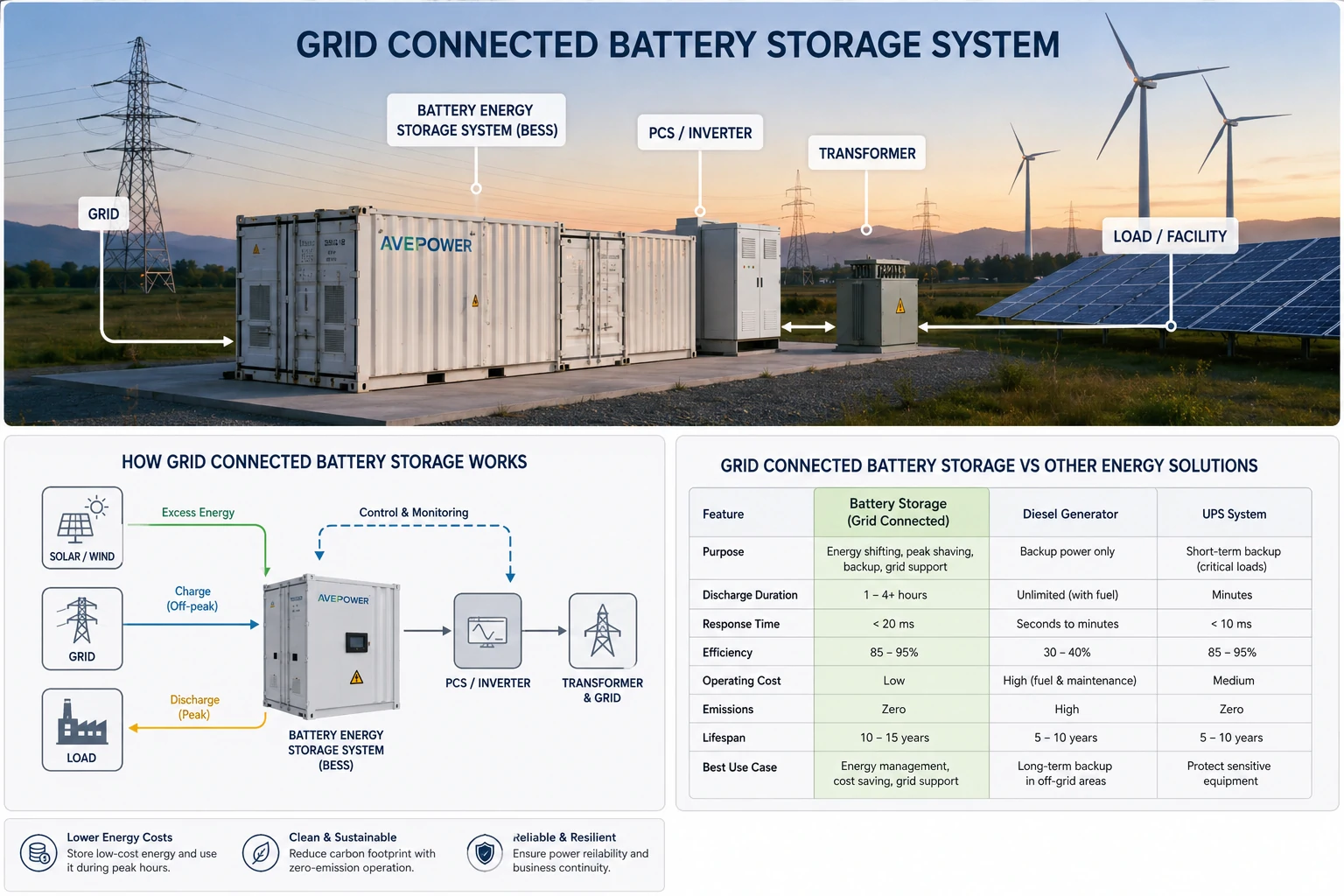
For new solar-plus-storage projects, a hybrid inverter or all-in-one system may simplify design. For existing solar systems, an AC-coupled retrofit may be easier. For larger commercial or industrial projects, a PCS-based design may be more suitable than a standard inverter. Avepower’s PCS for energy storage guide explains how PCS devices differ from ordinary inverters in BESS projects.
Common Inverter Sizing Mistakes
The most common mistakes are ignoring startup surge, confusing kW with kWh, choosing the wrong waveform, and forgetting battery-side current limits.
Avoid these errors:
- Sizing only by average load: A refrigerator may average low power but still need high startup surge.
- Ignoring simultaneous use: A microwave, coffee maker and kettle may each work alone but overload the inverter together.
- Confusing inverter output with battery capacity: A 5kW inverter does not tell you runtime. You still need a kWh battery calculation.
- Choosing modified sine wave for sensitive loads: Use pure sine wave for modern home backup systems.
- Forgetting battery discharge current: A battery with limited BMS current may not support a large inverter.
- Not checking communication compatibility: Hybrid inverter systems often need correct CAN or RS485 protocol matching.
Conclusion
The best inverter size is the smallest inverter that can safely handle your real simultaneous running load, your highest startup surge, and a reasonable safety margin. For small electronics, 300–600W may be enough. For a refrigerator and lights, 1,500–2,000W is more realistic. For RVs and essential home backup, 2,000–5,000W is common. For whole-home backup, pumps, air conditioning or commercial loads, the system must be engineered around real load data.
If you are designing a residential solar battery, off-grid system, installer-led project, or OEM/ODM energy storage product, Avepower can help match LiFePO4 battery capacity, inverter power, communication protocol, BMS protection, and scalable system architecture. Explore Avepower’s home energy storage systems, all-in-one battery with inverter, and stackable solar battery solutions to build a safer, more reliable inverter-battery system for your market.
FAQ
For essential home backup, many users need a 3000W–6000W inverter. If you only power lights, router, laptop, TV, and refrigerator, a smaller inverter may work. If you need pumps, microwave, air conditioning, or whole-home backup, you may need 8000W or more.
For grid-tied solar, the inverter is commonly sized close to the solar array’s DC rating, often with a DC/AC ratio around 1.1 to 1.3 depending on the system and market rules. For solar battery backup, size the inverter by load demand as well as solar input.
A 10kWh battery does not automatically require a specific inverter size. Many 10kWh systems use 3kW–6kW inverters, but the correct size depends on peak load, battery voltage, BMS discharge current, and backup design.
A 15kWh battery is often paired with a 5kW–8kW inverter for home backup, but this depends on the battery’s discharge current and the loads you want to run. Avepower’s 15kWh all-in-one system uses a 6kW pure sine wave inverter as an integrated example.
Choose pure sine wave for home appliances, refrigerators, medical devices, computers, pumps, solar battery systems, and sensitive electronics. Modified sine wave inverters are cheaper but may cause noise, heat, poor performance, or compatibility issues.
Many RV systems use 2,000W to 3,000W inverters. If you want to run air conditioning, induction cooking or heavy kitchen loads, you may need 3,000W to 5,000W or more, plus a battery bank that can support the discharge current.