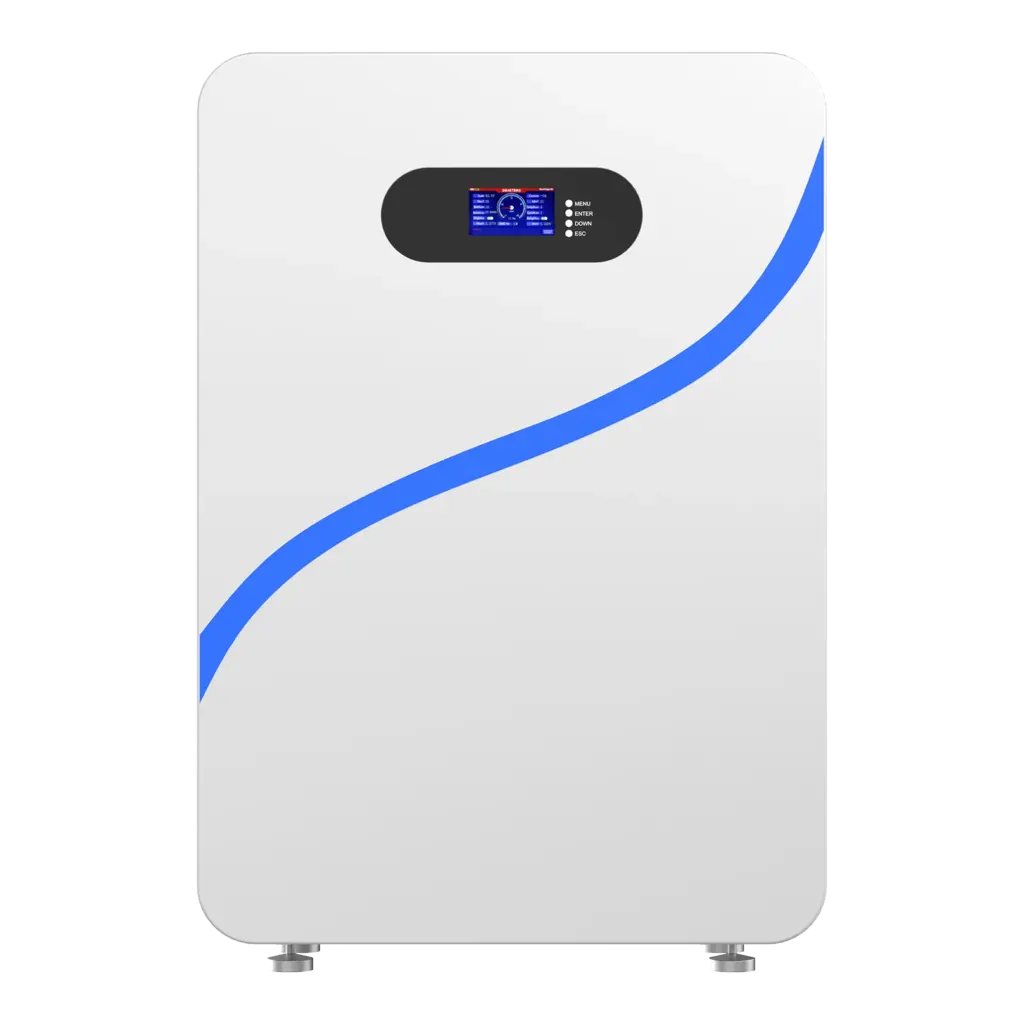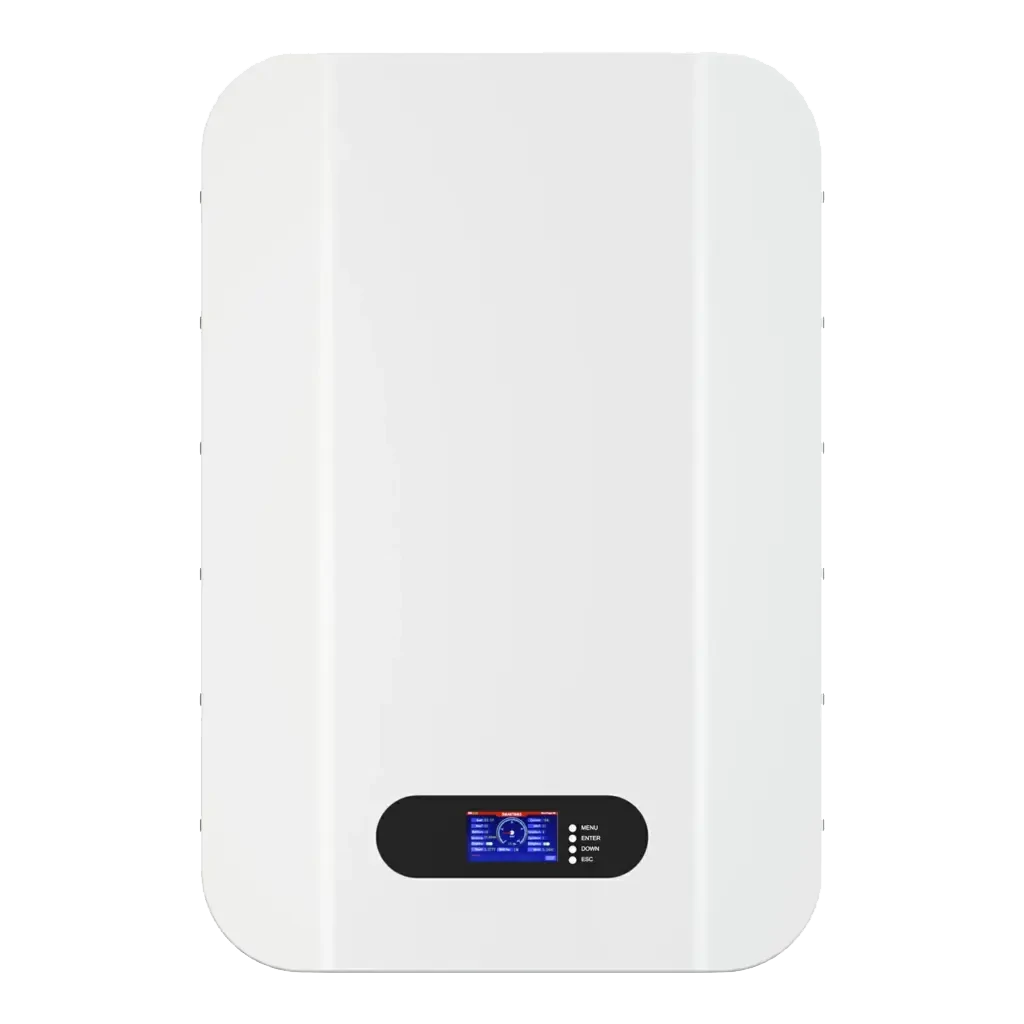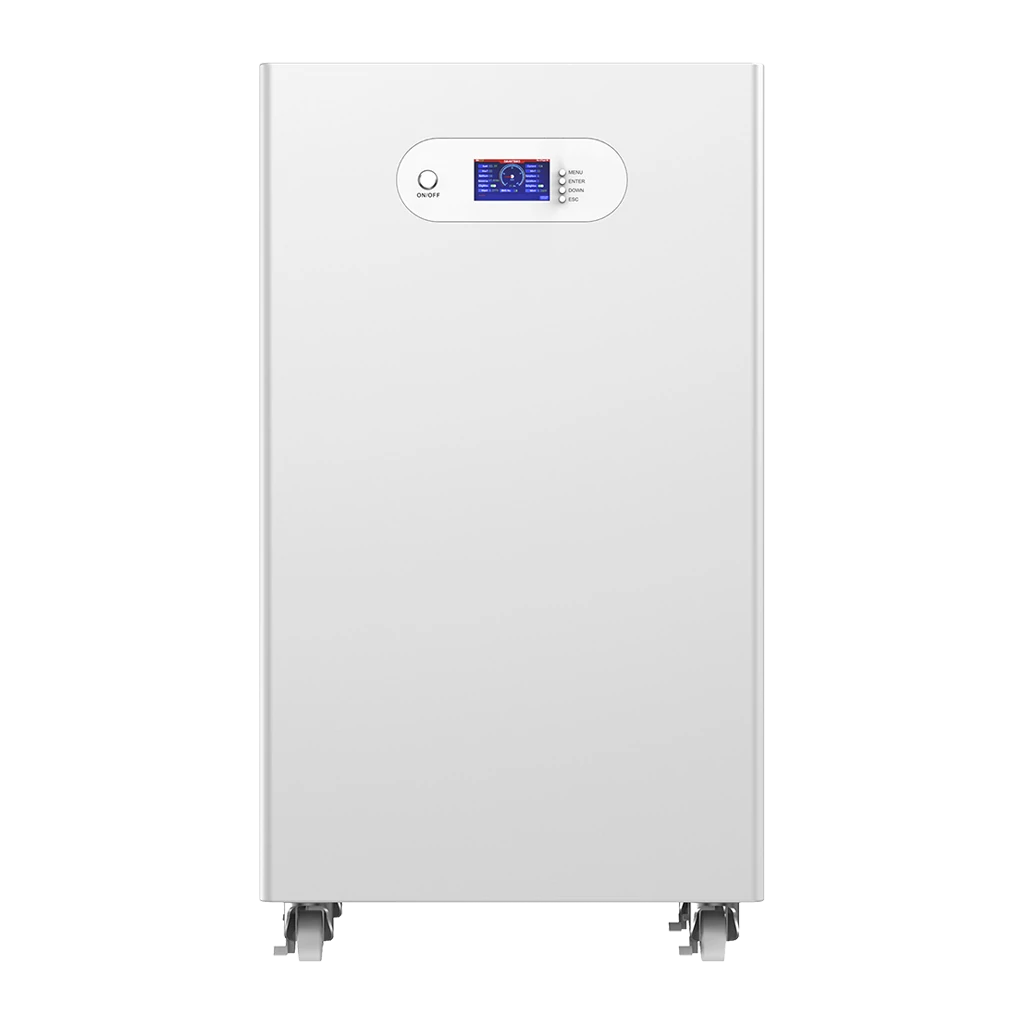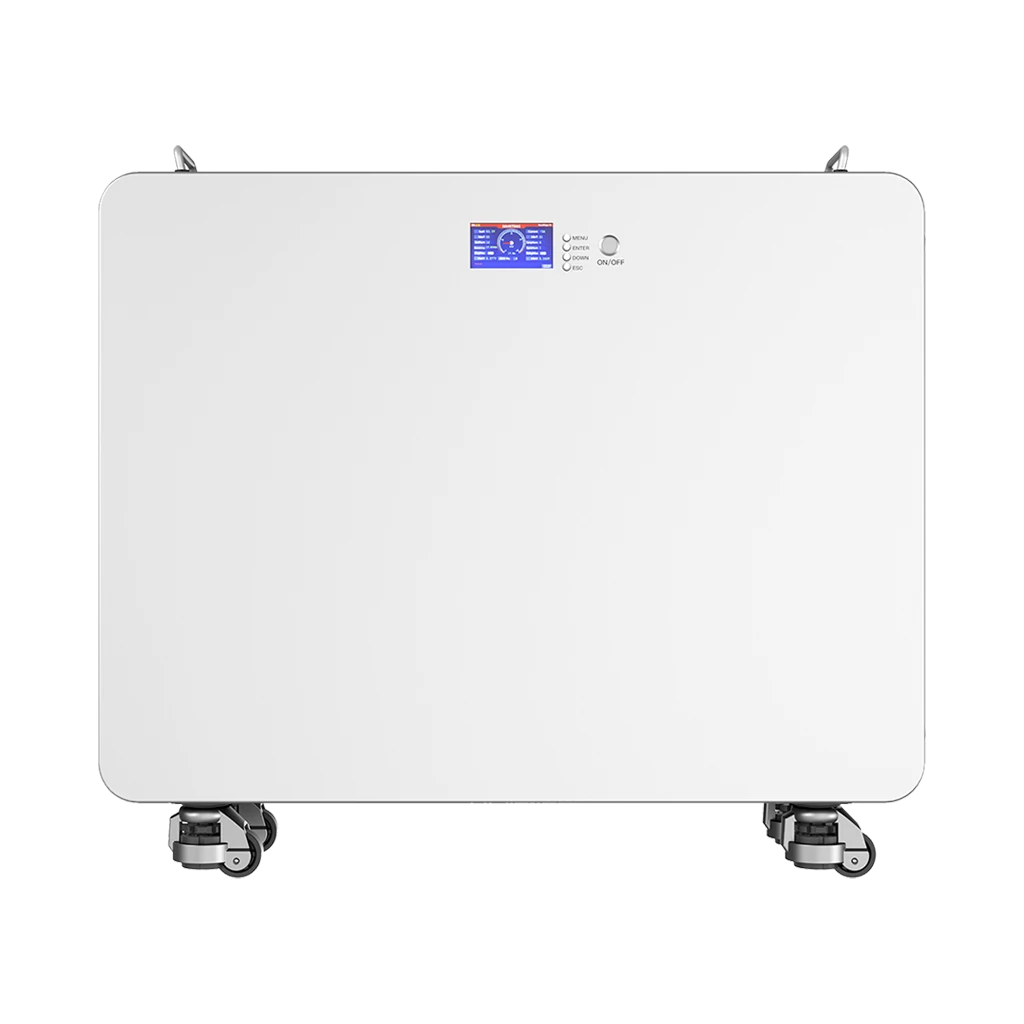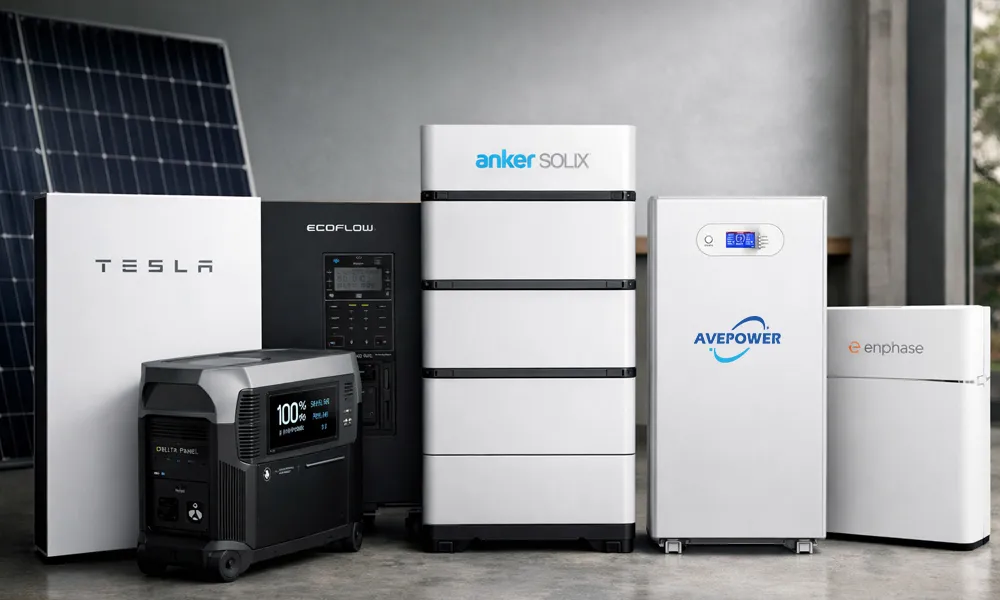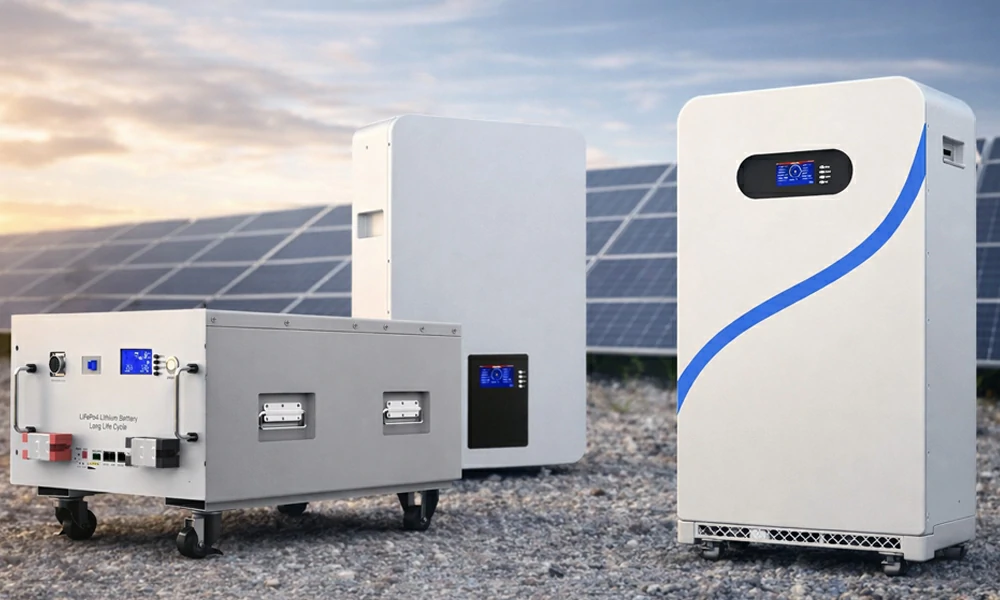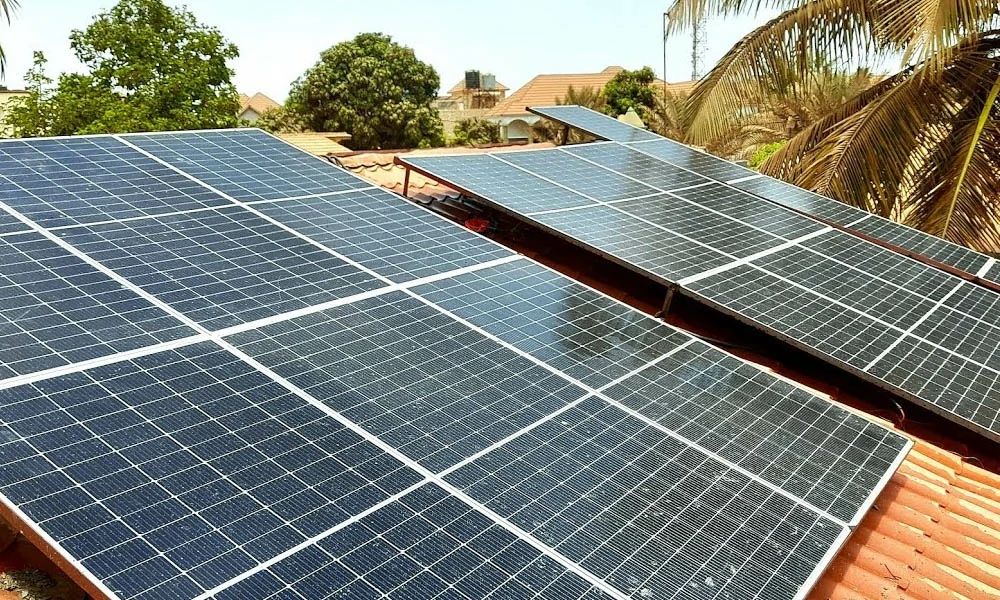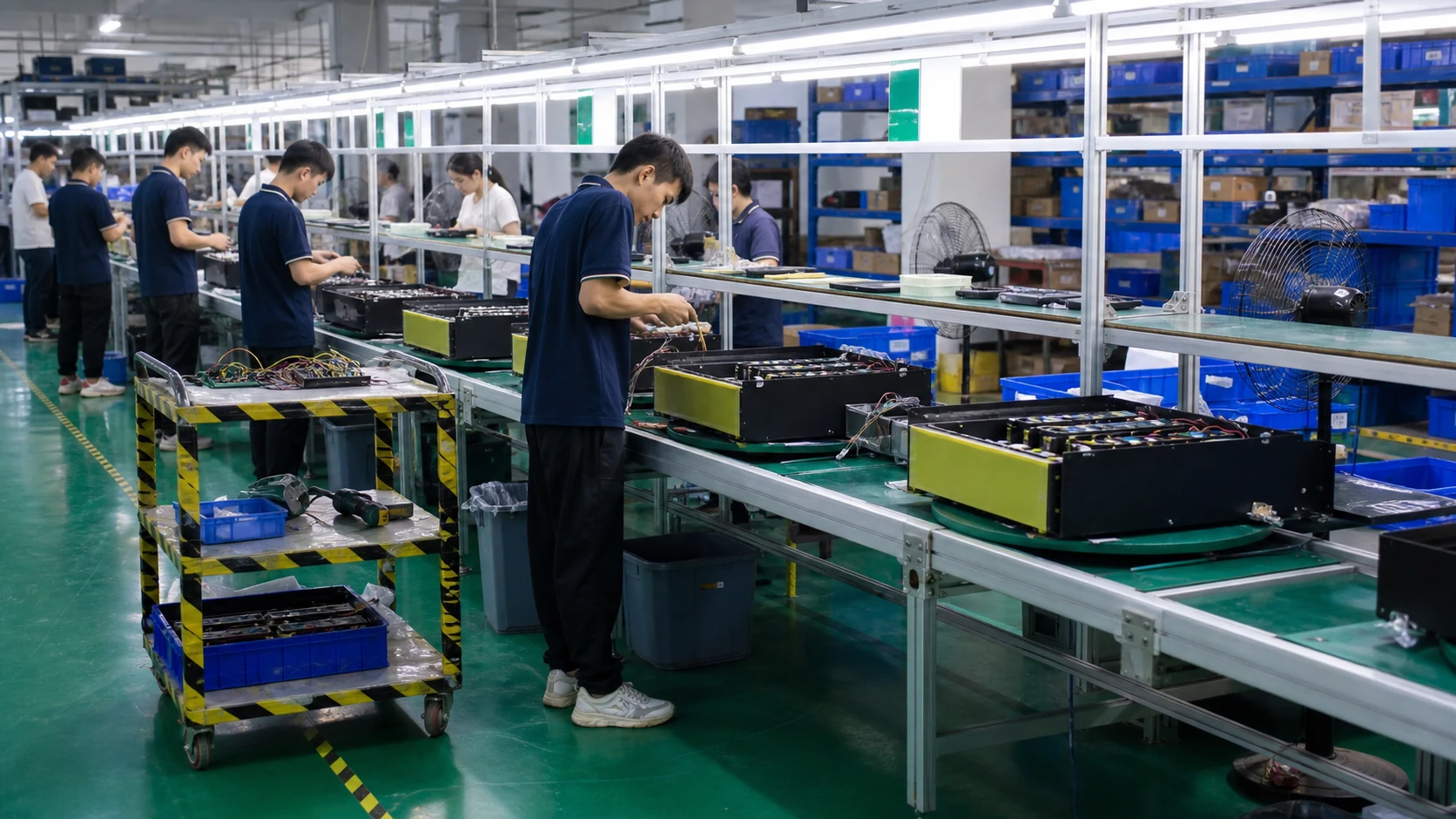

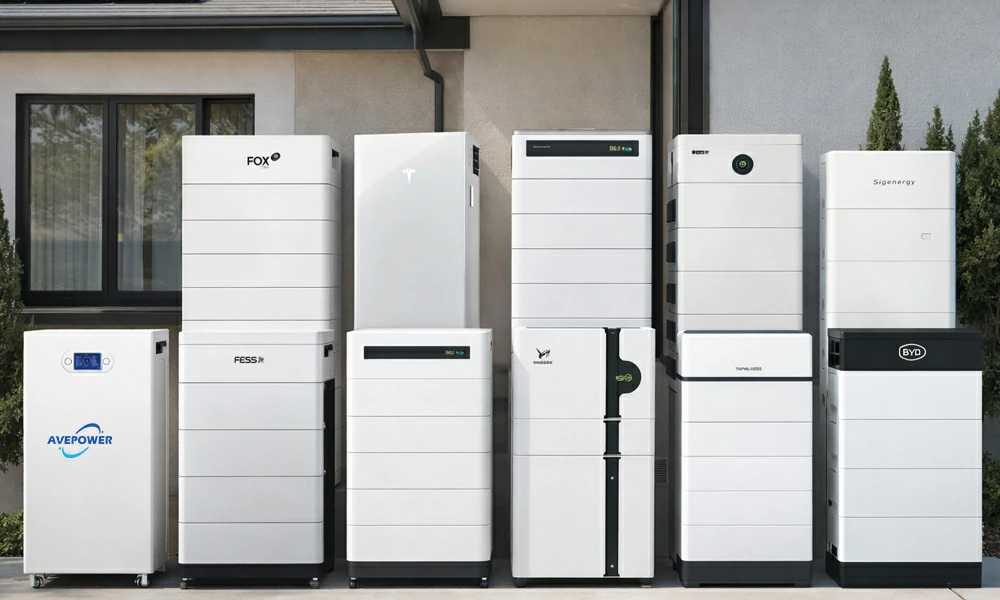
Solar batteries help homeowners and businesses store excess energy, reduce reliance on the grid, cut electricity bills, and even provide backup power during outages. In 2026, the market is bigger, more competitive, and more innovative than ever. Below is a detailed breakdown of the top 10 solar battery brands in 2026, including founding year, headquarters, product range, company overview, key technical specifications, advantages, and limitations.
Quick Answer: Who Makes the Best Solar Batteries in 2026?
There is no single “best” solar battery brand for every home or project. In 2026, Tesla Powerwall is one of the best choices for premium whole-home backup, Enphase is strong for microinverter-based systems, BYD and Sungrow are reliable options for scalable solar storage, and Avepower is a strong choice for installers, distributors and OEM/ODM buyers who need factory-direct LiFePO4 batteries, flexible capacity, inverter communication and custom branding.
For most buyers, the best solar battery is not only about the brand name. It should match your usable capacity, inverter type, backup load, budget, local certification requirements, warranty expectations and future expansion plan.
Need a factory-direct LiFePO4 battery system for projects or wholesale supply?
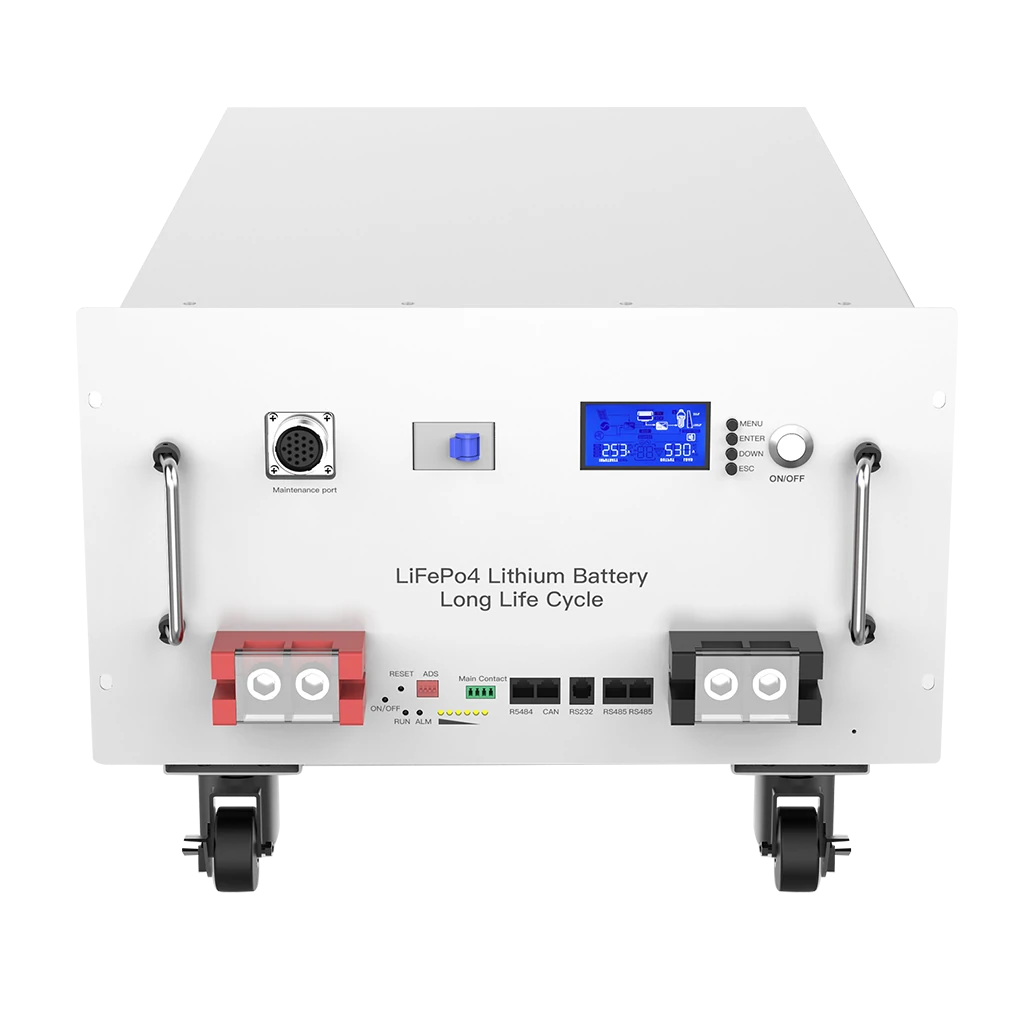
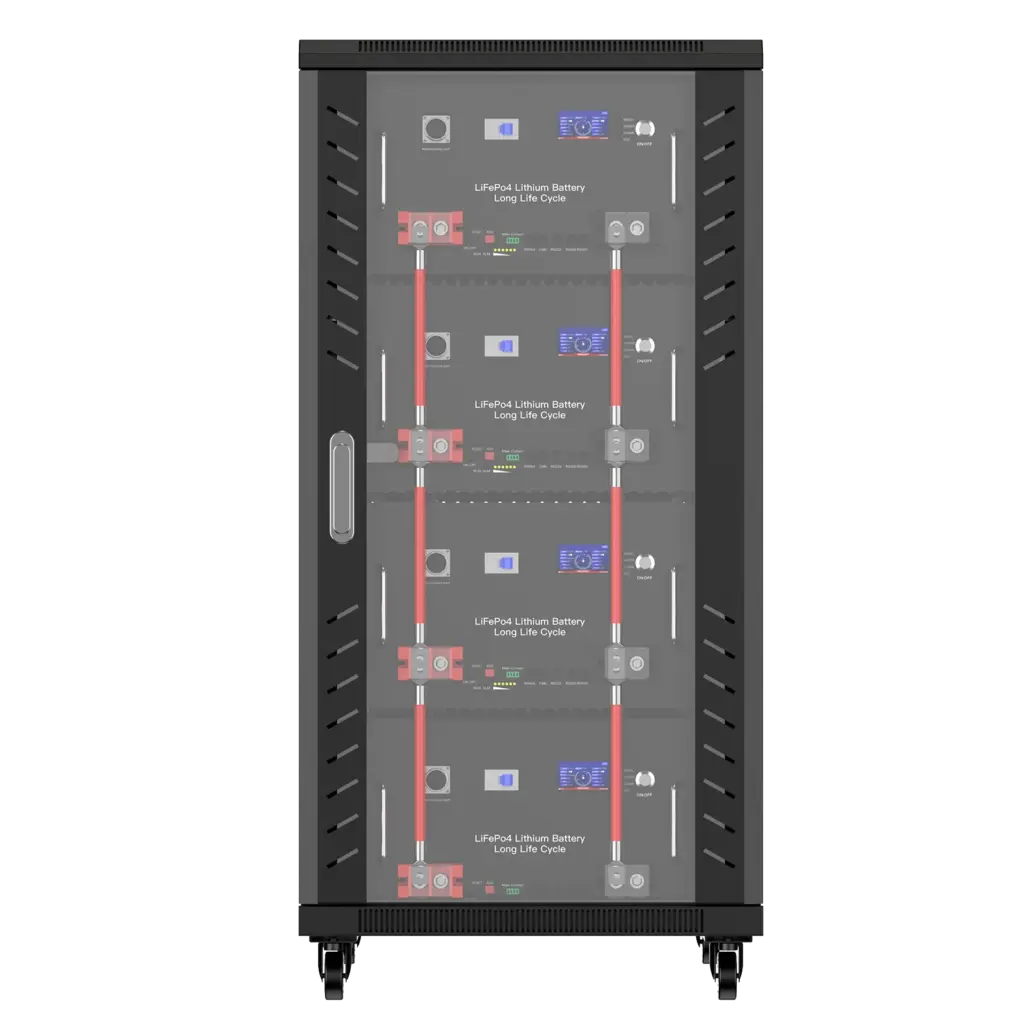
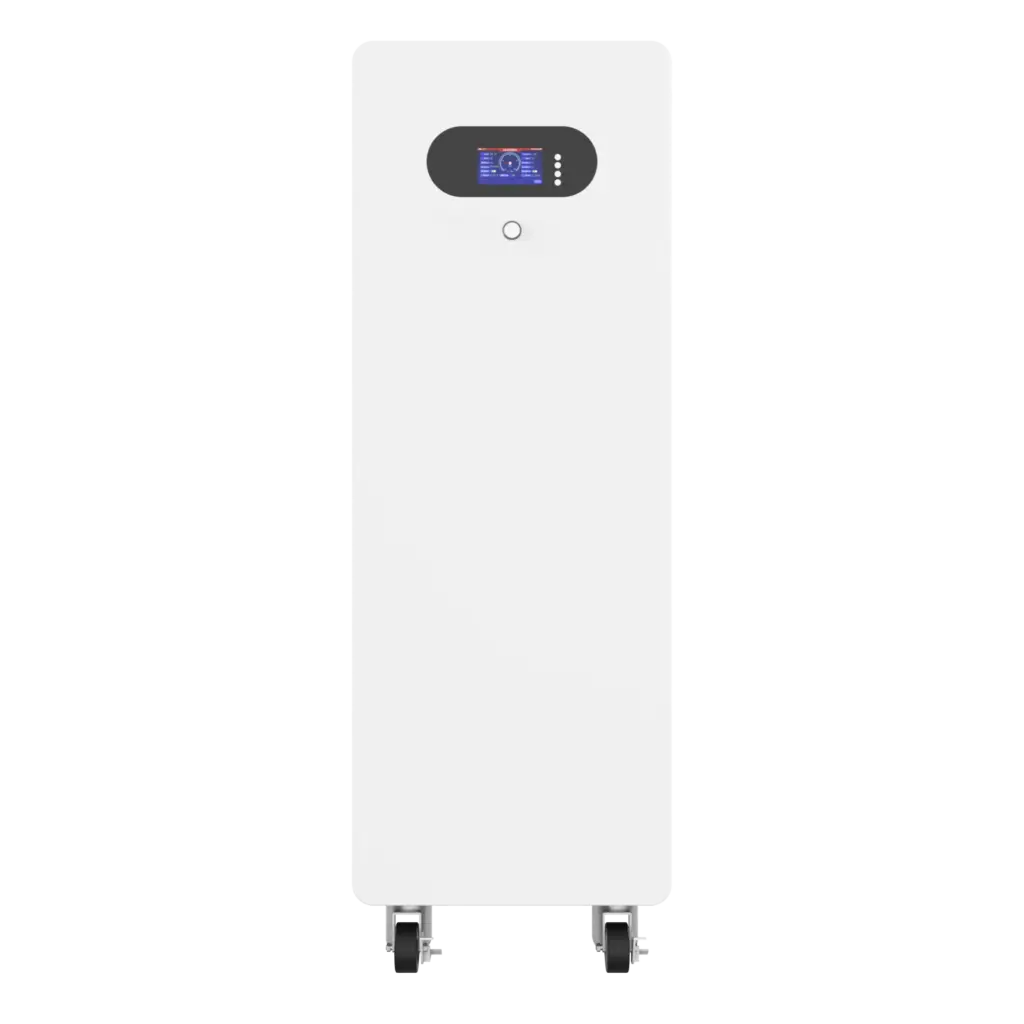
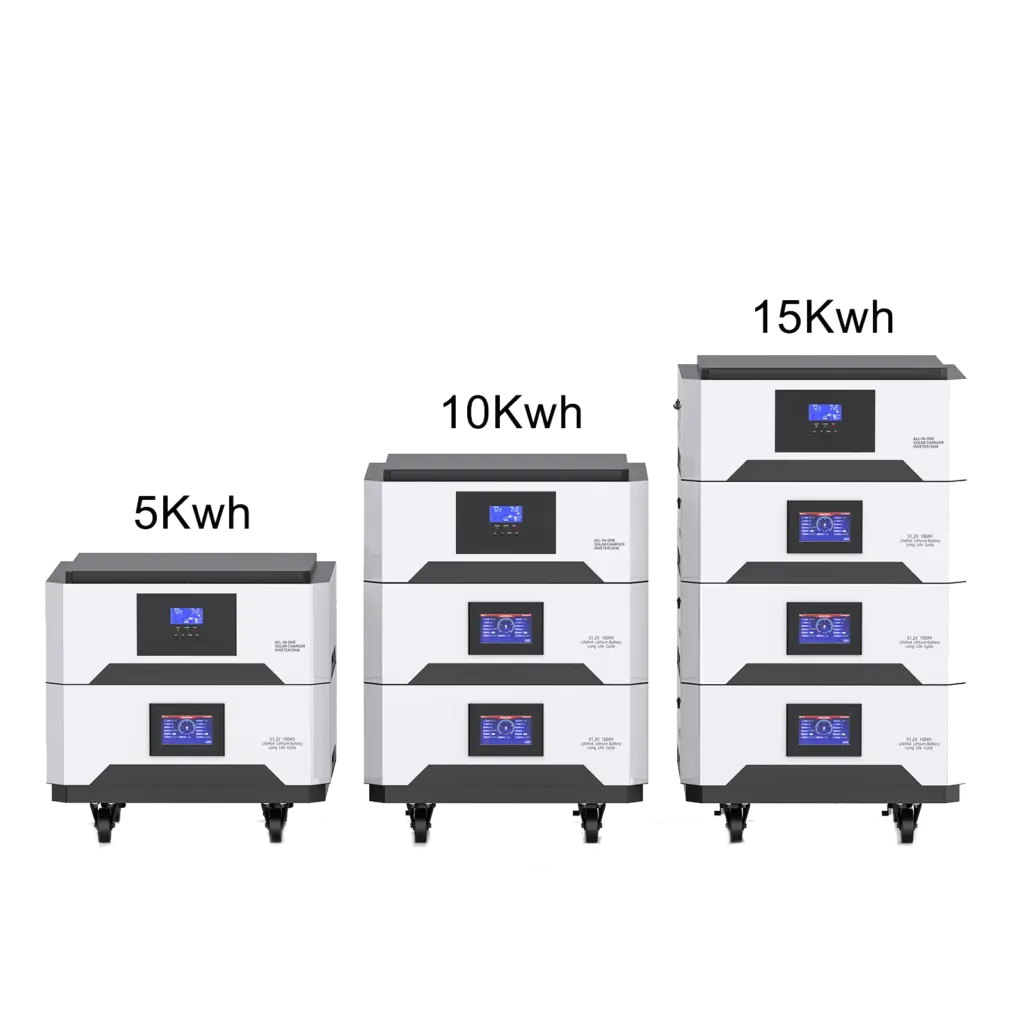
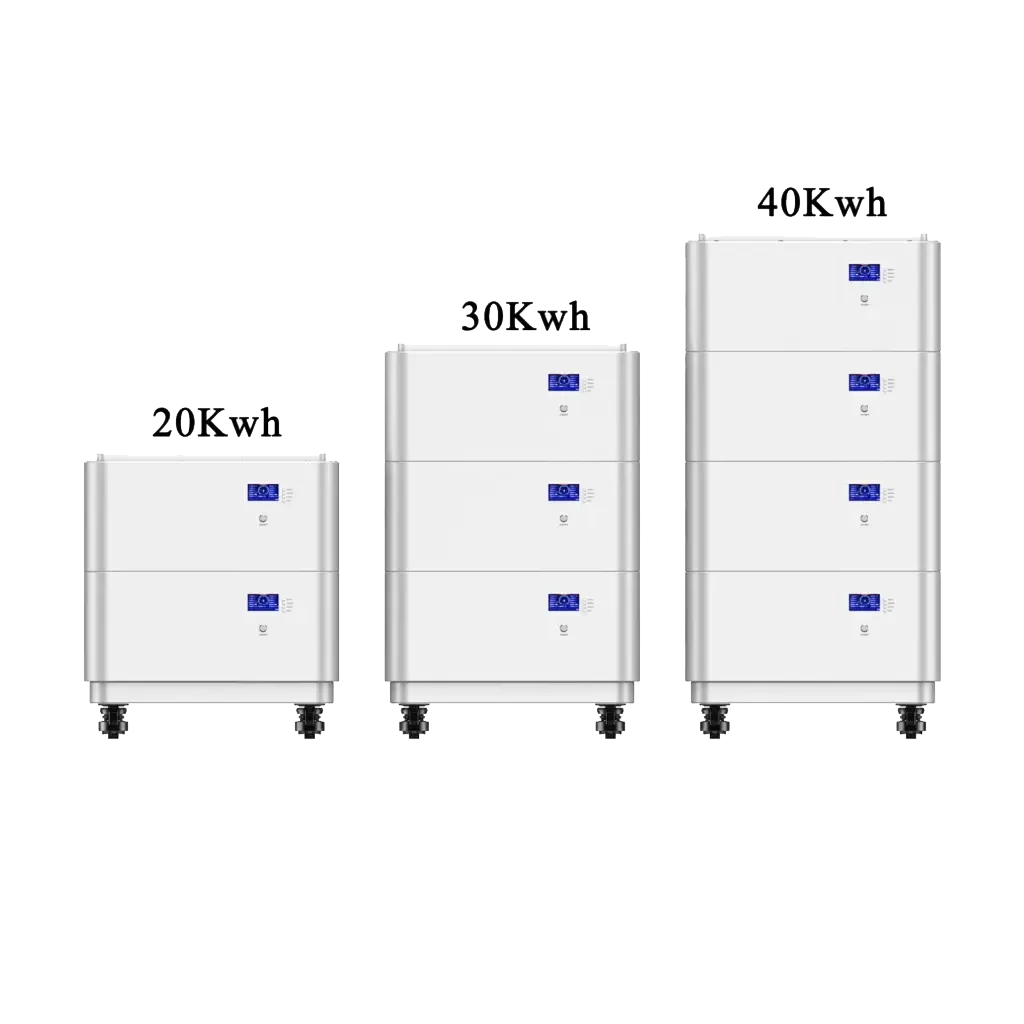
Avepower supports residential solar battery storage, rack-mounted batteries, vertical batteries, stackable battery systems and OEM/ODM customization for installers, distributors and project buyers.
Best Solar Battery Brands in 2026: Quick Compariso
The best option depends on whether the buyer is a homeowner, installer, distributor, EPC contractor or OEM brand. A homeowner may prefer a retail-ready integrated system. A distributor or installer may care more about stable supply, documentation, customization, inverter compatibility and margin.
- Avepower
- Tesla Powerwall
- Fox ESS
- GoodWe
- Sigenergy
- Anker SOLIX
- SolaX Power
- Alpha-ESS
- Sungrow
- BYD Battery
| Brand | Capacity Range | Cycle Life | Key Advantages | Main Disadvantages | Best For |
|---|---|---|---|---|---|
| Avepower | 5–260kWh+ (modular options) | 8,000+ | Highly customizable, installer/distributor wanting OEM/ODM | Lower global retail brand awareness | Modular residential & commercial projects |
| Tesla, Inc. (Powerwall) | 13.5kWh per unit (expandable) | 6,000+ | Premium brand, strong app ecosystem, high output power, sleek design | Higher price, limited modular flexibility | Premium residential homes |
| Fox ESS | 5–40kWh+ (stackable) | 6,000 | Good price-performance ratio, scalable, growing installer network | Shorter track record, fewer premium features | Budget-conscious homeowners |
| GoodWe | 5–30kWh | 6,000 | Excellent inverter integration, reliable mid-range solution | Less flexible with third-party inverters | Integrated solar + storage systems |
| Sigenergy | 5–48kWh+ (modular tower) | 6,000–8,000 | Smart energy ecosystem, EV charger integration, AI monitoring | New company, limited long-term performance data | Smart homes & EV-ready systems |
| Anker Solix | 5–180kWh (highly scalable) | 6,000+ | High safety rating (IP66), strong build quality, durable design | New to full-scale residential ESS | Harsh outdoor environments |
| SolaX Power | 5–30kWh (expandable) | 6,000 | Affordable modular systems, good hybrid inverter pairing | Software interface less premium | Mid-range residential |
| Alpha-ESS | 5–80kWh | 6,000 | Strong presence in Australia & EU, balanced pricing | Regional service variation | Australian & EU households |
| Sungrow | 9–100kWh (stackable HV) | 6,000+ | Global inverter leader, scalable systems, competitive pricing | Installation slightly complex | Large homes & light C&I |
| BYD (Battery-Box) | 5–60kWh+ (HV & LV) | 6,000–10,000 | Strong engineering pedigree, wide inverter compatibility, high reliability | Higher upfront cost | Long-term reliability & scalability |
Avepower
Founded: 2017
Headquarters: Shenzhen, China
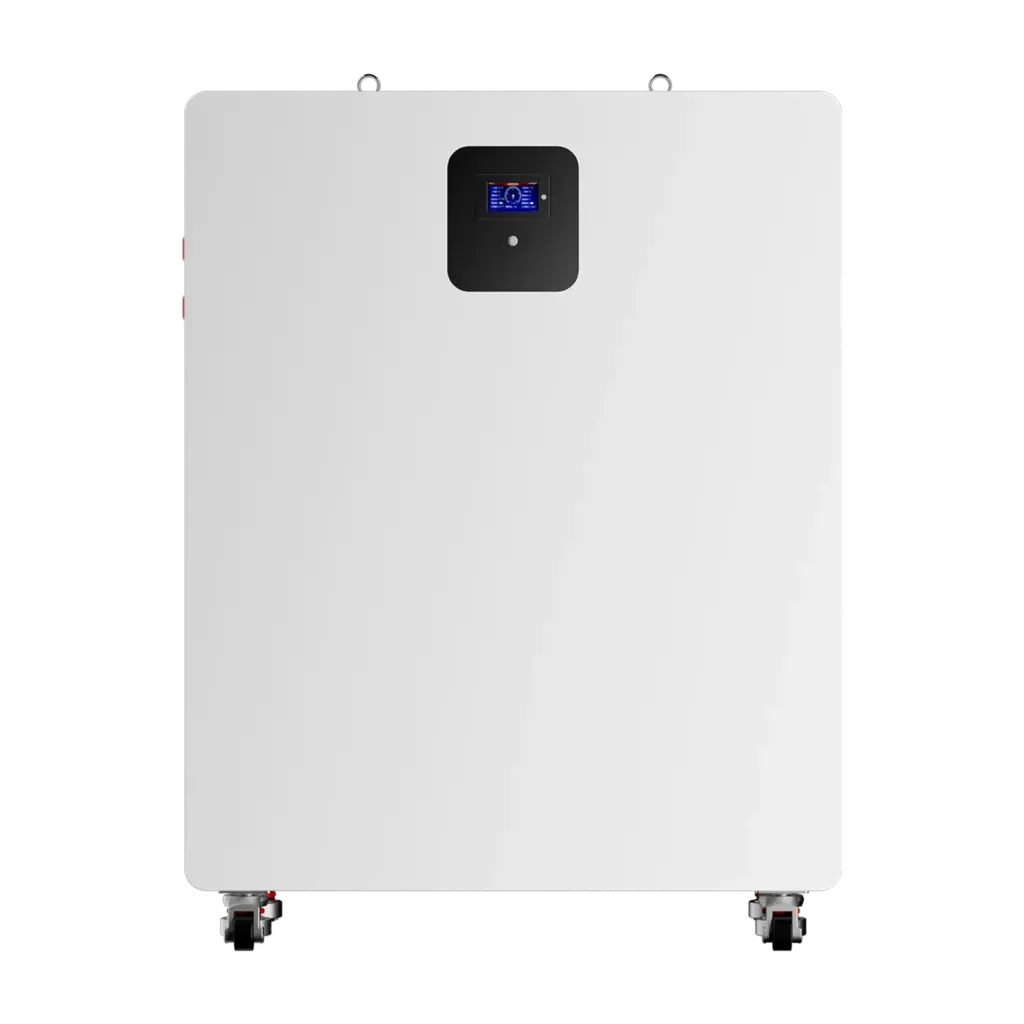
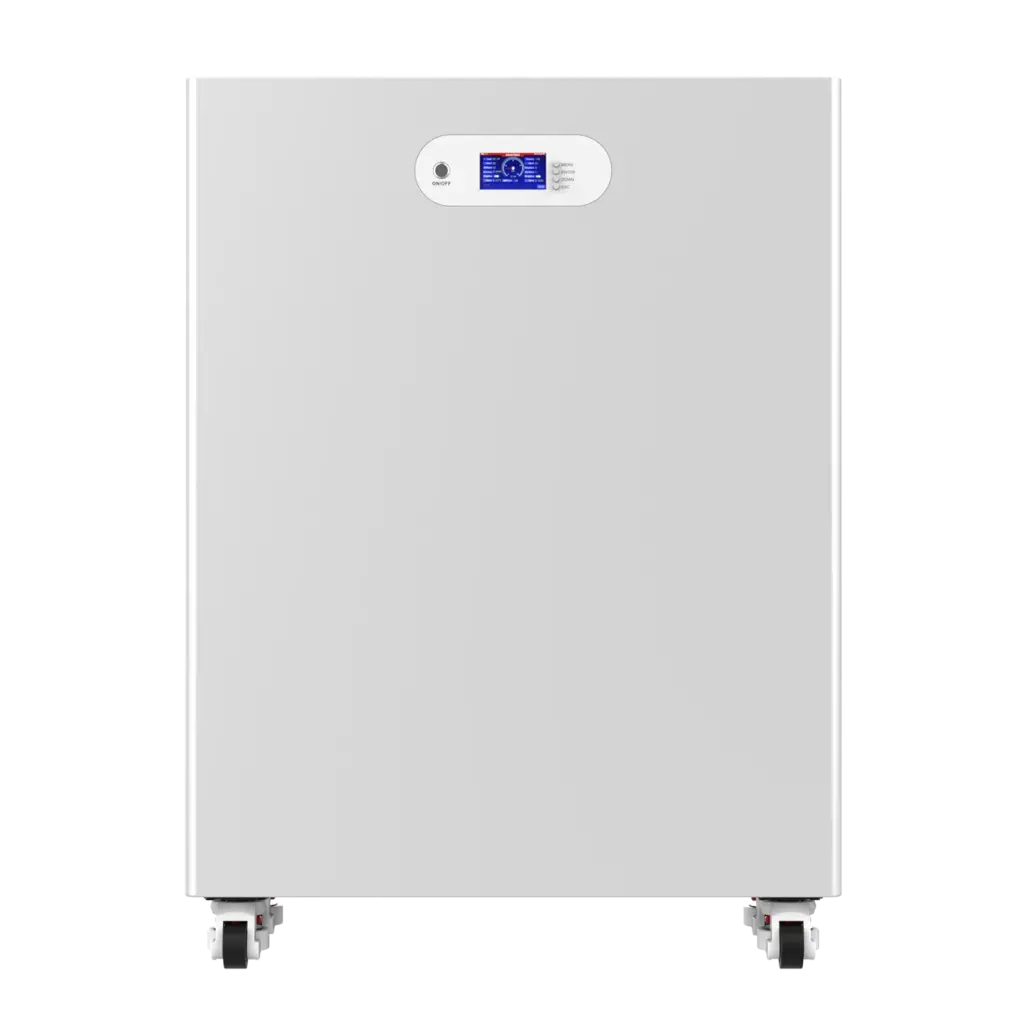
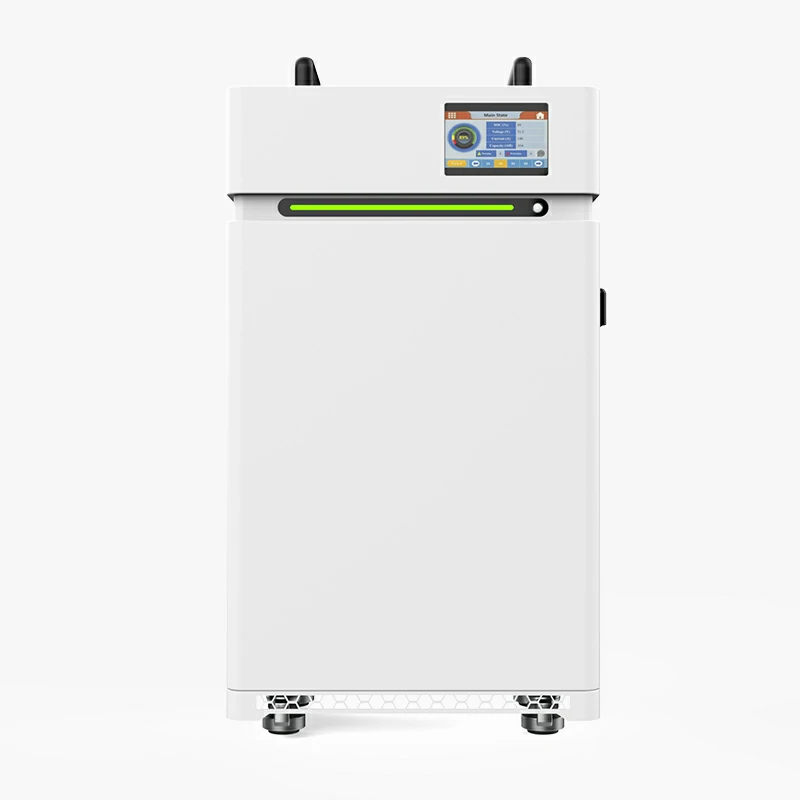
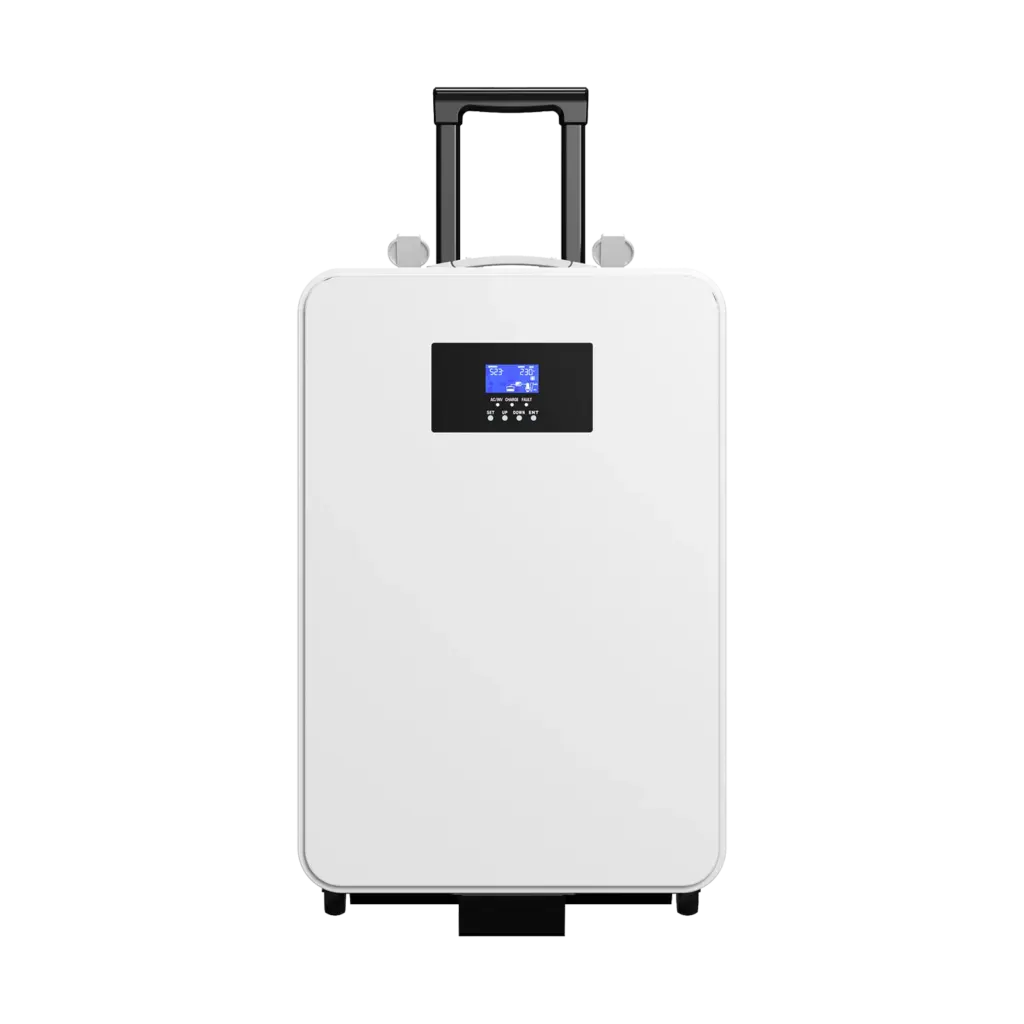
Product Range: Residential LiFePO4 batteries (wall-mounted, rack-mounted, vertical cabinets, stackable systems), commercial & industrial energy storage systems (air-cooled and liquid-cooled cabinets), custom OEM/ODM solutions.
Company Overview
Avepower has rapidly emerged as a competitive global energy storage manufacturer focused on high-performance LFP battery systems. The company specializes in modular and scalable energy storage tailored for residential, commercial, and industrial applications. With strong integration capabilities and flexible OEM support, Avepower is popular among installers and distributors seeking customized solutions.
Product Features
- Capacity Range: 5kWh – 260kWh (residential modules), 500kWh+ C&I cabinets
- Battery Chemistry: LiFePO4 (LFP)
- Round-Trip Efficiency: 95%–98%
- Cycle Life: 8,000+ cycles (at 80% DoD)
- Design Life: 10–15 years
- Communication: RS485 / CAN / RS232
- Compatibility: Hybrid and off-grid inverter brands
- Scalability: Up to 16 units
Advantages
- High energy density LFP cells
- Flexible system design (stackable & cabinet options)
- Competitive pricing with strong performance
- Smart BMS with multi-layer protection
- Suitable for OEM/private labeling
Disadvantages
- Brand recognition lower than legacy giants
- Requires professional system design
Avepower is particularly attractive for projects requiring tailored capacity, higher voltage configurations, and cost-effective scalability.
Tesla Powerwall
Founded (Company): 2003
Headquarters: Austin, Texas, USA
Product Range: Powerwall residential battery, Powerpack, Megapack utility-scale systems.
Company Overview
Tesla’s Powerwall line is one of the most globally recognized home battery products. Introduced in 2015, the Powerwall has evolved into a slick, integrated energy storage solution known for ease of installation and strong ecosystem integration with solar and EV charging.
Product Features
- Capacity: 13.5kWh per unit
- Power Output: 5–7kW continuous
- Efficiency: ~90–92% round-trip
- Cycle Life: ~6,000 cycles
- Warranty: 10 years
- Chemistry: NMC (Nickel Manganese Cobalt)
- Scalability: Up to 10 units
Advantages
- Strong brand trust
- Integrated solar + battery ecosystem
- Advanced mobile app monitoring
- Seamless grid outage backup
Disadvantages
- Premium pricing
- Limited customization
- Long wait times in some markets
Tesla excels in smart ecosystem integration but may not be the most flexible option for custom projects.
Fox ESS
Founded: 2019
Headquarters: Wuxi, China
Product Range: Hybrid inverters, high-voltage batteries, residential storage systems.
Company Overview
Fox ESS is a fast-growing Chinese renewable tech brand known for affordable and expandable LiFePO₄ battery storage solutions. Its modular format lets installers scale systems easily for homes or small businesses.
Product Features
- Capacity: 5kWh – 20kWh
- Efficiency: 95%+
- Cycle Life: 6,000 cycles
- Chemistry: LFP
- Expandable: Yes
Advantages
- Strong inverter integration
- High-voltage battery options
- Competitive pricing
Disadvantages
- Shorter brand history
- Limited large-scale C&I portfolio
GoodWe
Founded: 2010
Headquarters: Suzhou, China
Product Range: Hybrid inverters, Lynx Home battery series, C&I energy storage.
Company Overview
GoodWe is best known globally as an inverter maker with a strong presence in residential and commercial solar markets. It has expanded into scalable battery storage, often paired with its own hybrid inverters for tight integration.
Product Features
- Capacity: 5kWh – 25kWh
- Efficiency: Up to 98%
- Cycle Life: 6,000+ cycles
- Warranty: 10 years
Advantages
- Strong inverter-battery compatibility
- High system efficiency
- Established global distribution
Disadvantages
- Less flexibility for non-GoodWe systems
Sigenergy
Founded: 2022
Headquarters: China
Product Range: AI-powered energy storage systems, hybrid inverters.
Company Overview
A new but fast-rising player, Sigenergy focuses on integrated energy solutions combining solar, storage, and EV charging. It has captured significant market share in Australia and beyond thanks to smart energy management and modular scalability.
Product Features
- Capacity: Modular 5kWh units
- Efficiency: ~95%
- Cycle Life: 8,000 cycles
- Design Life: 15 years
Advantages
- AI-driven energy optimization
- Sleek modular design
- High scalability
Disadvantages
- Very new company
- Limited long-term field data
Anker SOLIX
Founded (Parent Company): 2011
Headquarters: Shenzhen, China
Product Range: Home battery systems, portable power stations.
Company Overview
A spin-off from consumer electronics giant Anker, Solix marks the brand’s entry into residential and commercial energy storage. Its hybrid systems pair safety-oriented chemistry with scalable capacities.
Product Features
- Capacity: 1.6kWh – 15kWh
- Cycle Life: 6,000 cycles
- Efficiency: 94–96%
- Chemistry: LFP
Advantages
- Strong consumer brand trust
- Easy installation
- Good app experience
Disadvantages
- More focused on residential scale
- Less C&I capability
SolaX Power
Founded: 2012
Headquarters: Hangzhou, China
Product Range: Hybrid inverters, Triple Power batteries.
Company Overview
SolaX is known for its hybrid solar inverters and complementing battery storage options. Often paired together, these systems offer cost-effective and modular storage setups for residential systems globally.
Product Features
- Capacity: 5kWh – 30kWh
- Efficiency: 95–97%
- Cycle Life: 6,000 cycles
- Chemistry: LFP
Advantages
- Proven inverter expertise
- High-voltage systems
- Strong European presence
Disadvantages
- Premium pricing in some markets
Alpha-ESS
Founded: 2012
Headquarters: Nantong, China / Sydney, Australia
Product Range: Residential, commercial, and off-grid storage.
Company Overview
Alpha-ESS is a widely available brand in Australia, Europe and Asia. It focuses on flexible, modular storage that supports DC and AC coupling, often with built-in fire suppression and VPP readiness.
Product Features
- Capacity: 3kWh – 30kWh
- Efficiency: ~96%
- Cycle Life: 10,000 cycles (select models)
- Warranty: 10–15 years
Advantages
- Long cycle life models
- Strong Australian market presence
- Hybrid system options
Disadvantages
- Higher upfront cost
Sungrow
Founded: 1997
Headquarters: Hefei, China
Product Range: Inverters, residential batteries, utility-scale storage.
Company Overview
Sungrow is one of the world’s largest solar inverter manufacturers and has become a major player in home battery systems as well. Its high-voltage stackable batteries are well suited to average and large households alike.
Product Features
- Capacity: 5kWh – Utility scale
- Efficiency: 95–98%
- Cycle Life: 6,000+ cycles
- Chemistry: LFP
Advantages
- Strong R&D
- Utility-scale expertise
- Reliable performance
Disadvantages
- Residential systems less customizable
BYD (BYD Battery-Box)
Founded: 1995
Headquarters: Shenzhen, China
Product Range: Battery-Box Premium series (LV & HV), EV batteries.
Company Overview
BYD is a global battery and EV leader that also produces home storage batteries. Its Battery-Box series is known for robustness, scalability, and compatibility with many hybrid inverters, appealing to homeowners who demand reliability and growth potential.
Product Features
- Capacity: 5kWh – 22kWh+ modular
- Efficiency: 96%
- Cycle Life: 6,000–8,000 cycles
- Warranty: 10 years
Advantages
- Strong manufacturing scale
- High safety LFP chemistry
- Widely compatible
Disadvantages
- Installation complexity for HV systems
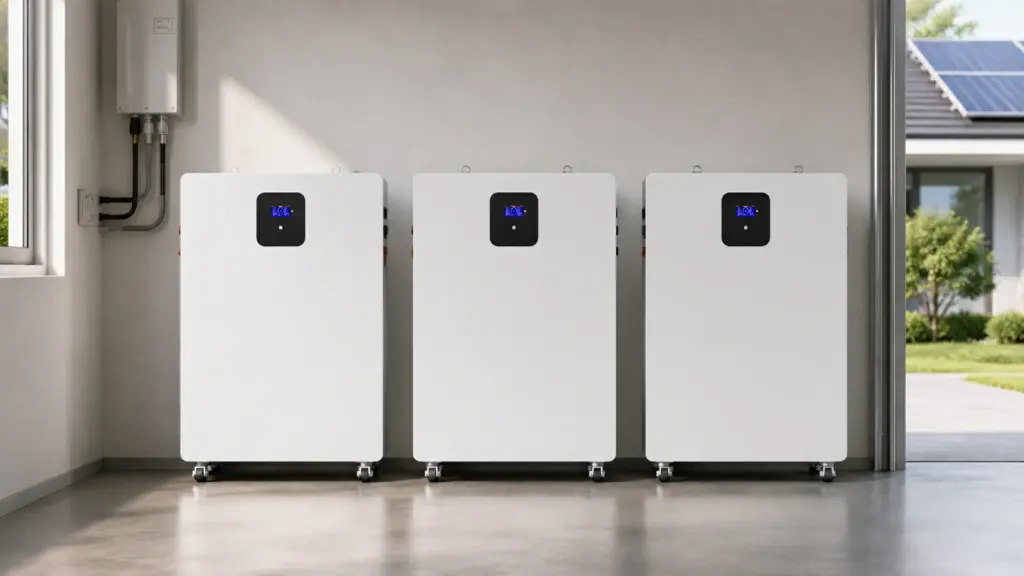
Solar Battery Price Comparison in 2026
Solar battery prices vary by country, installer, inverter configuration, certification requirements and whether the battery is purchased as part of a full solar system. The table below gives a practical market-level reference for residential and small commercial projects.
| Battery Size | Typical Use Case | Estimated Installed Price Range | Best For |
|---|---|---|---|
| 5kWh | Small home backup, essential loads, light evening use | USD $4,000–$8,500 | Lights, WiFi, refrigerator, small electronics |
| 10kWh | Average home solar storage | USD $7,000–$14,000 | Evening self-consumption and limited backup |
| 13.5kWh | Premium home battery size | USD $11,000–$16,500 | Whole-home backup with load management |
| 15–16kWh | Larger home or small project battery | USD $9,000–$18,000 | Homes with higher night usage, off-grid cabins, installers |
| 20–30kWh | Large home, villa, small commercial backup | USD $15,000–$35,000+ | Longer backup time and heavier loads |
| 40–50kWh | Small commercial or large residential project | Project-based quote | Multi-load backup, farms, telecom, light C&I |
| 100kWh+ | Commercial energy storage | Project-based quote | Peak shaving, backup power, solar self-consumption |
*Price ranges are broad references. Final cost depends on battery brand, inverter, installation labor, certification, shipping, electrical upgrades, local rebates and project complexity.
If you are comparing batteries for resale, project supply or private label programs, retail installed pricing is not enough. You also need to compare factory cost, MOQ, shipping plan, warranty process, documentation, enclosure design, BMS communication and after-sales support.
For bulk sourcing, see Avepower’s home solar battery wholesale program.
Solar Battery Capacity Comparison
Capacity is one of the most important factors when choosing the best solar battery. A smaller battery may be enough for basic backup, while a larger system is needed for off-grid use, large homes, commercial loads or longer blackout protection.
| Capacity | Suitable For | Typical Loads Supported | Avepower Product Match |
|---|---|---|---|
| 5kWh | Small backup system | WiFi, lights, refrigerator, phone charging, small appliances | 5kWh 10kWh 15kWh Stackable Solar Batteries |
| 10kWh | Standard home battery storage | Evening self-use, essential loads, partial backup | 48V 200Ah 10kWh Powerwall Battery |
| 15kWh | Larger home backup | Refrigerator, lighting, sockets, router, small AC load, TV | 48V 280Ah 15kWh Vertical Battery |
| 15–16kWh rack battery | Cabinet or installer-led projects | Rack cabinet, telecom backup, equipment room, low-voltage solar system | 48V 280Ah 15kWh Rack Mount Battery |
| 20–40kWh | Expandable home or light commercial storage | Higher overnight usage, small business backup, off-grid storage | 20kWh 30kWh 40kWh Stackable Battery |
| 30kWh | Whole-home backup or small commercial storage | Multiple household circuits, larger inverter systems, longer runtime | 30kWh Solar Battery Storage System |
| 50kWh | Small commercial and high-capacity backup | Larger homes, farms, telecom rooms, small C&I backup | 50kWh Solar Battery Storage System |
| Custom HV system | Commercial or project-based ESS | High-voltage inverter systems, project storage, larger BESS | Custom High Voltage Battery Storage |
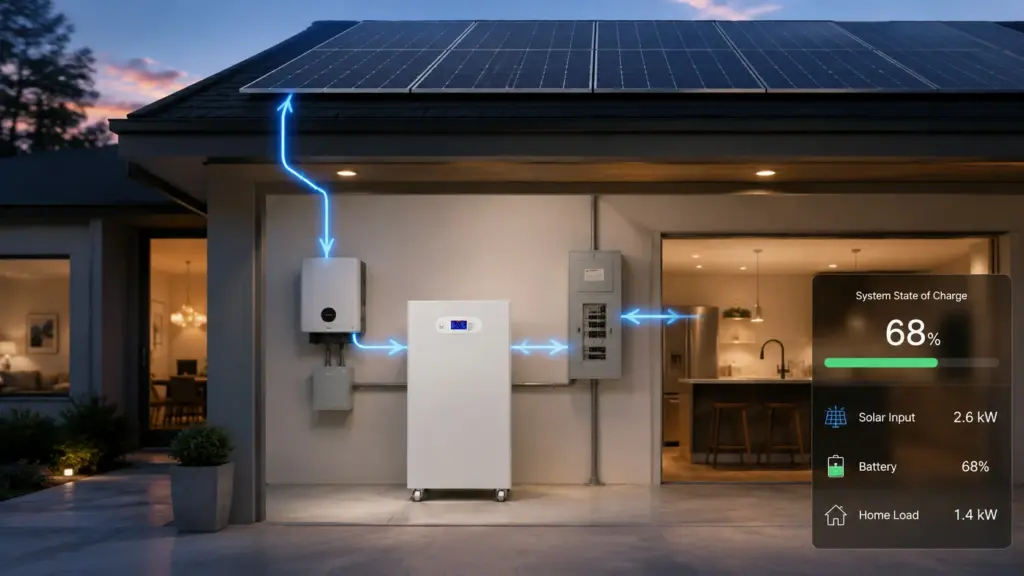
Solar Battery Runtime Calculation Table
Runtime depends on usable capacity, load power, inverter efficiency, battery reserve setting and whether solar panels are charging the battery during the day. A simple estimate is:
Runtime hours = usable battery capacity ÷ load power
The table below assumes about 90% usable energy and no solar charging during the backup period.
| Battery Size | Estimated Usable Energy | 500W Load | 1kW Load | 2kW Load | 5kW Load |
|---|---|---|---|---|---|
| 5kWh | 4.5kWh | 9 hours | 4.5 hours | 2.25 hours | Less than 1 hour |
| 10kWh | 9kWh | 18 hours | 9 hours | 4.5 hours | 1.8 hours |
| 13.5kWh | 12.15kWh | 24.3 hours | 12.15 hours | 6.1 hours | 2.4 hours |
| 15kWh | 13.5kWh | 27 hours | 13.5 hours | 6.75 hours | 2.7 hours |
| 16kWh | 14.4kWh | 28.8 hours | 14.4 hours | 7.2 hours | 2.9 hours |
| 30kWh | 27kWh | 54 hours | 27 hours | 13.5 hours | 5.4 hours |
| 50kWh | 45kWh | 90 hours | 45 hours | 22.5 hours | 9 hours |
For example, a 15kWh LiFePO4 battery may run a 1kW essential-load circuit for roughly 13.5 hours under this simplified estimate. If solar panels recharge the battery during the day, real backup time can be longer. If the system runs air conditioning, water pumps, ovens or other heavy loads, runtime will be shorter.
How to Decide Which Solar Battery Brand Is Best for You
1. Choose the Right Battery Chemistry
In 2026, most residential and small commercial solar batteries use lithium-based chemistry. LiFePO4, also called LFP, is widely used because it offers strong thermal stability, long cycle life and good safety performance when designed with a proper BMS and installed correctly.
For installers and distributors, LiFePO4 is usually easier to position for long-life home storage, backup power, off-grid systems and modular expansion. Avepower’s residential batteries use LiFePO4 chemistry across wall-mounted, rack-mounted, vertical and stackable formats.
2. Compare Usable Capacity, Not Only Nominal Capacity
A battery advertised as 10kWh may not always deliver the full 10kWh in daily use. Some systems reserve part of the capacity to protect battery life. When comparing solar battery brands, check:
- Nominal capacity
- Usable capacity
- Depth of discharge
- Round-trip efficiency
- Warranty conditions
- Battery reserve settings
- Operating temperature range
This is why a runtime table is often more useful than a simple brand ranking.
3. Match Battery Output Power with Your Loads
Capacity tells you how much energy the battery can store. Power output tells you how many appliances it can run at the same time.
For example, a 15kWh battery with a low power output may run essential loads for a long time, but it may not support heavy appliances. A battery with higher discharge capability can support larger inverters and stronger backup loads when the system is properly designed.
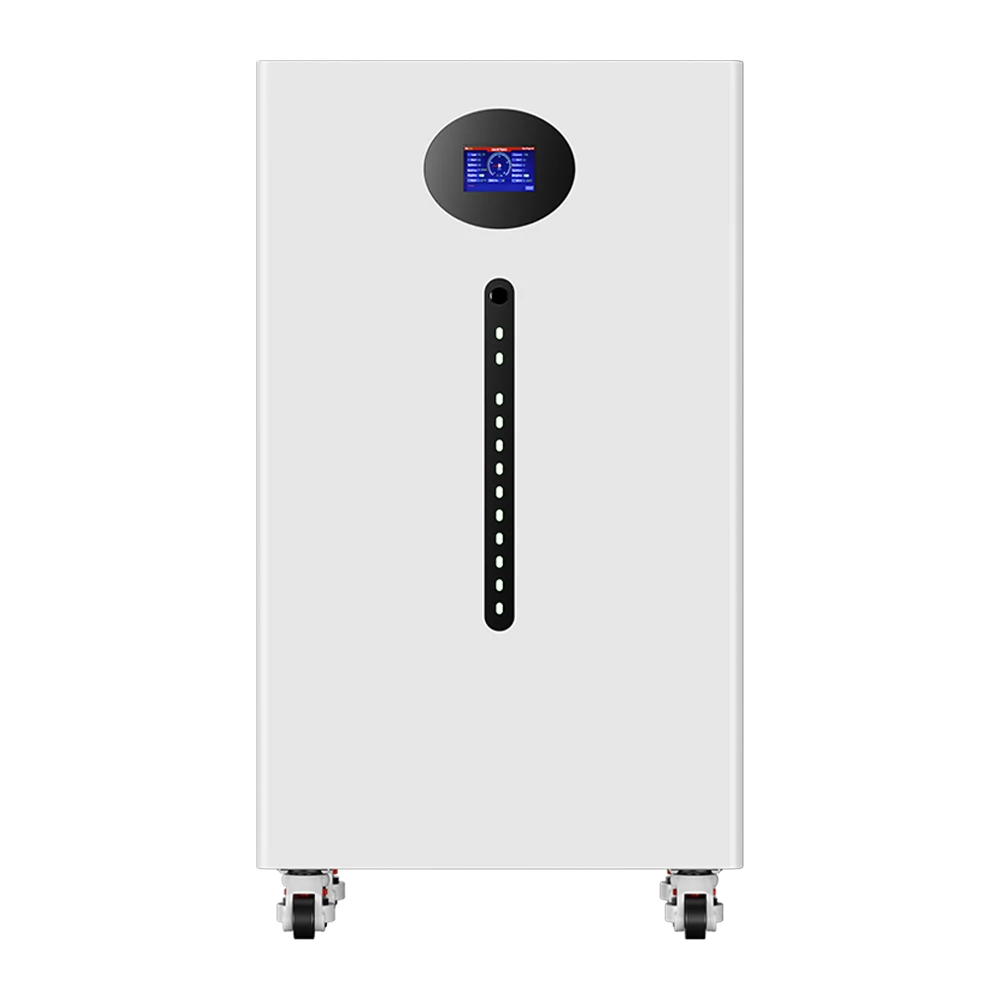
Avepower’s 48V 280Ah 15kWh vertical LiFePO4 battery supports a 200A BMS, CAN/RS485/RS232 communication, Bluetooth, WiFi, a 3.2-inch screen and up to 16 units in parallel, making it suitable for installer-led residential and small commercial projects.
4. Check Inverter Compatibility
The best solar battery is only useful if it works properly with the inverter. Communication problems can affect SOC display, charging limits, alarm handling and system protection.
Before choosing a battery, confirm:
- CAN, RS485 or RS232 communication
- Supported inverter brands
- Battery voltage range
- Charge and discharge current limits
- BMS protocol compatibility
- Parallel expansion rules
- Installer documentation
For project buyers, Avepower can support inverter communication matching and customized BMS logic for different solar storage systems.
5. Look at Expansion Options
Many homeowners start with 5kWh, 10kWh or 15kWh and expand later. Installers and distributors also need flexible systems that can cover different customer budgets.
Stackable and rack-mounted LiFePO4 systems are often easier to expand than fixed all-in-one systems. Avepower offers stackable battery systems and rack-mounted batteries for customers who need scalable storage from smaller residential systems to larger battery banks.
6. Verify Certifications and Safety Documentation
Solar batteries should be installed by qualified professionals and matched with local electrical rules. Buyers should check certification documents, safety standards, transportation documents and product testing information before placing orders.
For B2B buyers, this is especially important. Certification support, user manuals, datasheets, MSDS, UN38.3 reports, packaging information and warranty terms can affect customs clearance, installation approval and local market sales.
Avepower batteries can support common certification and documentation requirements such as CE, CB, RoHS, UN38.3, FCC and ISO9001-related factory quality management documentation, depending on the model and project requirements.
Best Solar Battery by Buyer Type
| Buyer Type | Best Choice | Why |
|---|---|---|
| Homeowner wanting premium backup | Tesla Powerwall or Enphase | Strong brand, app control, integrated experience |
| Homeowner wanting scalable storage | BYD, Sungrow, Alpha ESS, Fox ESS | Modular capacity and established installer networks |
| Homeowner with Enphase solar | Enphase IQ Battery | Strong ecosystem matching |
| Installer needing flexible battery options | Avepower rack-mounted, vertical or stackable LiFePO4 batteries | Multiple capacities, inverter communication and project support |
| Distributor or wholesaler | Avepower wholesale battery program | Factory-direct supply, bulk pricing and stable product range |
| OEM or private-label brand | Avepower OEM/ODM battery systems | Custom enclosure, label, packaging, capacity and BMS logic |
| Small commercial project | Avepower 30kWh, 50kWh or custom HV battery system | Scalable capacity and project-based configuration |
So, Who Makes the Best Solar Batteries in 2026?
If you want the most recognized premium home battery, Tesla Powerwall remains one of the strongest options. If your home already uses Enphase microinverters, Enphase IQ Battery is a practical ecosystem choice. If you want proven scalable battery engineering, BYD and Sungrow are strong brands to compare.
If you are an installer, distributor, wholesaler or OEM buyer, the best solar battery may be the one that gives you flexible capacity, stable factory supply, inverter communication, certification support and customization options. In that case, Avepower is worth considering because it focuses on factory-direct LiFePO4 battery systems for residential and small commercial energy storage projects.
The best solar battery brand is the one that fits your real application, not just the one with the most advertising.
FAQ
Tesla, Enphase, BYD, Sungrow and Avepower are all strong choices, but they serve different needs. Tesla is strong for premium residential backup, Enphase is strong for microinverter homes, BYD and Sungrow are strong for scalable solar storage, and Avepower is strong for B2B LiFePO4 battery supply, wholesale and OEM/ODM projects.
For premium home backup, Tesla Powerwall and Enphase IQ Battery are popular choices. For scalable LiFePO4 storage, BYD, Sungrow, Alpha ESS and Avepower are also worth comparing depending on local availability and inverter compatibility.
A residential solar battery can range from several thousand dollars to more than USD $15,000 depending on capacity, brand, inverter, installation labor and local market conditions. Larger systems such as 20kWh, 30kWh or 50kWh are usually quoted based on the project.
A small home may use 5kWh to 10kWh for essential backup. A larger home may need 13.5kWh to 16kWh. Homes with heavy loads, off-grid systems or longer backup requirements may need 20kWh to 50kWh or more.
If the usable energy is about 9kWh, a 10kWh battery may run a 1kW load for about 9 hours or a 2kW load for about 4.5 hours. Actual runtime depends on inverter efficiency, battery reserve, load changes and solar charging.
LiFePO4 batteries are widely used for solar storage because they offer long cycle life, stable safety performance and low maintenance. They are suitable for home backup, off-grid systems, rack-mounted batteries and expandable solar storage projects.
Installers should compare inverter compatibility, documentation, BMS communication, warranty process, delivery time and after-sales support. Avepower is suitable for installer-led projects because it offers multiple LiFePO4 battery formats, CAN/RS485/RS232 communication and scalable capacity options.
Distributors usually need stable supply, competitive pricing, certification documents, product consistency and marketing support. Avepower’s home solar battery wholesale program is designed for distributors, wholesalers and project buyers who need factory-direct battery supply.
Yes. Avepower supports OEM/ODM customization for home solar battery systems, including enclosure design, capacity, label, packaging, BMS communication and functional requirements. This is useful for private-label brands, distributors and regional solar energy companies.
Check usable capacity, chemistry, BMS protection, inverter compatibility, output power, warranty, certifications, installation requirements, expansion options and after-sales support. For business buyers, also check MOQ, lead time, shipping terms and customization capability.