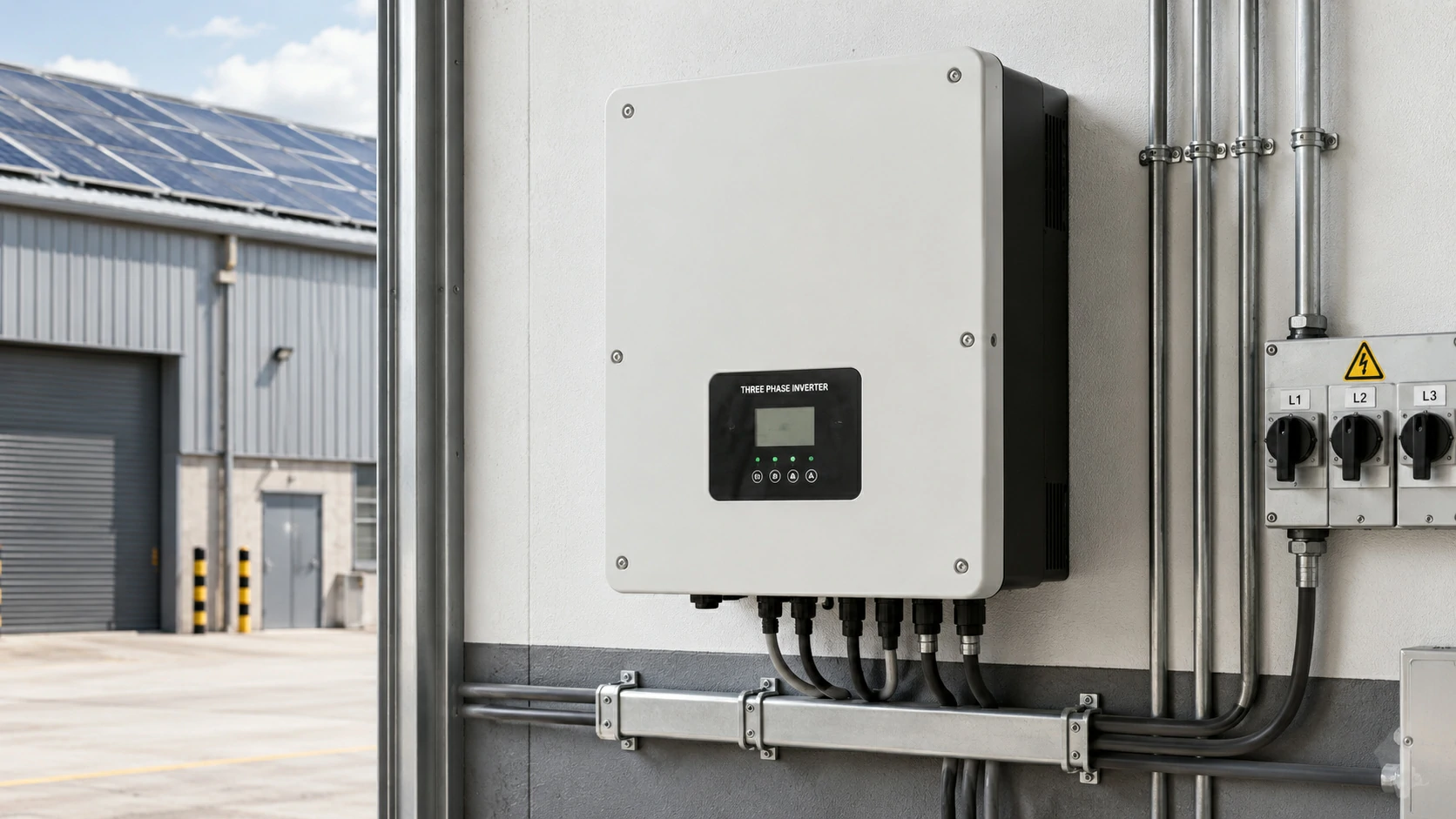
A 3 phase inverter is an inverter that converts DC electricity from solar panels or batteries into three-phase AC electricity. Instead of producing one AC waveform like a single-phase inverter, it produces three synchronized AC waveforms separated by 120 degrees.
A 3 phase inverter is usually not necessary for a small single-phase home with modest loads. It becomes valuable when the site already has three-phase service, when the solar system is larger, when loads are spread across multiple phases, or when the project requires stable power for motors, pumps, HVAC systems, workshops, farms, commercial buildings, or larger battery energy storage systems.
What Is a 3 Phase Inverter?
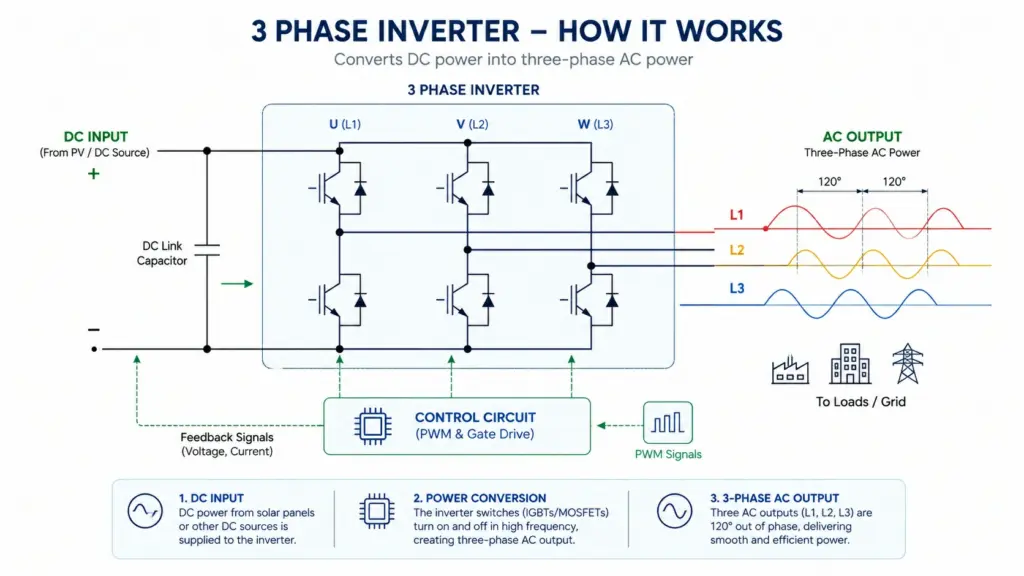
A 3 phase inverter, also called a three-phase inverter, is a power conversion device that changes DC electricity into three-phase AC electricity. In solar and battery systems, the DC input may come from photovoltaic panels, a battery bank, or a DC bus inside a hybrid energy storage system. The inverter then produces AC output across three phases, commonly referred to as L1, L2, and L3, with each phase shifted by 120 degrees.
How Does a 3 Phase Inverter Work?
A 3 phase inverter receives DC electricity and uses power electronics to create three synchronized AC outputs. In a solar power system, the process usually works like this:
Solar panels generate DC electricity → the inverter converts DC to three-phase AC → the AC power supplies building loads, charges or discharges through a battery system, or exports to the grid where permitted.
3 Phase Inverter vs Single Phase Inverter
The main difference is the AC output structure. A single-phase inverter produces one AC waveform, while a 3 phase inverter produces three AC waveforms. This difference affects power capacity, load balance, installation complexity, and the type of property each inverter fits best.
| Factor | Single-Phase Inverter | 3 Phase Inverter |
|---|---|---|
| AC output | One AC waveform | Three AC waveforms |
| Best for | Small homes, small shops, basic backup | Large homes, C&I buildings, farms, workshops |
| Grid connection | Single-phase supply | Three-phase supply |
| Load balancing | Limited to one phase | Spreads output across three phases |
| Solar system size | Usually smaller | Better for larger systems |
| Heavy equipment | Limited | Better for motors, pumps, HVAC, machinery |
| Cost | Lower | Higher |
| Installation | Simpler | More complex |
| Battery backup | Usually one phase | Can support multiple phases if designed correctly |
| Typical buyer | Homeowner with moderate loads | Installer, EPC, business, high-load home, project developer |
If a home has three-phase power but installs a single-phase battery inverter, backup power may only serve circuits connected to that one phase unless the system is specifically designed otherwise.
When Should You Use a 3 Phase Inverter?
You should consider a 3 phase inverter when the electrical demand, site infrastructure, or project design requires more than a basic single-phase setup.
1. The Property Already Has Three-Phase Power
If a home, commercial building, or industrial facility already has three-phase electrical service, a 3 phase invert
This is especially relevant for larger houses, villas, multi-unit properties, agricultural buildings, workshops, hotels, and commercial facilities.
2. The Site Has High Power Consumption
High-load properties often use several large appliances or machines at the same time. Examples include central air conditioning, heat pumps, water pumps, commercial refrigeration, elevators, EV chargers, compressors, and production equipment.
A 3 phase inverter is better suited to these conditions because power is shared across three phases instead of being concentrated on one phase. This improves system stability and reduces stress on cables, breakers, and inverter components.
3. The System Includes Three-Phase Equipment
Some equipment is designed specifically for three-phase operation. Motors, pumps, compressors, industrial HVAC systems, and manufacturing machines often run more efficiently and smoothly on three-phase power.
If the goal is to power three-phase loads during solar operation or battery backup, the inverter must be able to produce three-phase AC output.
4. The Solar System Is Larger Than a Typical Residential Setup
A small rooftop solar system may not need a 3 phase inverter. But as PV capacity increases, especially in commercial and industrial systems, three-phase output becomes more useful. It allows larger AC output, better load distribution, and more grid-compatible operation.
Some regions also apply connection limits or export limits by phase, so local grid rules must be checked before final inverter sizing.
Benefits of a 3 Phase Inverter
Higher Power Capacity
Three-phase systems are built for higher power delivery. By spreading output across three phases, a 3 phase inverter can support larger PV arrays and higher AC loads than a typical single-phase inverter.
Better for Motors and Heavy Loads
Three-phase power is well suited for motors and rotating equipment because it provides smoother power delivery. This is why many commercial and industrial machines are designed for three-phase supply.
Improved Load Distribution
A 3 phase inverter can distribute power across L1, L2, and L3, helping reduce phase imbalance. This is useful for larger homes, apartment buildings, commercial buildings, agricultural sites, and mixed-use properties.
Better Fit for Commercial Solar
Commercial solar systems are usually larger than residential systems and are often connected to three-phase distribution boards. A 3 phase inverter fits this environment more naturally and can simplify system design.
More Suitable for C&I Battery Storage
Battery storage projects above basic home backup size usually need stronger system coordination. A three-phase inverter can work with high-voltage batteries, EMS control, and site-level power management to support peak shaving, solar self-consumption, backup power, and demand management.
Limitations of a 3 Phase Inverter
Higher Initial Cost
A 3 phase inverter usually costs more than a single-phase inverter. The hardware is more complex, installation takes more planning, and the protection system may require additional components.
More Complex Installation
Three-phase systems require correct phase sequencing, load analysis, wiring, protection coordination, export control, and commissioning. The installer must understand both solar design and the property’s electrical distribution.
Not Always Needed for Small Homes
If the property has single-phase supply and moderate loads, a 3 phase inverter may be unnecessary. In many homes, a well-sized single-phase solar inverter or hybrid inverter is more cost-effective.
Backup Design Can Be Misunderstood
Some buyers assume that installing a battery automatically backs up the whole building. That is not always true. Backup depends on the inverter type, transfer switch, backup output rating, phase design, battery capacity, and local electrical rules.
Grid Approval May Be Stricter
Larger three-phase systems may require more detailed grid connection approval. In Australia, for example, approved inverter lists and product standards are important for safety and incentive eligibility. The Clean Energy Council maintains an approved inverter and power conversion equipment list for models that meet relevant Australian and international standards.
3 Phase Inverter for Solar Battery Storage
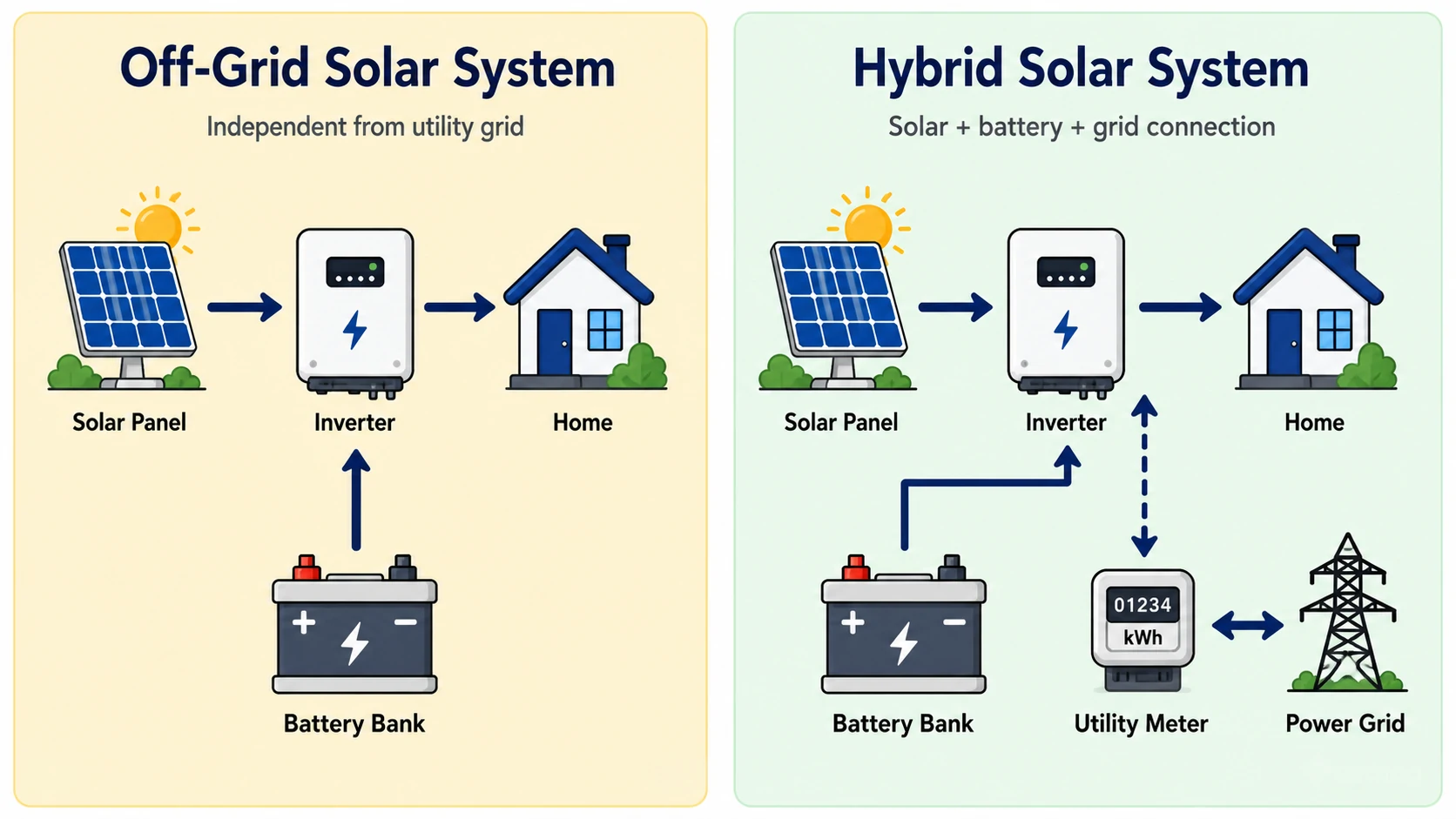
A 3 phase inverter can be used in several solar battery configurations.
Three-Phase Hybrid Inverter
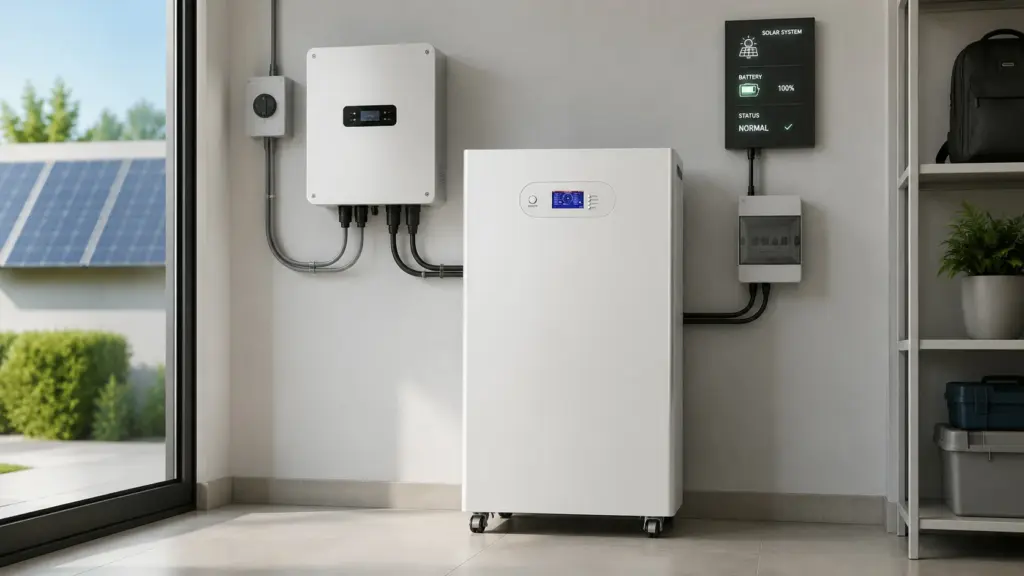
A three-phase hybrid inverter connects solar panels, batteries, the grid, and loads in one system. It is common in residential three-phase homes, small commercial properties, and some C&I systems.
Best for:
- New solar + battery installations
- Three-phase homes
- Small commercial sites
- Projects needing solar self-consumption and backup
- Cleaner installation with fewer separate devices
Three-Phase AC-Coupled Battery Inverter
An AC-coupled battery inverter connects the battery to the AC side of an existing solar system. This can be useful when a site already has solar and wants to add battery storage later.
Best for:
- Retrofit projects
- Existing grid-tied solar systems
- Sites where changing the PV inverter is not ideal
- Projects needing flexible battery expansion
Three-Phase PCS for C&I ESS
For larger commercial and industrial energy storage, a PCS, or power conversion system, is often used. This is usually part of a larger ESS that includes battery cabinets, BMS, EMS, fire protection, HVAC, metering, and grid protection.
Best for:
- Peak shaving
- Demand charge reduction
- Backup power
- Renewable integration
- Microgrids
- Factory and commercial energy management
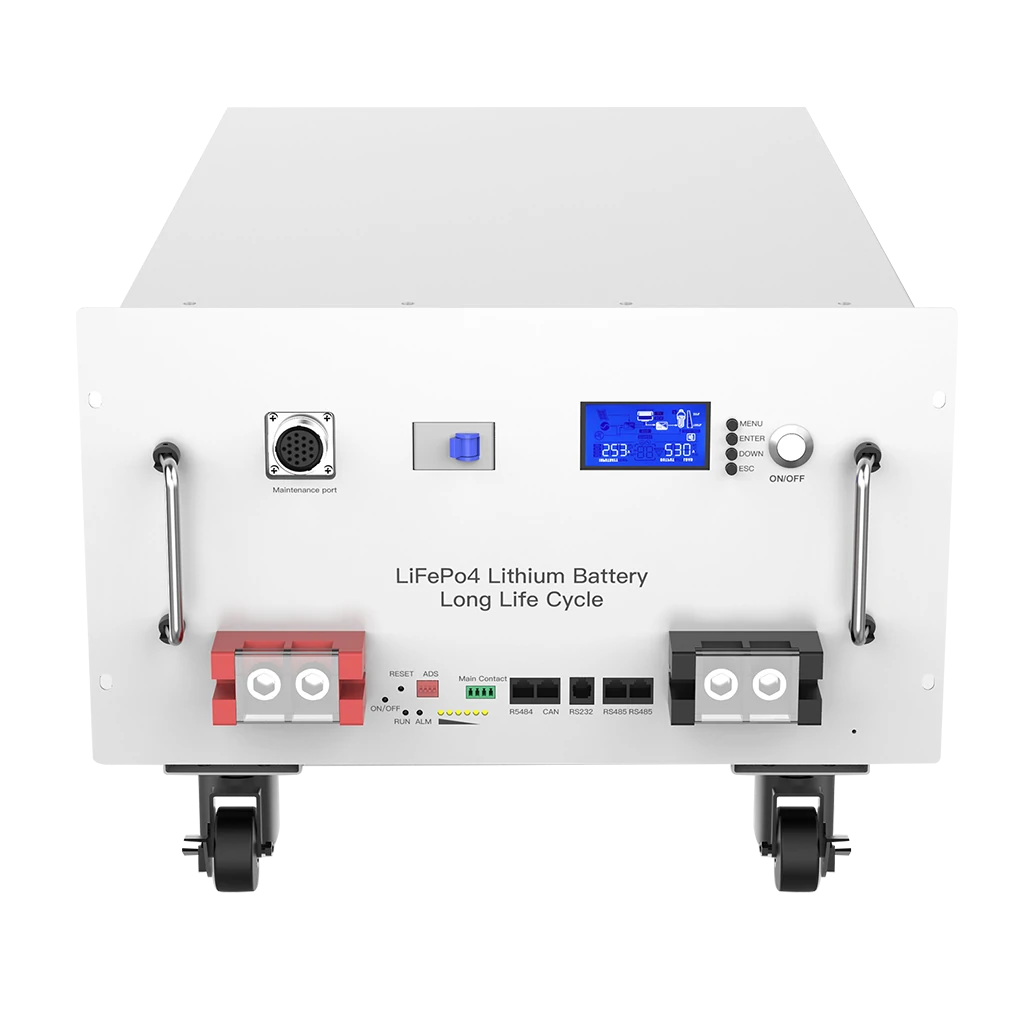
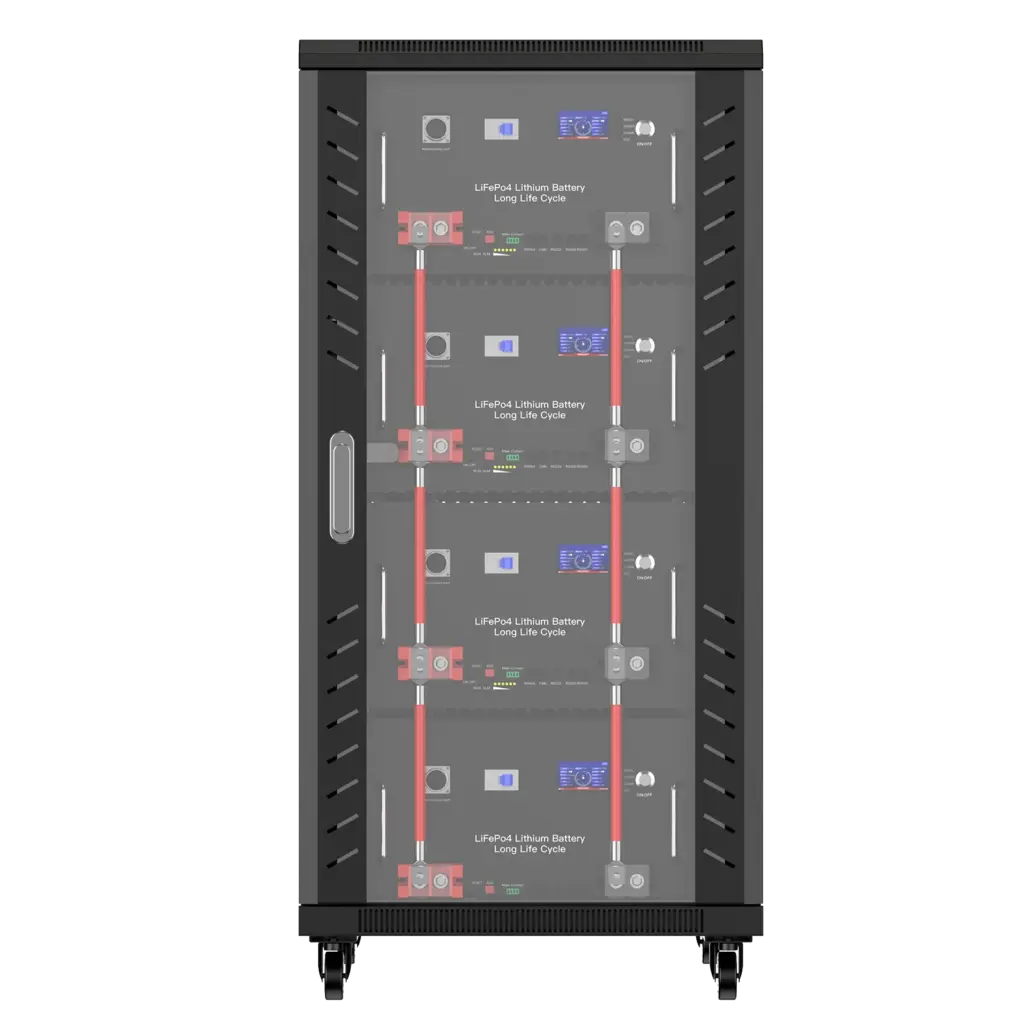
For this kind of application, the battery supplier should not only provide battery capacity. It should also support inverter compatibility, communication matching, system documentation, protection logic, and project-level engineering. Avepower supports commercial and industrial battery storage with configurable high-voltage platforms, modular cabinet design, BMU/BCU management, and project customization.
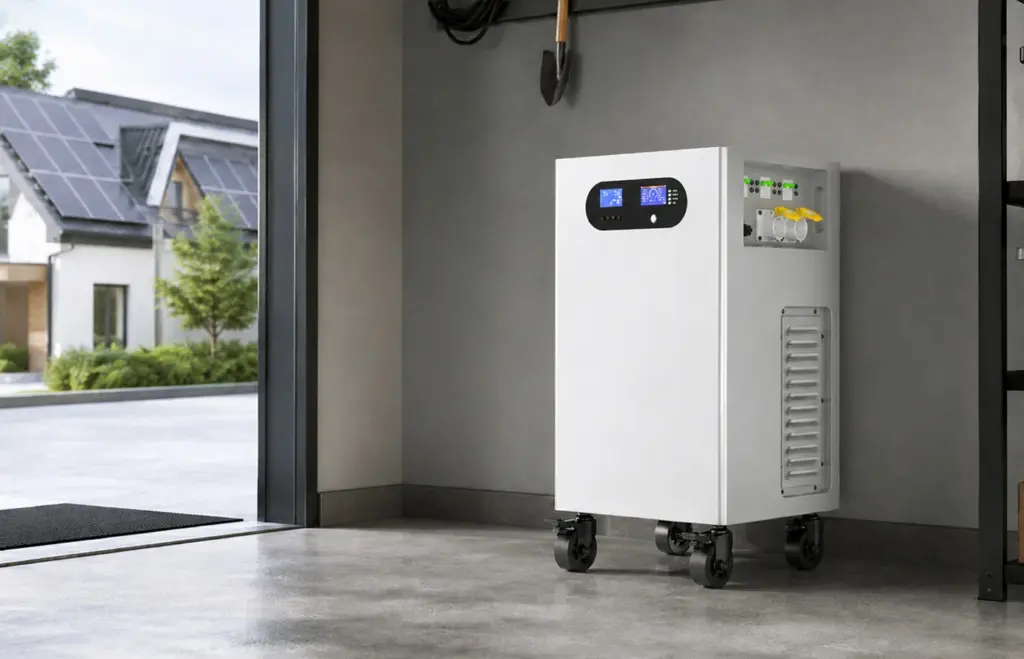
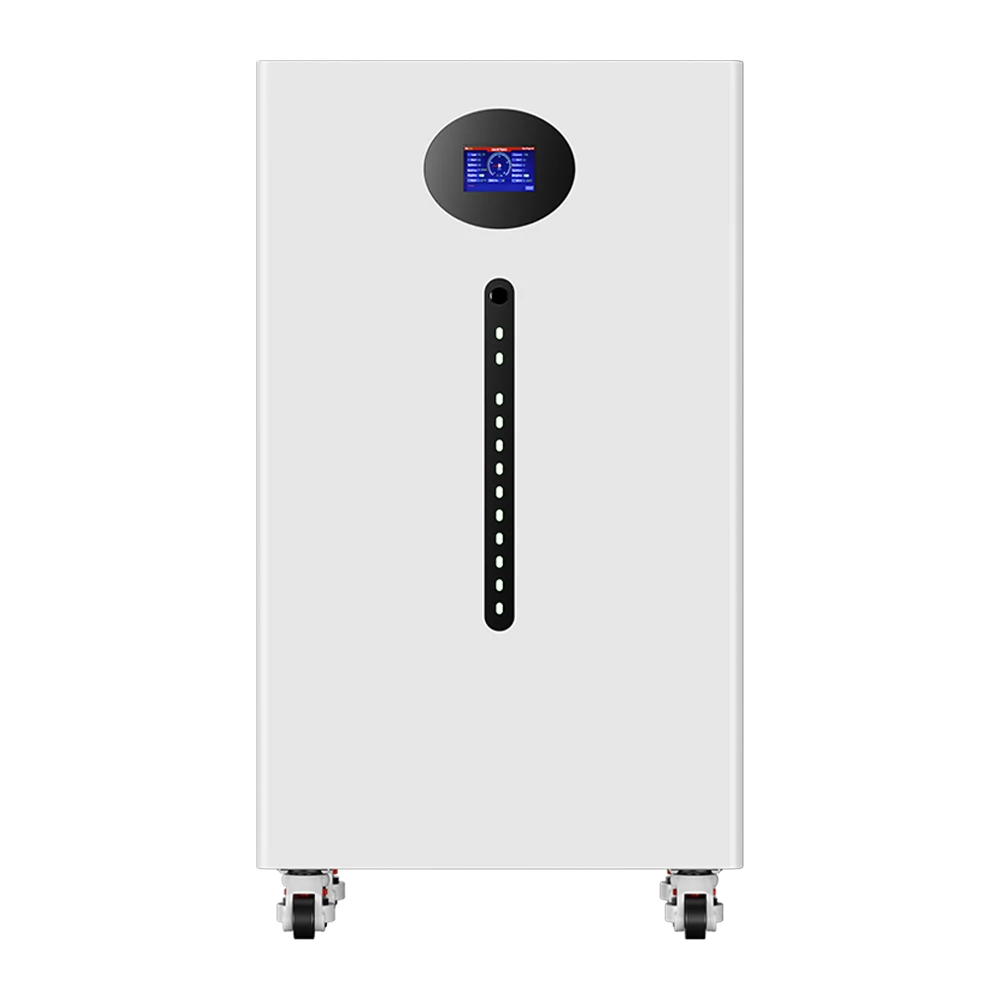
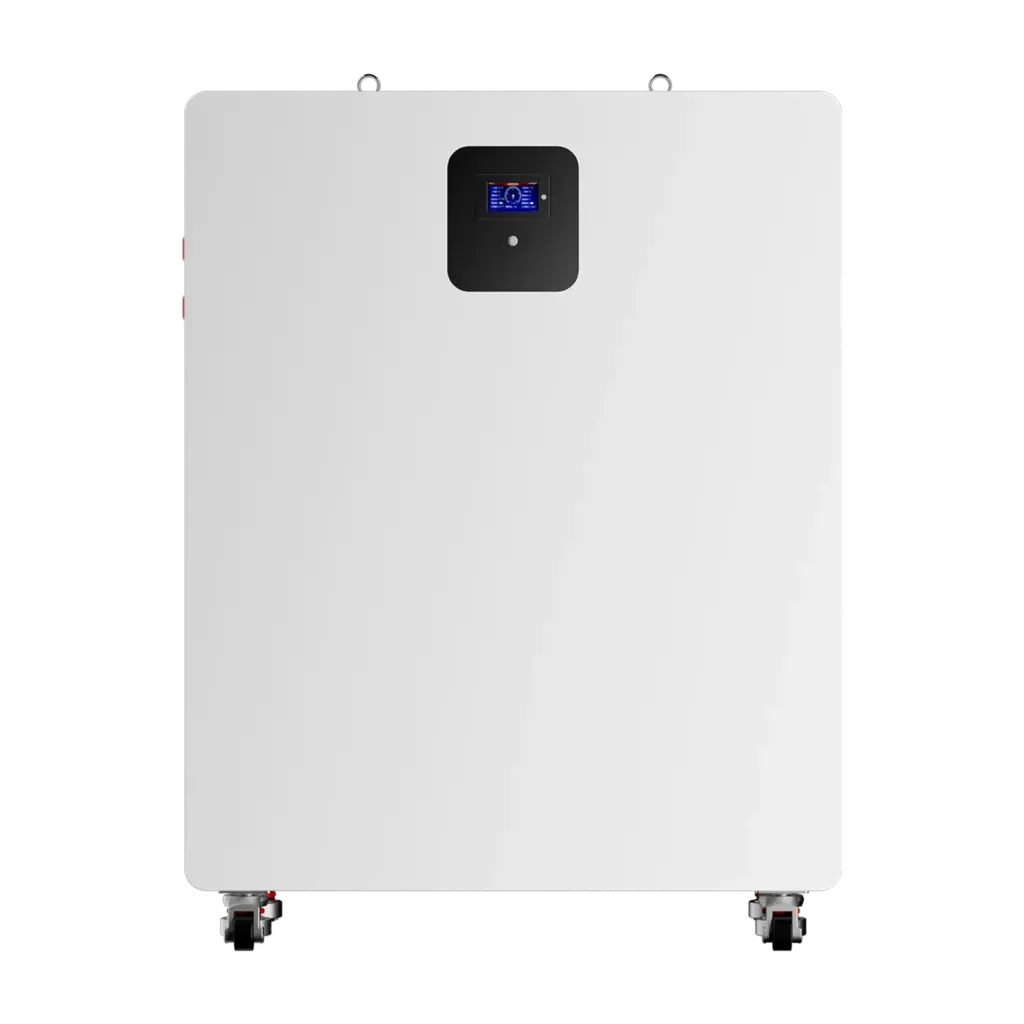
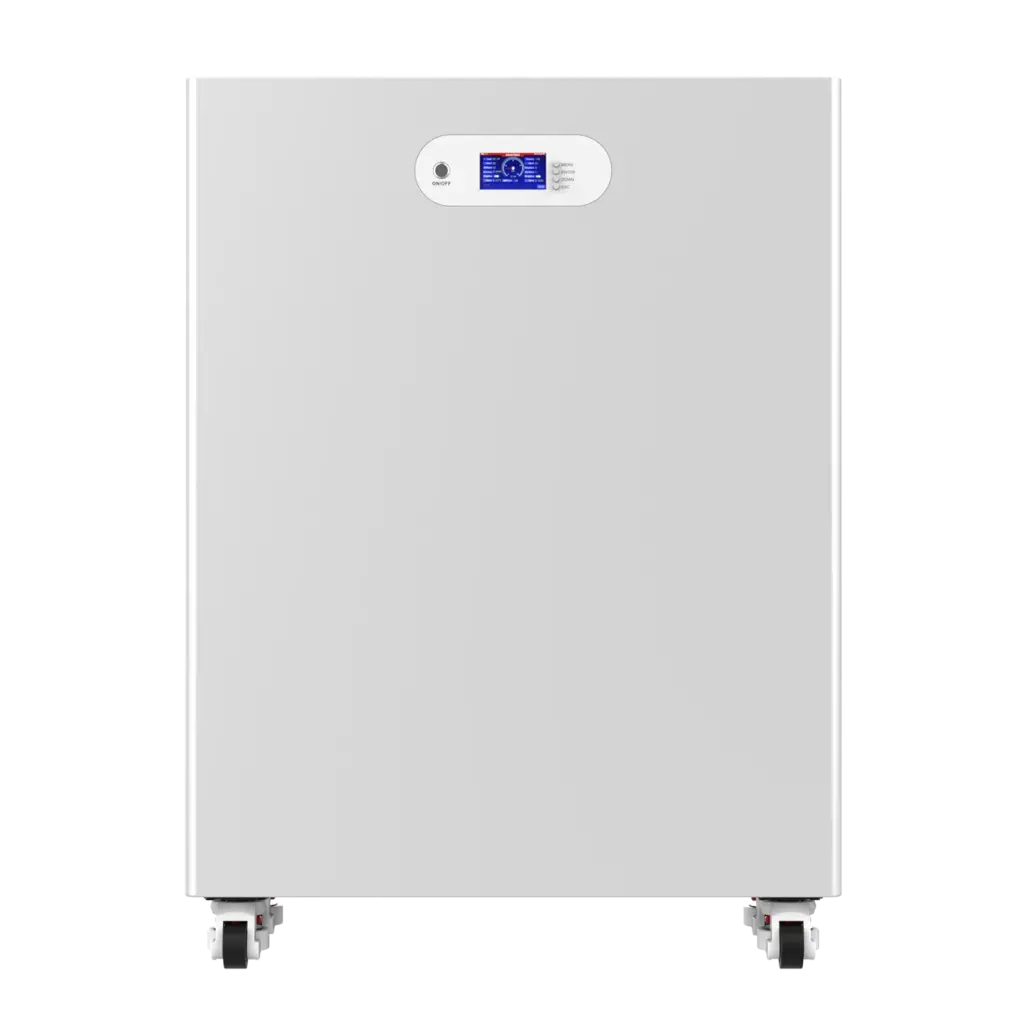
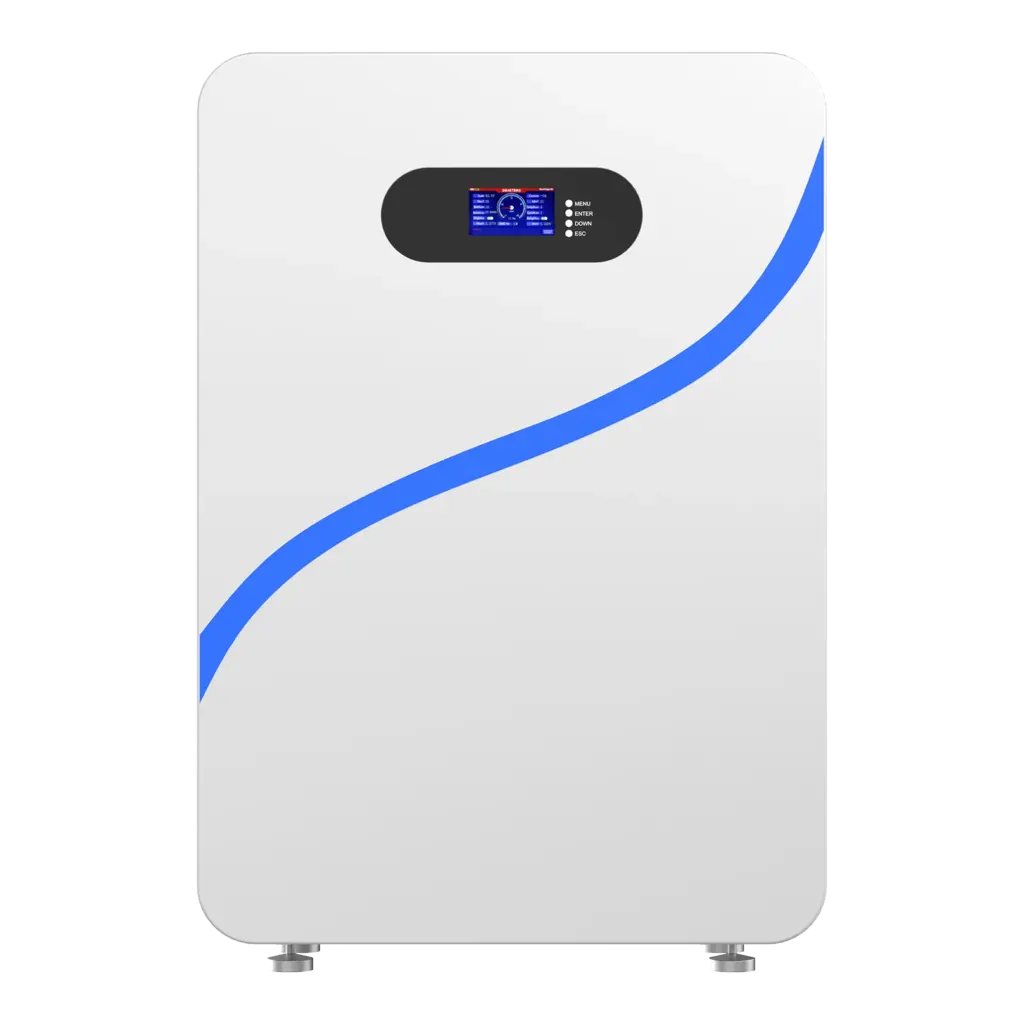
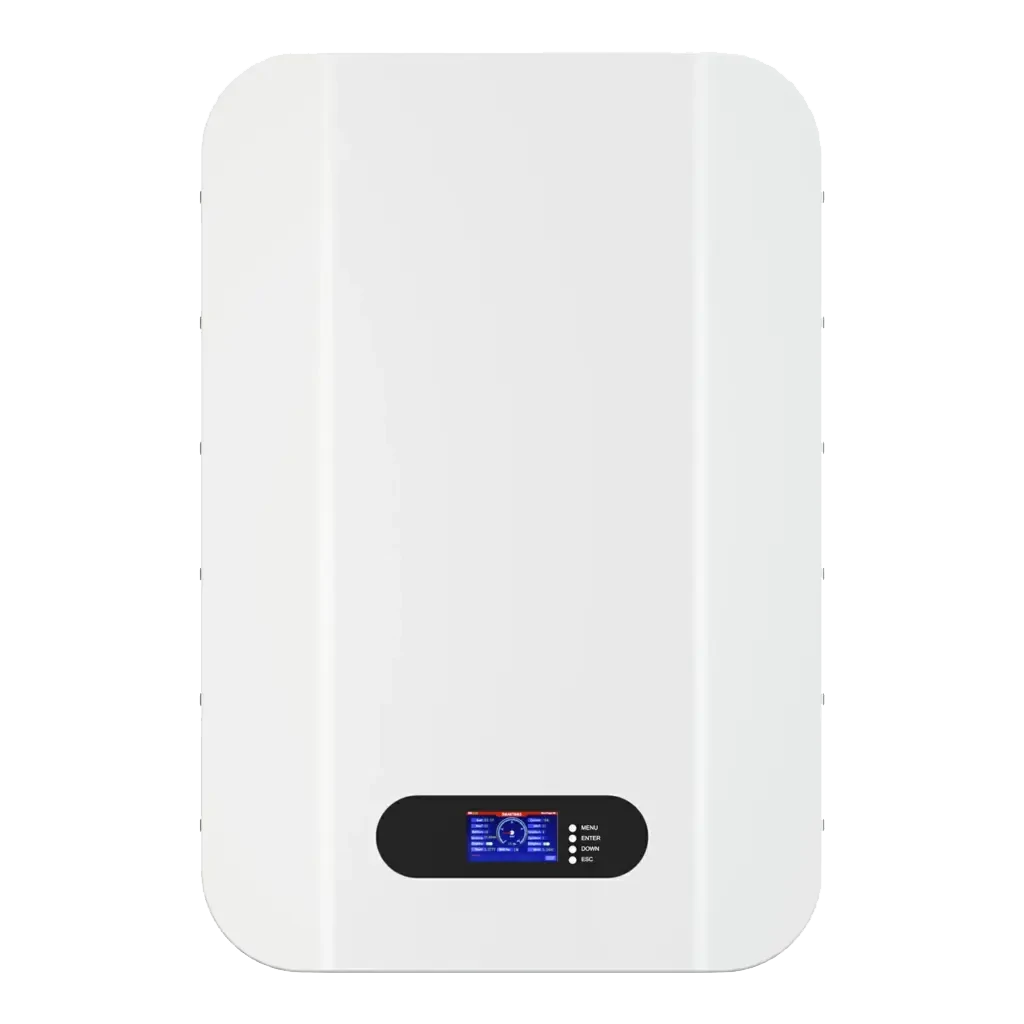
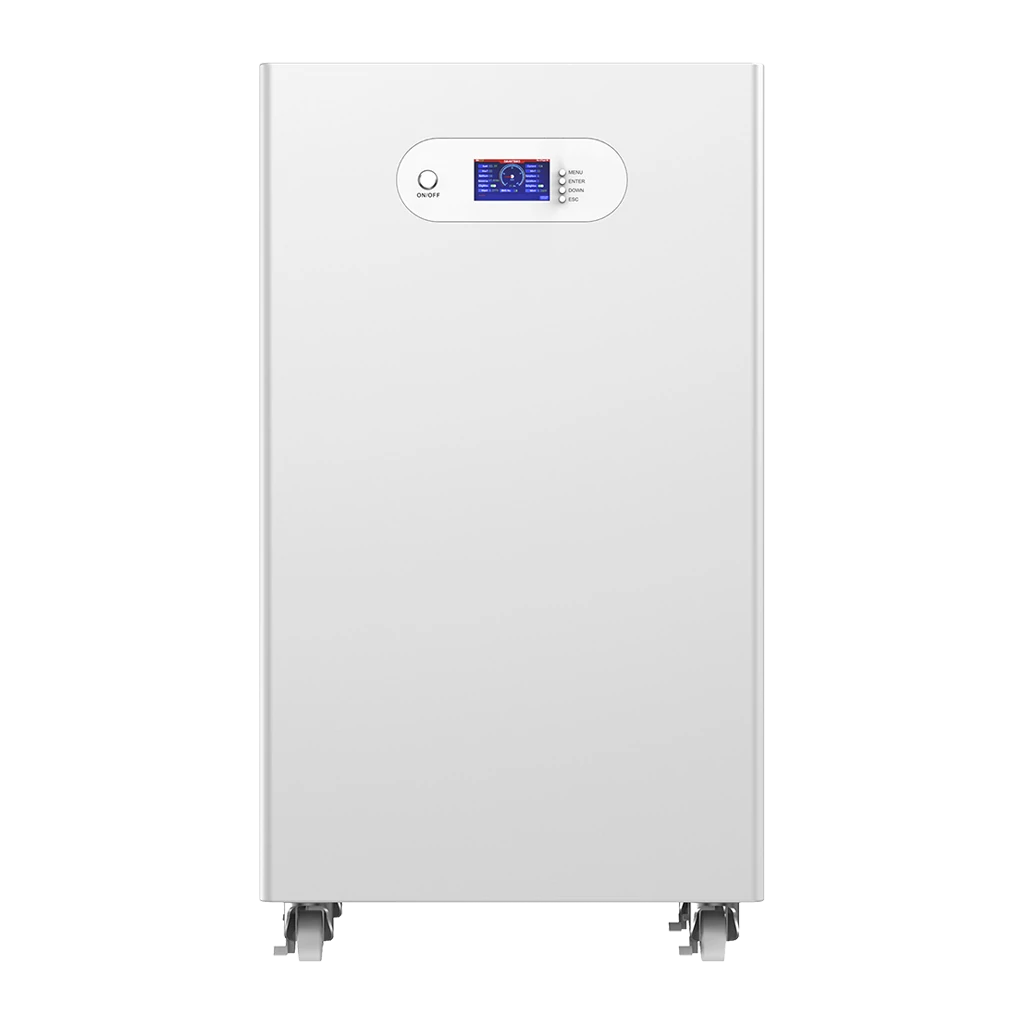
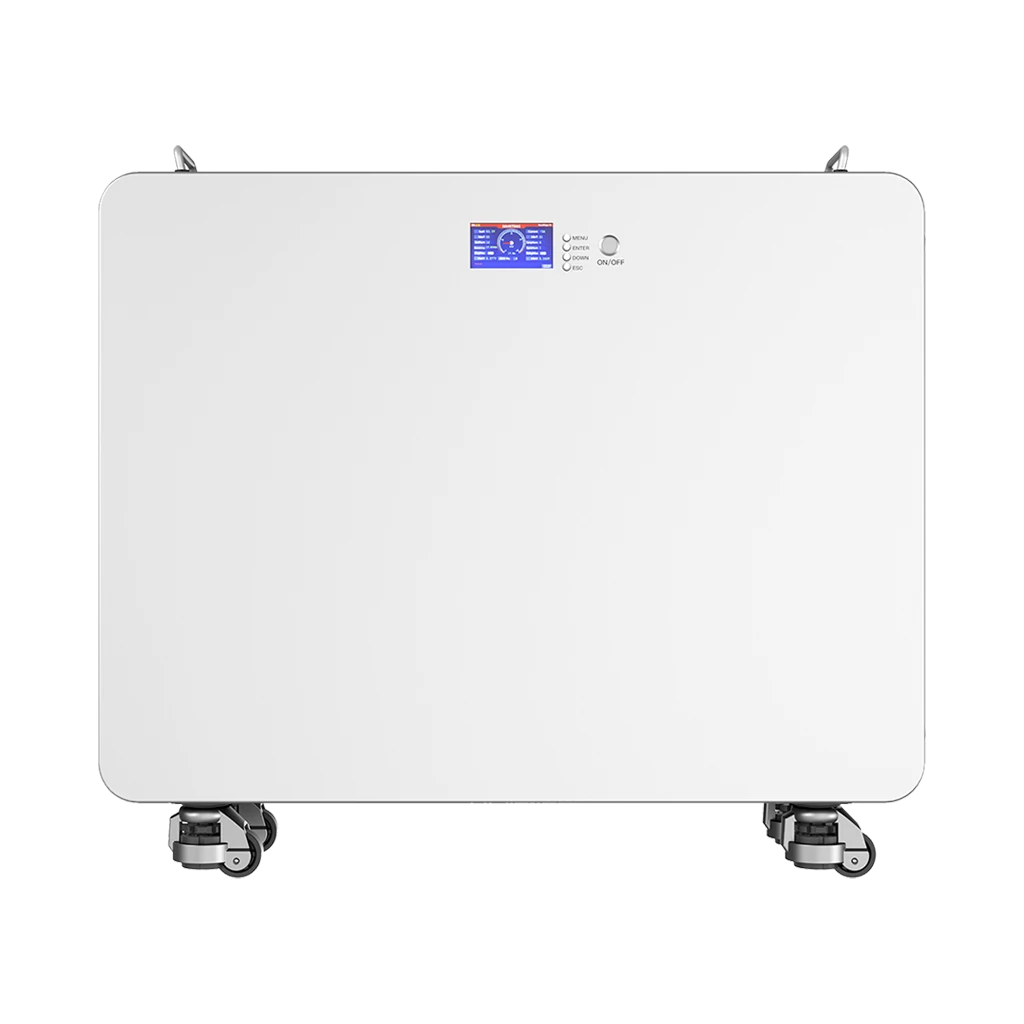
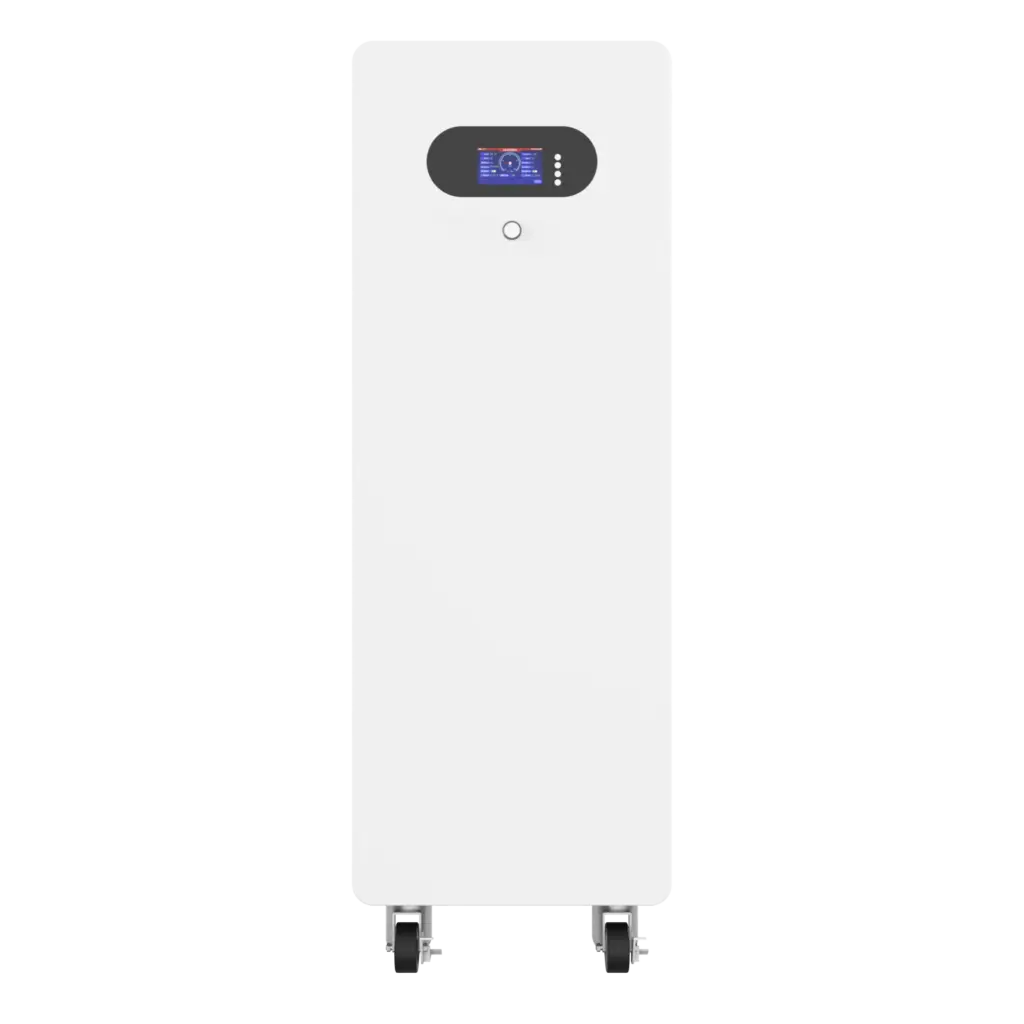
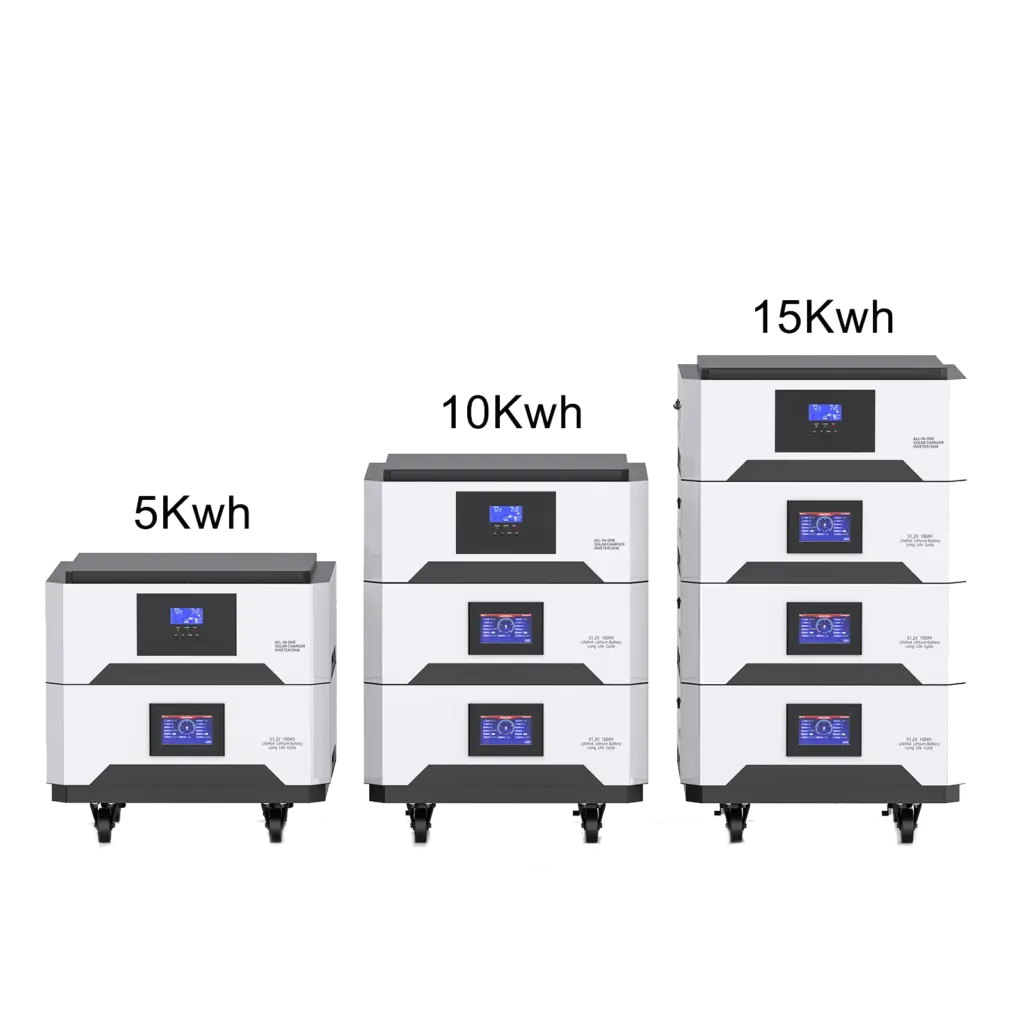
Avepower 15kWh Home Solar Battery with 6kW Inverter
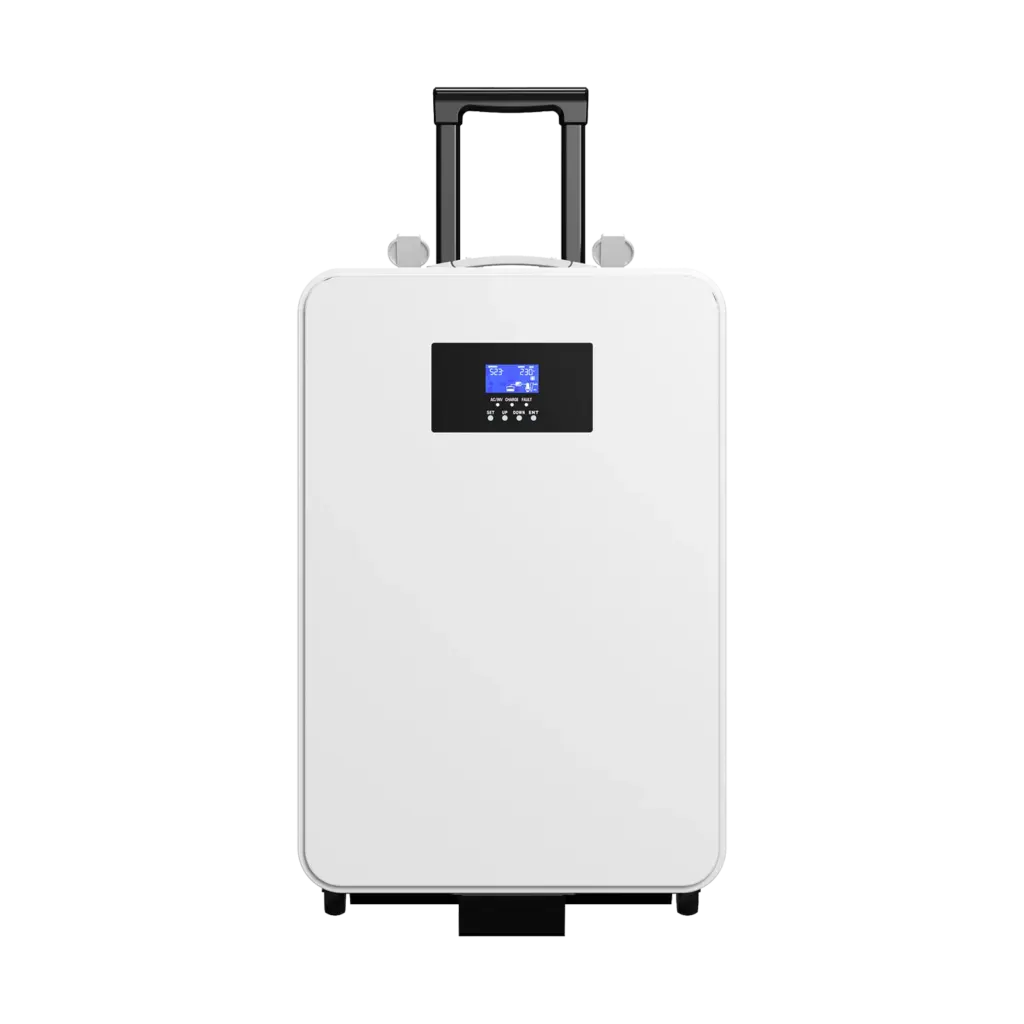
Avepower provides LiFePO4 battery systems with inverter compatibility support, CAN/RS485 communication, and customizable capacity for residential, commercial, and industrial projects.
3 Phase Inverter for Home Solar Systems
Not every home needs a 3 phase inverter. For many smaller homes, single-phase solar and battery systems work well. However, a 3 phase inverter can make sense for larger homes with three-phase supply, high energy consumption, EV charging, pool pumps, heat pumps, or whole-home backup requirements.
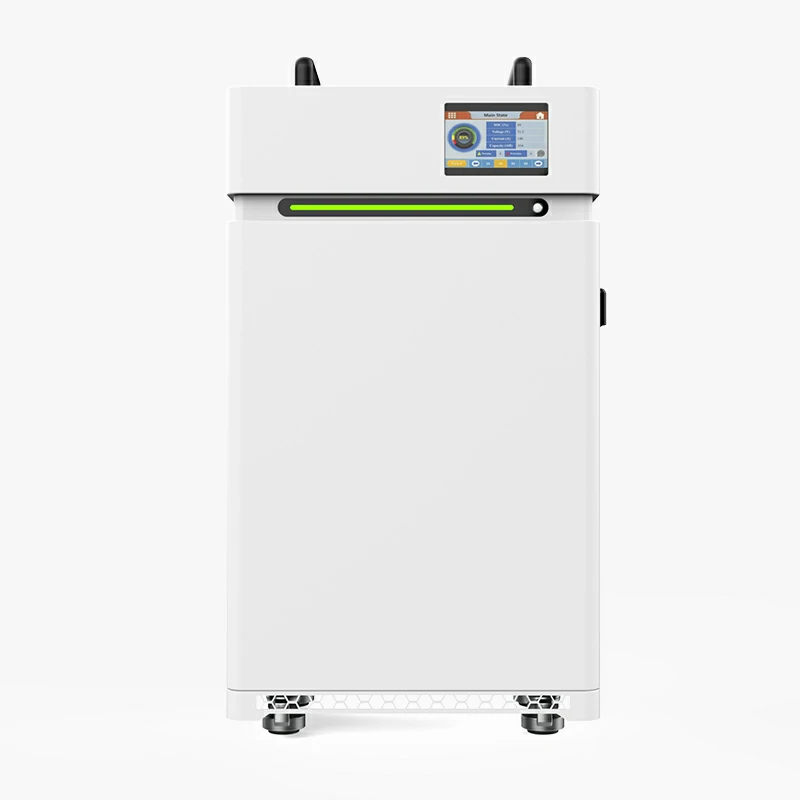
A large residential system may also require more battery capacity. Avepower’s 15kWh home solar battery with inverter is an example of an integrated battery and inverter design for whole-home backup, daily energy savings, and small commercial loads. For projects that need higher output or three-phase architecture, installers should verify the inverter model, AC output type, battery voltage, and communication protocol before final design.
3 Phase Inverter for Commercial and Industrial Energy Storage
Commercial and industrial sites are where 3 phase inverters show their strongest value. These sites often have larger electrical panels, three-phase service, higher demand charges, and more complex load profiles.
A 3 phase inverter can support:
- Solar self-consumption
- Peak shaving
- Load shifting
- Backup power
- EV charging infrastructure
- Demand management
- Microgrid operation
- Diesel generator reduction
- Grid support where allowed
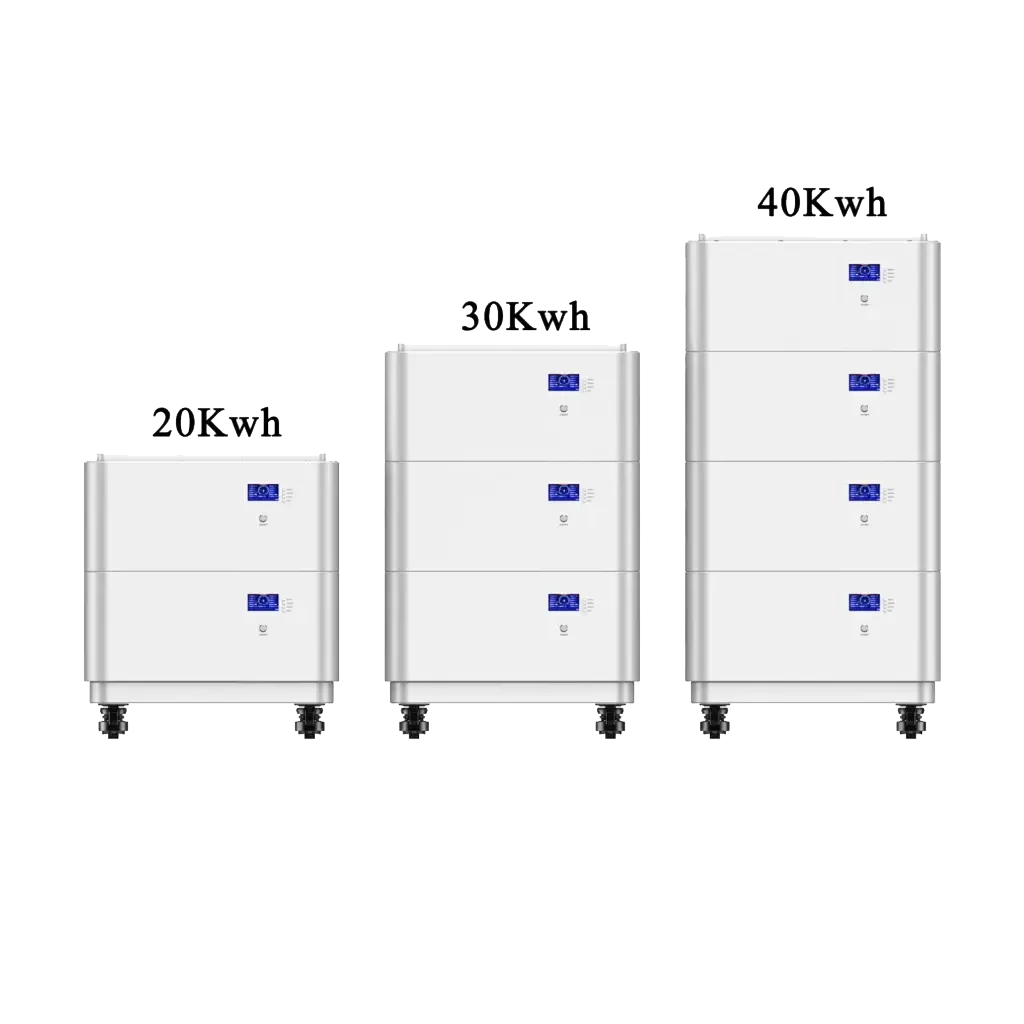
For C&I storage projects, the battery system also needs to be scalable and compatible with the inverter architecture. Avepower’s high voltage battery storage system is designed for commercial and industrial storage, solar-plus-storage, backup power, UPS applications, and customized project integration. The platform supports modular cabinet design, intelligent BMU/BCU management, and CAN/RS485 communication.
How to Choose the Right 3 Phase Inverter
When comparing 3 phase inverter options, do not choose based on rated power alone. Use this checklist:
- Grid type: Does the site have three-phase electrical service?
- AC output: Does the inverter output match local voltage and frequency?
- Power rating: Can it support peak load and continuous load?
- Surge capability: Can it start motors, pumps, compressors, or HVAC loads?
- PV input range: Does the MPPT voltage range match the solar string design?
- Battery voltage: Is the inverter compatible with low-voltage or high-voltage battery architecture?
- Communication: Does it support CAN, RS485, or required protocols?
- Backup function: Can it operate during grid outages if backup is required?
- Certification: Does it meet local grid and safety requirements?
- Monitoring: Does it support app, EMS, or remote diagnostics?
- Expansion: Can the system be scaled later?
- Supplier support: Can the manufacturer provide wiring guidance, protocol confirmation, and project documentation?
For installers, EPCs, and distributors, this compatibility work is often more important than the inverter brand name. A technically good inverter can still perform poorly if the battery protocol, voltage range, protection settings, and project design are not aligned.
Conclusion: Should You Choose a 3 Phase Inverter?
A 3 phase inverter is the right choice when your project needs more than basic single-phase power. It is especially useful for three-phase properties, larger solar arrays, commercial buildings, farms, workshops, EV charging, three-phase equipment, and battery storage systems that require higher power capacity and better load balance.
For small homes with modest loads, a single-phase inverter may still be more cost-effective. For larger homes, C&I facilities, or project-based solar-plus-storage systems, the best result usually comes from matching the inverter, battery, BMS, electrical design, and local grid rules as one complete system.
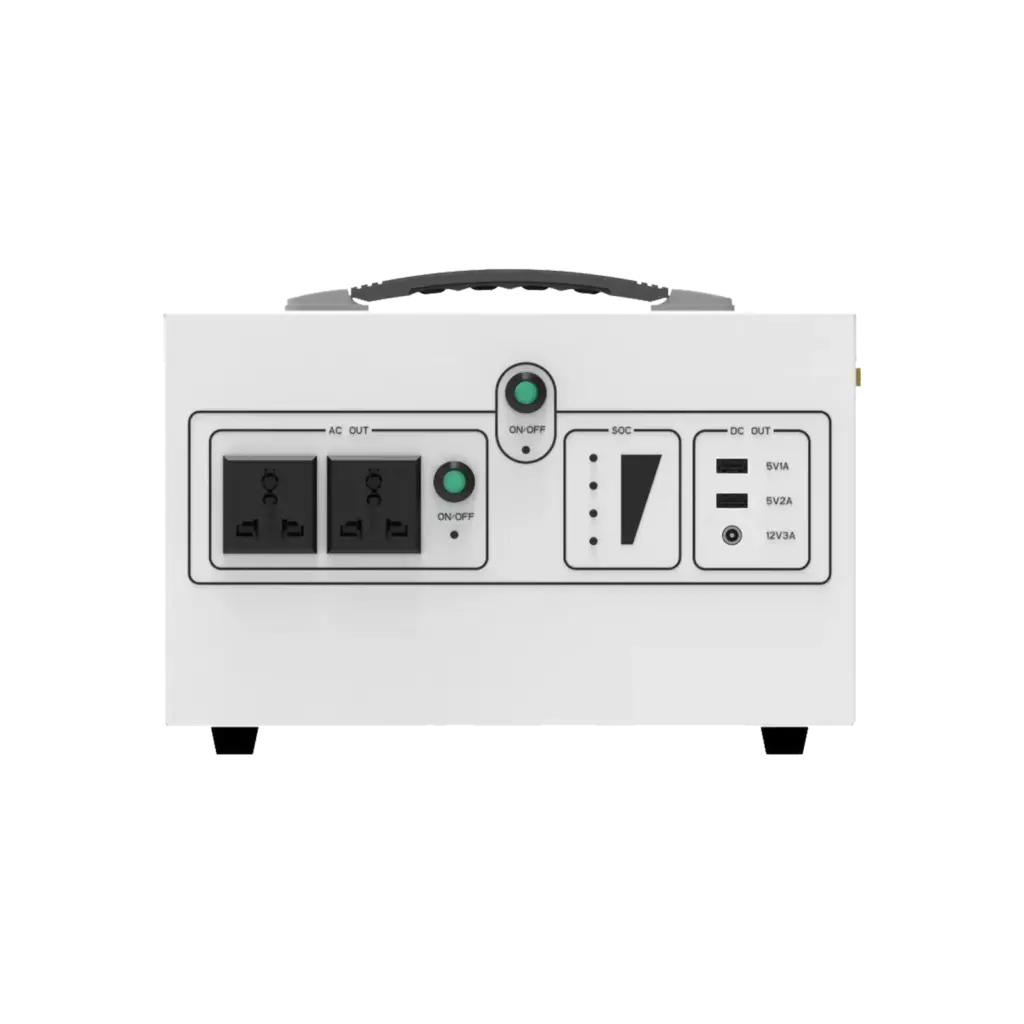
If you are planning a solar battery project and need battery storage that can match your inverter platform, Avepower supports home energy storage batteries, all-in-one battery systems with inverter, wall-mounted LiFePO4 batteries, and custom high-voltage battery storage systems for residential, commercial, industrial, OEM/ODM, and installer-led projects.
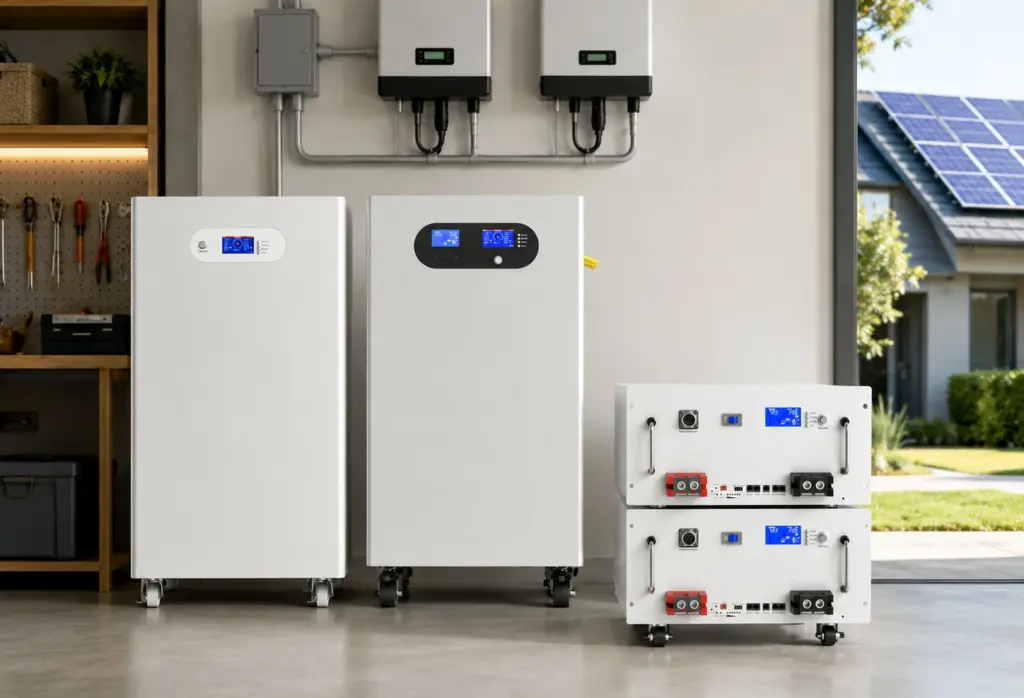
Take Control of Your Energy with Avepower!
Reliable home solar battery solutions with OEM/ODM customization and in-house manufacturing, tailored to the needs of distributors, installers, and energy partners.
FAQ
A 3 phase inverter converts DC electricity from solar panels or batteries into three-phase AC electricity. It outputs three AC waveforms separated by 120 degrees, making it suitable for three-phase grid supply and larger loads.
It is better for larger systems, commercial loads, three-phase equipment, and properties with three-phase supply. It is not always better for small homes because it costs more and requires more complex installation.
Only if the system is designed for backup operation. A grid-tied inverter without backup capability normally shuts down during an outage for safety. A backup-capable hybrid or battery inverter, proper transfer switching, and a correctly sized battery are required.
The right battery depends on the inverter voltage range and project size. Residential systems may use low-voltage LiFePO4 batteries, while commercial and industrial systems often use high-voltage battery cabinets. Avepower provides home energy storage batteries and custom high-voltage ESS solutions for different project needs.