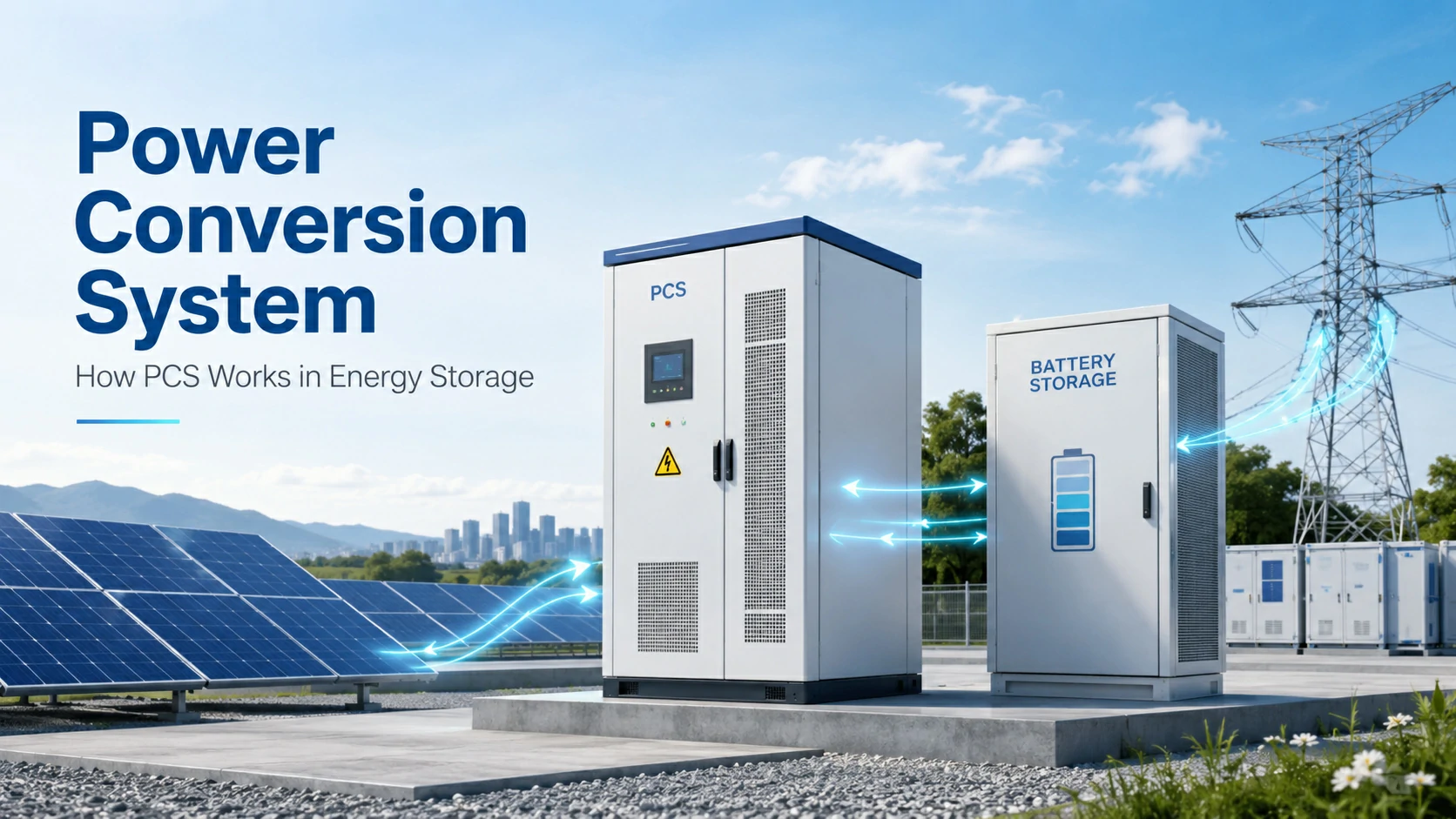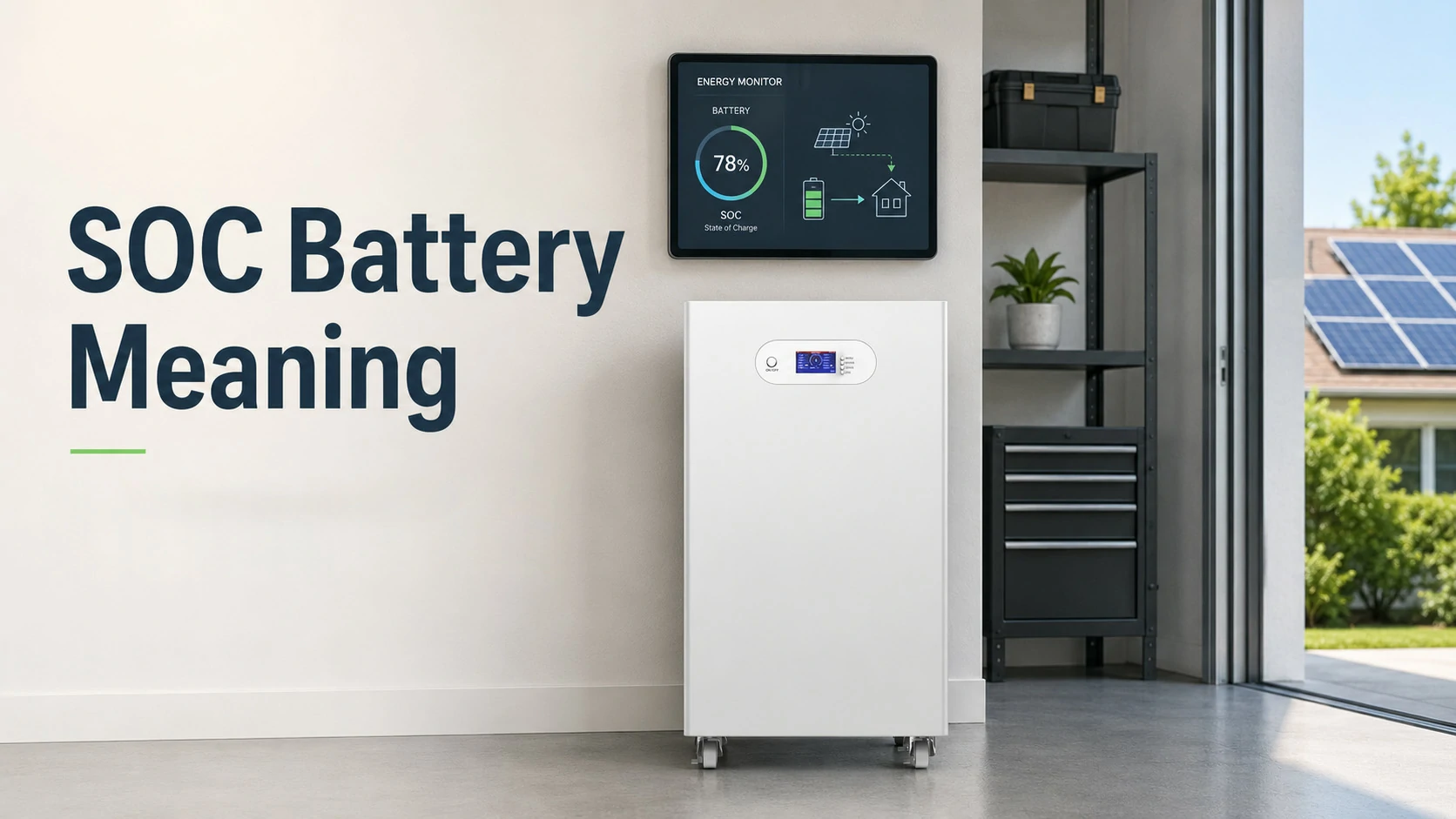

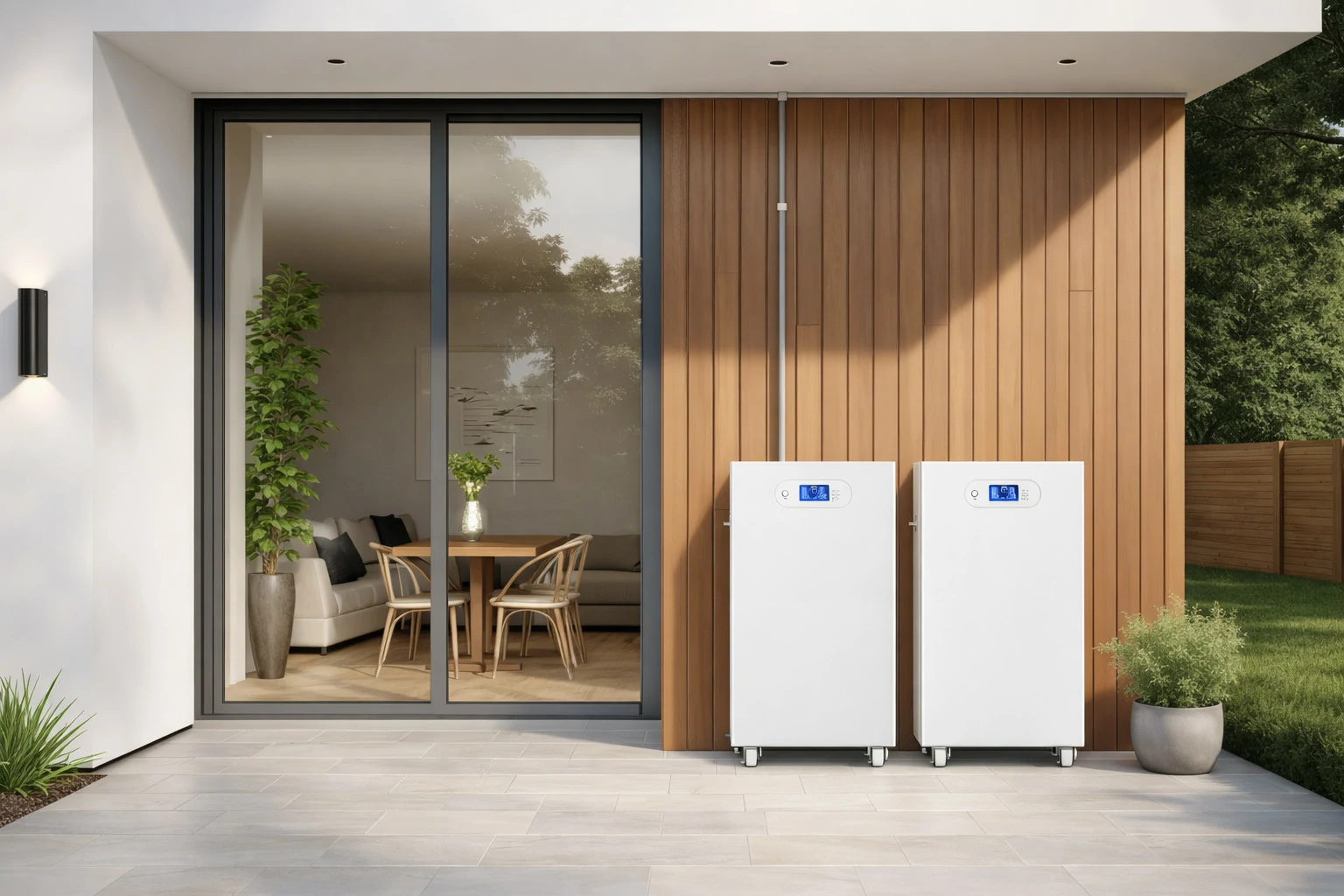
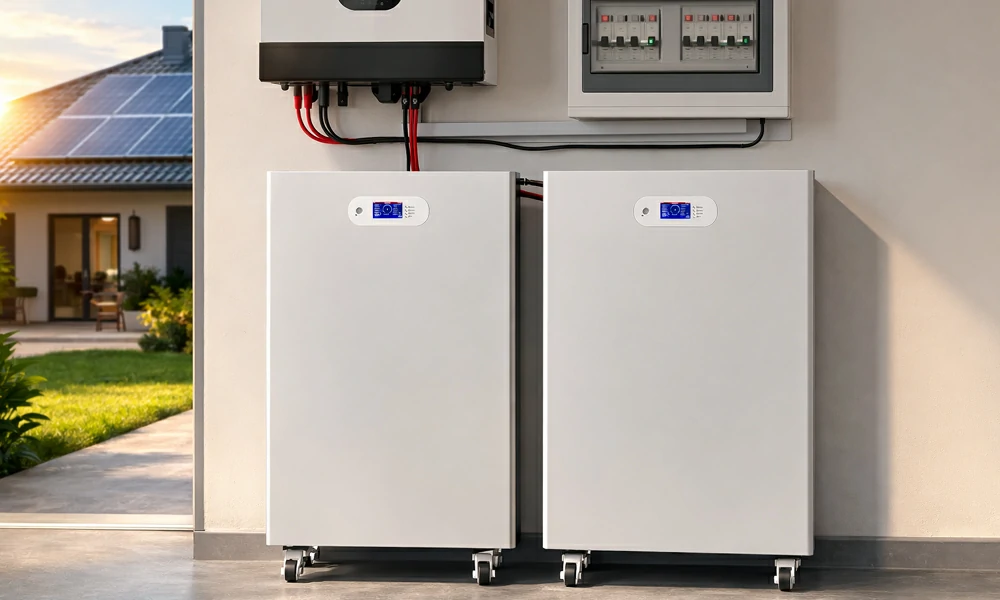
For many residence, outdoor installation is a practical option because it saves indoor space and makes retrofit projects easier. But outdoor placement also exposes the battery to heat, cold, moisture, dust, salt air, flooding risk, and direct sun. Those factors can affect performance, safety, and long-term battery life if the system is installed in the wrong place or without the right enclosure and clearances.
This guide explains when outdoor installation makes sense, when it does not, how to choose the right location, and what mistakes to avoid.
Short Answer
If the following conditions are met, solar batteries can typically be installed outdoors:
- The manufacturer has rated them for outdoor use
- They have an IP67 waterproof and dustproof rating, with an operating temperature range of -20°C to 50°C
- The installation site has overhead cover and allows a 2–4 cm ventilation gap underneath
- An enclosure with NEMA 3R or 4/4X sealing gaskets is used
- Installation is completed by qualified professionals in accordance with local regulations
If any of these conditions are not met, indoor or more sheltered locations are generally a better choice. Therefore, for homeowners, the real question is not just whether a battery can be placed outdoors, but under what conditions it should be installed—since even outdoor-rated systems have performance limitations.
Why Many Homes Consider Outdoor Battery Installation
The biggest reason is simple: space.
Many homes don’t have extra utility rooms, basements, or dedicated equipment areas. Installing a battery outdoors helps free up indoor space and makes it easier to add energy storage to an existing solar system. This is especially useful for retrofit projects, where the original PV system was not designed with battery storage in mind.
Biggest Risks of Installing Solar Batteries Outdoors
Outdoor installation is not inherently unsafe, but it does introduce greater environmental stress.
1. Heat
High temperatures are one of the biggest threats to battery lifespan. Even if a battery is rated for outdoor use, prolonged exposure to heat can accelerate aging and reduce long-term performance. Direct afternoon sunlight is particularly critical, as it can raise the internal battery temperature far above the ambient air temperature.
2. Cold
Cold weather can reduce usable capacity and charging performance. While some lithium batteries can operate in low temperatures, charging and discharging may be limited, slowed, or restricted by the battery management system (BMS). In colder climates, installers may need to consider additional insulation or low-temperature accessories depending on the product.
3. Rain, Humidity, and Dust
Moisture ingress, condensation, salt (especially in coastal areas), and dust can all affect electronic components and terminals over time. This makes enclosure design and IP ratings critical. Outdoor batteries should have clear manufacturer documentation for weather resistance, rather than relying on generic enclosures or temporary covers.
4. Flooding and Physical Damage
Even weather-resistant batteries should not be installed in areas prone to standing water, roof runoff, vehicle impact, or falling objects. Installation guidelines from Tesla warn against placing batteries in locations that could be affected by flooding. Outdoor placement must also account for real-world risks such as lawn equipment, bicycles, pets, and traffic pathways.
5. Code and Clearance Problems
Even if a battery is rated for outdoor use, it may still be installed in an unsuitable location. Clearance requirements near windows, doors, walkways, ventilation openings, living spaces, and emergency exits vary depending on local codes and product specifications.
If you are planning a home battery project and expect the system to be installed outdoors, the safest approach is to choose a battery solution that matches the real installation environment, not just the target capacity.
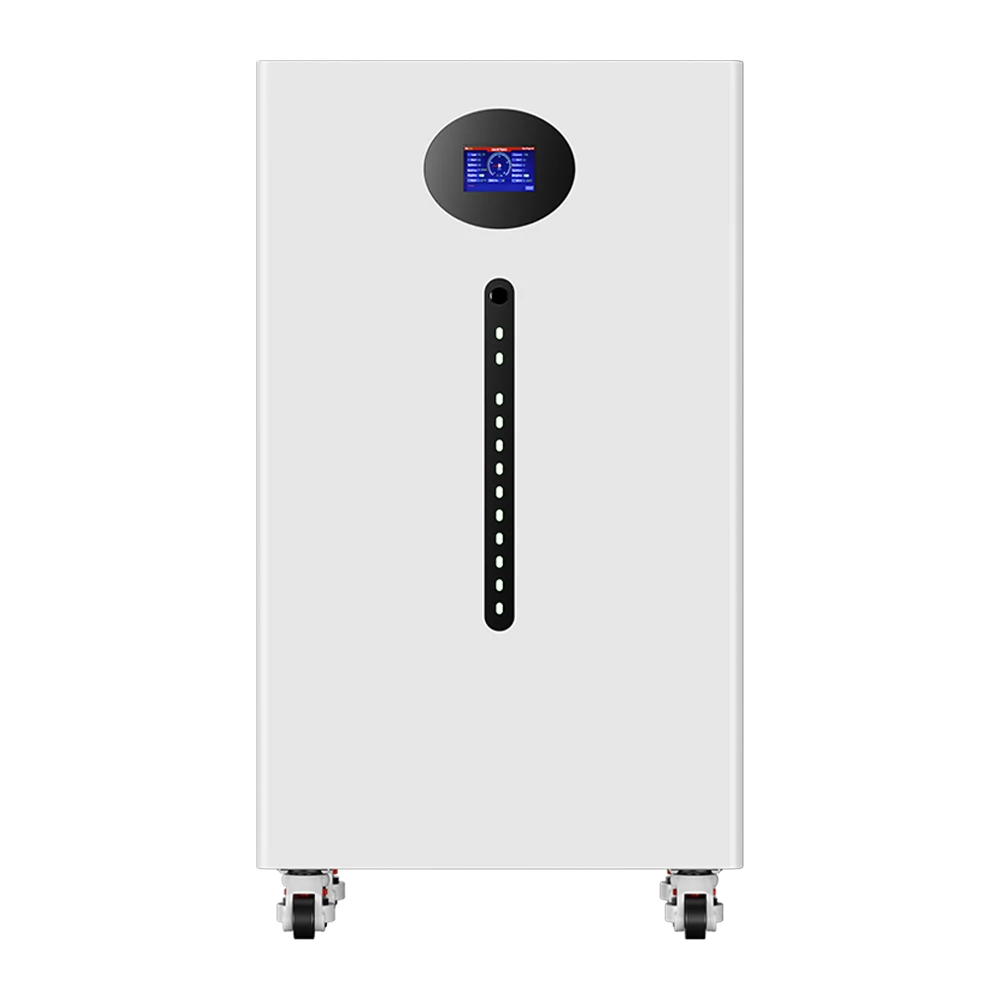
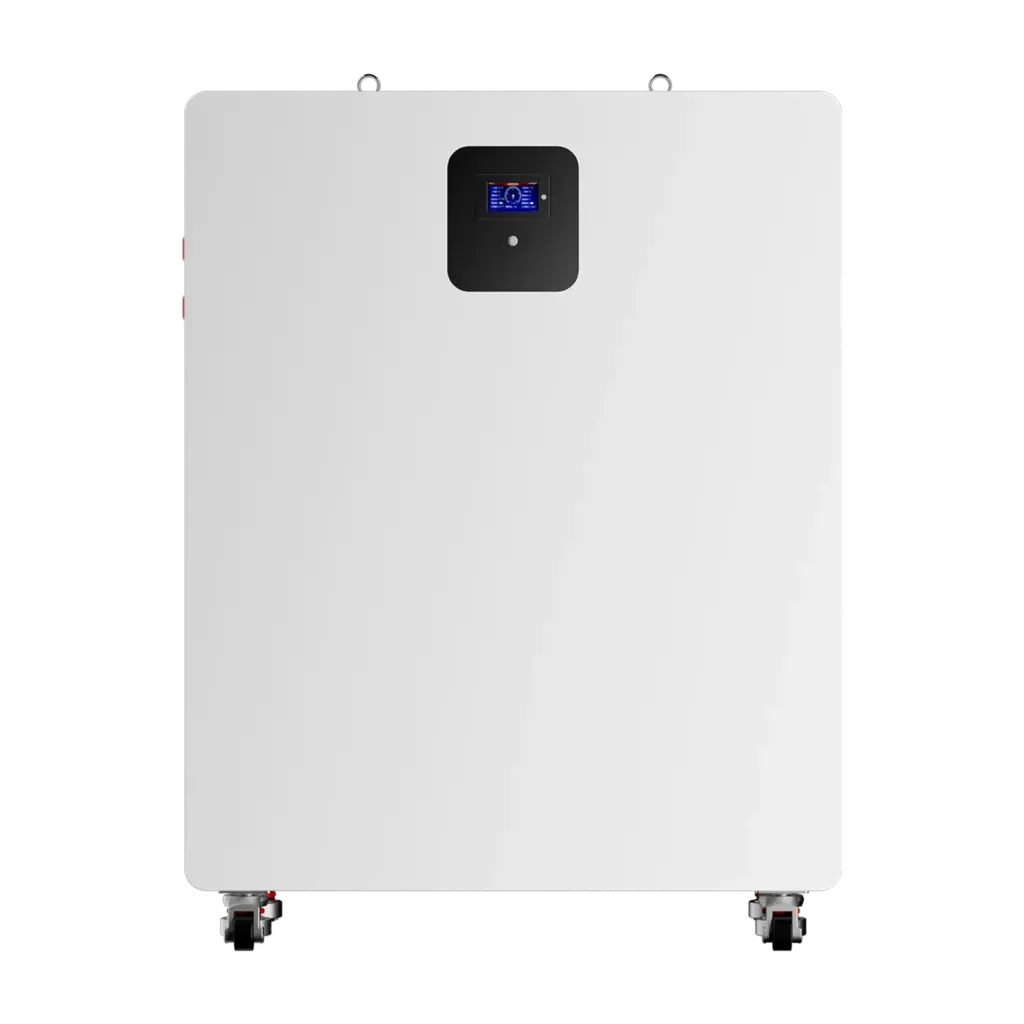
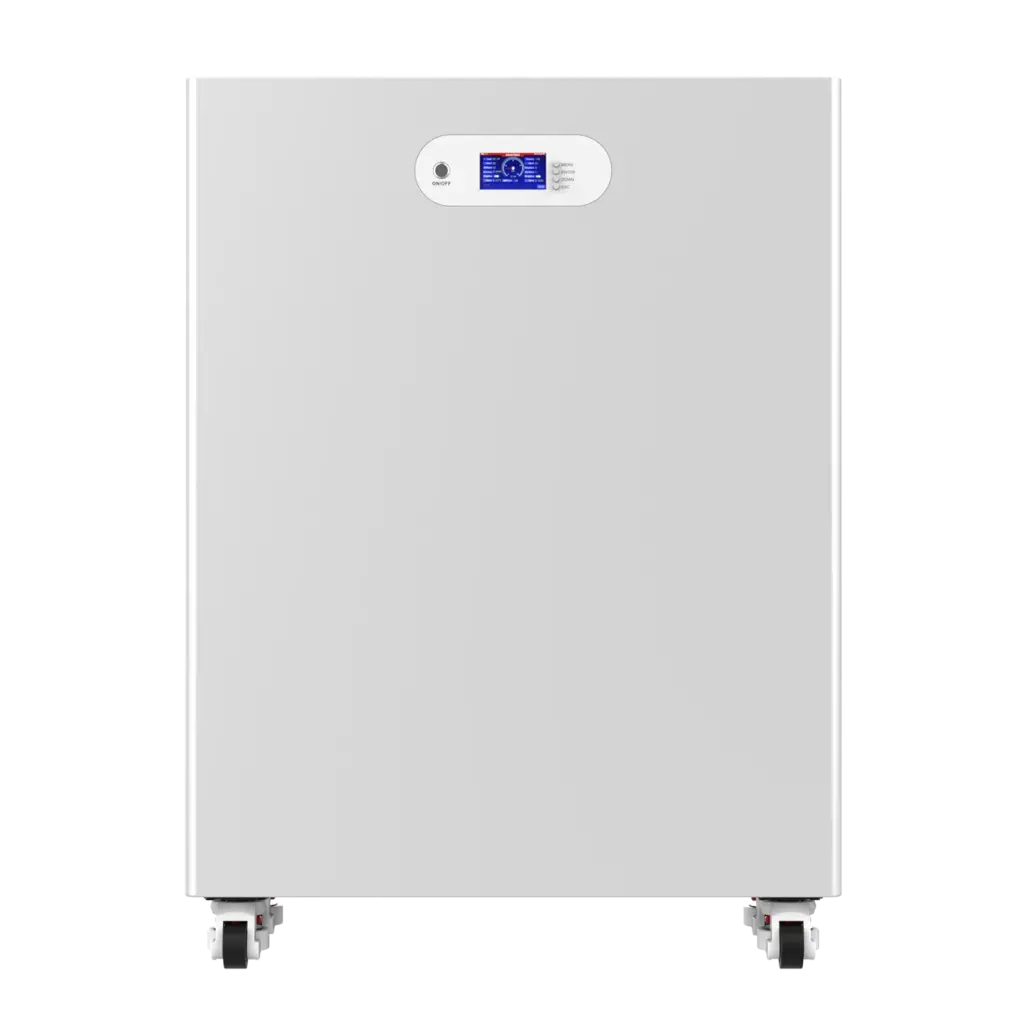
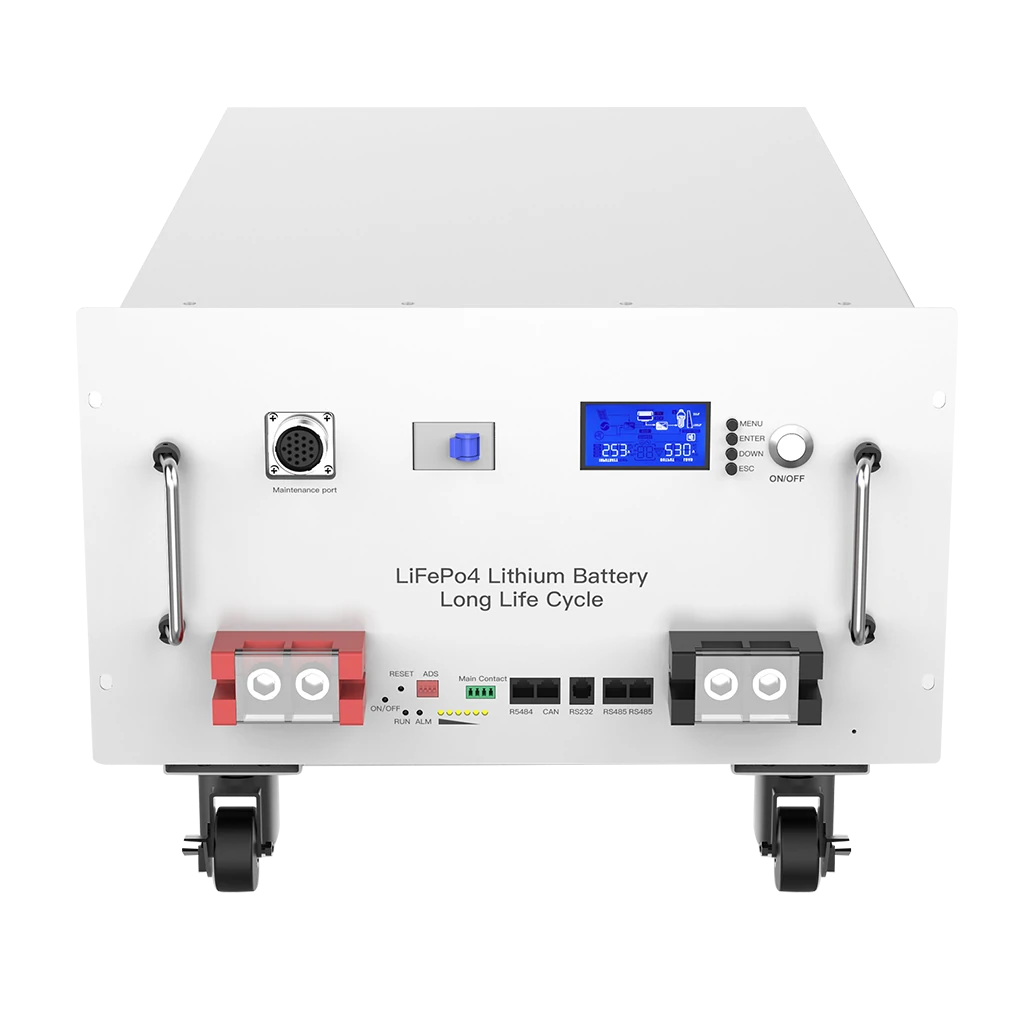
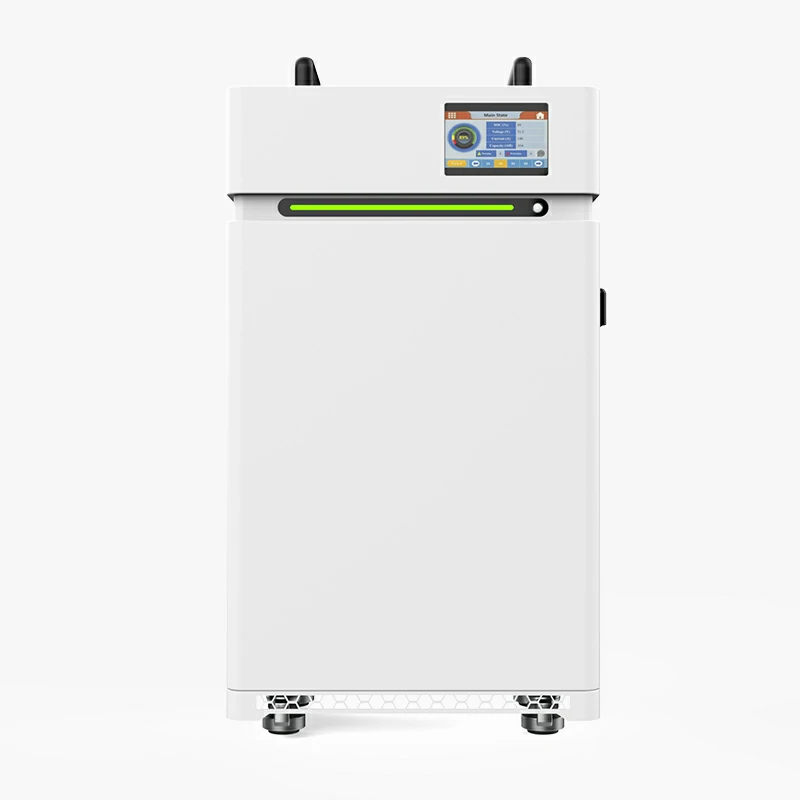
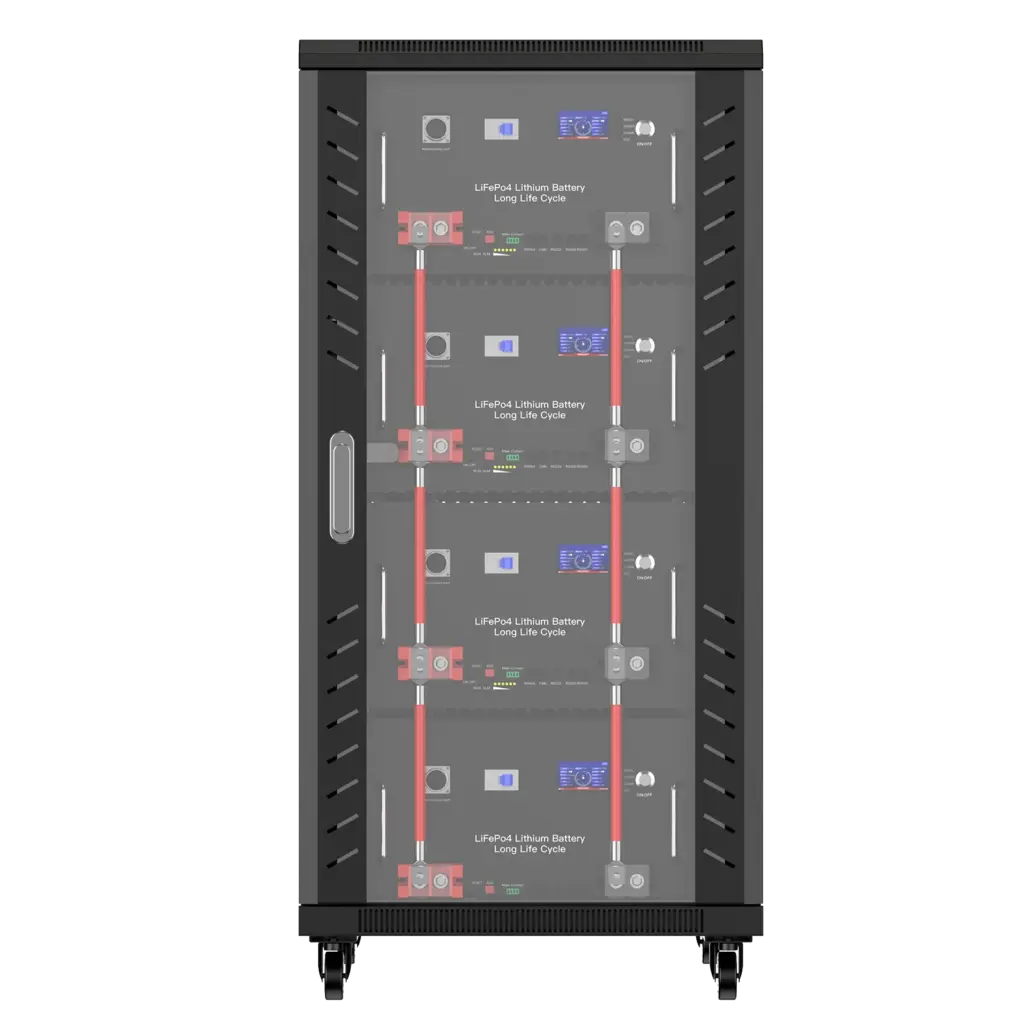
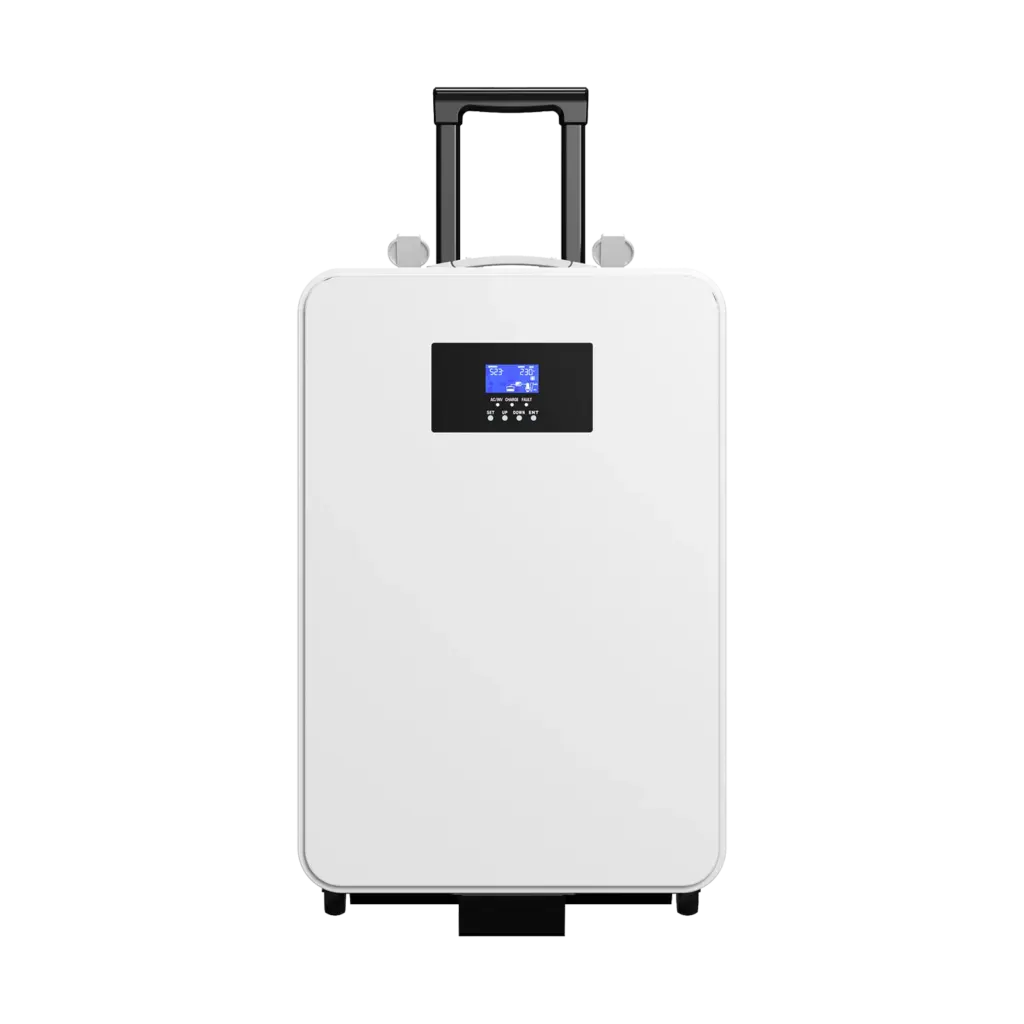
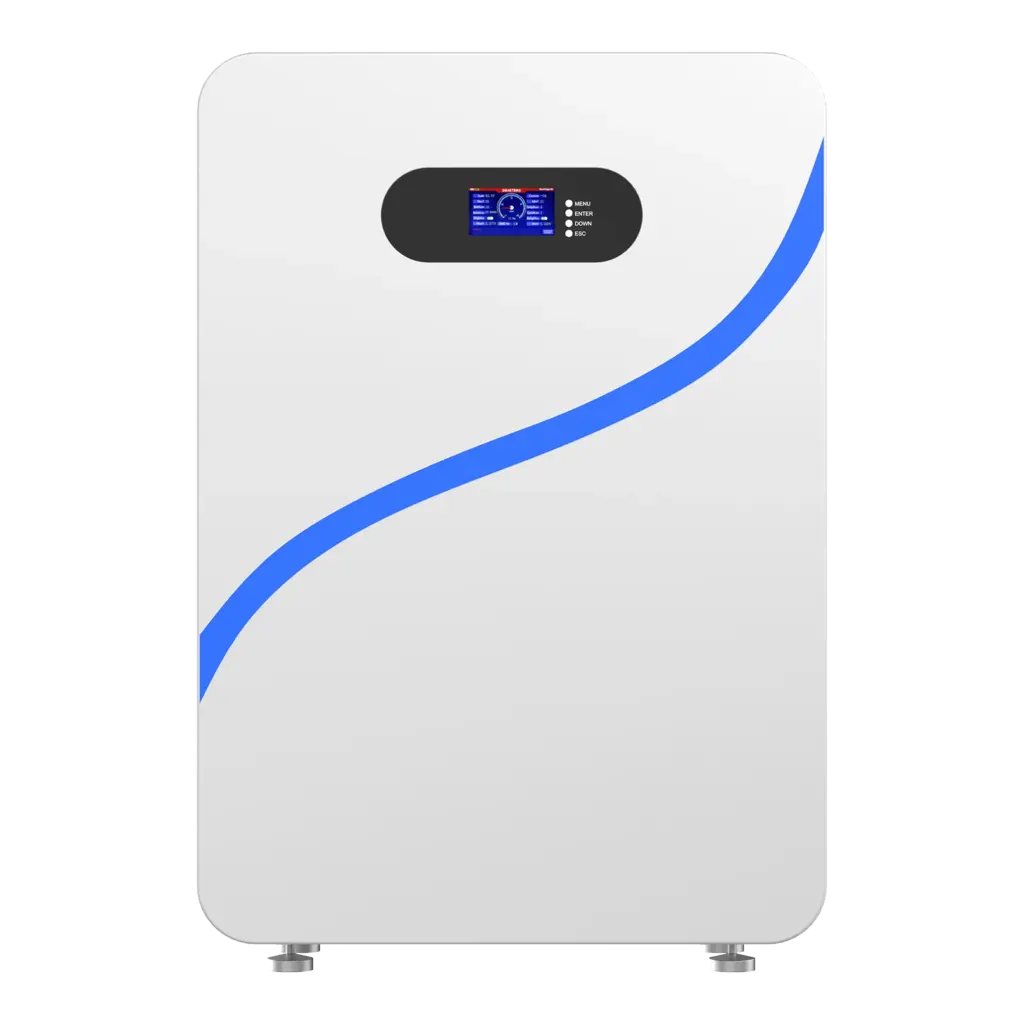
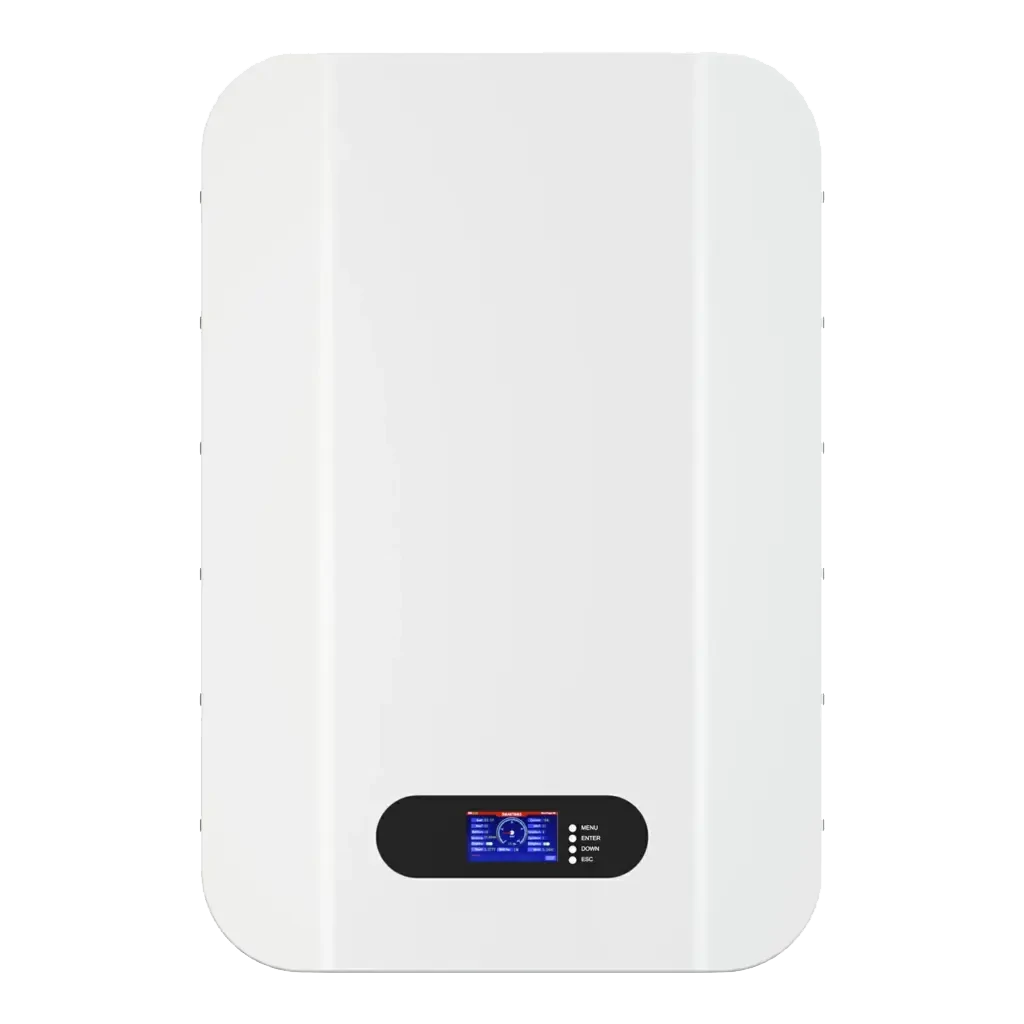
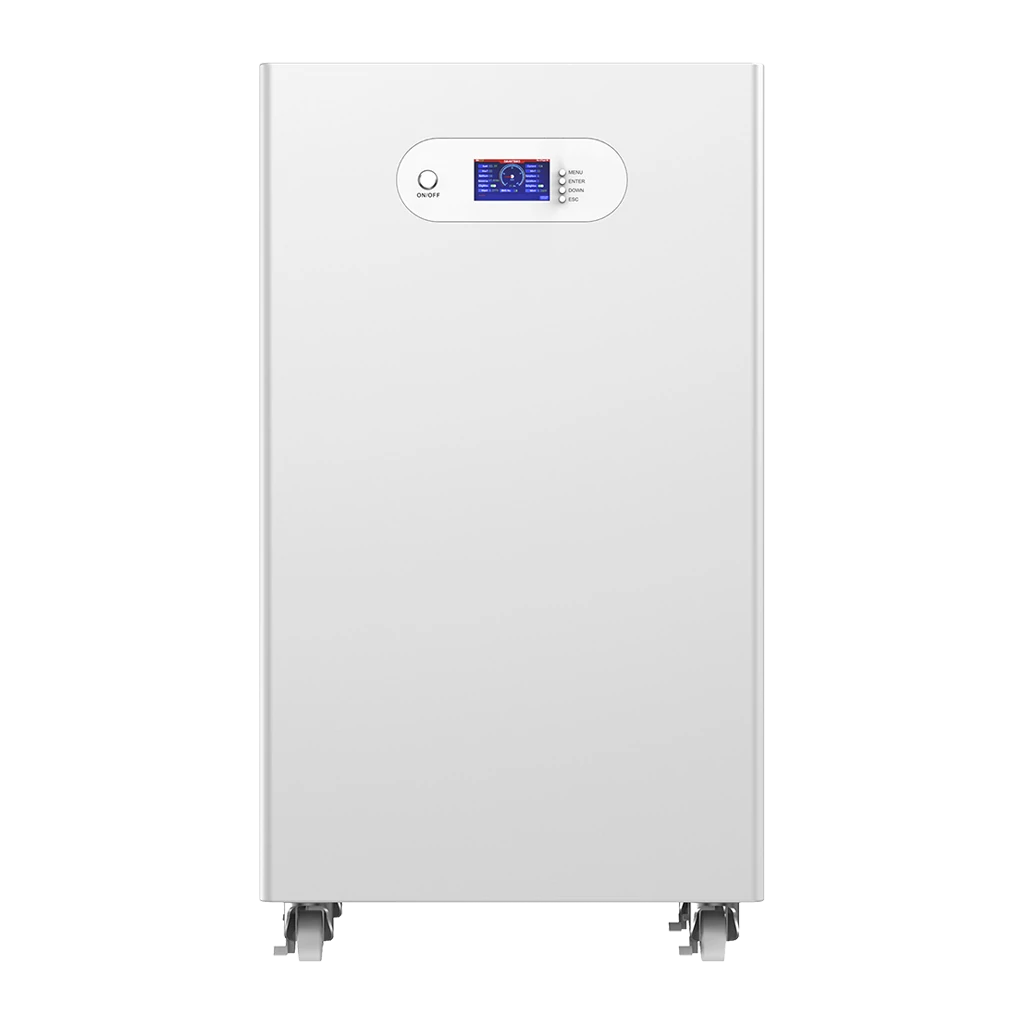
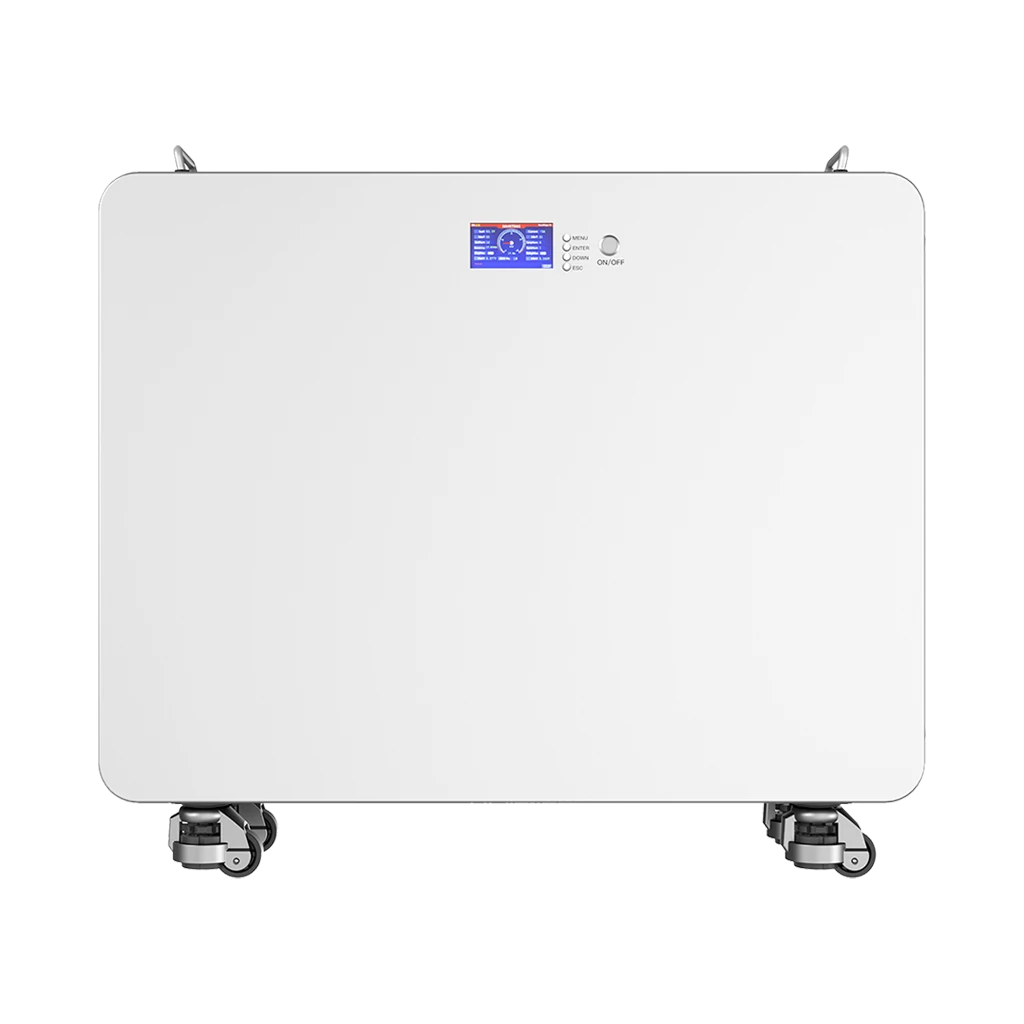
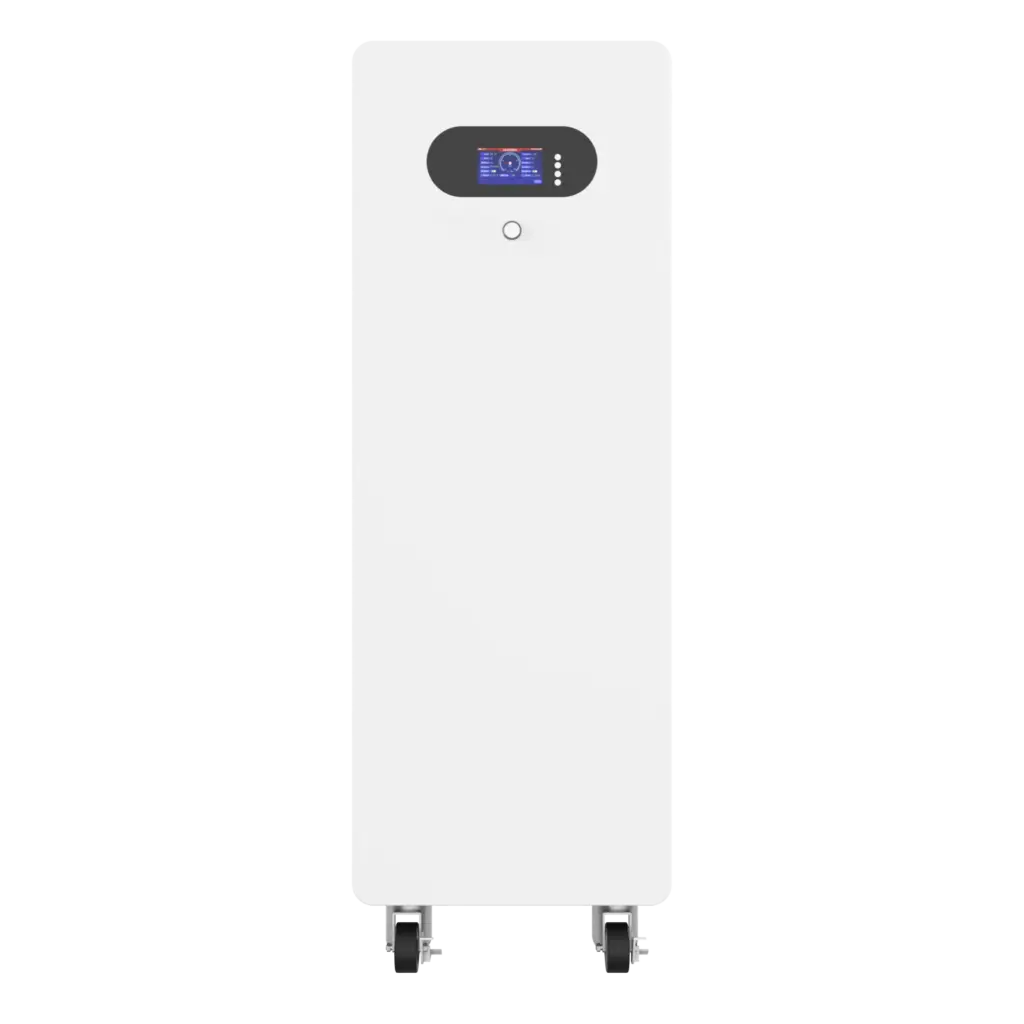
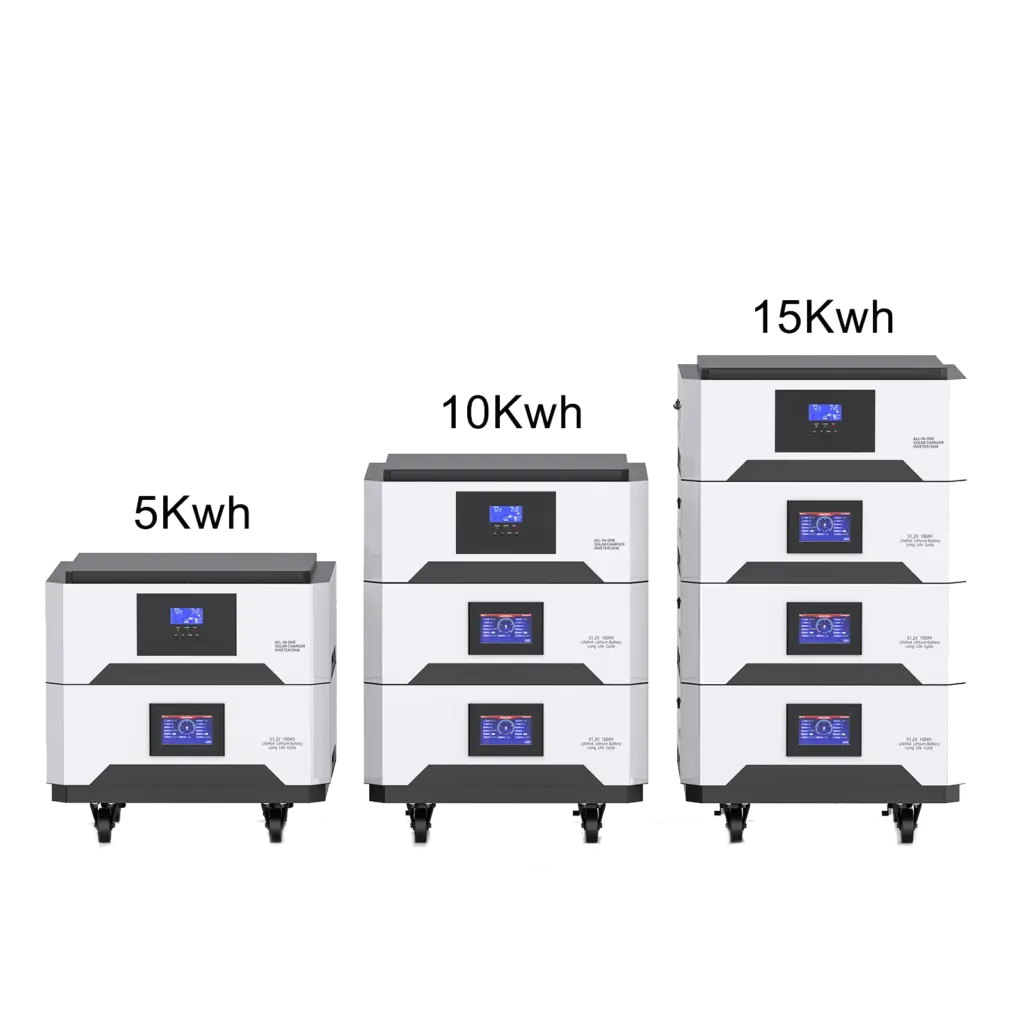
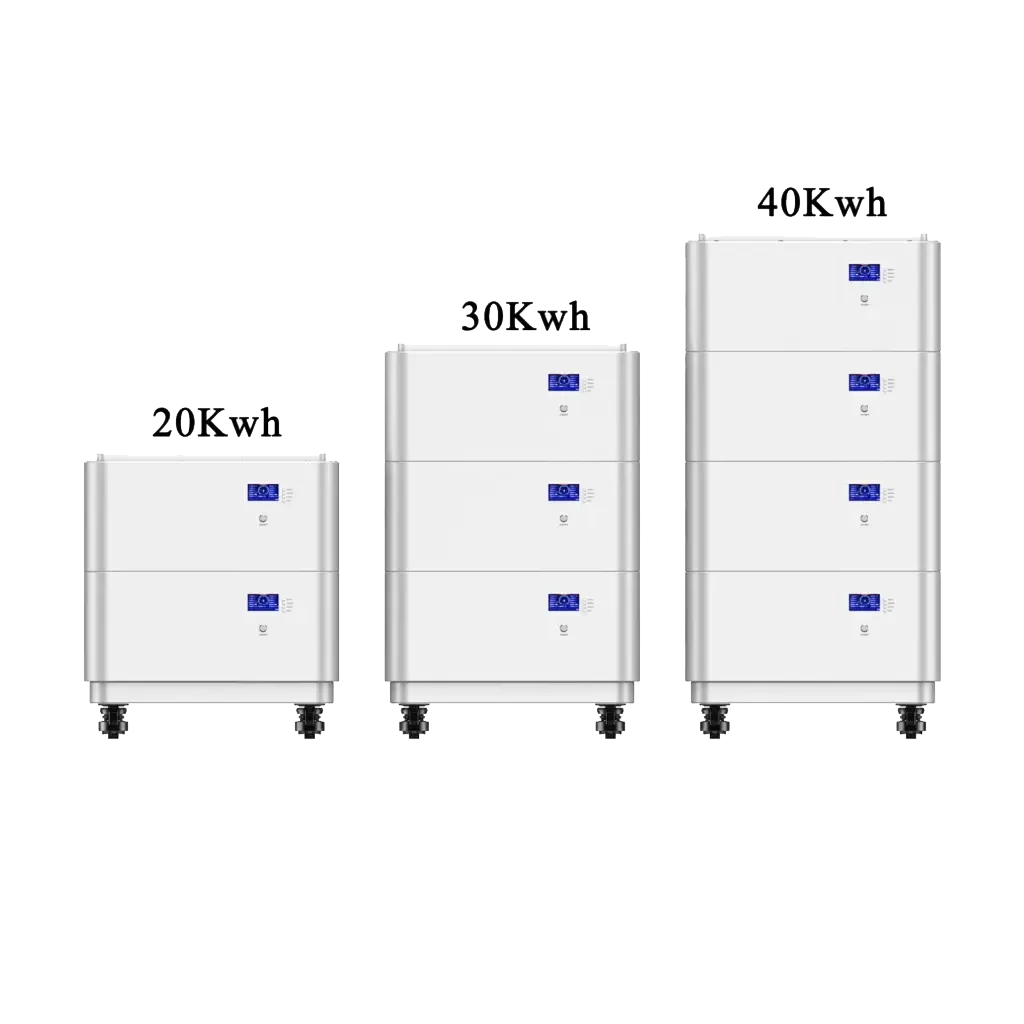
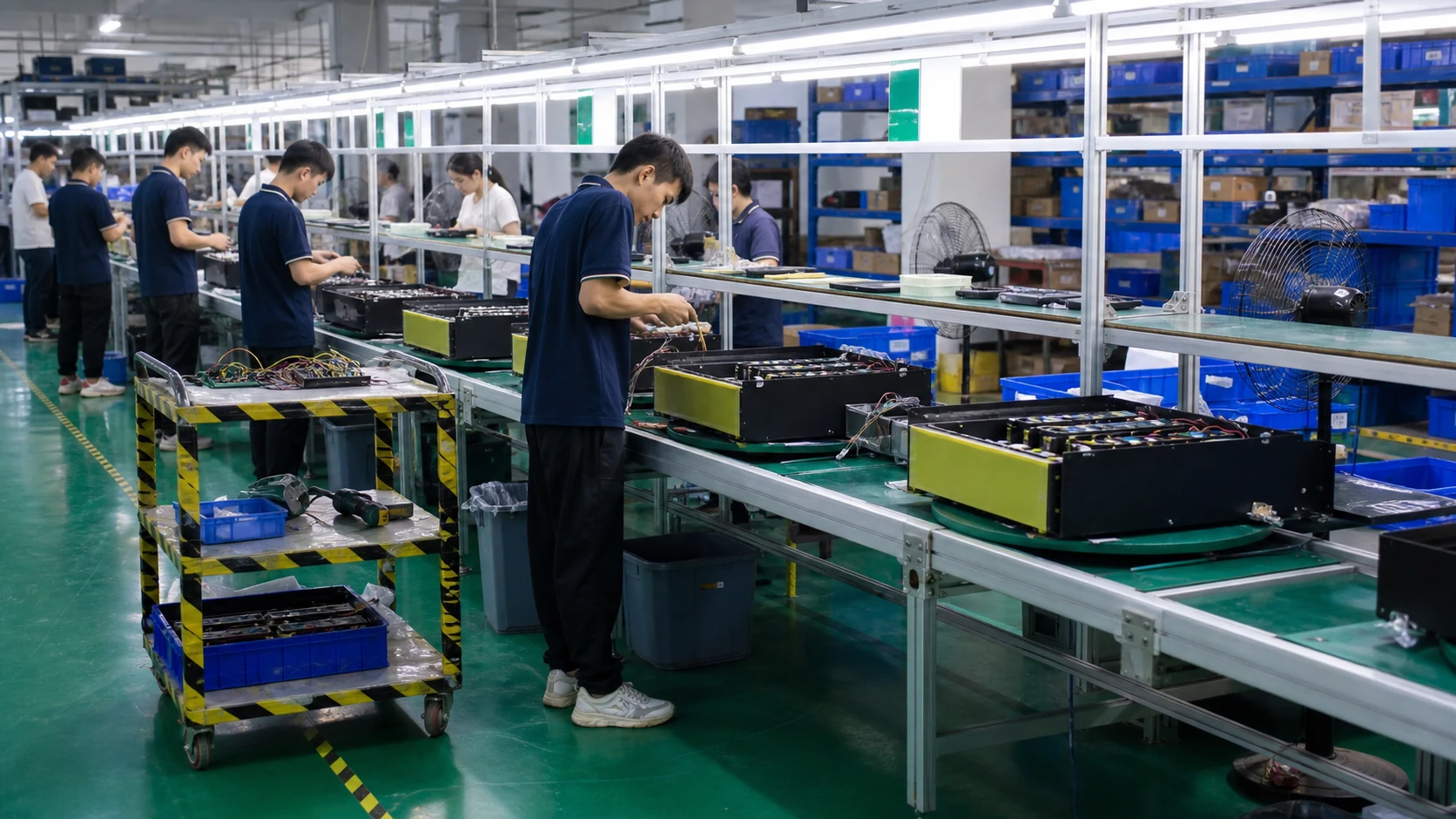
Avepower offers LiFePO4 home energy storage systems across wall-mounted, rack-mounted, modular stackable, vertical, and all-in-one formats, giving installers and buyers more flexibility to match the battery type to the home layout and project needs.
For distributors, installers, and project buyers, Avepower also promotes OEM and ODM support, inverter compatibility guidance, and scalable residential configurations from smaller home backup systems to larger modular setups.
Need a Battery Solution Tailored to Your Market?
Avepower provides OEM ODM customization for home energy storage batteries, including appearance, capacity, communication, and functional requirements.
How to Determine if a Solar Battery Can Be Installed Outdoors
Before choosing a location, check the following five factors:
1. Manufacturer Approval
Do not assume a battery is suitable for outdoor use just because it “looks sealed” or another brand offers outdoor-rated models. The product datasheet or installation manual should clearly state whether the battery is approved for indoor use, outdoor use, or both.
2. IP Protection Rating
The IP rating indicates resistance to dust and water. For outdoor applications, installers typically select higher ratings—such as IP55, IP56, IP65, or above—depending on the level of exposure and product design.
3. Operating Temperature Range
Even if a battery is labeled for outdoor use, it may not be suitable for your specific climate if it frequently operates near or beyond its datasheet limits. Always check the ambient temperature range and any charging restrictions.
4. Local Installation Codes
Installation regulations vary by region. In Australia, AS/NZS 5139 is a key standard, and New South Wales has issued updates on battery placement and clearance requirements. In the United States, NFPA 855 provides guidance on energy storage system safety and siting.
5. Installer Assessment
A qualified installer should evaluate sun exposure, wall structure, drainage, corrosion risk, fire separation, maintenance access, and cable routing before finalizing the installation location. This is especially important for coastal homes, bushfire-prone areas, snowy regions, and hot climates.
Best Outdoor Locations for a Solar Battery
The ideal outdoor location is usually:
- Shaded for most of the day
- Well ventilated
- Dry and well drained
- Out of direct runoff and not in a flood-prone area
- Easy for installers to access
- Clear of windows, doors, vents, and escape paths according to local rules
- Protected from accidental impact and tampering
In practice, that often means a shaded side wall, a sheltered exterior service area, or a purpose-designed covered location that still maintains airflow and code clearances. It does not mean placing the battery in direct sun, under a leaking gutter, beside a bedroom window without checking clearances, or in a location that traps heat.
Product Comparison Data
| Product | Capacity | Operating temperature |
|---|---|---|
| Avepower Powerwall | 10kWh | -20°C to 55°C |
| Avepower Solar Battery | 15kWh | -20°C to 55°C |
| Avepower Vertical Battery | 30kWh | -20°C to 55°C |
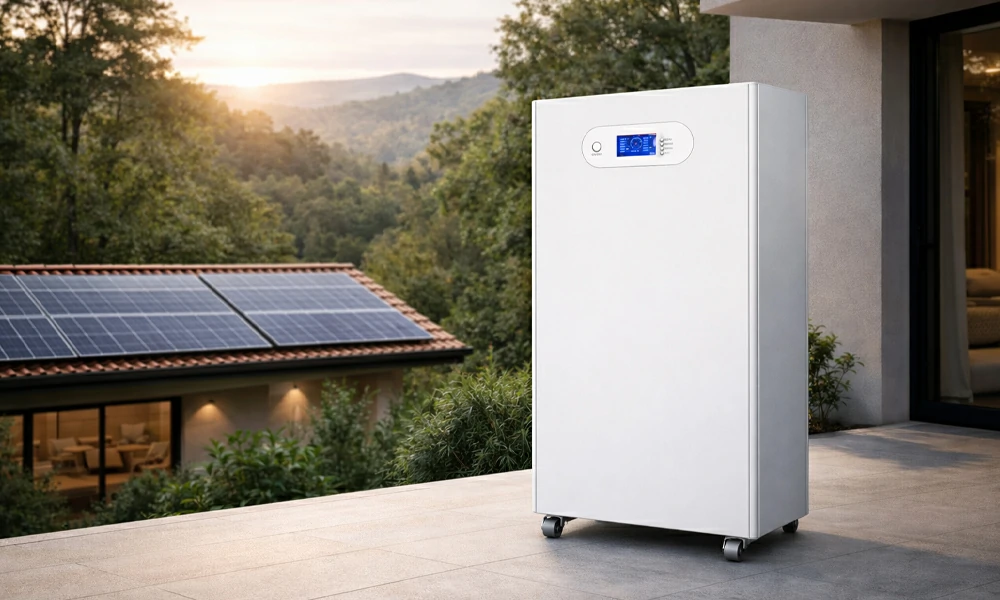
Need the Right Battery for Outdoor Installation?
Avepower offers LiFePO4 home battery solutions designed for different installation conditions, including wall mounted, rack mounted, stackable, and all in one systems.
Where You Should Not Install a Solar Battery Outside
You should avoid locations in direct afternoon sun, flood-prone corners, enclosed hot cabinets with poor ventilation, or areas where the battery could be struck by cars, garden equipment, or foot traffic. You should also avoid placing batteries near windows, doors, vents, or escape paths without checking the applicable rules first. These are not minor details.
What the Rules Say About Outdoor Battery Installation
In the United States, NFPA’s summary of NFPA 855 says residential energy storage systems are permitted in locations such as attached garages, detached garages, and on exterior walls at least 3 feet from doors and windows. That is an important reminder that even if a battery is outdoor-rated, it still cannot be placed just anywhere.
In Australia, AS/NZS 5139:2019 is the key battery installation safety standard, and the Australian government’s CER states that an eligible solar battery must meet the relevant Australian standards, including AS/NZS 5139:2019. In New South Wales, a government update published on 25 March 2026 says battery systems may now be installed within 600 mm of an opening, provided the opening is wider than 900 mm, such as a garage door, and it also clarifies how windows and building ventilation are treated in restricted locations.
Outdoor vs Indoor Installation: Which Is Better?
Choose indoor or sheltered installation when the climate is harsh or the battery is only conditionally suitable for outdoor use. Choose outdoor installation when the battery is purpose-built for it and the site can provide shade, airflow, drainage, and code-compliant clearances.
| Factor | Indoor Installation | Outdoor Installation |
|---|---|---|
| Overall Suitability | Better for stable environments and protection | Better when space is limited or system is outdoor-rated |
| Climate Impact | Protected from heat, cold, and weather | Exposed to temperature swings and environmental stress |
| Performance Stability | More consistent long-term performance | May vary depending on weather conditions |
| Space Requirements | Requires available indoor space (garage/utility room) | Frees up indoor space |
| Installation Complexity | May require routing cables indoors | Often simpler for retrofits, especially with exterior walls |
| Maintenance & Access | Easier in controlled environments | May require weather considerations |
| Best Use Case | Harsh climates or batteries with limited outdoor rating | Outdoor-rated batteries with proper shade, airflow, and drainage |
| Key Consideration | Temperature control and protection | Proper installation conditions (shade, ventilation, clearances) |
How to Check Whether a Battery Can Be Installed Outside
Start with the product manual or datasheet. Check whether the system is approved for outdoor use, then review the IP rating, operating temperature range, and any notes about de-rating or restricted conditions. After that, have a qualified installer review the actual site for shade, ventilation, drainage, wall suitability, clearance from openings, and safe access. This process is more reliable than copying another installation photo or assuming that all lithium batteries work the same way.
Avepower Outdoor Solar Battery Solutions
At Avepower, we believe battery installation decisions should be based on real project conditions, not guesswork. For outdoor solar battery projects, the right solution depends on the local climate, available space, backup goals, mounting method, and installer requirements.
Avepower offers residential energy storage solutions based on LiFePO4 battery chemistry, with smart BMS protection, stable performance, and flexible product options for different installation scenarios. Our product range includes:
- wall mounted batteries for compact residential projects
- rack mounted batteries for installer friendly system layouts
- vertical and stackable batteries for flexible capacity expansion
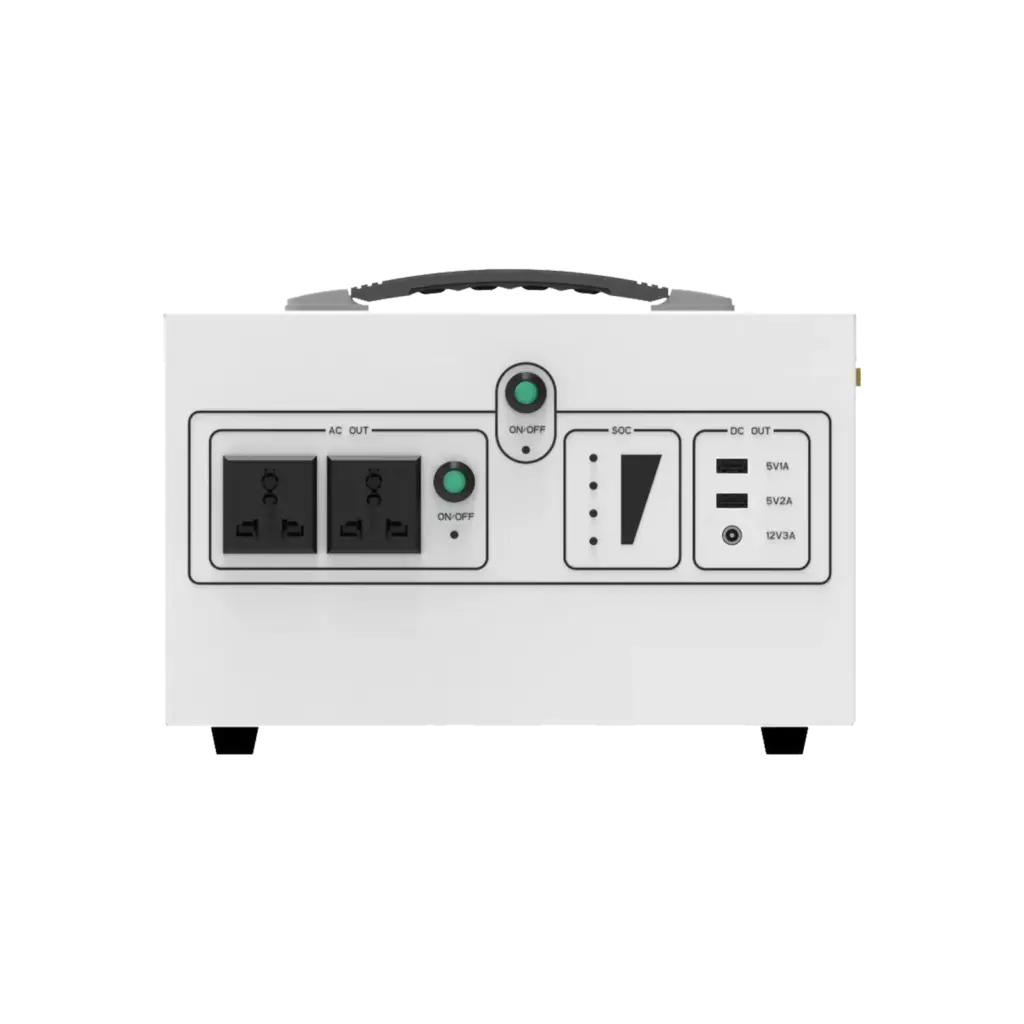
- all in one battery systems for more integrated solar plus storage applications
For distributors, installers, and OEM ODM buyers, we also support customization in appearance, capacity, and functions. This makes it easier to adapt battery systems to different market requirements and outdoor installation environments.
If you are planning a home energy storage project and need a battery solution suited for outdoor installation, Avepower can help you evaluate the right configuration based on your project needs, climate conditions, and system design goals.
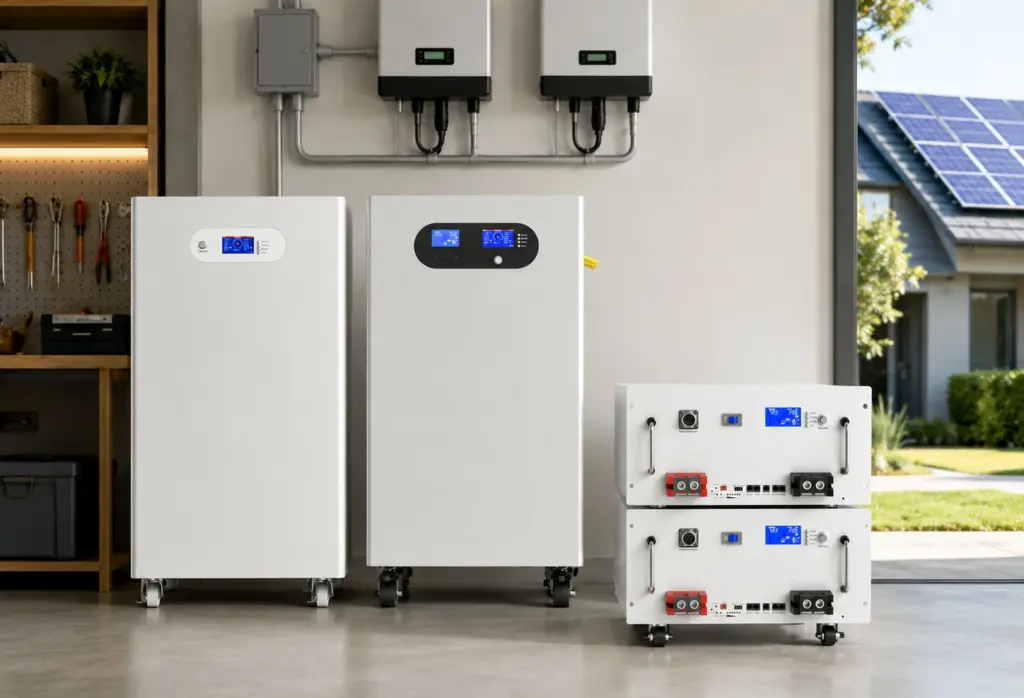
Take Control of Your Energy with Avepower!
Reliable home solar battery solutions with OEM/ODM customization and in-house manufacturing, tailored to the needs of distributors, installers, and energy partners.
Conclusion
So, can solar batteries be installed outside
Yes, they can, but only when the battery is designed for it and the installation is done correctly. The best outdoor battery installation is one that protects the system from heat, moisture, flooding risk, and poor airflow while also meeting local safety requirements.
The smartest approach is simple. First, check the battery manual. Second, evaluate the real site conditions. Third, let a qualified installer confirm the final location. When those three things line up, outdoor installation can be a safe and practical choice.
FAQ
No. Some residential batteries are designed for outdoor use, while others are only suitable for indoor or sheltered locations. For example, Avepower batteries support outdoor installation, but each model has different waterproof ratings and temperature limits.
It depends on the battery model. For instance, Avepower solar batteries typically have an operating temperature range of -20°C to 55°C.
Outdoor residential batteries generally have protection ratings between IP55 and IP67, depending on the enclosure design and level of environmental exposure.
It depends on the battery model, local climate, and available installation space. Outdoor installation can work very well, but indoor installation is often better when outdoor locations are exposed, hot, damp, or difficult to keep compliant.
Yes. Cold weather can reduce charging performance and available power depending on the battery model. That is why the operating temperature range and optimum temperature range should be checked before installation.
Rules vary by market, but examples include NFPA residential guidance in the U.S. and AS/NZS 5139-based requirements in Australia. Clearances from windows, doors, openings, and escape routes are especially important.